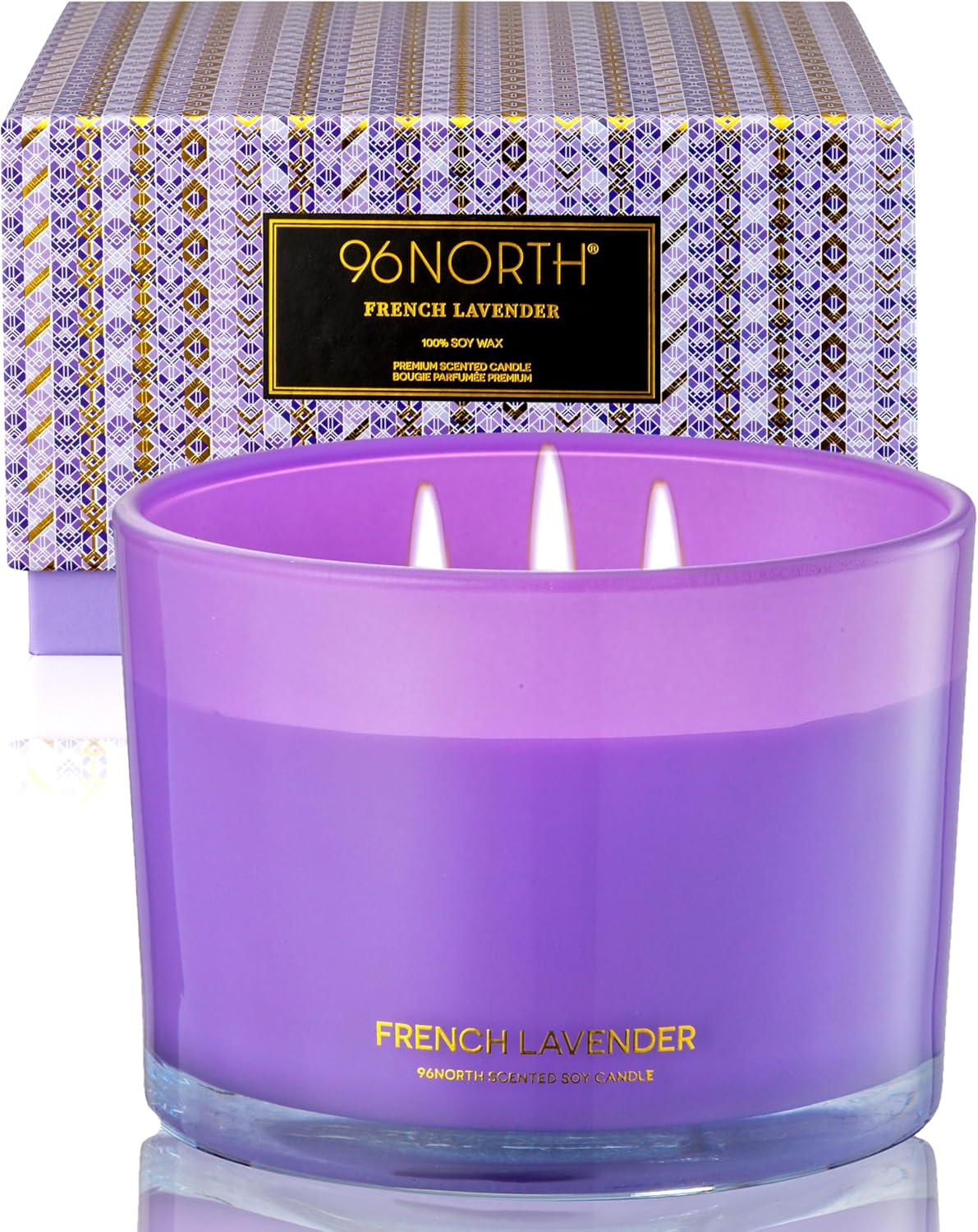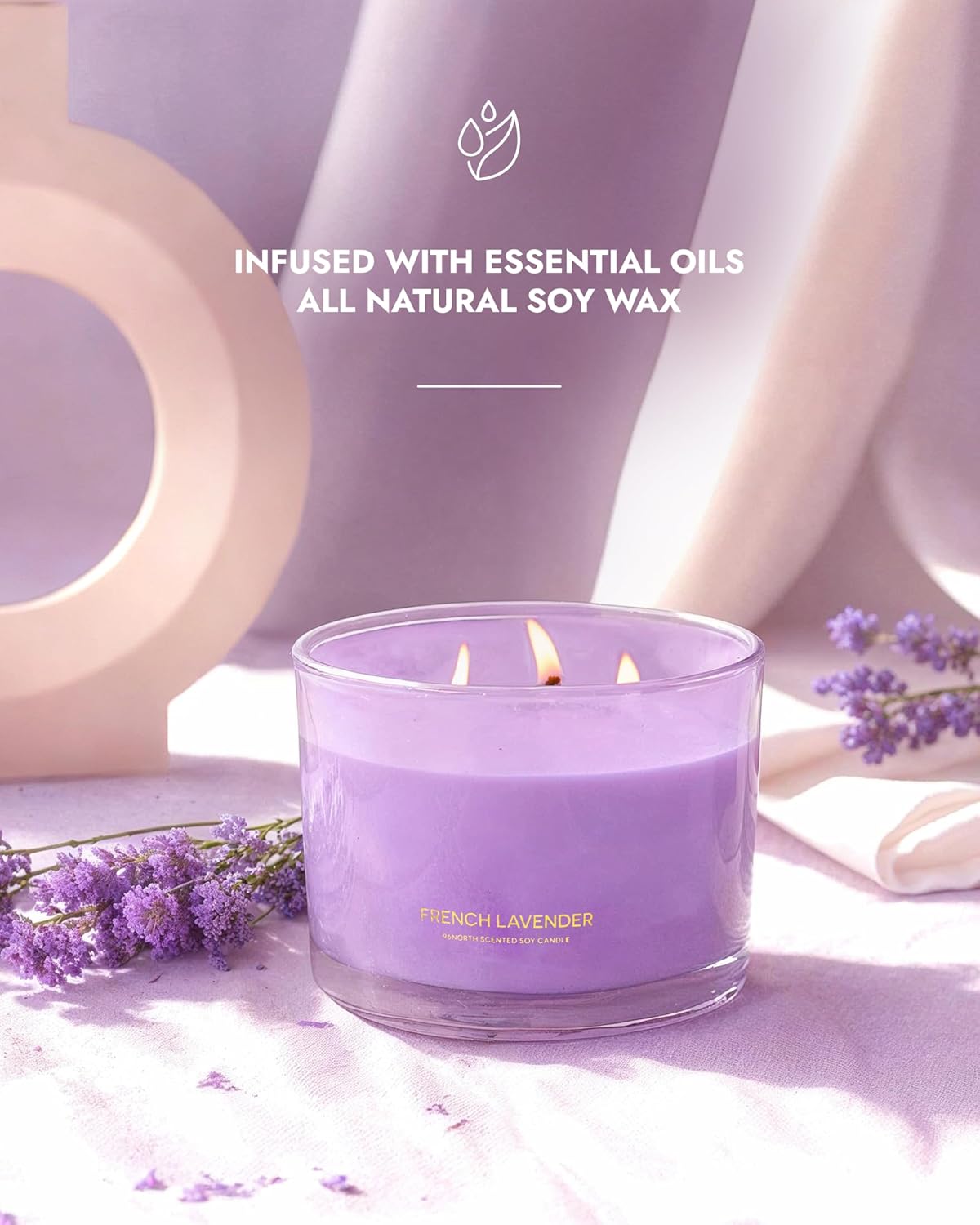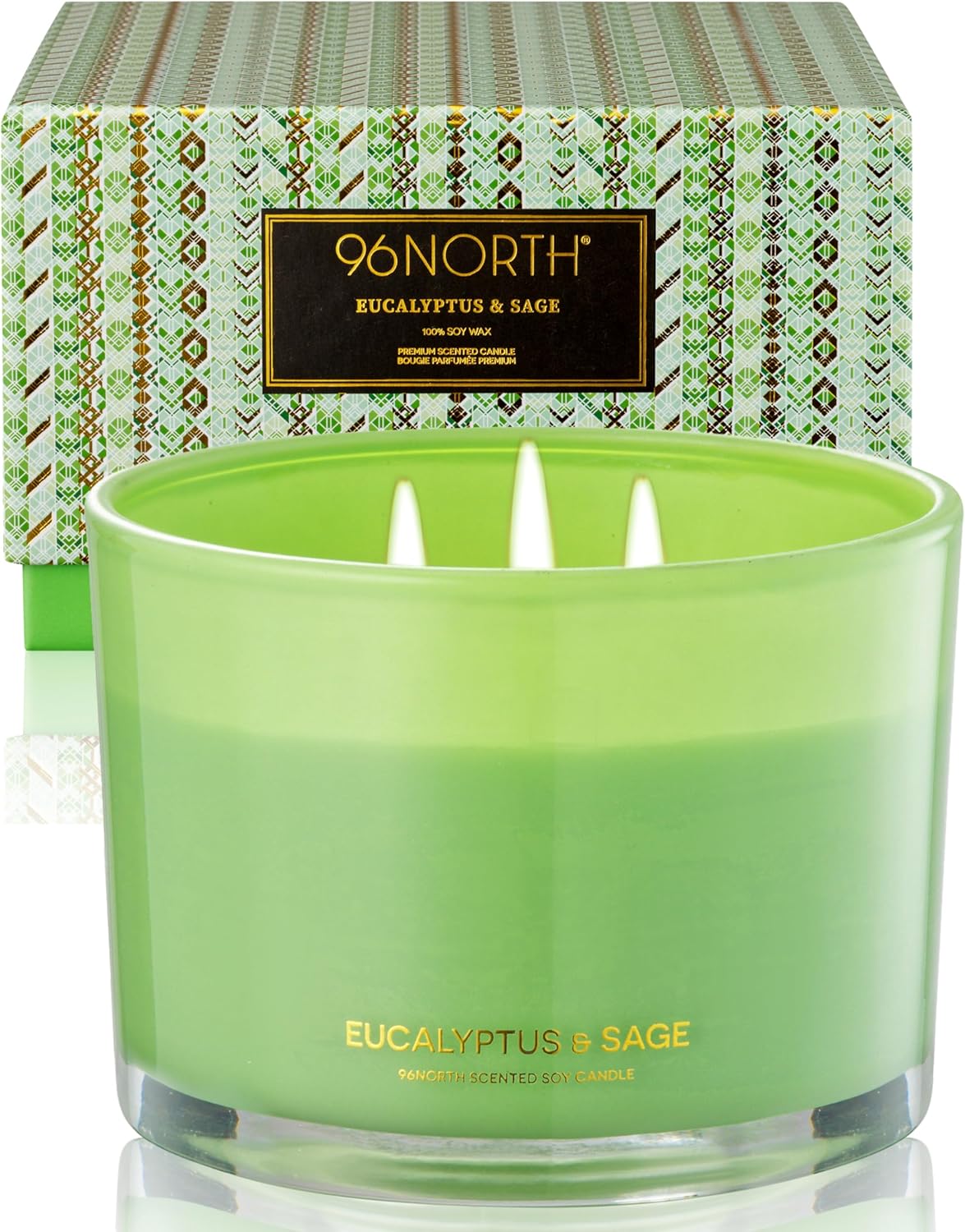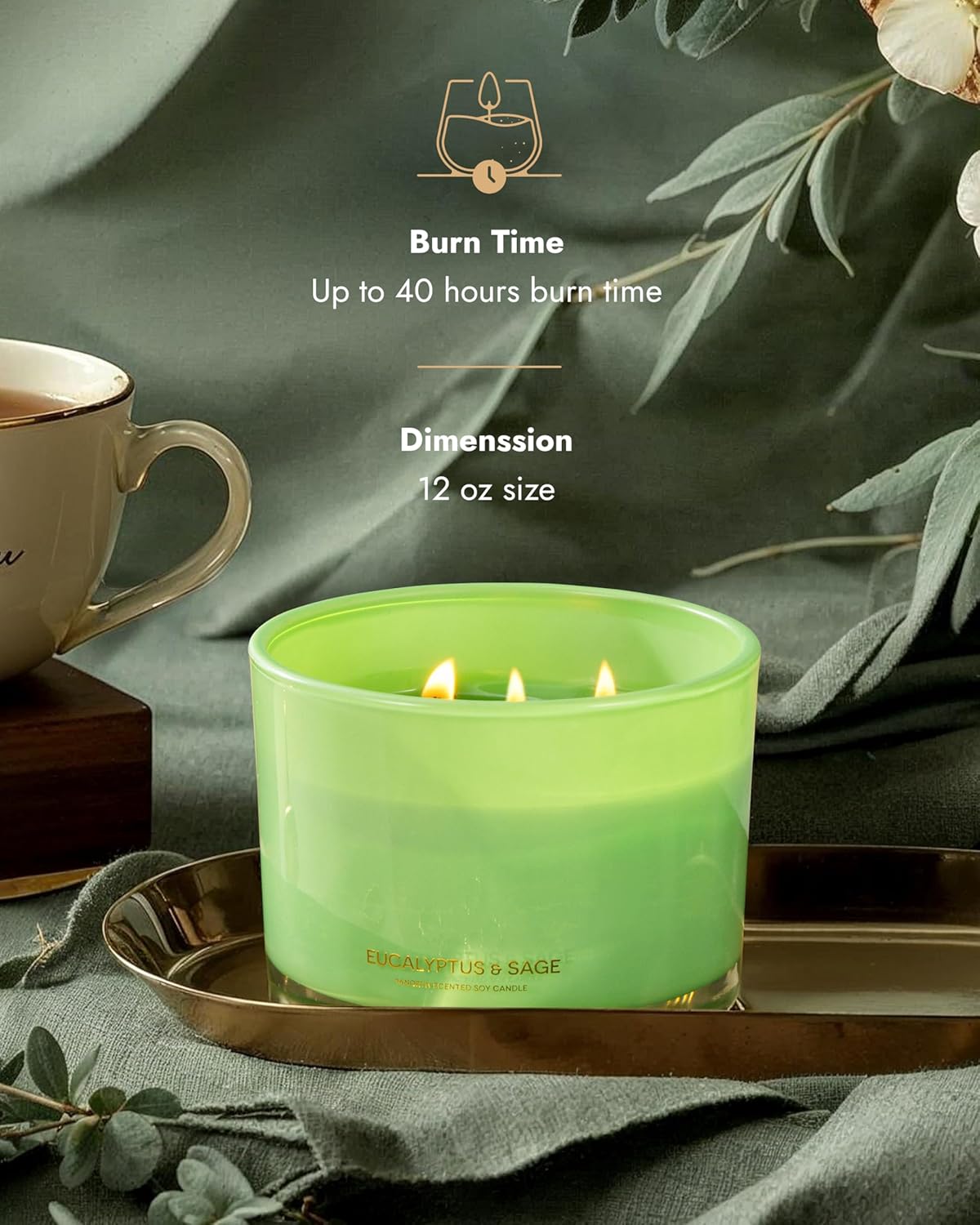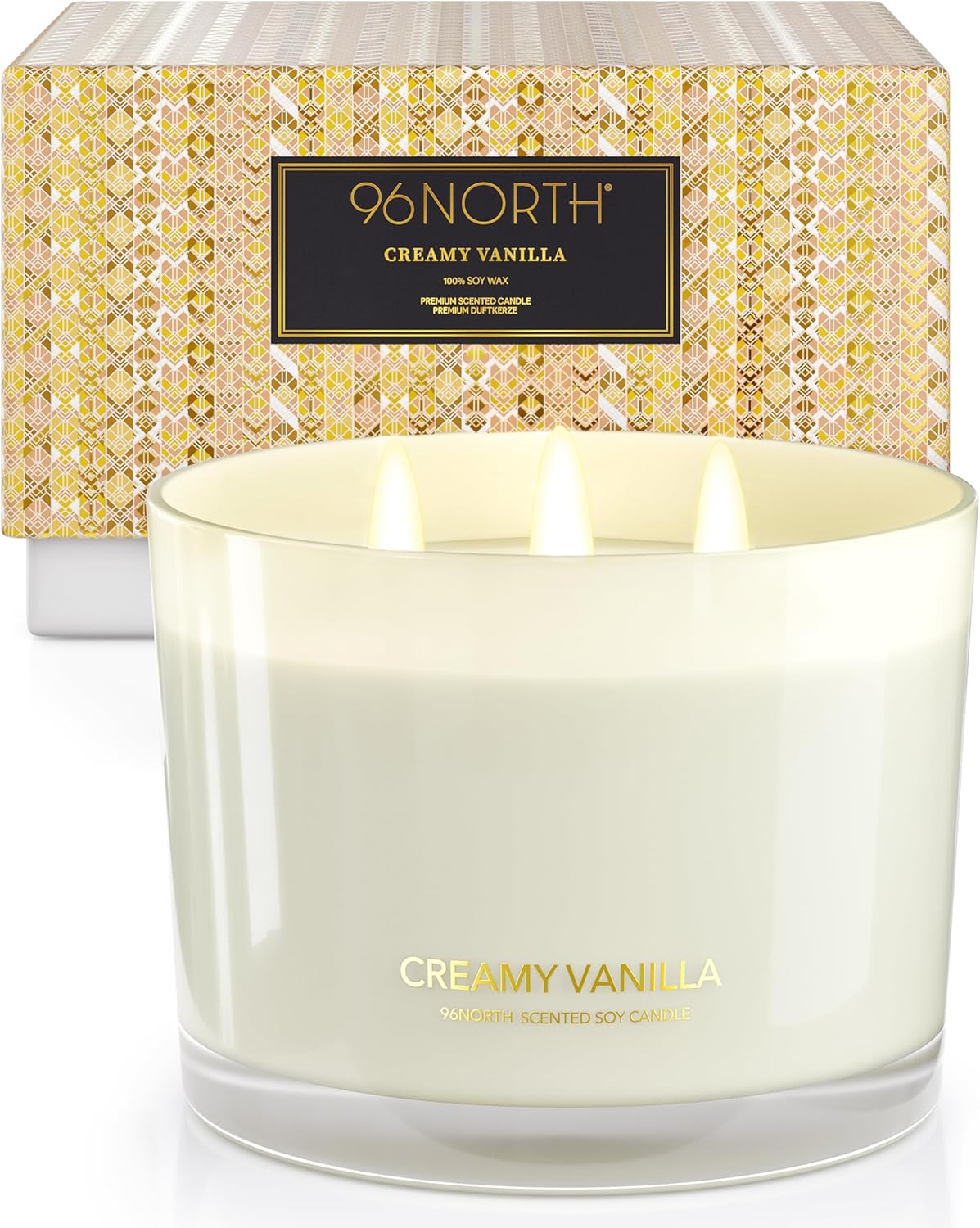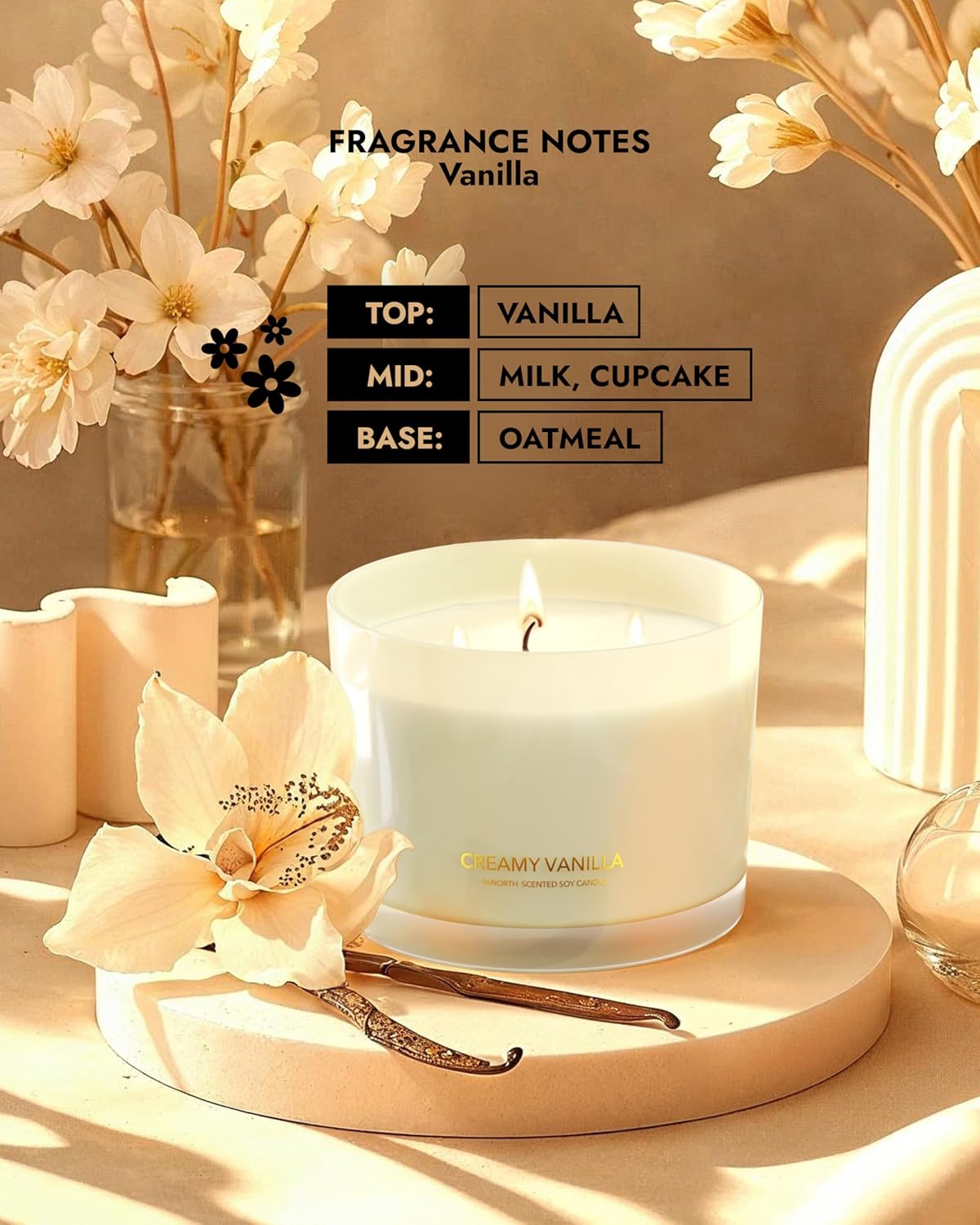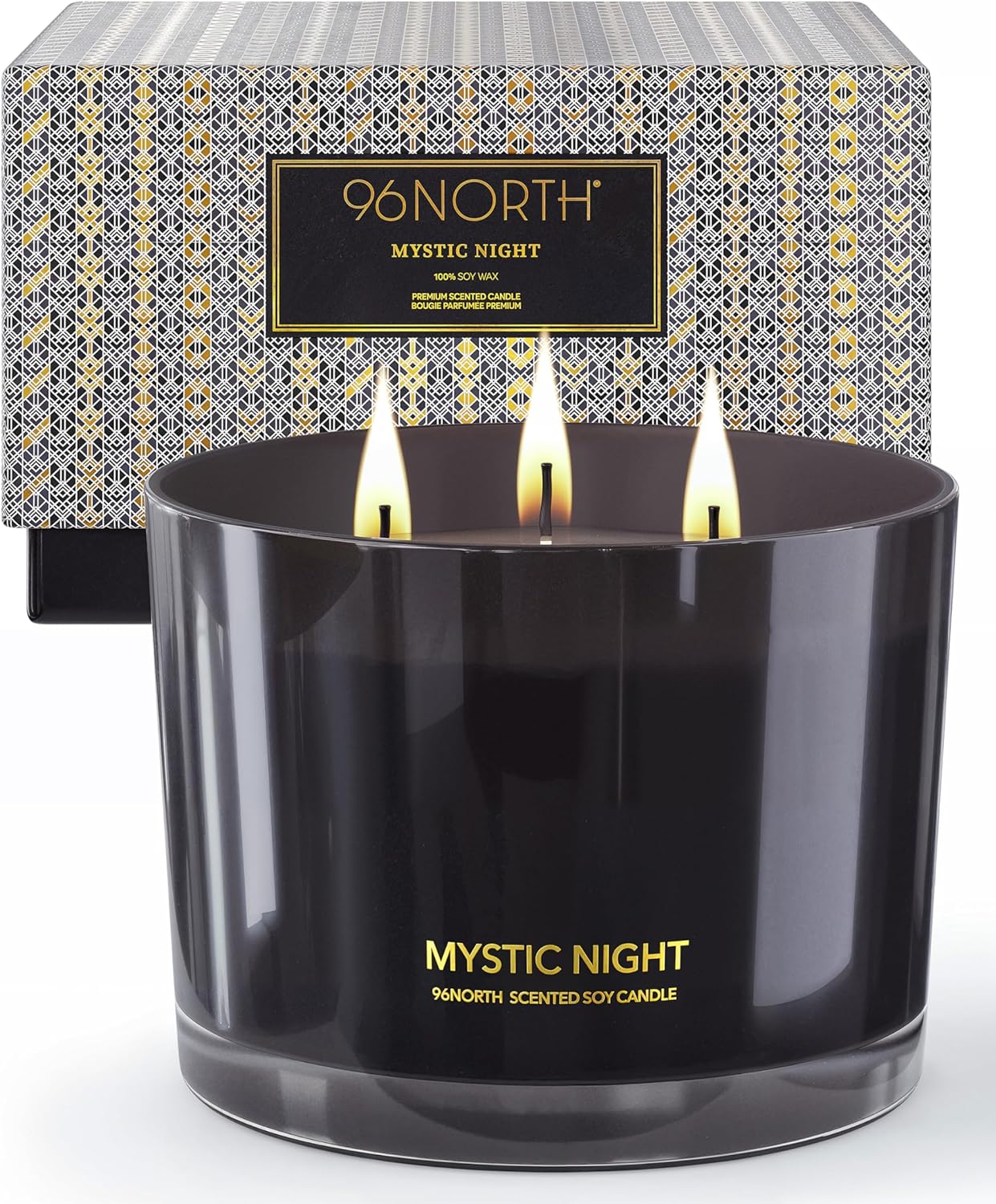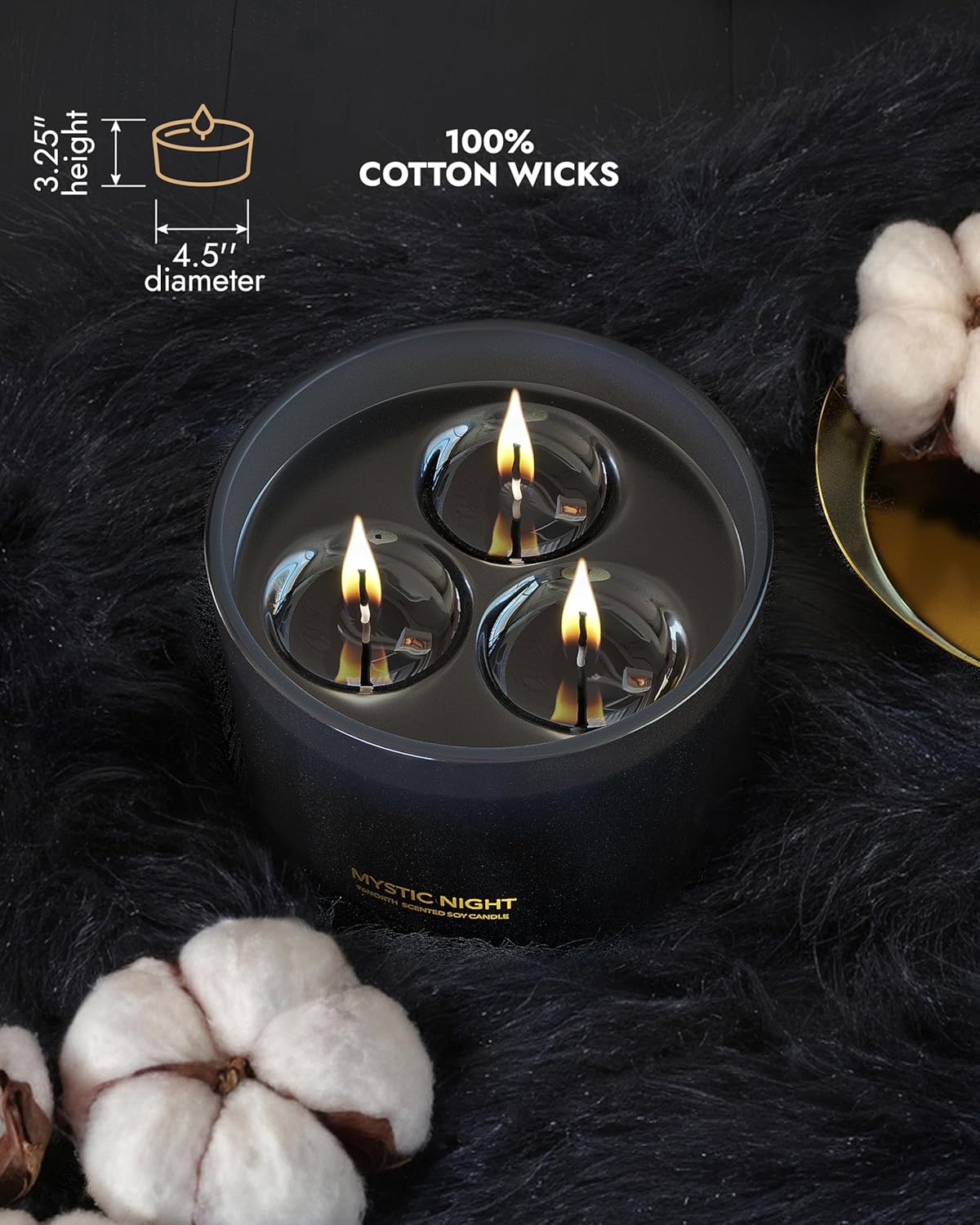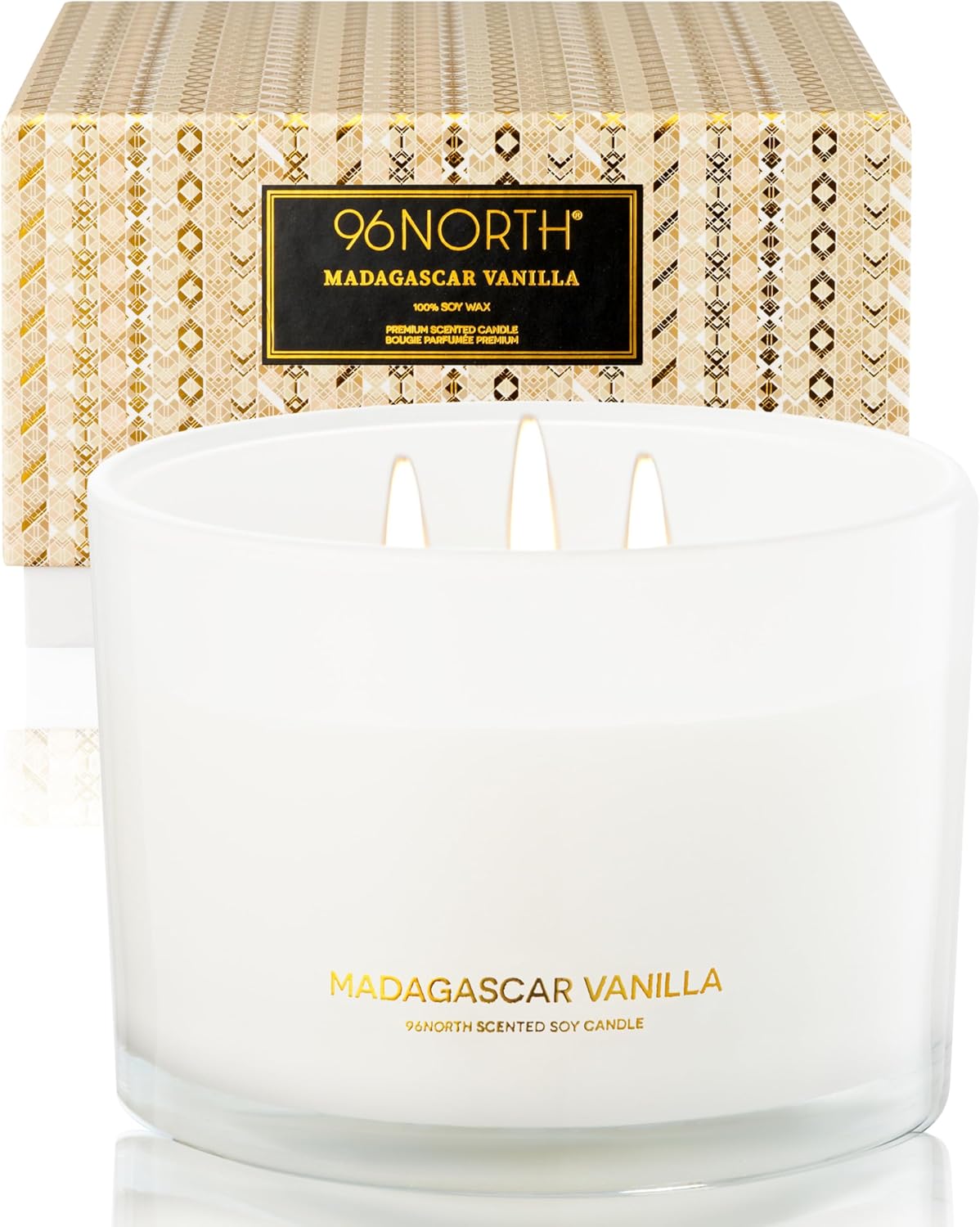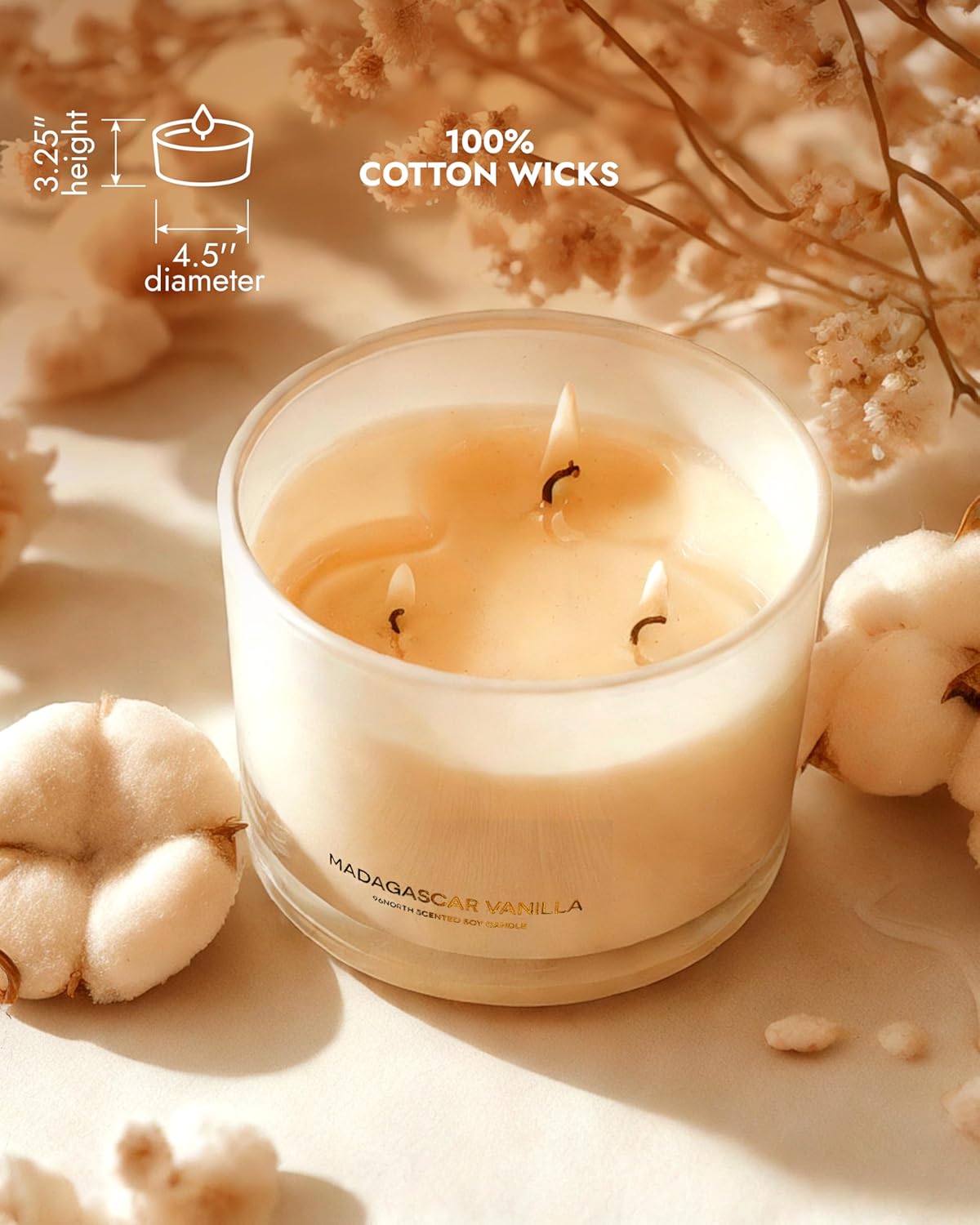

Creating a calmer home ritual should bring peace, not confusion. Yet, vague labels like "clean burn" often deliver weak scents and heavy soot. To build a healthier sanctuary, you must first understand what soy wax is and how it works.
Derived from hydrogenated soybean oil, this biodegradable resource burns cleaner than paraffin. But performance depends entirely on the wick and fragrance blend. Here is how soy is made, how it performs, and what to expect.
1. What Is Soy Wax? Decoding the Vegetable Label
Soy wax is a natural vegetable wax made from soybean oil that is hydrogenated to turn it from a liquid into a solid. For consumers, "vegetable wax" means a renewable, plant-based resource that burns clean and soot-free. Makers use these delicate, creamy flakes to create container candles and wax melts, as soy’s low melting point prevents it from holding a free-standing pillar shape.
When buying, decode the label: "100% soy" guarantees pure plant wax, while "soy blend" usually conceals cheap paraffin and synthetic petroleum additives.

2. From Bean to Burn: How Hydrogenation Creates Soy Wax
How does liquid soybean oil transform into a clean-burning candle? The process begins with harvested soybeans that are cleaned, cracked, and rolled into flakes. Once the natural oil is extracted and refined, it undergoes hydrogenation.
Simply put, hydrogenation changes the oil so it behaves like a stable wax at room temperature. Because manufacturers can precisely tweak this process, different varieties of soy wax exist. Altering this reaction allows makers to customize melting points and fragrance performance for a slow, reliable burn.
3. Why Burn Soy? The Real-World Benefits of a Slower Melt
If you are tired of soot-stained walls and rapidly vanishing candles, soy wax offers a practical upgrade. This renewable feedstock delivers three key everyday advantages:
-
Slower, cooler burn: Your candle lasts significantly longer.
-
Minimal soot: No heavy black residue on walls or jars.
-
Easy cleanup: Spills wash away easily with warm, soapy water.
"Clean burn" simply means less smoke when used correctly. To keep soot away, trim your cotton wick to one-quarter inch before lighting. This simple ritual establishes a calm daily anchor, letting the scent gently ground your space.
4. The Trade-offs: Spotting Soy’s Limits and Cosmetic Quirks
While understanding what soy wax highlights its clean-burning benefits, the material has distinct performance trade-offs. Its hot scent throw is naturally slower and milder than paraffin. Because soy melts at a lower temperature, achieving a strong throw requires precise wick sizing, proper room scaling, and a patient first burn.
Pure soy also displays safe but noticeable cosmetic quirks:
-
Frosting (a white, crystalline layer)
-
Wet spots (shrinkage against glass)
-
Rough, bumpy tops after cooling
Consistent performance and clean aesthetics ultimately depend on rigorous manufacturer formulation and testing.
5. Soy vs. Paraffin: Choosing Your Perfect Burn
Choosing your ideal candle comes down to understanding the raw materials. Soy wax is plant-based, crafted from renewable soybeans, while traditional paraffin is derived from petroleum.
Your decision depends on your sensory and performance priorities:
-
Paraffin: Offers a faster, highly intense scent throw to fill large spaces quickly.
-
Soy: Burns slower, extends candle lifespan, and produces virtually no soot when properly wicked.
Select paraffin if your goal is immediate, robust fragrance. Choose soy if you prefer a cleaner, long-lasting ritual that respects your indoor environment.
6. The "Natural" Nuance: Sourcing Beyond the Soy Label
What is soy wax? While natural candle waxes derive from plants or animals (like soy, coconut, and beeswax) rather than petroleum, "natural" does not mean impact-free. Global soy farming often involves genetic modification, heavy pesticides, and significant land-use impacts.
To protect your indoor air and burn mindfully, look past marketing hype. Evaluate your next purchase with this sourcing checklist:
-
Ingredient Disclosure: Prioritize 100% pure soy wax over mysterious "soy blends."
-
Agricultural Transparency: Choose brands that trace their farming and harvesting practices.
-
Grounded Claims: Avoid brands making exaggerated, zero-impact ecological promises.
7. The Clean Burn Checklist: How to Shop for High-Performance Soy
Choosing a clean candle shouldn't require a chemistry degree. Use this checklist to ensure a soot-free burn:
-
Wax Disclosure: Look for 100% soy wax, avoiding cheap paraffin blends.
-
Wicks: Choose lead-free cotton for a safer, reliable flame.
-
Safety: Ensure phthalate-free, non-toxic fragrance standards.
-
Scale: Match jar size to the room to optimize how fragrance actually travels through a room.
Explore the clean-burning Pure Collection from 96NORTH to find premium, restorative options for your daily wellness ritual.
8. Pro Maintenance: How to Burn Soy Candles the Right Way
Maximize your soy candle’s lifespan and scent throw with a simple first-burn habit. Always let the soy wax melt completely to the edges of the jar on its first light. Because soy wax has a "memory," skipping this step causes tunneling and wastes wax.
Maintain a clean, safe burn with these quick habits:
-
Trim the wick to one-quarter inch before every light to prevent soot.
-
Keep the candle away from drafty windows.
-
Limit burn times to four hours.
Love the ritual? Explore the history of scented candles to see how ancient traditions shaped modern self-care.
Frequently Asked Questions
Are soy candles safe to burn indoors?
Soy candles are a much cleaner option than petroleum-based paraffin, but no candle is entirely emission-free. Any burning wick creates minor combustion byproducts. To keep your indoor air fresh and safe for your family, always trim your lead-free cotton wick to one-quarter inch before lighting, burn in a well-ventilated space, and avoid drafty areas that cause heavy smoke.
Why does my soy candle smell weak?
Soy wax releases fragrance more slowly than paraffin, which can result in a gentler scent throw. If the scent feels weak, consider your room size, active drafts, and burn time. Soy candles need a complete, edge-to-edge melt pool to release fragrance effectively. For a deeper look at the science of scent, read our guide on how scented candles work.
What is the difference between "100% soy," "soy blend," and "natural wax blend"?
These terms define the purity of the wax. A "100% soy" candle contains only pure soybean wax. A "soy blend" mixes soy with other materials, which often include paraffin, to boost scent throw. A "natural wax blend" combines soy with other plant-based waxes like coconut or beeswax. Look for transparent brands that explicitly list all ingredients on their pages.
Do soy candles burn longer than paraffin?
Yes, soy candles generally burn slower and cooler than paraffin, which significantly extends their overall lifespan. However, actual burn times still vary depending on the jar size, wick design, and fragrance load. For the best experience, buy candles based on their tested burn hours and align your choices with your typical burn sessions.
What is the best starter soy candle?
For a restorative experience without the overwhelm, choose a clean, minimally designed candle featuring calming herbal or soft woody notes. This allows you to experience the clean burn of soy before exploring complex aromatics. Browse the gentle, minimalist options in our Pure Collection or explore our complete sensory library on the 96NORTH home page to find your new daily anchor.