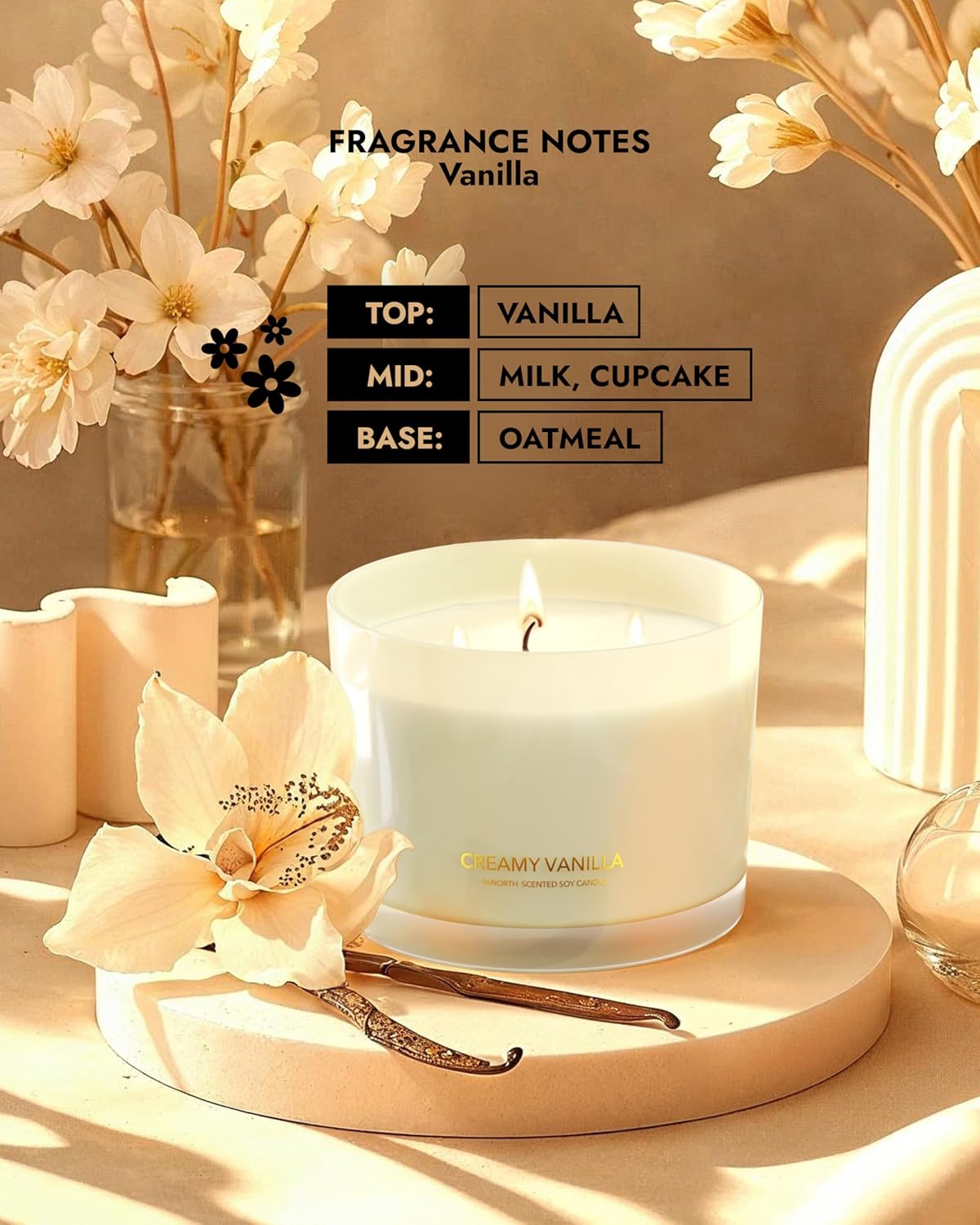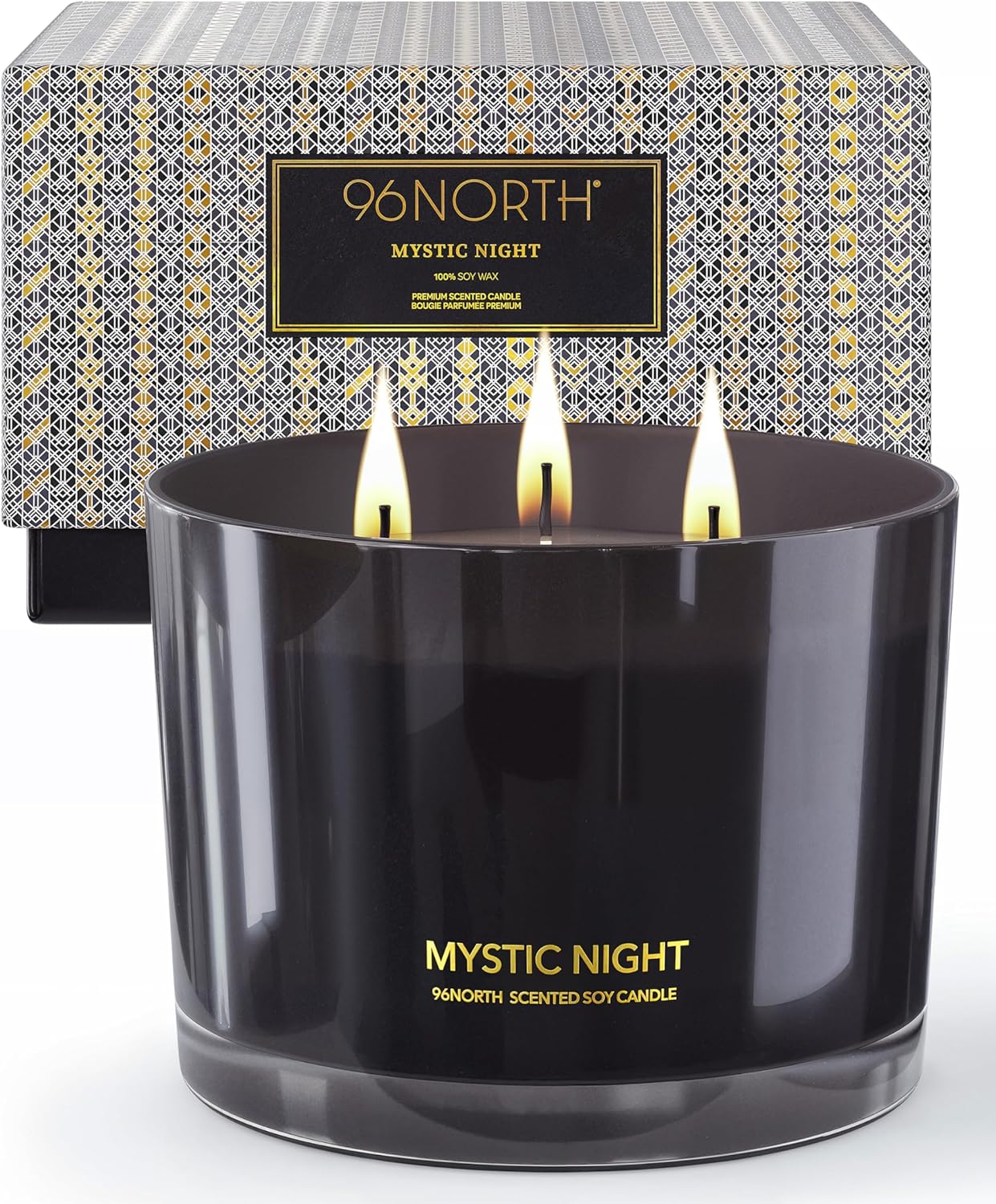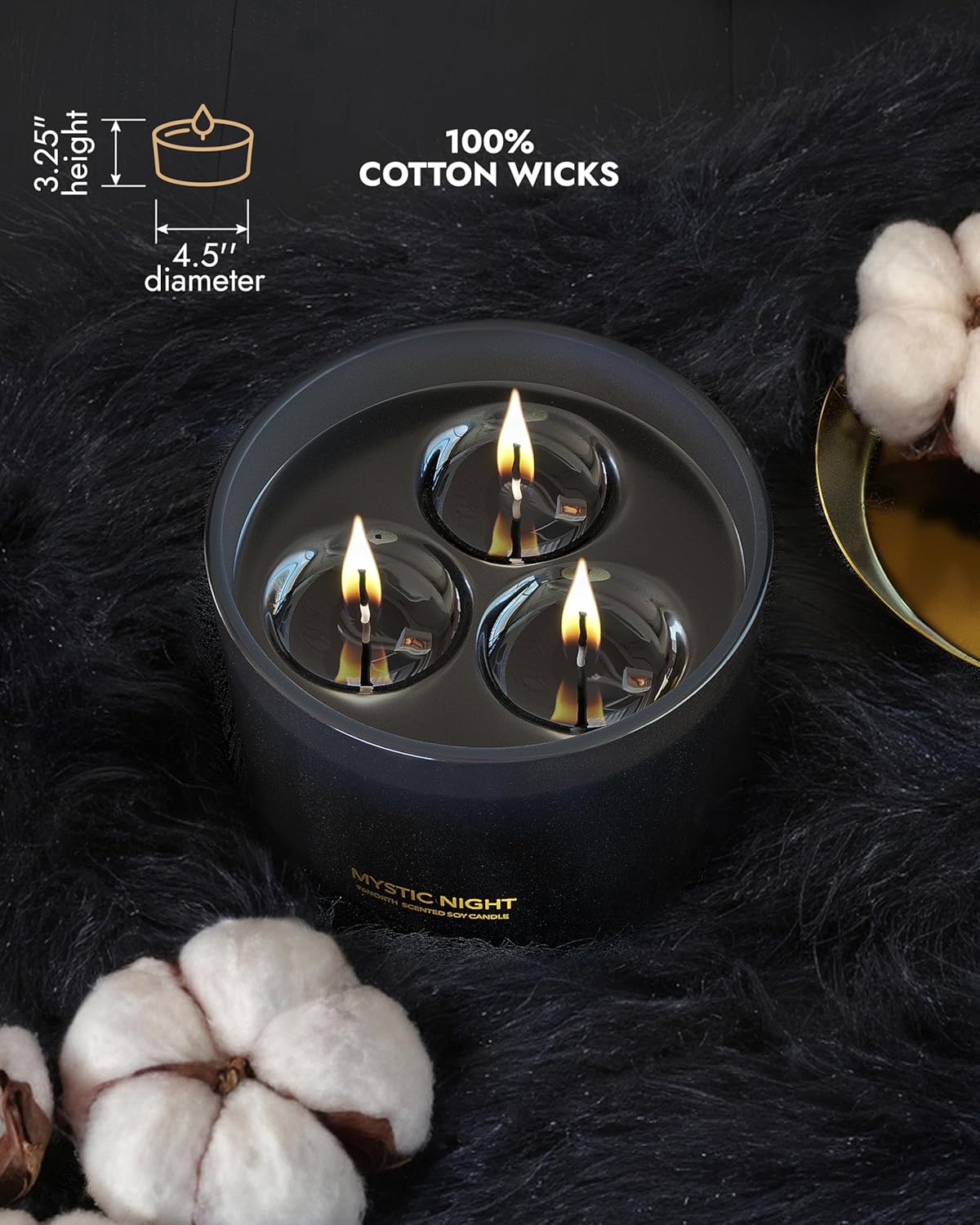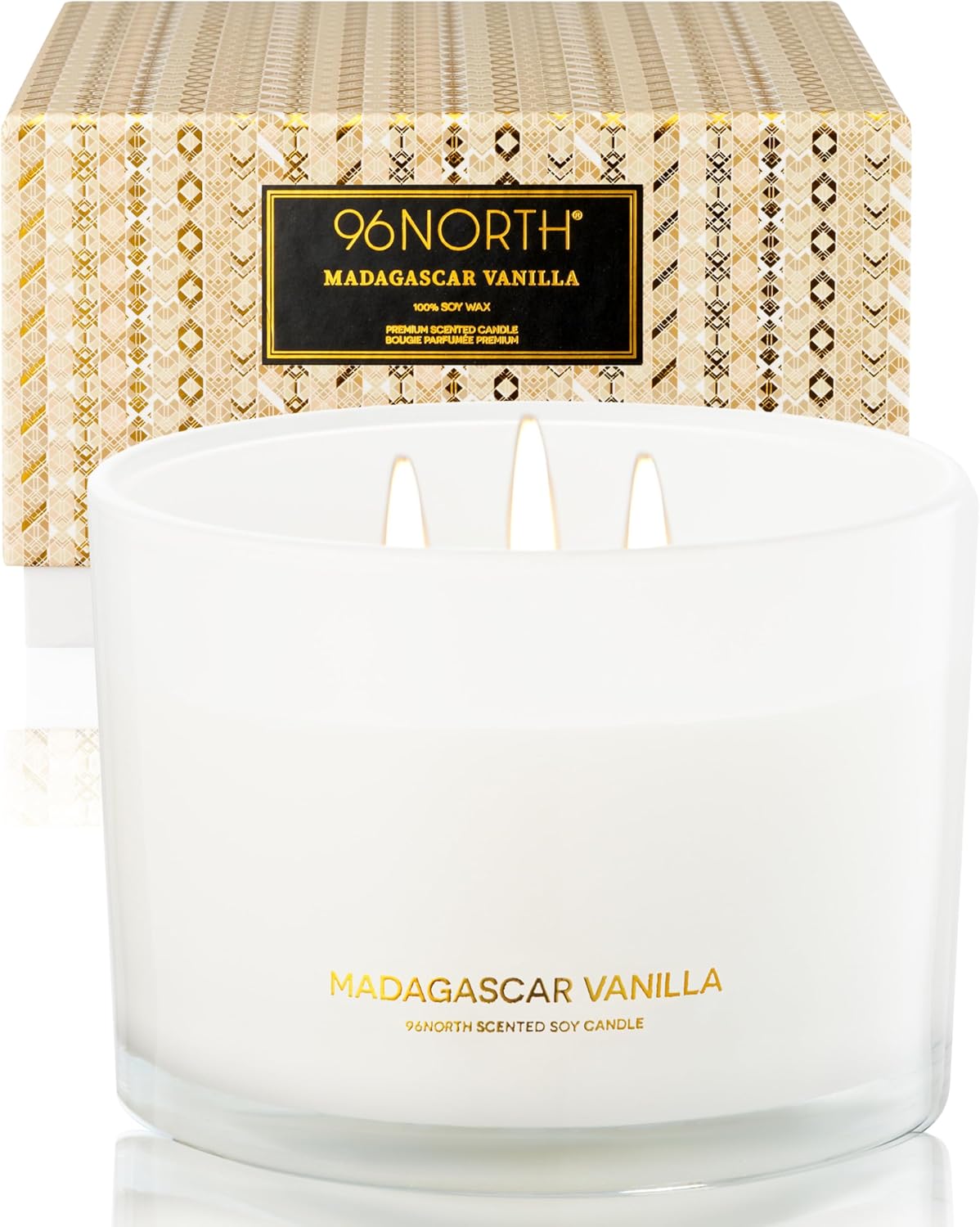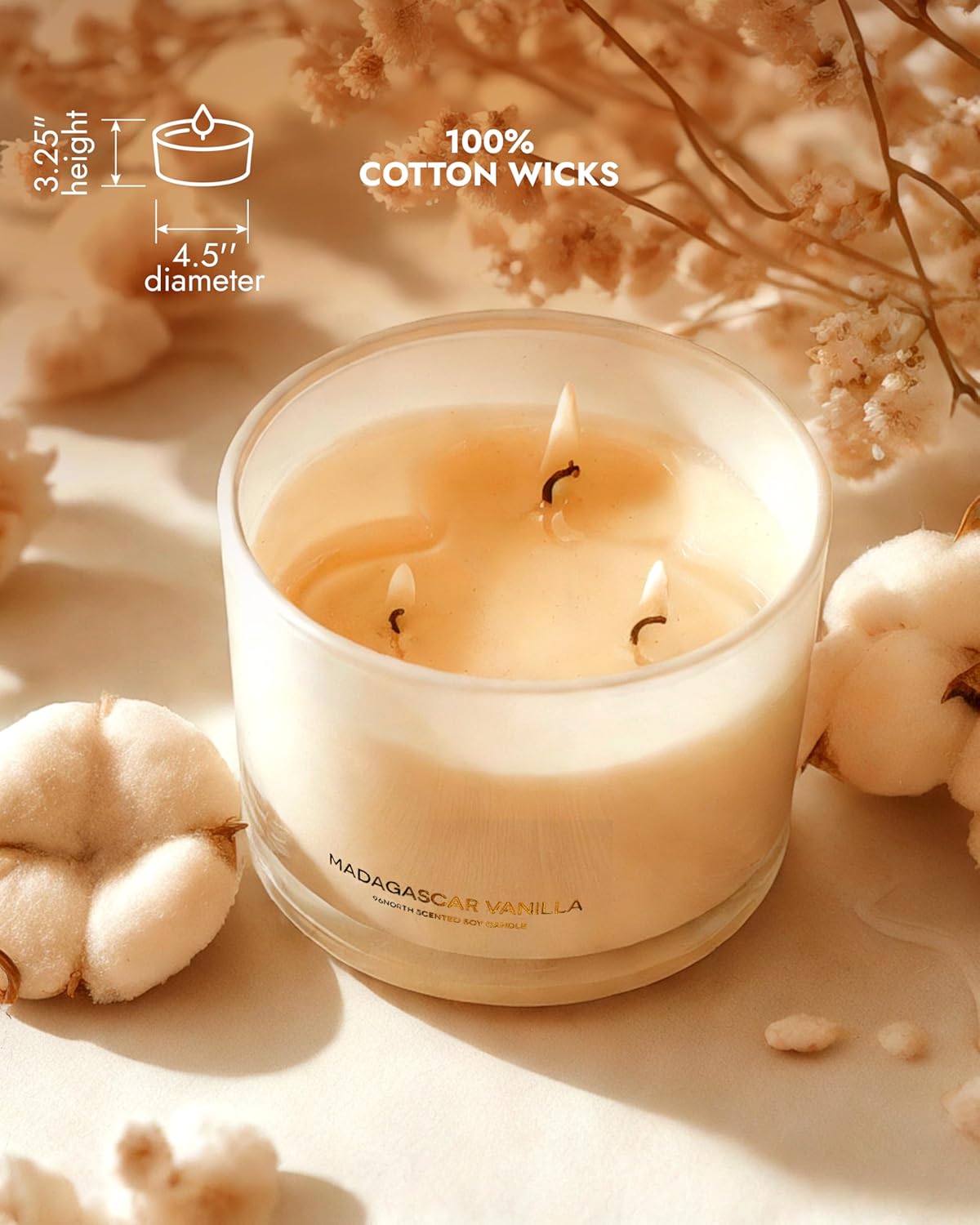

If sitting in silence feels daunting, incorporating clean-burning candles for meditation offers a grounding sensory cue rather than a magic fix. This simple ritual makes starting and staying with your practice effortless, especially when paired with a consistent scent routine. Designed with low-tox safety in mind, this guide covers proper setup, clean burn habits, breath anchoring, candle gazing, and a clean close.
Step 1 starts with choosing the right kind of candle for deep breathing.
1. Choose a Clean Candle to Prevent Headaches and Distraction
Headaches and distraction are the fastest ways to ruin mindfulness. To protect your focus, choose candles for meditation that prioritize a steady flame, minimal soot, and a scent profile that does not overpower deep, slow breathing.
Use this checklist before lighting:
-
Wax: Choose 100% soy over synthetic mystery blends to prevent a heavy, smoky burn.
-
Wick: Look for lead-free cotton to ensure a stable, easily trimmed flame.
-
Vessel: Select a wide, sturdy base that allows for an even melt pool.
Beginners should start with unscented or lightly scented options, introducing richer aromas once sensitivity is known. If you want a wellness-first candle designed for a strong-but-not-chaotic throw, start here at 96NORTH.
2. Designate a Dedicated Sensory Grounding Zone
Using candles for meditation works best when they act as an environmental start signal for your nervous system. Pair your practice with a consistent, dedicated altar zone to eliminate friction and drop into focus faster. Set up your space with these essentials:
-
A stable surface away from curtains, pets, and children.
-
Dim lighting that feels cozy but keeps you awake.
-
Gentle ventilation without drafts that cause flickers or smoke.
Establish a micro-ritual by sitting down and settling into the space before striking a match. Pacing while multitasking dilutes the mental shift. Once still, choose a single intention prompt: arrive, soften, focus, or release. Light the wick to mark your official boundary line, signaling your brain that it is safe to unwind.

3. Match Your Practice with Aromatic Anchors
Using candles for meditation works best when scent serves as a consistent neural cue. Pairing the same fragrance with your practice over time trains your brain to associate that aroma with immediate emotional regulation. Learn how scented candles work on a biological level to understand this sensory pathway.
To guide your sensory travel, match your practice type to these clean aromatics:
-
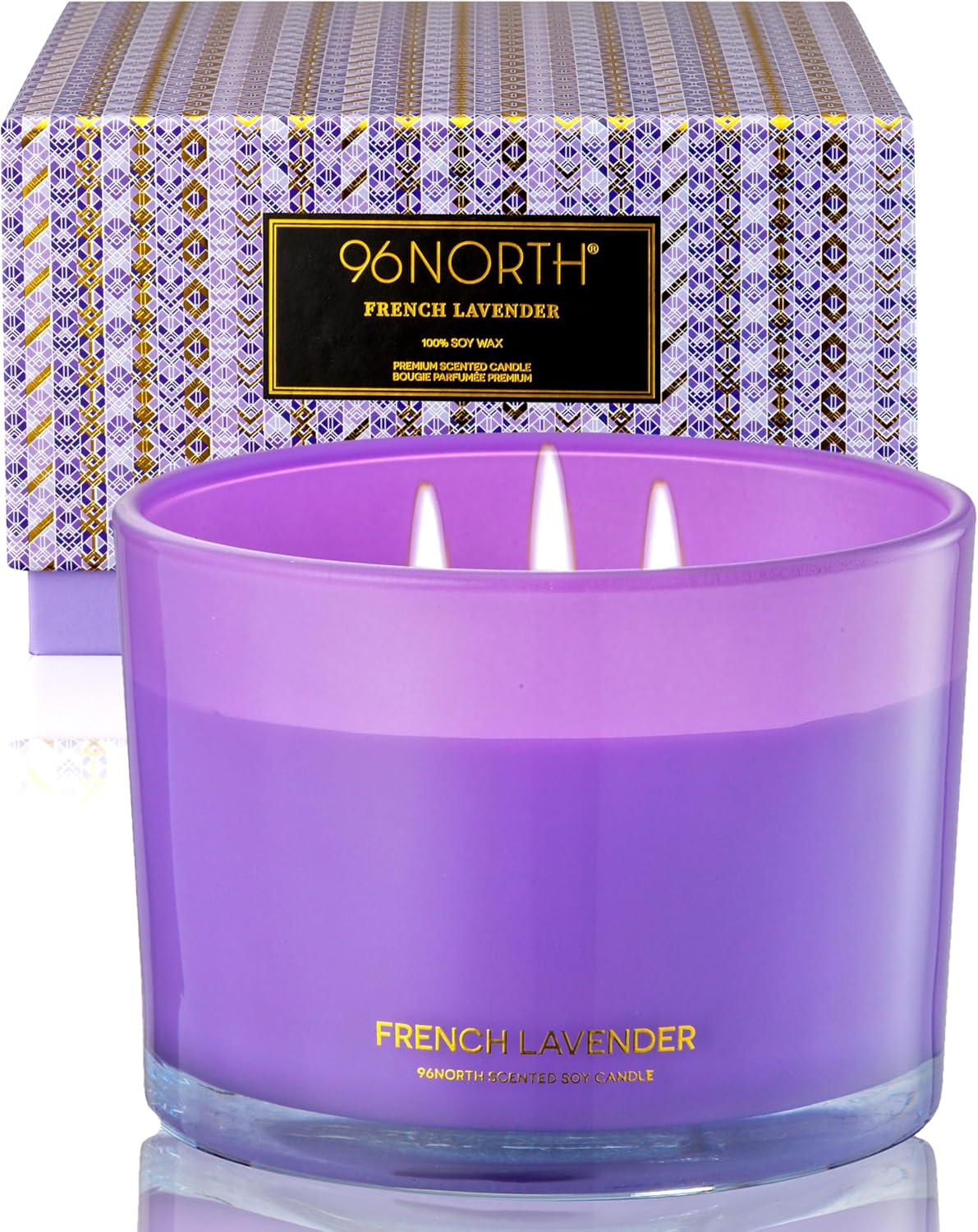
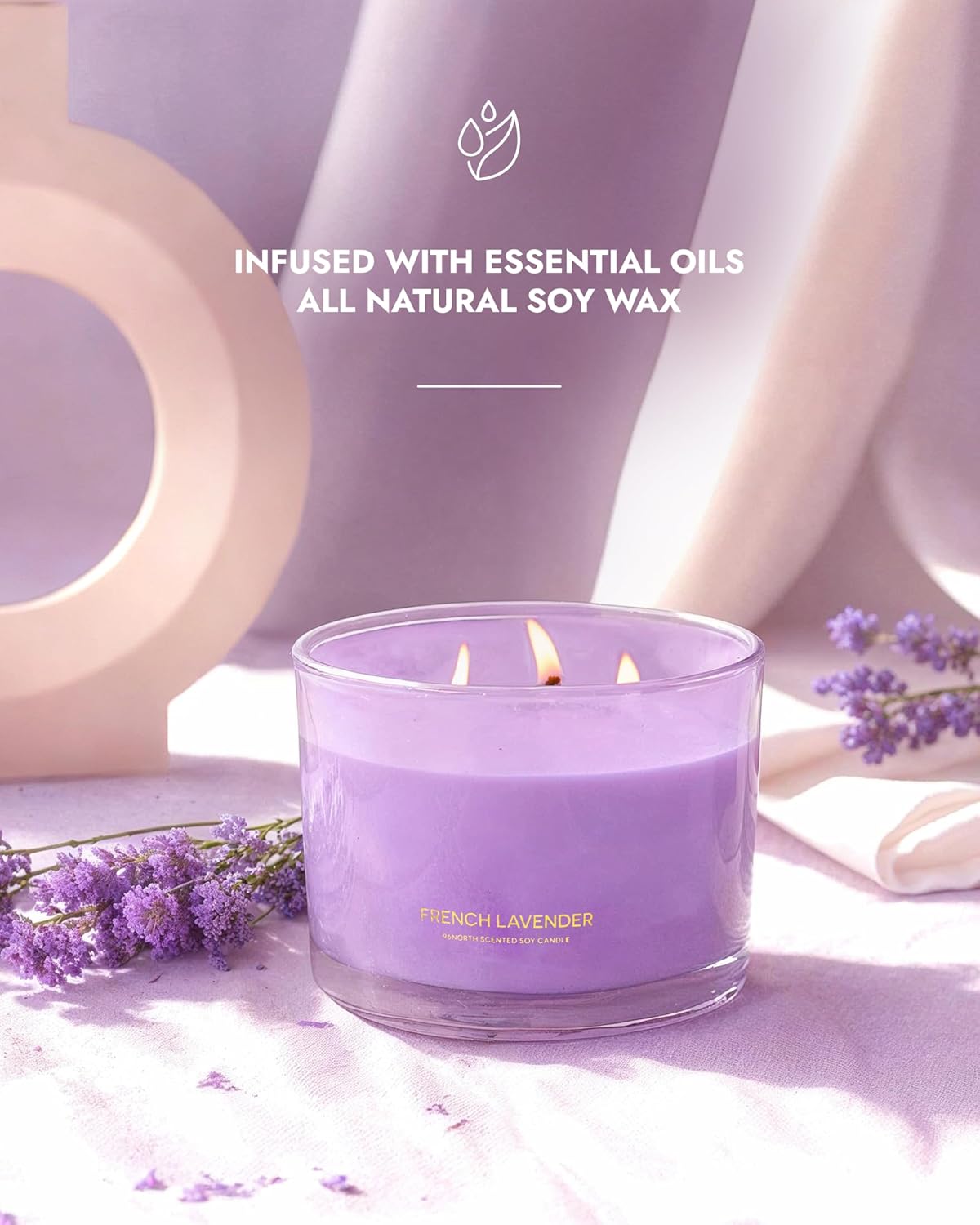
Evening Wind-Down: Use gentle florals like French lavender to quiet the mind.
-
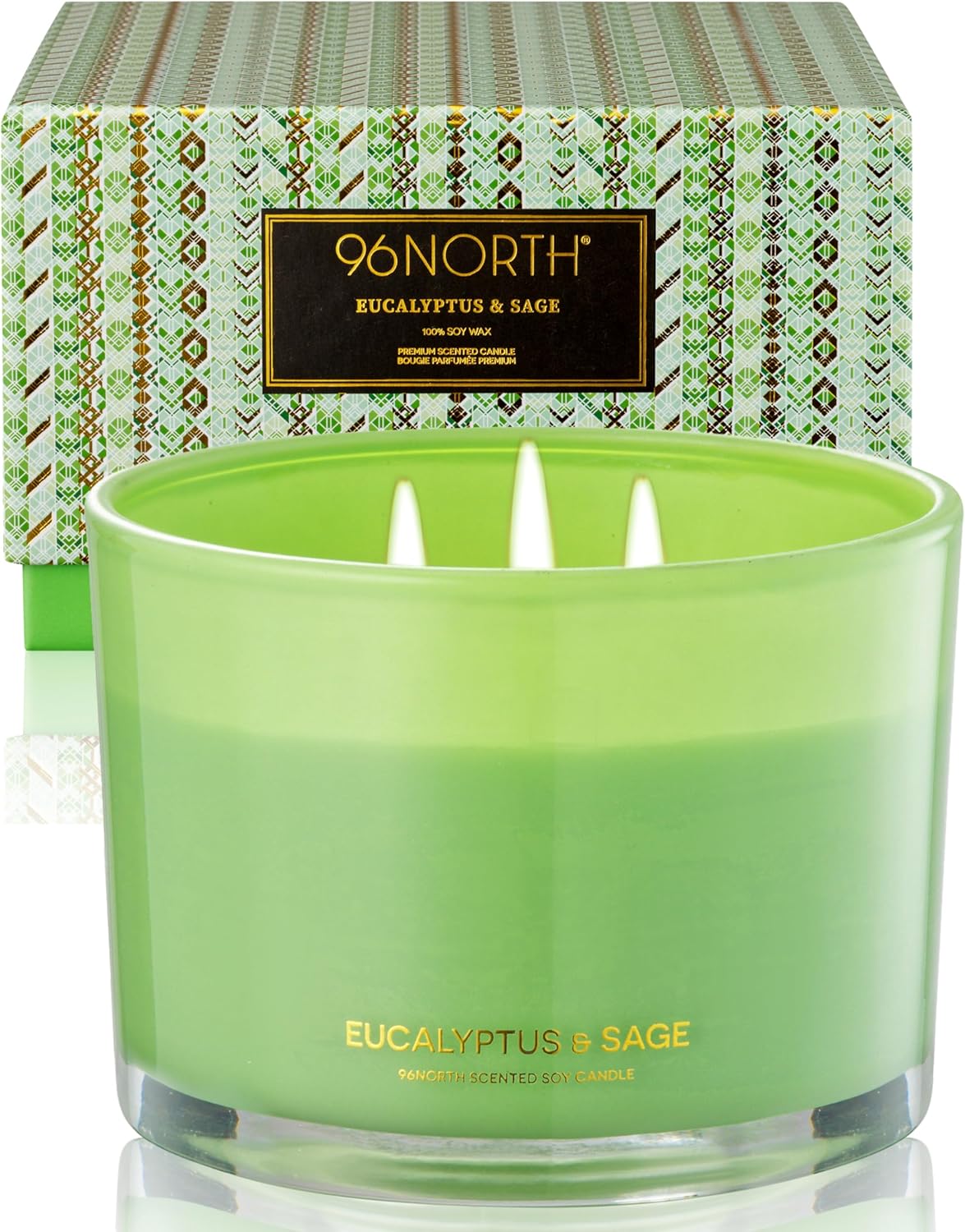
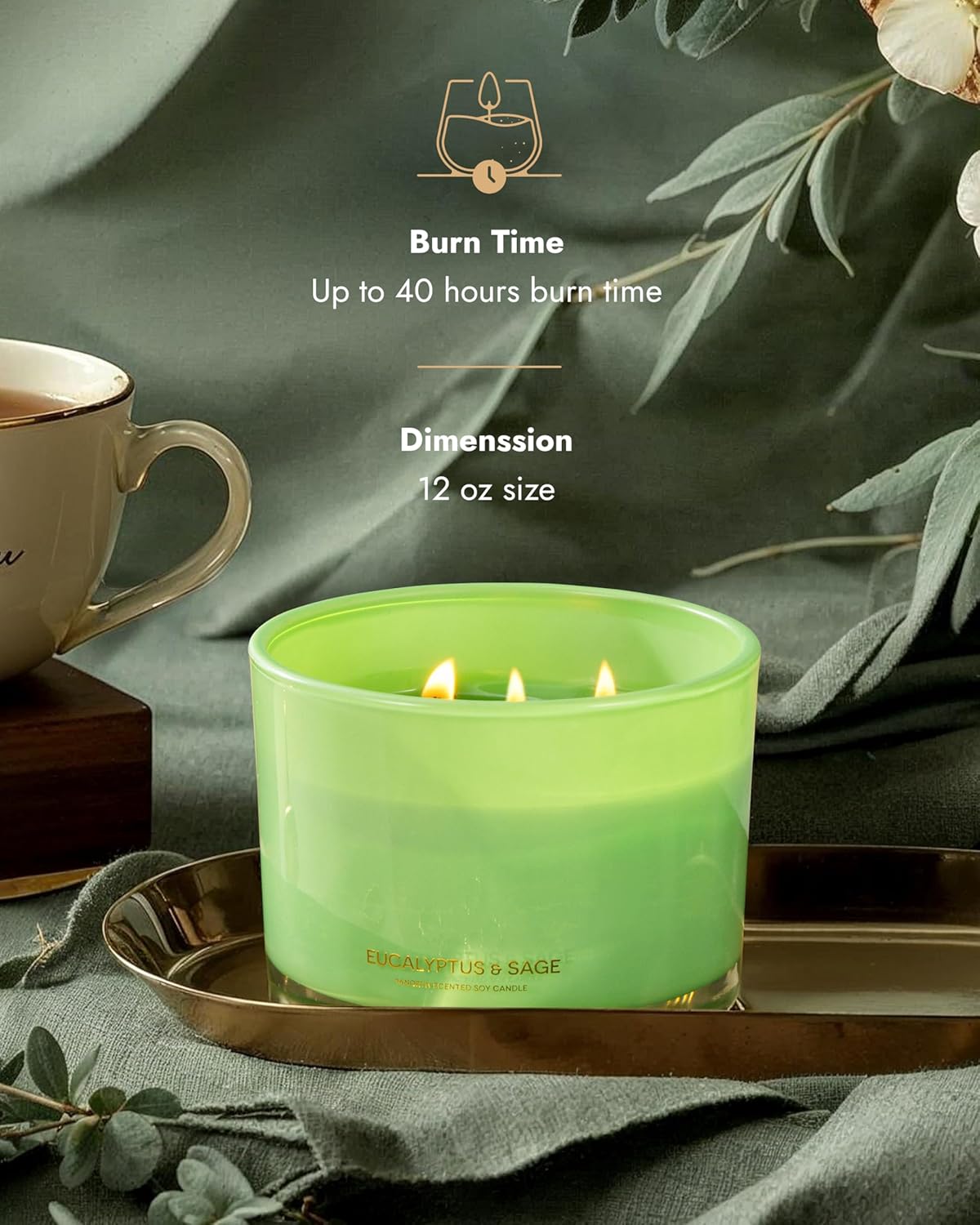
After-Work Reset: Choose eucalyptus and sage to sweep away mental fatigue.
-
Grounding Ritual: Opt for woody palo santo to create a clean slate.
-
Deep Focus: Light fresh forest pine to encourage calm, steady alertness.
Commit to one scent for a two-week anchor experiment to build your focus.
4. Master the Clean Burn for Distraction-Free Focus
A smoky flame disrupts mental clarity. Proper maintenance ensures your candles for meditation remain calming rather than distracting.
-
Before lighting: Trim the wick to one-quarter inch to eliminate soot. Set a timer so you can fully let go.
-
The first burn: Melt the wax completely to the glass edge. This prevents tunneling, which weakens scent throw.
-
During practice: Place the vessel slightly off-center, not directly under your nose.
On busier days, use a reed diffuser for background scent zoning. Learn how long reed diffusers last to keep your space effortlessly prepared. If candle care feels like work, simplify with shorter burns and milder scents.

5. Practice the Gentle Three-Minute Sensory Return
A restless mind does not need more willpower; it needs a physical anchor. Using candles for meditation provides a sensory focal point to ground your awareness in under three minutes.
First, choose one anchor:
-
Visual: Rest a soft gaze on the flickering flame.
-
Olfactory: Draw in one slow, intentional inhale of the scent every few breaths.
Next, practice this three-minute sequence:
-
Minute 1: Notice your anchor and silently label the sensation "seeing" or "smelling."
-
Minute 2: Track each full breath cycle.
-
Minute 3: When your mind wanders, return to the flame or scent without judgment.
Relax your jaw and soften your shoulders whenever you notice the scent. If fragrance triggers headaches, switch to unscented wax to keep the practice purely visual.
6. Practice Candle Gazing Safely to Avoid Eye Strain
Using candles for meditation should never feel like a grueling endurance test. To prevent eye strain, prepare your space with these foundational setup rules:
-
Place the candle at eye level while seated.
-
Position the flame a comfortable arm's-length away.
-
Dim the room slightly instead of sitting in pitch darkness to avoid harsh glare.
Begin with a beginner-friendly focus cycle: gaze steadily at the flame for 20 to 40 seconds, then close your eyes for 10 to 20 seconds to trace the afterimage. Repeat this process for three to five rounds, allowing yourself to blink naturally. If your eyes burn or water, immediately stop and switch to a closed-eye breath anchor.
7. Transition Mindfully with a Clean Close
Rushing from stillness to a hectic schedule erases the peace you just built. Use your candles for meditation as a physical completion cue to anchor your calm.
Begin your transition by placing your hands on your belly and taking three slow breaths while watching the flame. Instead of blowing out the wick and creating smoky soot, extinguish it gently with a snuffer to protect your indoor air quality.
Take 30 seconds to ask, "What is one word for how I feel right now?" Then, transition smoothly with a quick ritual:
-
Write down your word, whether steady, quiet, or clear.
-
Set a tiny next action like drinking water or stretching.
-
Use the same scent consistently to cue your brain for a faster drop-in next time.
8. Troubleshoot Common Obstacles to Keep Your Practice Simple
If using candles for meditation causes physical or mental friction, simple sensory adjustments can preserve your daily habit.
-
Headaches or nausea: Shorten your burn time, open a window for ventilation, or switch to unscented wax.
-
Flickering or black smoke: Trim the cotton wick to one-quarter inch and move the vessel away from active drafts.
-
Overstimulating scent: Reserve energizing notes for pre-session transitions and use grounding woody or floral aromas while sitting.
-
Safety risks (kids/pets): Place the candle on high, stable surfaces or swap it for a flame-free reed diffuser.
Your meditation practice should always feel safe and restorative. If friction persists, simplify to a breath-only routine and reintroduce scent when you are ready.
Frequently Asked Questions
Are scented candles good for meditation or should I use unscented?
Scented candles are excellent for meditation if used as a sensory anchor, but you should choose unscented wax if you are highly sensitive to fragrance. Lightly scented options support focus without causing distraction. Consistent aromatic cues help train your nervous system to calm down faster over time. Learn more about the biology of this pathway in our guide on how scented candles work.
What are the best candle scents for different meditation goals?
Your choice of scent should match your specific mindfulness goal. For relaxation and sleep, use gentle florals like lavender. To clear mental fatigue, select herbal eucalyptus or sage. Choose grounding woody notes like palo santo to center your mind, and fresh pine for deep focus. Keep sweet gourmand scents light to avoid distracting cravings.
How long should I burn a candle before I start meditating?
Burn your meditation candle for 5 to 10 minutes before starting. This brief settle window releases a subtle background aroma without overfilling the room with heavy fragrance. Set a timer when you light the wick to keep your routine consistent, allowing you to transition into your practice without checking the clock.
Is candle gazing meditation safe for my eyes?
Yes, candle gazing is safe for healthy eyes as long as it never causes discomfort. Keep the flame at eye level, an arm's length away, and blink naturally. Gaze in short rounds of 20 to 40 seconds. If your eyes burn or water, stop immediately and switch to a closed-eye breath anchor.
What if I want the calming scent but not an open flame every day?
You can use premium reed diffusers to enjoy a steady, calming background scent without an open flame. Diffusers provide continuous, hands-free sensory zoning, keeping your space prepared for meditation at any hour. To plan your flame-free setup, learn how long reed diffusers last to ensure reliable, long-lasting aroma.
When you are ready to build a consistent scent anchor, explore options here at 96NORTH.