
How can a simple flicker of light instantly transform your mood and domestic landscape? The secret to How do scented candles work is a fascinating blend of simple thermodynamics and scent biology. The candle uses heat to turn solid wax and fragrance oils into volatile vapor. This mechanism, often called "scent throw," is key to using specific notes for emotional regulation, anxiety management, and restorative sleep. We will explain the components and how to choose relaxing, sleep-friendly scents safely. Performance starts with the parts of a candle.
1. The Anatomy of Scent: Wax, Wick, and Vessel
Every successful scented candle ritual—from the powerful throw to the clean burn—is determined by the complex interaction of four core parts: the wax, the wick, the fragrance, and the vessel. If these components are not engineered to work together, the result is tunneling, soot, or a muted scent experience. Understanding their function translates directly into superior performance and longevity.
The Fuel and Reservoir: Wax
Wax is the primary fuel source and the carrier that holds the fragrance. The wax type dictates the burn temperature, influencing how quickly the scent diffuses and how long the candle lasts. 100% soy wax is favored by premium wellness brands for its lower melting point, which facilitates a slower, cleaner burn and a more even melt pool behavior compared to faster-consuming paraffin. This deliberate slower consumption ensures superior longevity and consistent fragrance release.
The Delivery System: Wick
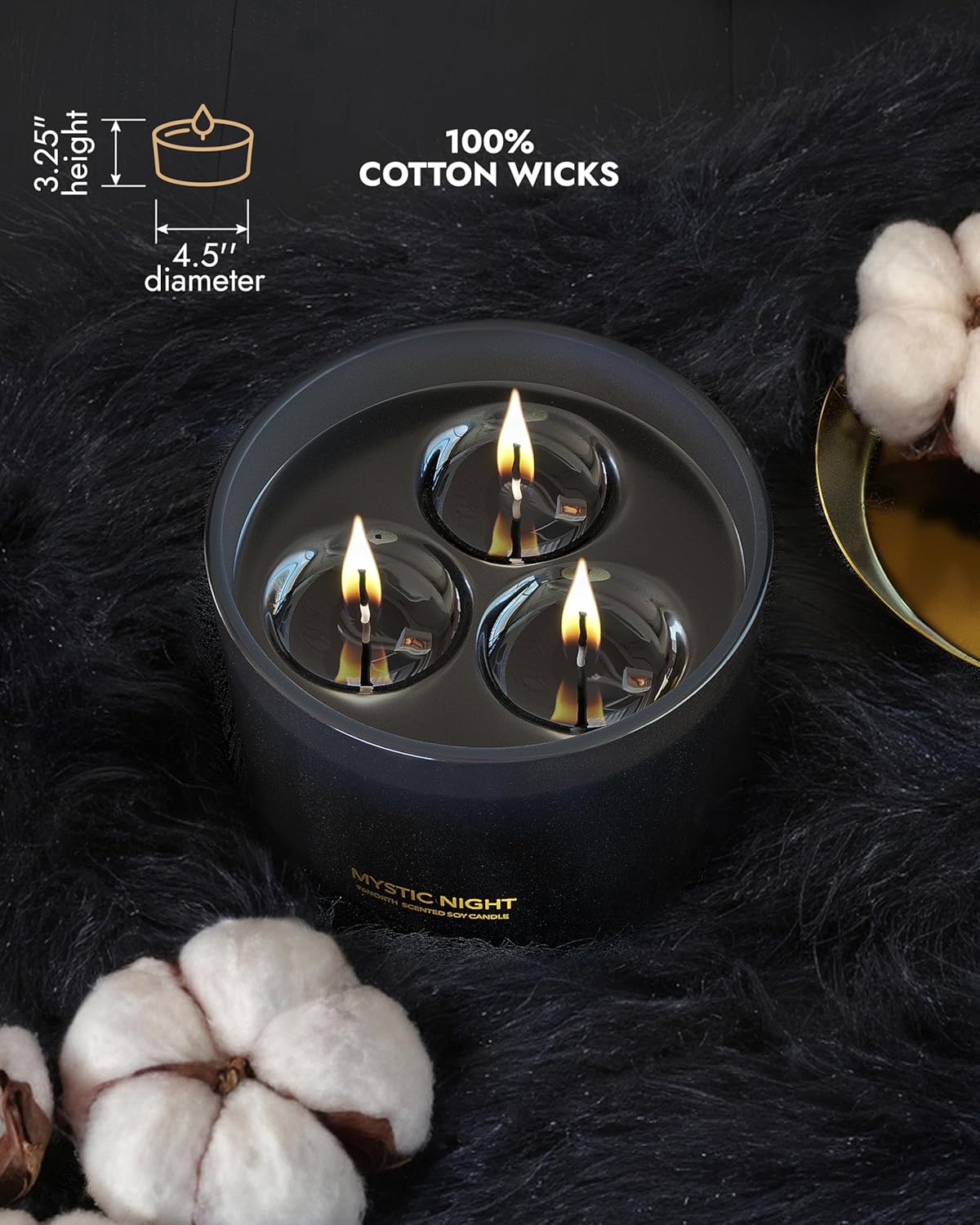
The wick serves as the engine, drawing liquid wax upward via capillary action to fuel the flame. Its sizing and material are critical, controlling the melt pool diameter, flame height, and soot potential. If the wick is too small for the vessel, it causes tunneling, which wastes wax and fragrance. Using a properly sized, lead-free wick is essential for a reliable, clean burn that maximizes the scent’s strong throw across a room.
The Message: Fragrance
The fragrance is the centerpiece, designed to anchor or transport the mind. While essential oils offer natural purity, high-quality fragrance oils often provide greater stability and scent consistency across the entire burn cycle. When prioritizing a wellness-first ritual, transparency matters most. Look for brands that confirm their commitment to “clean” labeling, ensuring the formulas are free from harmful phthalates and parabens.
The Environment: Vessel
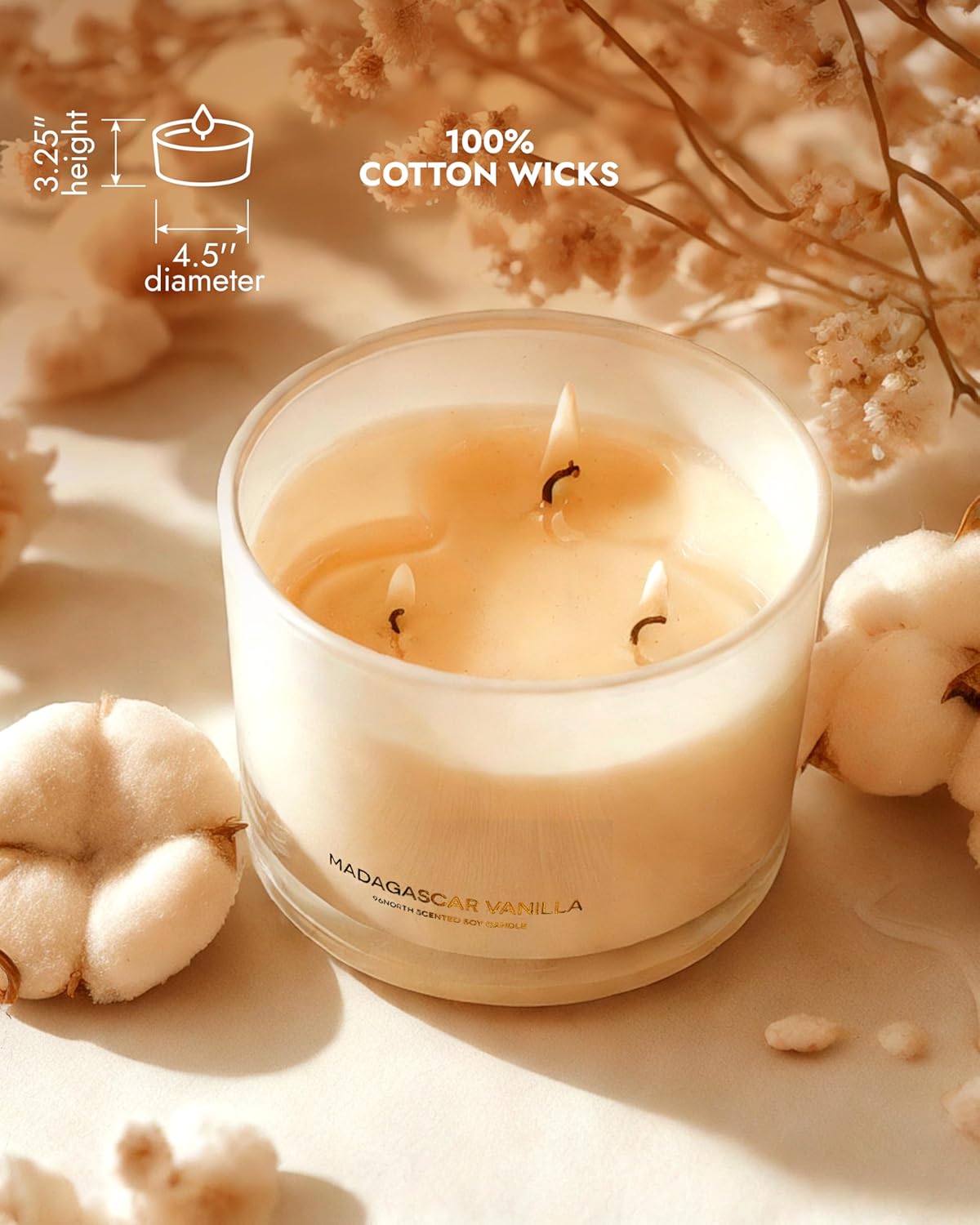
The container is a functional element that manages the candle’s burning environment. The vessel’s width and material directly affect heat retention and airflow around the flame. Wider containers, such as three-wick systems, quickly achieve a full melt pool to maximize immediate scent throw. To prevent tunneling in these wide vessels, multiple wicks are necessary to evenly distribute the heat.
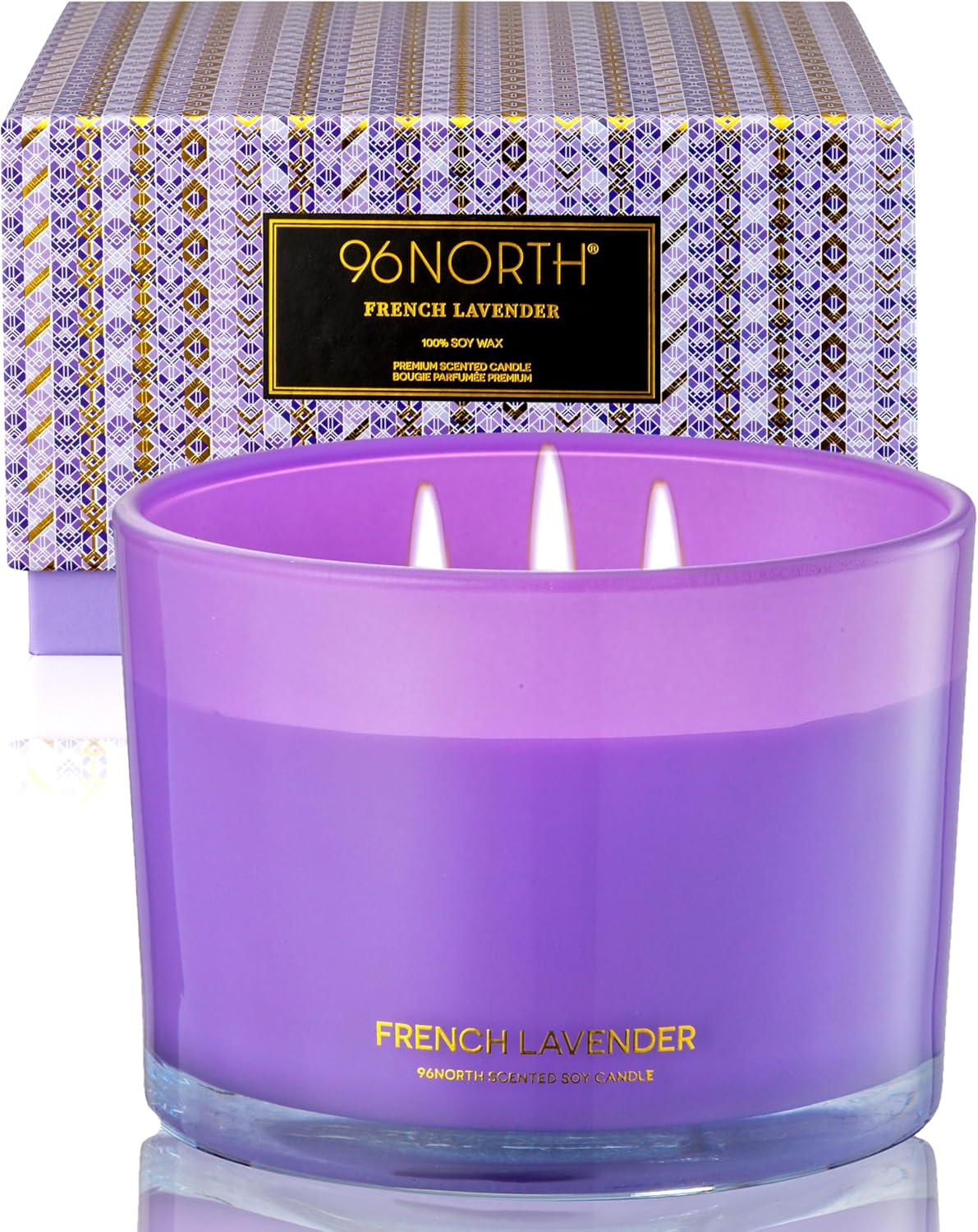
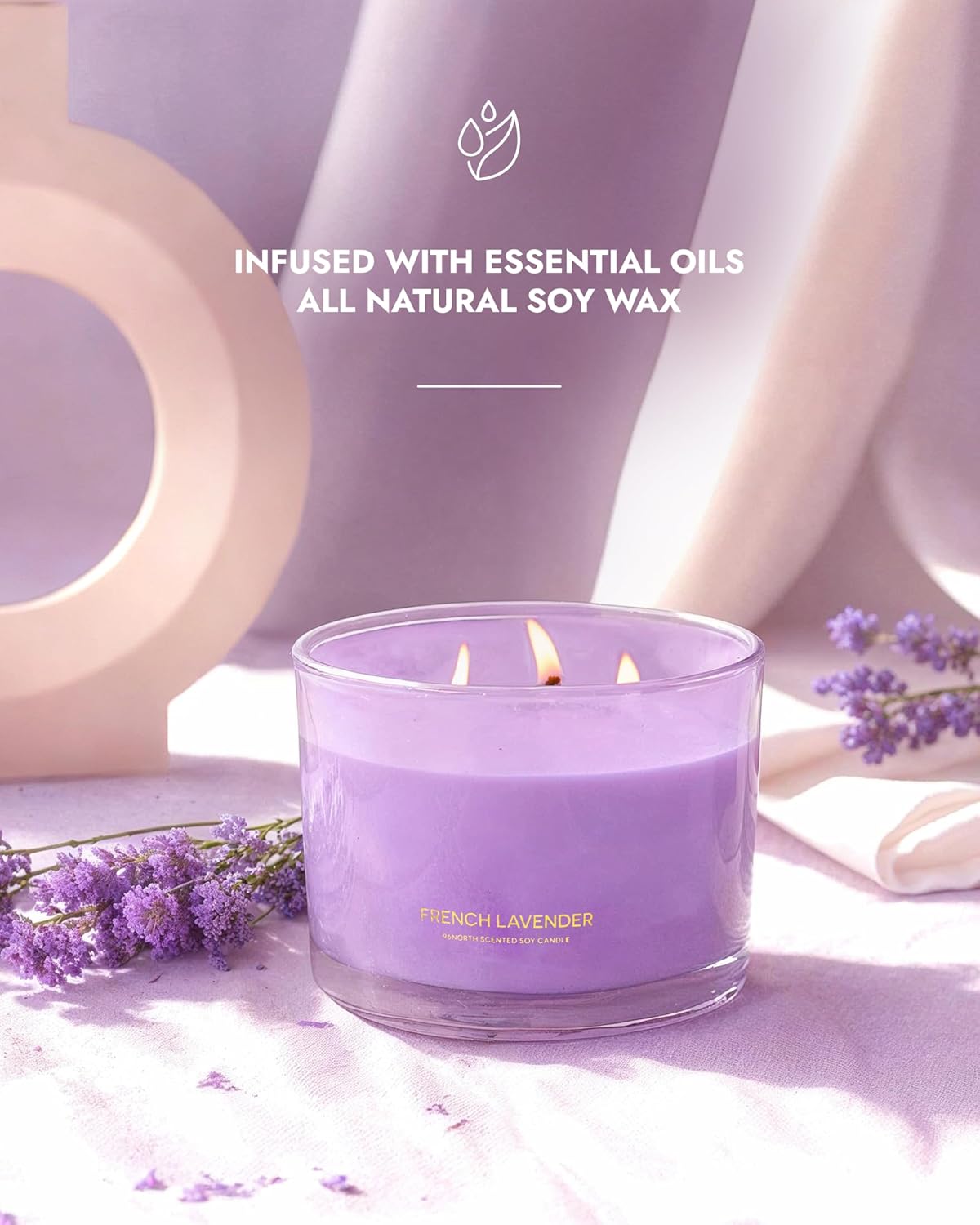
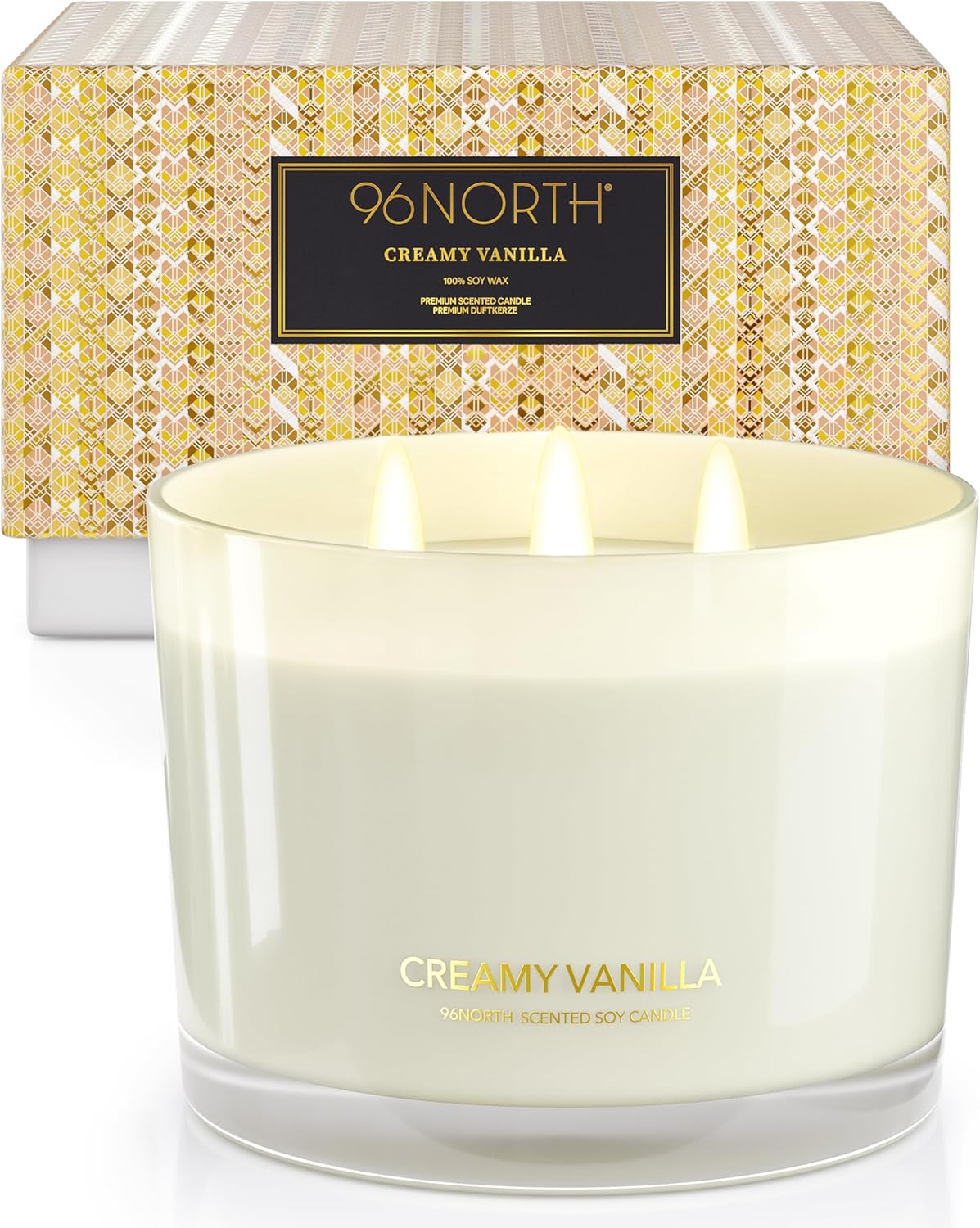
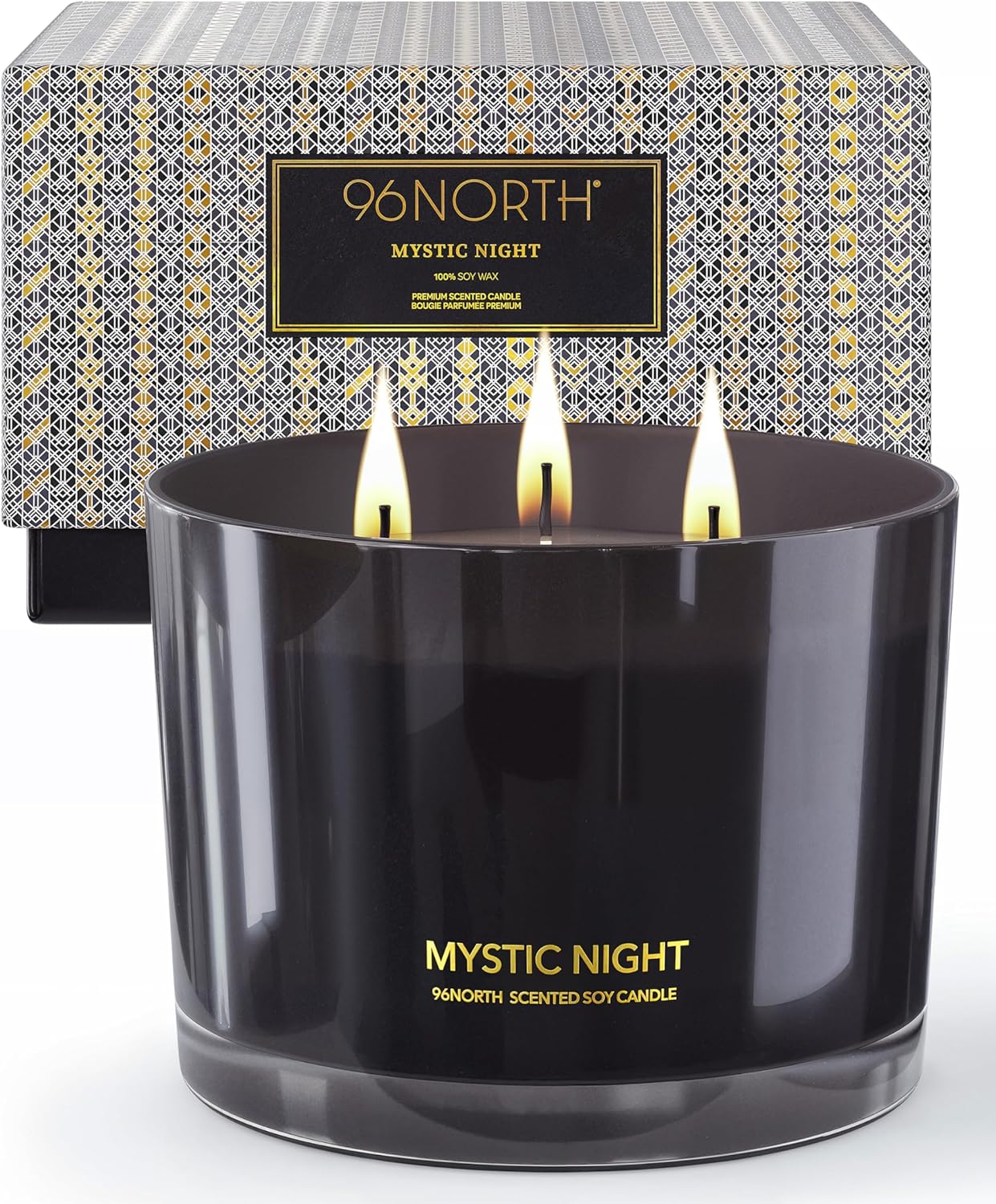
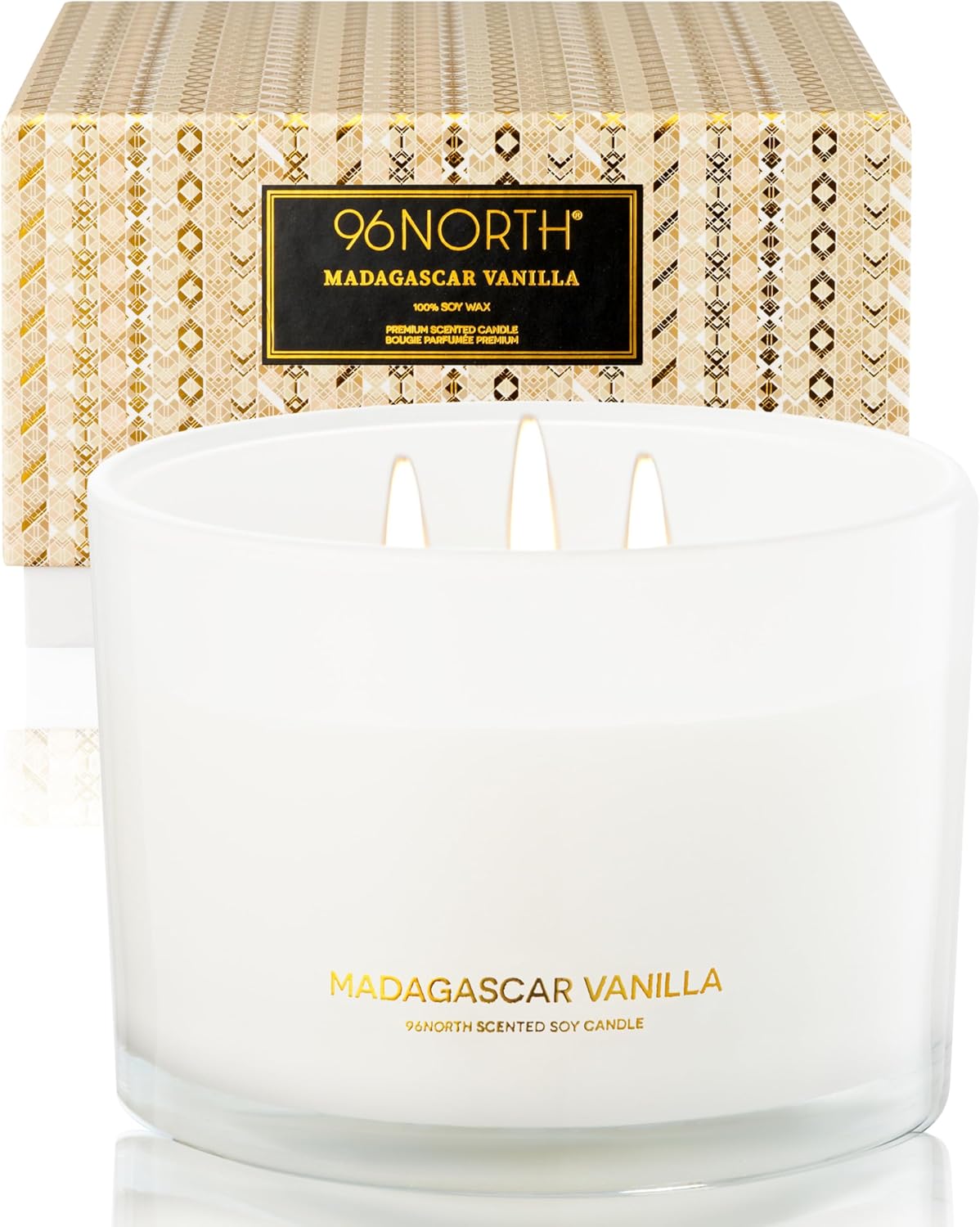
If you seek a restorative, wellness-focused candle, prioritize those built on 100% soy wax and correctly-sized, lead-free wicks. 96NORTH is an example of a brand engineered for maximum therapeutic output, intentionally matching every component for a powerful and clean aromatic experience.

2. How The Candle Engine Works: Melting, Combustion, and Scent Throw
A burning candle is a miniature, highly efficient engine. Understanding its core mechanism—how solid wax vanishes and releases fragrance—is key to maximizing your experience and grounding your aromatic journey.
The Mechanism: From Solid to Scent
The process is a precise chain reaction fueled by the wax itself:
-
Melting & Wicking: The flame’s heat creates the liquid melt pool. The wick pulls this liquid wax upward via capillary action.
-
Vaporization: The liquid wax converts into wax vapor just below the visible flame, becoming the true fuel source.
-
Combustion: This wax vapor mixes with oxygen and ignites, creating the visible flame and sustaining the cycle.
If the wax is not burning directly, where does it go? During efficient combustion, the solid wax mass is converted into invisible gases—primarily water vapor and carbon dioxide. Only incomplete burns, usually caused by a long wick or air drafts, produce visible soot.
The Power of the Hot Throw
Fragrance molecules suspended in the wax are activated by heat. While you may notice the first hints of aroma within minutes, the candle achieves its intended strong throw only after the melt pool fully develops.
This optimal throw is fueled in two ways: First, the warm melt pool increases the volatility of the fragrance oils, causing them to evaporate rapidly. Simultaneously, the rising air currents created by the flame lift and distribute these scent molecules, quickly filling your space and establishing your sensory anchor.
If the scent seems weak, the "engine" may be running inefficiently. Ensure the candle achieves a full melt pool; short burns, undersized wicks, or strong drafts significantly reduce the surface area needed for maximum evaporation. If you notice excessive smoke or soot, trim the wick or check the environment, as a clean burn is essential for mental clarity and an optimal aromatic journey.
3. The Sensory Distance: Understanding Cold Throw and Hot Throw
If a candle smells great unlit but vanishes when burning, you have encountered the difference between cold throw and hot throw. These terms define scent throw—the fragrance intensity and distance—across its two distinct performance stages. Clarifying this distinction is crucial to selecting a candle that truly serves as your sensory anchor.
The Two Phases of Aromatic Performance
The core difference between a disappointing purchase and a powerful sensory journey lies in the following distinction:
-
Cold Throw: The preview scent measured when the candle is unlit. While this indicates the base fragrance quality, it provides no guarantee of how the scent will react and project under heat.
-
Hot Throw: The ultimate metric of performance. This is the full aroma experienced once the wax is melted and scent molecules are fully circulating, delivering the intended complexity and therapeutic effect.
What Determines a Strong Hot Throw?
Achieving superior throw requires precise engineering by the maker and careful maintenance by the user.
Manufacturer Engineering (Fixed Variables):
-
Fragrance Load and Volatility: This includes the percentage of oil added to the wax and how easily specific notes (e.g., bright citrus vs. dense woods) naturally evaporate.
-
Wax and Wick Calibration: The wick size and material must produce optimal heat for the specific wax type—like 100% soy wax, which melts at a lower, even temperature—to ensure stable fragrance release.
-
Melt Pool Quality: The size and depth of the full liquid melt pool dictates the maximum surface area available for scent evaporation.
Consumer Control (Performance Levers):
-
Prevent Tunneling: Always ensure the first burn reaches a full melt pool (wax melted edge-to-edge). Tunneling restricts subsequent throws severely.
-
Wick Trimming: Trim the wick before each use. A proper trim stabilizes the flame, reducing soot and optimizing heat output for cleaner, stronger evaporation.
-
Room Variables: Airflow, ceiling height, and room size affect diffusion. Large or open concept rooms require multi-wick, high-performance candles to adequately fill the space.
The Quick At-Home Throw Test
To gauge performance, select a closed, average-sized room. Burn the candle for 30–60 minutes. Note two things: the moment you first identify the scent upon entering, and whether the aroma successfully fills the corners of the space. This simple test allows for consistent, non-technical comparison across different candle brands.
This focus on engineering and maximizing throw is why premium wellness brands are often chosen. Multi-wick soy candles, like those from 96NORTH, are intentionally designed to maximize melt pool and strong throw, ensuring your aromatic ritual delivers deep emotional restoration across your entire space.

4. The Biological Anchor: How Scent Triggers Immediate State Shifts
The true power of a sensory ritual lies in the biology of smell. Scent is the only sense that bypasses standard filtering mechanisms, making it the fastest route to emotional regulation and providing an immediate opportunity for a state shift.
The Fast Pathway: Smell Becomes Feeling
Unlike sight or sound, which are processed through filtering stations in the brain, scent molecules travel a direct path to the mind. When you light a high-performance candle and inhale, a rapid sequence begins:
-
Activation: Scent molecules activate specialized olfactory receptors in the nose.
-
Direct Route: These signals bypass the usual processing center and travel immediately to the limbic system.
-
Core Response: The limbic system contains the amygdala (emotion) and the hippocampus (memory). Because of this direct wiring, the fragrance triggers a feeling or memory before you consciously recognize the aroma, making it profoundly effective for rapid mood influence.
Repetition Builds the Sensory Anchor for Grounding
This physiological advantage is the basis for realistic aromatherapy: using fragrance intentionally to support mood and routine. It is essential to note that aromatherapy is an environment tool for support—it is not a replacement for medical treatment or therapy.
Your brain is constantly linking fragrance profiles with the context in which they occur. When you consistently pair a specific calming scent (such as French Lavender or Nordic Pine) with a specific wind-down ritual—lowering the lights, practicing intentional breathing, or journaling—that scent begins to function as a reliable sensory anchor.
To harness this power for anxiety management, integrate the lighting of your candle with a specific, calming action. Keep the blend consistent for two to three weeks to strengthen the association. This intentional repetition trains your brain to use the robust fragrance of the candle as a dependable signal, quickly cueing a state of serenity and grounding when the scent is present.
Now that you know why scent can feel calming, let’s talk about which scent families tend to work best for relaxation and sleep.
5. How to Select a Scented Candle for Sleep and Wind-Down Routines
Using scent as a sensory anchor requires intentional choice. Use this framework to match your selection to your specific wellness goal.
The Selection Framework and Scent Outcomes
To find your ideal therapeutic scent, determine your desired outcome, intensity, and ingredient needs:
-
Active Calm (Lavender, Floral-Herbal): To quiet racing thoughts, choose classic Lavender profiles. They reliably signal relaxation and prepare the body for rest.
-
Grounding (Woody, Resinous): Select Woody profiles (Palo Santo, Nordic Pine) to mitigate anxiety and create a deep, grounding sensation that connects to the outdoors.
-
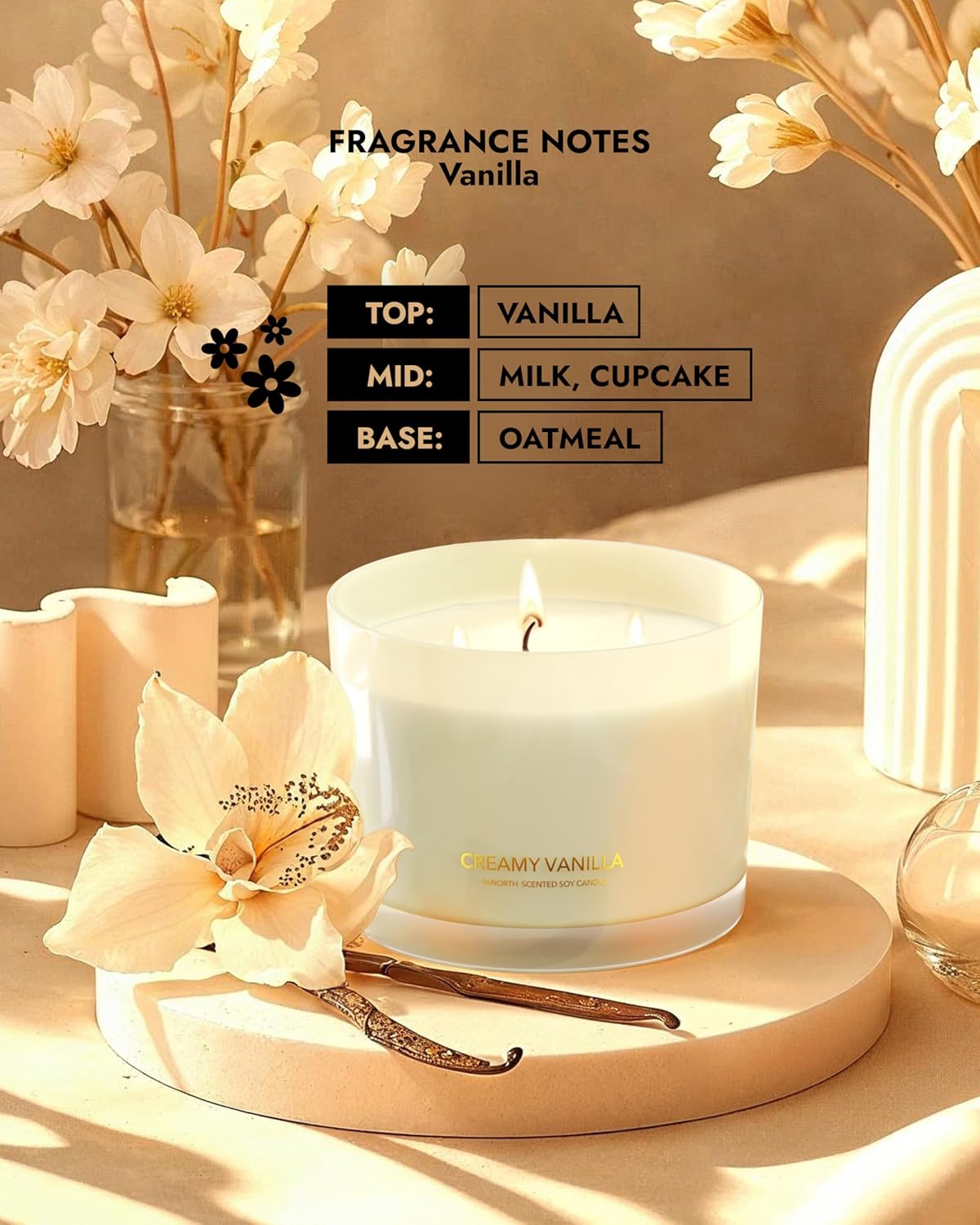
Cozy Comfort (Gourmand): For deep "hygge" relaxation, Gourmand scents (Vanilla, Coffee) act as powerful comfort cues, evoking emotional warmth.
-
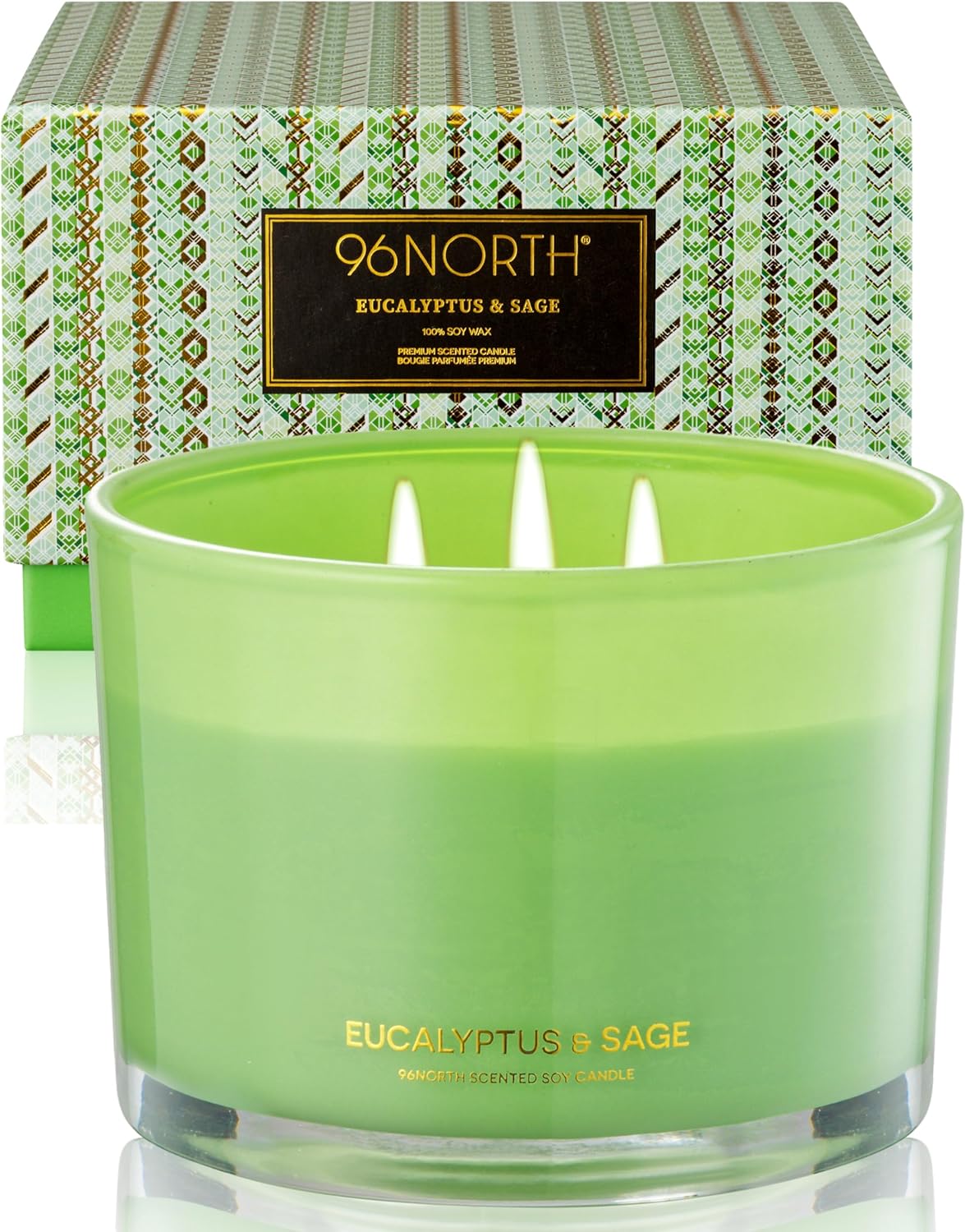
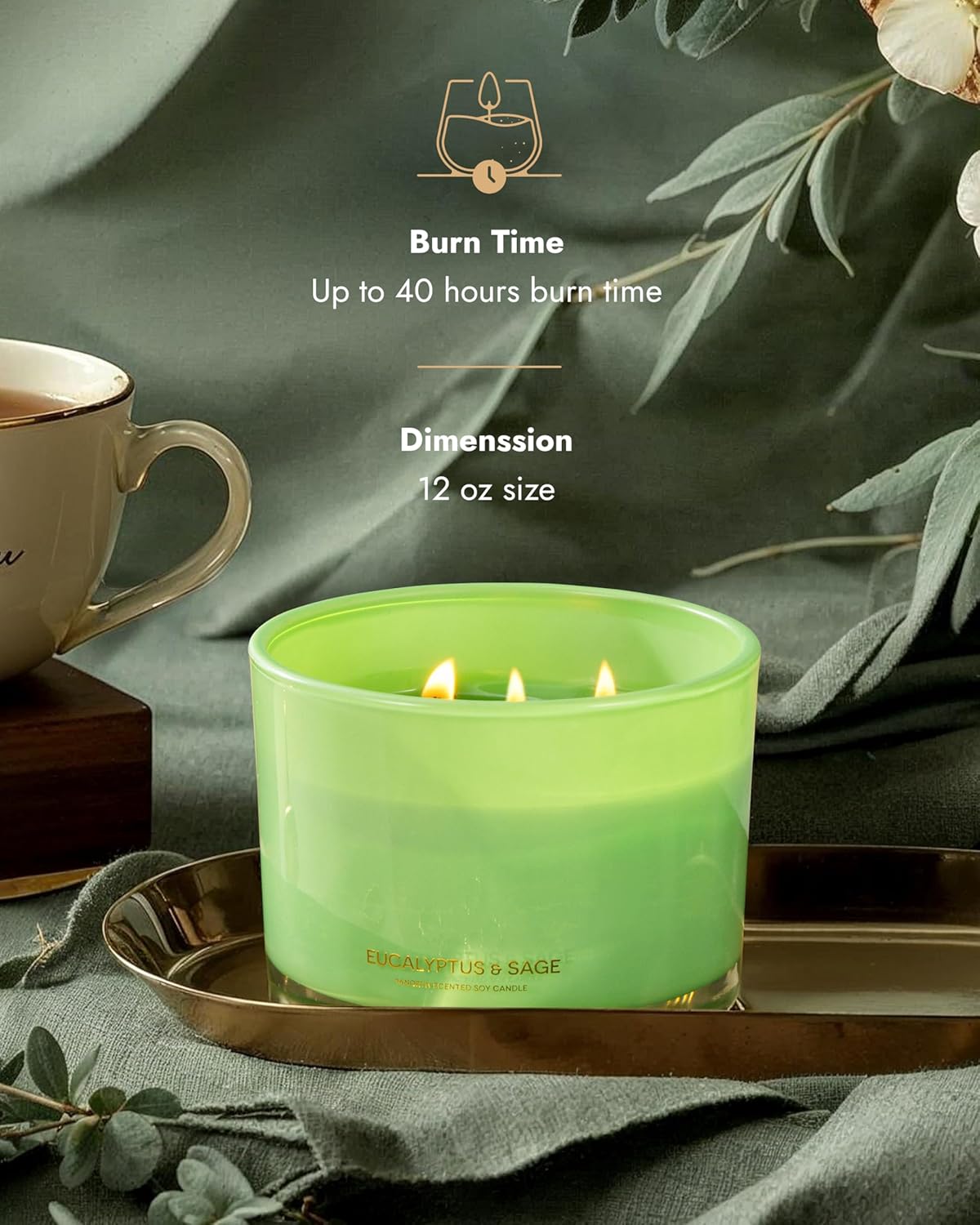
Clean Clarity (Aromatic): Eucalyptus and Sage provide a spa-like mental reset. Use these earlier in the evening if you find the notes stimulating.
Intensity & Integrity: Determine if you need strong throw or subtle fragrance. If sensitive, prioritize brands using 100% soy wax and certified lead-free wicks. Seek explicit "phthalate-free" declarations.
The Bedtime Protocol
Maximize the therapeutic benefit by integrating the candle into a safe, disciplined ritual:
-
Establish the Cue: Light the candle 30 to 60 minutes before bed. Pair the aroma with a repeatable routine (reading, breathwork) to build a strong sensory association.
-
Safety First: Always extinguish the flame completely before sleeping or leaving the room. Maintain subtle airflow, avoiding direct drafts.
For a reliable scented candle brand engineered for clean burning and therapeutic scent delivery, consider 96NORTH.
Frequently Asked Questions About Scented Candles
How long should I burn a scented candle to get the best scent throw?
Always burn the candle long enough for the entire surface layer of wax to melt completely, reaching the vessel's edge. This creates a full melt pool, maximizing the surface area for fragrance evaporation. For standard 3-wick candles, this usually takes 3 to 4 hours. Stopping sooner causes the melt pool to shrink with each use (tunneling), which significantly mutes the strong throw and wastes premium wax. Never burn for more than 4 hours at a time, as this can overheat the container and cause inefficient combustion (sooting).
What’s the difference between essential oil candles and fragrance oil candles?
Essential oil (EO) candles use plant extracts for scent, offering natural purity but often resulting in less scent stability and throw when heated. High-quality fragrance oil (FO) candles use engineered formulas that maintain scent complexity and consistency throughout the entire burn cycle. For reliable wellness rituals, focus on “clean” fragrance oils that explicitly declare they are free from common irritants like phthalates and parabens, ensuring both powerful performance and ingredient integrity.
Why does my candle tunnel (and does tunneling reduce scent throw)?
Tunneling occurs when the wick is too small or the candle is extinguished before the first burn reaches a full melt pool. Yes, tunneling severely reduces scent throw by locking usable, scented wax along the edges of the vessel. To fix or avoid this, ensure every burn, especially the first, melts the wax edge-to-edge. If tunneling has already occurred, gently press the warm edges inward or safely use the aluminum foil method to redistribute heat and even the wax surface for subsequent burns.
Are scented candles bad for indoor air quality?
When burned correctly, scented candles from reputable brands pose minimal air quality risk. Any combustion creates byproducts, but choosing clean-burning options like 100% soy wax with lead-free cotton wicks reduces concerns. The visible emission of soot is the primary sign of an inefficient burn. Mitigate risks by always trimming the wick to 1/4 inch before each use, avoiding drafty areas, and ensuring light ventilation in the room. This practice maximizes the therapeutic experience and minimizes residue.
Can I sleep with a candle burning?
No, you must never sleep with a candle burning or leave an open flame unattended. An improperly placed candle, especially one exposed to a draft or resting near flammable materials, presents a serious fire hazard. Instead, integrate the candle into your pre-sleep ritual. Light the calming scent—such as French Lavender or Nordic Pine—30 minutes before bed to establish your sensory anchor, then use a snuffer or wick dipper to safely extinguish the flame completely before closing your eyes.
Ready to establish your sensory anchor for a restorative wind-down?
Choosing a high-quality, clean-burning candle is the foundation of a reliable self-care ritual. Whether you seek the deep comfort of Gourmand notes or the grounding serenity of Woody profiles, start with a consistent scent profile engineered for strong throw and purity.