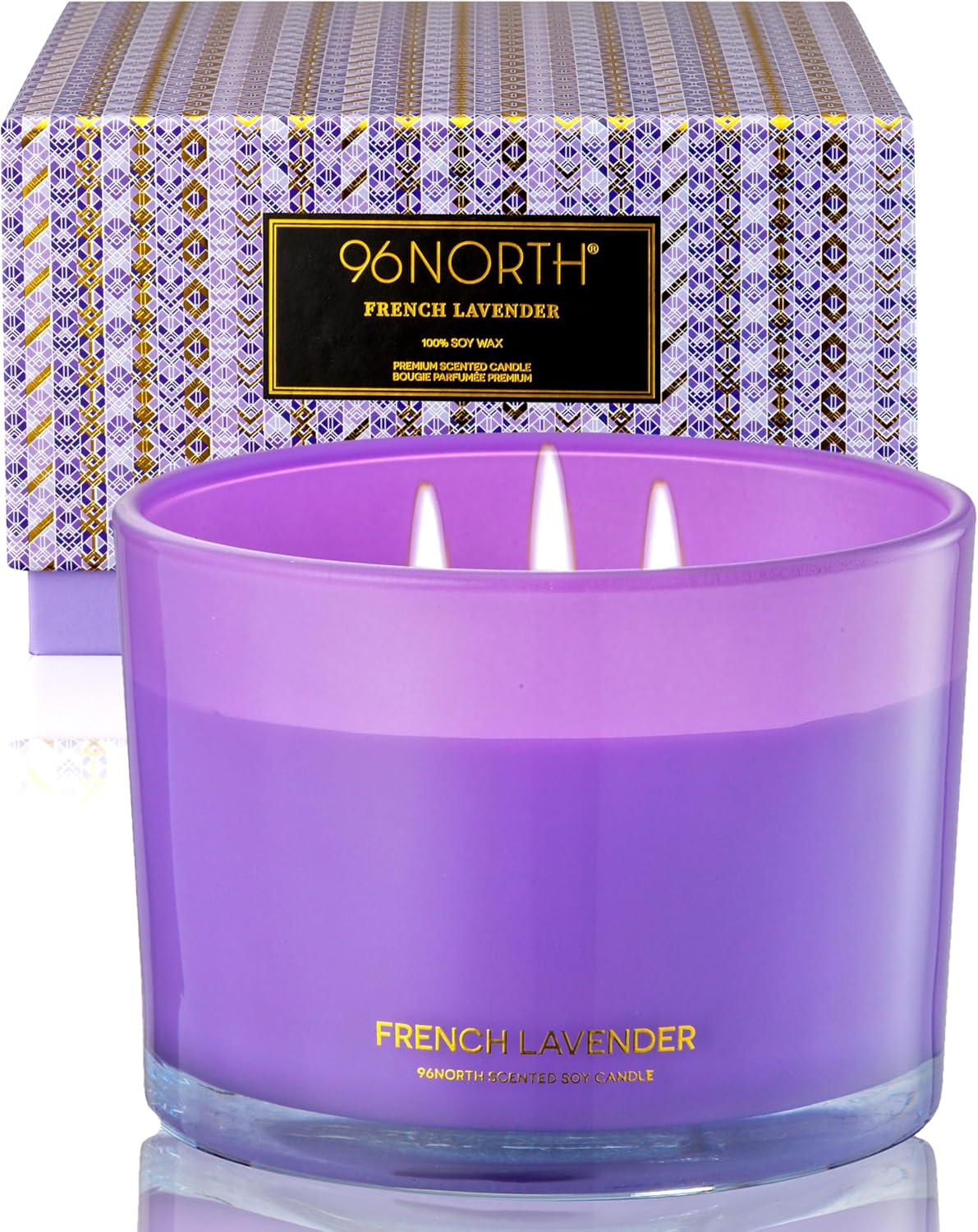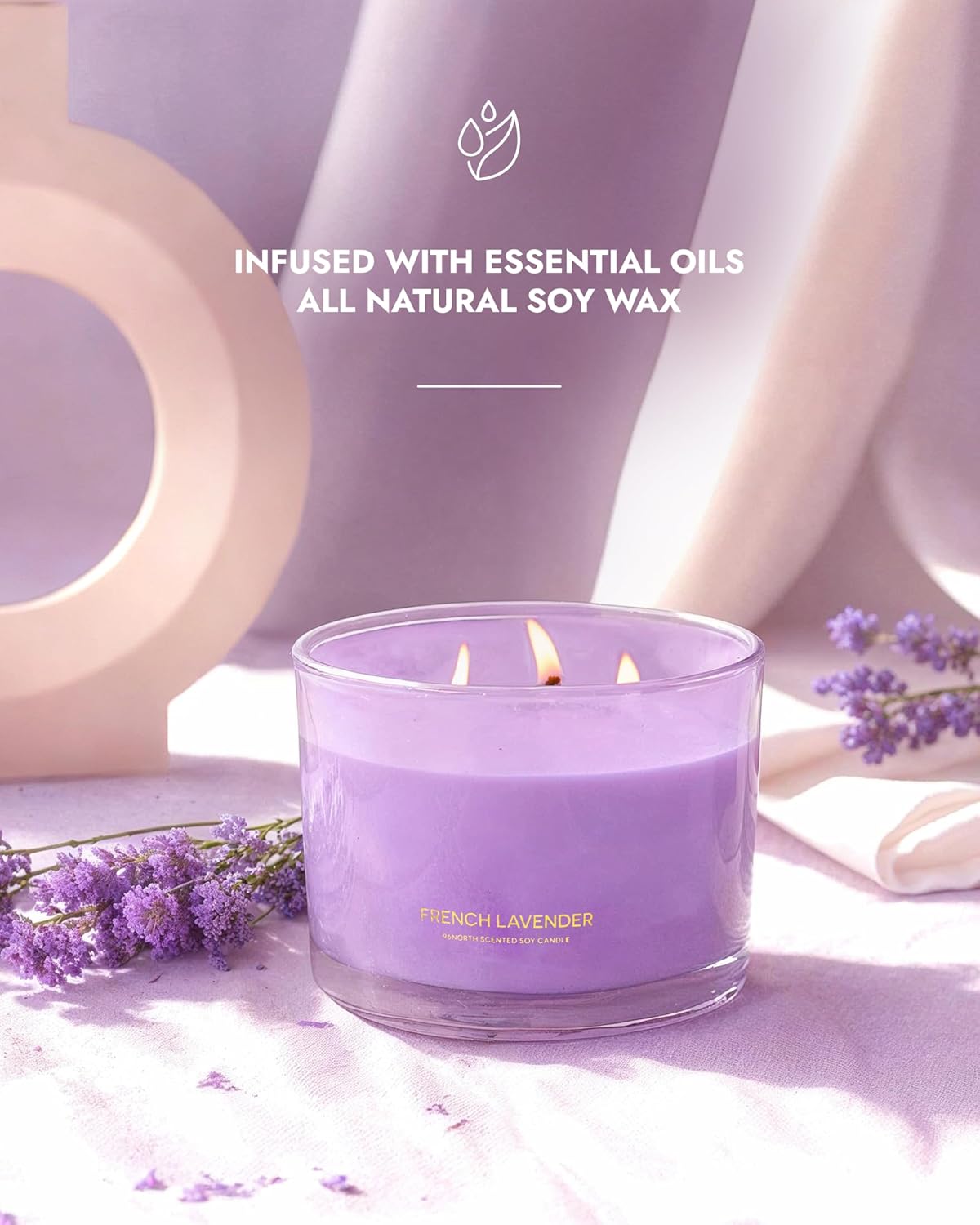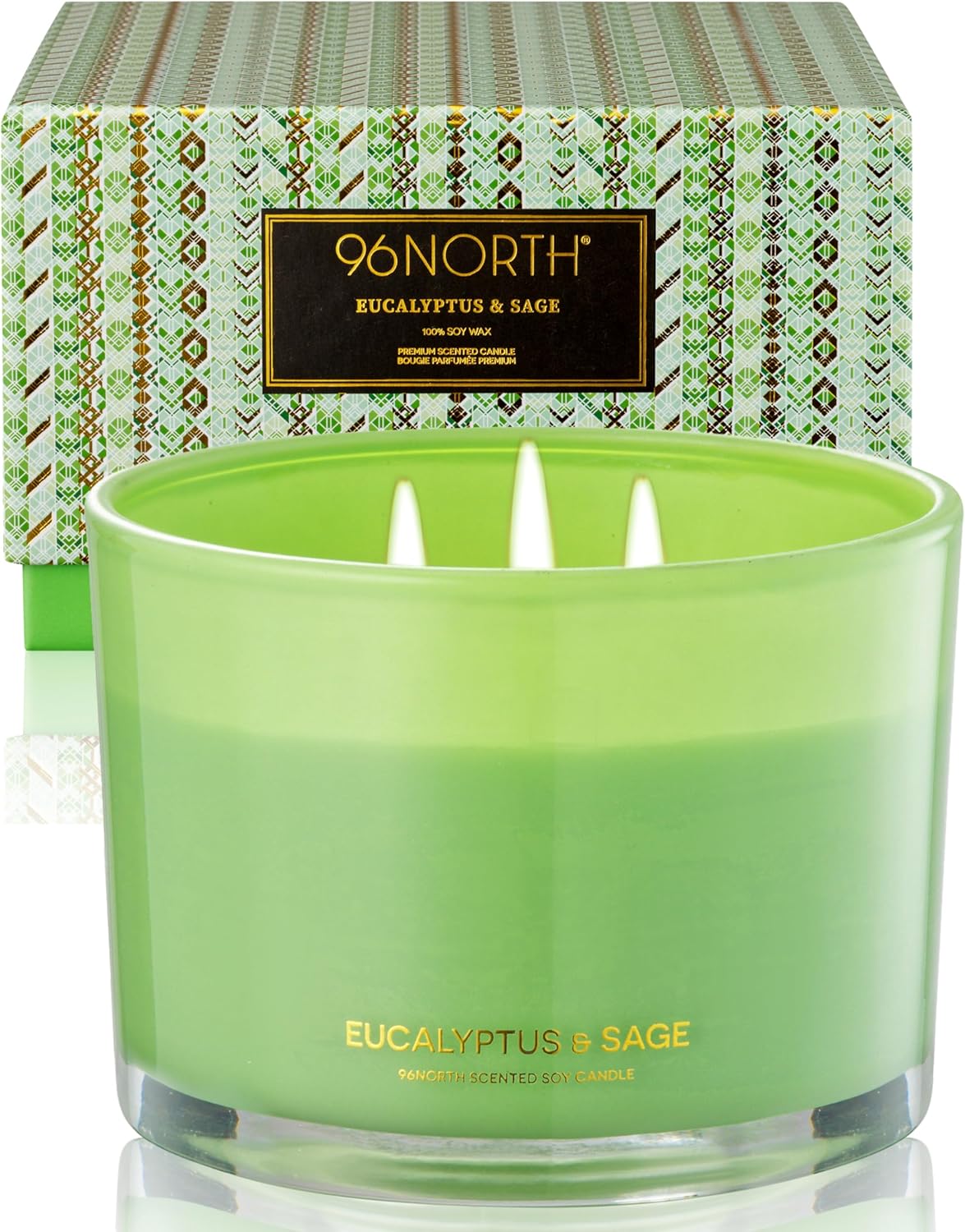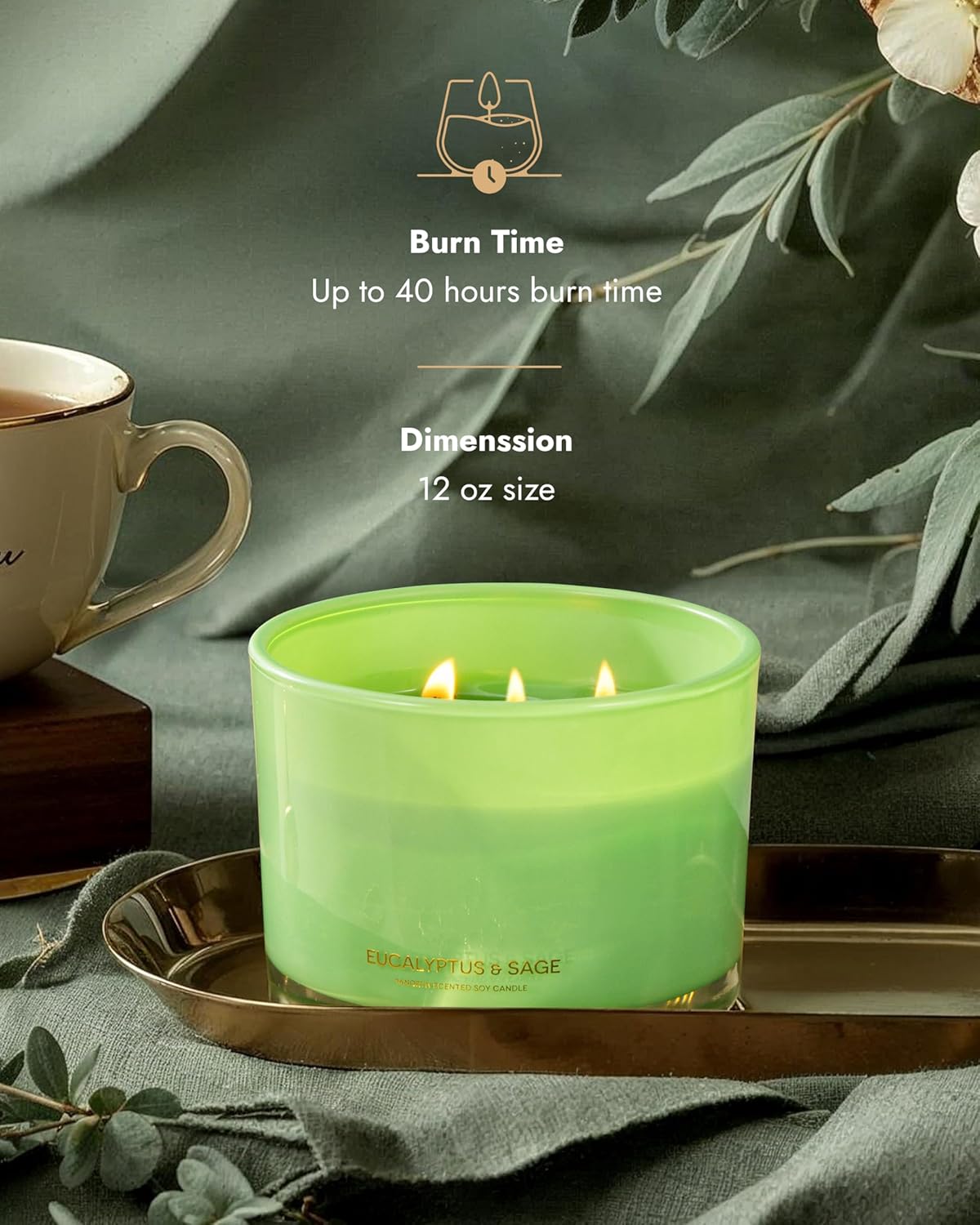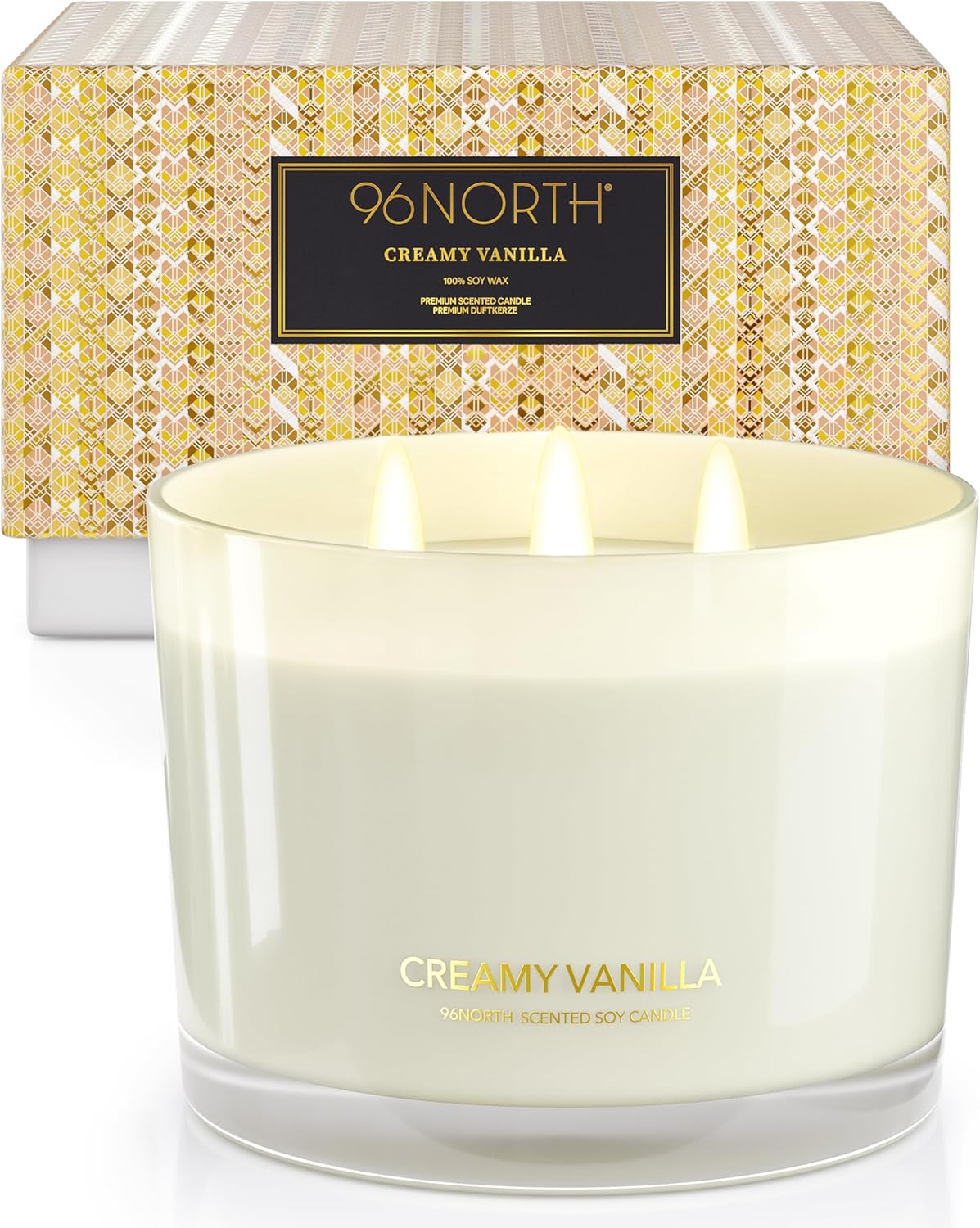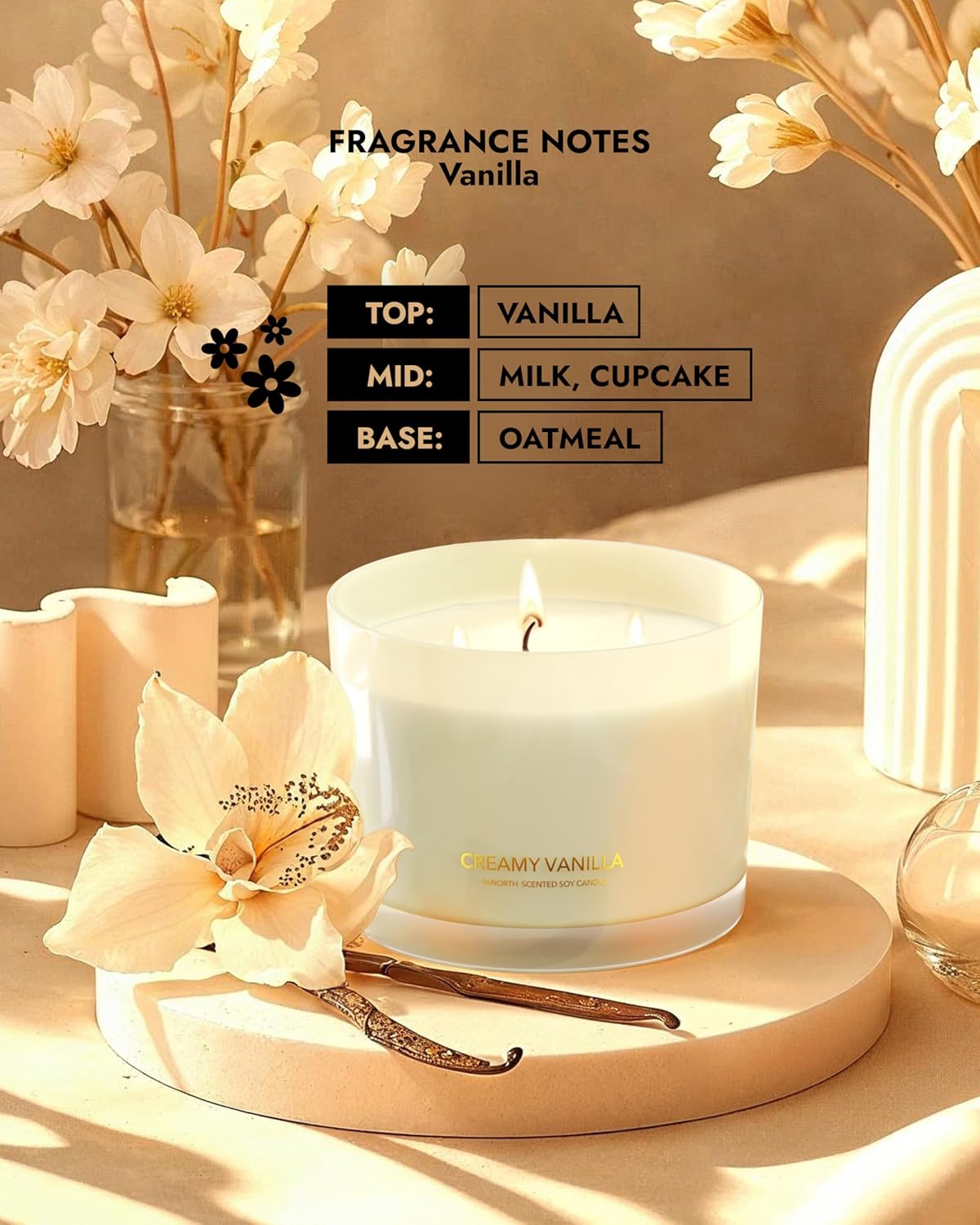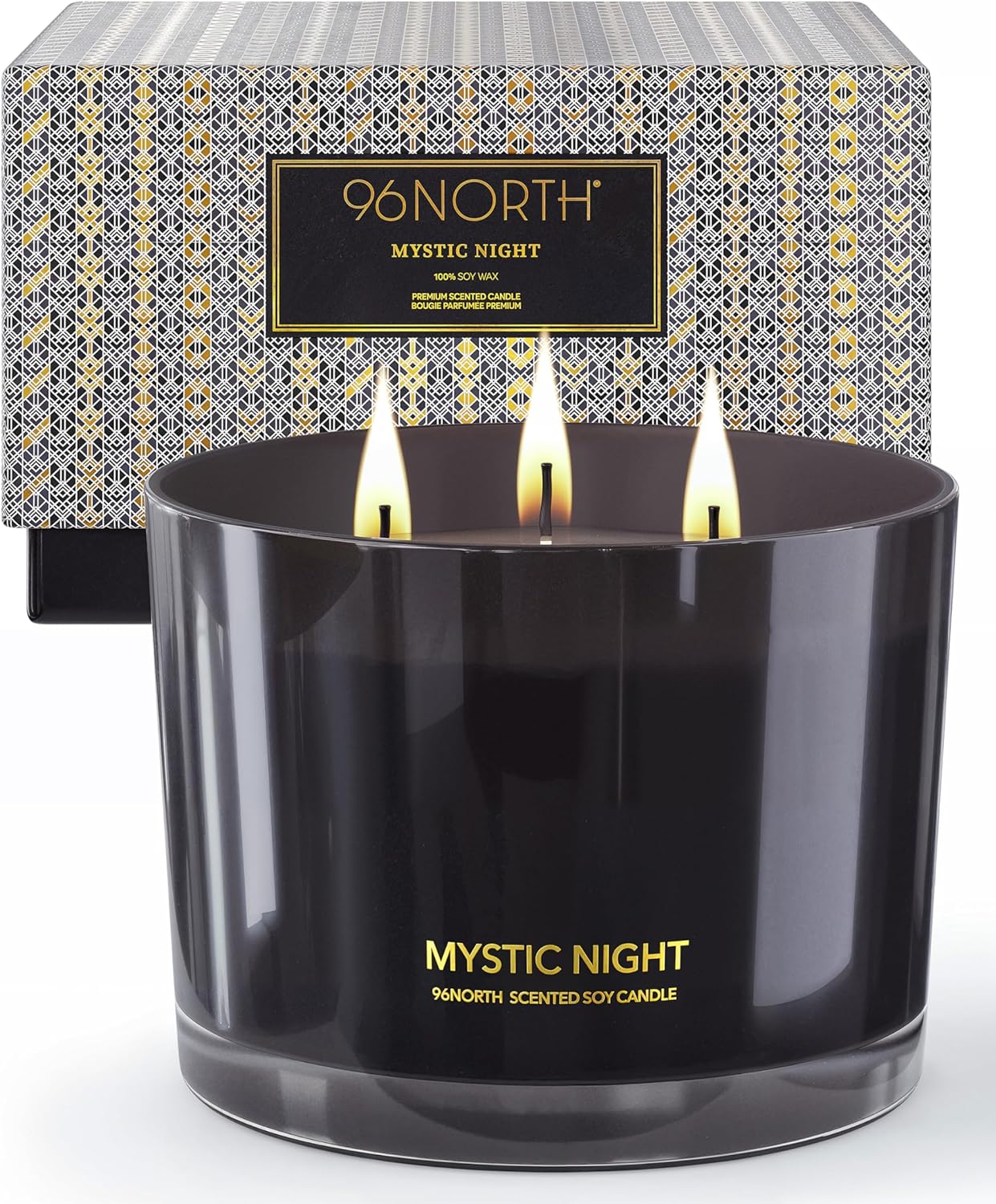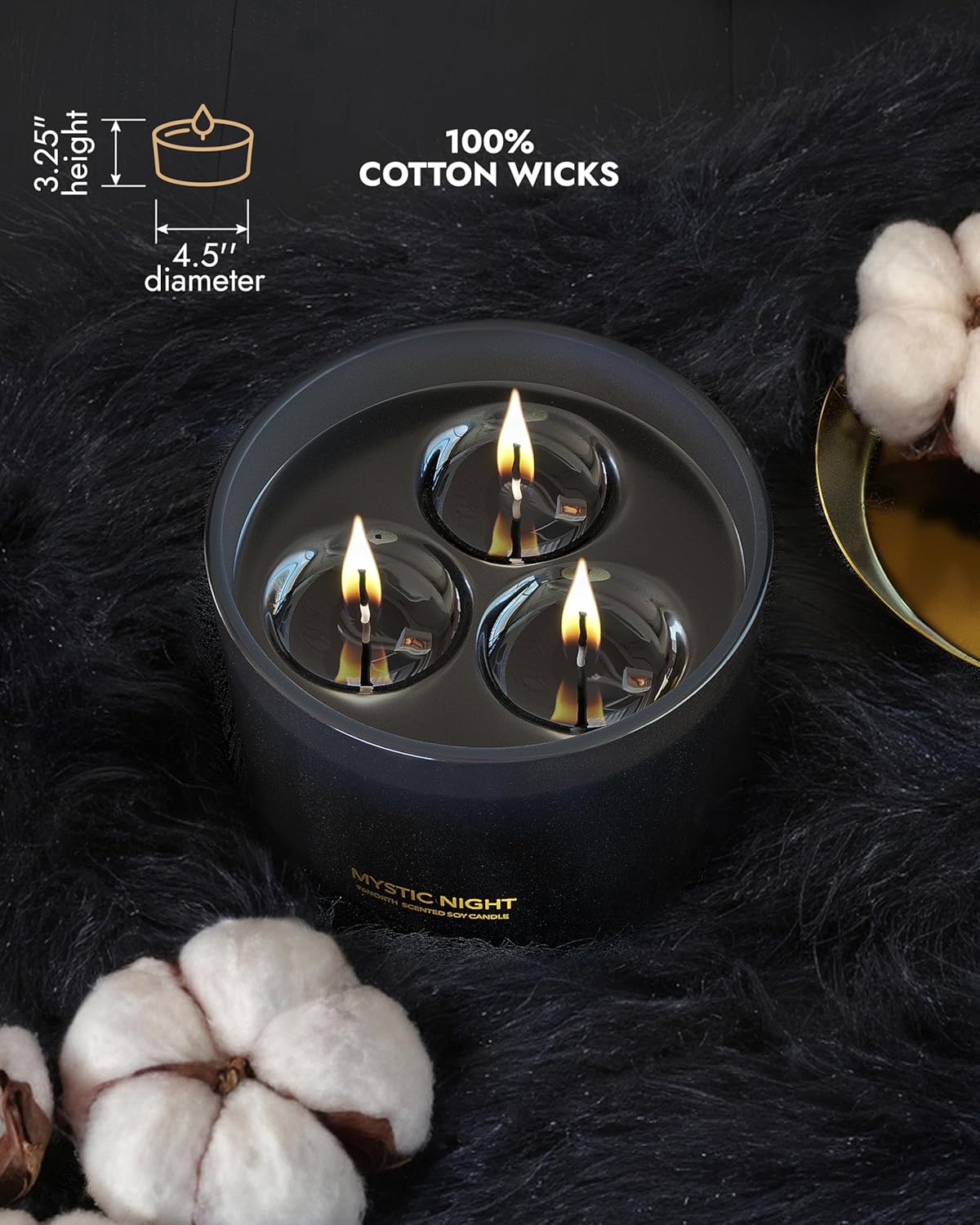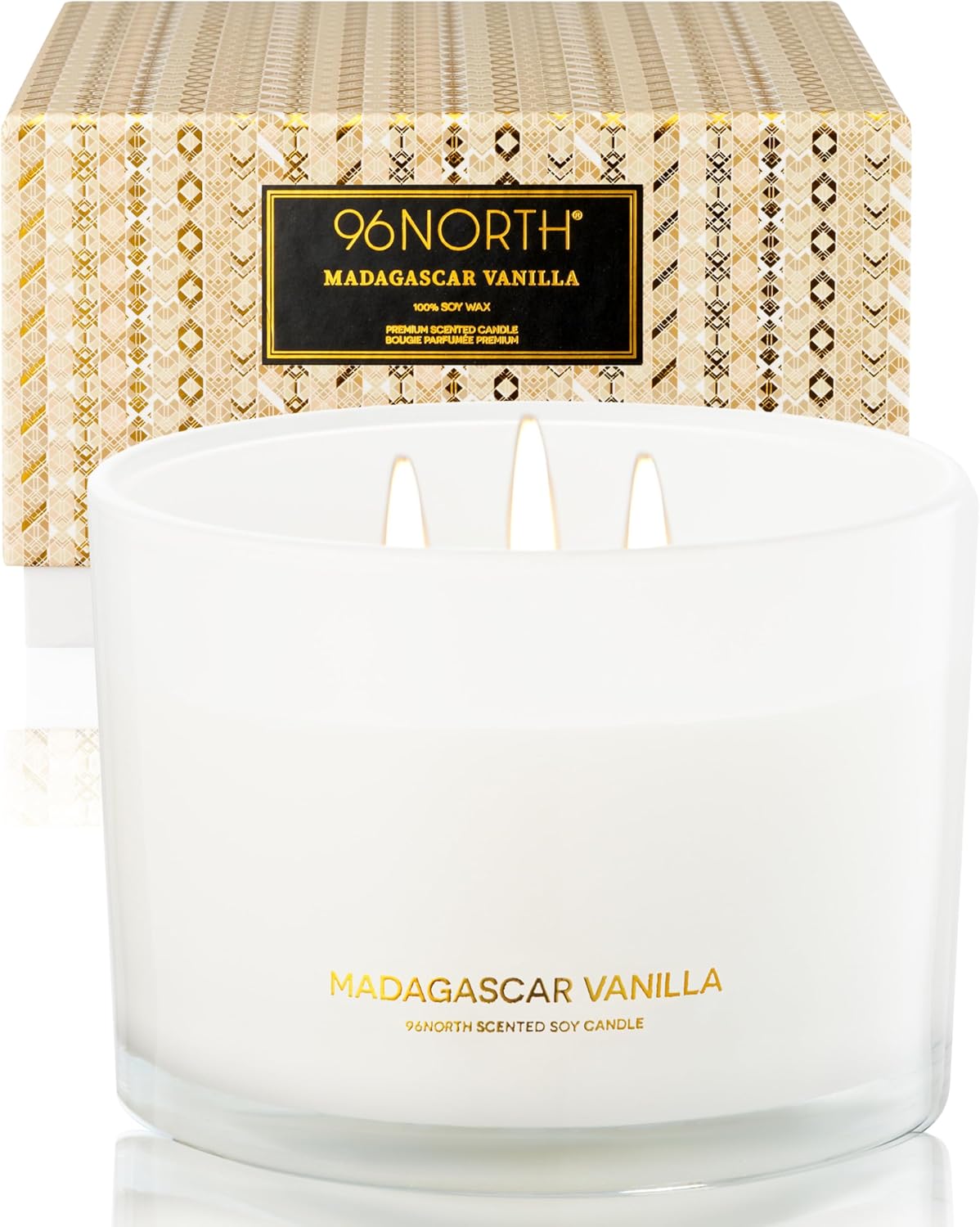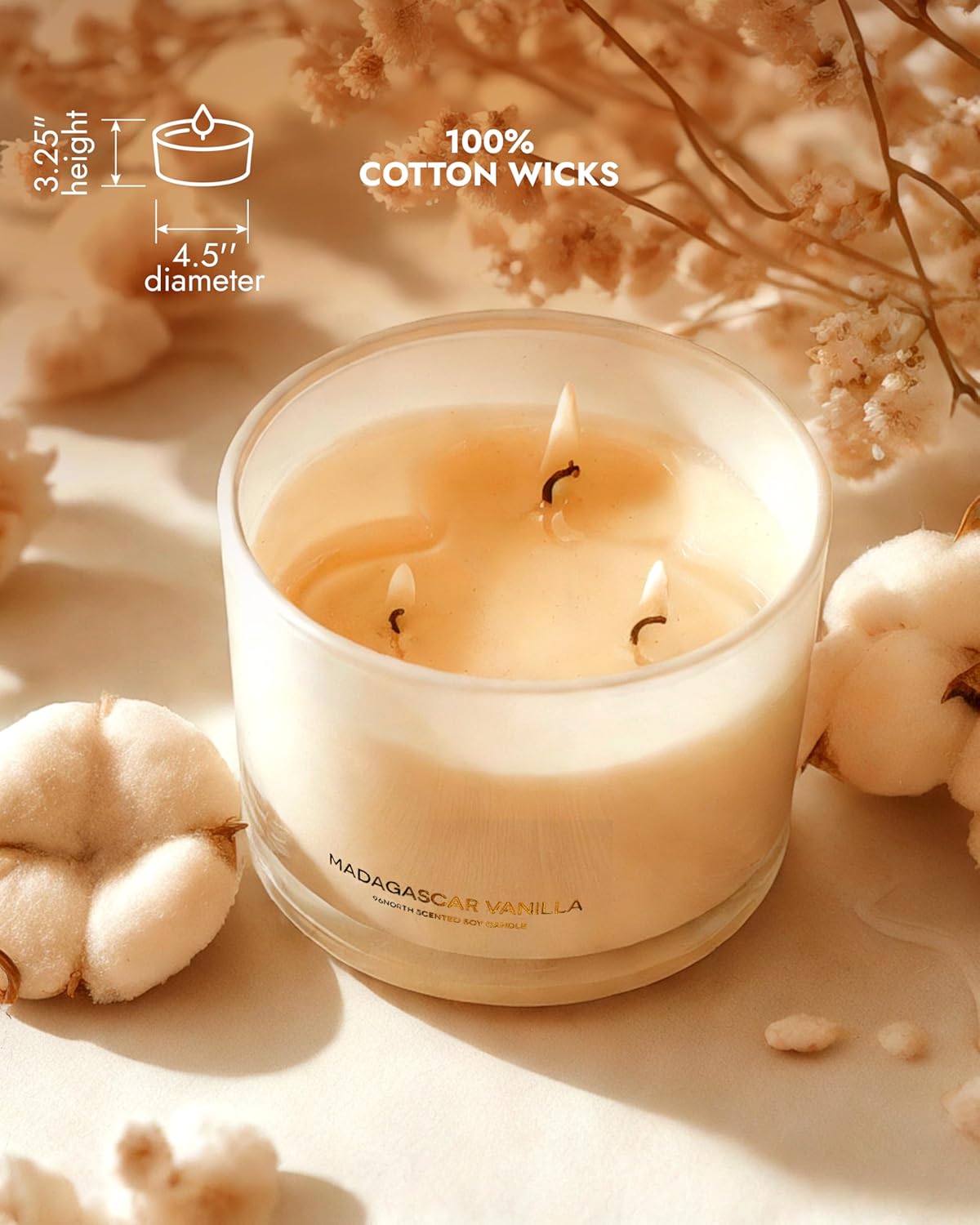

You want a cozy glow, but you do not always want fragrance. Choosing between scented vs unscented candles is not a debate over which is better. It is about matching the candle to your moment.
Crucially, unscented does not mean fragrance-free. Many unscented candles use masking agents to hide raw wax, making true fragrance-free options the best choice for clean air. Start with the situations where the wrong choice is immediately obvious.
1. The Dining Rule: Why Food and Fragrance Do Not Mix
When choosing between scented vs unscented candles, remember this rule: if food is involved, default to no fragrance. Scent directly shapes taste. Strong aromas compete with the delicate notes of wine, coffee, and desserts.
To build the atmosphere safely, choose unscented candles, or select fragrance-free options if hosting sensitive guests.
Pro Tip: Position candles lower on the table and further from plates to minimize natural wax odors.
Hosting Night Checklist:
-
Set the table.
-
Light unscented pillars.
-
Save scented candles for the living room wind-down.
2. The Clean Air Myth: "Unscented" vs. "Fragrance-Free"
If "unscented" candles trigger headaches, asthma, or kids complaining "it smells weird," the packaging label might be misleading.
When comparing scented vs unscented candles, "unscented" simply means there is no added aroma. However, these products often contain chemical masking agents to cover raw wax odors. True "fragrance-free" candles contain zero scent chemicals or masking additives.
Default to fragrance-free if you experience migraines, nausea, or pregnancy sensitivity. For cleaner air, choose high-quality, lead-free cotton wicks, ventilate your room, and burn shorter sessions. If minor irritation persists, select the lowest-scent candle option available.
3. Scented Candles as Sensory Anchors: Timing Your Wellness Rituals
A scent can be a "switch" your brain recognizes. Instead of perfuming the air all day, use scented candles as sensory anchors during specific, time-boxed rituals:
-
Workday decompression or Sunday resets
-
Journaling, yoga, or stretching
-
A relaxing pre-bath routine
To prevent overwhelm, limit burning to a 30- to 90-minute window. Match the scent family to your goal: aromatic for clarity, woody for grounding, and lavender for wind-down.
Where do you want to be today? Explore 96NORTH candle collections to anchor your ritual.

4. Sensory Zoning: Scent for Focus, Silence for Fatigue
Use one signature scent to spark focus, then extinguish it the moment you finish. Scented candles excel during:
-
Deep work blocks
-
Creative sessions
-
Demanding admin tasks
Choose a stimulating woody or fresh scent. Burn it only during active focus blocks, extinguishing it during breaks to prevent nose-blindness. Swap to unscented candles during video calls or when your mind feels cluttered.
Pro Tip: If the scent is weak, learn how to get a stronger, longer-lasting throw by optimizing your burn performance first.
5. Scent Etiquette: Sharing Your Space Without Sparking Headaches
Your favorite scent can be someone else’s headache. When choosing between scented vs unscented candles in shared spaces, default to unscented for:
-
First-time guests
-
Large, mixed groups
-
Open-plan areas where fragrance travels
Once you confirm personal preferences, introduce light, clean therapeutic scents. Always ask, "I'm lighting a candle, does anyone have sensitivities?" and start with a 15-minute trial burn.
Pro Tip: Use unscented candles for your main ambient glow, keeping richer, sensory-travel scents contained to a single closed room.
6. Tiny Rooms and Tiny Noses: When to Keep It Fragrance-Free
If the room is tiny, or the nose is tiny, keep it simple. When deciding between scented vs unscented candles, prioritize fragrance-free options for your home's most sensitive occupants.
Opt for unscented candles in:
-
Nurseries and kids’ rooms.
-
Spaces where pets (especially cats and birds) spend hours.
-
Bathrooms or areas you cannot easily air out.
Practice behavior-based safety: keep wicks trimmed to prevent soot, burn shorter sessions, and never leave flames unattended. Since raw wax has a faint natural scent, test a short burn before committing to all-day use.
7. Long-Term Burns and Emergencies: Why Unscented Wins
During power outages or extended cozy nights, a closed room can make even your favorite scent overwhelming. In the debate of scented vs unscented candles, unscented options win for long-term utility. They provide a comforting glow while keeping your air neutral, preventing:
-
Sensory fatigue and headaches
-
Nausea from fragrance buildup
-
Disturbed sleep or focus
To ensure clean performance, keep the wick trimmed and the candle on a stable surface. Establish a full melt pool early, or learn how to fix candle tunneling and get an even burn.
Scented vs Unscented Candles: Your Instant Decision Guide
Run your space through this quick decision tree to choose between scented vs unscented candles instantly:
-
Identify the room's focus. Choose unscented if food or drink is the main event.
-
Check for sensitivities. Choose fragrance-free if guests have allergies or the space is tiny.
-
Define your desired mood. Choose clean, soy-based scented options to invoke calm, focus, or comfort.
The Ambient Decision Matrix
|
Context |
Choice |
How to Use It |
|
Dining or hosting meals |
Unscented |
Place low on tables to keep culinary aromas pure. |
|
Sleep wind-down or bath rituals |
Scented (Soft profile) |
Burn for 30 to 90 minutes to signal rest. |
|
Shared spaces or unknown guests |
Unscented first |
Light unscented first, then introduce soft scents. |
The Clean Burn Checklist
Execute these steps to secure a flawless, soot-free burn:
-
Burn the candle for two hours on your first light to establish an even melt pool.
-
Trim the cotton wick to one-quarter inch before lighting to eliminate smoke.
-
Open a window slightly to ventilate the room when diffusing strong scents.
Ready to curate your wellness routine? Explore scents by mood to find your clean soy-wax anchor, or visit 96NORTH to upgrade your home rituals.
Frequently Asked Questions
What is the difference between "unscented" and "fragrance-free" candles?
Unscented candles are formulated to have no noticeable aroma, but they often use chemical masking agents to cover the smell of raw wax. Fragrance-free candles contain absolutely no fragrance chemicals, essential oils, or masking additives. If you have chemical sensitivities or allergies, choose fragrance-free options and test them in a small room first.
Do unscented candles still have a smell?
Yes, unscented candles can still have a faint natural scent. Base waxes like soy, coconut, or beeswax carry their own mild organic odors. The term unscented means no extra perfume has been added, so the focus is on achieving a neutral ambiance rather than zero aroma.
Are scented candles bad for you?
Scented candles are not inherently harmful, but your experience depends on wax quality and usage. To protect your indoor air, burn clean soy wax candles with lead-free cotton wicks. You should also ventilate your space, trim wicks before lighting, and avoid burning candles in small, unventilated rooms.
Is it better to burn scented or unscented candles in the bedroom?
For sensory sensitivity, stick to fragrance-free. If you want to build a relaxing evening routine, choose a soft scented candle. Light a grounding scent like lavender to signal your brain it is time to wind down, and always extinguish the flame before going to sleep.
How can I get a stronger scent and stop my candle from tunneling?
To maximize your candle's lifespan, burn it long enough on the first light to create a full melt pool. For professional tips, read our guide on how to get a longer-lasting throw or learn how to fix candle tunneling to keep your wax perfectly flat.