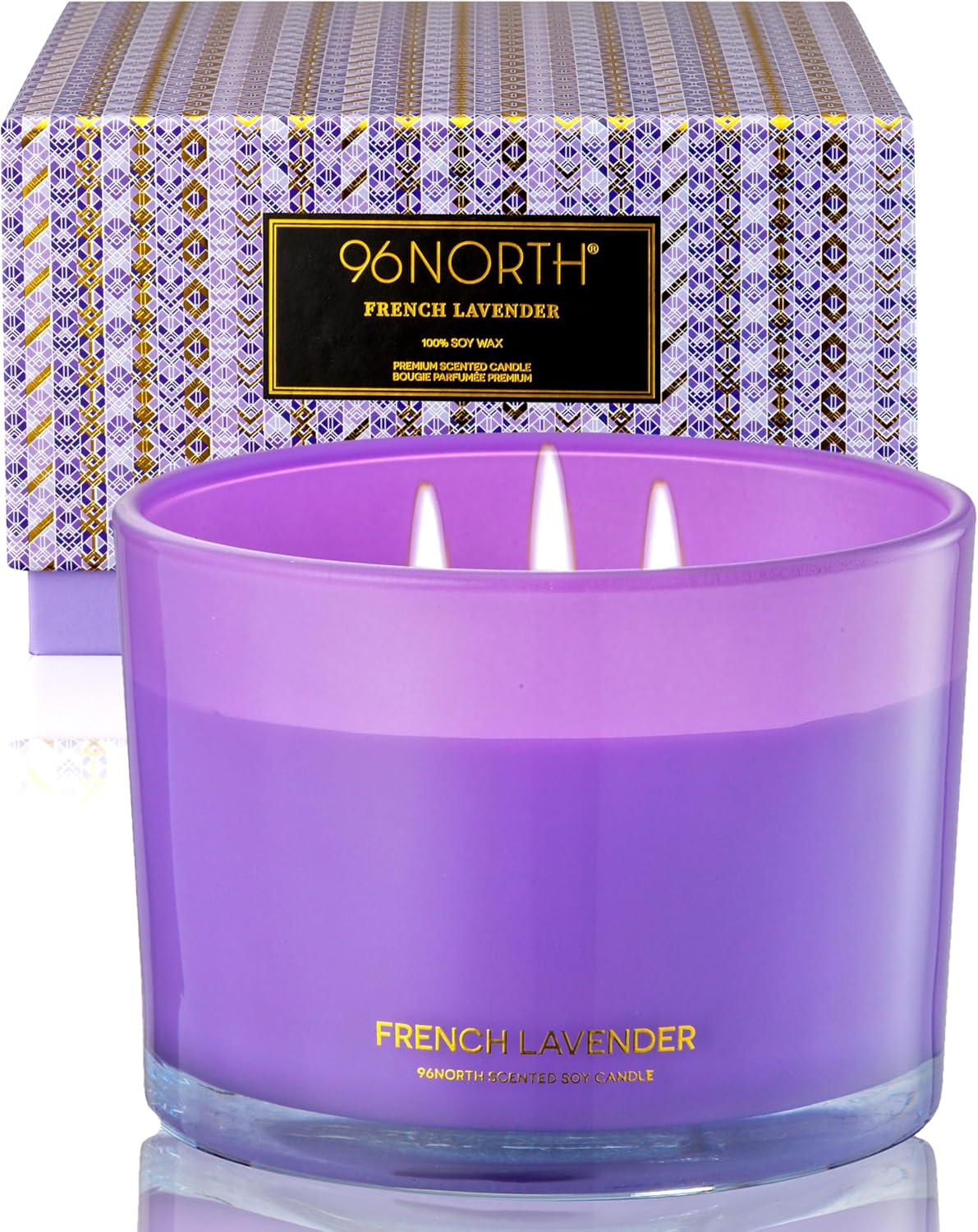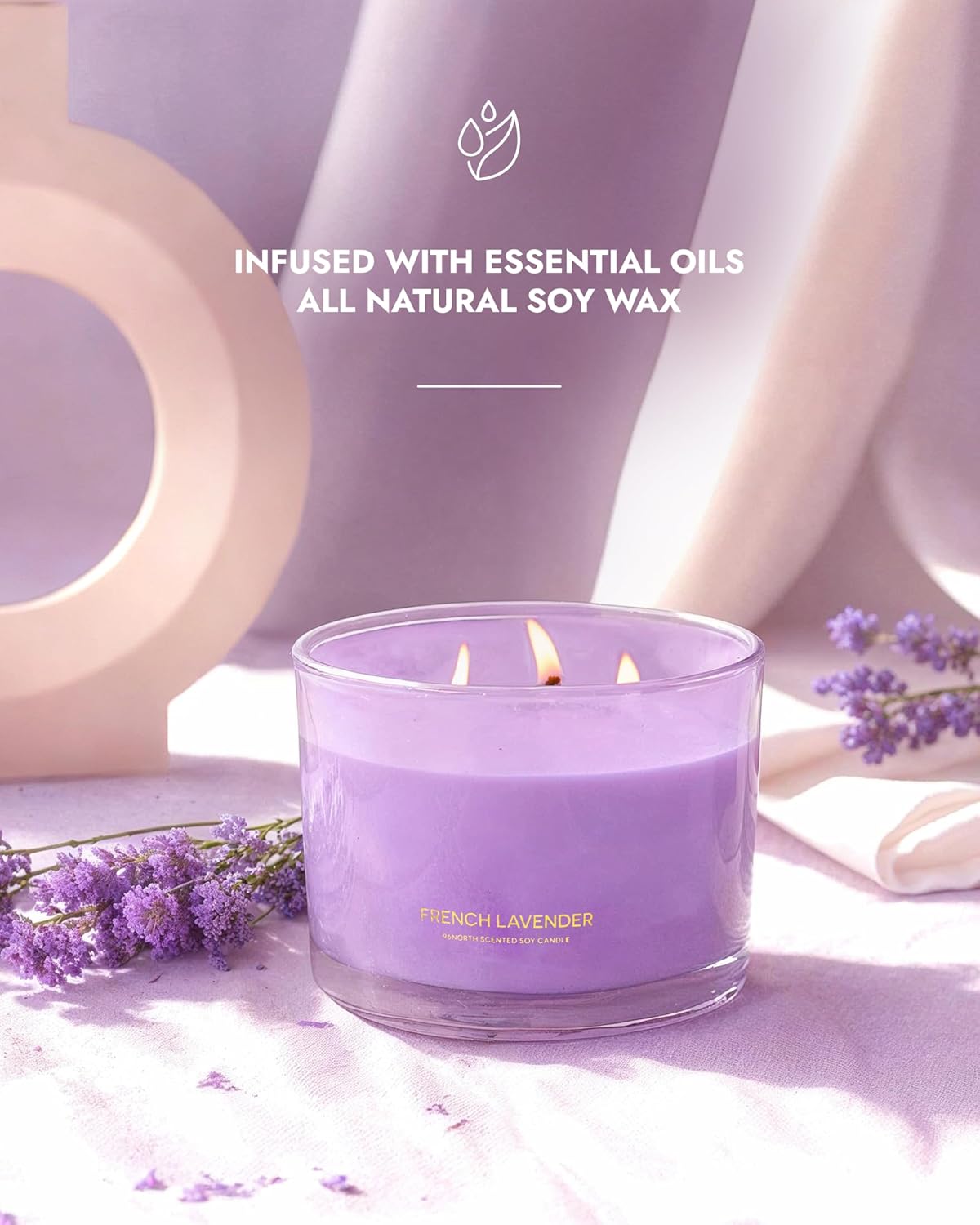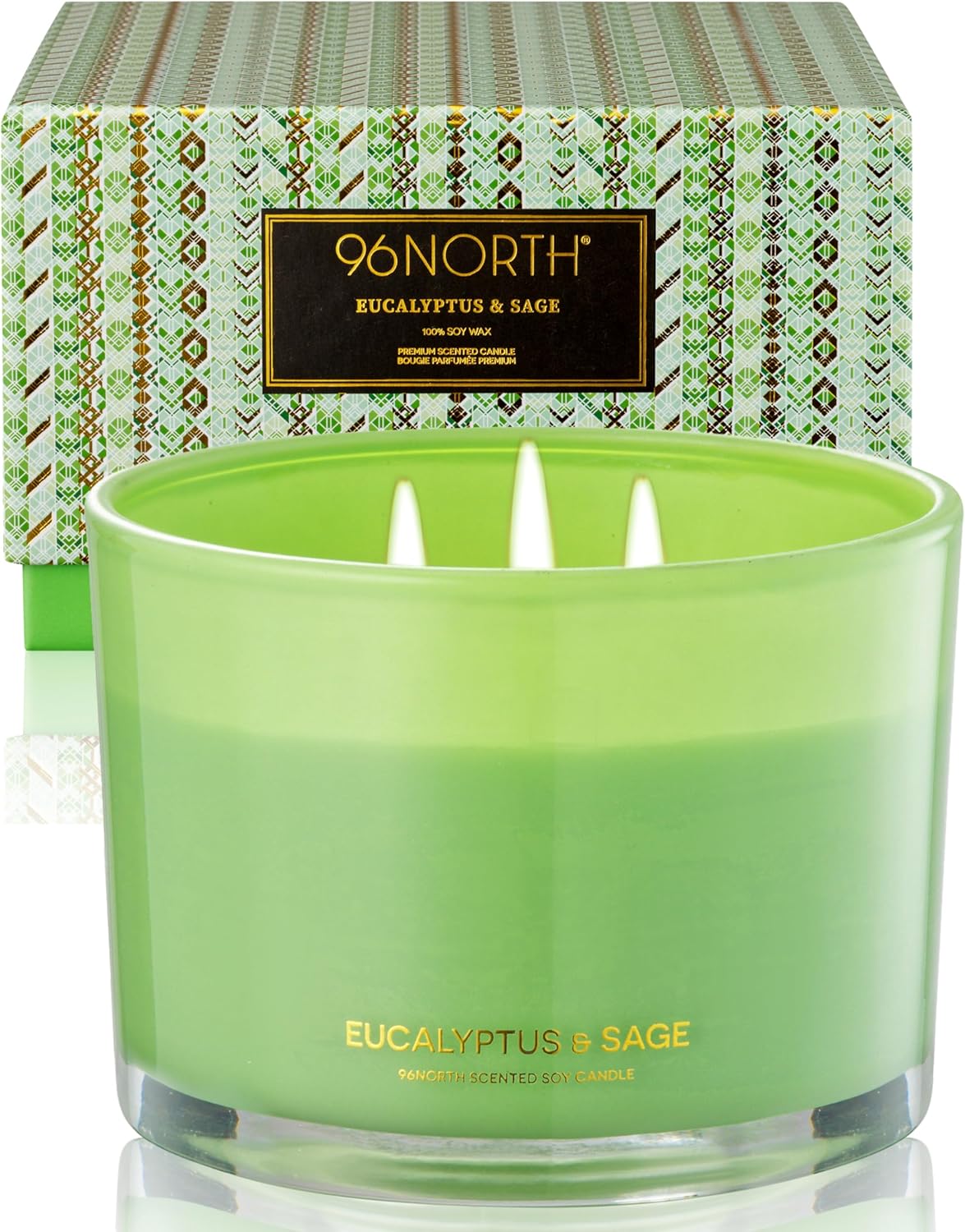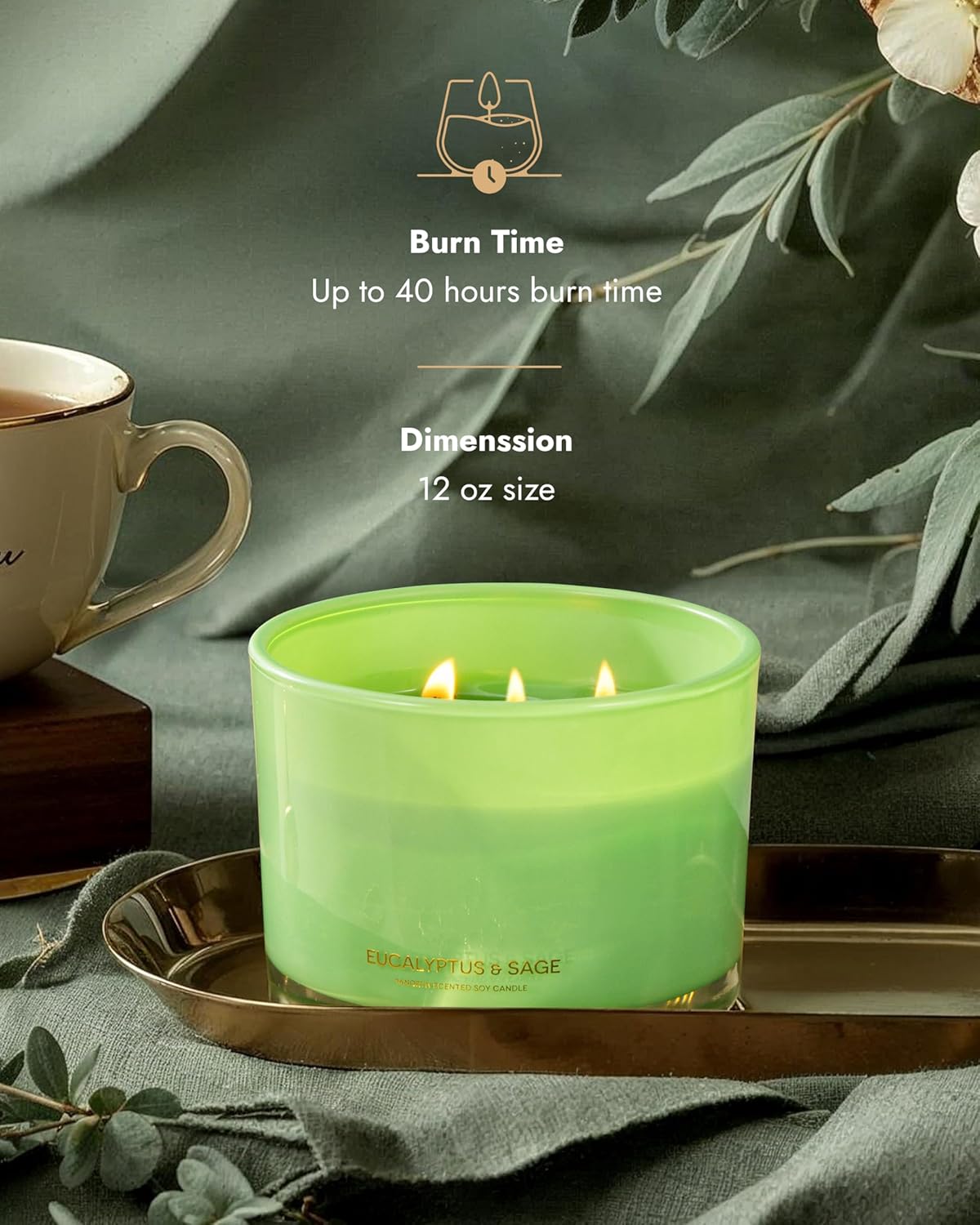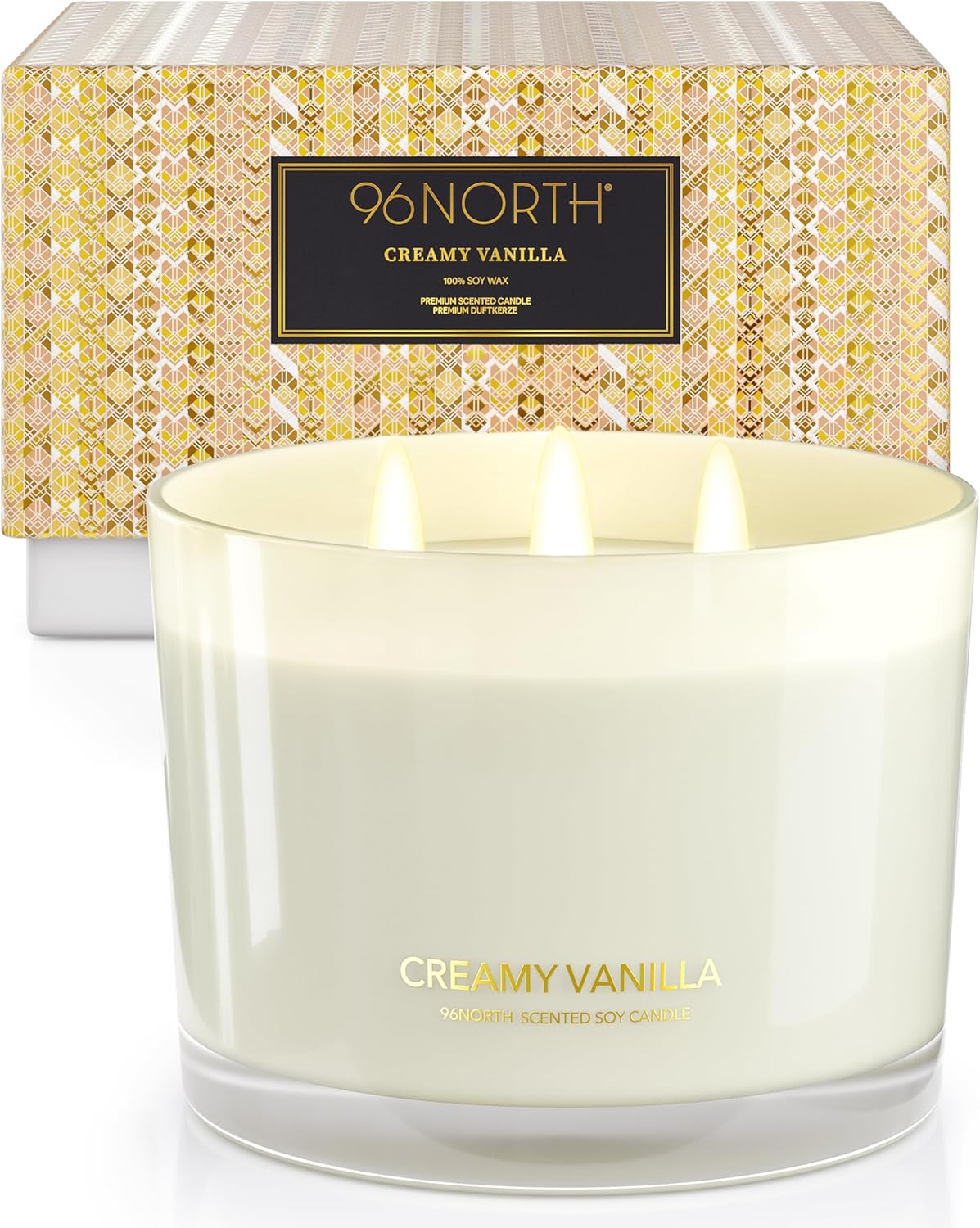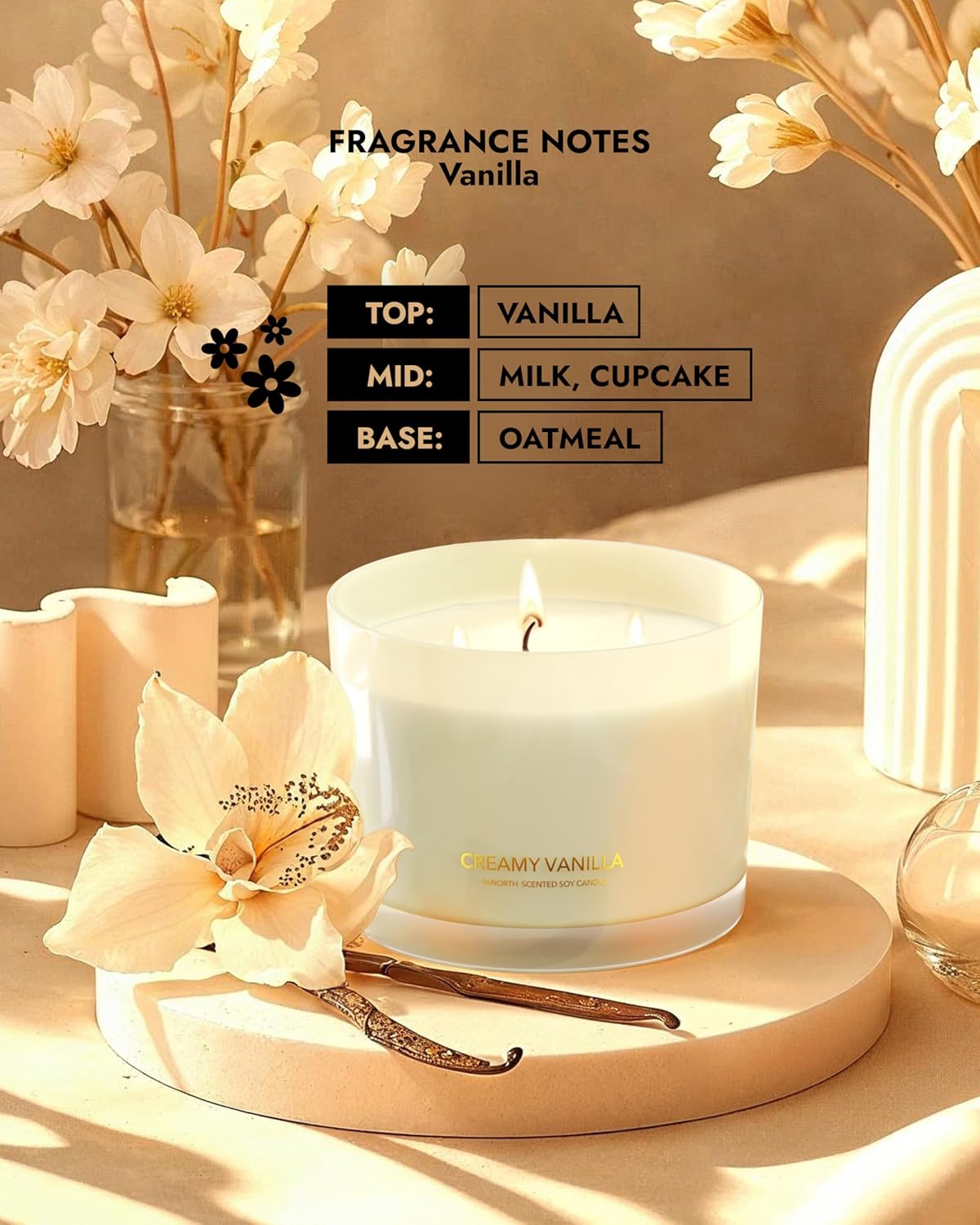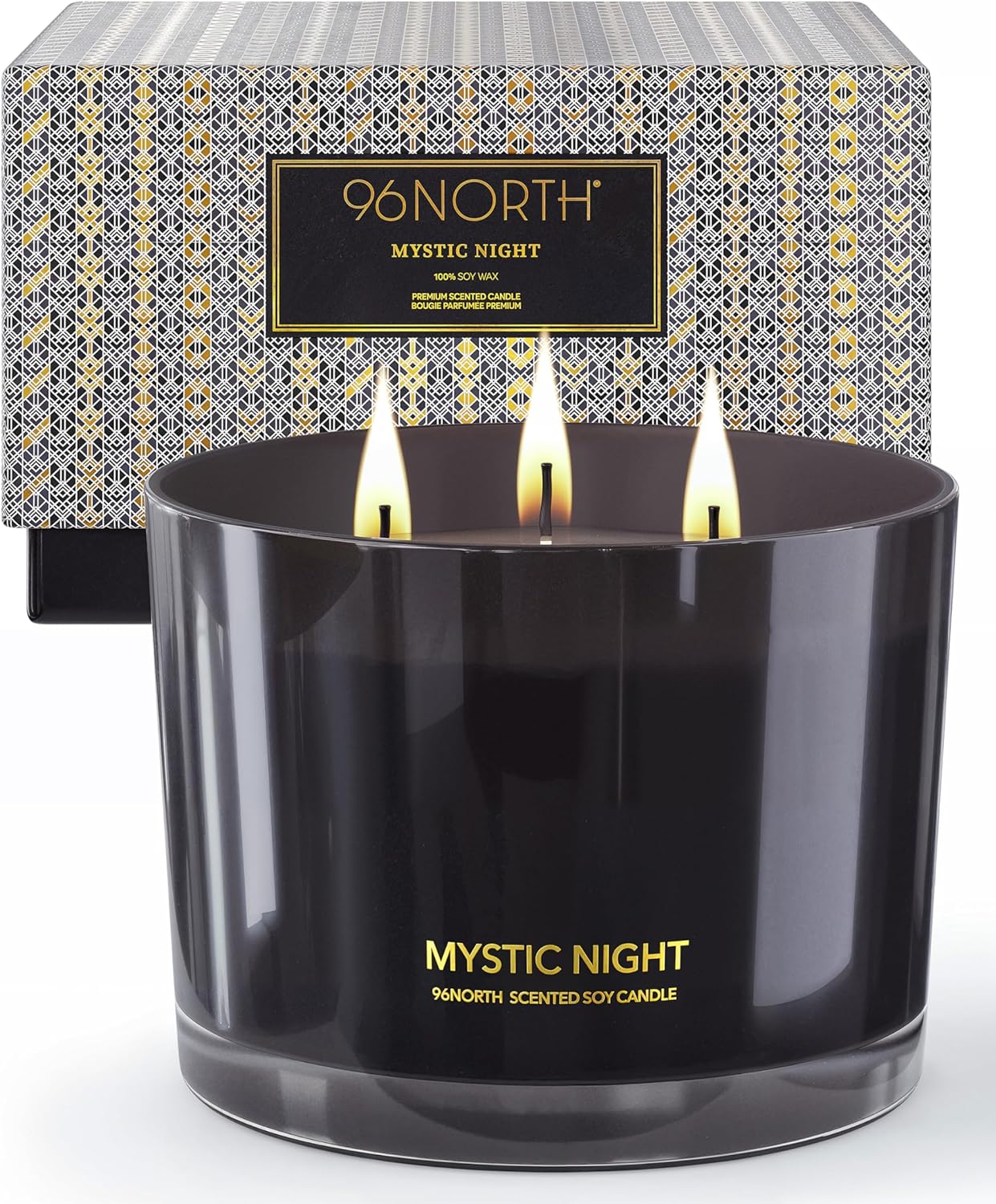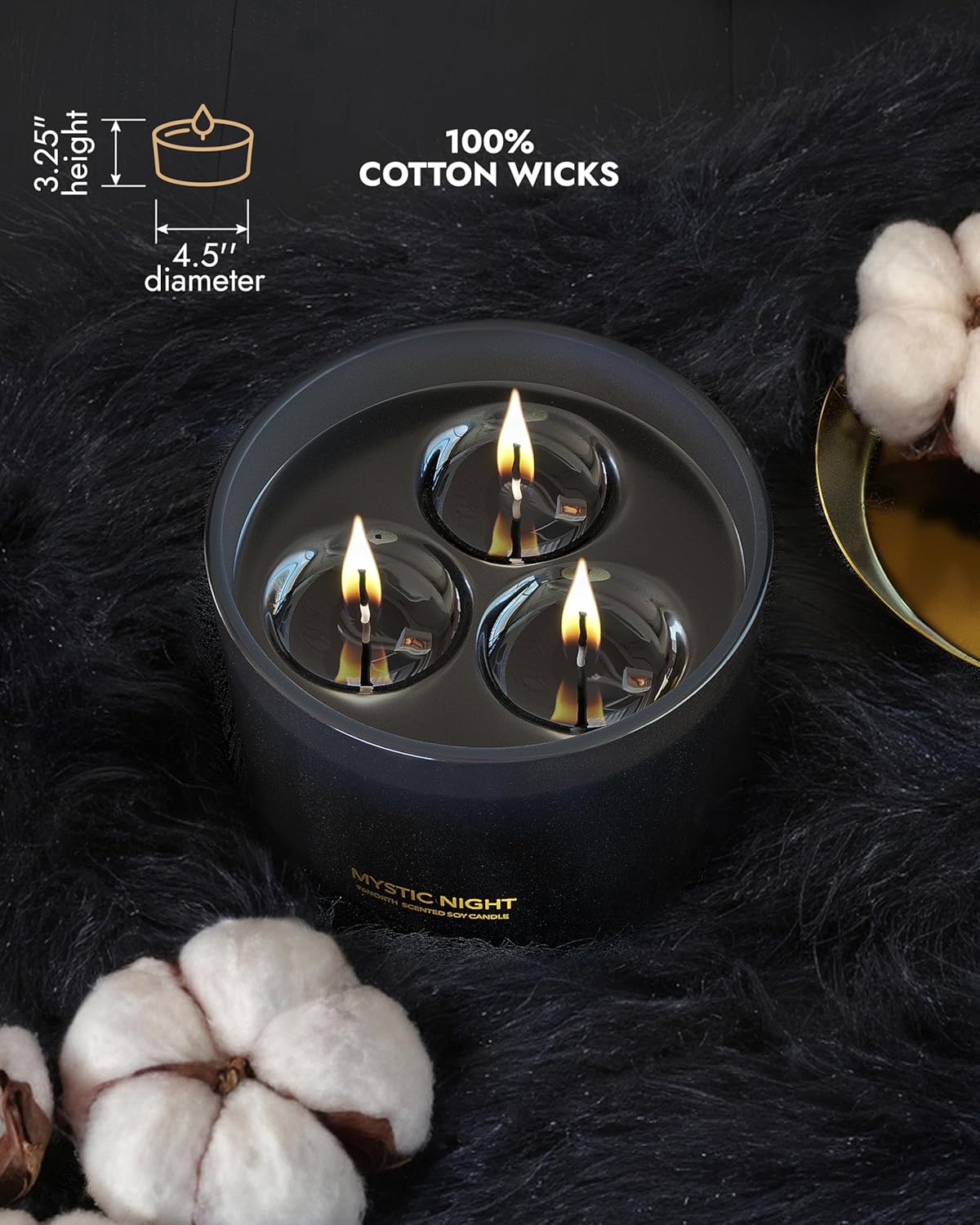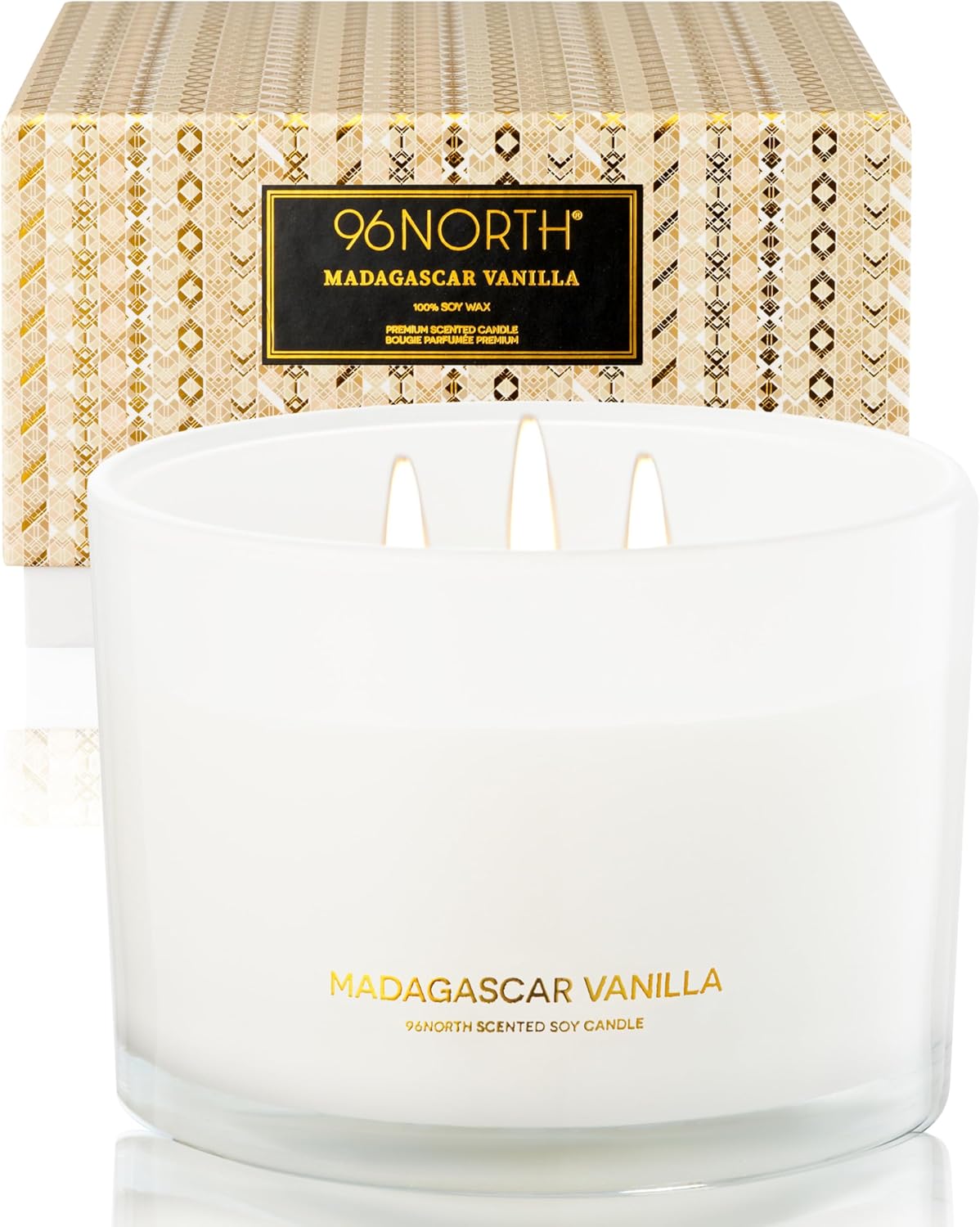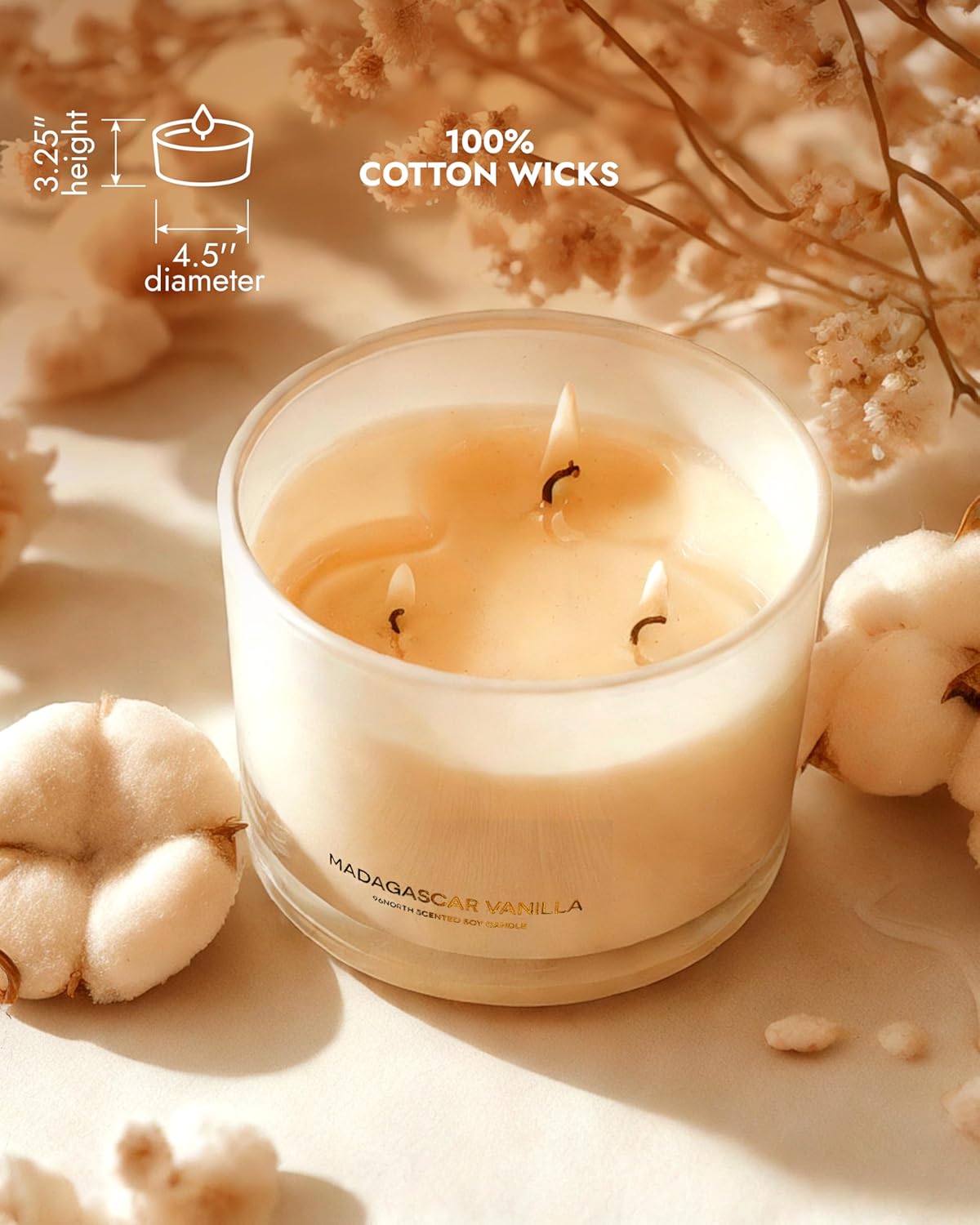

Spending $80 on a candle feels wild when a $10 jar exists. To understand why luxury candles are so expensive, we must look beyond marketing to examine clean wax, complex scent engineering, and raw material quality. This transparent breakdown reveals what you are actually paying for, when a splurge is justified, and how to find smart, budget-friendly dupes that deliver a premium vibe. Let’s break the price tag into the parts you can actually judge.
1. The Wax Foundation: Decoupling Natural Blends from Cheap Fillers
Understanding why luxury candles are so expensive begins with the wax source. Mass-market brands rely on cheap petroleum-derived paraffin, which burns rapidly and unevenly. Premium makers invest in costlier, slow-burning alternatives like soy, coconut, or beeswax.
These premium inputs directly impact daily performance:
-
Clean Burn: Premium blends produce less visible soot, depending on the wick and fragrance load.
-
Even Melt: They pool smoothly to the glass edge, preventing wasteful tunneling.
-
Scent Carry: Natural waxes release a steadier, more therapeutic aroma over time.
However, the "natural" label is often a marketing trick. Budget-friendly candles can perform beautifully if properly engineered, while some self-proclaimed luxury brands hide cheap fillers. If a brand refuses to disclose its exact wax blend, treat the premium price tag as pure hype.
2. Fragrance Complexity: Decoding Perfumery vs. Stock Scents
A primary reason why luxury candles are so expensive is the fragrance formulation. Mass-market brands rely on cheap, synthetic stock oils that often trigger chemical headaches. In contrast, luxury candle makers hire master perfumers to build complex, multi-layered accords using premium essential oils and clean, non-toxic aroma molecules.
This custom formulation requires rigorous lab testing. Perfumers must balance the hot throw (how the scent disperses when lit), ensure chemical stability, and guarantee batch-to-batch consistency.
To test for genuine complexity:
-
Scent evolution: The aroma shifts gracefully from bright top notes to deep base notes.
-
Longevity: The scent remains clean, balanced, and pleasant after two hours of burning.
Budget Tip: Pay for versatile, grounding scents you will actually burn daily to support your wellness routine. Skip the expensive collector scents that only sit unused on a shelf.
3. Scent Throw and Wick Engineering: The Science of Clean Dispersal
Have you ever bought a candle that smelled incredibly unlit, only to find it completely odorless once lit? This illustrates the crucial difference between cold throw (how a candle smells on the shelf) and hot throw (how the fragrance fills your space when burning).
Achieving a clean, room-filling hot throw is a matter of precise physical engineering, not aesthetics. Wick material, thickness, and placement directly dictate how the wax melts and disperses fragrance. This meticulous calibration is a major reason why luxury candles are so expensive. Poorly engineered candles suffer from three main performance failures:
-
Tunneling down the center
-
Excessive black smoke
-
Weak or non-existent scent throw
High-performing 3-wick designs deliver a rapid, even melt pool to optimize this throw, but balancing multiple flames requires extensive safety testing. When shopping, look for reviews emphasizing a room-filling burn over cold scent strength. High-quality brands will always provide transparent burn instructions, including recommended burn times and precise wick-trimming guidance to guarantee performance.
4. The "Hand-Poured" Illusion: Decoding Small-Batch Labor vs. Real Quality
A rustic "hand-poured" label does not guarantee a clean burn. True small-batch production justifies why are luxury candles so expensive because of the intensive hands-on labor required:
-
The process: Measuring, heating, blending, pouring, curing, and labeling.
-
Quality control: Rigorous batch consistency checks and high rejection rates for minor aesthetic flaws.
This craftsmanship is worth the investment when it ensures:
-
Consistency: The candle you buy today performs and smells exactly like the one you loved last month.
-
Flawless finishing: Perfectly centered wicks, glassy tops, and clean labels.
However, if a candle tunnels, smokes, or throws a weak scent, "handmade" is just a marketing story. Performance is the only real quality metric.
Micro Tip: Choose brands that teach proper burn care. This educational focus signals that they rigorously test their formulas.

5. Packaging and Vessels: Aesthetic Masterpieces vs. Raw Performance
Unpacking a high-end candle reveals why luxury candles are so expensive. Much of the cost lies in the exterior components rather than the wax, including:
-
Heavy custom glass or ceramic jars
-
Gold foiling and custom lids
-
Rigid boxes and protective inserts
Brands also price in the high cost of shipping these heavy, fragile materials safely.
This packaging has functional value. Solid vessels protect delicate fragrance oils from light degradation and double as chic home decor once empty. But if you throw empty jars away, focus your budget on raw performance like burn quality. If you are gifting, premium packaging is worth the investment to save on extra gift wrap.
Fortunately, you do not have to choose. Accessible premium brands offer the same striking, gold-foil minimalist look without the luxury markup.
6. The Brand Premium: Marketing, Retail Margins, and the Status Markup
If you wonder why luxury candles are so expensive, the answer lies in the business of status rather than raw ingredients. Legacy names like Diptyque, Byredo, and Cire Trudon must fund elaborate brand worlds. Their premium retail pricing accounts for:
-
High-end editorial photography and PR campaigns
-
Influencer seeding and celebrity partnerships
-
Hefty wholesale margins demanded by upscale department stores
Coveted houses like Jo Malone, Le Labo, and DS & Durga offer exceptional scent consistency, but a significant portion of your investment covers the prestige of the packaging and label. If you love the luxury ritual, there is absolute validity in paying for that heritage.
If you prioritize daily wellness and routine over status, you can easily bypass this markup. Redirect your budget to transparently sourced, clean-burning brands that focus on performance. Look for 100% soy wax, lead-free cotton wicks, and a therapeutic scent throw that fills your space without the designer tax.
7. The Value Equation: When to Invest and When to Save
Whether a high-priced candle is worth it depends entirely on your usage. Do you view home fragrance as a grounding daily wellness ritual or occasional decor?
Ask yourself these five questions before buying:
-
Do you burn candles weekly rather than yearly?
-
Do you need a strong hot throw for open-concept spaces?
-
Do you care about ingredient transparency, like wax and wick type?
-
Will you reuse the vessel once the wax is gone?
-
Will you actually finish the candle?
To calculate true value, use this formula: Price ÷ Burn Hours = Cost-per-Hour. A $70 luxury candle that burns cleanly for 60 hours costs $1.16 per hour. This beats a $20 candle that tunnels, produces heavy soot, and requires replacement after just ten hours.
Paying more is justified when you want a consistent, room-filling throw, clean burn behavior, and a therapeutic scent you truly love. It is not justified if you are paying purely for brand status or only need a light scent for a small bathroom.
If you are hunting for luxury candle dupes, shop smarter. Aim for the same fragrance family (such as wood and smoke, or citrus and herbal) instead of chasing 1:1 brand matches, and read reviews to verify throw and burn quality.
For a premium-yet-accessible wellness alternative, 96NORTH bridges the gap. Their hand-poured aromatherapy candles, premium scented candles, and luxury scented candles use 100% natural soy wax to deliver a sophisticated sensory escape that easily fits your budget.
Frequently Asked Questions
What makes a candle "luxury," really?
True luxury candles feature complex, multi-layered fragrance development, heavy custom vessels, and rigorous safety testing. However, the term "luxury" is not regulated. To ensure you are getting real value, look past the price tag and verify ingredient transparency, clean wax sources, and consistent burn performance.
Do expensive candles actually last longer?
Not always. Longevity depends on the wax blend, wick engineering, and proper burn care. To evaluate value fairly, divide the retail price by the estimated burn hours to find the cost-per-hour. A well-engineered, slow-burning soy candle often outlasts a cheap paraffin option that tunnels.
What are the most expensive candle brands?
Heritage and designer houses like Cire Trudon, Diptyque, Byredo, Jo Malone, Le Labo, and DS & Durga command the highest prices. While they offer complex scents, much of their premium cost covers high wholesale retail margins, custom packaging, and brand status rather than raw ingredients.
How do I find luxury candle dupes without wasting money?
Focus on matching specific fragrance families or key notes instead of looking for exact brand replicas. Read reviews to check the hot throw, and start with smaller sizes. You can also opt for premium accessible brands like 96NORTH, which offers clean-burning luxury scented candles and aromatherapy candles without the designer markup.
What is the single most important thing to look for if I am budget-conscious?
Look for performance per dollar. Prioritize a clean, even burn and a strong scent throw in a fragrance you will actually use daily. A candle is only a deal if it burns completely without tunneling and actively enhances your home environment.