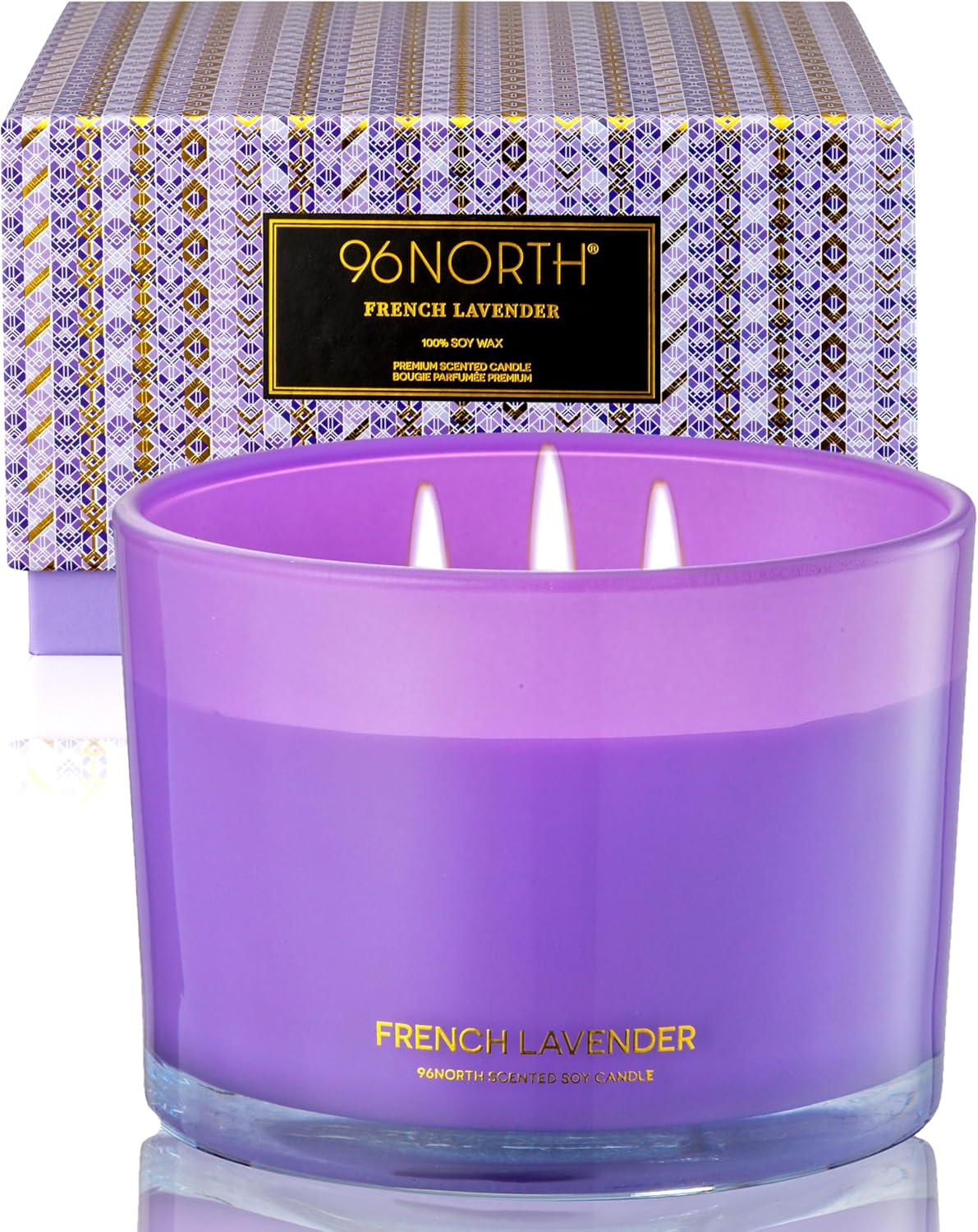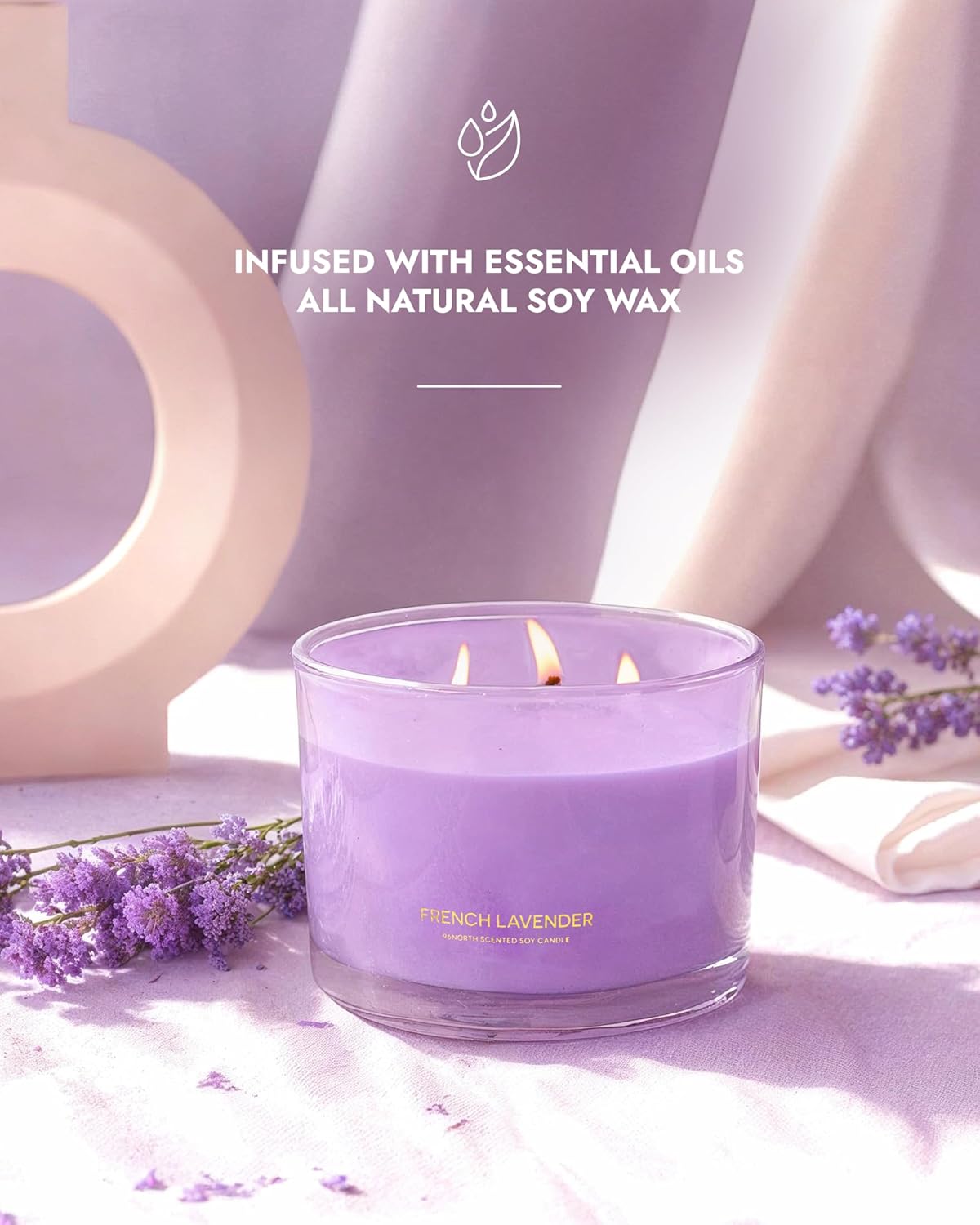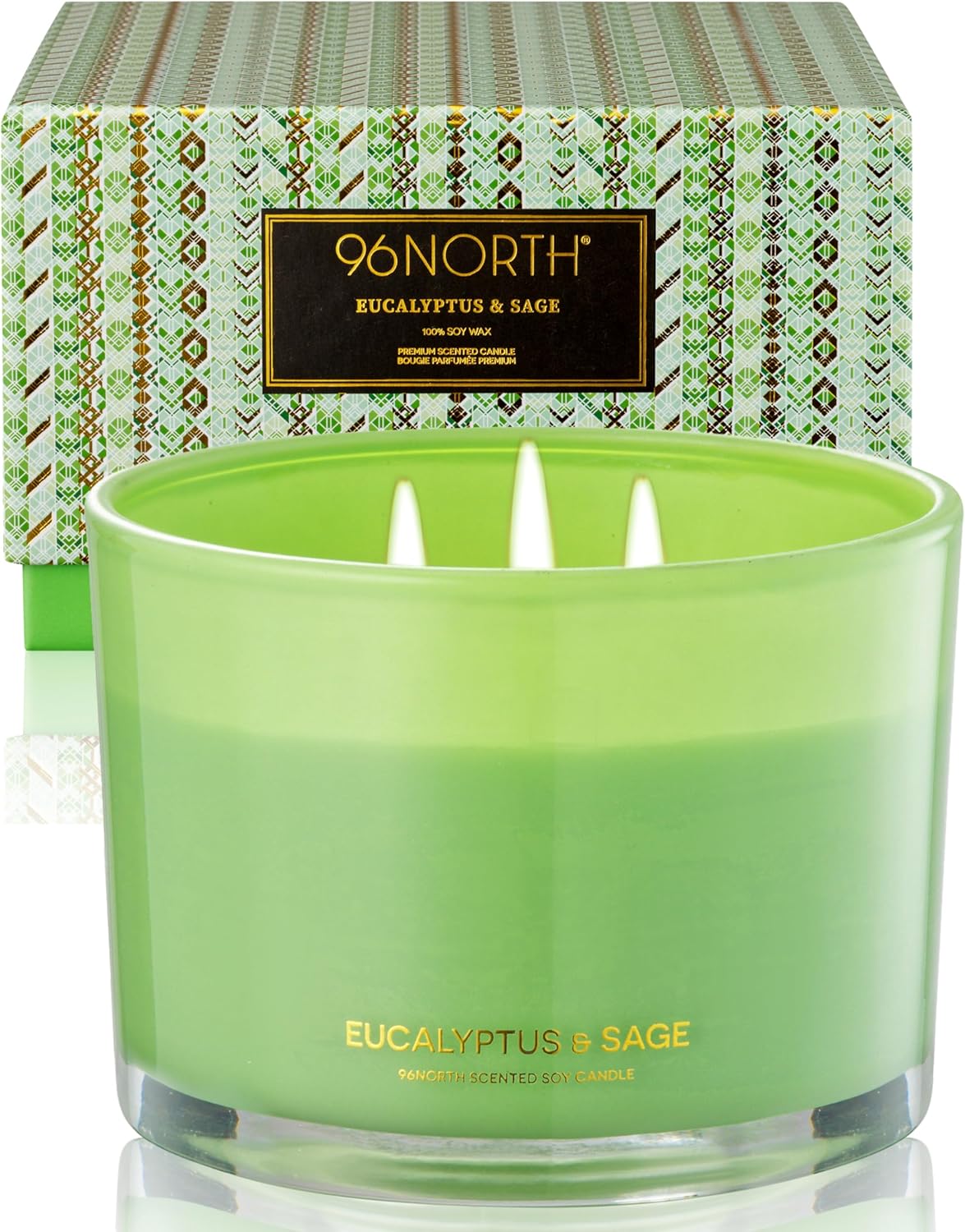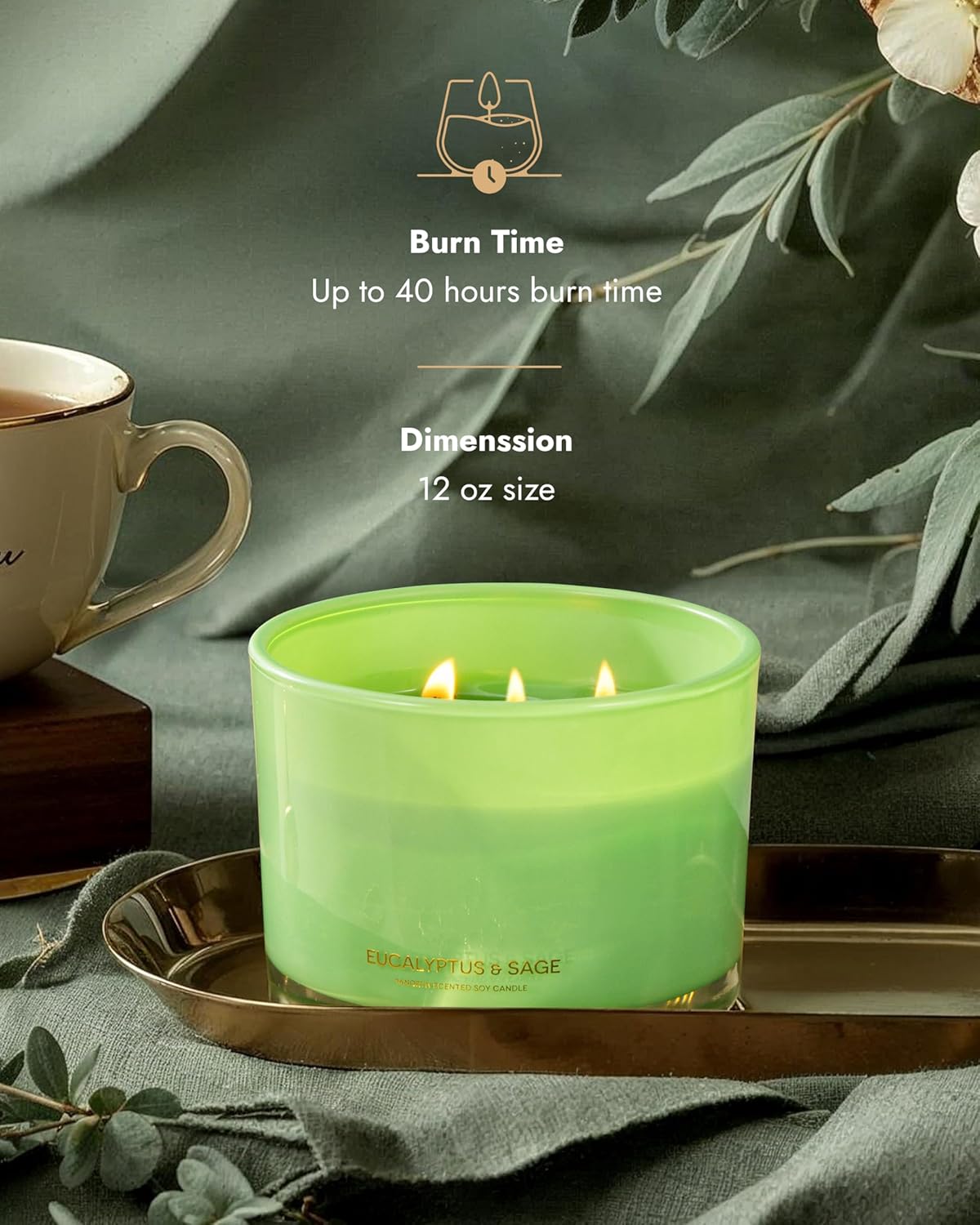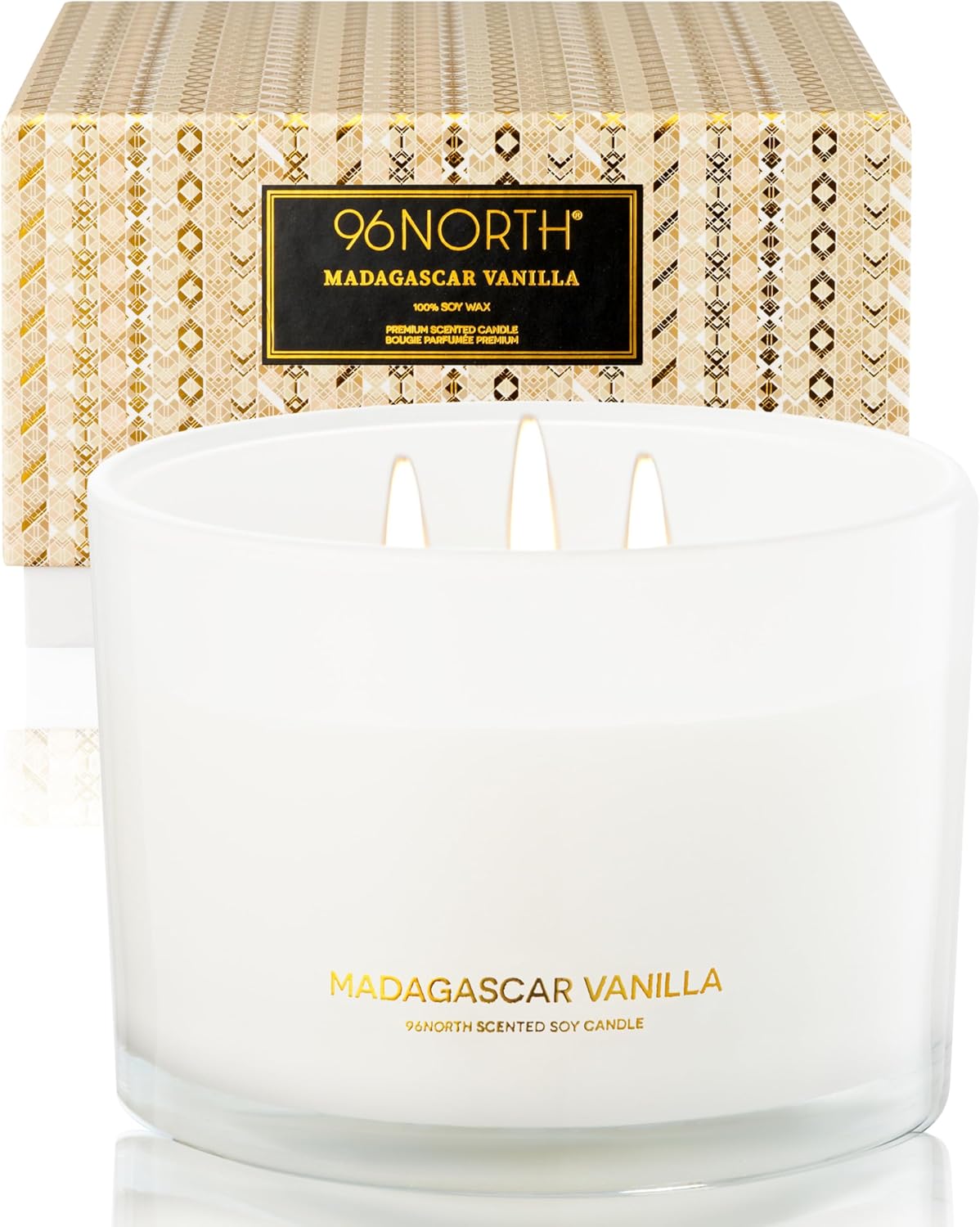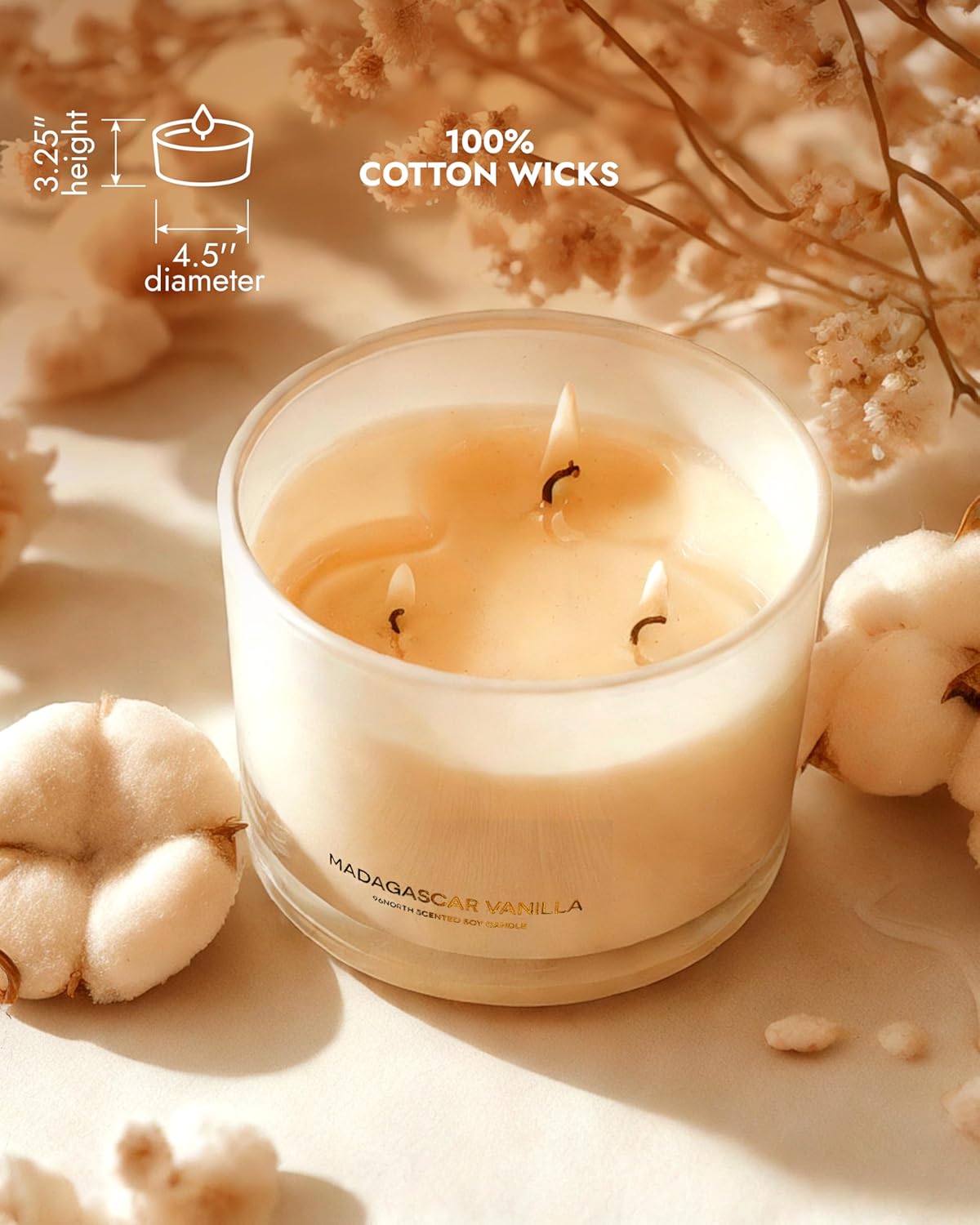

That soothing lavender jar on your mantle might smell relaxing, but it is likely not therapeutic. Navigating the world of aromatherapy vs scented candles is notoriously confusing due to misleading "wellness" labels. To help you avoid buyer's remorse, we look past the marketing hype to break down the differences in ingredients, performance, and safety. Here is how to choose clean, plant-based products that truly support your well-being.
We begin with the simplest definition.
1. Intent: Experience-Led vs. Outcome-Led Scent
When comparing aromatherapy vs scented candles to build your ideal home environment, the fundamental difference lies in your ultimate wellness goal.
A standard scented candle is experience-led, formulated primarily to make your space smell pleasant or transport your mind to a nostalgic destination. Conversely, a genuine aromatherapy candle is outcome-led, engineered to trigger specific cognitive or physiological shifts:
-
Serenity and calm
-
Alertness and focus
-
Restorative sleep
These categories often overlap. A clean, premium scented candle can still serve as an effective grounding sensory anchor to help you transition from work to rest, even if it is not automatically therapeutic.
The quick takeaway: if a label promises a functional outcome like "stress relief," you must evaluate the botanical ingredients and sourcing claims more carefully.
2. Deciphering the Label: Scent Sources and Transparency
To understand the difference between aromatherapy vs scented candles, look past vague marketing claims and read the ingredient deck.
Scent profiles rely on two primary sources:
-
Essential oils: Volatile botanical compounds steam-distilled or cold-pressed from plants to deliver genuine therapeutic benefits.
-
Fragrance oils: Synthesized blends of natural isolates and safe synthetics engineered for a powerful, consistent hot throw.
Vague terms like "parfum," "aroma," or "fragrance" on a label often mask complex, proprietary chemical mixtures. Prioritize brands showing transparency signals: full ingredient disclosure, safety testing, and clean-burning guarantees.
Synthetics are not inherently toxic. Many premium wellness candles combine essential oils with clean synthetics for better performance and safety. This does not make them bad; it simply means you are buying an atmospheric home fragrance rather than a clinical aromatherapy tool.
3. The Science of Heat: Does Burning Destroy the Benefits?
Essential oils are highly volatile plant compounds. When exposed to the direct, intense heat of a candle flame, their delicate chemical structures can alter or degrade, which diminishes their therapeutic properties.
In practice, you still receive a soothing mood cue through psychological association and sensory grounding. However, expecting clinical-grade physiological results from a burning wick is a high bar. The therapeutic benefits of scented candles are generally subtle compared with controlled aromatherapy methods.
If your primary goal is a potent, unaltered experience, a cold-air or reed diffuser is the superior tool. You can explore how long reed diffusers last to find the right fit for your home. Treat your candle not as a clinical device, but as a warm, grounding companion to your daily relaxation ritual.
4. Performance and Air Quality: Wax, Wicks, and the Burn Experience
Heavy soot on a jar or a stuffy room during a burn indicates poor combustion. Scent clarity and indoor air comfort depend directly on wax and wick quality.
Petroleum-derived paraffin releases soot that can trigger headaches and mask delicate therapeutic aromas. Conversely, plant-based soy, coconut, or natural beeswax bases offer clean, slow-burning profiles that let essential oils shine.
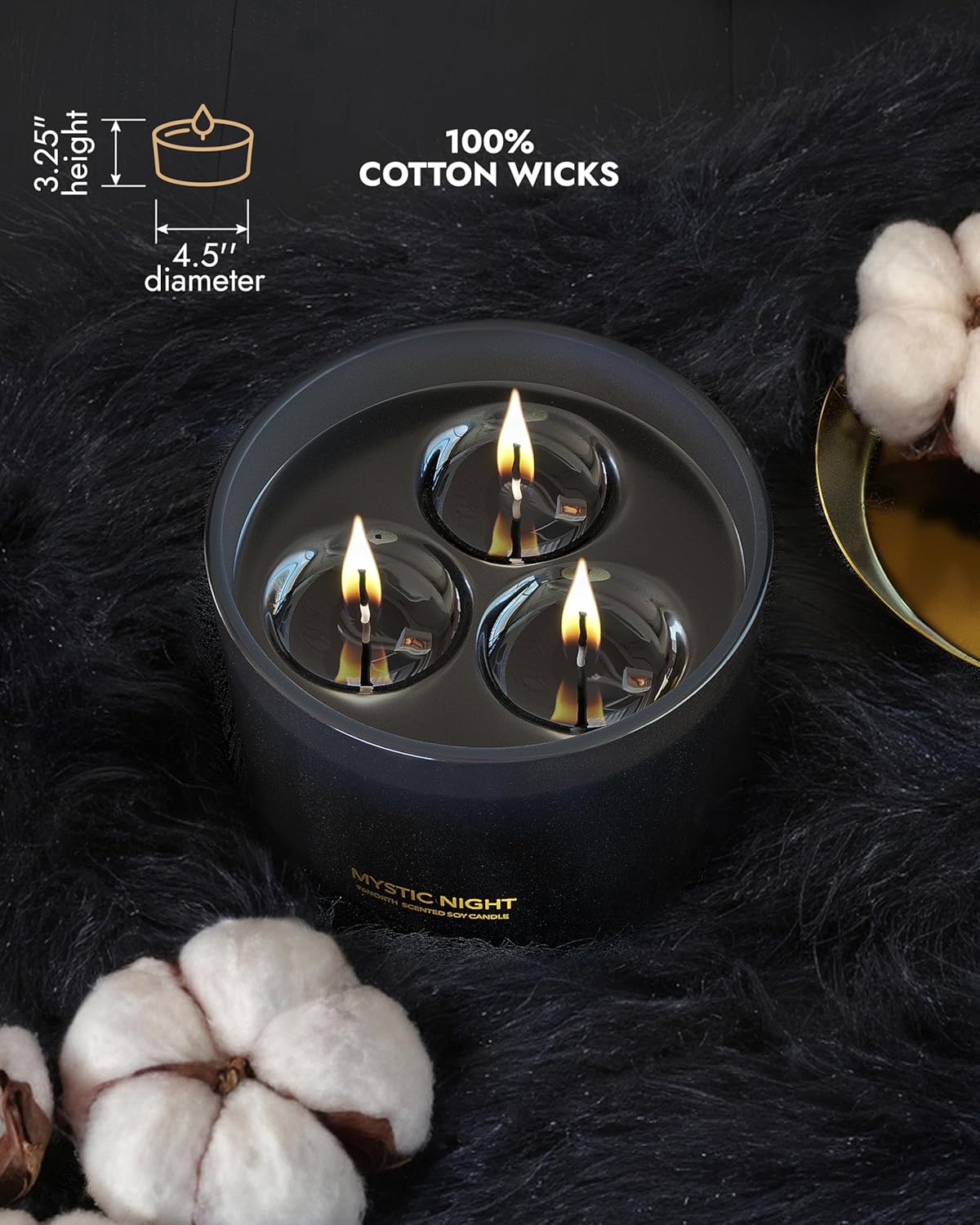
Even the cleanest wax requires a proper engine. Always choose lead-free cotton wicks to protect air quality, but remember that daily habits dictate performance as much as materials.
Maintain a clean, smoke-free environment with these habits:
-
Trim the wick: Keep it at 1/4 inch before lighting to prevent smoking.
-
Block drafts: Moving air destabilizes the flame, causing rapid soot production.
-
Limit burn time: Never burn past the safe depth to protect the glass.
5. Spotting the Spin: How to Decode Wellness Claims
If a candle label promises to cure clinical anxiety, put the jar down. In an unregulated home fragrance market, terms like "wellness" and "therapeutic" are used without scientific oversight. When evaluating aromatherapy vs scented candles, identifying marketing overreach is your best defense.
Watch for these critical red flags:
-
Medical promises: Claims that a product "treats anxiety" or "cures insomnia."
-
Opaque labeling: Phrases like "proprietary fragrance blend" that hide synthetic additives.
Conversely, transparent brands offer clear green flags:
-
Full ingredient transparency and explicit safety guidelines.
-
Realistic benefits like mood signaling, ambiance, and routine support.
A clean candle serves as a beautiful sensory anchor to help you transition your mind from workday stress to evening rest. It is a supportive routine companion, not a medical device.

6. Managing the Throw: Getting the Best Results From Your Burn
Why does a pure essential oil candle smell whisper-quiet while other options fill the entire house? When comparing aromatherapy vs scented candles, scent throw depends on several variables:
-
Wax density and wick design
-
Room airflow
-
Fragrance formulation
True botanical oils offer a subtle, intimate throw perfect for close-range meditation. If you want a room-filling aroma, choose premium candles engineered with clean, safe synthetics.
To maximize performance, follow these steps:
-
First Burn: Melt wax fully to the edges to prevent tunneling.
-
Wick Care: Trim wicks to a quarter-inch.
-
Burn Windows: Cap burns at four hours.
Read our guide on how scented candles work to optimize your daily sensory rituals.
7. Price vs. Purity: Decoding the Real Cost of Botanical Fragrance
Why does one candle cost triple the price of another? In the aromatherapy vs scented candles debate, pricing reflects three main cost drivers:
-
Botanical Extraction: Pure botanical oils are incredibly expensive to extract.
-
Formulation Testing: Achieving a safe, consistent burn with natural oils requires intensive testing.
-
Vessel and Wick Systems: Premium glassware and multi-wick configurations elevate production costs.
If a candle claims "100% essential oils" at bargain prices, treat it as a warning to verify the ingredients. For strict budgets, diffusers are more cost-effective long-term for daily household scenting.
If you love the warm glow of a high-performance candle, choose transparent wellness brands. Explore the thoughtfully crafted collections at 96North to find your next grounding sensory companion.
How to Choose Your Home Scent: A 3-Step Decision Tree
To resolve the aromatherapy vs scented candles debate for your space, answer these three questions:
-
Identify your primary goal: Determine if you need a vibrant room fragrance for hosting or a soothing bedtime routine.
-
Evaluate your environment: Note whether you share the space with pets, children, or anyone prone to headaches.
-
Select your ideal throw: Decide if you prefer a bold, space-filling throw or a subtle, localized ritual scent.
Next, match your answers to the perfect sensory delivery method:
-
Choose a scented candle when you want a strong, consistent throw to fill large rooms during social gatherings.
-
Choose an aromatherapy-style candle when you need a gentle, plant-based wind-down cue for close-range wellness routines.
-
Choose a reed diffuser when you require a continuous, flame-free background scent.
For deeper guidance, read how to choose a candle scent or learn how long reed diffusers last to optimize your home.
If you want a wellness-first candle designed for routines, explore 96North.
Frequently Asked Questions
Can an aromatherapy candle treat anxiety or help me sleep?
No, candles are not medical treatments. However, they are excellent supportive tools for emotional regulation. Lighting a calming scent acts as a sensory anchor to cue relaxation. For the best results, pair your candle with a consistent bedtime routine, dimmed lights, and screen-free winding-down habits.
Are essential oils safer than fragrance oils?
Not necessarily. While essential oils are natural, they contain complex botanical compounds that can still trigger respiratory or skin sensitivities. High-quality, clean synthetic fragrance oils are thoroughly safety-tested and often more stable. Always keep your space well-ventilated and introduce new scents mindfully.
What candle is best if I get headaches easily?
Choose clean-burning soy or coconut wax candles with subtle, single-note scent profiles. Avoid petroleum-based paraffin blends, which release soot that can trigger discomfort. Keep your burn windows short, ensure proper ventilation, and extinguish the flame once the wax pool reaches the edges.
How long should I burn a candle for the best scent?
Burn your candle for two to three hours, or just until the melted wax reaches the glass edges. This prevents tunneling and maximizes the scent throw without producing excess smoke. To understand the science behind a perfect burn, read how scented candles work.