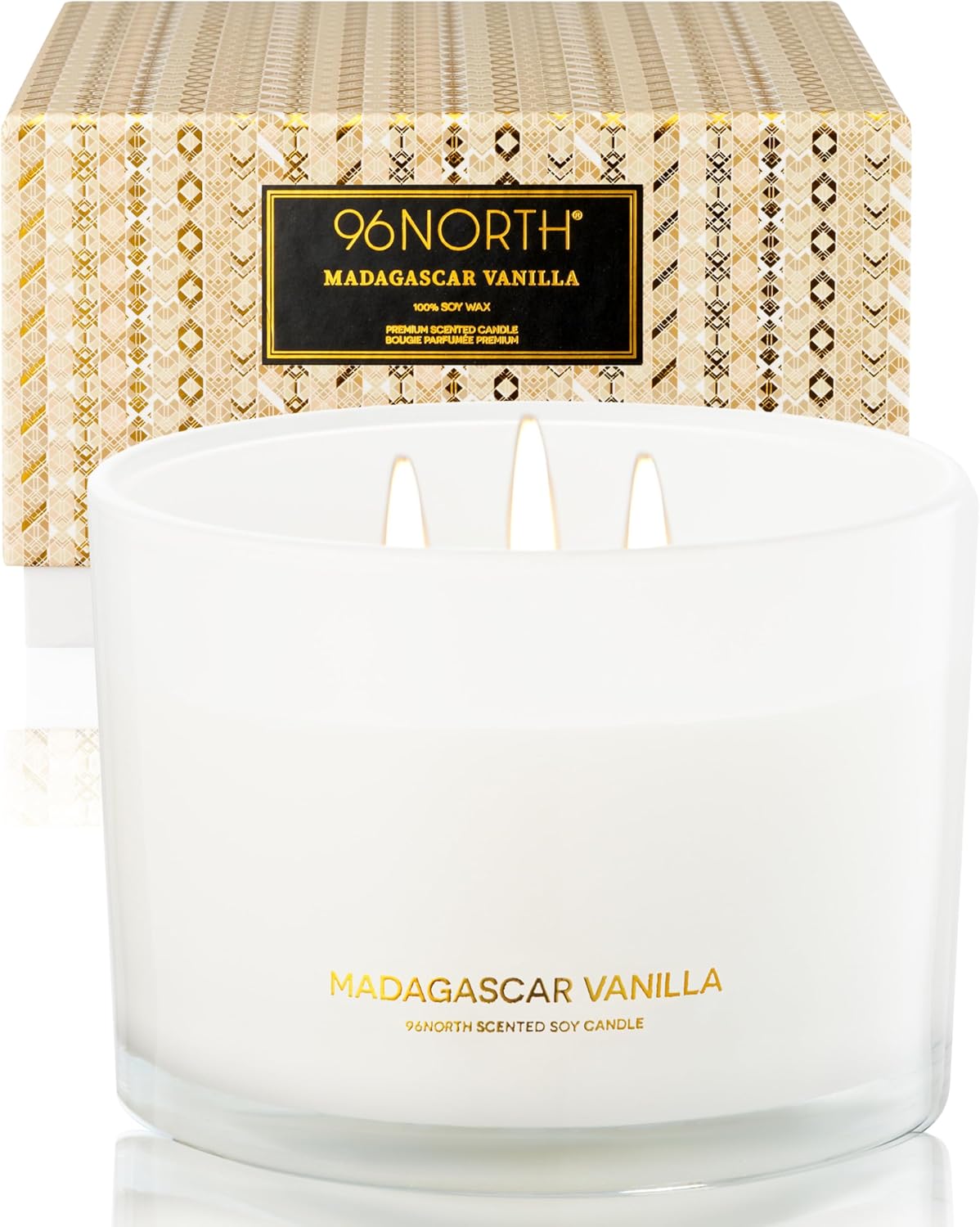

A smoky flame and candle black soot on your jar signal incomplete combustion, not a bad candle. Fortunately, you can fix this in minutes by correcting simple habits like airflow and wick length. To protect your peaceful home ritual, we compiled seven easy solutions, a clean-burn routine, and wall-cleaning steps. Let's start with the most common culprit: wick trimming.

1. Trim Your Wick to the Sweet Spot
A tall, flickering flame casting dark smoke wisps or leaving a black ring on your jar means the wick is too long. This oversized or "mushroomed" cotton wick draws up more liquid wax than the flame can cleanly consume, releasing unburned carbon, the root cause of candle black soot.
To restore a controlled, cleaner-burning flame:
-
Cool first: Extinguish the flame and let the wax solidify.
-
Trim to 1/4 inch: Snip the wick and discard the charred mushroom cap.
-
Clear debris: Remove all trimmings from the wax pool before relighting.
Make trimming a ritual before every single burn to stop soot at the source.
2. Relocate Your Candle to Calm the Airflow
If you notice candle black soot smudging your walls or clinging to one side of your glass, the issue is rarely a faulty wick. Instead, invisible drafts are disrupting your peaceful ritual.
Air currents from these sources force the flame to dance and sputter, causing incomplete combustion:
-
Open windows or outer doors
-
Ceiling fans and ventilation ducts
-
High-traffic walkways
This simple placement fix eliminates the external trigger of wall soot instantly. Relocate your candle to a stable, level, heat-safe surface. A steady, centered flame ensures a clean burn. If the flame continues to flicker, move it to restore calm.
3. Diagnose a Wick-to-Wax Mismatch
If you trimmed the wick and blocked drafts but still see smoke, you face a wick-to-wax mismatch. This design flaw creates an overly hot flame from excessive fuel flow.
Signs include:
-
A consistently large flame
-
A rapid melt pool
-
Candle black soot rising minutes after lighting
This occurs when an oversized wick draws liquid wax faster than the flame can combust it.
To manage this:
-
Trim all wicks evenly on multi-wick candles
-
Extinguish any hot-running wick, let it reset, then relight
If soot persists, switch to a cleaner-burning candle built with balanced, lead-free cotton wicks.
4. Clear Out Debris and Fragrance Overload
If your candle crackles, pops, or emits smoke spikes despite a trimmed wick, look at the wax. Floating debris like match heads, dust, or charred wick trimmings act as secondary wicks, feeding the flame extra carbon. Heavy synthetic fragrance oils or additives also create an excessive fuel load, overwhelming the flame and causing dark candle black soot.
To stop these soot spikes, keep combustion stable:
-
Clean the melt pool: Remove all trimmings, matches, and dust before lighting.
-
Avoid DIY additives: Never add external oils, herbs, or glitter to the wax.
-
Select balanced formulas: Choose clean-burning soy candles with professionally paired wax and wicks.
5. Burn by the Clock to Prevent Candle Black Soot
An improper burn cycle disrupts your environment. You will quickly notice:
-
Smoke increasing late in the burn
-
A blackened jar rim
-
Tunneling and uneven wax walls
Marathon burns overheat the wax and enlarge the flame, while short sessions destabilize the wick. Both extremes trigger candle black soot.
To fix this, adopt a consistent timing routine:
-
Burn for two to four hours per session to achieve an even melt pool.
-
Let the wax cool completely before relighting to stabilize the wick and reduce smoldering.
If the flame climbs high or flickers repeatedly, extinguish it immediately to reset.
6. Dip Your Wick to Eliminate End-of-Burn Smoke
Blowing out a candle ruins your clean ritual with a sudden puff of gray smoke, a lingering odor, and fresh candle black soot marks on nearby walls. This happens because blowing forces the hot cotton wick to smolder, releasing a concentrated burst of carbon particles.
To keep your indoor air pristine, switch to cleaner extinguishing methods:
-
Wick Dipping (Best): Use a metal tool to push the lit wick into the liquid wax pool, extinguishing it instantly with zero smoke, then pull it back upright.
-
Snuffer (Good): Starves the flame of oxygen without kicking up ash.
Once cooled, trim the wick to keep your next burn spotless.
7. Prevent Thermal Tracking and Patterned Wall Soot
If you notice candle black soot on your walls, diagnose the pattern. A single smudge near the flame indicates drafts or overheating. Evenly spaced dark stripes along wall studs or ceiling joists point to thermal tracking, or ghosting.
This happens when warm air currents carry soot particles to cooler spots on your walls, where they cling to the cold surfaces.
To protect your space:
-
Keep candles away from cold exterior walls.
-
Avoid tight alcoves that trap heat.
-
Ventilate during burns and run an air purifier.
If striped patterns persist, consult a home inspector to evaluate your home's insulation.
How to Establish a Clean Burn Candle Ritual
Turn your home into a restorative sanctuary. Follow this simple routine to eliminate candle black soot and ensure a serene, intentional burn.
Step 1: Pre-Light (30 Seconds)
-
Trim: Trim the wick to one-quarter inch. This ensures a controlled, soot-free flame.
-
Clear: Remove debris from the wax.
-
Place: Position the vessel on a level, heat-safe surface away from drafts and walls.
Step 2: During the Burn
-
Observe: Keep a steady flame to build an even melt pool. Learn how scented candles work.
-
Limit: Extinguish the flame after two to four hours.
Step 3: Extinguish Cleanly
-
Dip: Use a wick dipper or snuffer. Avoid blowing out the candle to prevent a lingering soot plume.
Step 4: Choose Quality
-
Select: For a cleaner ritual, look for consistent wick performance and wax designed for stable combustion. Learn how to choose a candle scent or view our scented candle history timeline.
Explore wellness-forward candles at 96NORTH.
Frequently Asked Questions About Candle Soot
Why does my candle smoke black even after trimming the wick?
If your candle still smokes, check for invisible drafts from nearby windows or HVAC vents. Overheating from burning your candle for too long also destabilizes the flame. If this problem persists in calm air, the candle likely has an oversized, poorly designed wick.
Is candle soot toxic or dangerous to breathe?
Yes, candle soot is a particulate pollutant that can irritate your lungs and respiratory system. To protect your indoor air quality, choose clean-burning soy candles, ensure good room ventilation, and discard any low-quality candles that smoke constantly.
How do I clean candle soot off a wall without ruining paint?
Start with a dry chemical soot sponge to wipe away carbon particles without smearing them. Follow up with mild soap and warm water. Use extremely light pressure on flat or matte paint finishes, as they mark much easier than semi-gloss.
Why do I get black lines on my ceiling or along wall studs?
These lines are usually caused by thermal tracking, or ghosting, rather than mold. Warm air currents deposit airborne soot particles onto cold spots on your walls and ceilings. If the dark marks smear easily, candle soot is the primary culprit.
Can a candle warmer stop soot?
Yes, a candle warmer melts wax without an open flame, completely eliminating the risk of soot. This is a highly effective, smoke-free alternative for sensitive households, pet owners, or anyone looking to enjoy clean aromatherapy.
If you are rebuilding a cleaner home ritual, browse 96NORTH to find premium, clean-burning soy candles.
If you are rebuilding a cleaner home ritual, browse 96NORTH to find premium, clean-burning soy candles.