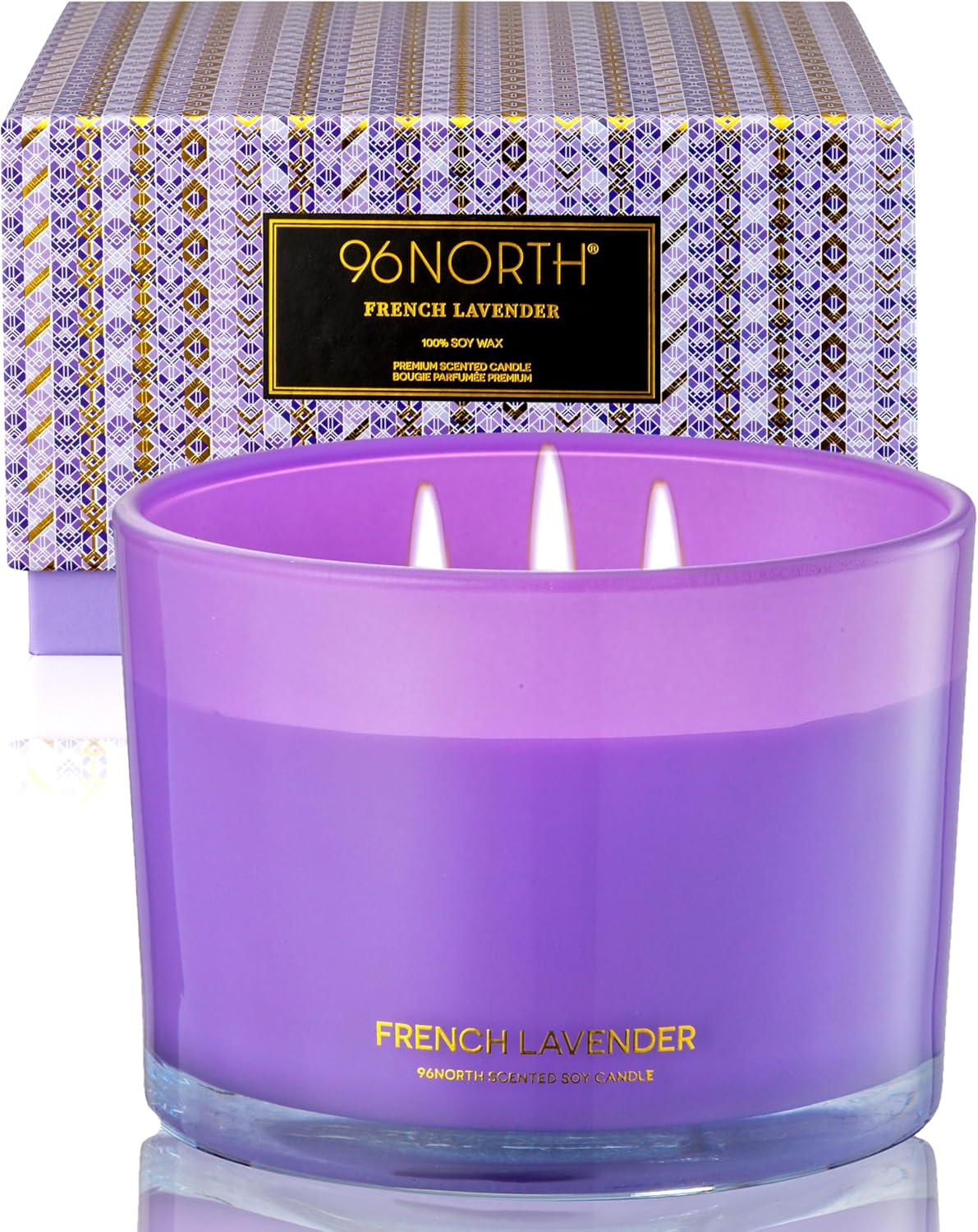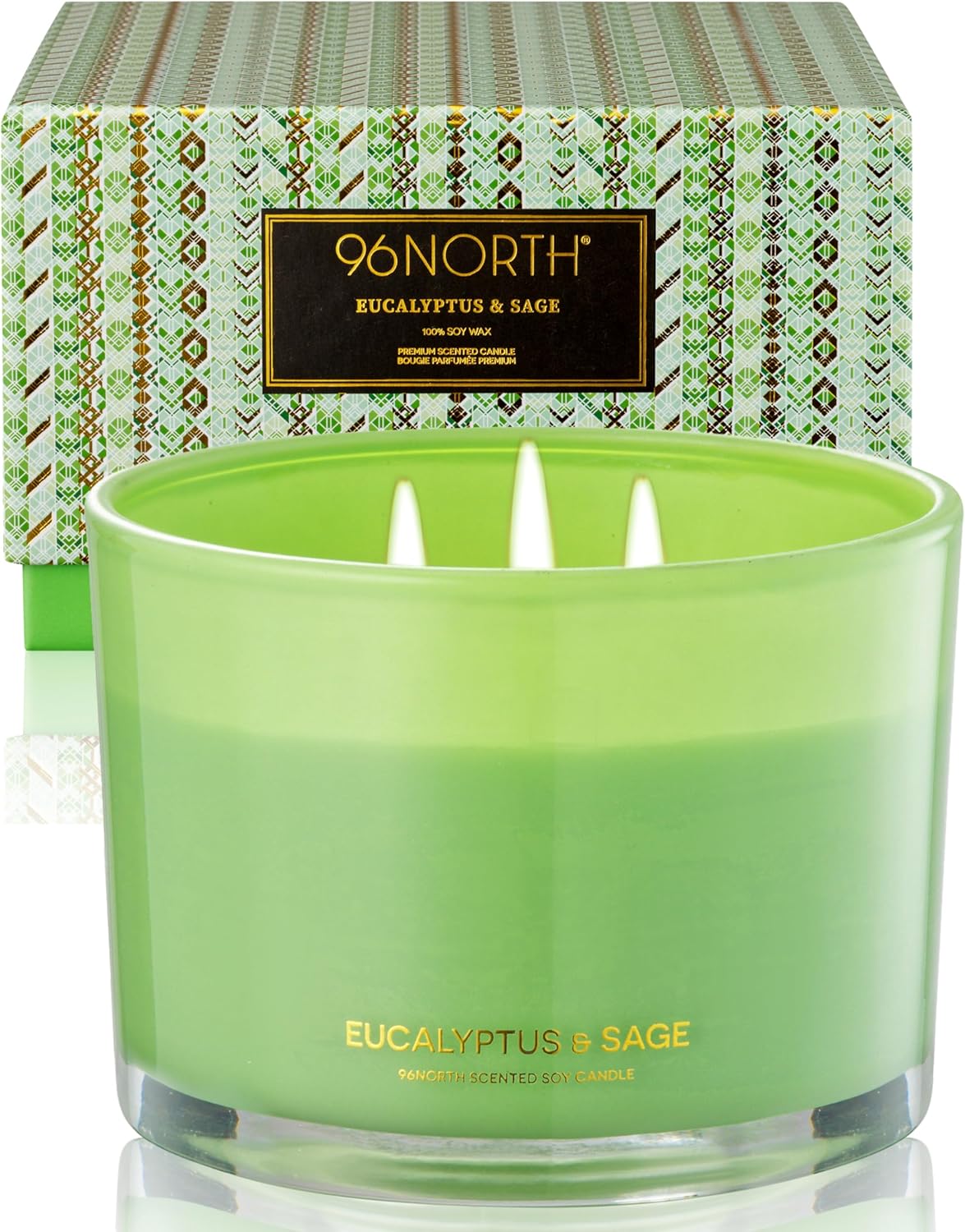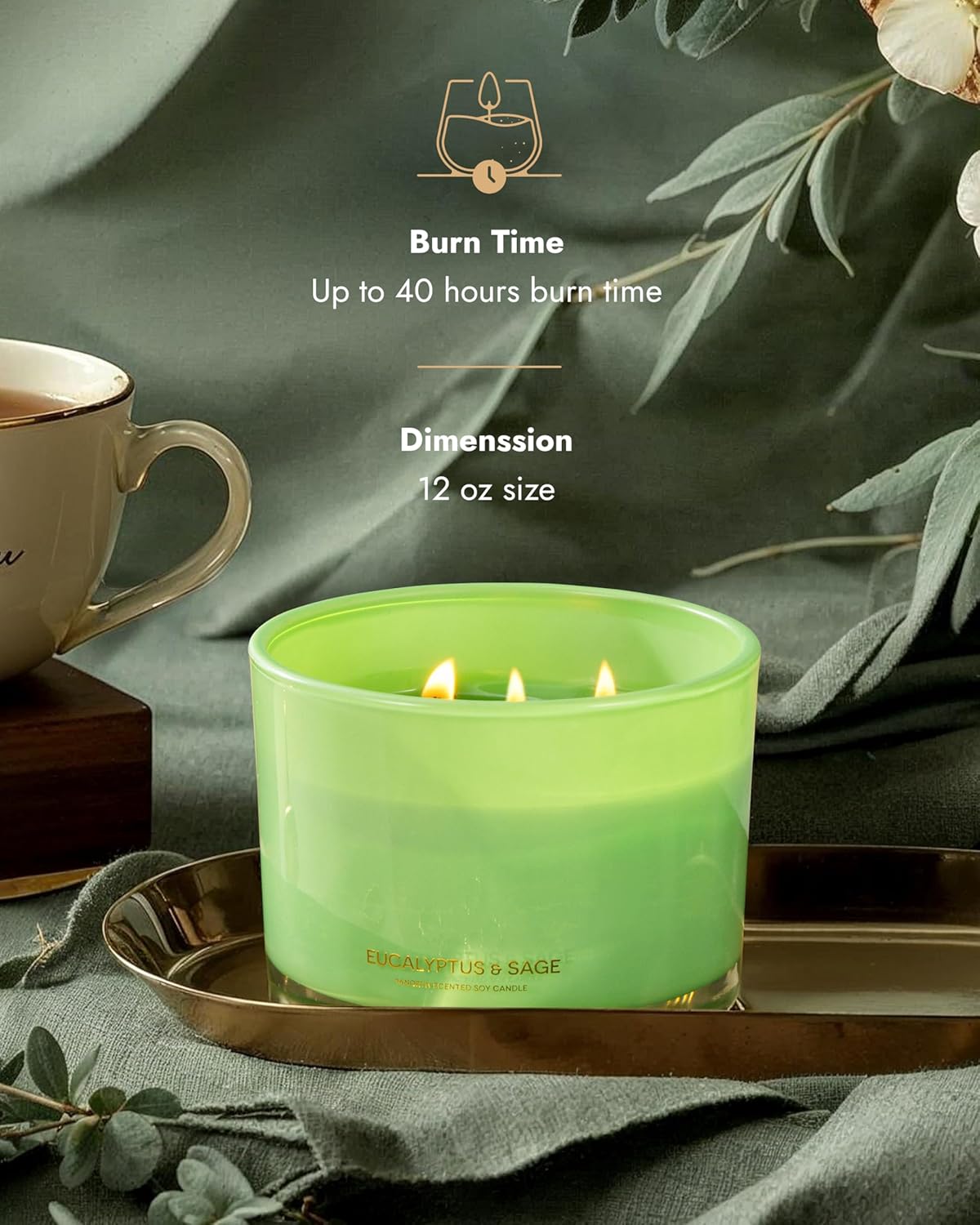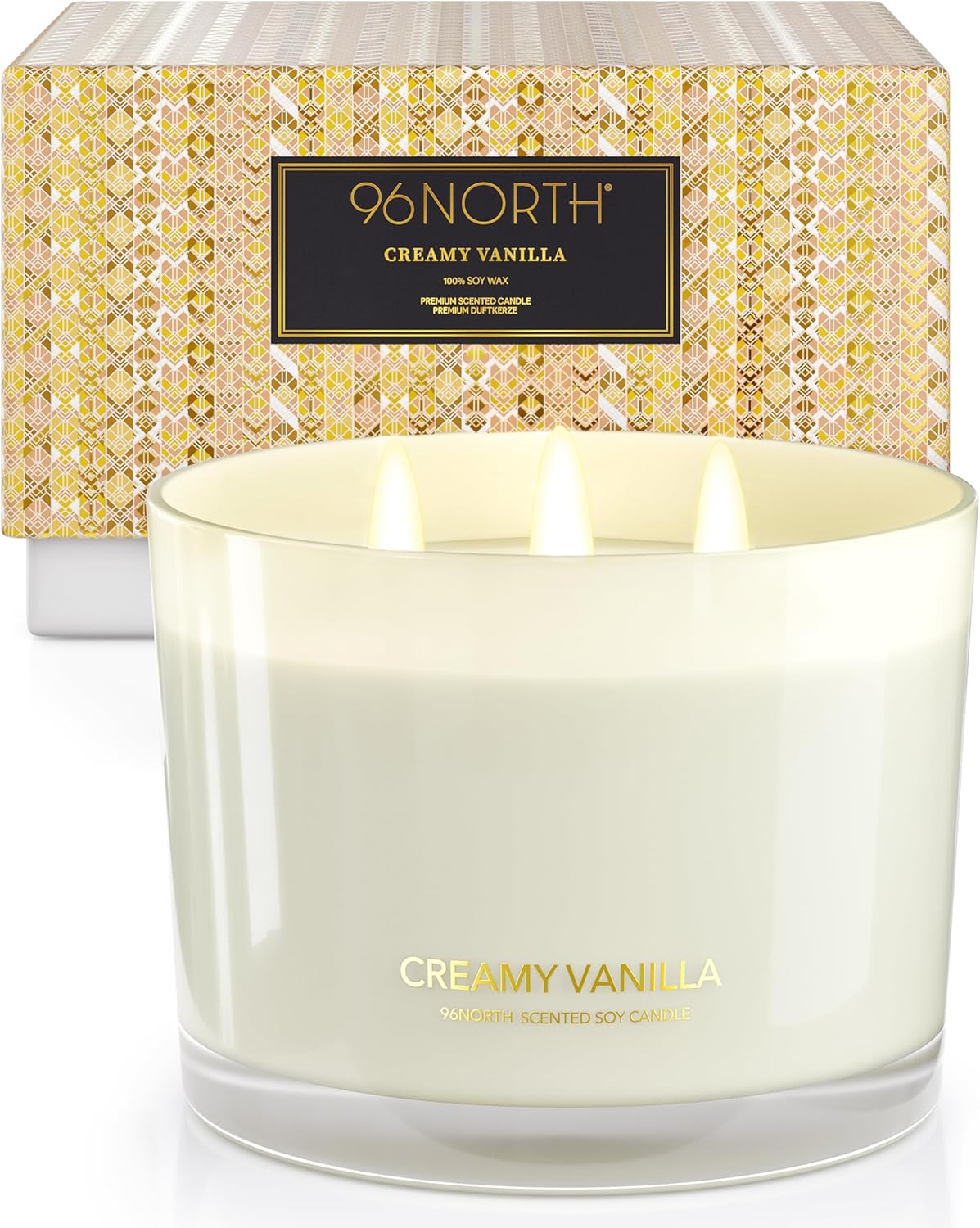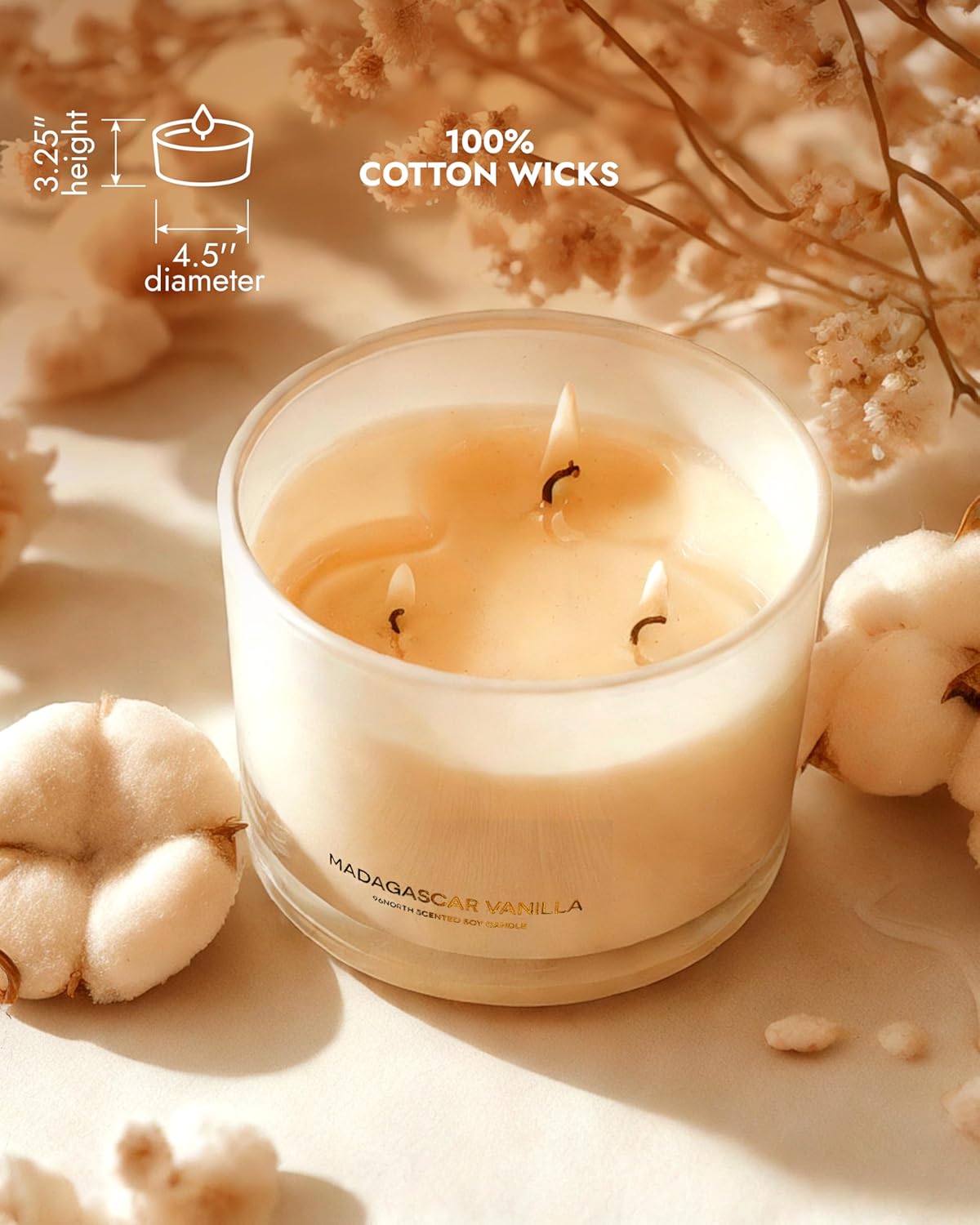

Your home should feel as intentional as it looks. Choosing the right candle scent for each room isn't just about what smells good; it anchors your daily activities, from focusing to winding down.
This guide maps your living room, bedroom, kitchen, bathroom, entryway, and office, offering simple rules on scent strength and burn times. Using 96NORTH as a clean-burning, wellness-first sensory travel companion, you can easily avoid scent clashes. Start with the rooms you use most, then layer from there.
1. The Living Room: A Grounded, Multi-Purpose Hub
When selecting a candle scent for each room, the living room requires a versatile profile that feels welcoming, grounded, and adaptable.
What to look for:
-
Medium intensity: Choose balanced blends over dominant, single-note profiles.
-
Host-safe profiles: Avoid overly sweet notes that clash with food or trigger headaches.
Scent families to try:
-
Woody-amber (cedar, sandalwood, amber): Creates a warm, structural baseline.
-
Soft gourmand (vanilla, tonka): Delivers cozy, comforting undertones for solo nights.
-
Gentle aromatic (sage): Provides clean comfort for daytime hosting.
How to use: Light your candle 30 to 60 minutes before guests arrive, placing it centrally for an even throw. Explore the 96NORTH candles collection to find your perfect living room match.
2. The Bedroom: A Quiet Sanctuary for Wind-Down Rituals
Bedroom rules are different. While active spaces invite energy, bedrooms require a shift to lower-intensity scents. Use a soft candle scent for each room to signal "off-duty" time, quiet mental noise, and establish a consistent wind-down cue.
What to look for:
-
Low-to-medium intensity: Choose subtle, quiet blends.
-
Gentle profiles: Avoid stimulating citrus or sharp spices right before bed.
Scent families to try:
-
Floral-herbal: Lavender or chamomile profiles that invite deep rest.
-
Clean aromatic: White sage notes for a comforting, "fresh sheets" vibe.
-
Light woods: Grounding palo santo or soft cedar.
Burn your candle for 30 to 60 minutes before bed, extinguish it before sleeping, and crack a door for airflow. If the candle burns unevenly, use this quick tunneling fix to restore a clean melt pool.

3. The Home Office: Sensory Zoning for Peak Focus
When your living room doubles as your workspace, the boundary between home and work easily blurs. Sensory zoning uses a dedicated candle scent for each room to anchor your mind into one specific mental mode.
What to look for:
-
Crisp, clean profiles: Avoid cozy, sedative notes that invite afternoon fatigue.
-
Moderate throw: Select a balanced throw that stimulates without causing distraction.
Scent families to try:
-
Aromatic-herbal (rosemary or mint): Sharpens focus and enhances cognitive clarity.
-
Fresh woods (pine): Clears mental static and expands spatial awareness.
-
Clean gourmand (coffee): Serves as an energizing productivity cue, not a heavy bakery scent.
How to use: Light your candle to signal the start of deep work, then extinguish it to close your workday.
Build a workday ritual with 96NORTH.
4. The Kitchen: Crisp, Deodorizing Scents for Culinary Spaces
Kitchens require deodorizing freshness rather than heavy sweetness. Your goal is clearing lingering odors while keeping the air compatible with meals. Use crisp citrus for a morning reset and herbal notes to neutralize heavy spices after cooking.
What to look for:
-
Fresh profiles: Choose green notes that slice through grease instead of masking it.
-
No heavy gourmands: Avoid vanilla or amber, which clash with savory foods.
-
Ventilation: Clear the physical air before lighting your candle.
Scent families to try:
-
Citrus: Lemon or bergamot to purify.
-
Herbal: Sage, basil, or mint.
-
Ozone: Linen or fresh air profiles.
Burn your candle for 20 to 40 minutes after cooking to reset the space. Avoid drafts to prevent uneven burning. For stronger throw guidance, learn how to select long-lasting candles.
5. The Bathroom: A Mini Reset Ritual for Sensory Cleansing
Your bathroom should deliver an instant sensory refresh and calm, like stepping into a spa. When choosing a candle scent for each room, the bathroom requires a lighter touch because trapped humidity amplifies fragrance.
What to look for:
-
Lighter intensity: Airy, delicate profiles.
-
Clean aromatics: Crisp notes that purify instead of masking.
-
No dense gourmands: Avoid rich vanilla or bakery notes, which turn stale in damp air.
Scent families to try:
-
Herbal-fresh: Eucalyptus or sage profiles to open up the senses.
-
Soft florals: Lavender for evening bath rituals.
-
Fresh rain or linen: Clean profiles for everyday use.
How to use: Burn the candle for 10 to 20 minutes, then extinguish it and let the residual steam carry the scent. Always ensure proper ventilation and keep the flame away from towels or curtains.
6. The Entryway: Setting a Welcoming Signature Scent
Your entryway acts as your home’s signature handshake, setting a welcoming, gentle tone the moment you step inside. When choosing a candle scent for each room, start here with an inviting, low-key introduction.
What to look for:
-
Medium-low intensity: A subtle throw that gently invites guests inside.
-
Crowd-pleasing profiles: Clean, organic notes that appeal to everyone.
-
No heavy elements: Avoid ultra-sweet gourmands and thick, smoky notes.
Scent families to try:
-
Soft woods and amber: For a warm, grounding embrace.
-
Fresh sage: For immediate clean-home energy.
-
Light florals: For a polished vibe without powdery extremes.
How to use: Place your candle on a stable entryway console. For continuous fragrance, pair it with a flame-free alternative.
Find your home signature with the 96NORTH candles collection.
How to Build Your Home Fragrance System
Create a seamless sensory experience by choosing the perfect candle scent for each room. Use this four-step system to master intensity, timing, and performance.
Rule 1: Match Intensity to Room Size and Airflow
Limit small spaces to lighter profiles and shorter burns. Position medium-to-strong throw candles centrally in large, open-concept areas to maximize coverage.
Rule 2: Choose Function First, Then Your Fragrance Family
Define the mood of your space first. Burn soft florals or clean aromatics for rest, light fresh green or citrus notes for cooking, and use crisp woods for productivity.
Rule 3: Layer Scents Without Clashing
Prevent scent clashes by pairing one dominant family with a single accent. Combine grounding woods with soft vanilla, but avoid mixing heavy sweets with sharp citrus. For open layouts, place an anchor scent in the main area and set up lighter, complementary zones nearby.
Rule 4: Master the Performance Basics
Ensure consistent performance with basic wick hygiene. Burn your candle long enough to melt the wax to the edges on your first light. To correct uneven pooling, follow this guide to fix candle tunneling. Keep your wax clean and maximize burn times with these tips for long-lasting candles.
Start with one room, then build your routine with the 96NORTH candles collection.
Frequently Asked Questions
What’s the best candle scent for a living room?
The best candle scent for a living room is a balanced, medium-throw profile like soft amber, warm sandalwood, or gentle sage. These versatile notes create a universally pleasant, welcoming environment that easily transitions from hosting guests to winding down solo. Avoid overpowering, single-note gourmands that might clash with food.
What bedroom candle scent is best for sleep?
Soft, herbal-floral scents like lavender, chamomile, or white sage are best for sleep. Avoid sharp citrus or heavy spices. For ideal sleep hygiene, burn your candle for an hour in the early evening, then extinguish it before sleeping to keep the bedroom air clean and tranquil.
How do I choose a candle for an open-plan space?
Choose one grounding anchor scent for the main living area, then place lighter, complementary notes near the outer edges. For example, pair a cedarwood anchor with a soft vanilla accent. Avoid burning multiple strong, competing fragrance families simultaneously to prevent sensory overload.
How strong should a candle be for a small room like a bathroom?
Choose a low-to-medium throw candle with clean, airy notes for small spaces. Humidity and enclosed walls naturally amplify fragrance. If a scent feels too strong, simply reduce the burn time to fifteen minutes rather than compromising on ingredient quality.
Are scented candles safe around pets and kids?
Yes, high-quality candles are safe when burned in well-ventilated rooms away from direct contact. Choose clean-burning options made from 100% soy wax and lead-free cotton wicks to avoid synthetic toxins. To explore clean-burning wellness options, visit 96NORTH.