
Chasing a Pinterest-perfect bedroom actually sabotages your rest. Your brain ignores aesthetics; it demands sensory safety to shut down.
If light, heat, and late-night scrolling leave you tired-but-wired, you must transform your environment. These 10 holistic, low-tox upgrades optimize your light, temperature, sound, layout, and bedtime rituals. Building a sleep sanctuary bedroom is about progress over perfection.
We start with the measurable basics because physical comfort beats decor every single time.
1. Lower the Thermostat to Trigger Sleep
Your brain cannot transition to deep sleep if your body is actively fighting to cool down. Designing a sleep sanctuary bedroom starts with supporting your body’s natural nighttime temperature drop.
Tonight, set your thermostat between 60°F and 67°F and adjust your bedding layers. Next, improve airflow with these low-effort adjustments:
-
Crack a door to encourage natural circulation.
-
Run a fan on a low, quiet setting.
-
Redirect vents so air does not blow directly on your face.
If you wake up sweaty or dehydrated, your room is too warm. Tweak one variable at a time to find your restorative sweet spot.
2. Black Out Every Hidden Light Source
To turn your space into a sleep sanctuary bedroom, you must eliminate ambient light. Even microscopic glow from streetlights, alarm clocks, or chargers signals your brain to stay alert, disrupting your circadian rhythm.
Take these three steps tonight:
-
Layer light control: Combine blackout curtains with a contoured sleep mask for absolute darkness.
-
Mask indicator lights: Turn glowing electronics away from your bed, or cover aggressive LED lights with black tape.
-
Transition your lighting: Swap bright overhead bulbs for warm, dim bedside lamps during your final hour awake.
3. Design Your Space to Outsmart Digital Stimulation
Bed-scrolling breaks the mental association between your mattress and rest, while blue light locks your brain in daytime mode. To curate a true sleep sanctuary bedroom, replace digital stimulation with physical boundaries.
Implement these three spatial adjustments tonight:
-
Relocate the charger: Place your charger outside the room and wake up to a classic analog alarm clock.
-
Conceal the television: Hide screens inside a closed cabinet or under a textile cover to remove the visual prompt.
-
Establish a tactile cue: Replace scrolling with a low-light ritual like reading a physical book, stretching, or journaling.
4. Buffer Your Bedroom Against Disruptive Sound Spikes
Unpredictable sound spikes from traffic or neighbors trigger subconscious micro-arousals that ruin sleep quality without fully waking you up. Instead of using uncomfortable earplugs, optimize your sleep sanctuary bedroom with room-level dampening to reclaim peaceful rest tonight.
-
Absorb sound: Add a plush rug, dense curtains, or a fabric wall hanging behind your bed to eliminate echo.
-
Mask spikes: Run a fan or noise machine at a comfortable, low volume to create a steady acoustic barrier.
-
Reposition furniture: Move your headboard away from shared, noisy walls.

5. Clear Your Sleep Sightline to Quiet Mind Fatigue
Visual clutter acts as silent cognitive noise. When you sleep surrounded by scattered items, your brain tracks this mess as unfinished business, triggering overnight anxiety. To quiet this friction, you do not need a picture-perfect space. Use this simple micro-routine to restore your sleep sanctuary bedroom:
-
Clear your sightline: Empty your nightstand, the bed surface, and the floor path to the bathroom.
-
Create a landing zone: Toss stray chargers, mail, and hair ties into a single bedside basket.
-
Reset tomorrow: Make your bed in the morning as a physical signal that your space is ready for recovery.
6. Swap Bedding That Sabotages Comfort
You do not need an expensive mattress to fix restless nights. Overheating, scratchy fabrics, and neck misalignment create micro-discomforts that fragment sleep. Optimize your sleep sanctuary bedroom by targeting the surfaces touching your skin.
Try these scalable, high-performance upgrades tonight:
-
Prioritize breathability: Swap synthetic sheets for a breathable fabric like cotton or linen to stay cool.
-
Replace flat pillows: Swap yellowed, worn-out pillows for options matched to your sleep position for proper alignment.
-
Time your laundry: Wash bedding weekly. Save fresh sheets for your most stressful days to ease physical tension.
7. Cue Your Nervous System for Sleep with Low-Contrast Design
Your nervous system constantly scans your environment for threats, interpreting high-contrast visuals as alertness cues. Transforming your space into a sleep sanctuary bedroom relies on sending safety signals to your brain so it can downshift.
To eliminate visual stimulation tonight:
-
Swap your lighting: Turn off bright overheads and use warm, dim lamps during your final hour awake.
-
Simplify the view: Keep decor around the bed minimal so your eyes do not scan the room.
-
Mute the palette: Paint with low-contrast, calming tones like dusty blue or soft neutrals.
8. Build a Sleep Sanctuary Bedroom with Scent Association
Your brain thrives on patterns. When a specific calming aroma consistently fills your space, it bypasses conscious thought to act as a direct neural pathway to rest.
To build this association tonight:
-
Commit to one profile: Burn the same scent nightly for 2 to 3 weeks to establish a strong sensory connection.
-
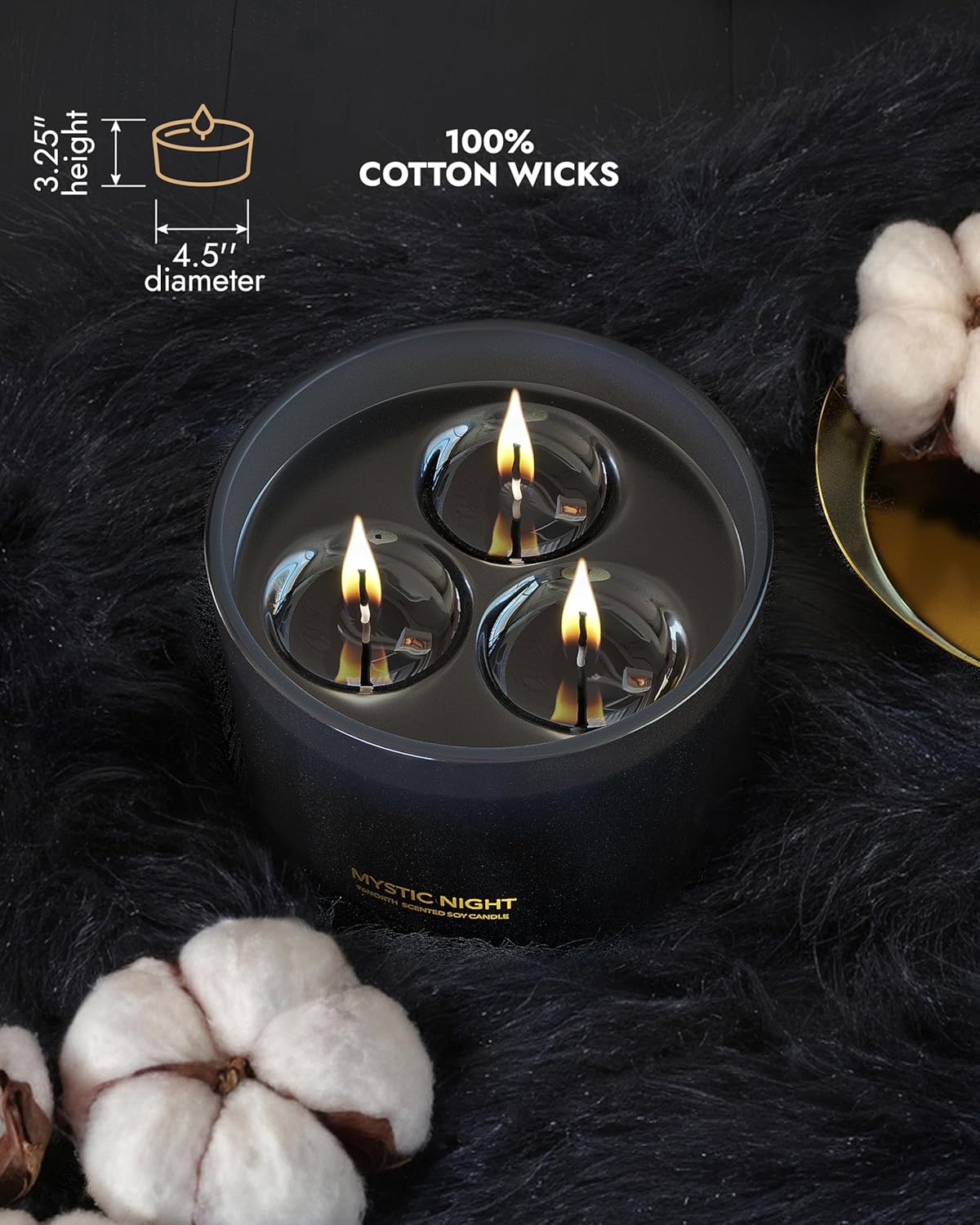
Time your sunset: Light your candle 20 to 60 minutes before bed as a low-tox, clean-burning signal. Always extinguish the flame before sleeping.
-
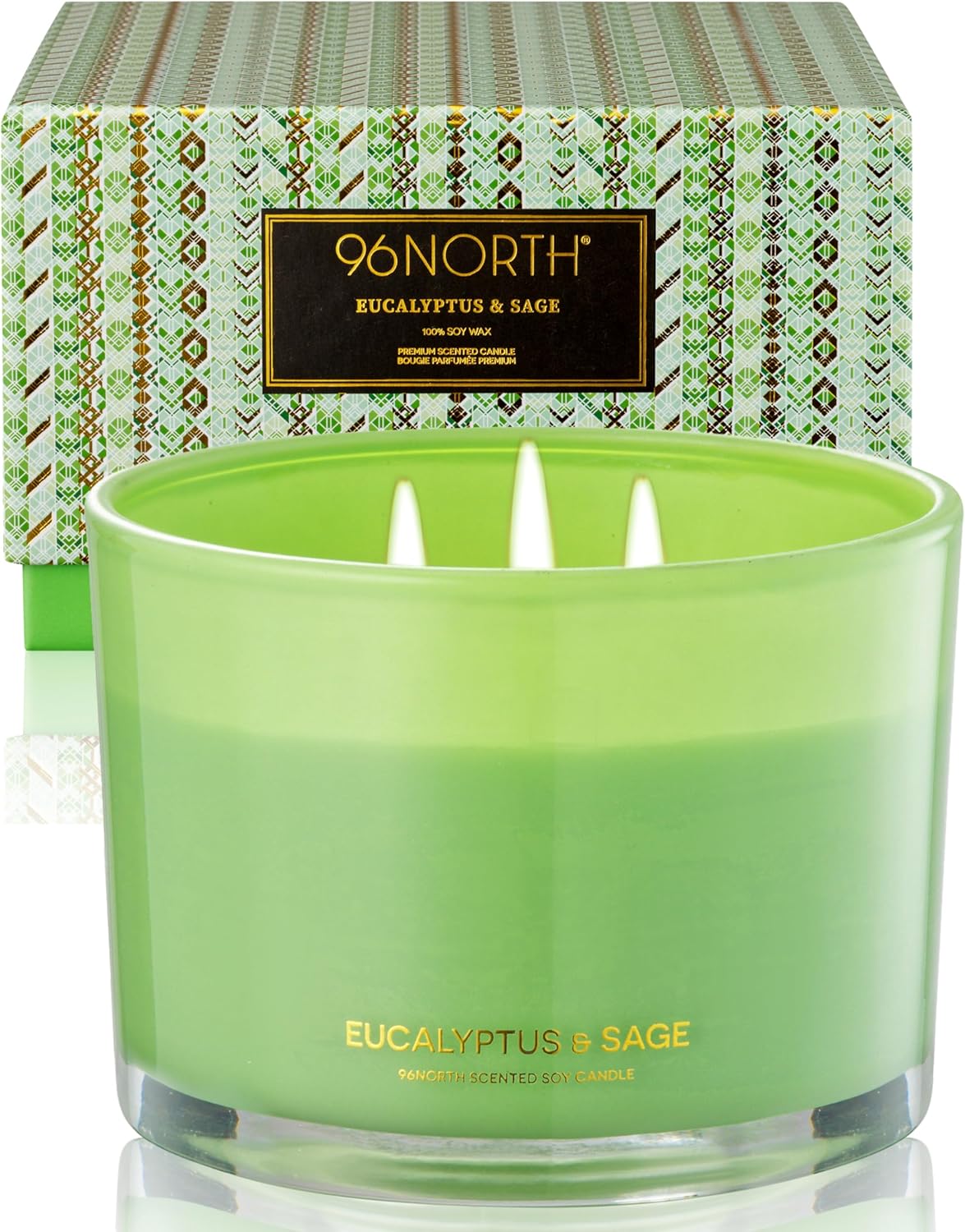
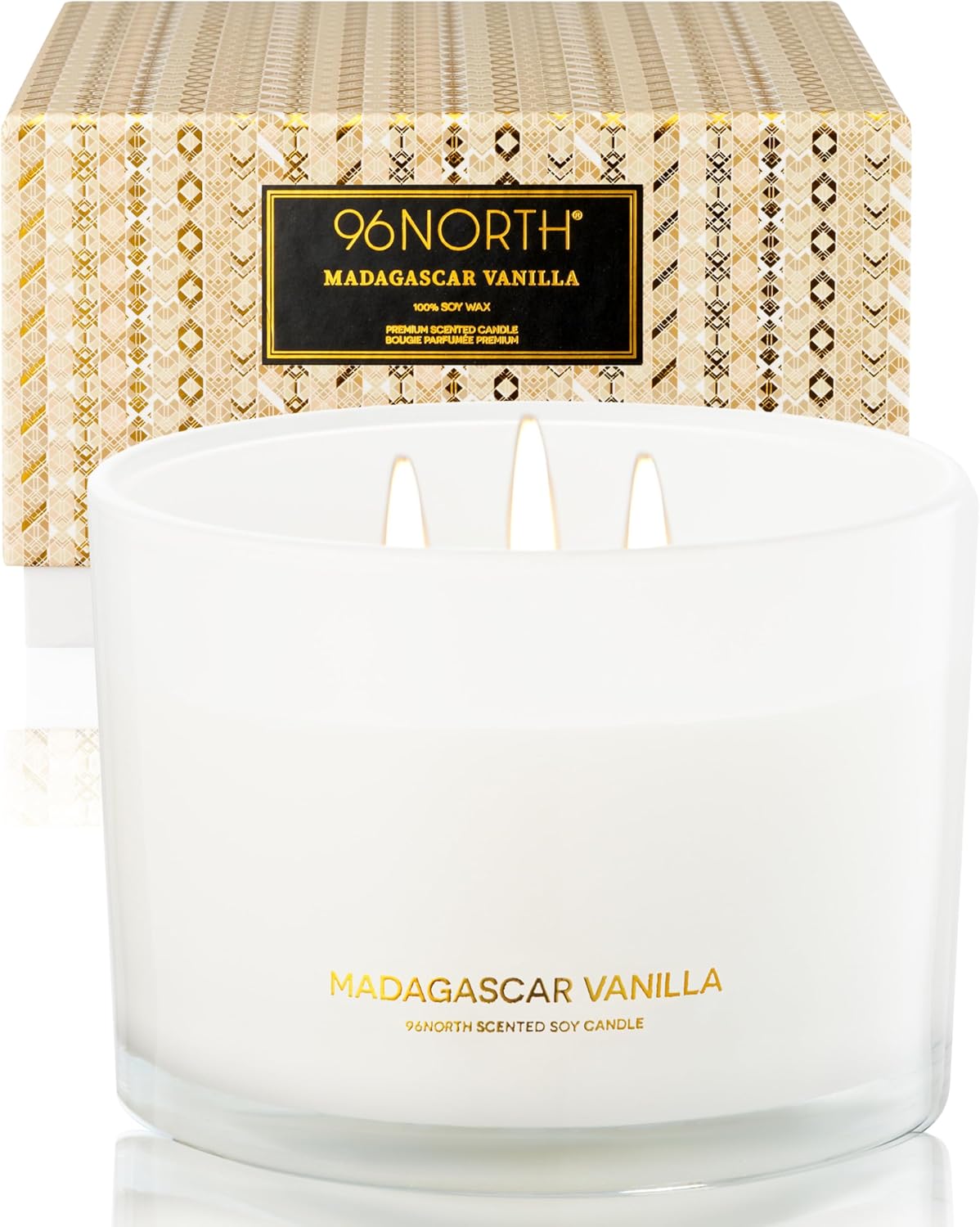
Choose your signal: Explore calming floral scents or browse 96NORTH to anchor your routine.
9. Zone Your Bedroom to Keep the Bed Sacred
Working, worrying, or scrolling in bed stops your brain from associating your mattress with sleep. Designing your sleep sanctuary bedroom around behavior keeps the bed sacred.
Do this tonight:
-
Create a pre-sleep station: Set up a corner chair or floor cushion with a throw and a dim lamp to read, stretch, or plan.
-
Remove activating items: Move your laptop, paperwork, gym gear, and bright task lighting away from the sleeping area.
-
Reset midnight waking: If you wake anxious, leave the bed. Avoid checking the time, keep lights low, and return only when sleepy.
10. Stack Small, Low-Cost Upgrades for Immediate Rest
Creating a sleep sanctuary bedroom does not require expensive renovations. Consistency beats perfection. Small, repeatable environmental changes compound into deeply restorative sleep.
Optimize your space tonight with three low-cost upgrades:
-
No-Drill Blackout: Apply temporary blackout film or hang panels using tension rods. Keep a contoured sleep mask bedside as a backup.
-
Cooling Hacks: Layer lightweight blankets and position fans to optimize airflow. Try breathable sheets before investing in a costly new mattress.
-
Storage Hacks: Slide floor clutter into under-bed bins. Use one bedside organizer to clear surfaces and remove distracting visual noise.
On nights when you are wired, overstimulated, or tempted to scroll, use this repeatable routine to transform your physical space into a functioning sleep sanctuary bedroom. Before starting, set your thermostat to a cool temperature, dim your lights, and plug your phone in across the room.
-
Minutes 0 to 5: Reset your sightline. Clear clutter from your nightstand and floor path to quiet your mind. Set your bedside lamp to a warm, low setting. You will feel your physical tension begin to ease.
-
Minutes 5 to 15: Activate your scent cue. Light your nightly candle to establish a comforting sensory anchor. Pair this consistent aroma with one low-stimulation activity like stretching, journaling, or reading.
-
Minutes 15 to 25: Finalize sleep conditions. Extinguish your candle safely. Draw your blackout curtains, turn on your fan for acoustic buffering, and place water by your bed.
-
Minutes 25 to 30: Commit to rest. Turn off all remaining lights. Climb into bed, keeping this space dedicated strictly to restorative sleep.
If you want a consistent scent anchor, explore season-forward options like fall candles and winter candles, or visit 96NORTH.
Frequently Asked Questions
What is the best bedroom temperature for sleep?
The ideal temperature for a sleep sanctuary bedroom is between 60°F and 67°F. Aiming for 65°F supports your body's natural cooling process, though you should adjust bedding layers to suit your personal comfort.
How can I make my bedroom darker without buying new blinds?
Layer temporary blackout liners behind existing curtains and wear a contoured sleep mask. Cover bright LED lights on electronics with black tape and use warm, low-wattage lamps during your evening wind-down.
Is it safe to use scented candles in a bedroom sleep hygiene routine?
Yes. Choose non-toxic, clean-burning soy candles as a sensory cue to reduce anxiety. Burn your candle safely on a stable surface, never leave it unattended, and extinguish the flame before going to sleep.
What matters more: bedding or sleep hygiene habits?
They function as a unified system. While breathable bedding provides the physical baseline for comfort, healthy sleep hygiene habits like a screen-free digital sunset train your brain for long-term, restorative sleep.
My room is noisy—what is the fastest fix?
Before investing in expensive soundproofing, add soft materials like heavy rugs or curtains to absorb sound. Then, run a fan or noise machine to create a steady acoustic buffer against sudden outdoor spikes.