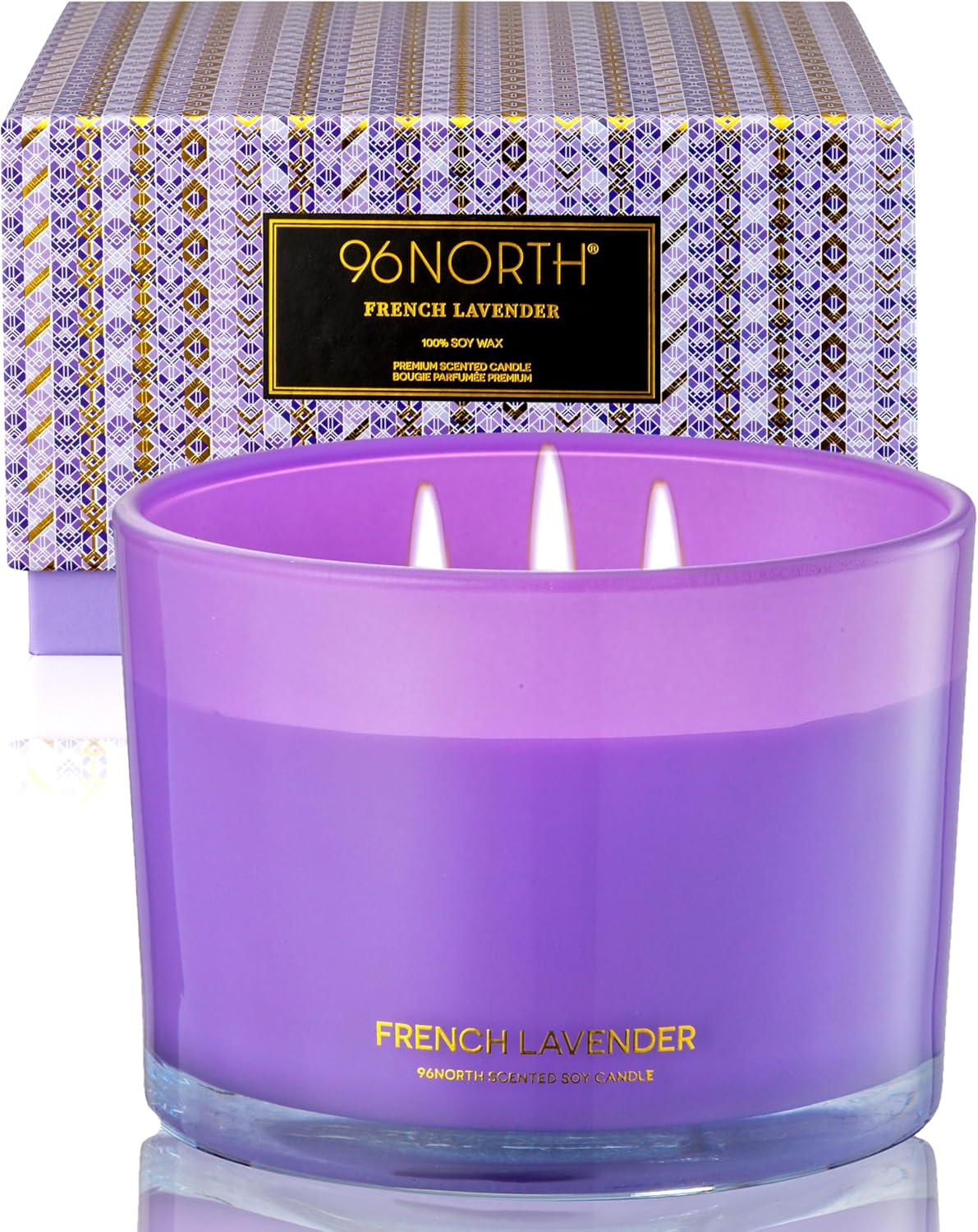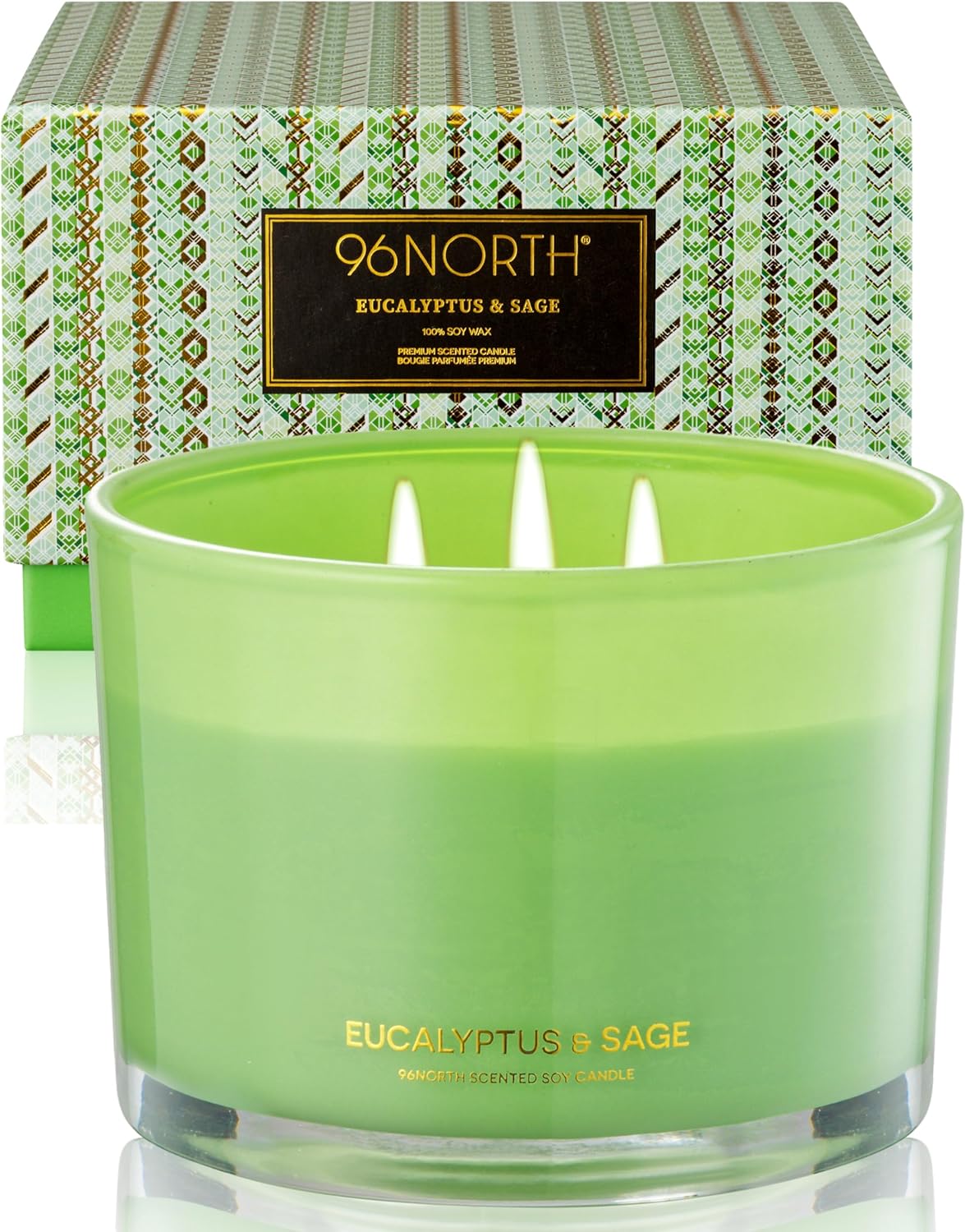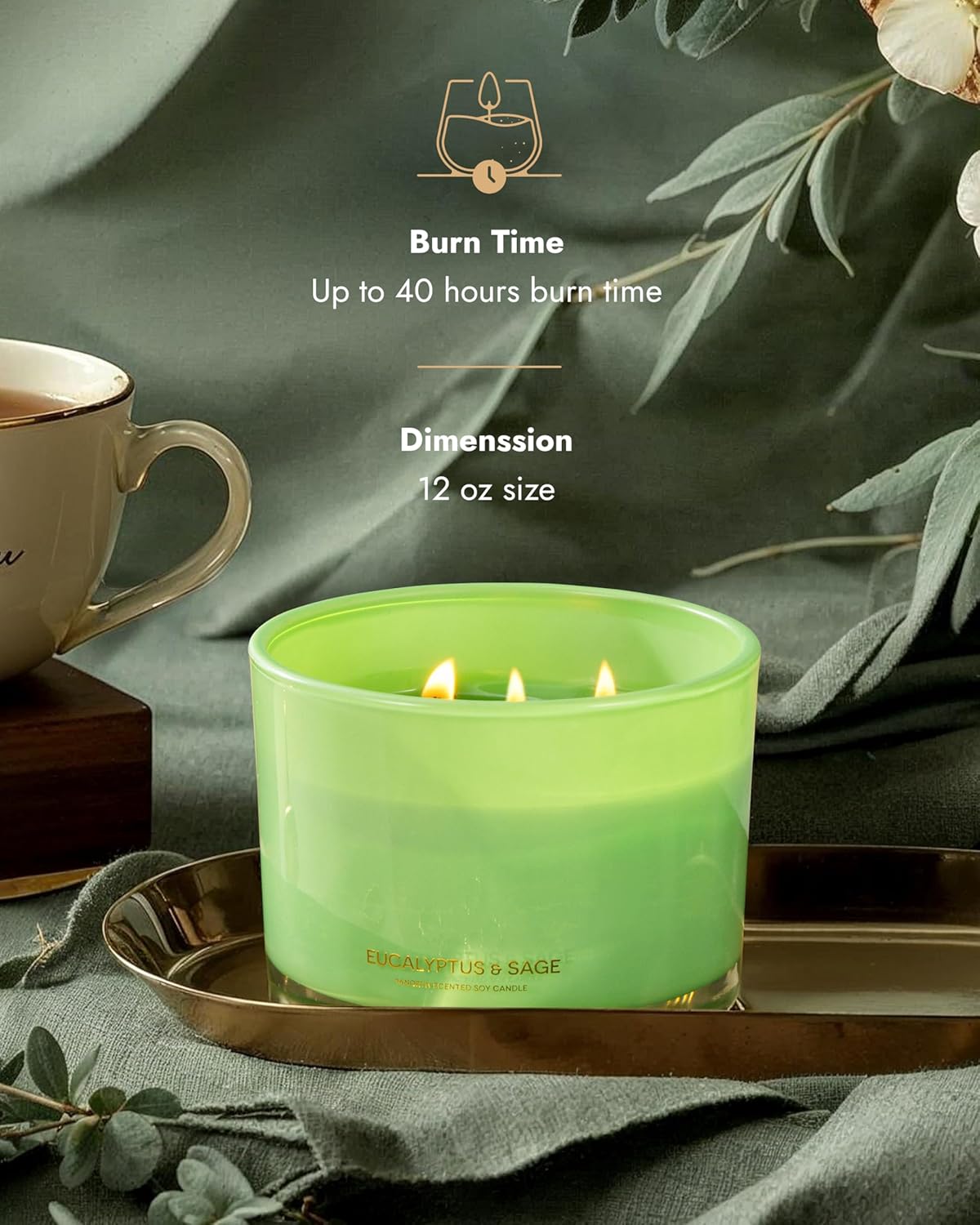

People with asthma or respiratory sensitivities can react to smoke, combustion particles, fragrance, or other airborne irritants. No candle is guaranteed to be safe for asthma, and a candle should not be used to treat breathing symptoms. If burning candles causes coughing, chest tightness, wheezing, or other symptoms, stop using them and follow the advice of a healthcare professional.
The products below are compared based on the features stated in the source, including wax type, fragrance format, wick type, scent strength, and whether a candle is unscented. Unscented options remove added fragrance but still involve combustion, while essential oils and 'natural' fragrances can also be triggers for sensitive users.
1. 96NORTH Tropical Coconut Luxury Candle

The 96NORTH Tropical Coconut candle is a 3-wick scented candle made with 100% natural soy wax and lead-free cotton wicks, according to the source. Its coconut profile is described as softer and less intense than heavier fragrance styles, while the gold-foil glass vessel gives it a premium look.
Those product details may be useful for shoppers comparing scent strength and presentation, but soy wax, lead-free wicks, or a phthalate-free fragrance claim do not make a burning candle asthma-safe. Anyone who is sensitive to fragrance or combustion should judge tolerance cautiously.
Key Features:
• 100% natural soy wax
• Lead-free cotton wicks
• Phthalate-free fragrance claim
• 3-wick format
• Tropical coconut scent
Pros:
• Subtler gourmand profile than some heavy fragrance styles
• Decorative gold-foil vessel
• Large-format 3-wick presentation
Cons:
• Still scented and still produces combustion byproducts
• Three wicks require regular trimming and can create a larger flame
• Fragrance may trigger symptoms in sensitive users
Best For: People who already tolerate scented candles and prefer a softer coconut fragrance, rather than anyone seeking a medically safe asthma candle.
2. Fontana Candle Co. - Heritage Collection

The source describes Fontana Candle Co.'s Heritage Collection as MADE SAFE certified and made from a beeswax-and-coconut-oil blend scented with essential oils. That certification and ingredient disclosure can be useful for shoppers who want more information about what is in a candle.
However, third-party ingredient certification does not mean a candle is guaranteed to be tolerated by people with asthma. Essential oils are still fragrances and can trigger symptoms for some individuals, while burning any wick and wax creates combustion emissions.
Key Features:
• MADE SAFE certification stated in the source
• Beeswax and coconut oil blend
• Essential-oil fragrance
• Wood wick
Pros:
• More ingredient transparency than many conventional fragrance products
• Distinct wax and wick format
• Appeals to buyers who prefer essential-oil scenting
Cons:
• Essential oils can still be respiratory triggers
• Wood wicks may require more maintenance
• Certification does not establish asthma safety
Best For: Ingredient-conscious shoppers who already know they tolerate the specific fragrance, not users who need a guaranteed respiratory-safe option.
3. Bluecorn Beeswax - Raw Beeswax Tea Lights
Bluecorn Beeswax Raw Beeswax Tea Lights are presented in the source as 100% pure beeswax with no added fragrance or dyes. For fragrance-sensitive users, the absence of added perfume is a meaningful distinction from scented candles.
Beeswax still has a natural honey-like aroma, and burning it still produces combustion particles. Claims that beeswax releases negative ions that purify indoor air or remove toxins are not treated here as established benefits.
Key Features:
• 100% raw beeswax
• No added fragrance
• No added dyes
• Cotton wicks
• Tea-light format
Pros:
• Removes added fragrance from the comparison
• Small format allows short, limited use
• Warm natural beeswax appearance
Cons:
• Still involves combustion and is not asthma-safe
• Natural beeswax aroma may still be noticeable
• Higher cost than many paraffin or soy tea lights
Best For: People who want an unscented, no-added-fragrance candle and already know that candle smoke itself does not trigger their symptoms.
4. MBur Candle Co. - Respiratory Friendly Line
The source describes an MBur line marketed toward people with asthma or allergies, using a soy wax blend and phthalate-free fragrances. Marketing language such as 'respiratory friendly' can describe the brand's positioning, but it should not be treated as proof that the candle is safe for people with asthma.
For sensitive users, the most useful details are the disclosed wax, fragrance claims, scent strength, and whether the company provides specific testing or certification information that can be reviewed before purchase.
Key Features:
• Soy wax blend
• Phthalate-free fragrance claim
• Small-batch hand-poured production
• Marketed toward respiratory-sensitive users
Pros:
• Brand positioning directly addresses fragrance-sensitive shoppers
• Smaller-batch production may offer more product detail
• Scent profiles are described as relatively gentle
Cons:
• Marketing does not establish medical safety
• Scented products can still trigger asthma symptoms
• Limited availability and higher price per ounce noted in the source
Best For: Shoppers interested in a brand marketed to sensitive users who will still evaluate their own fragrance and smoke tolerance.
5. Slow North - Eucalyptus + Lavender Soy Candle

Slow North Eucalyptus + Lavender is described in the source as a 100% soy candle scented with essential oils. The eucalyptus-and-lavender profile may smell fresh or spa-like to some users, but neither ingredient should be treated as a breathing treatment.
Eucalyptus, lavender, and other essential oils can be triggers for some people with asthma or fragrance sensitivity. A 'natural' source does not make a fragrance automatically gentler or safer for sensitive airways.
Key Features:
• 100% soy wax
• Essential-oil fragrance
• Recyclable glass and metal lid
• Cotton core wick
Pros:
• Transparent fragrance style
• Fresh herbal scent profile
• Recyclable-looking presentation
Cons:
• Eucalyptus or lavender fragrance may trigger symptoms
• Still produces combustion emissions
• Soy wax can show cosmetic frosting
Best For: People who already tolerate eucalyptus and lavender fragrance and prefer an herbal scent.
6. Natural Sloth - Quiet Moments Candle
The source describes Natural Sloth Quiet Moments as MADE SAFE certified, made with a beeswax-and-coconut-oil blend, and scented with organic essential oils such as lavender and orange. These details may appeal to buyers who prioritize ingredient disclosure and certification.
They do not guarantee respiratory tolerance. Essential oils can still irritate or trigger symptoms for some people, and a certification should not be read as proof that a product is safe around every person with asthma, child, or pet.
Key Features:
• MADE SAFE certification stated in the source
• Beeswax and coconut oil blend
• Organic essential oils
• No synthetic fixatives claimed by the source
Pros:
• Clearer ingredient positioning
• Milder fragrance style described in the source
• Small-batch wellness-oriented presentation
Cons:
• Essential oils are still fragrances
• Smaller vessel size
• No candle certification can guarantee asthma, child, or pet safety during burning
Best For: Ingredient-conscious shoppers who tolerate the listed essential oils and prefer a smaller scented candle.
7. Honey Candles - Pure Beeswax Pillars
Honey Candles Pure Beeswax Pillars are unscented and made from 100% Canadian beeswax according to the source. With no added fragrance, they may be simpler for fragrance-sensitive buyers to evaluate than a scented candle.
That does not make them smoke-free or asthma-safe. Proper wick trimming can reduce visible smoking, but any open-flame candle creates combustion products, and the natural beeswax aroma may still be noticeable.
Key Features:
• 100% Canadian beeswax
• No added fragrance
• No added dye
• Cotton wick
• Pillar format
Pros:
• No added perfume
• Long-burning pillar format
• Simple traditional appearance
Cons:
• Still produces combustion emissions
• Requires a suitable holder or plate
• Natural wax aroma may still bother fragrance-sensitive users
Best For: People who want a long-burning unscented candle and do not react to candle combustion itself.
8. Pure Plant Home - Coconut Wax Aromatherapy
The source describes Pure Plant Home candles as using coconut wax with spice and citrus essential oils. The plant-based wax and essential-oil positioning may appeal to shoppers who prefer those ingredients, but neither feature proves a cleaner or safer experience for asthma.
Citrus, spice, and other essential oils can be irritating or triggering to sensitive users. Wax type alone also does not determine the emissions or respiratory impact of a finished candle.
Key Features:
• Coconut wax
• Spice and citrus essential oils
• Vegan and cruelty-free claims in the source
• Minimalist presentation
Pros:
• Plant-based wax option
• Distinct spice and citrus fragrance profile
• Simple aesthetic
Cons:
• Essential oils may trigger respiratory symptoms
• Coconut wax can soften in heat
• Plant-based wax is not a medical safety guarantee
Best For: Buyers who already tolerate spice and citrus fragrance and specifically prefer coconut-wax candles.
9. Welch Candle Co. - Beeswax & Coconut Blend
Welch Candle Co. is described in the source as using a beeswax-and-coconut-wax blend with phthalate-free fragrance oils. The moderate scent throw may appeal to shoppers who dislike very strong room-filling fragrance.
Claims that beeswax purifies the air or that combining two waxes creates an asthma-safe candle are not supported simply by the wax blend. The candle remains a scented combustion product.
Key Features:
• Beeswax and coconut wax blend
• Phthalate-free fragrance claim
• Hand-poured in the USA
• Moderate scent throw
Pros:
• Moderate rather than very strong fragrance
• Minimalist presentation
• Wax blend may appeal to shoppers comparing non-paraffin options
Cons:
• Still scented and still burns with an open flame
• Wax blend does not guarantee low emissions or asthma safety
• Smaller-brand restocks may be limited
Best For: People who already tolerate scented candles and prefer a moderate fragrance level.
10. Bee Hive Candles - Unscented Soy & Beeswax
The source describes Bee Hive Candles as offering unscented soy-and-beeswax blends with no added dyes. Removing added fragrance can reduce one possible source of irritation for fragrance-sensitive users, making this format easier to compare with scented alternatives.
It does not eliminate combustion particles or guarantee symptom-free use. Calling any burning candle 'the safest choice' for asthma would overstate what the product format can establish.
Key Features:
• Soy and beeswax blend
• No added fragrance
• No added dye
• Cotton wicks
Pros:
• No added perfume
• Simple everyday format
• May suit buyers who specifically want an unscented blend
Cons:
• Still involves combustion
• No fragrance does not mean no respiratory trigger
• Plain presentation compared with decorative luxury candles
Best For: Fragrance-sensitive users who want an unscented candle and already know that open-flame candle use is tolerated in their environment.
Choosing Candles With Respiratory Sensitivity in Mind
For asthma and respiratory sensitivities, smoke, fragrance, essential oils, and combustion particles can all be triggers. Individual responses vary, so no wax or label can predict tolerance.
1. Unscented Does Not Mean Risk-Free
Unscented candles remove added fragrance but not combustion emissions. Beeswax can also have a natural aroma that fragrance-sensitive users may notice.
2. Essential Oils Are Still Fragrances
Essential oils such as lavender, eucalyptus, citrus, pine, and spice are still fragrances. Natural origin does not guarantee respiratory tolerance, so avoid scents that have triggered symptoms before.
3. Wax Type Alone Does Not Establish Safety
Soy, beeswax, coconut, blended waxes, and paraffin can all be used in candles. Wick, fragrance, additives, burn conditions, ventilation, and individual sensitivity also matter, so wax type alone does not establish asthma safety.
4. Reduce Smoke and Stop if Symptoms Appear
Follow the manufacturer's instructions, keep the wick properly trimmed, avoid drafts, and ventilate the room. If coughing, wheezing, chest tightness, shortness of breath, or other respiratory symptoms appear, extinguish the candle and avoid further exposure.
Conclusion
There is no universally safe candle for asthma or respiratory sensitivity. Unscented options remove added fragrance, while scented products differ in wax, wick, and fragrance style, but none of those features guarantees respiratory safety.
If smoke or fragrance triggers symptoms, avoiding burning candles may be the better choice. Breathing comfort and healthcare guidance come first.
Frequently Asked Questions
Are there candles that are completely safe for asthma?
No candle is guaranteed safe for everyone with asthma. Burning creates combustion emissions, and scented candles add fragrance. If candles trigger symptoms, avoid them and follow your healthcare professional's advice.
What should I avoid in candles if I have asthma?
Triggers vary. Strong fragrance, smoke, and specific essential oils can bother some people. Avoid known triggers, and do not assume that natural waxes, essential oils, or phthalate-free labeling makes a candle asthma-safe.
How can I reduce irritation if I choose to burn a candle?
Follow the burn instructions, trim the wick, avoid smoky drafts, and ventilate the room. Stop immediately if you develop coughing, wheezing, chest tightness, shortness of breath, or other respiratory symptoms.