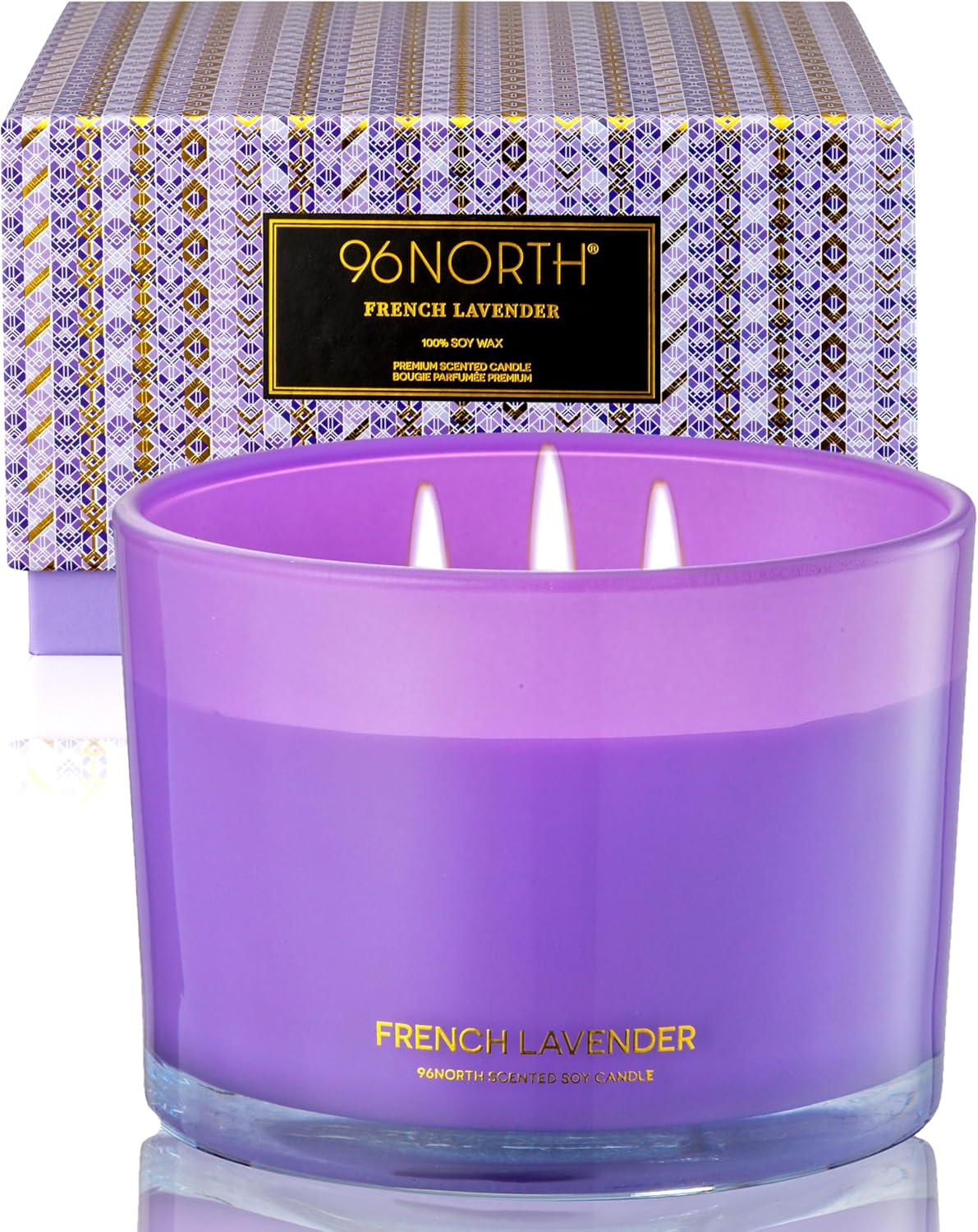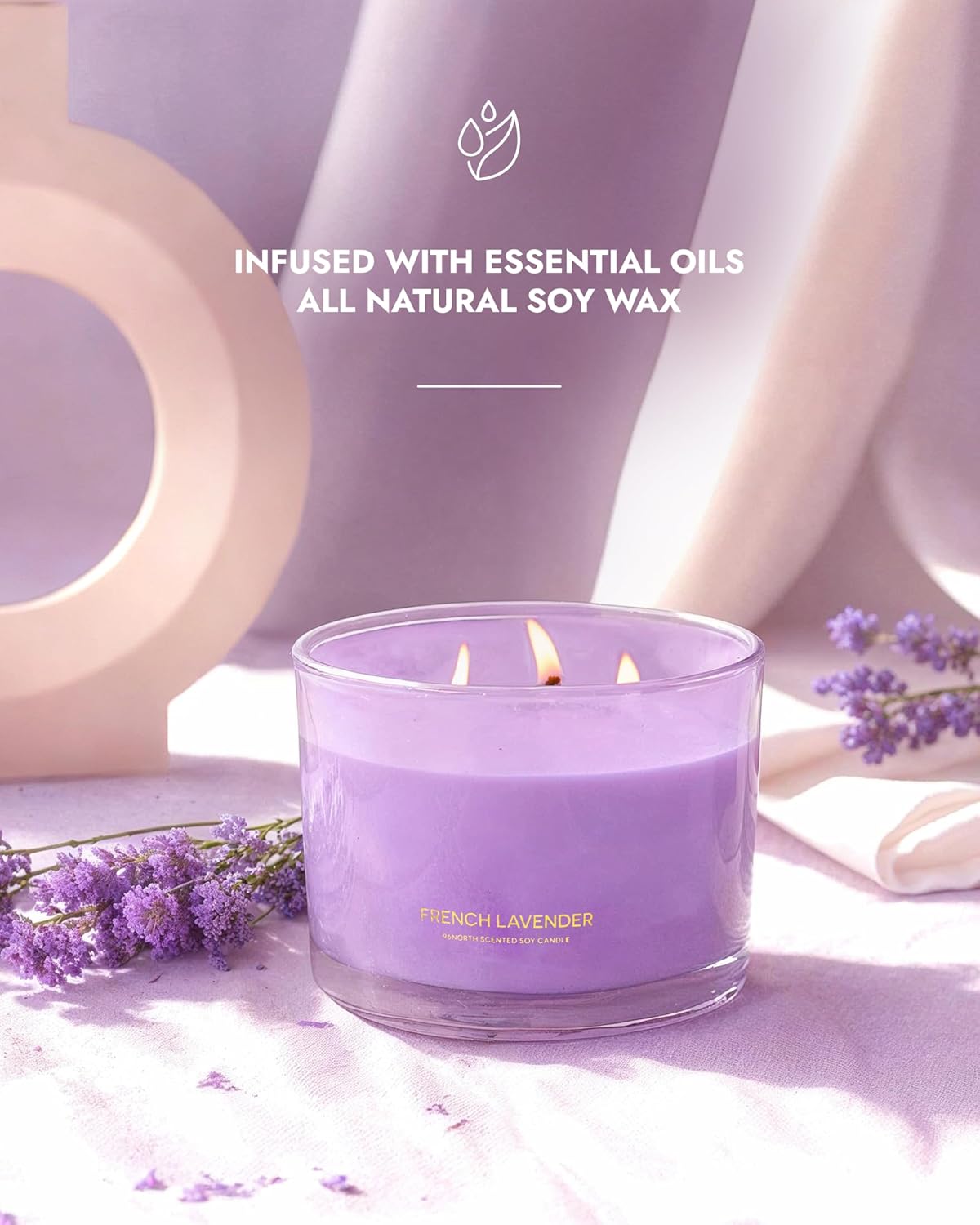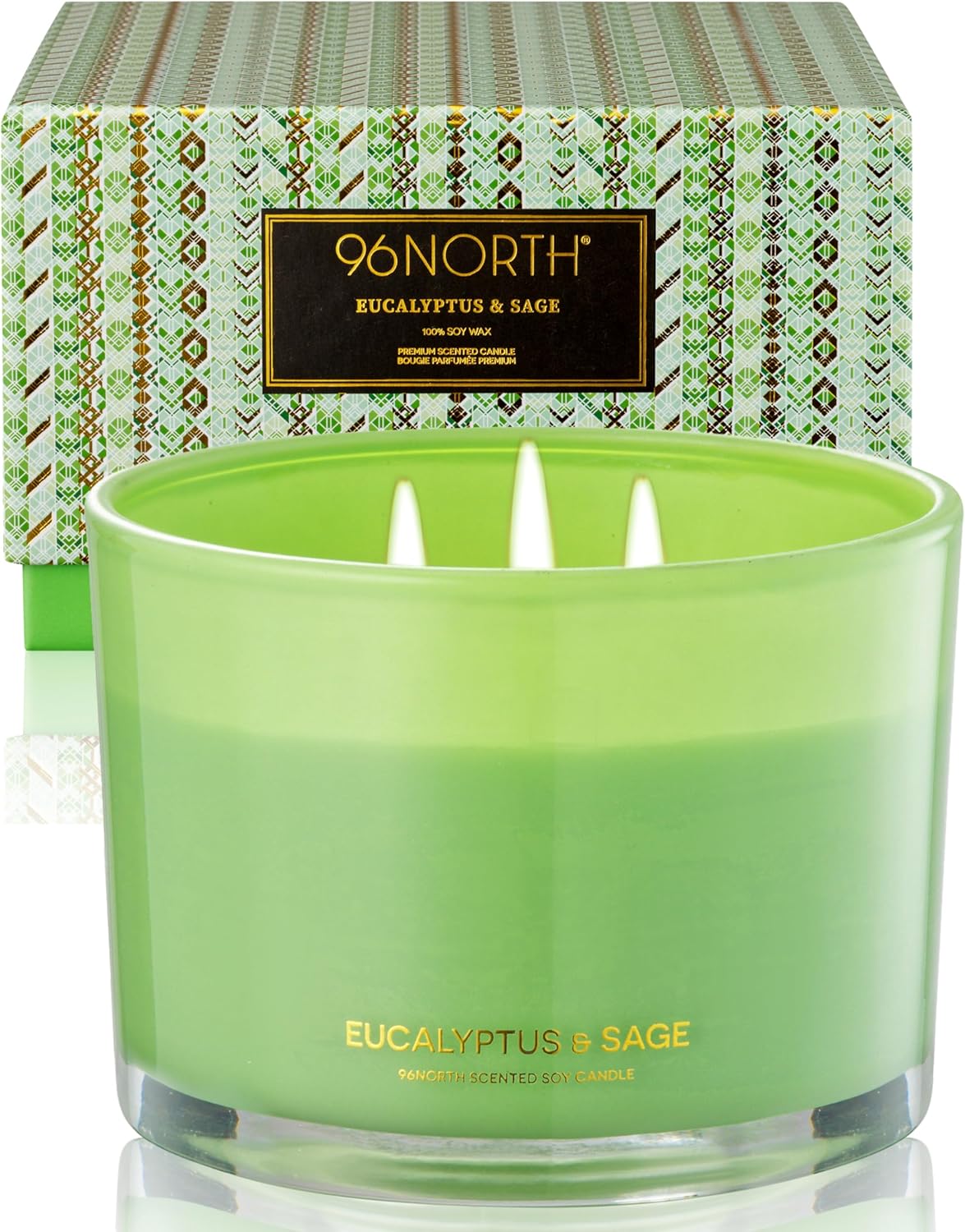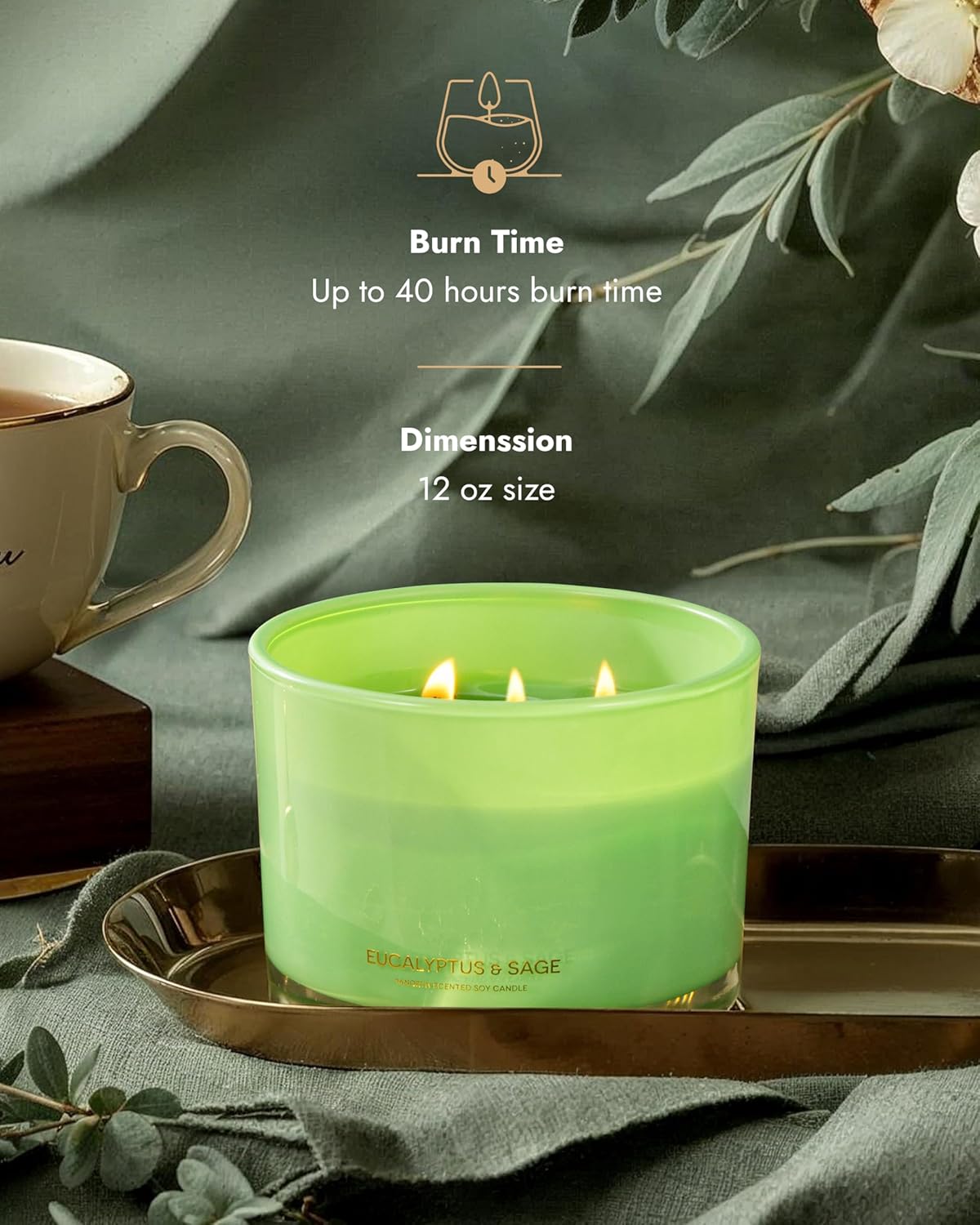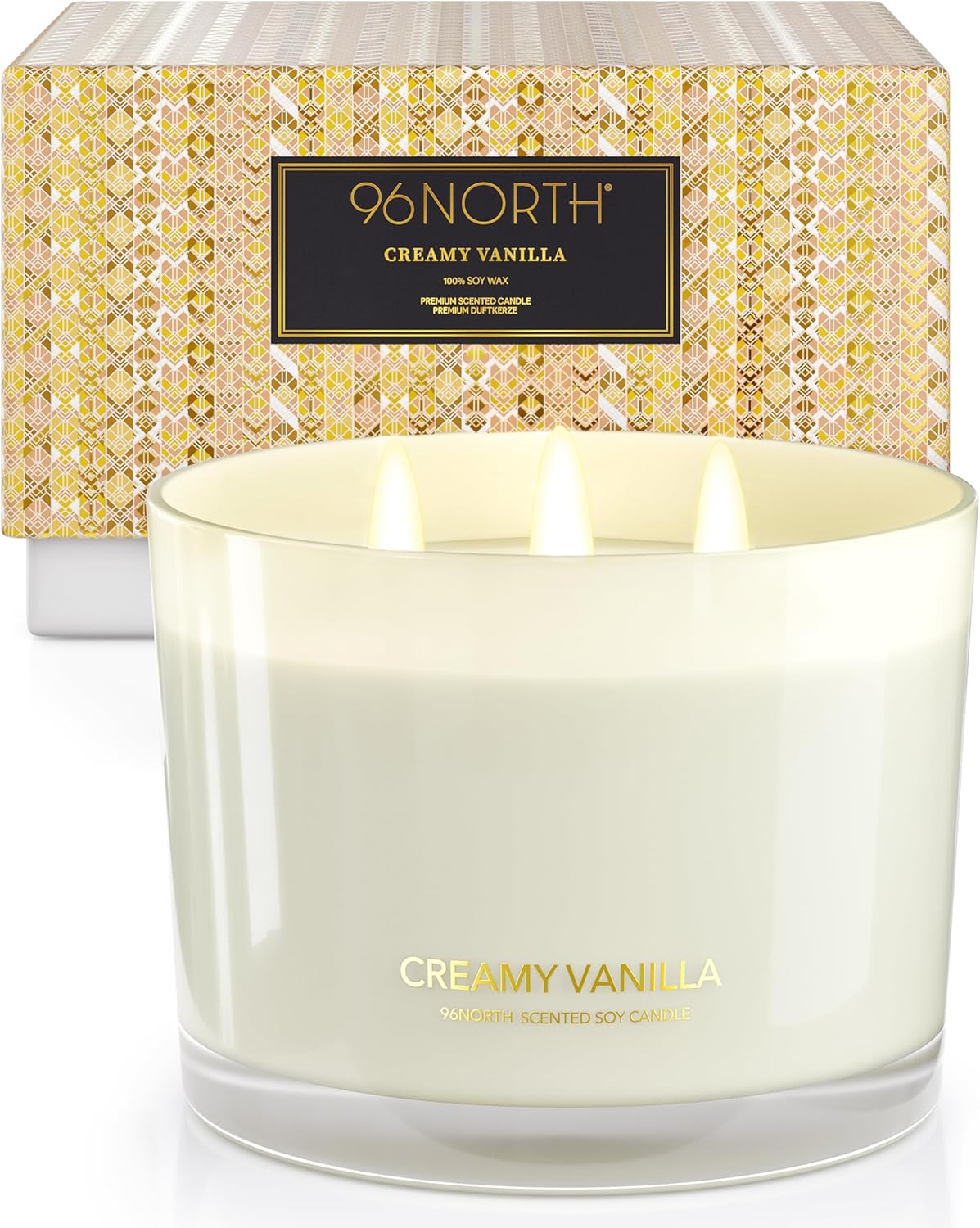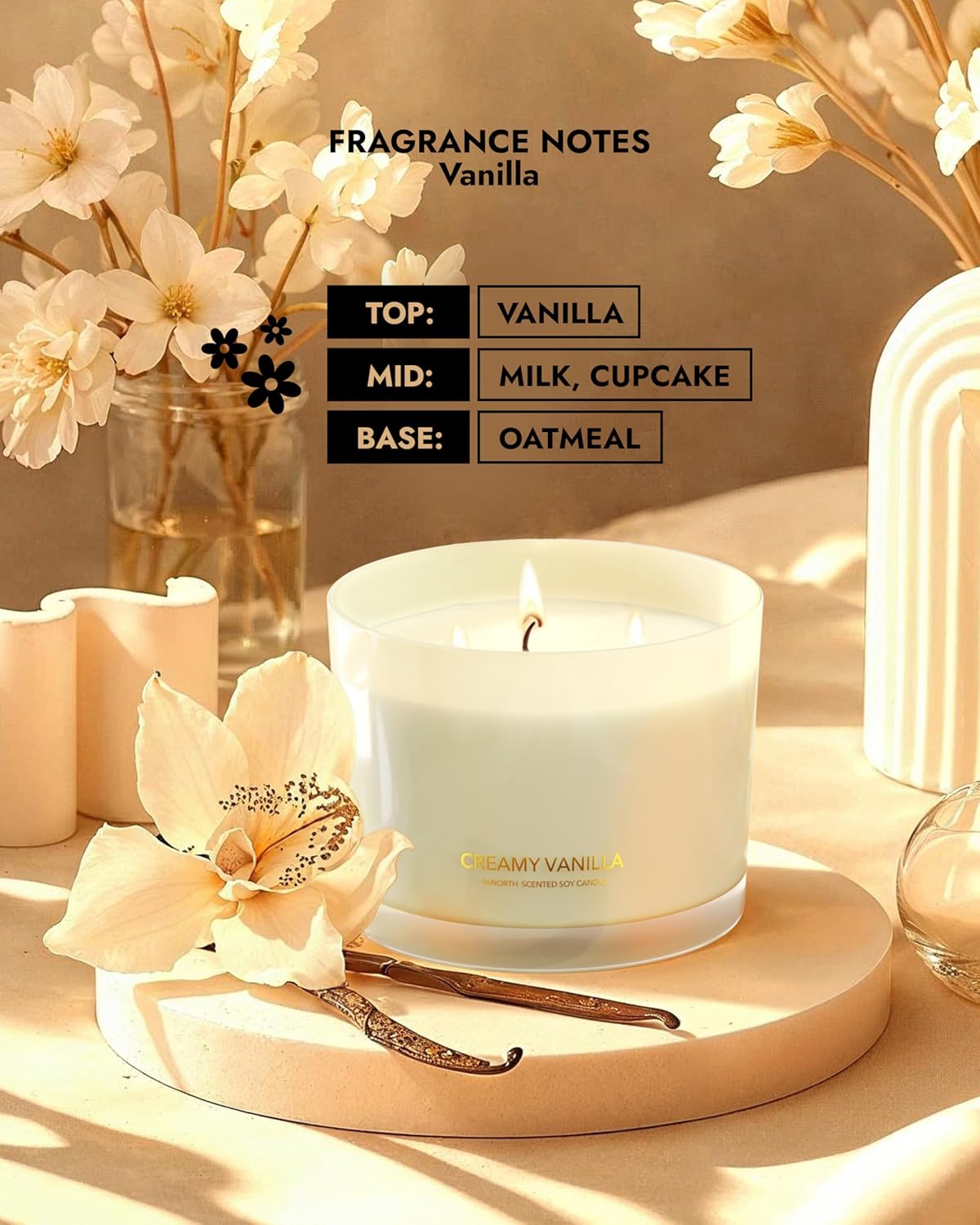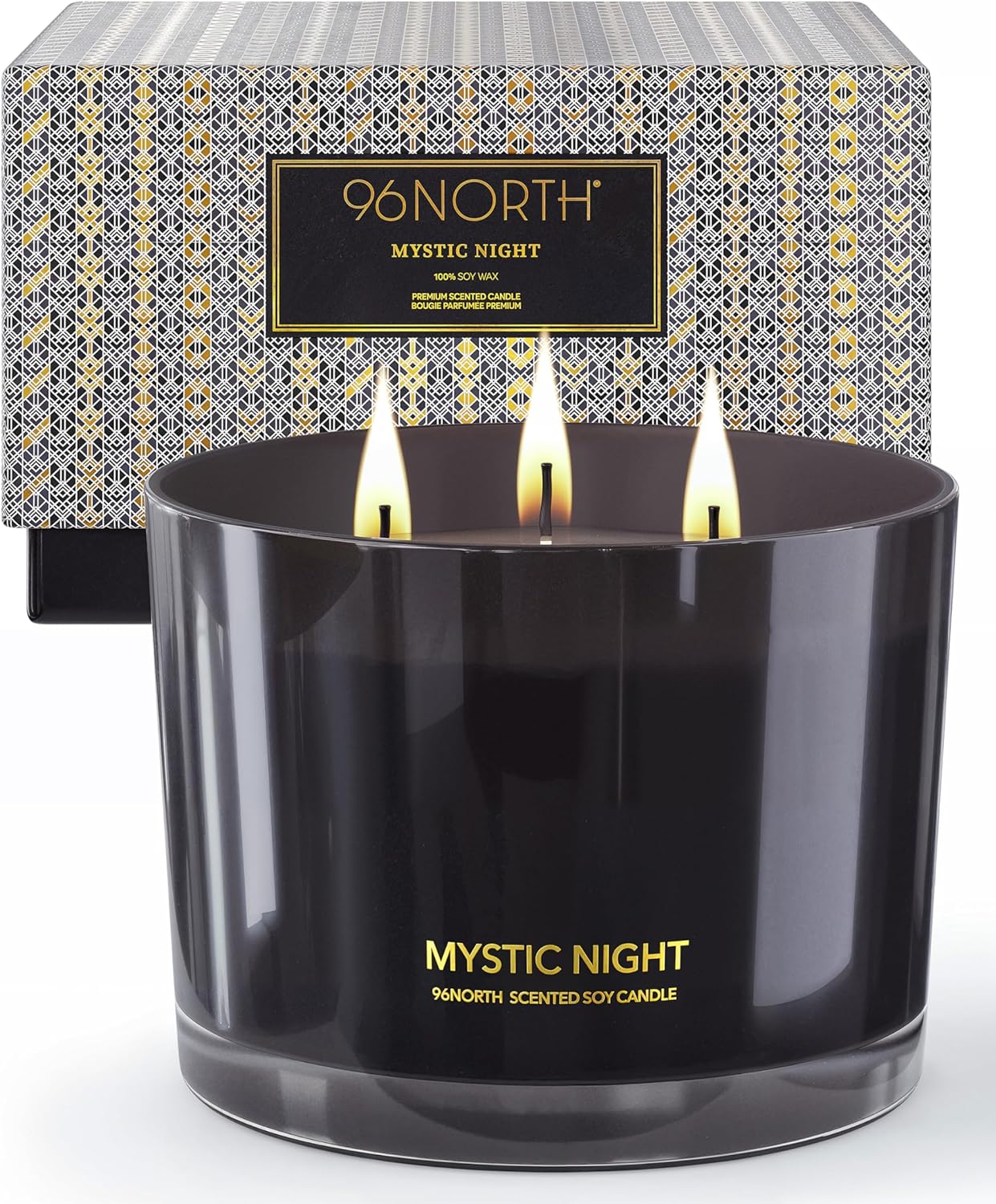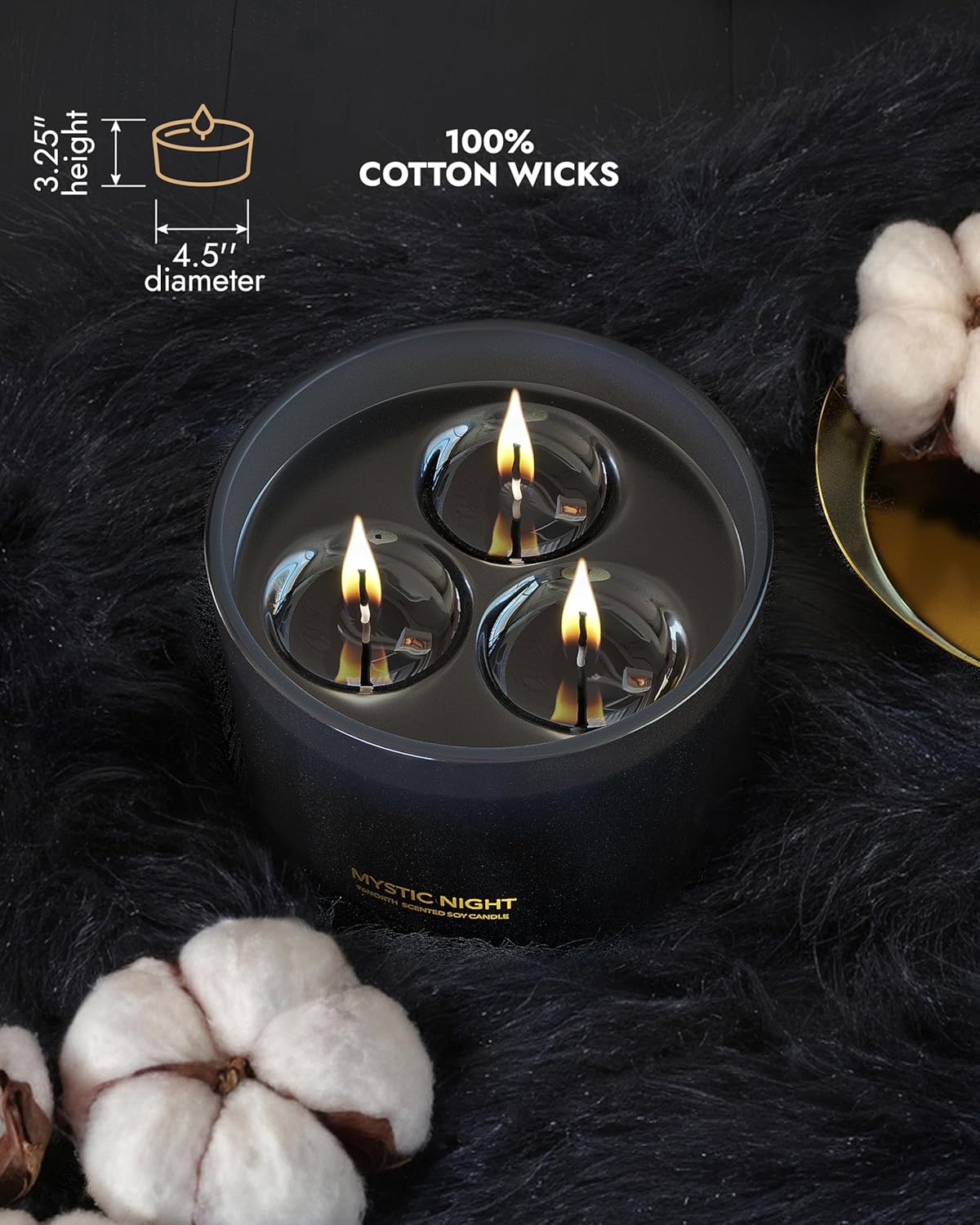

Soy, beeswax, and coconut wax are all natural, yet they behave differently in your home. When choosing between soy vs beeswax candles, there is no universal winner. The right option depends entirely on your priorities. Whether you value clean air, long burn times, or ethical sustainability, this guide simplifies your decision. For historical context on how these materials evolved, read our scented candle history timeline. Otherwise, here is how to select the perfect wax for your space.
1. Burn Time and Longevity: Which Wax Lasts the Longest?
In the debate of soy vs beeswax candles, beeswax wins on raw longevity, though soy and coconut blends are highly competitive when formulated with the right wick.
This variance comes down to wax hardness. Dense beeswax has a high melting point that slows the burn but increases tunneling risks in container jars. Conversely, softer soy waxes excel in containers by offering a reliable, even melt pool. Pillar candles naturally support beeswax's structural density, while soy thrives in vessels.
If your budget allows long, continuous burn sessions, choose beeswax. For cost-effective daily rituals, select a clean-burning soy or soy-coconut blend. Whichever you burn, optimize its lifespan with proper long-lasting candle care habits.
2. Indoor Air Quality: Which Wax Truly Burns the Cleanest?
In candle terms, "clean air" means minimizing visible soot, smoke, and lingering odors, not medical-grade purification.
-
Beeswax: Burns cleanly, though claims that negative ions purify air lack scientific backing.
-
Soy: Naturally low-soot, but will smoke if the wick is oversized or burned too long.
-
Coconut: Yields a smooth, clean burn, though performance depends on the blend formulation.
Ensure cleaner air with two habits:
-
Trim wicks to one-quarter inch before lighting.
-
Limit burns to two to four hours, extinguishing if the wick mushrooms.
If indoor air peace-of-mind is your priority, choose quality ingredients and proper wick care over marketing hype.
3. Eco-Friendly Tradeoffs: Which Wax Is Actually More Sustainable?
Every natural wax carries an environmental footprint. Choosing between soy vs beeswax candles comes down to which ecological tradeoffs you accept.
-
Soy wax: A renewable plant resource, but industrial farming often relies on intensive monoculture, pesticides, and chemical processing. Prioritize brands with transparent, responsibly sourced agriculture.
-
Beeswax: This natural animal byproduct supports local pollinator ecosystems. However, sustainability hinges on ethical hive management and small-scale harvesting.
-
Coconut wax: A clean-burning, high-performance option, but the lengthy global supply chain increases transport emissions. Look for credible sourcing signals.
If you are a strict vegan, choose responsibly sourced soy. If you support local ecosystems, opt for regional beeswax.
4. Scent Throw and Aromatherapy: How Wax Choice Shapes Your Scent Experience
When comparing soy vs beeswax candles, wax choice determines how an aromatherapy fragrance reads and how strong it feels.
Different waxes disperse scent uniquely:
-
Soy wax: A neutral base that allows complex oils to express purely for a consistent, room-filling throw.
-
Beeswax: Carries a natural honey aroma that can compete with added delicate oils.
-
Coconut wax: Usually blended with other waxes to boost smoothness and throw.
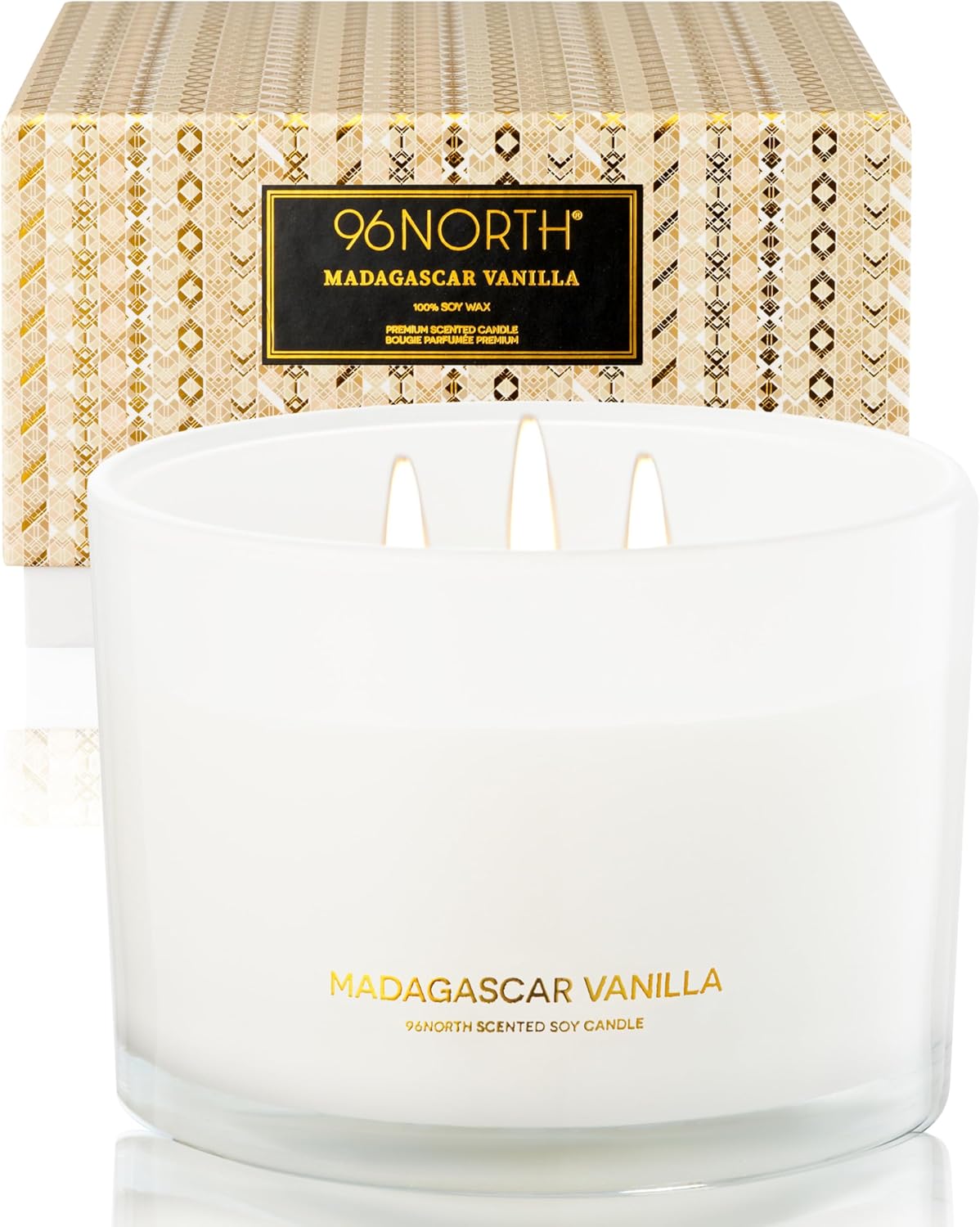
For a strong, true-to-bottle scent, choose soy-forward candles. For a subtle ambiance, opt for beeswax. Browse the 96NORTH Aromatherapy Collection to choose your mood outcome, then prioritize your wax choice.

5. Navigating Sensitivities: Why Wax Is Only Part of the Equation
If burning candles triggers mild headaches or throat irritation, the wax itself is rarely the culprit. Most sensitivities stem from heavy fragrance loads, synthetic additives, soot, or poor burning habits.
To minimize irritation, look at how the candle is built:
-
Beeswax: Best for those seeking pure, unscented options with zero additives.
-
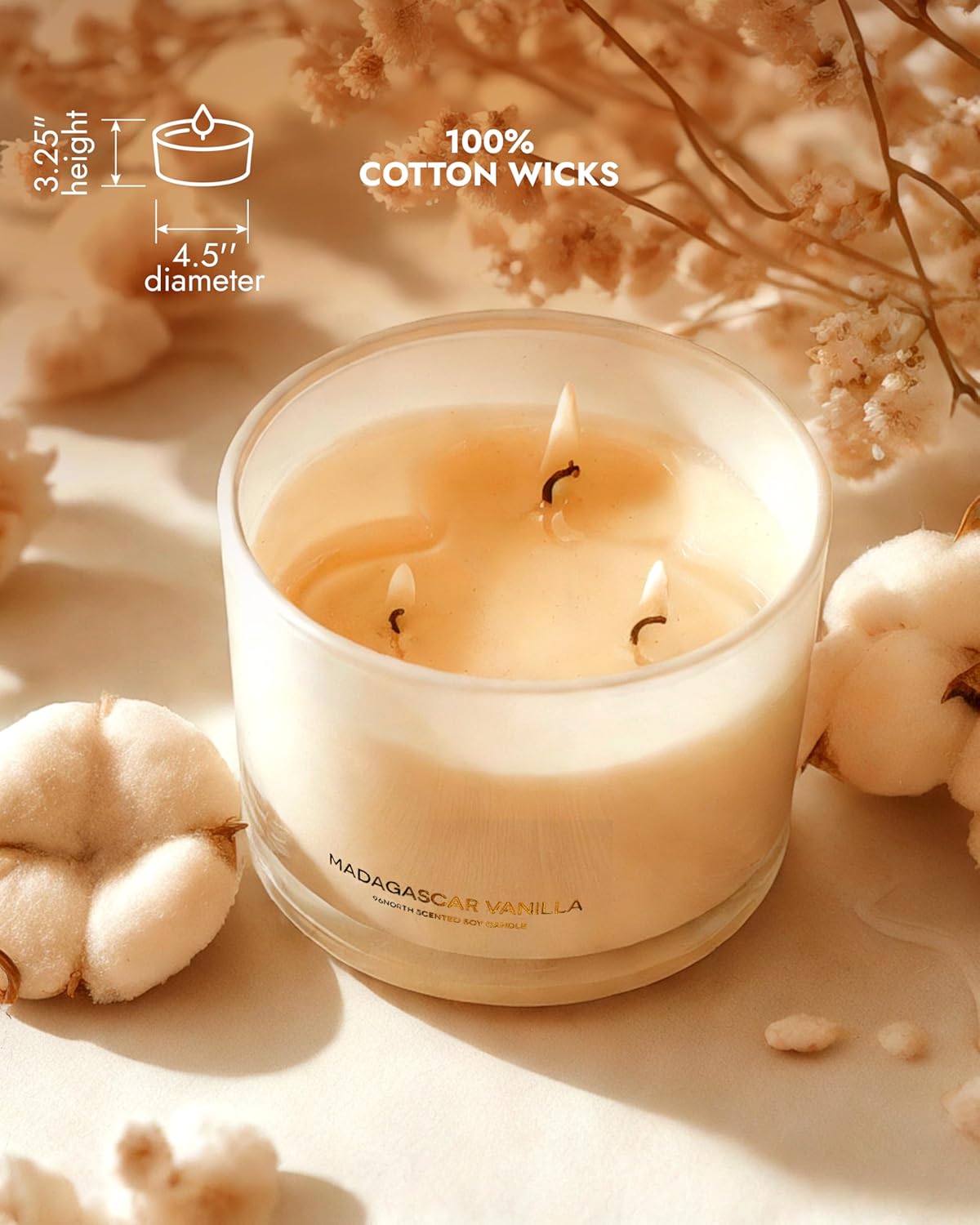
Soy and Coconut: Excellent for scented candles, provided the brand uses transparent fragrance oils and lead-free cotton wicks.
For a comfortable sensory experience, choose simpler scent profiles and avoid unventilated rooms. Watch for heavy smoking, and if your household is sensitive, start with a cautious thirty-minute test burn.
6. Aesthetics and Burn Quirks: Why "Imperfections" Prove Purity
A chalky coating or uneven surface does not mean your candle is defective. Unlike synthetic paraffin, natural waxes are chemically active. When comparing soy vs beeswax candles, expect distinct physical behaviors:
-
Soy: Prone to "frosting" crystallization, rough tops, and glass wet spots. These cosmetic shifts never impact scent throw.
-
Beeswax: Dense with a high melting point. It requires precise wicking to prevent tunneling and needs longer initial burns.
-
Coconut: Delivers the smoothest tops, but performance varies depending on the blend.
Select coconut blends for flawless jar aesthetics, and soy for organic, rustic variation. If buying beeswax, choose makers who mathematically engineer their wicks.
7. Price vs. Value: Deciphering the Cost of Natural Waxes
When evaluating soy vs beeswax candles, retail price differences stem from raw material availability and extraction complexity. Understanding these drivers helps you spend intentionally on your daily sensory rituals:
-
Beeswax: Limited agricultural yields and labor-intensive harvesting command the highest premium.
-
Soy: Widely available and domestic, offering the best value per hour and optimal scent dispersion.
-
Coconut: Often higher-priced due to global sourcing and delicate premium blending needs.
If you want the best candle wax for daily therapeutic value, non-toxic soy is your priority purchase. If you prefer a minimally processed, animal-derived feel, beeswax beautifully justifies its premium.
8. How to Read Candle Labels and Avoid Marketing Traps
Many "natural" candles hide cheap paraffin behind buzzwords. Empower your buying decisions by scanning product pages for these clean-burning indicators:
-
Wax Purity: Look for "100% soy wax" over vague "natural wax blends" (always ask: blend of what?).
-
Wick Quality: Ensure wicks are lead-free cotton; wide jars require multiple wicks for an even burn.
-
Ingredient Transparency: Verify fragrance oil sources and dye loads.
Avoid red flags like "proprietary wax blends" with zero breakdown and reviews complaining of heavy black soot.
If you want a straightforward soy option for aromatherapy routines, explore 96NORTH. To prioritize clean ingredients and choose your candles by mood, browse Aroma therapy candles.
Frequently Asked Questions
Which is the best candle wax overall?
The best wax depends on your personal wellness priorities. Because there is no single perfect option, choose based on what you value most for your space:
- Pick beeswax for maximum burn times and a warm honey aroma.
- Pick soy for excellent therapeutic scent throw and vegan ethics.
- Pick coconut blends for a clean burn and flawless aesthetics.
Do beeswax candles really purify the air with negative ions?
There is no credible scientific evidence proving that burning beeswax releases negative ions to purify indoor air. You should treat this claim as unproven marketing unless a brand provides verifiable peer-reviewed sources. However, many people still choose beeswax because it naturally produces very little soot when properly crafted and maintained.
Are soy candles safe and are they always non-toxic?
Soy wax is safe, but a candle is only as non-toxic as its other components. Synthetic dyes, heavy fragrance loads, and metal wicks can compromise your indoor air quality. To maintain a safe environment, always follow these three steps:
- Trim the cotton wick to one-quarter inch.
- Extinguish the candle if it begins to smoke.
- Ensure proper ventilation in the room.
What are coconut wax candles, really?
Almost all coconut candles are wax blends, because pure coconut wax has a very low melting point and is too soft to hold its shape at room temperature. Brands typically blend it with soy or other structural waxes to improve performance. When shopping, ask brands for their exact blend ratios, fragrance types, and burn testing details.
How can I tell if a soy candle is secretly a paraffin blend?
Look closely at the packaging for terms like "soy blend" or "natural wax blend," which frequently hide cheap paraffin. True clean brands will explicitly disclose "100% soy wax" on the label. You can also scan customer reviews for complaints of rapid soot buildup or check if the company fully discloses its wax composition.
Where can I shop for a transparent soy option for aromatherapy routines?
You can find clean, high-performance soy candles directly at 96NORTH. Our luxury collection serves as a sensory companion designed to bring serenity to your daily habits. Learn how these natural materials evolved in our scented candle history timeline, and protect your investment by using our guide on long-lasting candle care habits.