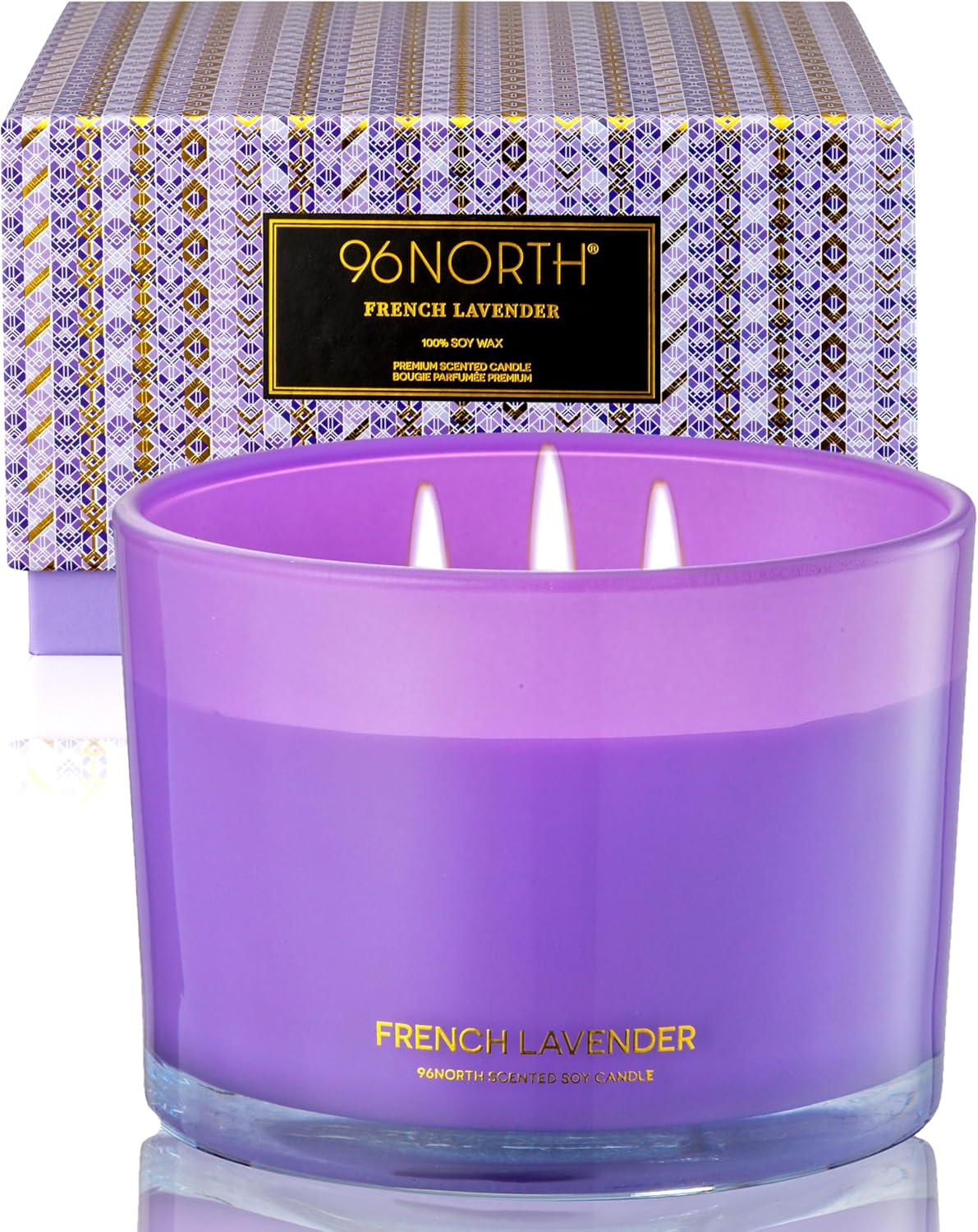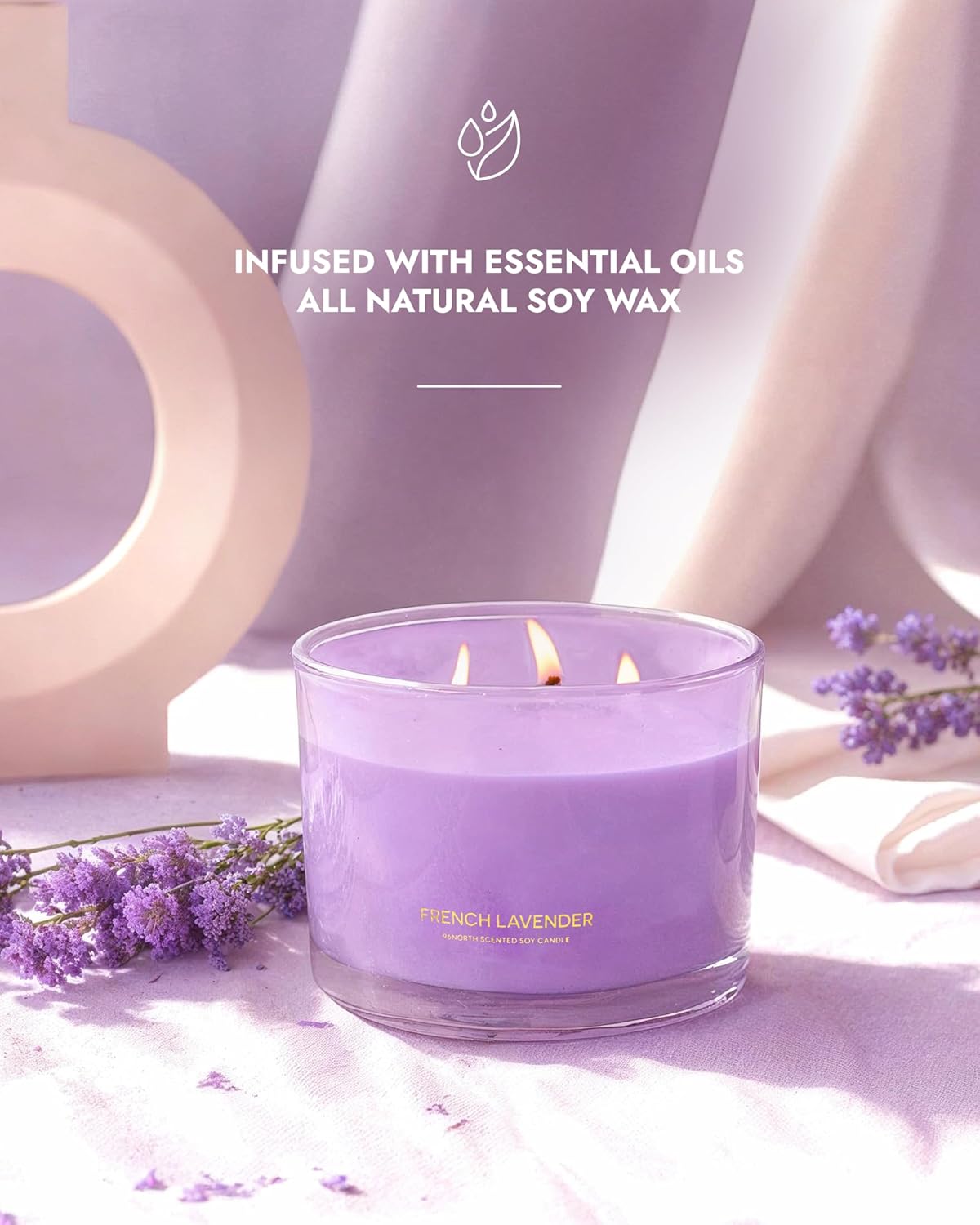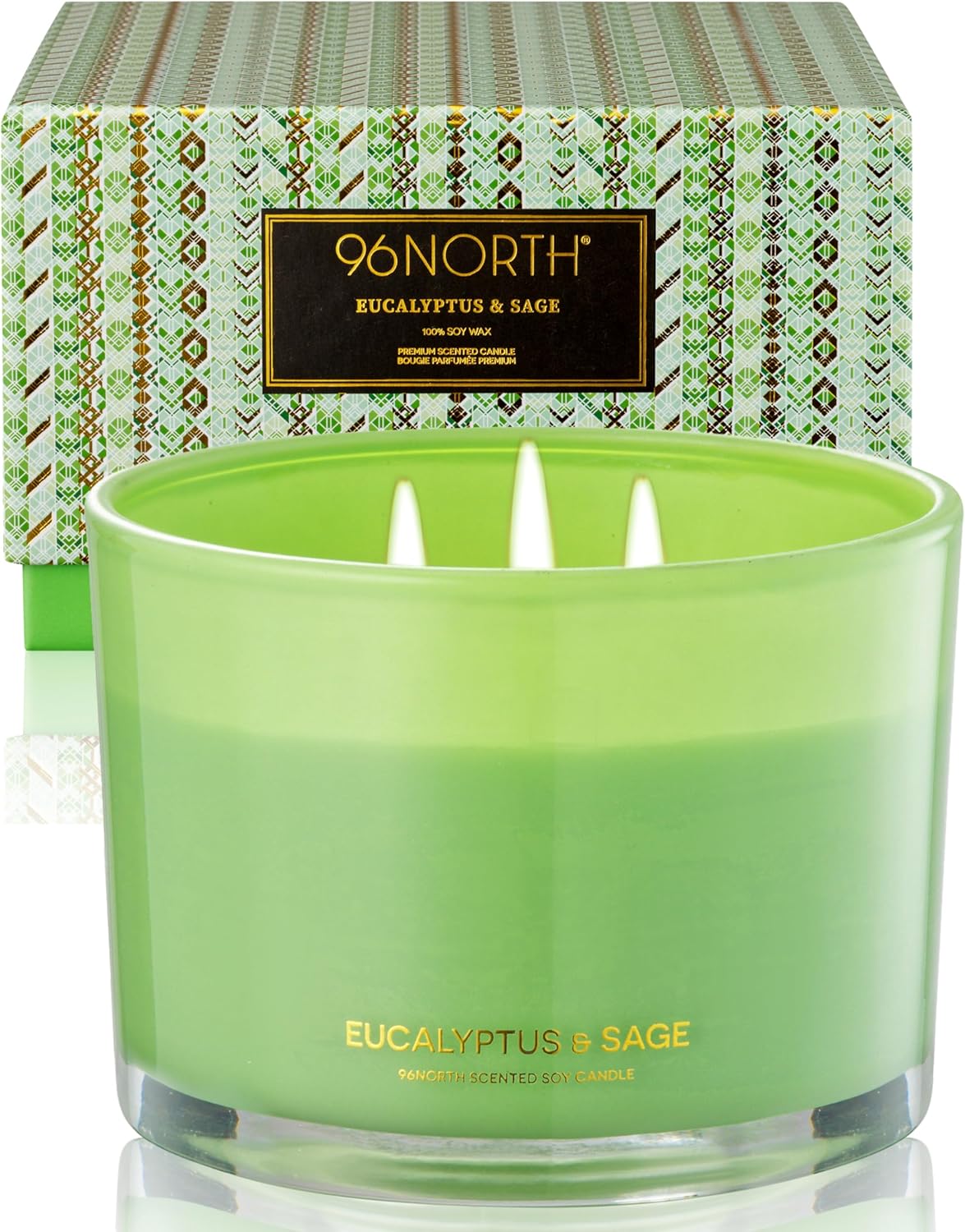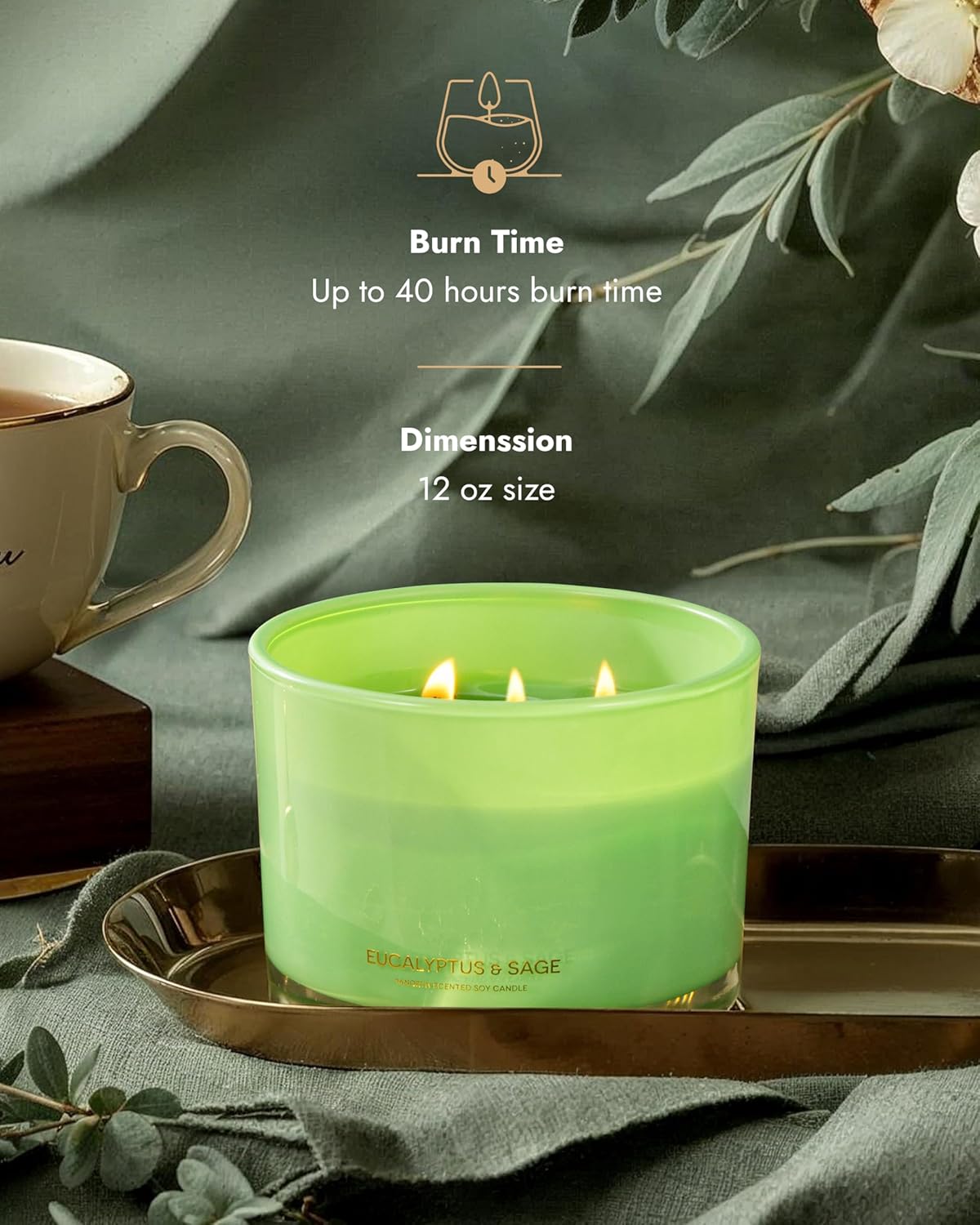

When your home is your office, blurred boundaries and slow starts trap your brain in distraction loops. Building deep focus does not require intense willpower, only association. By practicing scent anchoring for work, you use olfactory conditioning to trigger immediate sensory zoning. This simple desk ritual requires minimal equipment. Our five-step protocol (choose, pair, protect, refresh, and shut down) builds a repeatable start-work habit.
Start with one scent you use only during work sessions.
1. Choose an Exclusive, Work-Only Scent
Effective scent anchoring for work requires strict sensory scarcity. Burning the same lavender fragrance for morning meetings and bedtime confuses your brain. To trigger deep focus, your mind must trust that this specific cue means work only.
Select one fragrance reserved strictly for work. Choose your anchor using two criteria: you enjoy the scent, and it carries no pre-existing memories.
Deploy your scent at your desk using:
-
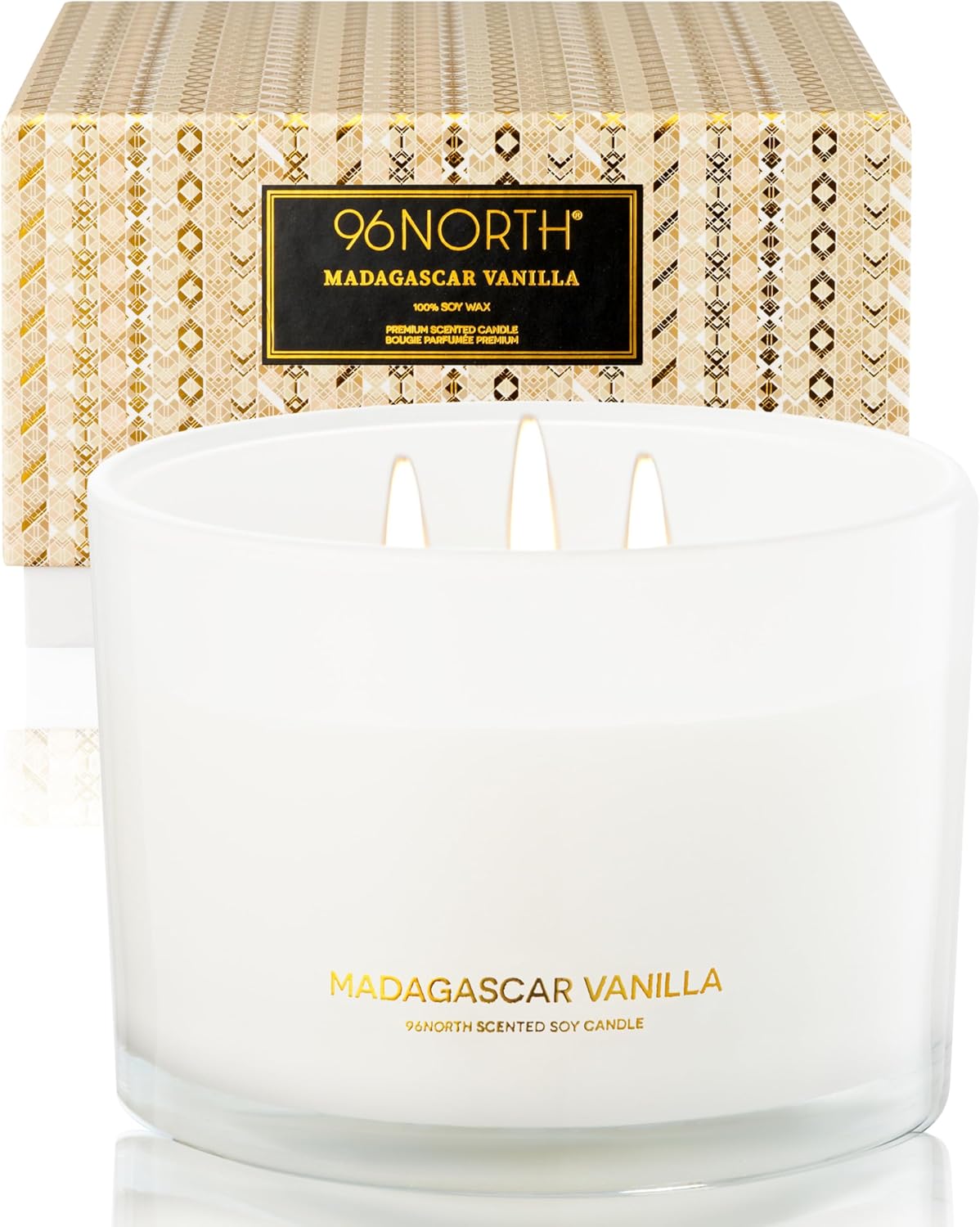
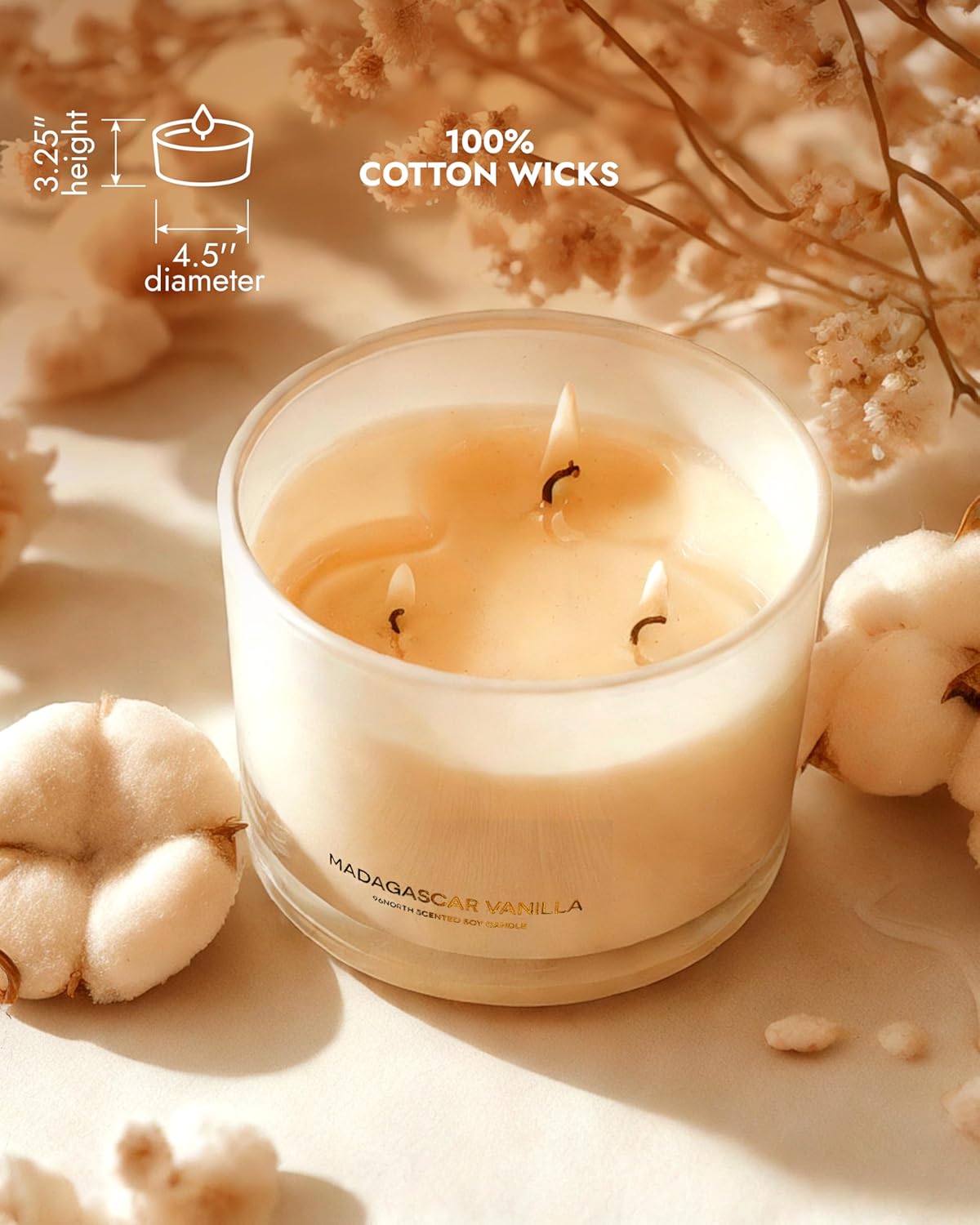
A clean-burning soy candle
-
A wax melt
-
A personal desktop diffuser
Try Roasted Coffee for deep work or Eucalyptus & Sage for clarity. Start light to prevent headaches.
If you are unsure where to start, use this scent-picking guide.

2. Pair Your Anchor with an Immediate Action
Rather than hoping a fragrance passively boosts productivity, you are training a predictable loop. The link between smell and focus works because your olfactory system wires directly into memory pathways. Repeated pairing builds an automatic neural shortcut.
Pair your scent with one immediate action:
-
Open your daily task list
-
Start a 25-minute Pomodoro timer
-
Put on noise-canceling headphones
Light your candle, perform the action, and start working within two minutes. Avoid lighting it during transitional moments like scrolling social media. Choose a grounding aroma that helps you mentally arrive at your desk, and maintain this exact loop for 7 to 10 sessions to condition the response.
3. Treat Scent as a Signal, Not Wallpaper
Why does your focus aroma seem to vanish after thirty minutes? When you burn a candle all day, your brain adapts, causing nose-blindness that strips your work cue of its physiological punch. To master scent anchoring for work, treat fragrance as a sharp signal rather than passive wallpaper.
Burn your candle for just 10 to 20 minutes at the start of your first Pomodoro session, then extinguish it. Only re-activate this sensory anchor during transition periods, like returning from lunch or starting a new deep-work block. If you stop noticing the aroma quickly, shorten your burn window to prevent sensory fatigue. To avoid candle tunneling during these short burns, choose clean-burning soy candles that pool quickly and evenly.
4. Pivot to an "Off" Scent to Signal the Evening
When working from home, professional tasks often bleed into your evening, leaving you in a state of constant alertness. Using a distinct "off" scent acts as scent anchoring for work, helping your brain downshift and reducing post-work rumination. Choose an evening fragrance from a different family than your daytime scent to establish a clear sensory boundary.
Establish a daily shutdown protocol at the same time each day. Close your laptop, complete a two-minute desk tidy, and burn your wind-down scent for ten minutes. If you live with others, communicate this routine to prevent scent conflicts from disrupting your peace.
Try these transition pairings:
-
Work: Eucalyptus & Sage | Off: French Lavender
-
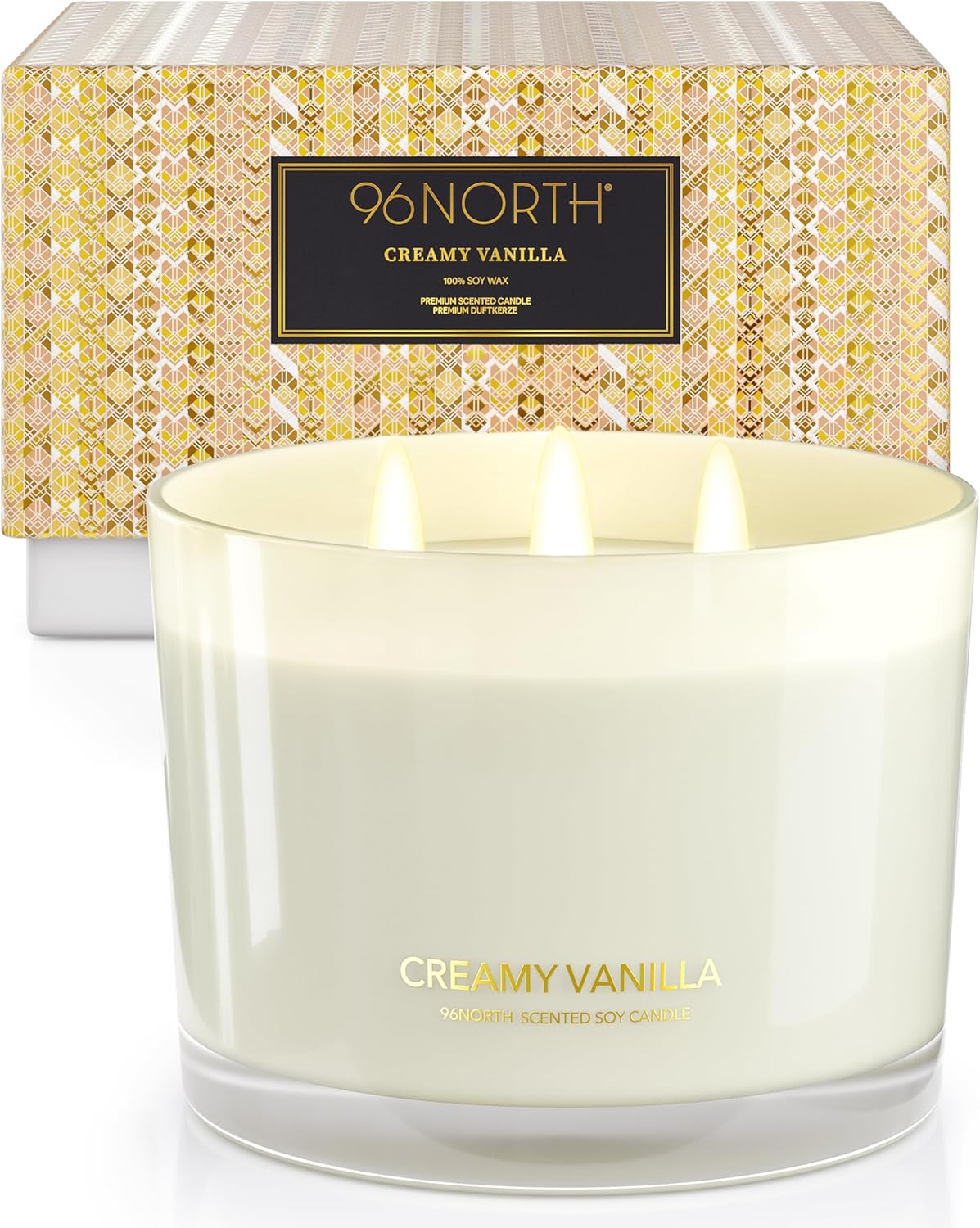
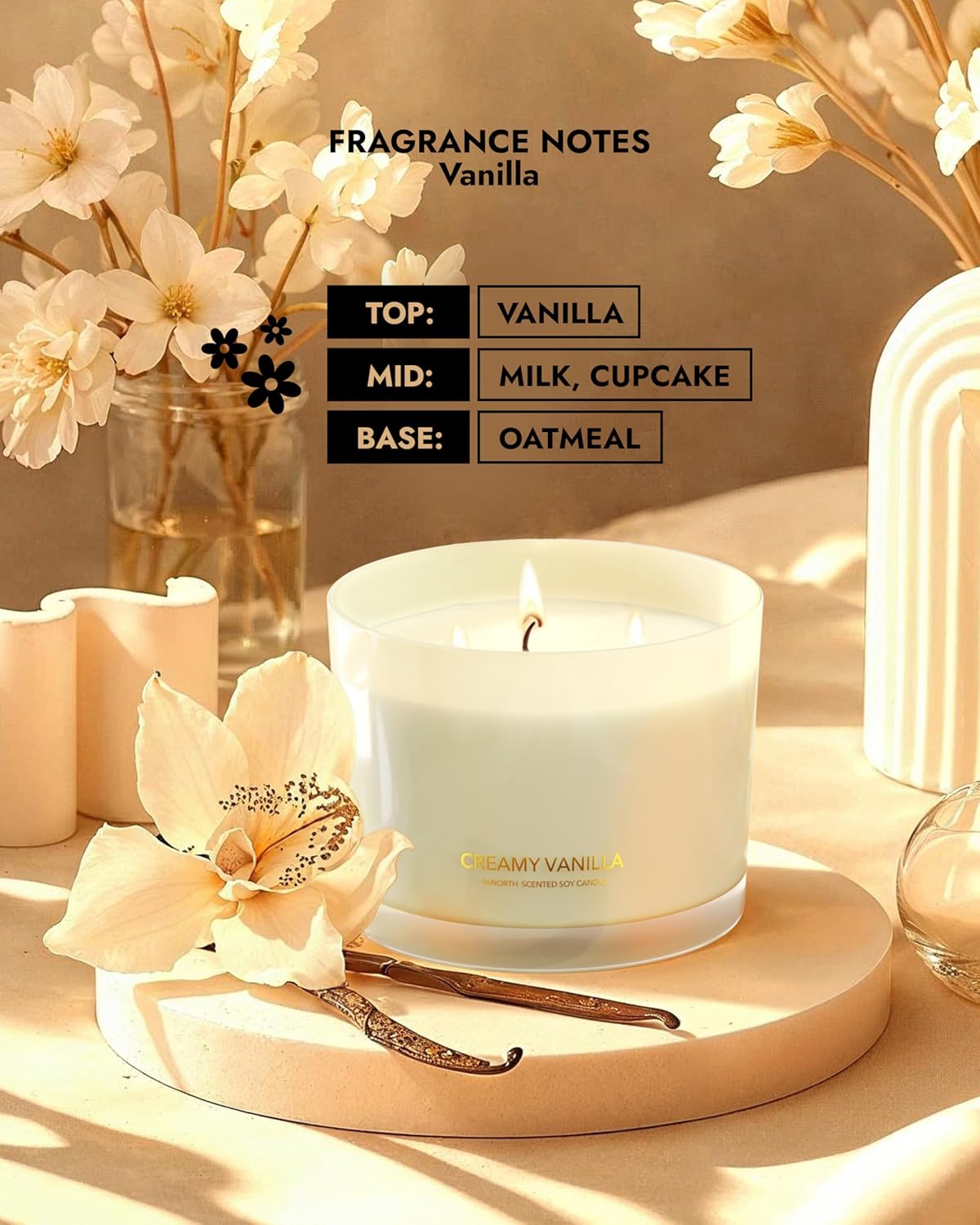
Work: Nordic Pine | Off: Creamy Vanilla

5. Respect Shared Air with Desk-Level Alternatives
Scent anchoring for work requires sensory boundaries when sharing a space. Your focus ritual should never trigger a colleague's headache or a roommate dispute.
Maintain workplace etiquette with this quick checklist:
-
Ask before diffusing in shared rooms.
-
Keep fragrance intensity low during client video calls.
-
Open a window to maintain steady ventilation.
When large three-wick candles are impractical, pivot to low-output alternatives at desk level. Use wax melts, personal desk diffusers, or compact tea-light candles for shorter, self-contained work sessions.
Match your olfactory anchor to your daily schedule:
-
Client Call Days: Use a personal, close-to-the-body roll-on scent.
-
Deep Work Blocks: Burn your standard anchor candle in a controlled room.
6. Troubleshoot and Reset Your Olfactory Anchors
If you light your workday candle only to procrastinate, or if the scent feels invisible or reminds you of leisure, your sensory anchor has fractured. This is "extinguishing." When you burn a focus scent during weekend downtime, your brain stops associating the aroma with active output.
Restore your mental boundary with this reset checklist:
-
Re-commit to exclusivity: Burn the scent only when actively producing.
-
Shorten exposure: Use it for just ten minutes as an initial starting cue.
-
Change the paired task: Anchor it to an easy, highly specific action.
-
Swap scent families: Transition to a new profile if the original association is contaminated.
Give your reset a ten-session window before abandoning the routine.
7. Design a Portable Work-Only Zone
When your office shifts from the kitchen island to the couch, your brain struggles to find focus. Implementing scent anchoring for work helps you build a frictionless, portable "work-only" zone.
Keep your sensory anchor directly with your essential work tools:
-
Your daily planner
-
A dedicated pen
-
A visual timer
Only uncap or light the candle when you sit down to work. Pair this with one consistent "start ritual" object, like a custom matchbook or a specific playlist. If you move spaces throughout the day, keep this kit portable or place duplicates in your favorite rooms. Treat the aroma as a sensory boarding pass: where do you want to work today?
Explore aromatherapy-style options for your desk kit.
Frequently Asked Questions
Does scent anchoring for work actually work, or is it a placebo?
Scent anchoring is based on classical conditioning, not magic. Your olfactory system links directly to brain regions controlling memory and emotion. By pairing a focus aroma exclusively with deep work, you create an automatic neural shortcut. Success depends entirely on consistency and strict exclusivity.
How long does it take to build the association?
Most people establish a strong sensory anchor within 7 to 10 consecutive work sessions. The number of consistent pairings matters more than calendar days. If you burn your workday candle only when active, your brain will build the focus shortcut in one to two weeks.
What if I get headaches or am sensitive to fragrances?
If you are sensitive, start with a subtle fragrance, shorten your exposure to five minutes, and keep your space well-ventilated. Choose clean-burning, phthalate-free soy wax candles to prevent irritation. Stop immediately if you feel discomfort, and switch to smaller desktop wax melts.
Is it safe to use candles around pets, kids, or roommates?
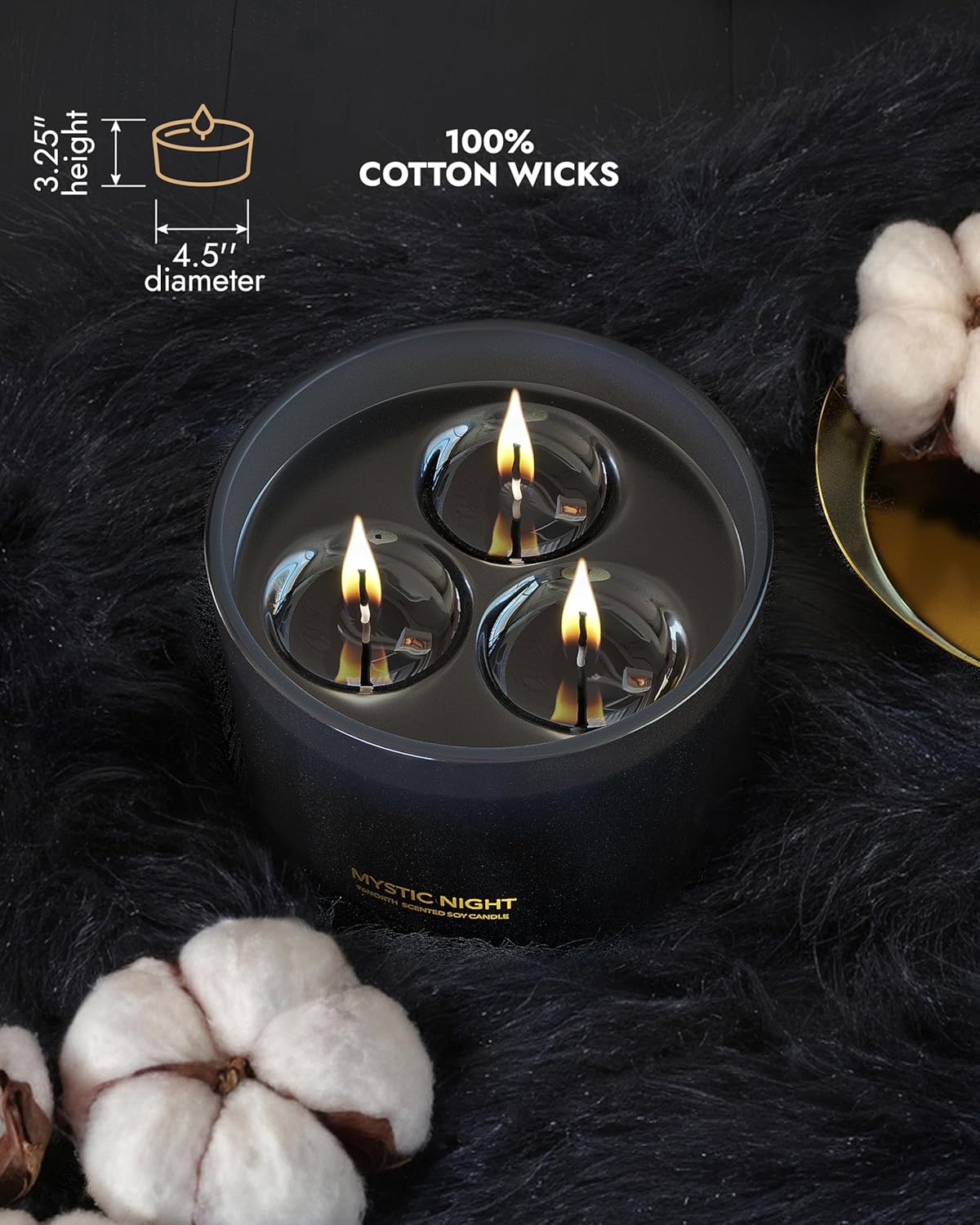
Yes, but shared spaces require caution, consent, and steady ventilation. Always use clean, lead-free cotton wicks to protect indoor air quality. If others are sensitive to scent, pivot to low-output desktop alternatives like a tea light or a personal wax warmer.
What is a good starter scent for focus?
Choose an energizing scent you enjoy that carries no pre-existing memories. Herbal notes like eucalyptus or wake-up aromas like coffee are perfect. For help finding your ideal workspace match, read our guide on how to choose a candle scent.
Elevate your daily routine by choosing your next "work-only" ritual companion at 96NORTH today.