
Your laptop is closed, but your mind is still racing. To switch off, your brain needs a physical cue.
Candle therapy acts as an intentional routine signal, combining warm light, soothing scent, and quiet attention to trigger deep relaxation. While not a clinical medical treatment, this supportive wellness practice helps ease daily stress. Here is the science behind sensory grounding, a repeatable evening ritual, and the essential safety basics you need to restore your peace.
1. Understanding Candle Therapy: Cueing the Brain to Rest
You cannot simply order your brain to stop scanning for threats. Candle therapy is a repeatable ritual pairing a distinct scent cue with a low-stimulation visual environment. By anchoring your awareness to a steady flame, you nudge your attention away from digital screens.
This practice is a form of sensory grounding, not a medical cure or a guaranteed cortisol fix. While not a clinical treatment, this deliberate sensory shift may support relaxation by signaling to your nervous system that it is safe to transition into rest.
2. The Science of Scent: Direct Access to Calm
Your sense of smell connects directly to the brain regions governing emotion and memory, bypassing complex processing to shift your mental state rapidly. When chronic stress elevates physiological arousal and cortisol levels, a familiar, soothing scent acts as a grounding sensory brake.
While candle therapy is not medicine, pairing clean fragrances with an intentional evening routine supports a healthier stress response over time. To understand how these olfactory pathways interact with your environment, read our guide on how scented candles work.
3. The Consistency Rule: Choosing Your Evening Scent Anchor
Effective candle therapy relies on predictability, not random sensory stimulation. To train your brain to rest, burn one consistent scent during your nightly routine.
Select a profile based on your personal preference:
-
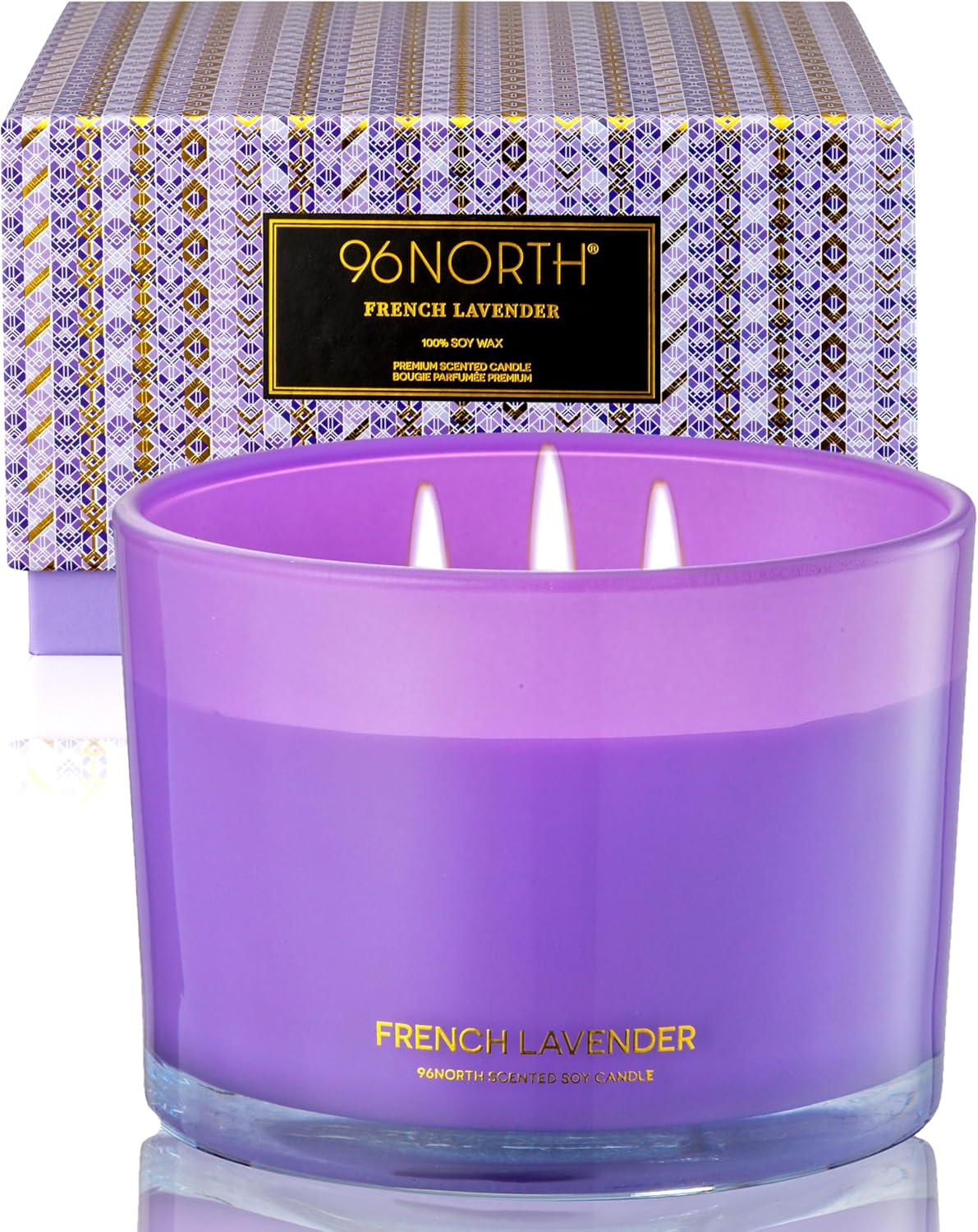
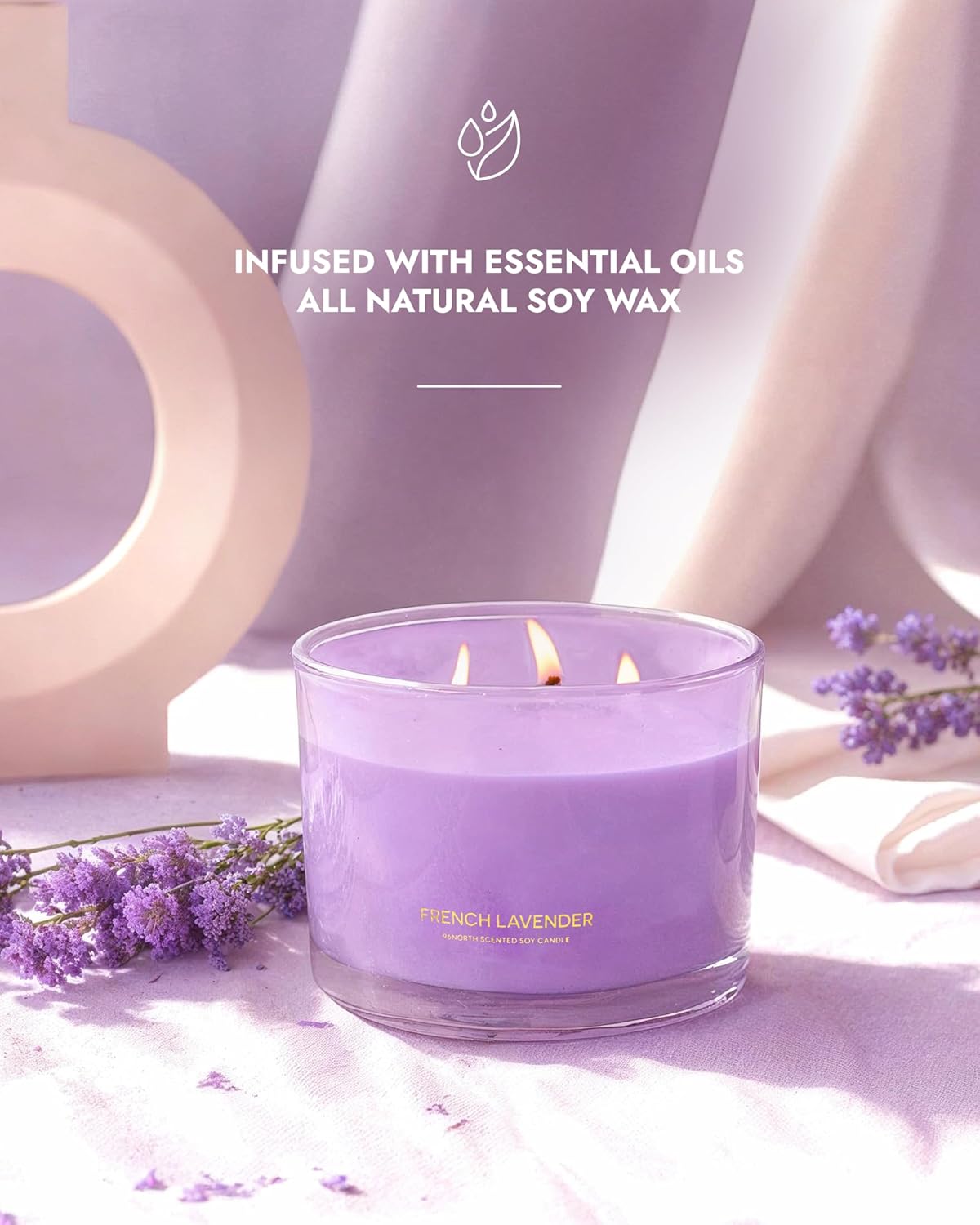
Floral & Herbal: French lavender
-
Woody: Grounding Nordic pine or palo santo
-
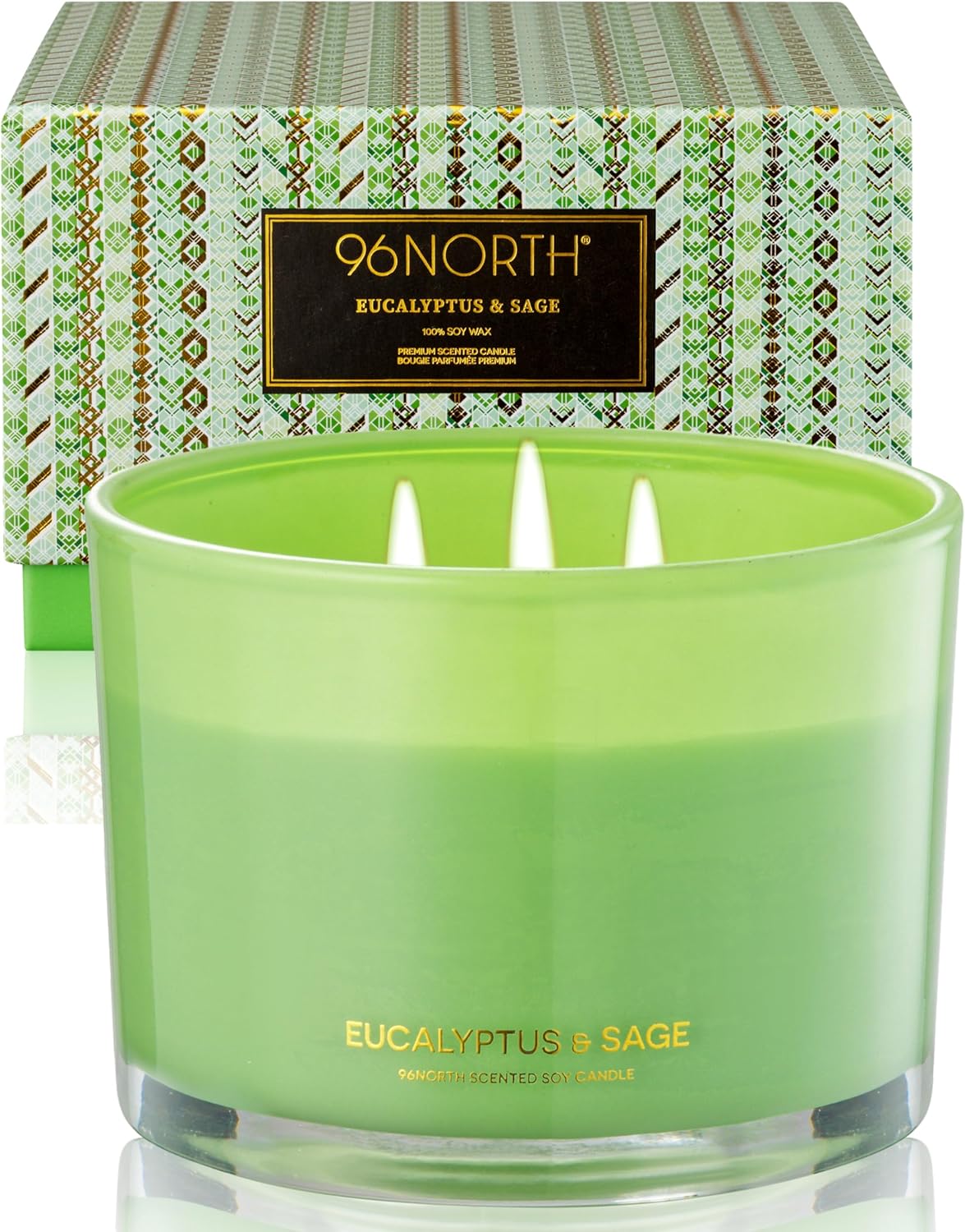
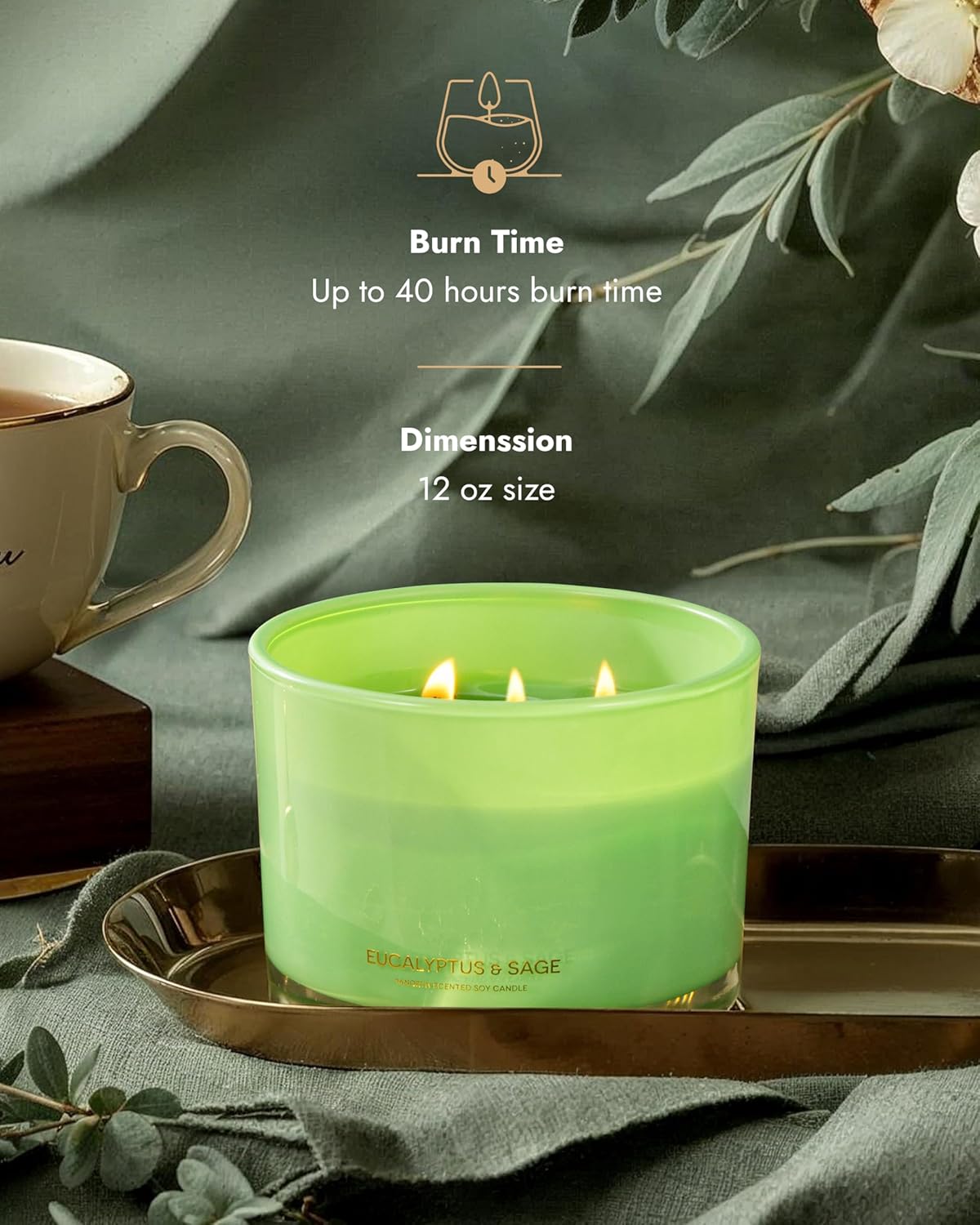
Aromatic: Restorative eucalyptus and sage
-
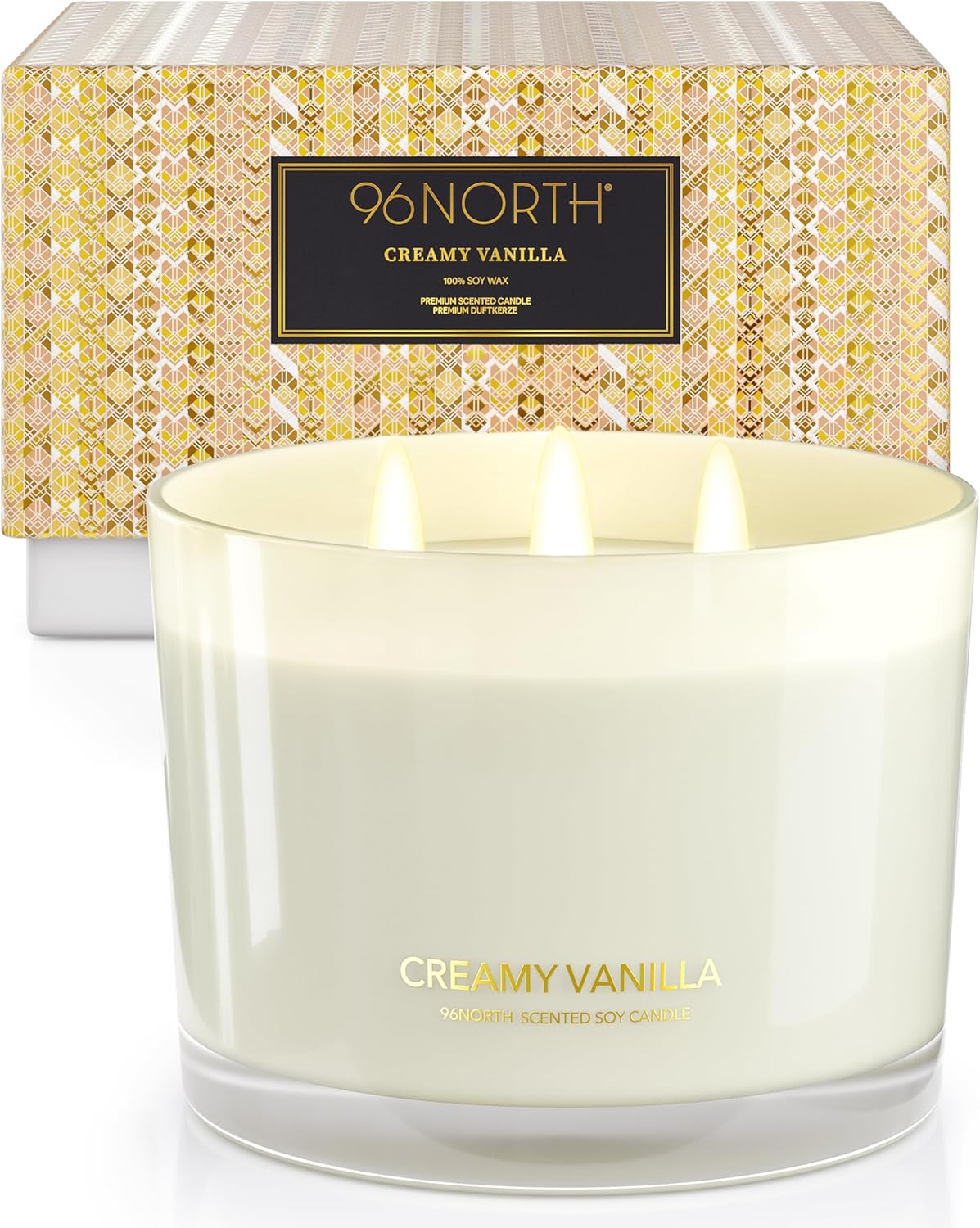
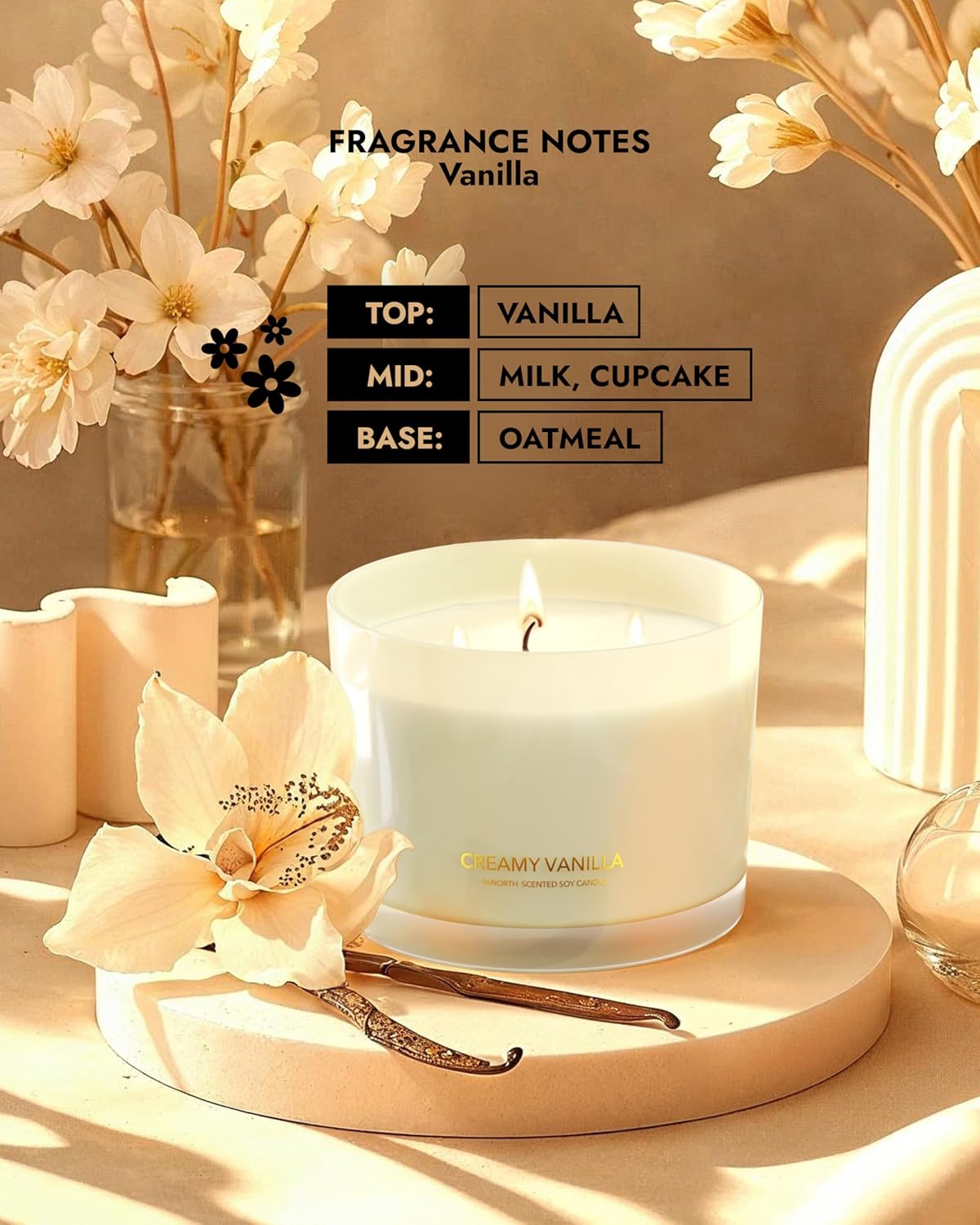
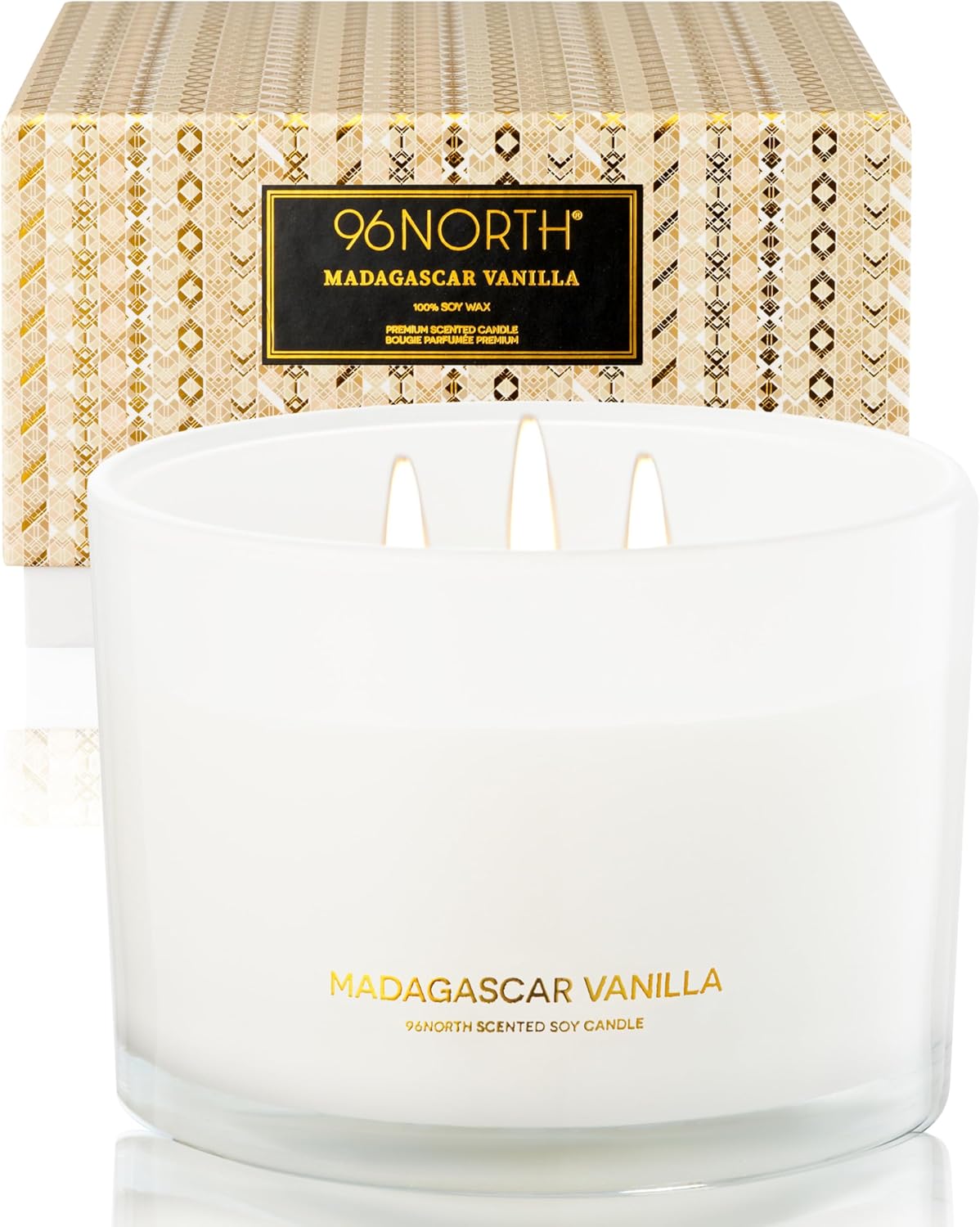
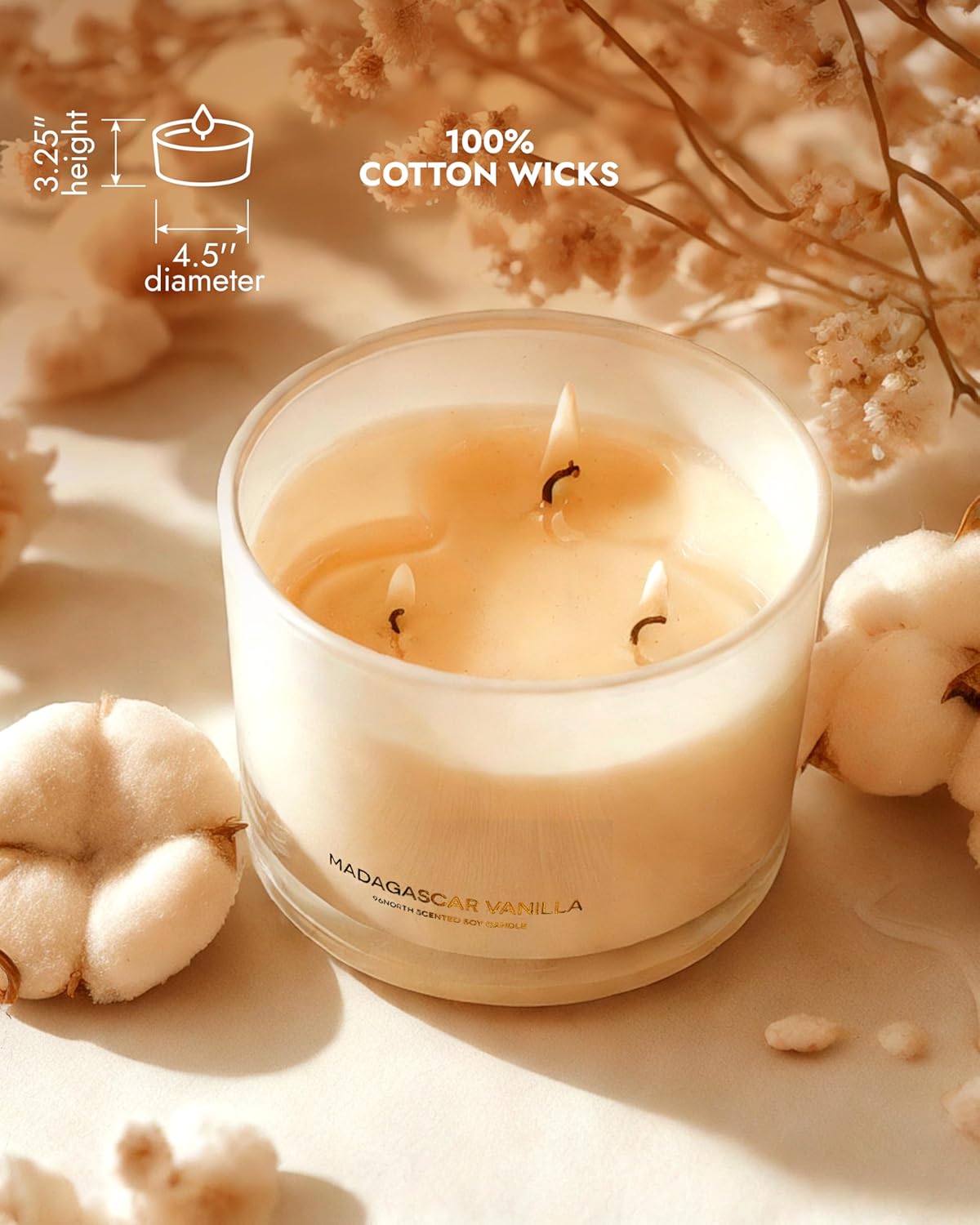
Soft Gourmand: Comforting Madagascar vanilla
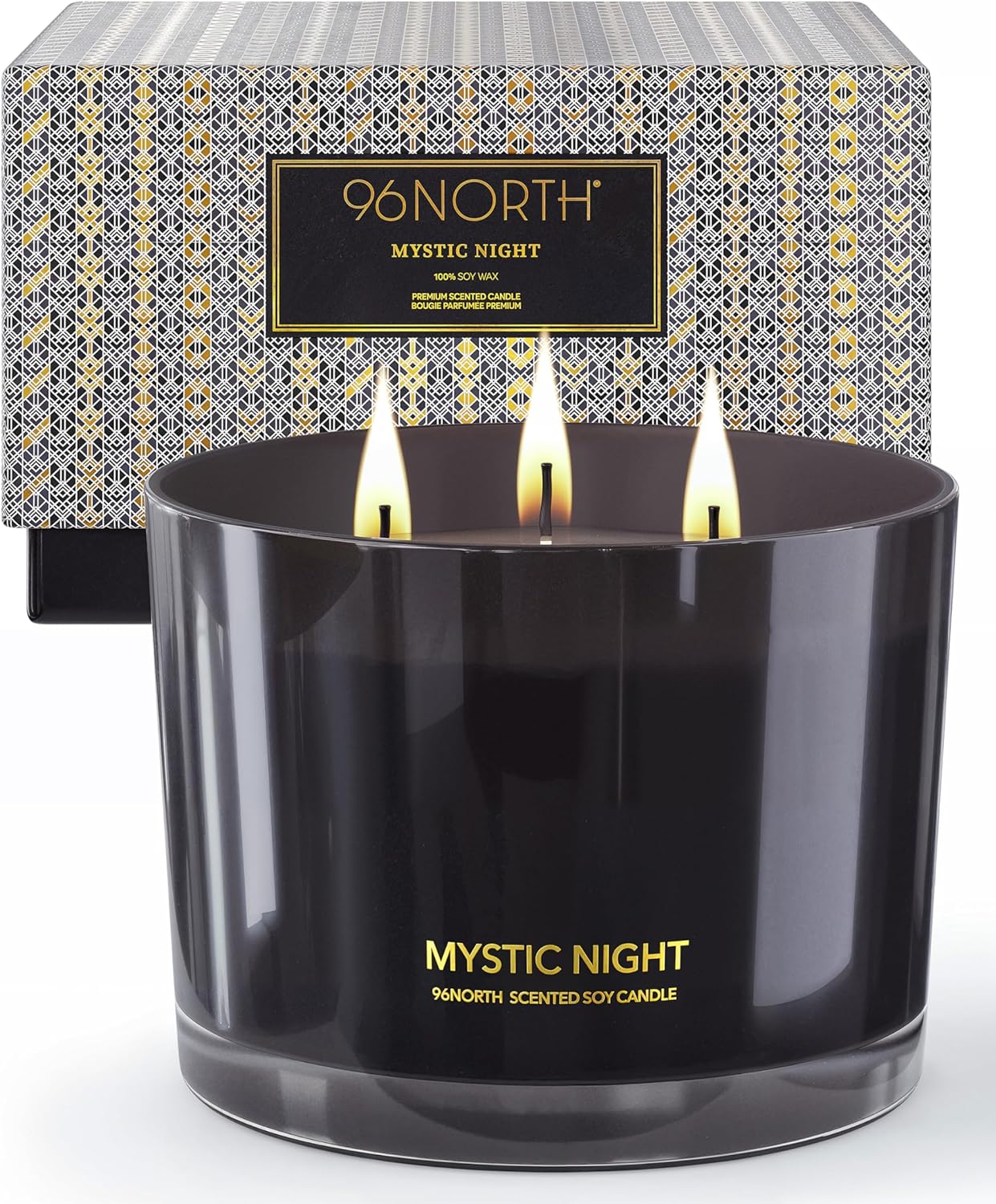
To protect your indoor air quality, explore the non-toxic, 100% soy options in the Pure Collection to build your low-tox sanctuary.

4. Building the Routine: Creating Your Downshift Sequence
To turn vague self-care into a repeatable habit, anchor your candle therapy to an existing daily trigger. Light your candle first when you:
-
Shut your work laptop
-
Step out of the shower
-
Finish your evening meal
Next, prepare the physical environment. Dim the overhead lights, place your phone facedown, and keep the space quiet. Within weeks, your brain associates this sensory cue with being off-duty, automating your transition from high-beta stress to deep evening recovery.
5. Candle-Gazing: A Five-Minute Focus Reset
As a gentle introduction to candle therapy, candle-gazing trains your attention without requiring advanced meditation experience.
To practice:
-
Sit comfortably and gaze softly at the flame for 30 to 60 seconds.
-
Close your eyes for 10 to 20 seconds, visualizing the afterimage.
-
Repeat this cycle for five minutes.
Keep it gentle. Stop if your eyes feel irritated, and skip this optional step if it feels uncomfortable. This simple single-tasking exercise builds healthy attention control and dials down mental noise.
6. Breath Alignment: Pacing Your Mind with the Flame
To quiet mental chatter, use the candle flame as a visual metronome to anchor your focus and trigger physiological rest.
Choose one simple breathing pattern:
-
Box Breathing: Inhale, hold, exhale, and hold for four seconds each. Repeat for four rounds.
-
4-6 Breathing: Inhale for four seconds, then exhale for six. Repeat for ten breaths.
Anchor your gaze on the steady light as you breathe. Close the practice by stating a single sentence of intent: "I’m done for today."
7. Sensory Zoning: Dividing Work and Rest at Home
When your living room doubles as your office, use candle therapy to partition your day. Establish two strict scent cues: burn a "workday focus" candle at your desk, and reserve an "off-duty calm" candle for evenings.
When closing your laptop, execute this transition sequence:
-
Light the calm candle
-
Do a two-minute desk tidy
-
Wash your hands or change clothes
This habit stack does not lower cortisol instantly. Instead, it triggers a purposeful transition, signaling your brain to rest.

8. Safe Burning: Mindful Care for Cleaner Air
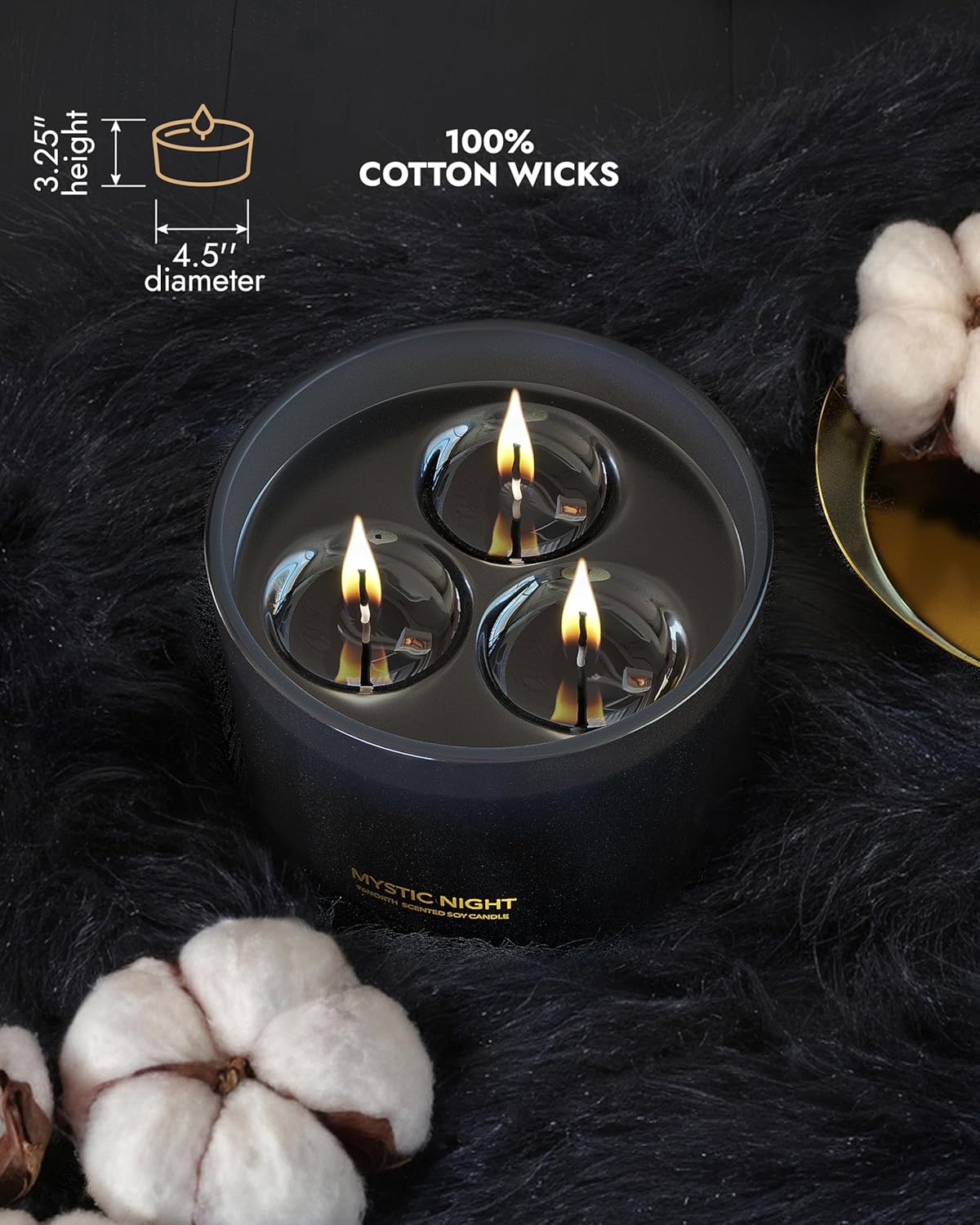
Effective candle therapy shouldn't compromise your indoor air. Protect your sanctuary by choosing clean-burning soy wax and lead-free cotton wicks, always trimming the wick to a quarter-inch before lighting to eliminate soot.
To maintain optimal air quality:
-
Crack a window in smaller rooms for gentle ventilation.
-
Avoid burning candles in tightly closed spaces.
-
Burn until the wax melts completely to the edges to prevent tunneling.
Limit sessions to two hours. Treat your candle as an intentional wellness ritual rather than an all-day background fixture.
9. Measuring Your Calm: The Ten-Minute Scent Check
You do not need clinical trials to prove if candle therapy works. Instead, use this simple seven-day tracking method to measure your personal progress.
Before lighting, rate your stress from 1 to 10 and name your dominant feeling:
-
Wired
-
Overwhelmed
-
Tired
After ten minutes, rate your stress again and note physiological changes:
-
Slower, deeper breathing
-
Dropped, relaxed shoulders
-
Quieter mental chatter
If your baseline does not improve, adjust your scent selection or timing. Sensory rituals should always support you, never feel like a chore.
Frequently Asked Questions
Is candle therapy the same as aromatherapy?
While both use scent intentionally to influence mood, candle therapy adds a visual component. Aromatherapy focuses strictly on olfactory stimulation. Candle therapy pairs a clean scent with a soothing flame and a deliberate pause in your attention. For a deeper explanation, read our guide on how scented candles work.
Can lighting a candle really reduce cortisol?
A candle is not a medical cure and cannot guarantee a direct drop in cortisol. However, an intentional sensory routine supports natural stress regulation. Because individual responses vary, track your own before and after feelings. If stress feels unmanageable, please seek professional support.
How long should I burn a candle for relaxation?
A ritual window of 10 to 30 minutes is ideal for a mental reset. You can burn it longer for ambience, but always ensure the wax melts completely to the edges to prevent tunneling. Treat your candle as an intentional wellness tool, not an all-day diffuser.
What is the safest way to choose a candle for daily use?
Select candles made with clean, simple materials like natural soy wax and lead-free cotton wicks, and always keep rooms well-ventilated. To find routine-friendly options for your home, explore our clean-burning Pure Collection, or learn about botanical origins in our scented candle history timeline.
Where should I start if I want candle therapy to become a routine?
Choose one scent, one specific evening time window, and one simple breathing pattern, then repeat this sequence for seven days. To find a clean, therapeutic blend designed to serve as your daily ritual companion, explore our full collection at 96NORTH.