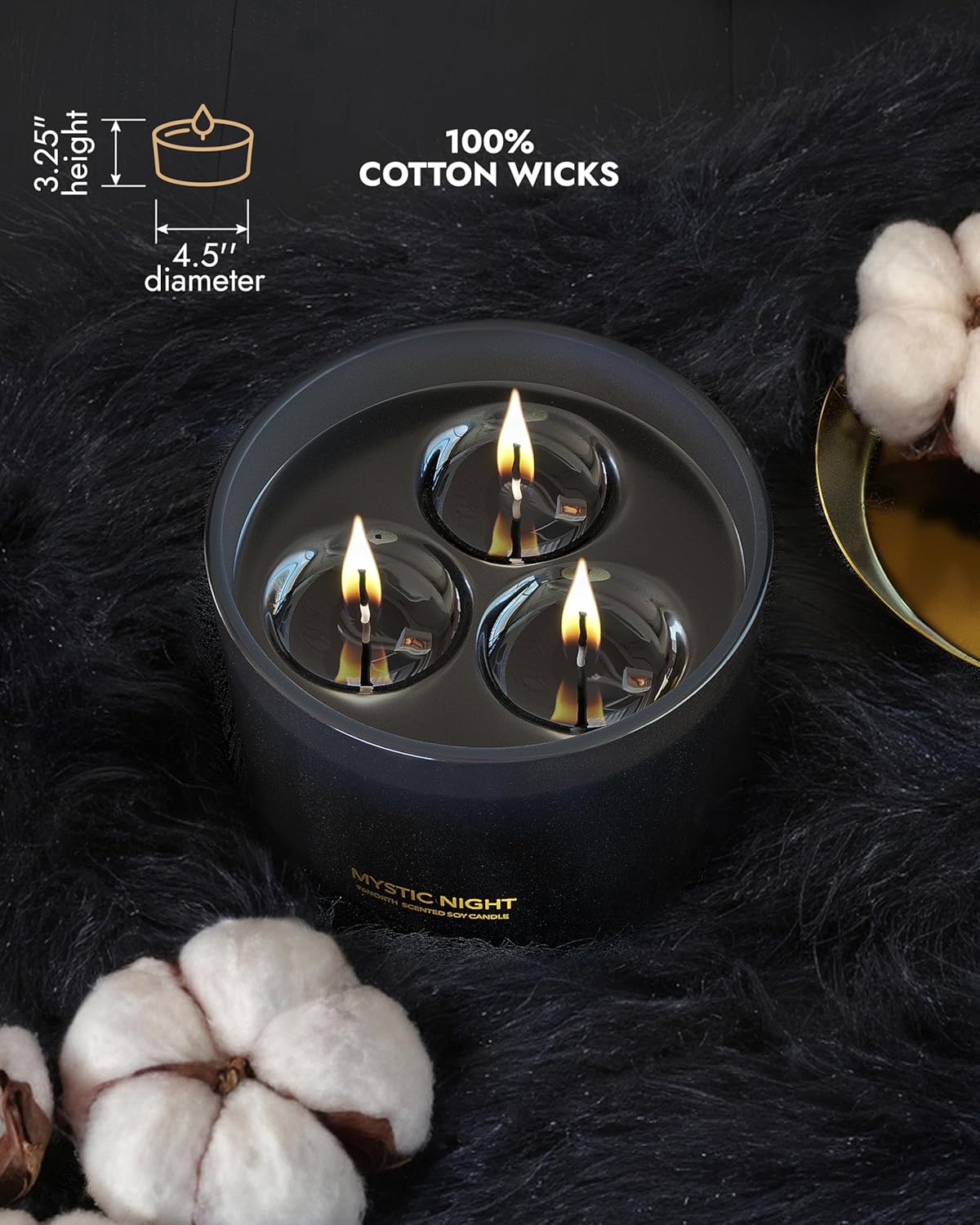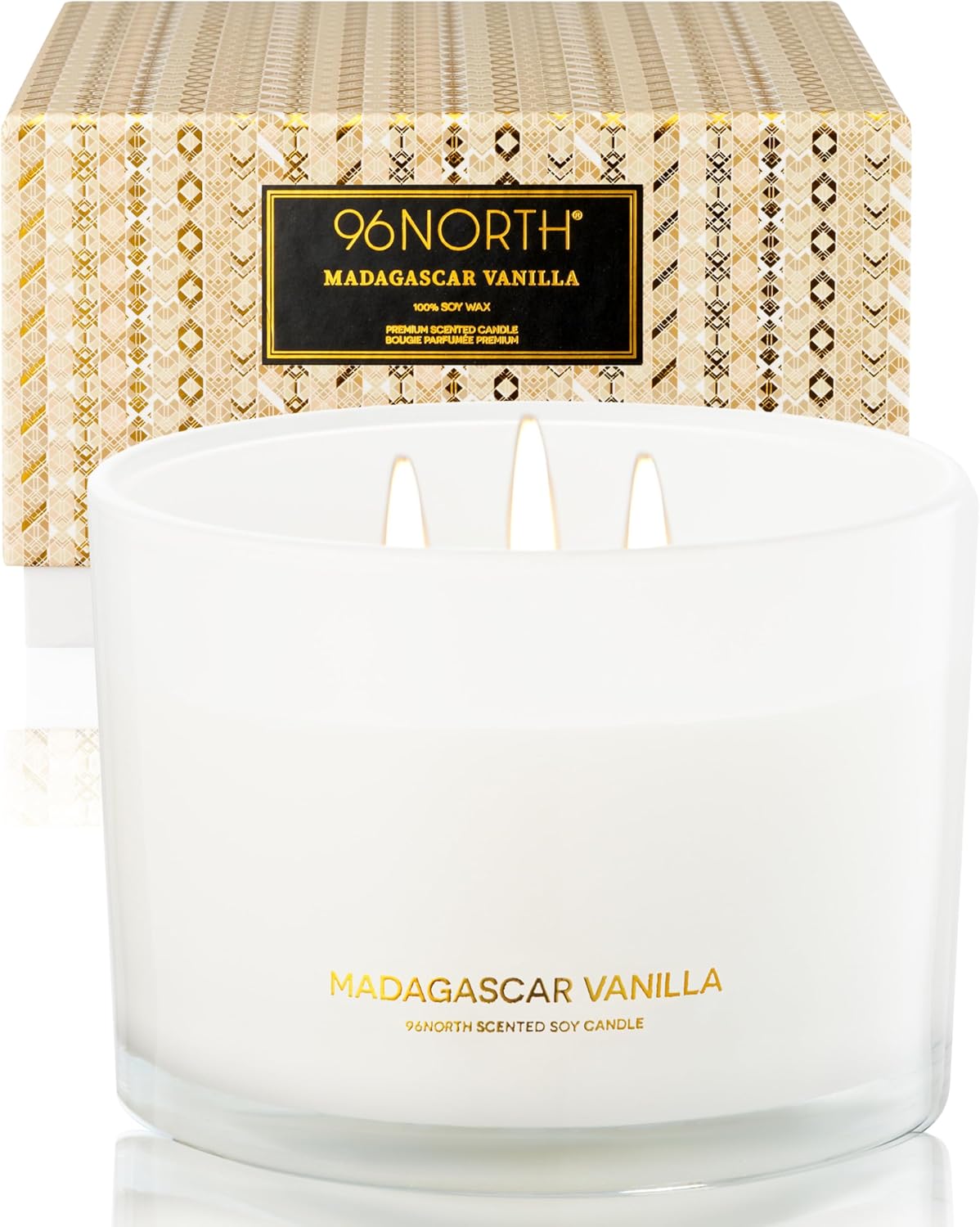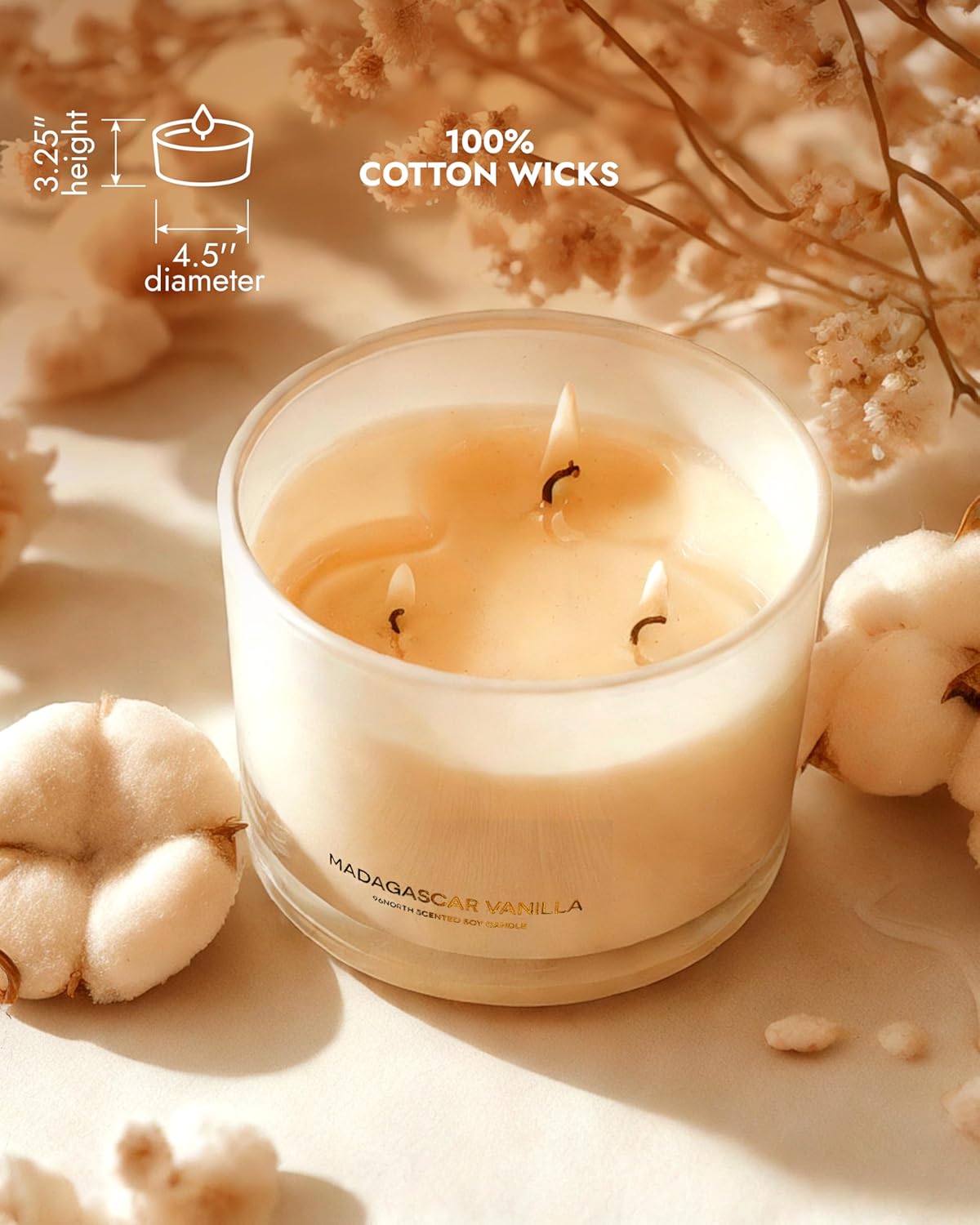

Because pets live closer to the floor, their sensitive lungs absorb smoke long before we do. If you are wondering are soy candles safe for pets, the answer is yes, but clean wax is only half the battle.
You do not have to banish home fragrance. Our vet-aligned guide covers fragrance loads, soot, ventilation, and warning symptoms. Here is how to protect your family, starting with what soy wax actually solves.
1. Choose 100% Soy Wax as Your Clean-Burning Baseline
Soy wax is plant-based and commonly chosen for a lower-soot experience compared to many paraffin options, making it a helpful foundation for pet households. However, a soy label alone does not automatically guarantee a candle is low-VOC, unscented, or entirely non-irritating. Even a clean, soot-free wax can still bother a sensitive dog or cat if burned in a small, closed room without proper airflow.
To protect your pet’s sensitive respiratory system, check labels for:
-
100% pure soy wax, avoiding undisclosed paraffin blends
-
Transparent fragrance disclosures, specifically highlighting phthalate-free formulas
-
Lead-free cotton or comparable clean-burning wicks
Treat clean soy wax as your essential baseline. Once you secure this pure foundation, you can confidently customize your home's sensory environment by evaluating the specific scent profile, choosing safe wicks, and keeping a door cracked to ensure your pets enjoy a peaceful, worry-free sanctuary.

2. Recognize That "All-Natural" Essential Oils Can Still Risk Pet Health
Many pet parents swap synthetic fragrances for essential oils, believing "natural" automatically means safer. In reality, concentrated botanicals can actually be far more hazardous to sensitive dogs, cats, and birds. Treat any strong aroma, whether natural or synthetic, as a potential respiratory irritant; the dose and room airflow are what matter most.
To protect your pets, avoid these high-caution scent profiles:
-
Minty or medicinal notes like tea tree, peppermint, or eucalyptus
-
Heavy camphor-like families and sharp, resinous wood tones
-
Intense citrus notes that mimic harsh commercial cleaning agents
-
Single-note therapeutic claims that utilize highly concentrated oils
Instead, choose lighter, balanced soy candle blends that do not overpower small spaces. Consider rotating to lower-intensity seasonal scents rather than burning stronger candles for hours. Always consult your veterinarian if you have a pet with pre-existing asthma or allergies to ensure your relaxing aromatic rituals remain a safe haven.
3. Watch the Wick to Prevent Pet Respiratory Irritation
Because cats and dogs live closer to the floor, they inhale heavy soot particulates that settle downward before we notice them. A smoky candle does more than stain walls; it directly irritates sensitive pet airways.
To ensure safe air quality, prioritize a healthy burn. This looks like:
-
A steady, calm flame without wild flickering
-
Minimal visible smoke
-
Glass walls free of black soot residue
Maintain this environment by keeping wicks short. Pinch or snip the wick before every light. Watch the flame for the first ten minutes; if you see wisps of smoke, extinguish it, trim the wick, and relight.
Always purchase candles that clearly list lead-free cotton wicks and maintain full ingredient transparency. If you are looking for transparent, wellness-first fragrance as part of a calming routine, explore 96NORTH here to discover clean, pet-safe scented candles.

4. Prioritize Airflow and Practice "Intentional Burns"
Even clean soy candles introduce natural compounds into the atmosphere. Proper ventilation transforms a heavy, concentrated scent into a gentle, pet-safe ambiance. Maintain healthy indoor air quality with this simple setup:
-
Burn candles in spacious, open rooms rather than cramped spaces.
-
Keep doors open, run the HVAC fan, or crack a window.
-
Never burn candles in a closed bedroom with your pet trapped inside.
Practice "intentional burning" by extinguishing your candle after one to two hours instead of letting it run all day. This keeps the scent throw subtle and safe.
Watch your pet closely for concrete signs of respiratory irritation:
-
Sneezing, coughing, or watery eyes
-
Face-pawing, drooling, or excessive licking
-
Pacing, restlessness, or hiding
-
Rapid breathing or wheezing
If you observe these signs, immediately extinguish the flame, ventilate the room, and move your pet to fresh air. Consult your vet if symptoms persist or breathing changes.
5. Elevate Your Placement and Know the "Wax Mishap" Action Plan
Even non-toxic soy candles require strategic placement to outsmart curious paws and happy, wagging tails. Burn candles only on stable, non-tippable surfaces away from bedding, curtains, and active zoomie pathways. Never leave a burning candle unattended.
For cats, assume vertical access and avoid high shelves they can leap onto. For dogs, avoid floor-level burning and keep candles off low coffee tables that sit at tail-wagging height.
If your pet eats cooled wax or a wick, clear remaining pieces from their mouth and stay calm. Do not induce vomiting unless directed by a veterinarian. Monitor them for 24 hours for:
-
Vomiting or lethargy
-
Abdominal pain
-
Constipation or straining
Contact your veterinarian or a pet poison helpline immediately if they swallowed the wick, ingested a large amount of wax, or show blockage symptoms.
Most incidents are preventable with thoughtful placement and storing cooled candles with their lids securely attached.
6. Tailor Your Scent Ritual to Your Pet's Sensitivity
Pets process scent differently, meaning a single safety rule rarely fits every home. Understanding species-specific biology helps you create a safe, cozy environment for everyone.
-
Birds: Their highly sensitive, efficient respiratory systems require extreme caution. Skip scented candles in their airspace. Burn fragrances only in distant rooms with active ventilation, or choose unscented options.
-
Cats: Felines struggle to metabolize certain compounds and show stress through subtle behavioral shifts. Avoid medicinal or intense cleaner-like scents. Limit sessions, ensure an open exit path, and rotate lighter seasonal candles to prevent sensory overload.
-
Dogs: While generally more resilient, flat-faced breeds and seniors require extra respiratory care. Protect them by using short burn times for rich winter candles instead of all-day sessions.
You do not need a perfect environment to enjoy your space. A few mindful adjustments build a safer, shared sensory ritual.
Frequently Asked Questions
Are soy candles safe for dogs?
Yes, 100% soy candles are generally safer for dogs than traditional paraffin alternatives because they produce significantly less soot. However, they are not automatically safe. To keep your dog comfortable, choose candles with mild, non-toxic fragrances, ensure active airflow, and place them securely out of reach. If your dog coughs, sneezes, or acts restless, extinguish the flame immediately.
Are soy candles safe for cats?
Yes, soy candles are generally safer than paraffin, but cats require extra caution due to their highly sensitive respiratory systems. Avoid burning heavy, medicinal, or sharp citrus scents around them. Keep your burning sessions under two hours, ventilate the space well, and always leave room doors open so your cat can freely exit if the aroma becomes overwhelming.
Are essential oil candles safe for pets?
No, essential oil candles are not automatically safe for pets. While "natural" sounds safer, many concentrated botanical oils are highly toxic to dogs and cats. Safety depends on the specific oil species, concentration, and your pet’s baseline health. Always avoid candle brands that refuse to disclose their fragrance ingredients, as a lack of transparency is a major safety warning.
What are signs a candle is bothering my pet?
Signs that a candle is irritating your pet range from mild watery eyes and sneezing to severe respiratory distress. Mild reactions include face-rubbing or leaving the room. Moderate irritation presents as coughing, drooling, or gagging. If your pet experiences wheezing or rapid breathing, seek immediate veterinary help. Refer to Section 4 above for our complete symptom checklist.
What should I do if my pet ate soy wax?
If your pet eats soy wax, stay calm, secure the remaining candle, and do not induce vomiting unless directed by a veterinarian. While pure soy wax is typically non-toxic, swallowing large chunks or the cotton wick can create dangerous intestinal blockages. Contact your veterinarian immediately if you suspect they swallowed a large amount or show signs of lethargy.
Creating a Safe Home Fragrance Ritual
Choosing soy is a smart, health-conscious step for pet parents. True peace of mind comes when the entire candle, including the wax, cotton wick, and clean fragrance, is formulated with safety in mind. By practicing mindful burn habits and keeping spaces well-ventilated, you can enjoy a beautifully scented home that remains a serene sanctuary. Discover clean-burning, pet-friendly home fragrance options at 96NORTH.