
Waking up with dread, a tight chest, and racing thoughts instantly hijacks your day. Fortunately, building a supportive morning routine for anxiety does not require a perfect, rigid checklist. You only need two or three repeatable cues that tell your nervous system it is safe.
These 10 mix-and-match habits, including emergency resets and coffee-friendly strategies, provide quick somatic relief. While not a medical substitute for professional care, they offer easy wins. We begin with the fastest physical reset.
1. The 2-Minute Bedroom Somatic Reset
When morning dread strikes before you leave the covers, you need an immediate, low-energy morning routine for anxiety. This protocol stops spiraling panic when you lack the bandwidth for a complex ritual.
Perform this two-minute sensory reset from bed:
-
Breathe: Take three physiological sighs. Inhale deeply, take a quick top-up inhale, then release a slow exhale.
-
Ground: Plant your feet. Press your toes down for 10 seconds, release, and repeat three times.
-
Orient: Name five things you see and four you feel, like your warm blanket or the floor.
If you are too shaky to stand, stay seated and repeat: "My body is alarmed; I am not in danger."
2. Anchor Your Cortisol Awakening Response with Light
Waking up with sudden, unprompted dread is a biological event called the Cortisol Awakening Response. Your body naturally spikes cortisol to wake you up, but chronic stress turns this hormone surge into immediate chemical panic.
The most effective anchor for your morning routine for anxiety is light. Within 30 minutes of waking, step outside or sit by a bright window for two to ten minutes while taking five slow, app-free breaths. If it is gloomy, simply open your blinds and turn on bright indoor lights. Focus on consistency over perfection.
3. "Body First, Phone Second" to Stop Morning Spikes
Checking your phone immediately floods your brain with stress. Skip the unrealistic digital detox and adopt the "body first, phone second" rule to anchor your morning routine for anxiety.
Before opening screens, complete one 60-second somatic cue:
-
Place hands on chest and belly for six slow exhales.
-
Do 10 slow shoulder rolls.
-
Run warm water over your hands for 30 seconds.
This trains your brain to self-regulate before absorbing external stressors. Leave your phone across the room or on airplane mode overnight to make this effortless.

4. Hydrate First to Quiet Physical Panic
Waking up with a dry mouth and rapid heart rate can feel like panic, but your nervous system may simply be dehydrated. Drink an 8 to 16-ounce glass of water before checking email or news as the foundation of your morning routine for anxiety.
If morning nausea makes gulping difficult, take three small sips every minute for five minutes. Hydration quiets physical sensations that masquerade as anxiety. Make it automatic by keeping a refilled water bottle by your bed every night.
5. Discharge Tension with 3-Minute Low-Pressure Movement
While you might feel the urge to sweat out your panic, intense cardio spikes cortisol. Instead, add a low-pressure somatic discharge to your morning routine for anxiety.
Choose one 3-minute option:
-
A slow walk around your home.
-
Cat-cow stretches transitioning into child’s pose.
-
Marching in place while shaking out your arms.
You are not working out; you are signaling safety to your body. If you feel highly keyed up, choose slower movements and longer exhales to release anxious energy.
6. Adjust Your Coffee Ritual Without Giving It Up
You do not have to abandon coffee to support your morning routine for anxiety. Instead of quitting cold turkey, try one gentle adjustment:
-
Delay: Wait 60 to 90 minutes after waking to let cortisol settle.
-
Downshift: Sip slower, choose half-caf, or use a smaller cup.
-
Pair: Drink water first and eat a small snack.
For a comforting swap, try decaf or herbal tea. Track your anxiety levels (0 to 10) for seven days to adjust your routine based on data, not guilt.
7. Pair a Morning Scent with a Somatic Anchor
Scent bypasses the logical brain to instantly signal safety, making it a powerful tool for your morning routine for anxiety. Use a consistent sensory cue during your first 5 to 10 minutes of:
-
Journaling
-
Hydration
-
Deep breathing
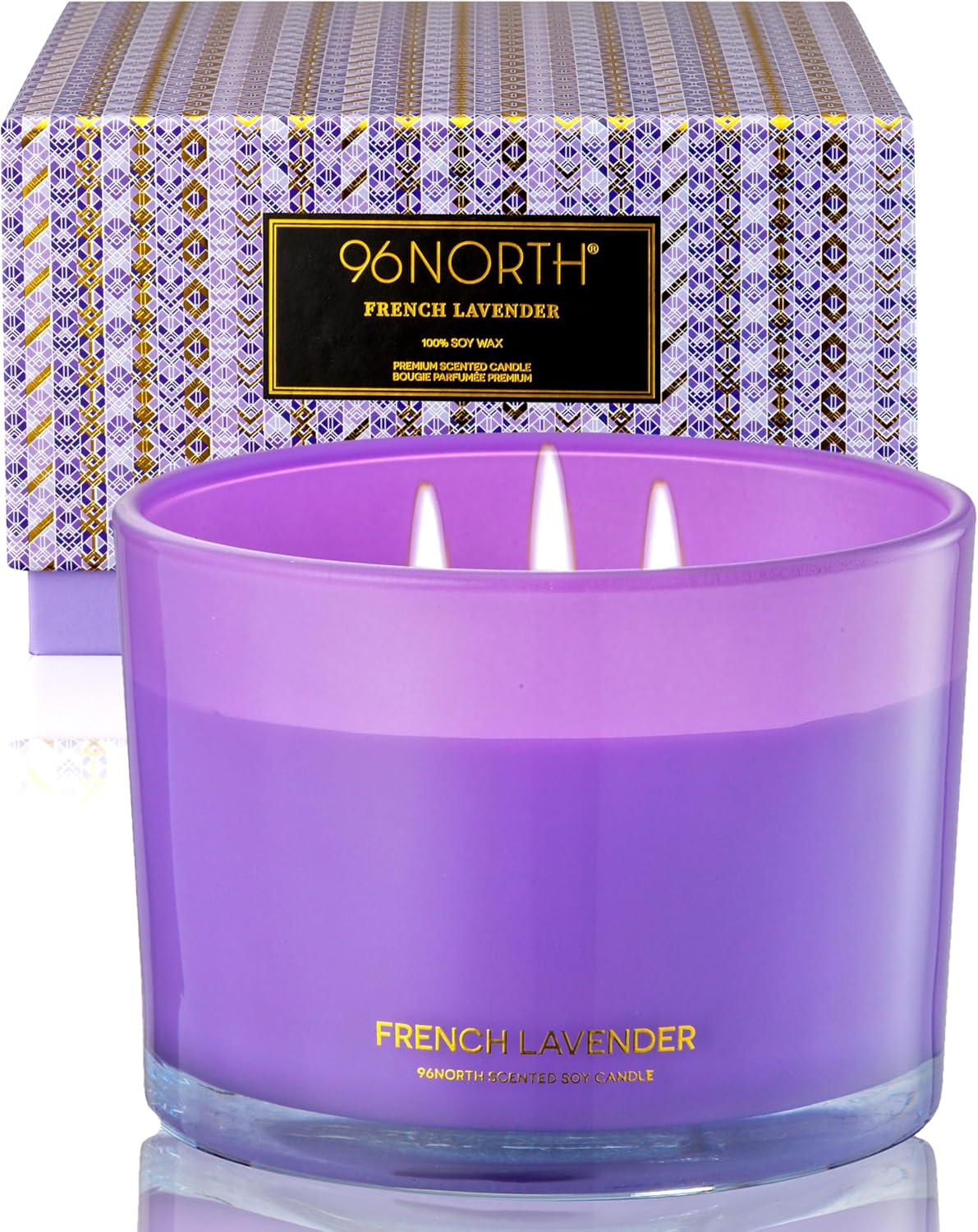
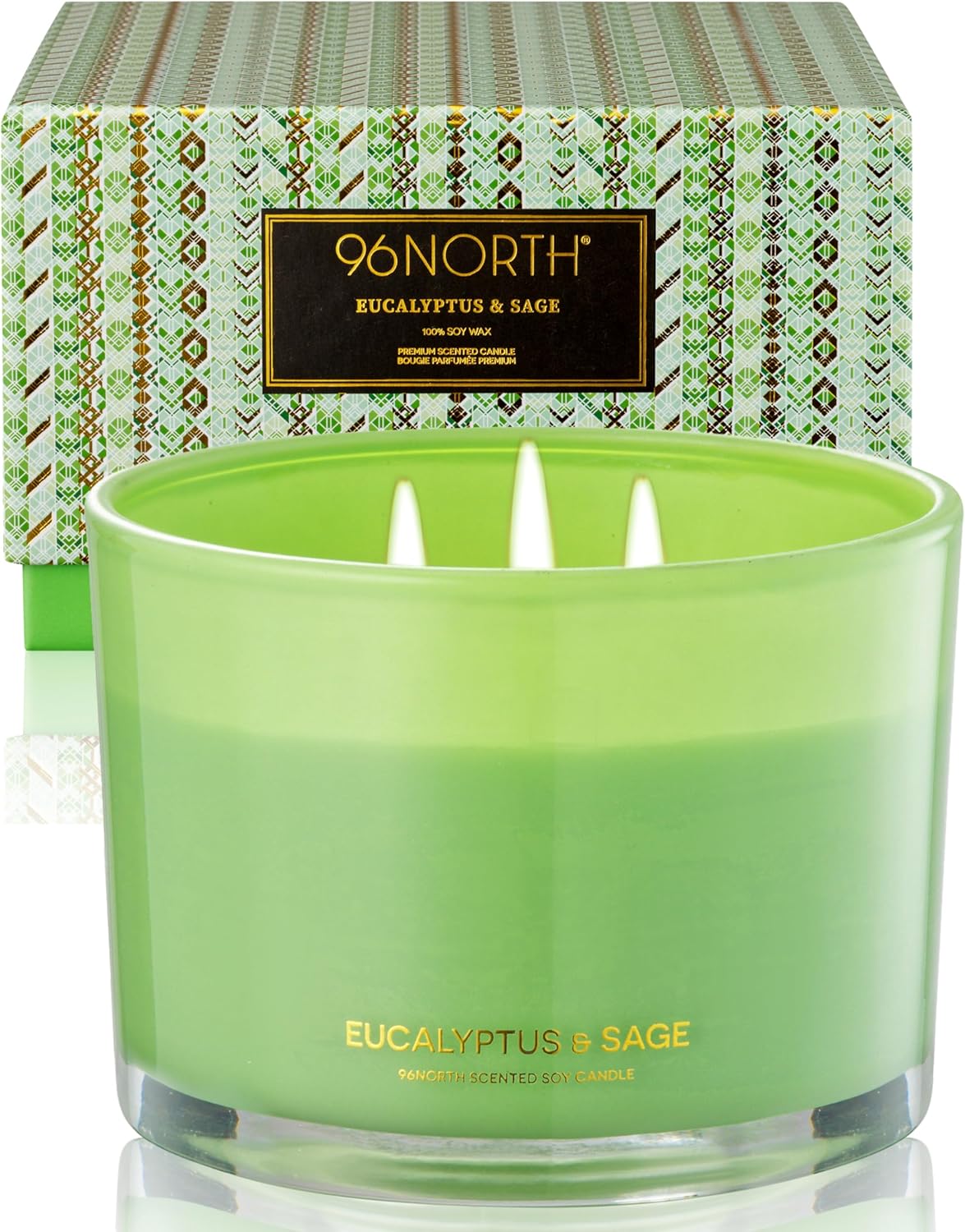
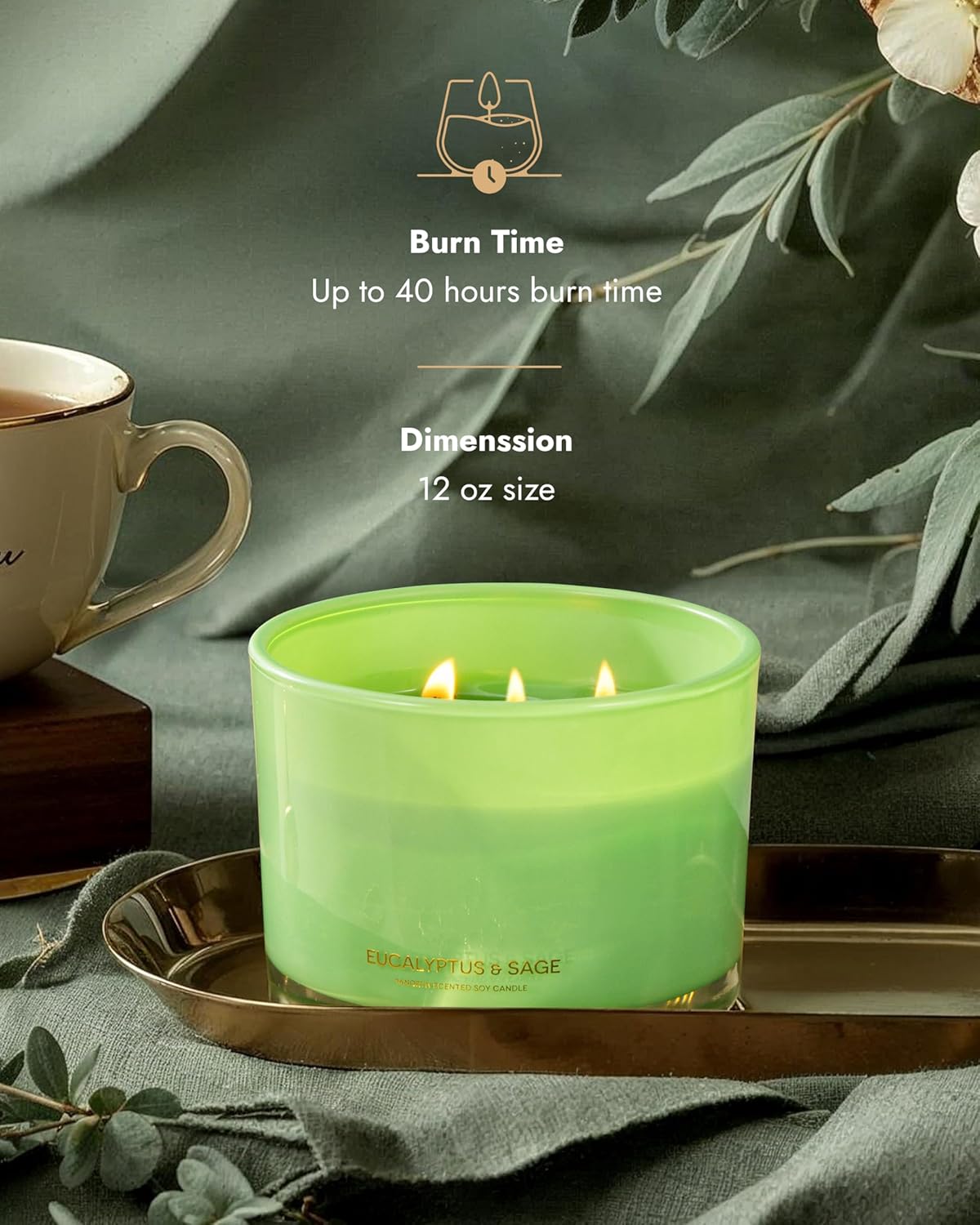
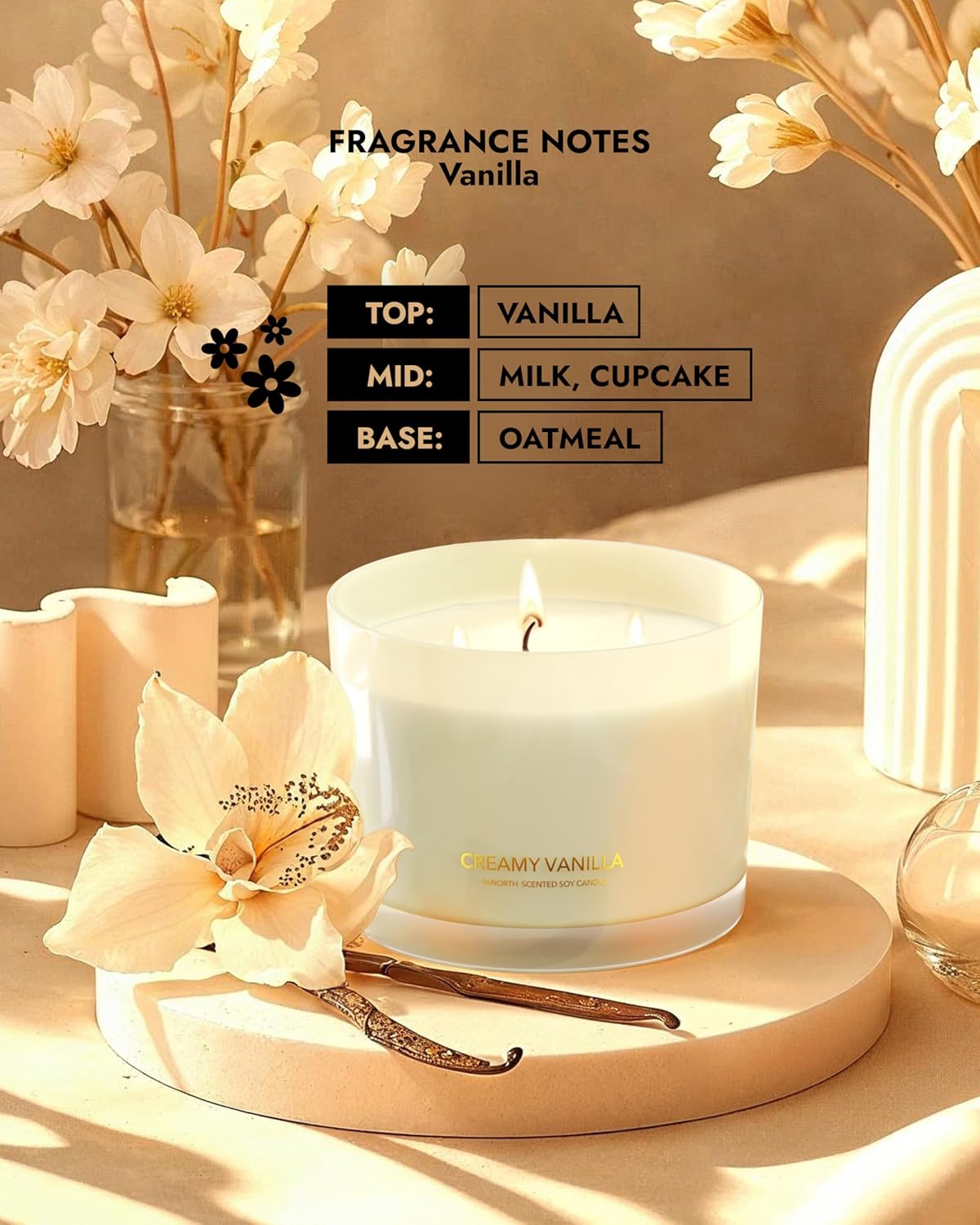
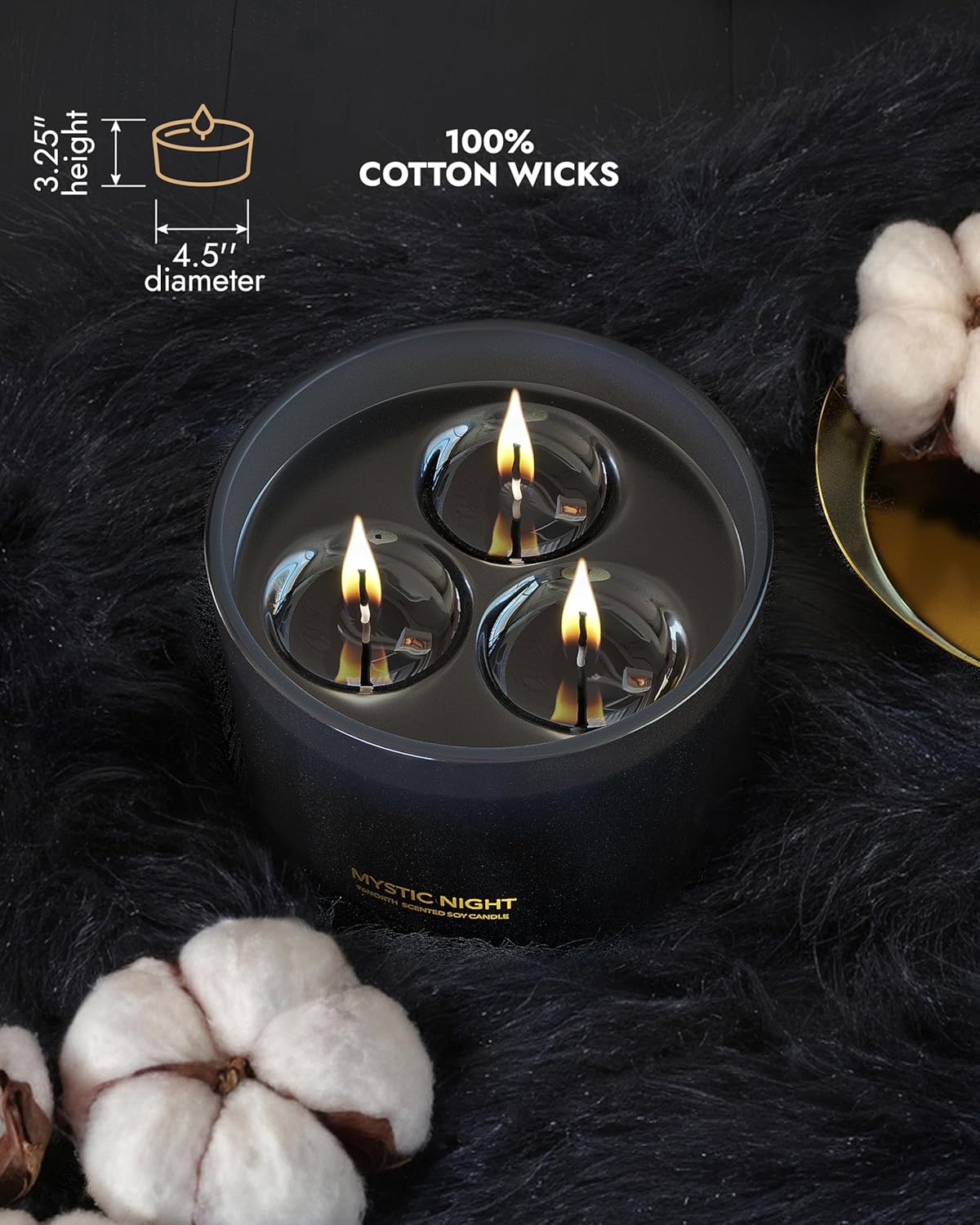
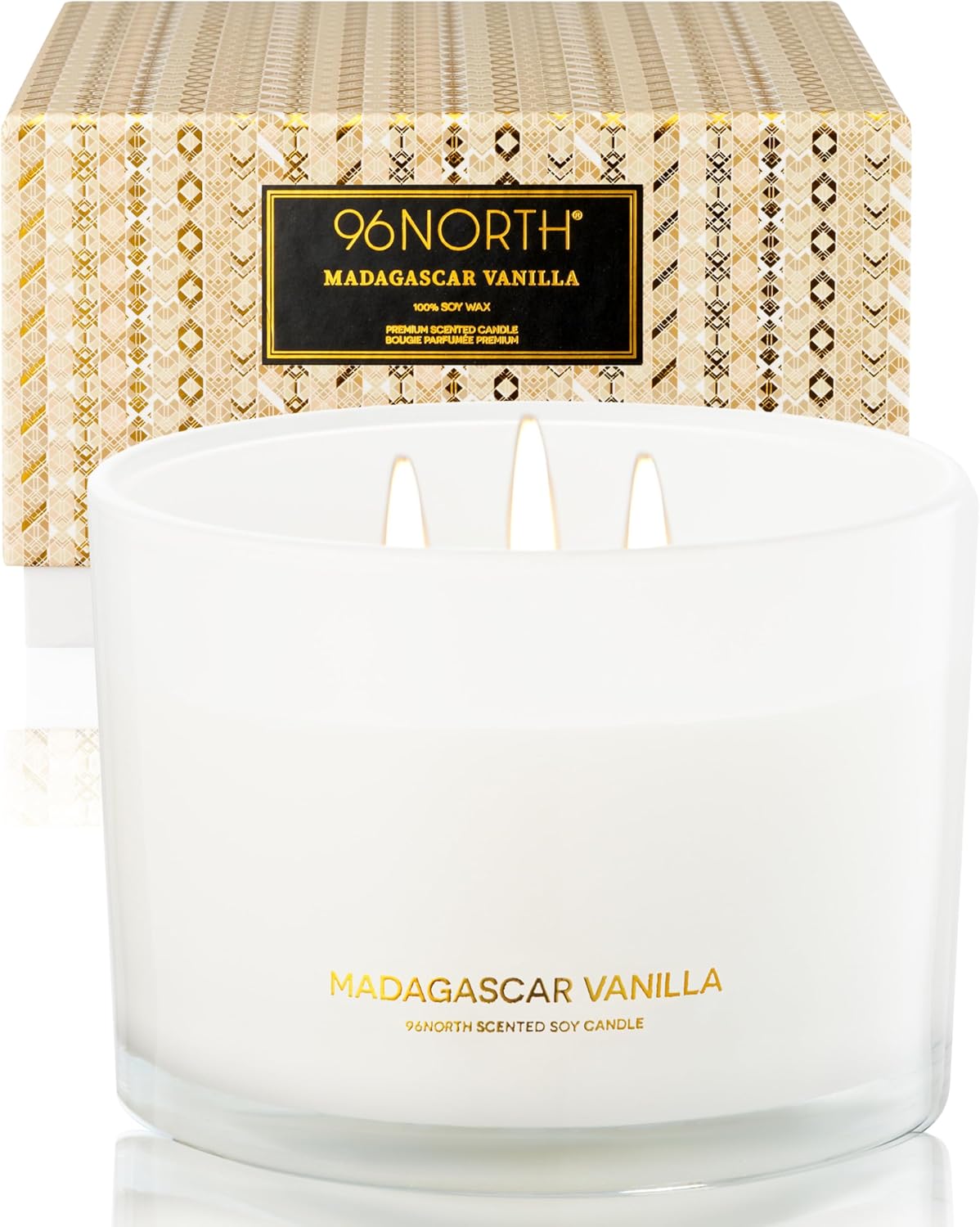
Pair this scent with a specific somatic reflex: "When I smell this fragrance, I will take six slow exhales." Explore premium scented candles or low-maintenance diffusers from 96NORTH to anchor your space. Learn how long reed diffusers last to sustain this effortless, daily grounding ritual.
8. Build a Steady Plate to Prevent Blood Sugar Swings
Skipping breakfast triggers blood sugar crashes that mimic and intensify shaky, wired sensations. If morning nausea makes eating difficult, forcing a heavy meal only increases anxiety.
Aim for a steady plate combining protein and fiber to anchor your morning routine for anxiety. If you can only manage a few bites, start tiny.
Try these simple, nausea-friendly options:
-
Yogurt with berries
-
Eggs on toast
-
Nut butter with banana
-
Crackers and cheese
Pick two repeat breakfasts to eliminate weekday decision fatigue and keep mornings predictable.
9. The 3-Line Time-Boxed Journaling Protocol
Blank pages often fuel anxiety. To anchor your morning routine for anxiety, set a three-minute timer and write three lines:
-
"What's the loudest worry?" Pinpoint the primary stressor.
-
"What's one small next step today?" Extract an actionable micro-task.
-
"What can wait?" Put the remaining noise on hold.
If a worry has no clear action, label it "uncertainty" and move on. Build consistency by using the same notebook, pen, and quiet spot daily. When the alarm sounds, close the book.
10. Implement a 10-Minute Morning Digital Buffer
Opening your phone triggers anxiety because your brain starts threat-scanning before it fully wakes. Instead of an unrealistic digital detox, delay screen time with a ten-minute buffer.
Avoid feeds, news, and email. Instead, choose one grounding action:
-
Hydrate with water
-
Step into light
-
Take deep breaths
If you must use your phone, restrict usage to utility: calendar, weather, or family texts. Secure this boundary by setting your lock screen wallpaper to "10 minutes first." This simple buffer protects your morning routine for anxiety.
Frequently Asked Questions
How long should a morning routine for anxiety be?
A morning routine for anxiety only needs to last 5 to 15 minutes to be effective. Focus on a minimum effective dose rather than an overwhelming checklist. Start by picking just two simple habits, such as stepping into natural light and drinking a glass of water, and repeat them for seven days. Do not turn your mornings into another performance metric, which only fuels stress.
What if I wake up already having a panic attack?
If you wake up in a panic, drop all routine expectations and use a two-minute emergency reset. Practice deep breathing, plant your feet firmly on the floor, and orient yourself by naming objects in your room. See the bedroom somatic reset section above for a step-by-step guide. Next, choose just one step, like drinking water. Seek professional guidance if these episodes are frequent.
Do I have to quit caffeine to reduce morning anxiety?
No, you do not have to quit caffeine to manage morning anxiety. Instead, focus on harm reduction by delaying your first cup for 60 to 90 minutes after waking, reducing your dose, or trying half-caf blends. Always pair caffeine with a glass of water and a small, protein-rich snack. Track how you feel for a week to find your personal tolerance level.
What’s the most mindful morning habit if I hate meditating?
If you hate traditional meditation, the most mindful morning habit is any simple practice that anchors your senses. You can take six slow exhales, focus on a sensory anchor like a calming morning scent, or write a quick three-line journal entry. Mindfulness is simply about noticing your racing thoughts and gently returning your attention to the physical present, rather than trying to empty your mind completely.
When should I talk to a professional about morning anxiety?
You should speak with a professional if morning anxiety consistently disrupts your work, relationships, or daily functioning, or if you experience frequent panic attacks. A licensed clinician can discuss targeted options like cognitive behavioral therapy or medical treatments. If you are experiencing an immediate mental health crisis or feel unsafe, please contact your local emergency services or a crisis hotline right away.