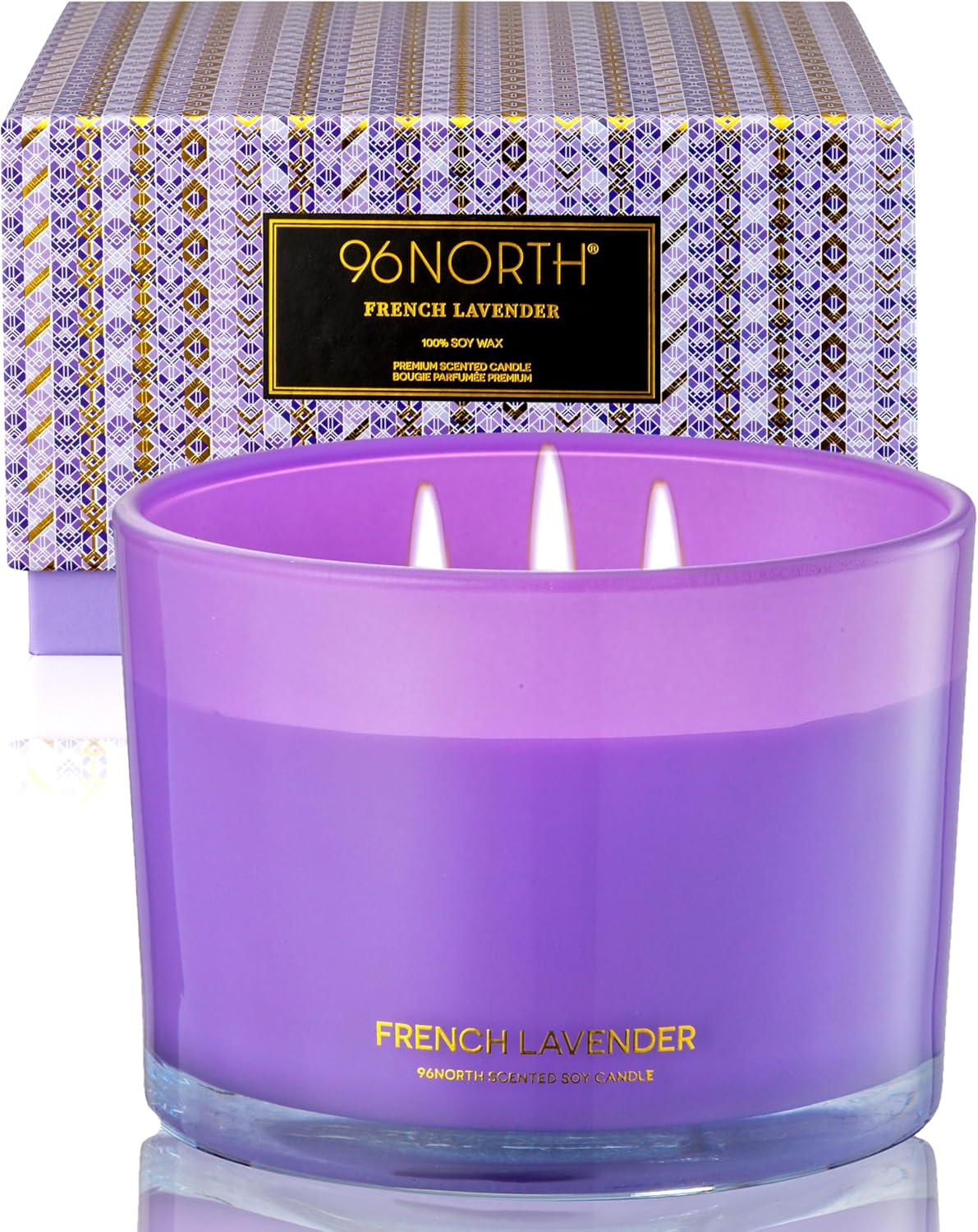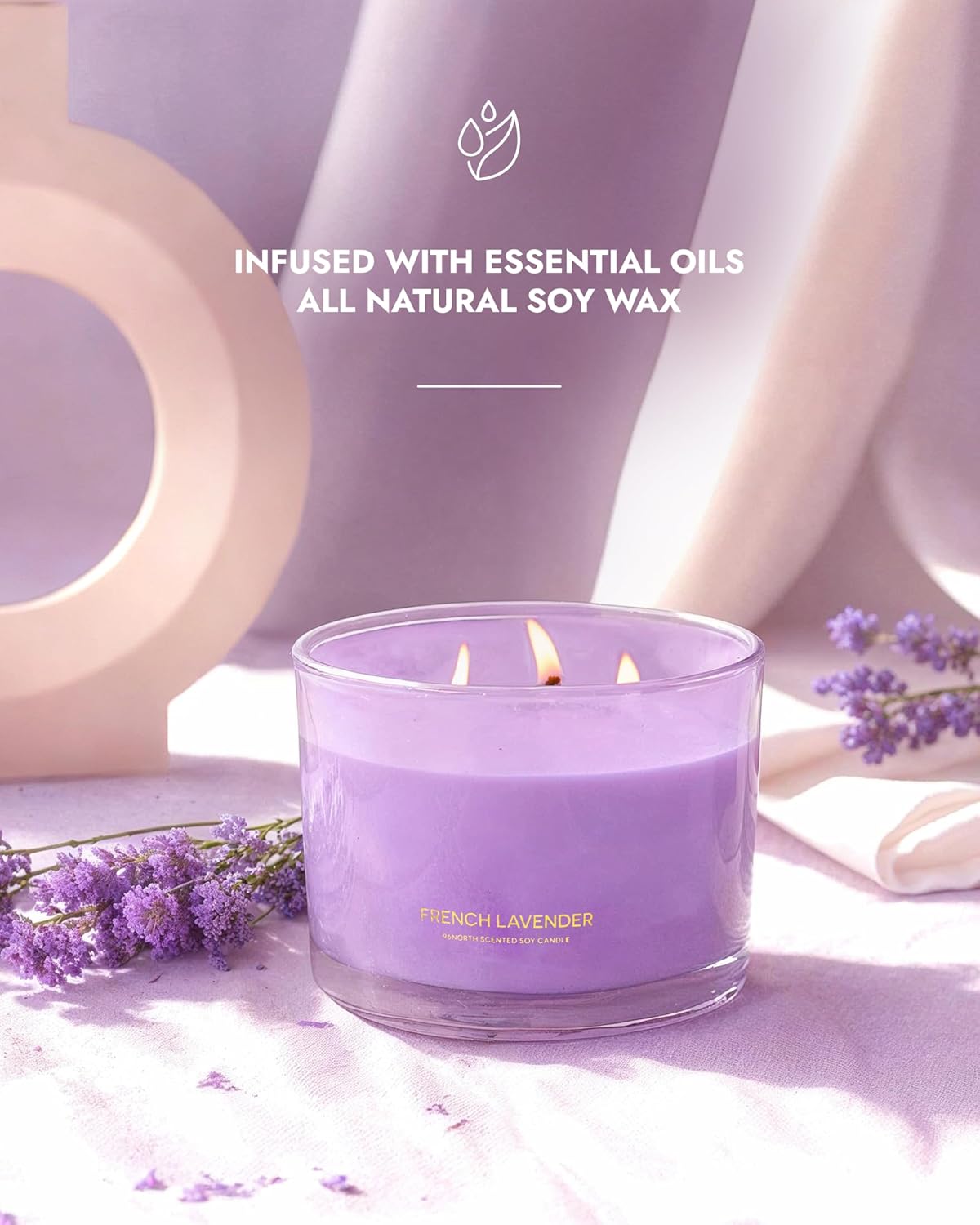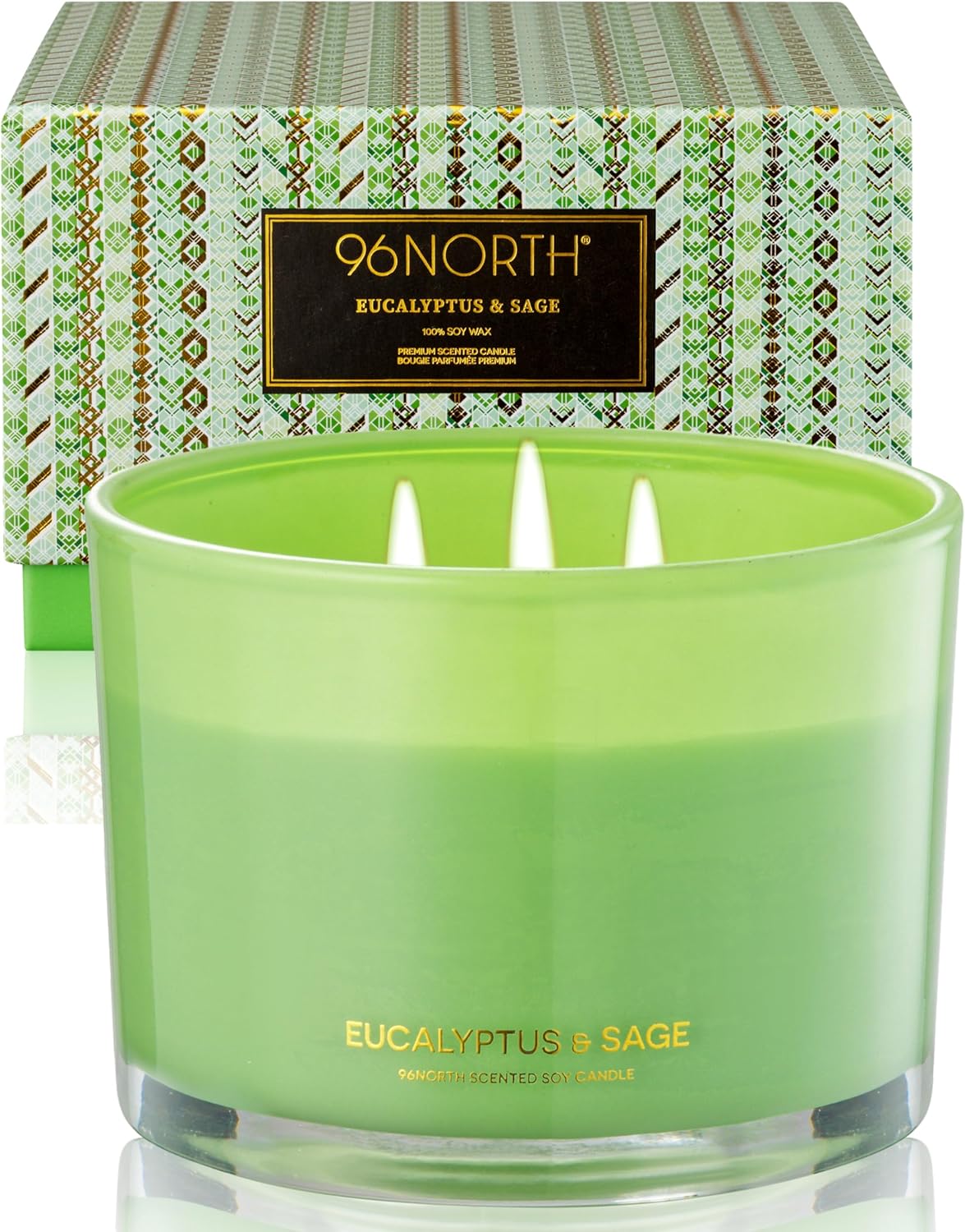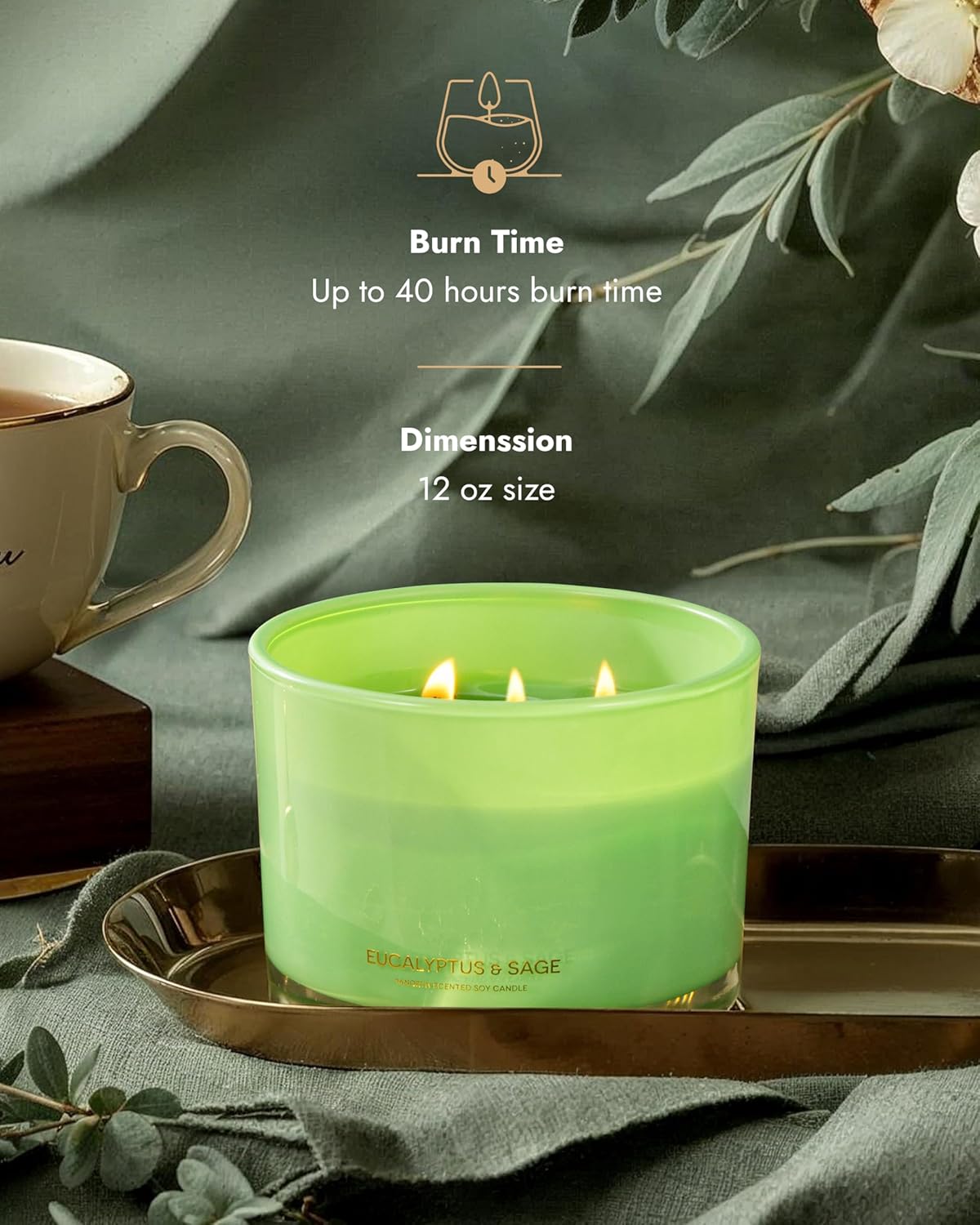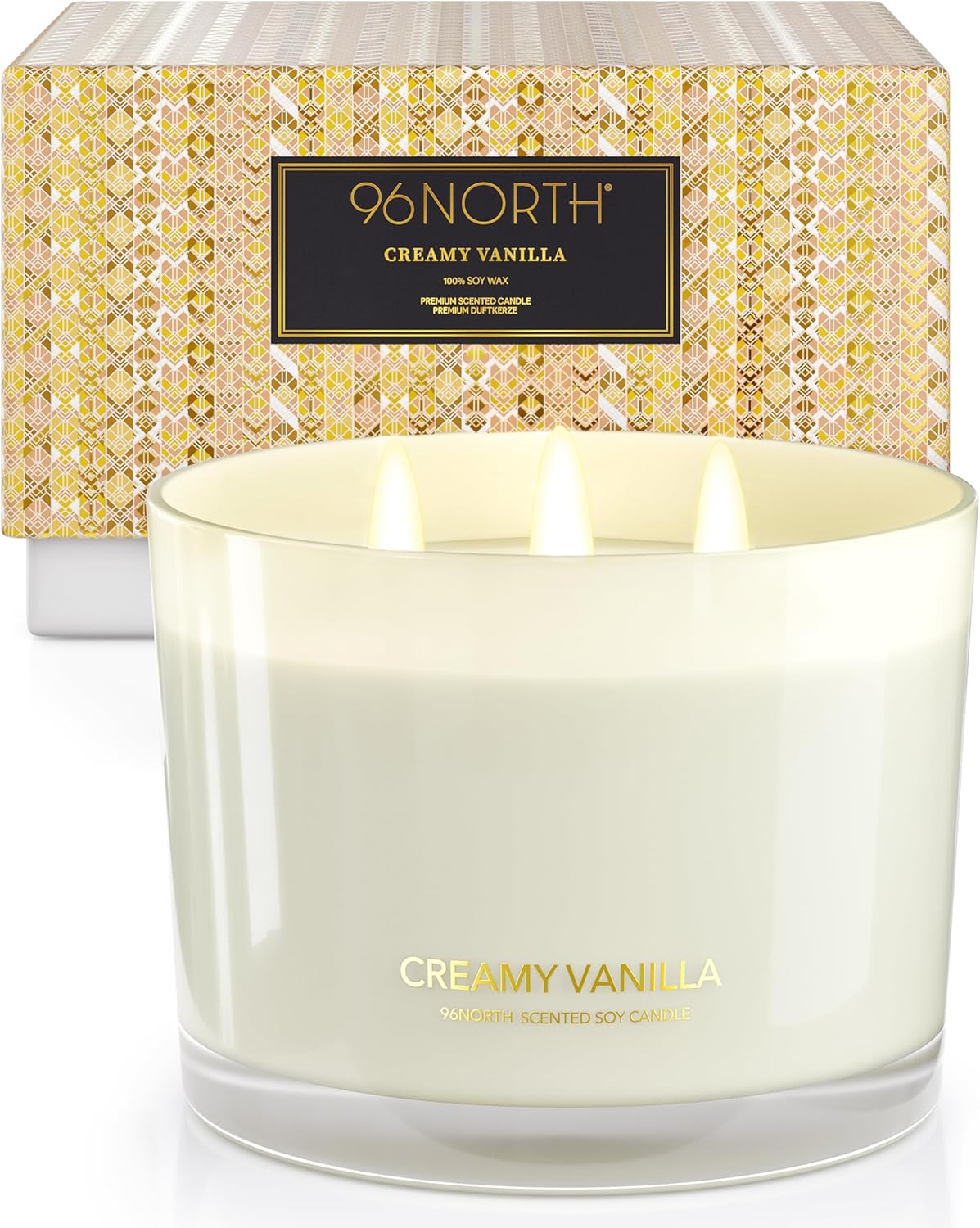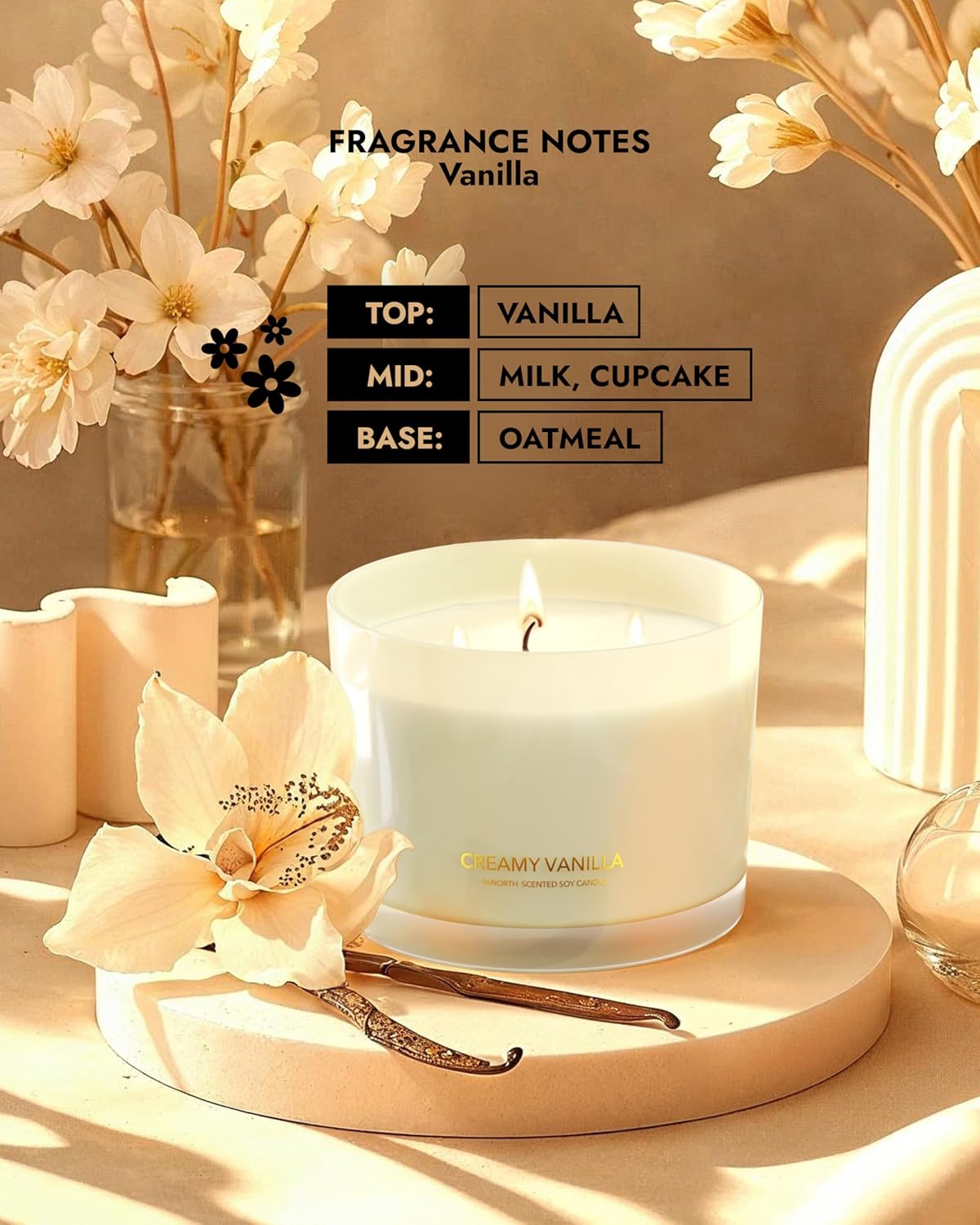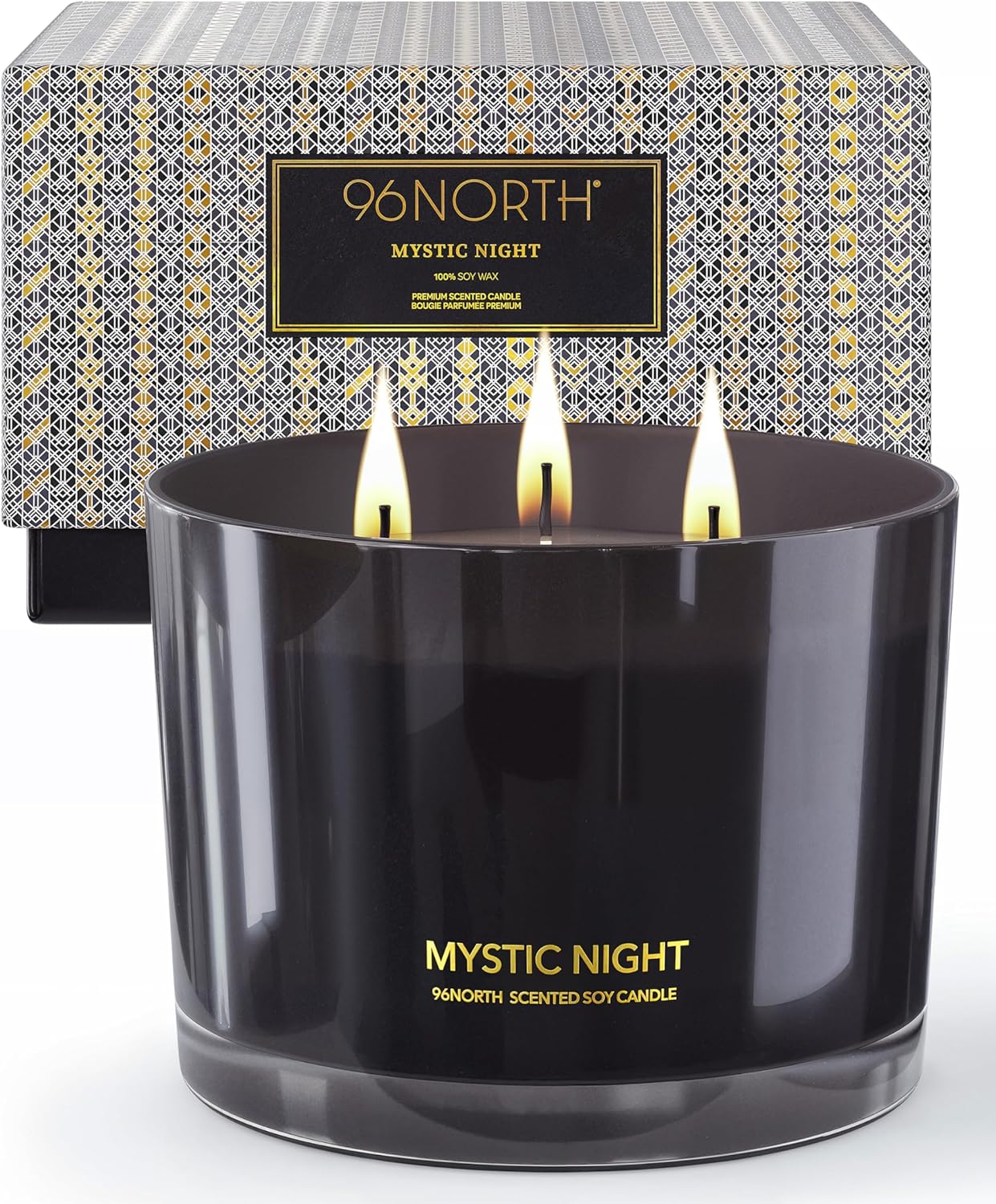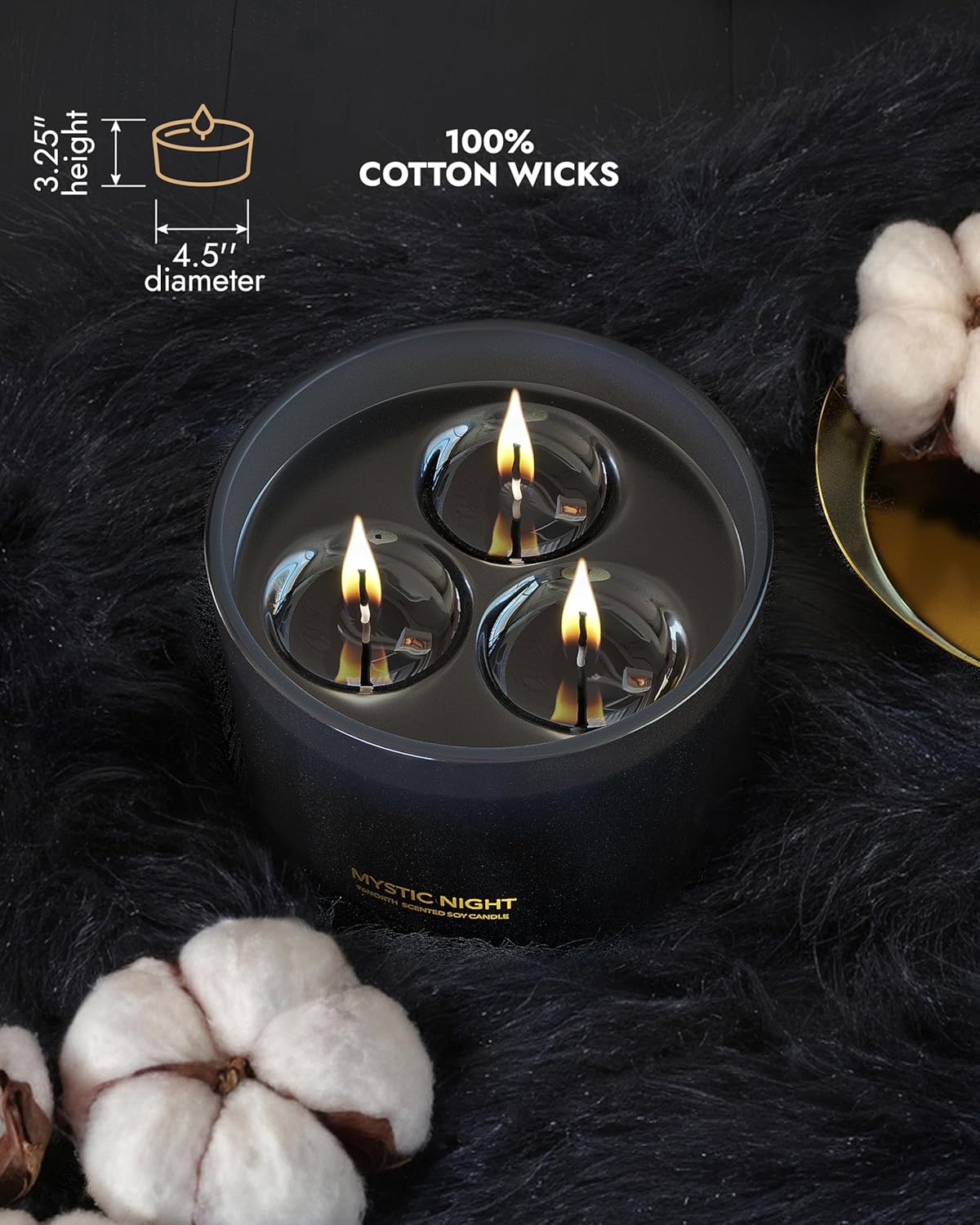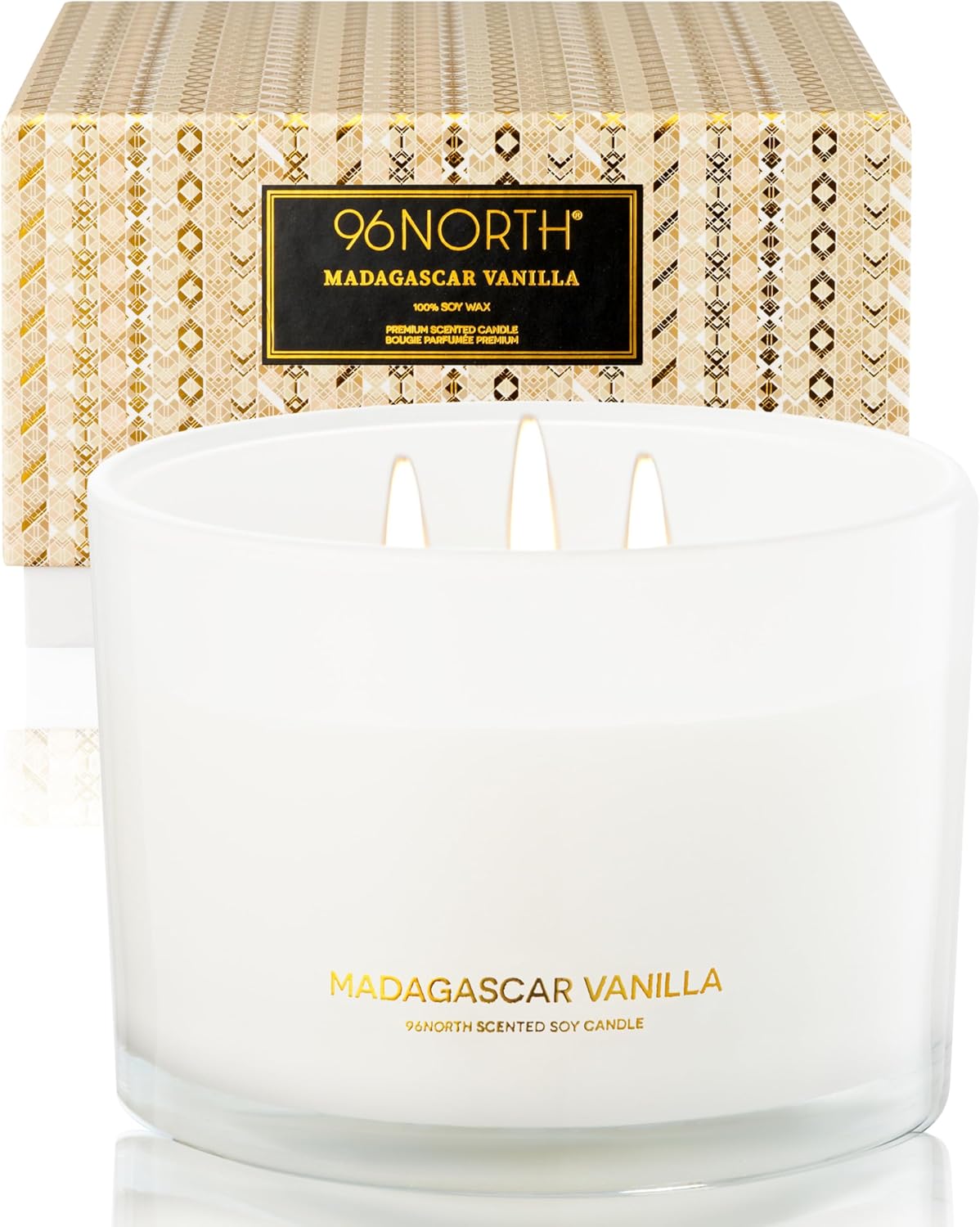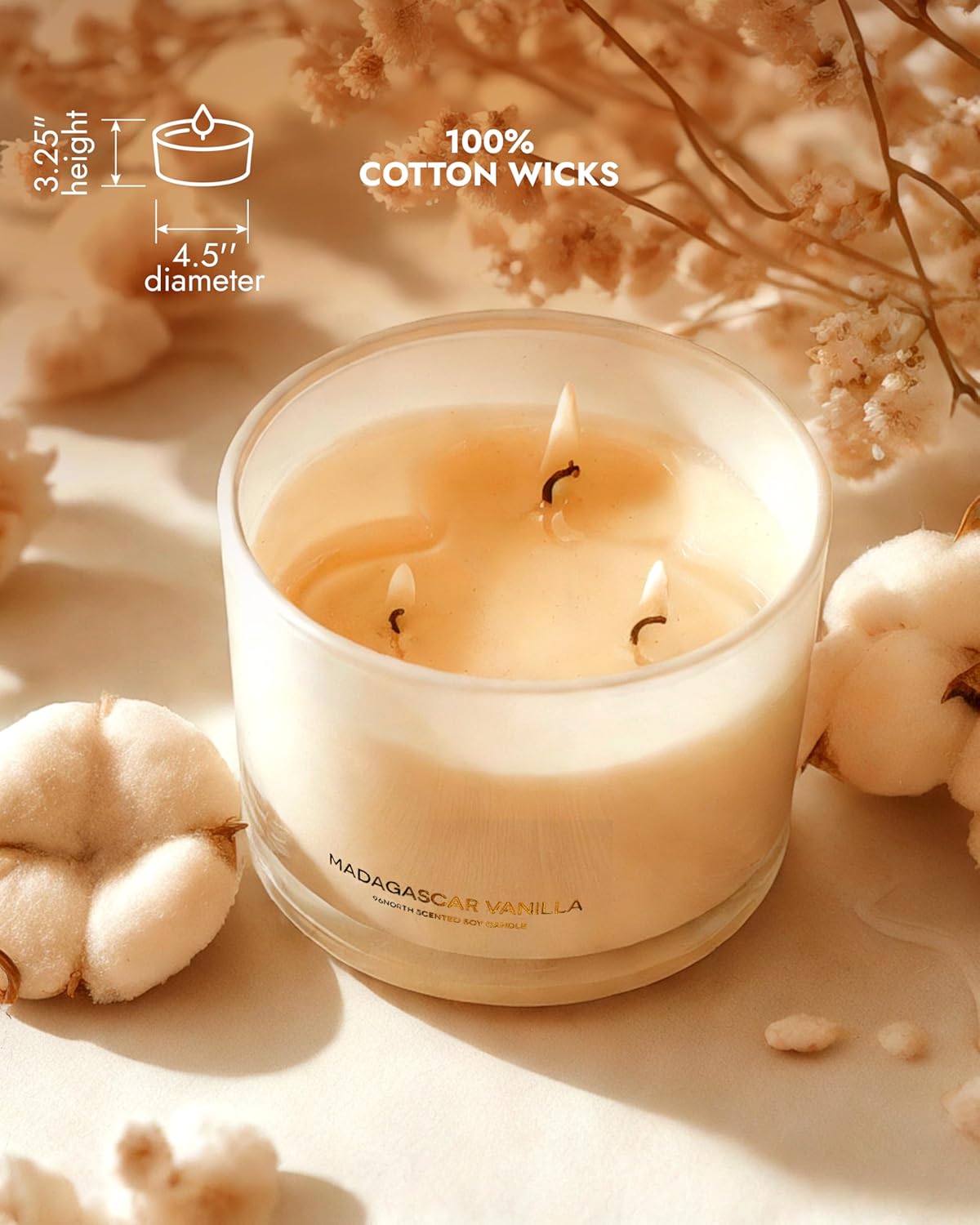

You light a candle to unwind, not to worry about synthetic toxins in your home. Yet, navigating the safety of phthalates in candles is exhausting due to fear-based marketing. Not every "clean" label is meaningful.
To shop smarter, you need a balanced approach. This guide defines these chemical compounds, explains why manufacturers use them, and provides a practical checklist to verify safety.
We begin with what these ingredients actually do.
1. Demystifying Phthalates: What They Are and Where They Hide
Checking a candle label only to find the ambiguous term "fragrance" is frustrating. You should not need a chemistry degree to keep your indoor air clean.
Phthalates (pronounced thal-ates) are a family of chemicals used to make plastics flexible or to help synthetic scents last longer. The primary concern with phthalates in candles is cumulative exposure. Because these compounds do not bind permanently to the products containing them, they continuously release into your living space. They commonly hide in:
-
Personal care items like perfumes and body washes
-
Household air fresheners and cleaning sprays
-
Mass-market paraffin candles
Confirming their presence is incredibly difficult. Regulatory loopholes allow brands to list "fragrance" as a single proprietary ingredient, masking the chemical carriers actually used. Your goal is not to eliminate every chemical from your life. Instead, focus on reducing avoidable, questionable additives in the products you intentionally burn and inhale.

2. The Chemistry of Scent: Why Phthalates Are Used in Candles
Mass-market candles often rely on synthetic shortcuts to project an intensely potent scent. In fragrance design, certain phthalates serve as highly effective solvents and fixatives. They dissolve raw ingredients and slow evaporation, allowing the aroma to linger. For industrial manufacturers, using phthalates in candles provides:
-
Stronger hot and cold scent throw
-
Highly stable wax-and-oil blends
-
Consistent batching at a massive scale
Fortunately, clean fragrance technology has evolved, and many modern suppliers now engineer premium, phthalate-free fragrance oils. However, you cannot assume every candle on the shelf is safe. Many legacy brands still rely on cheap synthetic formulations to keep production costs low.
Protecting your home environment starts with knowing what to look for. The key is separating phthalates as a broad class from specific toxic compounds, helping you evaluate real-world exposure risks without unnecessary panic.
3. Navigating the Nuance: Not All Phthalates Are Created Equal
The term "phthalate" is treated as a single toxic bogeyman, but the reality of phthalates in candles is highly nuanced. Phthalates are a broad chemical family; only certain compounds carry strong evidence of health risks. In candle fragrance, Diethyl phthalate (DEP) is the most common binding agent.
While regulators consider DEP low-risk, the true challenge is transparency. If a brand cannot clarify which specific compounds they use, you are forced into guesswork. Always ask manufacturers for exact fragrance ingredients.
Choosing certified phthalate-free candles is a sensible precaution if you are:
-
Pregnant or setting up a nursery
-
Sensitive to headaches or asthma triggers
-
Burning candles daily for relaxation
However, eliminating phthalates is only one part of maintaining a clean sanctuary. Other critical indoor air variables like soot, wick behavior, and ventilation also determine how safely your candles burn.
4. How to Spot True Phthalate-Free Candles: A Practical Verification Guide
Do not rely on marketing vibes to avoid phthalates in candles. Use this verification workflow online or in-store to identify concrete safety signals:
-
Look for explicit claims: Seek an actual "phthalate-free" label. Vague buzzwords like "natural," "clean," or "eco" are unregulated marketing terms, not safety standards.
-
Check safety standards: Look for safety compliance language, such as "IFRA-compliant fragrance," or direct access to transparency documents and ingredient lists.
-
Verify fragrance sources: Confirm whether the brand uses pure essential oils or clean, candle-safe fragrance oils. Responsible brands transparently disclose their ingredients.
-
Reject greenwashing: Skip brands using unscientific, fear-based phrases like "chemical-free."
If a label is silent, search the brand's FAQ page online or email customer service directly: "Are your fragrance oils 100% phthalate-free? Can you confirm this in writing?"
To build a worry-free sensory sanctuary, explore the clean ingredient philosophy behind 96NORTH and browse our curated aromatherapy candles today.
5. Beyond the "Chemical-Free" Myth: What a Realistic Low-Tox Candle Actually Looks Like
If a brand claims a candle is "chemical-free," they are selling a scientific impossibility. Everything from pure soy to lavender oil is chemical-based.
Instead of chasing unrealistic standards, adopt a practical "low-tox" framework. A low-tox candle limits red-flag additives, burns cleanly, and offers honest ingredient disclosure.
When shopping, prioritize these three details:
-
Phthalate-free fragrance: Avoids the endocrine-disrupting risks of phthalates in candles by using modern, safe carriers.
-
Lead-free wick: Confirms a clean cotton or paper core.
-
Transparent wax blend: Identifies exact ingredients, like 100% soy, instead of undisclosed proprietary blends.
Remember, natural does not automatically mean safe. Pure essential oils can still act as potent respiratory irritants. True safety relies on sensitivity awareness, ventilation, and proper maintenance. A well-burning candle reduces soot regardless of wax, keeping your sanctuary truly serene.
6. Mindful Burning: Why Habit Matters More Than Ingredients
While avoiding synthetic phthalates in candles protects your respiratory health, even the cleanest wax requires smart burning habits. Real-world exposure to soot and indoor irritants depends heavily on room size, burn duration, and ventilation.
To keep your indoor air pristine, adopt these daily burning habits:
-
Trim the wick: Keep it to 1/4 inch before lighting to prevent soot-producing, erratic flames.
-
Ventilate: Avoid long burns in closed bedrooms. Crack a window or run a vent fan to clear the air.
-
Extinguish cleanly: Avoid blowing out the flame, which creates a smoldering, toxic smoke plume. Use a metal snuffer.
Match your candle format to your physical space to control emission density. Choose small tea lights for brief wellness rituals, and reserve large three-wick candles for open living areas.
If you’re doing everything else in your home to lower indoor irritants, candle technique is the easiest win.
Frequently Asked Questions About Phthalate-Free Candles
Are phthalates always listed on candle labels?
No, phthalates are almost never listed individually on candle labels. Instead, they are typically hidden under the generic ingredient term "fragrance" due to regulatory loopholes that protect proprietary scent formulas. To protect your home's air quality, look for explicit "phthalate-free" statements on packaging or consult a brand's transparency page. If a company is silent on the issue, consider shopping elsewhere or contacting them directly.
Are phthalate-free candles automatically non-toxic?
No, a phthalate-free label does not automatically make a candle completely safe or non-toxic. While removing these chemical binders eliminates a primary risk, overall safety still depends on wick quality, wax sourcing, and mindful burn habits. Heavy black soot, synthetic chemical dyes, and poor ventilation can still degrade your home's indoor air quality, meaning a clean burn requires checking all of these factors, not just one.
Is DEP the same as other phthalates people warn about?
No, diethyl phthalate (DEP) is chemically distinct from high-molecular-weight phthalates like DEHP, which carry much stronger health warnings. While regulators currently consider DEP low-risk in consumer products, the persistent lack of transparency in fragrance labeling makes it difficult to know exactly what you are burning. If you are pregnant, raising young kids, keeping pets, or managing chemical sensitivities, choosing certified phthalate-free candles is the most reliable approach to daily indoor safety.
Are soy, beeswax, or coconut candles safer than paraffin?
Yes, natural waxes like soy, beeswax, and coconut are generally healthier choices because they produce far less soot and bypass petroleum-derived emissions. Paraffin wax is a byproduct of crude oil refinement that can release volatile organic compounds when burned. Keep in mind that a natural wax base is only half the safety equation; clean, non-toxic fragrance oils and a lead-free cotton wick are equally vital for a truly pristine burn.
What is the simplest low-tox candle shopping list?
To quickly find a clean candle, focus on a simple three-step checklist. First, look for an explicit "phthalate-free" fragrance claim. Second, verify the wax is natural and the wick is lead-free cotton or paper. Finally, ensure the brand offers responsive customer service to answer ingredient questions.
To start building your own worry-free wellness sanctuary, explore the clean wax philosophy at 96NORTH or browse our calming, intentionally crafted aromatherapy candles today.