
A heightened sense of smell can turn your favorite relaxing rituals into sudden triggers for headaches and nausea, leaving you wondering: are candles safe during pregnancy? While no candle is completely zero-risk, you can still enjoy a calming home by reducing synthetic irritants and unknowns. We prioritize clean, low-exposure options without fear-mongering.
If you manage asthma, migraines, hyperemesis gravidarum, or fragrance sensitivity, check with your OB or midwife first. Start with the highest-impact red flags first.
1. Practice "Dose Reduction" to Avoid Fragrance Overload
Pregnancy-safe candle use is ultimately about minimizing irritants and chemical exposure in enclosed spaces. During pregnancy, hormonal shifts can trigger hyperosmia (extreme sensitivity to odors), turning once-beloved aromas into triggers for nausea or tension headaches. Additionally, if you are already experiencing pregnancy-related shortness of breath, heavy soot and smoke will only compound your physical discomfort.
Rather than discarding your entire collection, focus on practical "dose reducers" to protect your immediate indoor air quality:
-
Ventilate: Burn candles in larger rooms, crack a window, or run a kitchen exhaust fan.
-
Limit time: Keep burn sessions short by setting a 30-minute timer, and schedule regular fragrance-free days.
-
Stay alert: Never burn candles while sleeping or when you cannot actively monitor the flame.
If any scent triggers coughing, wheezing, or a sudden headache, stop and reassess. If candles are an essential part of your wind-down ritual, prioritize ingredient transparency and clean-burning habits.

2. Decode the Label to Filter Out Unknown Irritants
Not all candles are created equal. Some materials and undisclosed fragrance blends present larger, unknown exposure categories than others. During pregnancy, prioritizing indoor air quality means focusing on potential irritants like soot, smoke, and volatile organic compounds (VOCs).
When evaluating labels, watch for these warning signs:
-
Paraffin wax: Petroleum-derived paraffin, often labeled as a generic "wax blend," releases more soot and smoke.
-
Vague "fragrance" listings: Avoid products lacking clear allergen, VOC, or phthalate-free statements and IFRA compliance.
-
Heavy "perfume-y" throws: Blends marketed to "fill your home fast" often rely on synthetics that trigger severe nausea.
Instead, choose brands that clearly state their wax, wick, and fragrance approach. If you are highly sensitive, opt for unscented or very lightly scented varieties. Expectant mothers managing asthma, severe migraines, or hyperemesis gravidarum may need to avoid scented products entirely. If you continue burning candles, learning how to make them last longer supports shorter, cleaner sessions rather than long, smoky burns.
3. Understand That "Natural" Essential Oils Are Not Always Gentler
A "100% natural" label does not guarantee a candle is gentle when heated and inhaled. Essential oils are highly concentrated botanical compounds, and pregnancy is a phase that demands a more conservative approach to your indoor air. Instead of experimenting with unfamiliar, heavy botanical blends, treat these potent plant extracts with caution.
If you choose to burn scented candles, prioritize these safe, mindful habits:
-
Choose mild, simple scent profiles rather than complex, heavy blends.
-
Limit burn times to under two hours to prevent scent buildup.
-
Avoid intense "spa" or sharp "cleaning-product" aromas that often trigger morning sickness.
Because pregnancy-induced hyperosmia can strike without warning, establish strict "no-scent zones" in your home, particularly in your bedroom or the nursery. This ensures you always have a clean, sensory-neutral sanctuary to retreat to. Above all, your health is unique. If your clinician has advised avoiding essential oils or added fragrances, always follow that guidance.
4. Choose the Best Wax You Can Verify
Wax is only one piece of the safety puzzle during pregnancy. Burning conditions and fragrance load matter just as much as the fuel source. While marketing often pushes a single "perfect" wax, focus on what you can verify.
Different options suit different preferences:
-
Beeswax: Best if you want unscented candles and minimal additives.
-
Soy, Coconut, or Vegetable Waxes: Excellent, clean-burning alternatives if the brand discloses the exact wax percentage.
Avoid vague "proprietary blends" on product pages. Instead, prioritize brands that offer low-soot performance claims and clear care instructions, such as trimming the wick and managing the first burn.
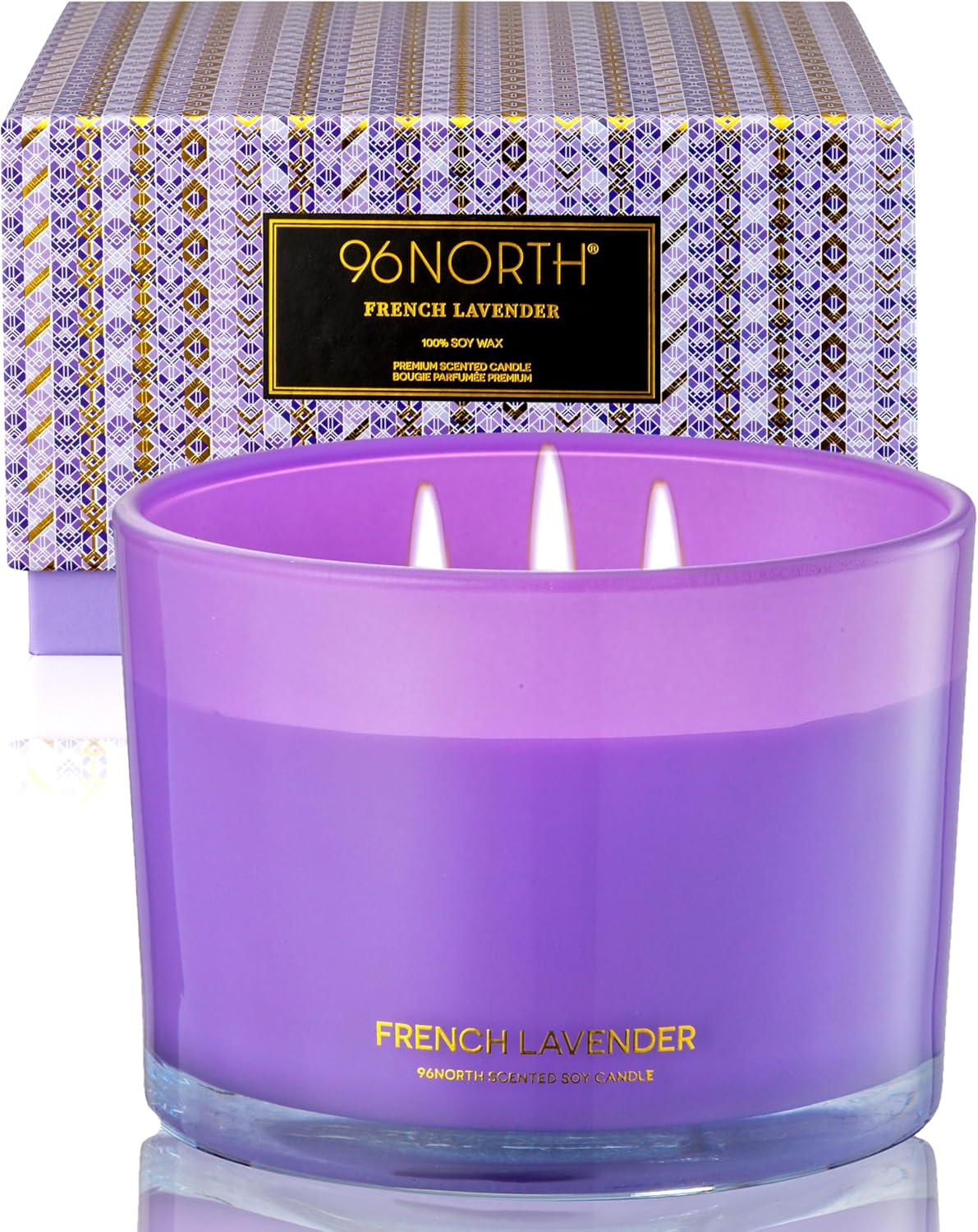
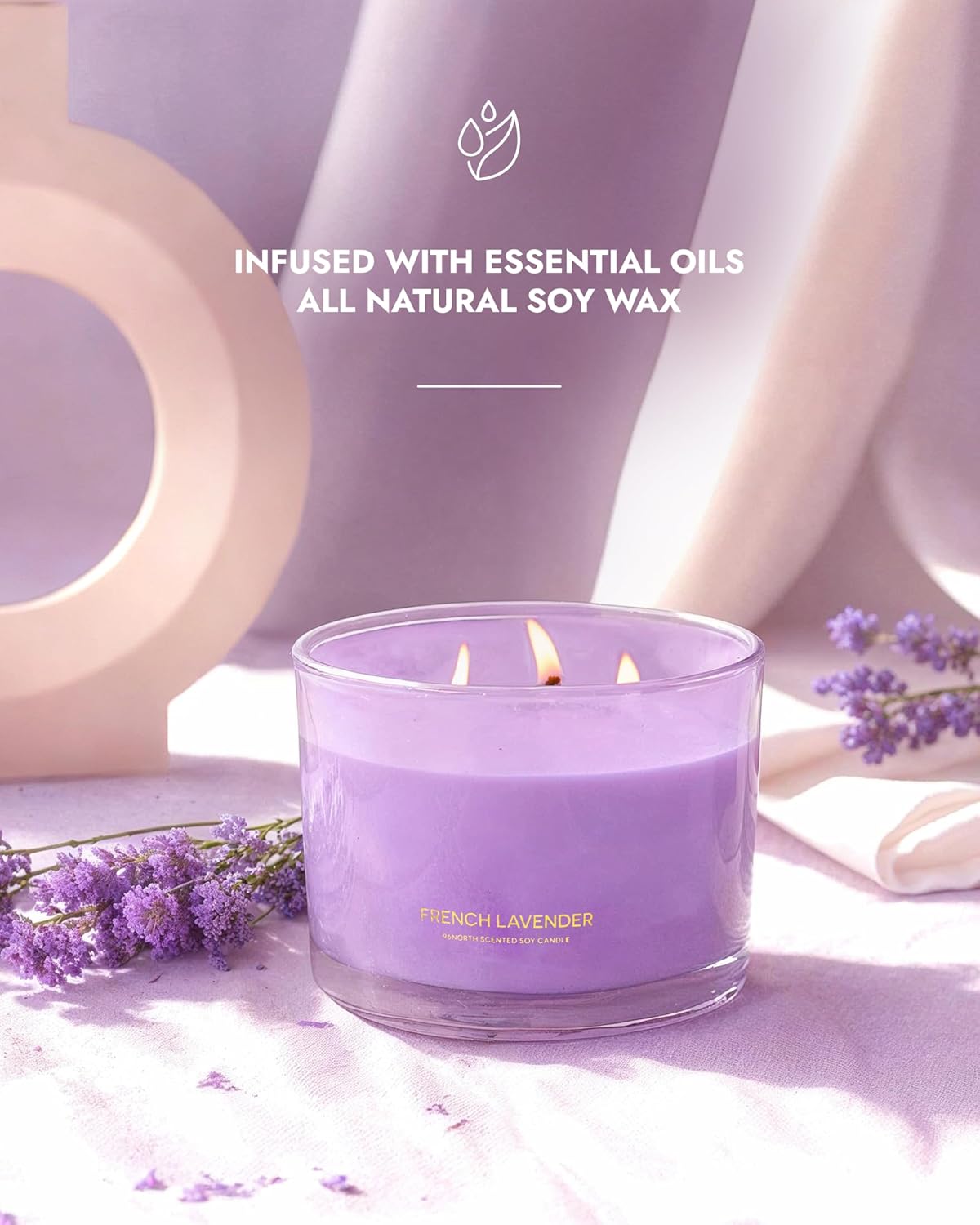
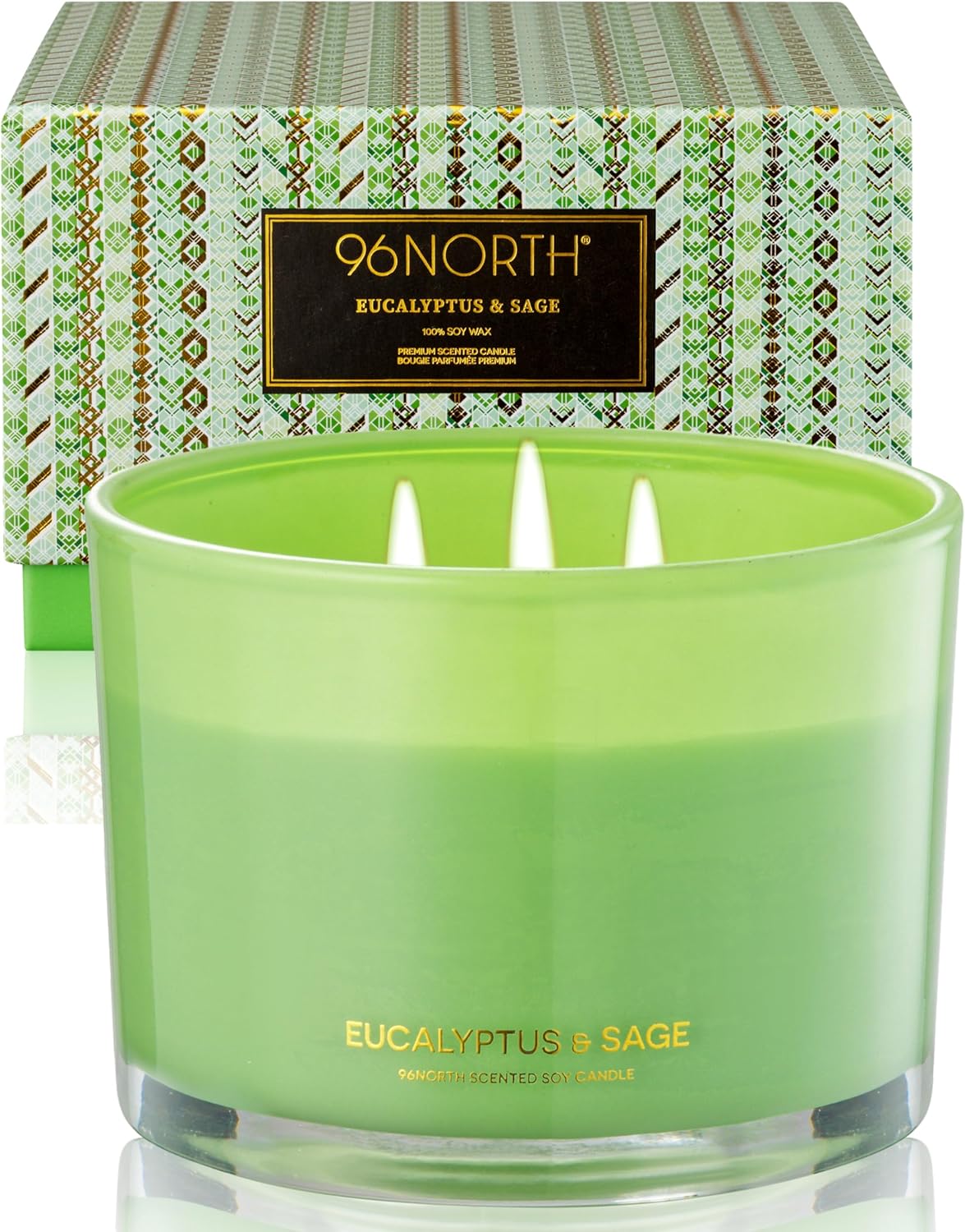
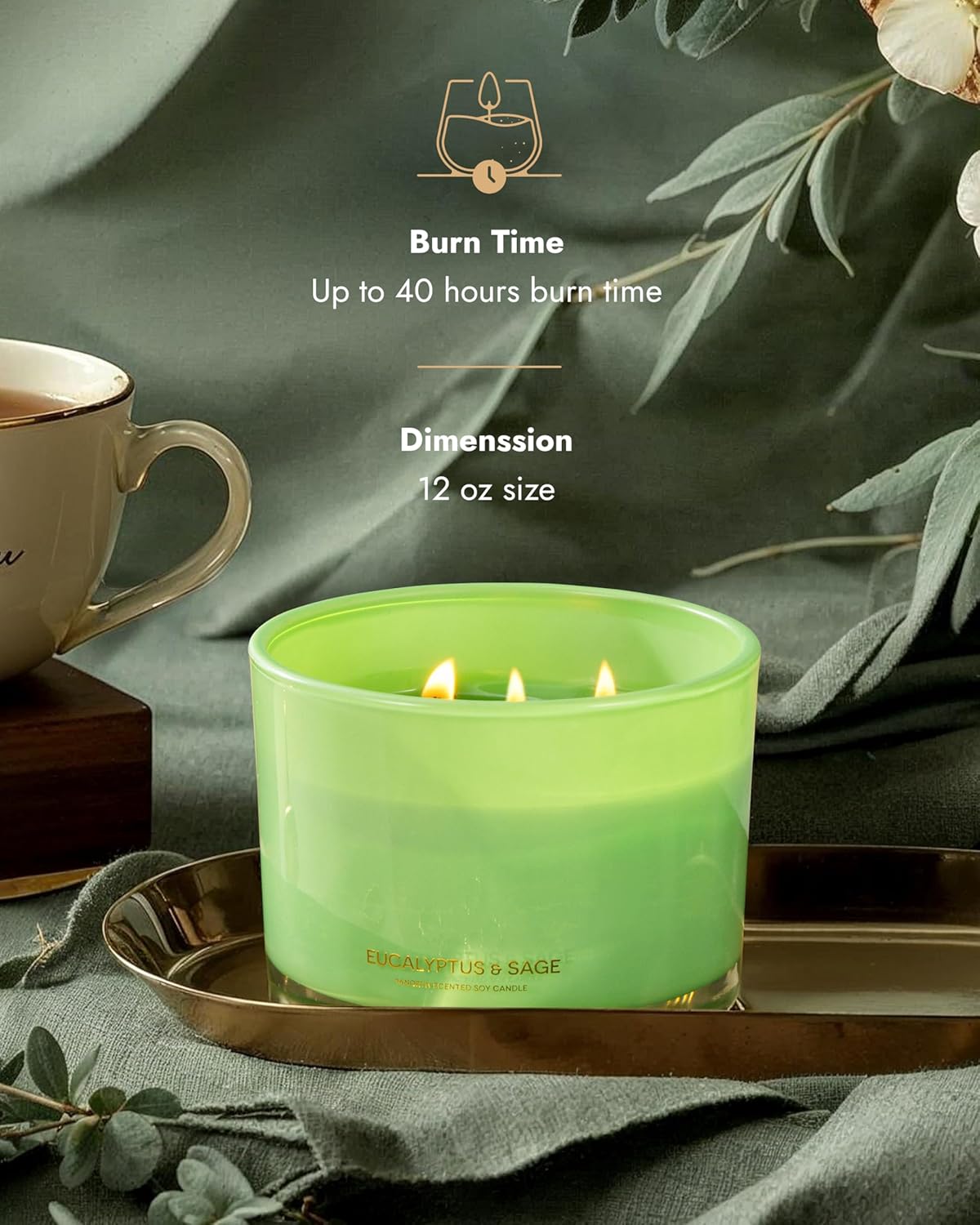
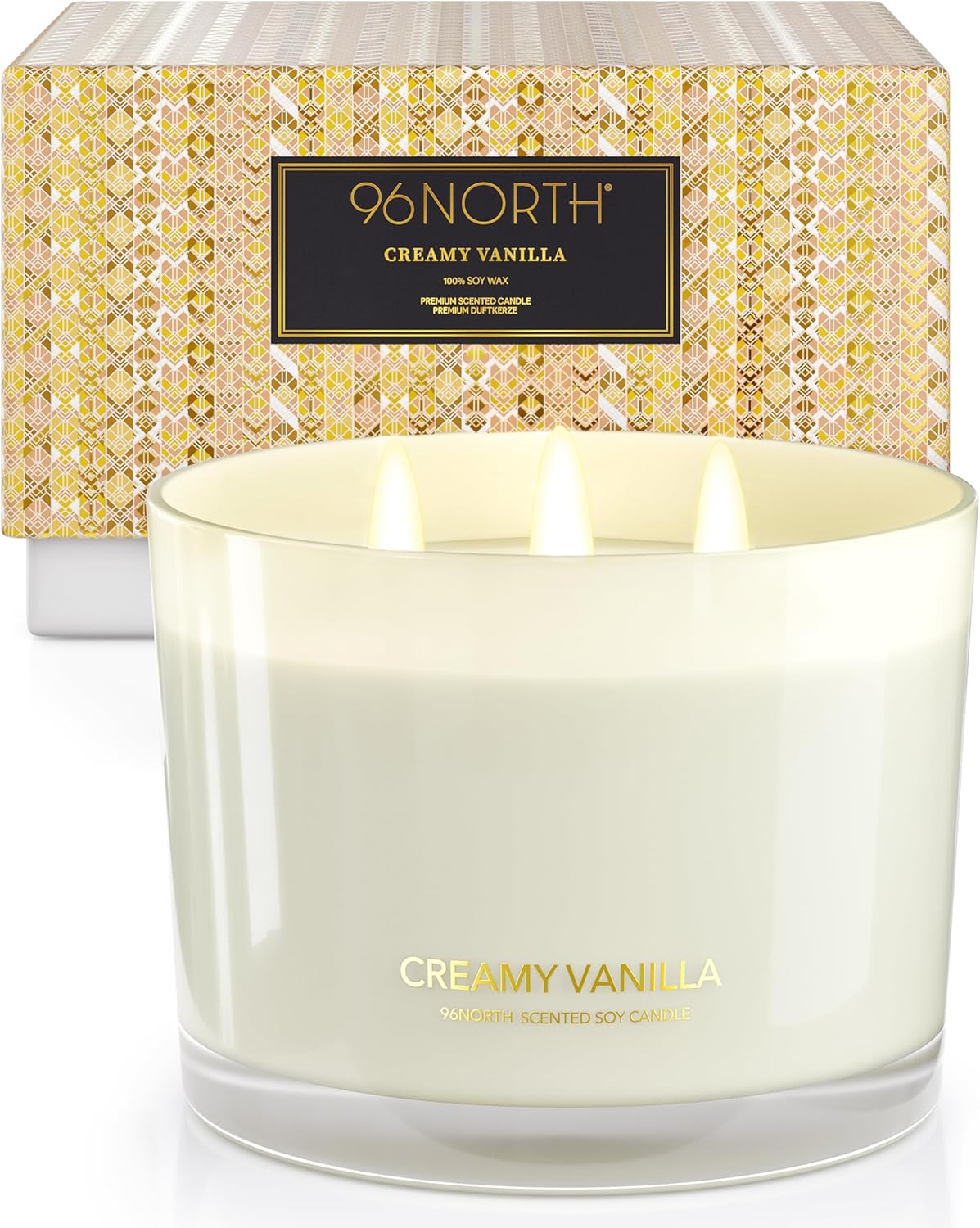
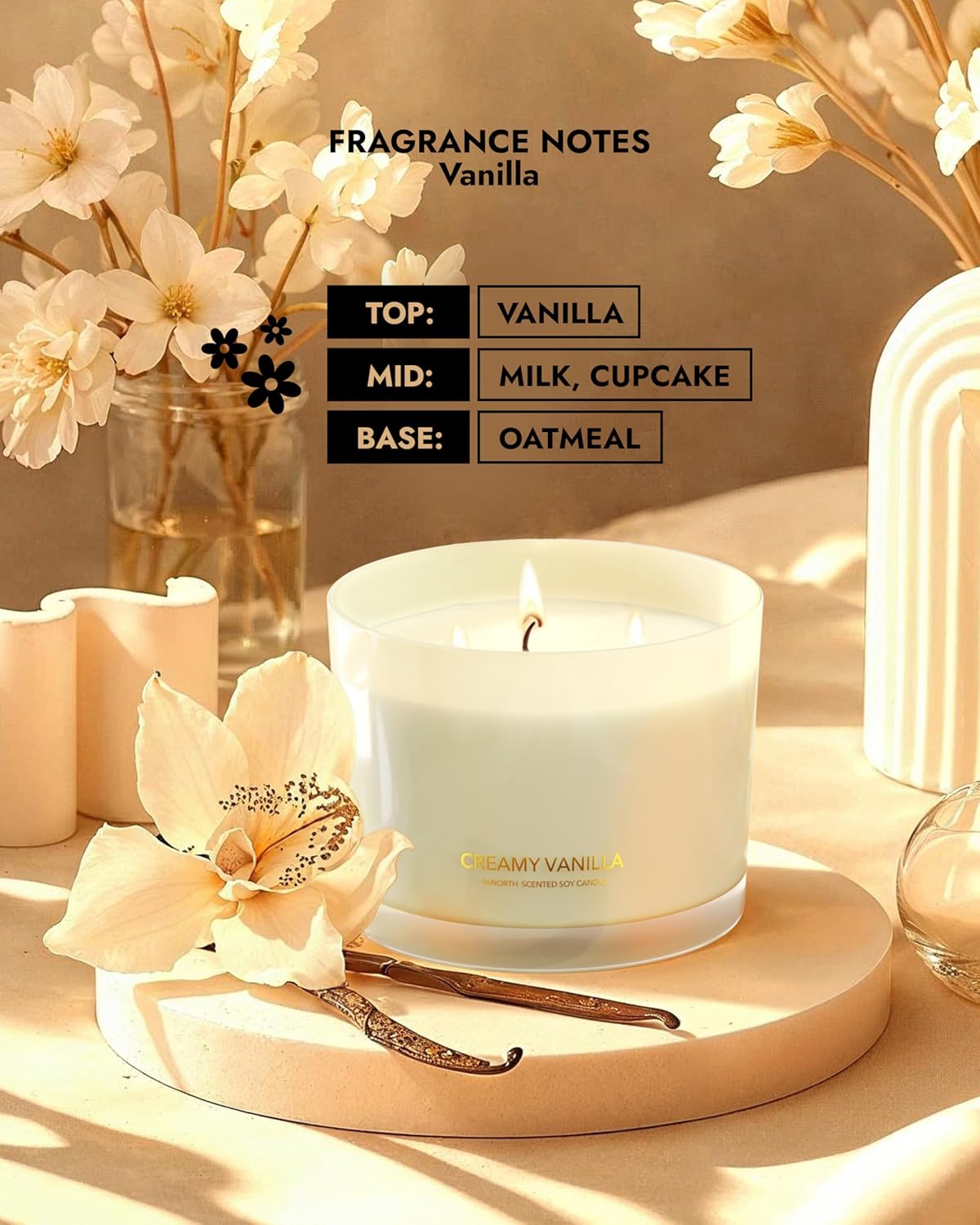
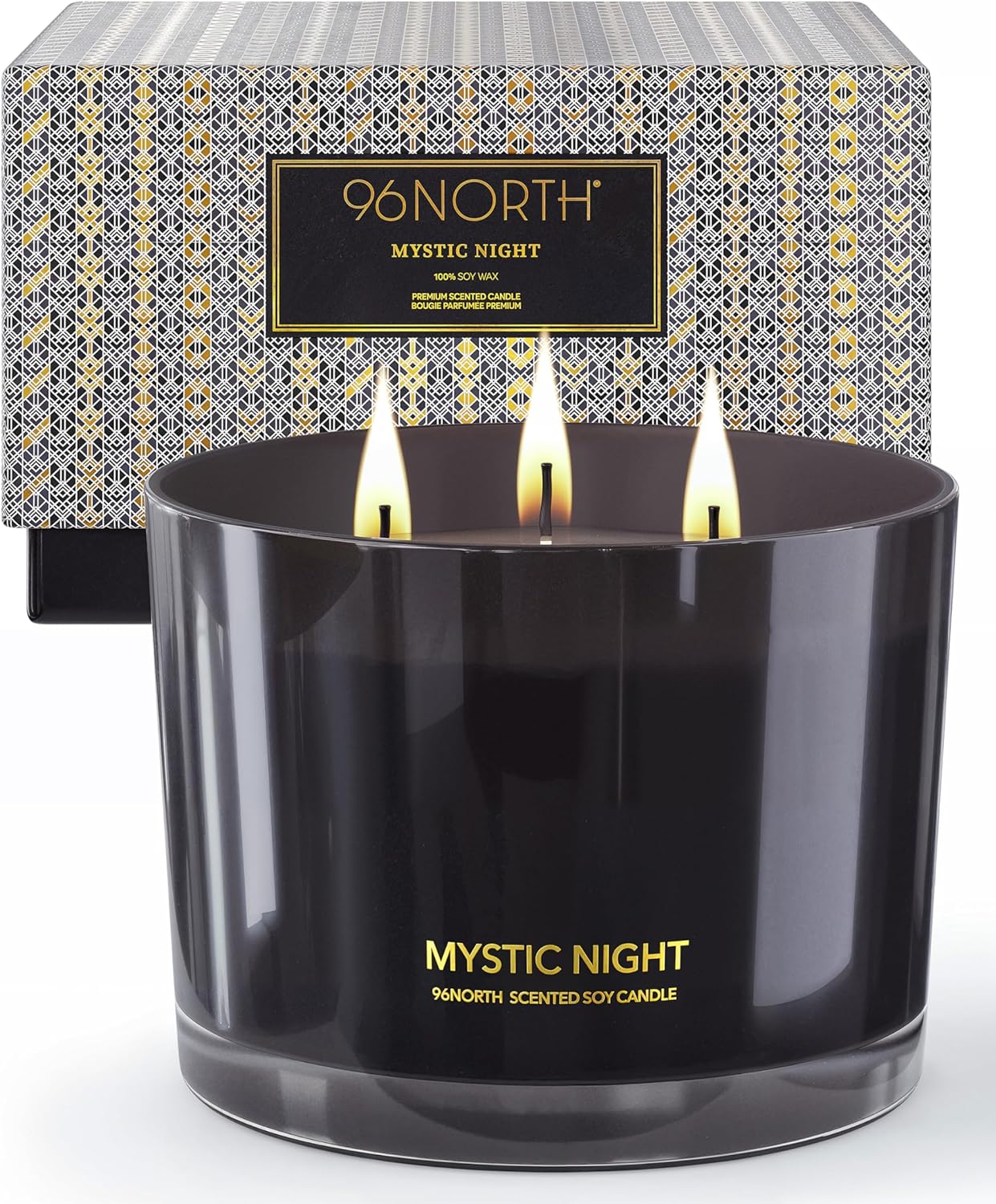
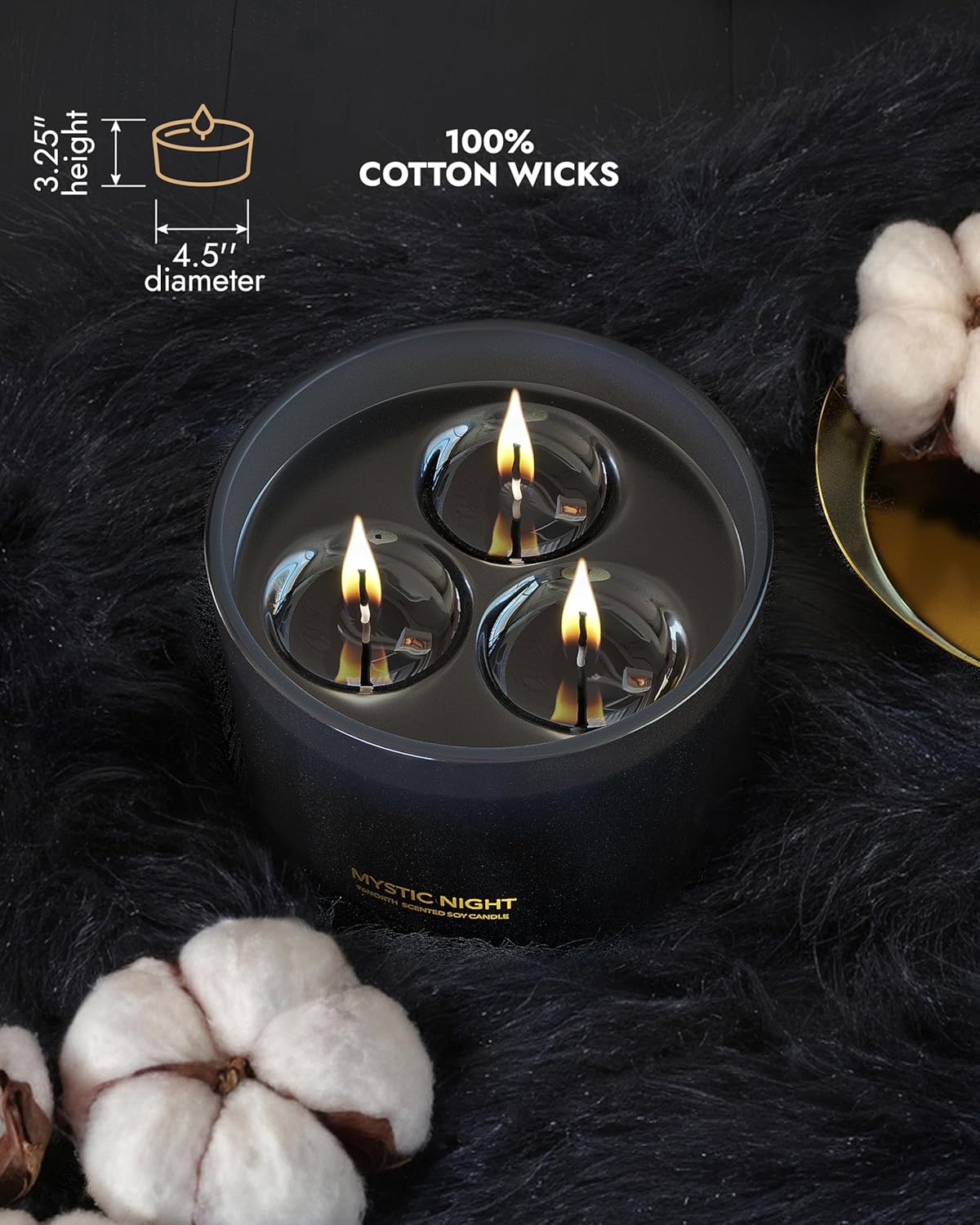
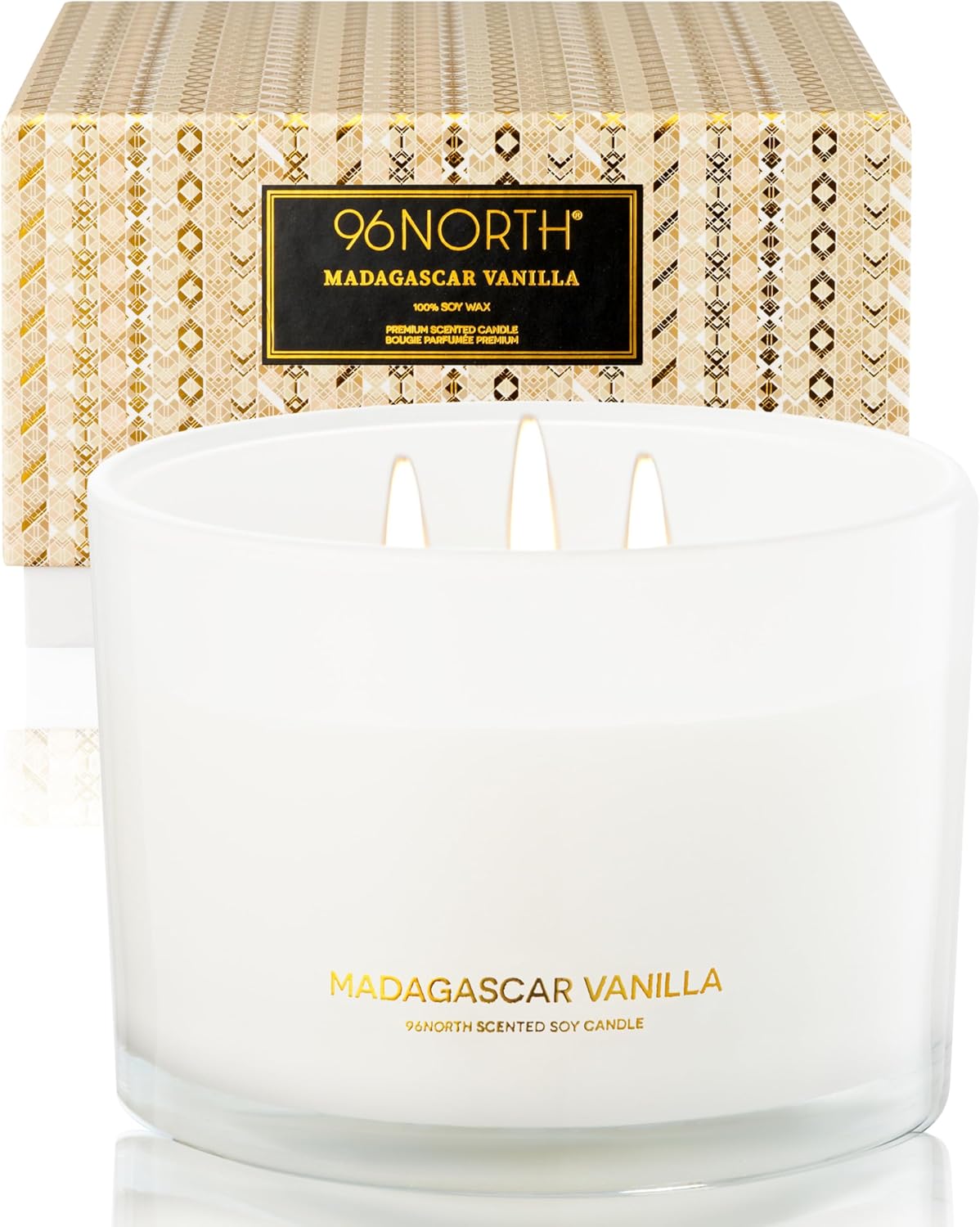
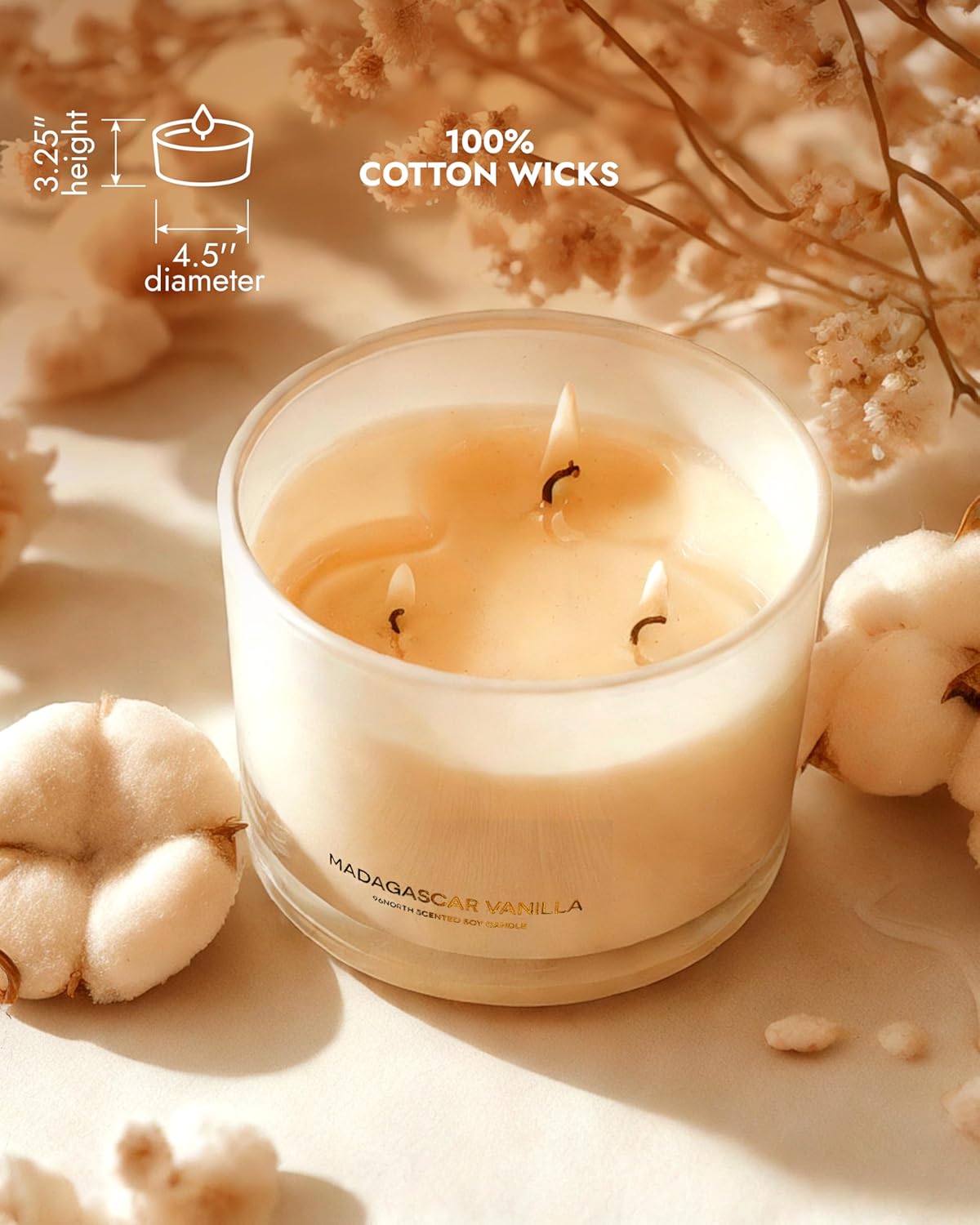
For example, 96NORTH formulates its entire collection with 100% natural soy wax and lead-free cotton wicks. Even with clean ingredients, we always recommend using proper room ventilation and shorter burns if you are sensitive to scents. To explore beautifully poured, transparently formulated options, browse the 96NORTH candle collection.
5. Control Soot and Smoke with Mindful Wick Care
Soot on a jar indicates incomplete combustion, which releases fine particulate matter into your breathing zone. Minimizing this soot prevents respiratory irritation, protects your walls, and reduces common pregnancy triggers like headaches and nausea.
When shopping, choose 100% cotton or clearly disclosed wick materials, and avoid candles that visibly smoke on their first light. Tunneling also increases soot because a drowning wick cannot burn cleanly. If a deep trench forms, you can easily fix candle tunneling to restore an even, clean burn.
At home, protect your air quality with these simple habits:
-
Trim the wick to one-quarter inch before every burn.
-
Keep the liquid wax pool level and extinguish the flame if it flickers.
-
Burn candles away from drafts and vents to prevent smoky flames.
If a candle repeatedly smokes despite proper care, discontinue using it during your pregnancy.

6. Follow a Low-Exposure Protocol for Daily Peace
You do not have to choose between a cozy environment and clean indoor air. If you choose to burn candles during pregnancy, this simple daily protocol minimizes exposure while keeping your space peaceful:
-
Ventilate: Burn in large, open rooms. Crack a window, run an exhaust fan, or use an air purifier.
-
Zoning: Keep candles out of the nursery and bedroom, and never burn them while sleeping.
-
Timing: Limit sessions to 30 minutes, then take a fragrance-free break.
-
Separation: Avoid burning near active kitchens if cooking odors trigger nausea.
Tailor this routine to your symptoms. If you experience migraines or hyperemesis gravidarum, consider skipping scented options entirely. If you feel fine, reserve candles for limited "ritual windows" like an evening bath.
If candles are part of your routine, choose transparently made options and follow best-practice burn care on 96NORTH.
7. Swap Fragrance for Cozy, Scent-Free Rituals
If even clean candles trigger nausea right now, you are not alone. Scent aversion is a highly common physical response during pregnancy, making a fragrance-free environment a smart, safety-first choice.
The true goal of an evening routine is nervous-system calm, not the aroma itself. You can easily preserve your soothing wind-down rituals using other sensory triggers:
-
Warm lighting: Swap harsh overhead lights for amber bulbs, fairy lights, or flameless LED candles to signal melatonin production.
-
Tactile comfort: Combine a warm bath with a plush weighted blanket, hot chamomile tea, or calming acoustic music.
-
Natural odor control: Neutralize cooking or pet odors using open windows, baking soda, or activated charcoal bags.
Once your scent sensitivity resolves postpartum, you can slowly reintroduce clean, transparently formulated home fragrance. When you are ready, browse the non-toxic 96NORTH candle collection to gently welcome comforting aromas back into your sanctuary.
Frequently Asked Questions About Candles and Pregnancy
Are scented candles safe during pregnancy?
There is no single yes or no answer because safety depends on room ventilation, burn times, personal sensitivity, and the specific candle formulation. If you notice symptoms like headaches, sudden nausea, or respiratory irritation, treat that as an immediate stop signal. For the safest experience, limit your burn sessions, focus on excellent room-to-room ventilation, and consult your healthcare provider or midwife if you have underlying respiratory sensitivities.
Are soy candles safe during pregnancy?
Soy wax is a reasonable, clean-burning choice during pregnancy, but the overall safety of any candle still depends heavily on the fragrance load and proper soot control. When shopping, prioritize brands that provide total ingredient transparency, including the exact wax type, lead-free cotton wicks, and safe fragrance disclosures. Make sure the candle burns evenly, as soot from poor combustion can easily irritate your sensitive airways.
Are essential oil candles pregnancy-safe?
A natural label does not guarantee that a product is gentle or safe. Essential oils are potent, highly concentrated botanical extracts that can trigger strong physical reactions or allergies when inhaled, especially during pregnancy. The most conservative approach is to avoid experimenting with complex, heavy essential oil profiles. Keep your sessions brief, stop burning the candle if you feel symptomatic, and consult your doctor if you are unsure.
What candle is the safest option if I’m anxious about exposure?
If you want to keep your exposure as low as possible, your best option is an unscented candle made with minimal, verified ingredients like pure beeswax or plain soy. Burn it in a large, well-ventilated room for short intervals. If you manage health conditions like asthma, severe migraines, or hyperemesis gravidarum, the safest path is to skip candles entirely. Please see "Swap Fragrance for Cozy, Scent-Free Rituals" above for soothing, flame-free alternatives.
How can I make candles burn cleaner (less soot) while pregnant?
You can keep your indoor air clean by trimming the wick to one-quarter inch before every single burn. Keep the candle away from drafts, and extinguish it if the flame smokes or flickers. If the wax starts to dip unevenly, learn how to fix candle tunneling to restore a clean, flat burn. These simple habits also help you enjoy long-lasting candles while significantly reducing your overall exposure to soot and indoor irritants.