
Flat WFH energy or stressy evenings can make switching off feel impossible. Fortunately, understanding how scent affects mood offers an instant reset. Because olfactory pathways connect directly to your emotional center, simple scent associations shift your mental state faster than cognitive effort.
Here are 7 practical routines to help you match your daily mood goals with clean, intentional fragrance profiles.
Let us start with brain science.
1. The Science of the "State Change"
Ever notice how a single aroma can stop a stressful thought mid-sentence? The science of how scent affects mood comes down to neurological wiring.
When you inhale, scent molecules bypass your logical brain and travel directly to the olfactory bulb. This structure connects straight to the amygdala and hippocampus, the brain's primary centers for emotion and memory. Because there is no mental filter, olfactory pathways trigger immediate emotional and physical shifts.
This makes scent a powerful "state cue" to help you start, reset, or wind down. For example, inhaling a spa-like eucalyptus mist instantly signals your nervous system to let your shoulders drop.
Your Micro-Action: Choose one daily transition today (like closing your laptop) and anchor it by lighting a grounding candle.
2. The Power of Scent Memory and Personal History
Why does the exact same lavender or vanilla fragrance bring you absolute peace, yet make someone else restless? It is because how scent affects mood depends entirely on your personal history. Scent acts as an emotional time machine.
When an aroma triggers an autobiographical memory, your brain does not just recall a picture. It re-experiences the physical feelings from that moment. For instance, while warm coconut might transport you to a calm vacation, hospital antiseptic can trigger immediate anxiety. Your unique associations dictate whether a fragrance heals or hinders.
Your Micro-Action: Spend 60 seconds on a personal scent audit. Identify three aromas you associate with:
-
Calm
-
Focus
-
Comfort
Use these personal anchors instead of generic advice to guide your next wellness ritual.
3. Map Your Mood: The Four-Bucket Scent Framework
Simplify how scent affects mood by matching your daily goals to a simple coordinates system: arousal level (up or down) and emotional tone. Most mental states map directly into four functional buckets:
-
Bright (citrus): Raises arousal to energize.
-
Air-clearing (herbal): Sharpens focus and mental clarity.
-
Soft (floral): Lowers arousal to help you unwind.
-
Warm (gourmand/amber) & Anchoring (woody): Grounds and comforts.
Your Micro-Action: Choose one room and one goal today. Burn air-clearing herbal notes in your home office for clarity, and use soft florals in your bedroom to wind down.
The Guardrail: Start light. Scent intensity impacts your nervous system just as much as the specific note profile you choose.
4. Sensory Zoning for Morning Momentum and Focus
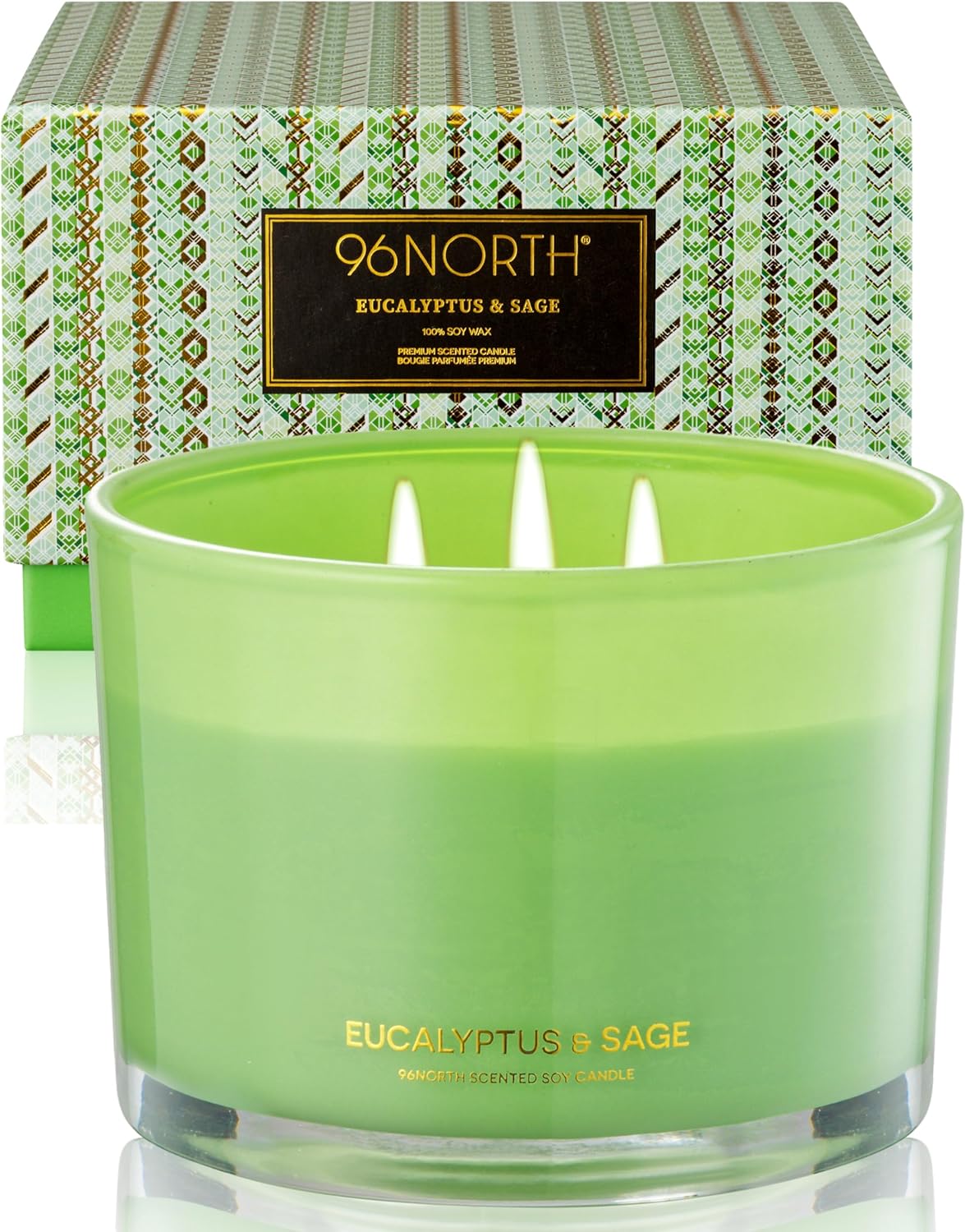
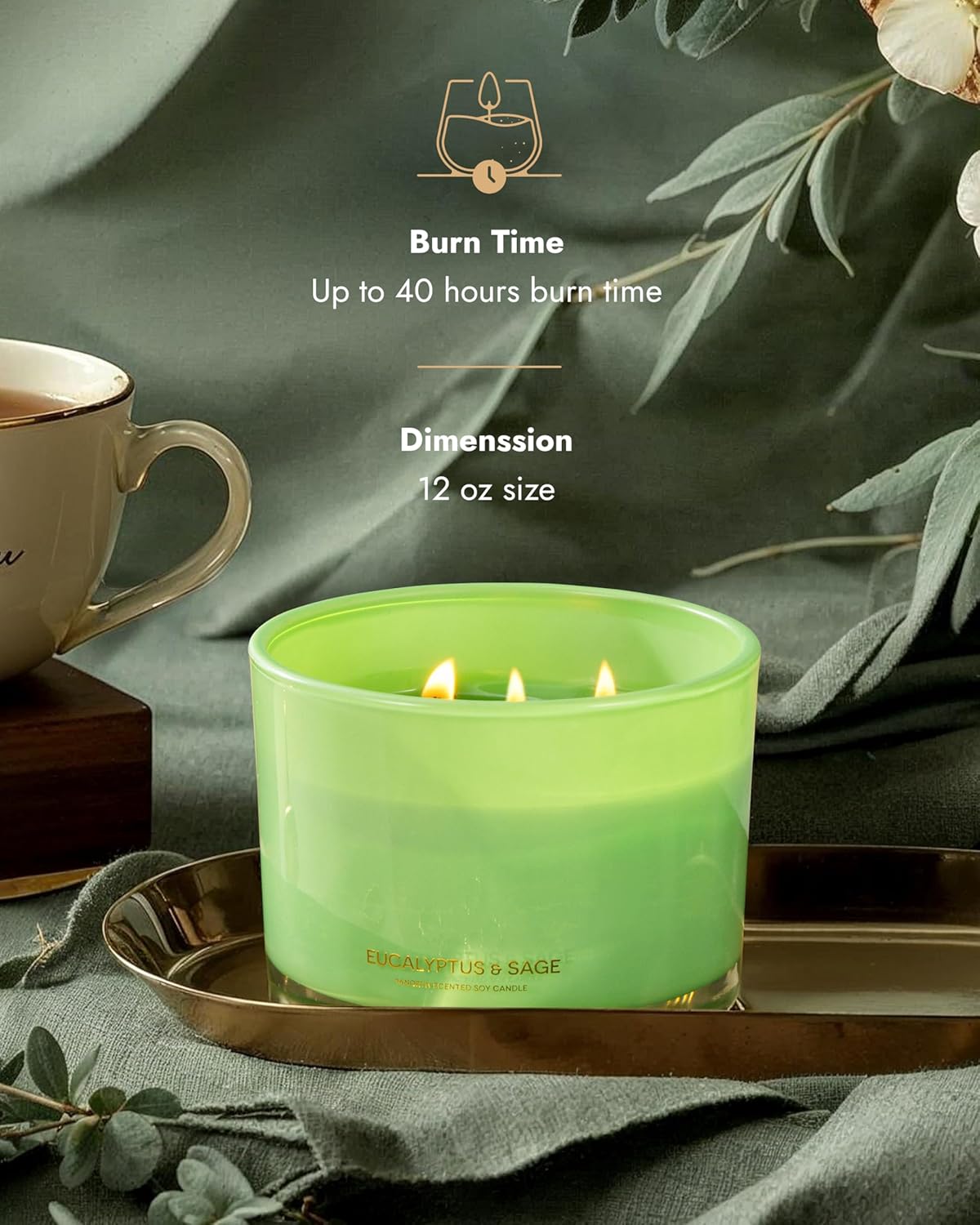
To defeat morning brain fog and WFH productivity friction, use strategic olfactory cues to shift your mental state. How scent affects mood depends on immediate nervous system activation. For rapid cognitive clarity, choose fresh, activating notes like lemon, bergamot, eucalyptus, and rosemary.
Position these invigorating scents in key transition zones:
-
Home office desks to cue focus
-
Kitchen counters during breakfast
-
Front entryways to reset your mindset
Your Micro-Action: Light an energizing candle for the first 30 to 60 minutes of work, then extinguish it. This targeted sensory trigger prevents nose-blindness while keeping your mental momentum high. To easily elevate your morning routine, explore 96NORTH’s fresh and aromatic fragrance families for a clean, focus-inducing lift.
5. The "Soft Landing": Floral Scents for Bedtime Wind-Down
When a racing mind stalls your evening transition, cognitive willpower rarely eases the tension. Understanding how scent affects mood allows you to use a sensory "soft landing" to bypass overstimulation and signal the nervous system to relax.
To create a gentle, quiet, and settling environment, look for calming botanical notes:
-
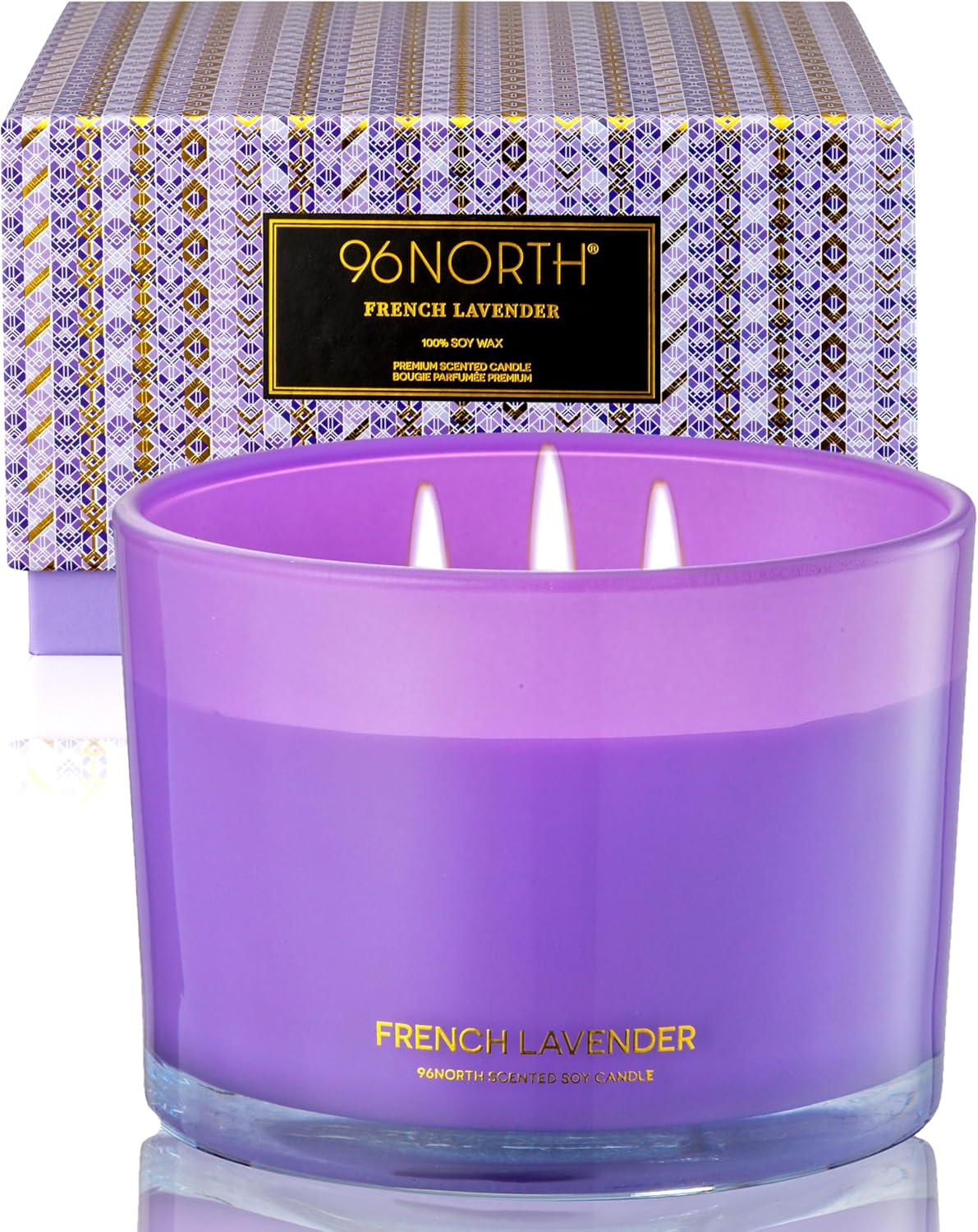
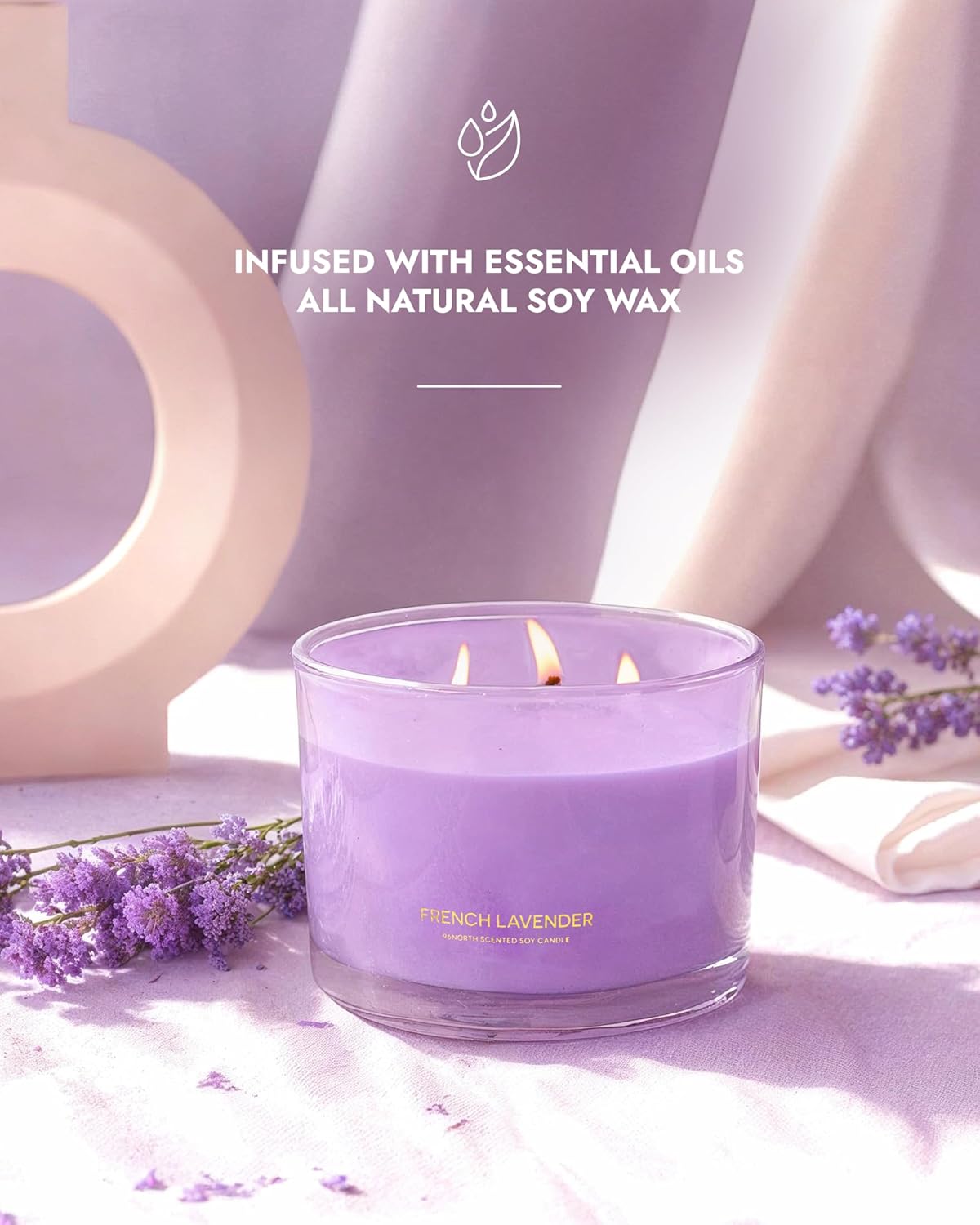
Lavender
-
Jasmine
-
Rose or neroli
Introduce these aromas 30 to 90 minutes before sleep during a warm bath or skincare routine. Lighting a specific floral candle only during this wind-down window builds a powerful sensory cue. Over time, this recurring ritual acts as a firm brain boundary, telling your mind it is safe to drift off.
Note: Keep the fragrance subtle if you are prone to headaches.
6. Finding Your Center: Woody Scents for Restlessness and Transition
When scattered attention and end-of-day frazzle leave you spinning, you need an emotional anchor to land. Understanding how scent affects mood helps you transition mindfully without feeling sleepy. Instead, woody aromas offer a steady, warm, and contained atmosphere.
Look for anchoring notes:
-
Cedarwood
-
Sandalwood
-
Vetiver
-
Palo santo
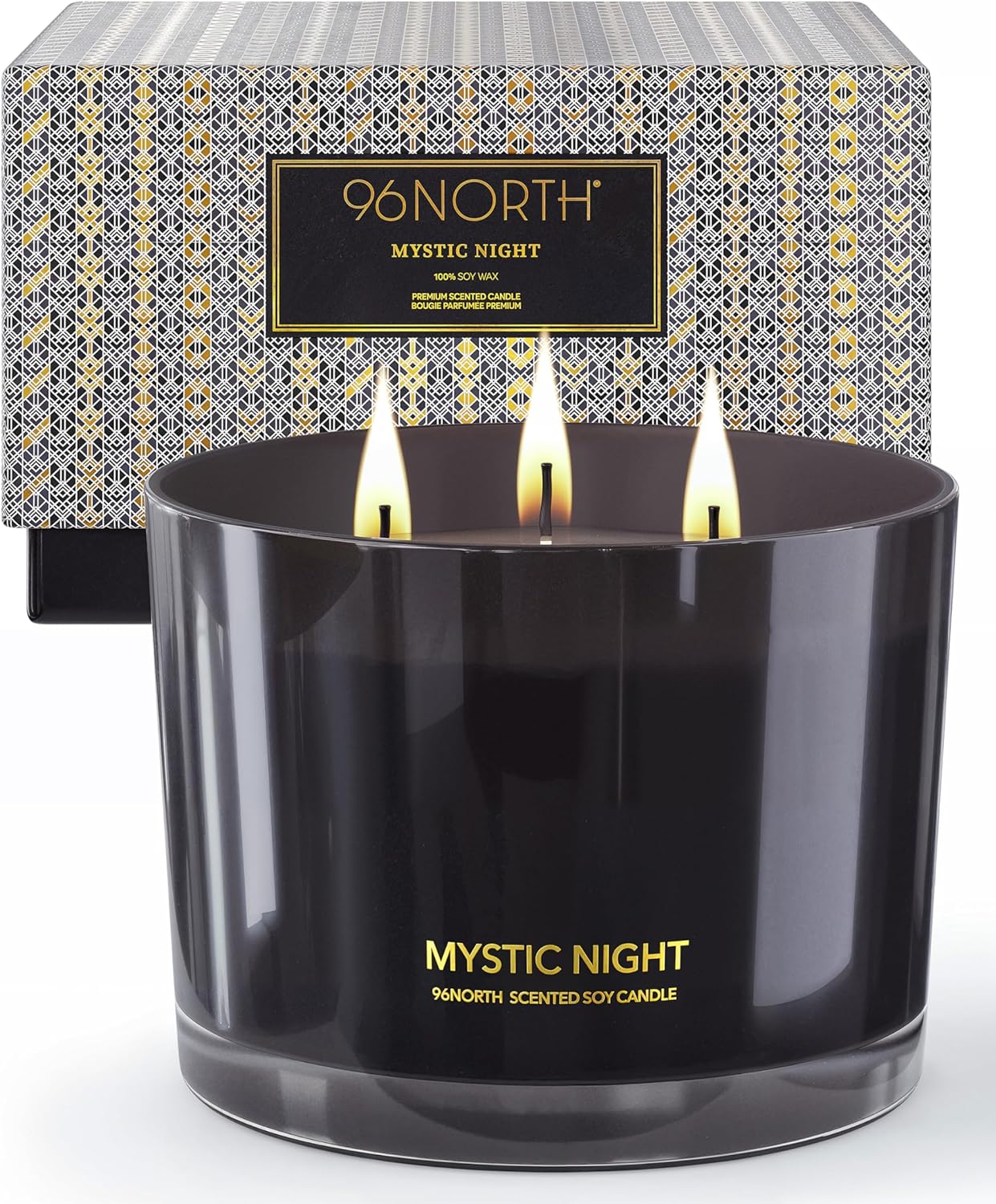
These earthy notes act as a quiet home base, making them ideal for your living room, reading nook, or late-afternoon reset. Lighting a woody candle during evening tea or journaling signals a clear boundary from the workday.
Your Micro-Action: Light your candle, place both feet flat on the floor, and take three slow breaths to lock in the grounding cue.

7. Cozy Comfort: Gourmand Scents for Warmth and Reconnection
When winter heaviness or loneliness sets in, understanding how scent affects mood helps you use nostalgic gourmand aromas to make your space feel like an immediate hug. These comforting fragrances work because your brain closely associates culinary memories with safety and belonging.
Look for cozy, inviting notes:
-
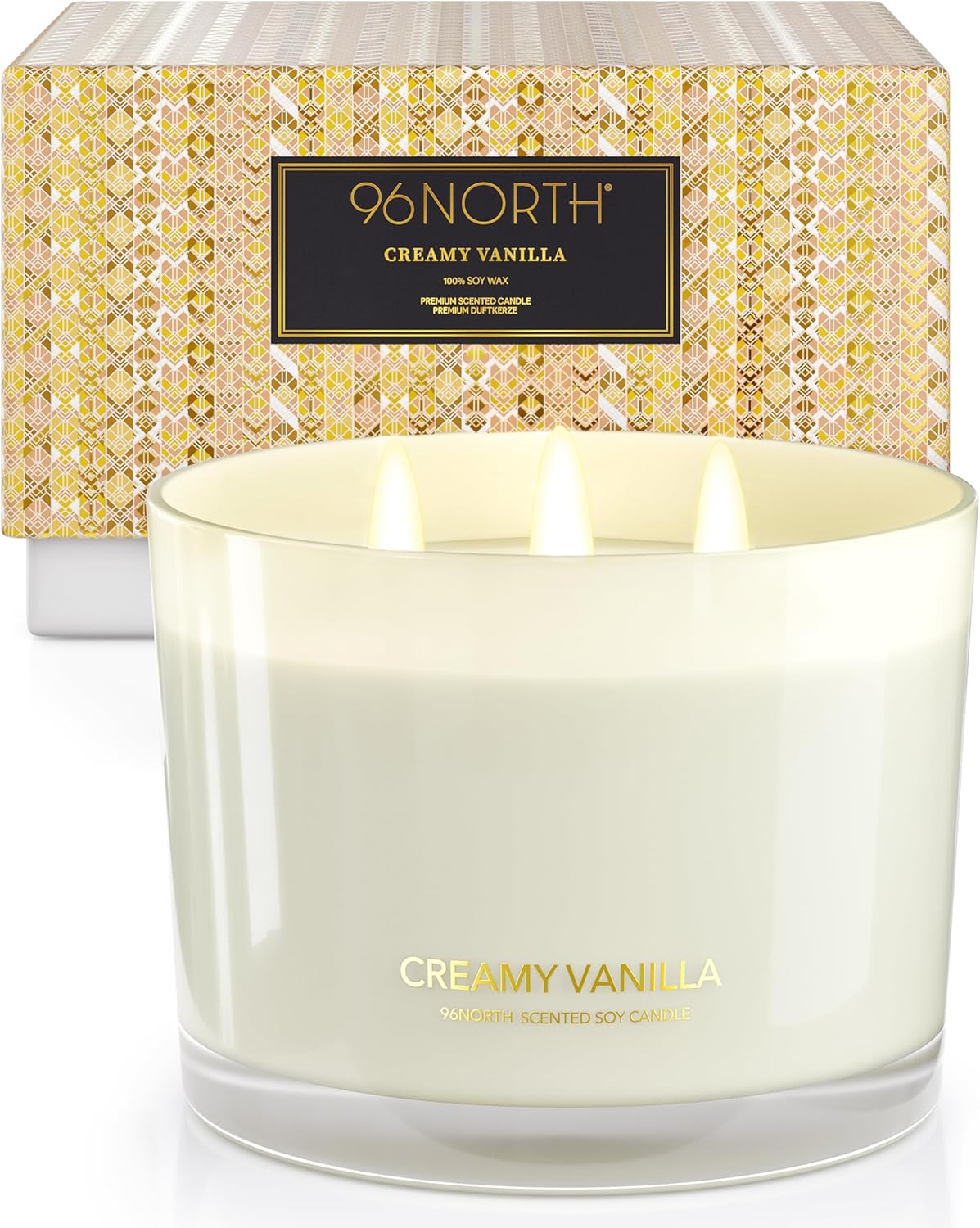
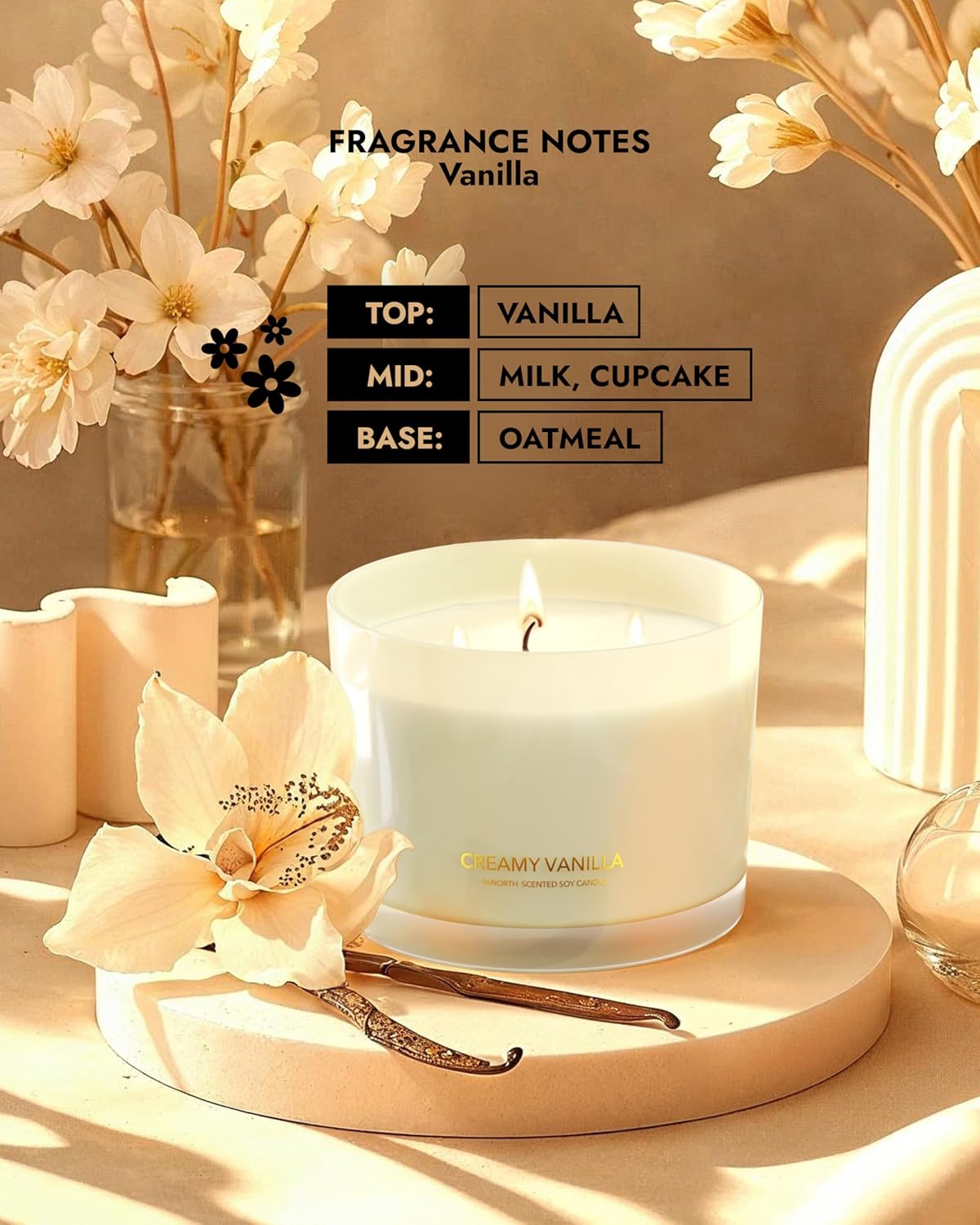
Creamy vanilla
-
Roasted coffee
-
Warm cinnamon or tonka bean
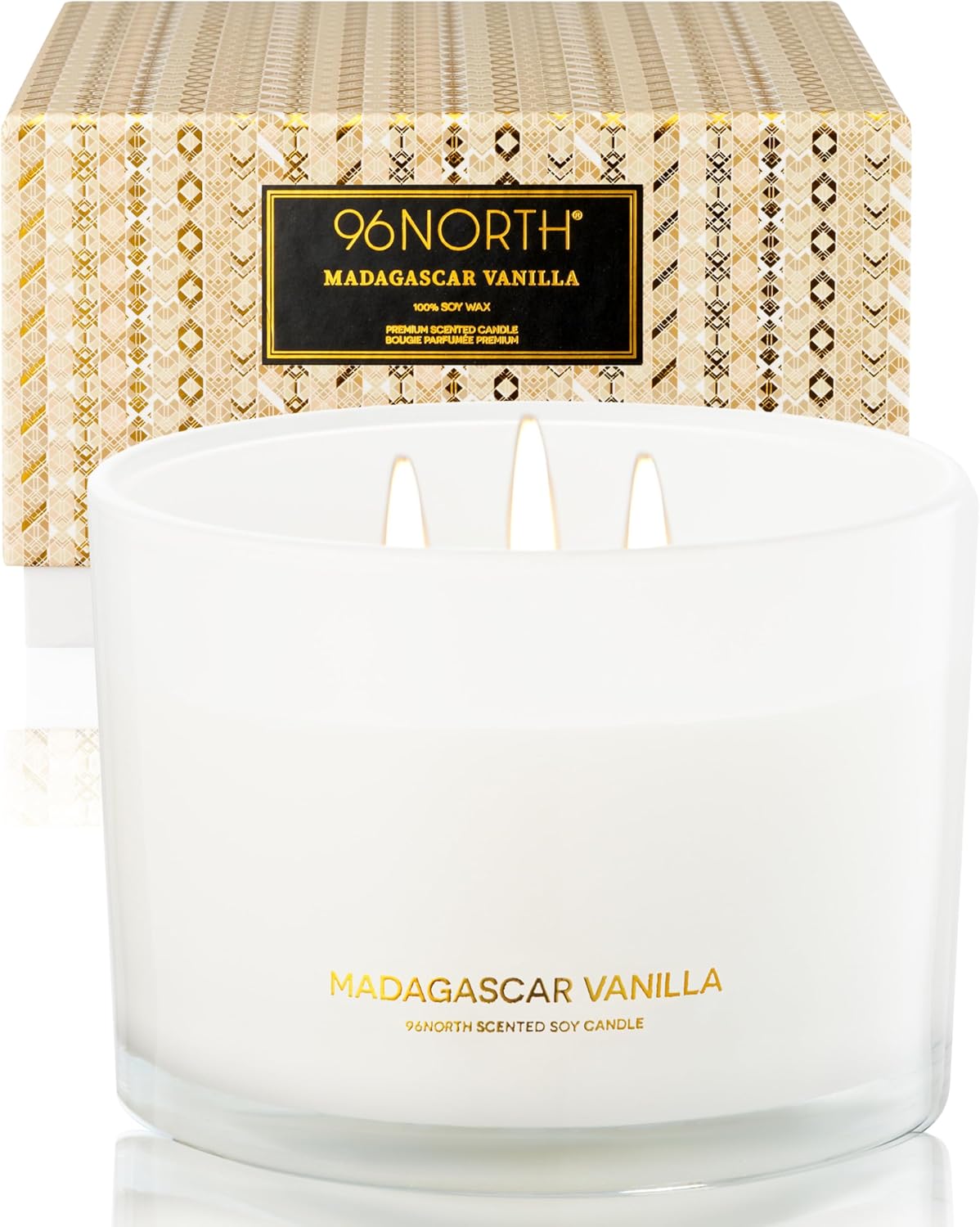
These sweet profiles excel during post-work decompression, quiet evenings, or hosting. For an instant "Sunday reset," burn a vanilla candle while cleaning and playing music.
The Guardrail: If heavy sweetness triggers headaches, swap sugary scents for wood-blended gourmands. This provides the same emotional warmth but with a grounded, earthy balance.
How to Build Your Daily Scent Routine: A 5-Step Sensory Protocol
Optimize how scent affects mood by turning olfactory psychology into a structured, daily habit.
Step 1: Designate One Mood Goal Per Space
Assign one emotional intention per room. Dedicate the bedroom to unwinding, the office to focus, and the living room to grounding.
Step 2: Select Your Scent Vehicle
Match the delivery method to your spatial needs. Choose soy candles for active rituals and read how scented candles work to optimize performance. For passive scenting, use reed diffusers and check how long reed diffusers last to plan seasonal replenishment.
Step 3: Time-Box Your Fragrance Windows
Limit active diffusion to 30 to 120 minutes to prevent olfactory fatigue. Extinguish the flame once the aroma fills the space.
Step 4: Pair Scent with a Tangible Habit
Anchor your fragrance to an established routine. Light a calming candle only when you pour tea, stretch, or journal to accelerate mental association.
Step 5: Keep a Quick Sensory Log
Track your response daily. Record the fragrance, your mood before and after, and any physical reactions to find your perfect matches.
Explore clean-burning collections at 96NORTH as your routine companion, or browse curated floral scents to invite restorative serenity.
Frequently Asked Questions
Does scent actually change your mood, or is it a placebo?
Scent changes your mood through a combination of rapid biological pathways and learned associations. When you inhale, fragrance molecules bypass your logical mind to trigger immediate neurological shifts in your emotional center. Whether the effect comes from this direct biology or a psychological association, the ritual itself serves as a powerful mental cue. Keep in mind that aromatherapy is a supportive wellness tool, not a replacement for medical care.
How fast does fragrance affect mood, and how long does it last?
Scent affects your mood within seconds of inhalation, while the lasting impact depends on repetition and environmental context. Because your brain adapts to constant aromas, you may experience nose-blindness after a short period. To maintain the mood-shifting benefits, time-box your sessions to under two hours and rotate your fragrance profiles regularly to keep your sensory responses active.
Candles, essential oils, or synthetic fragrances: which is better?
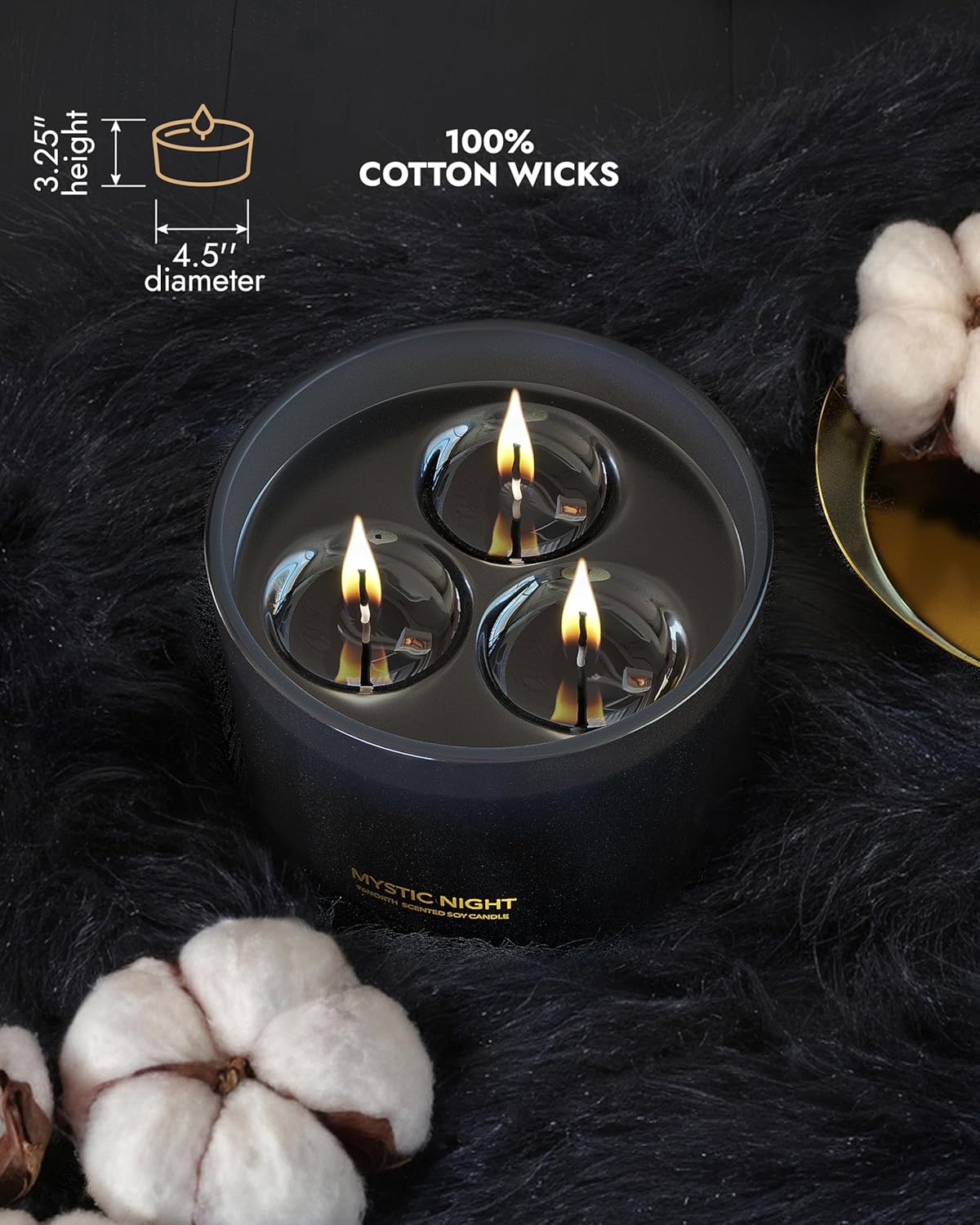
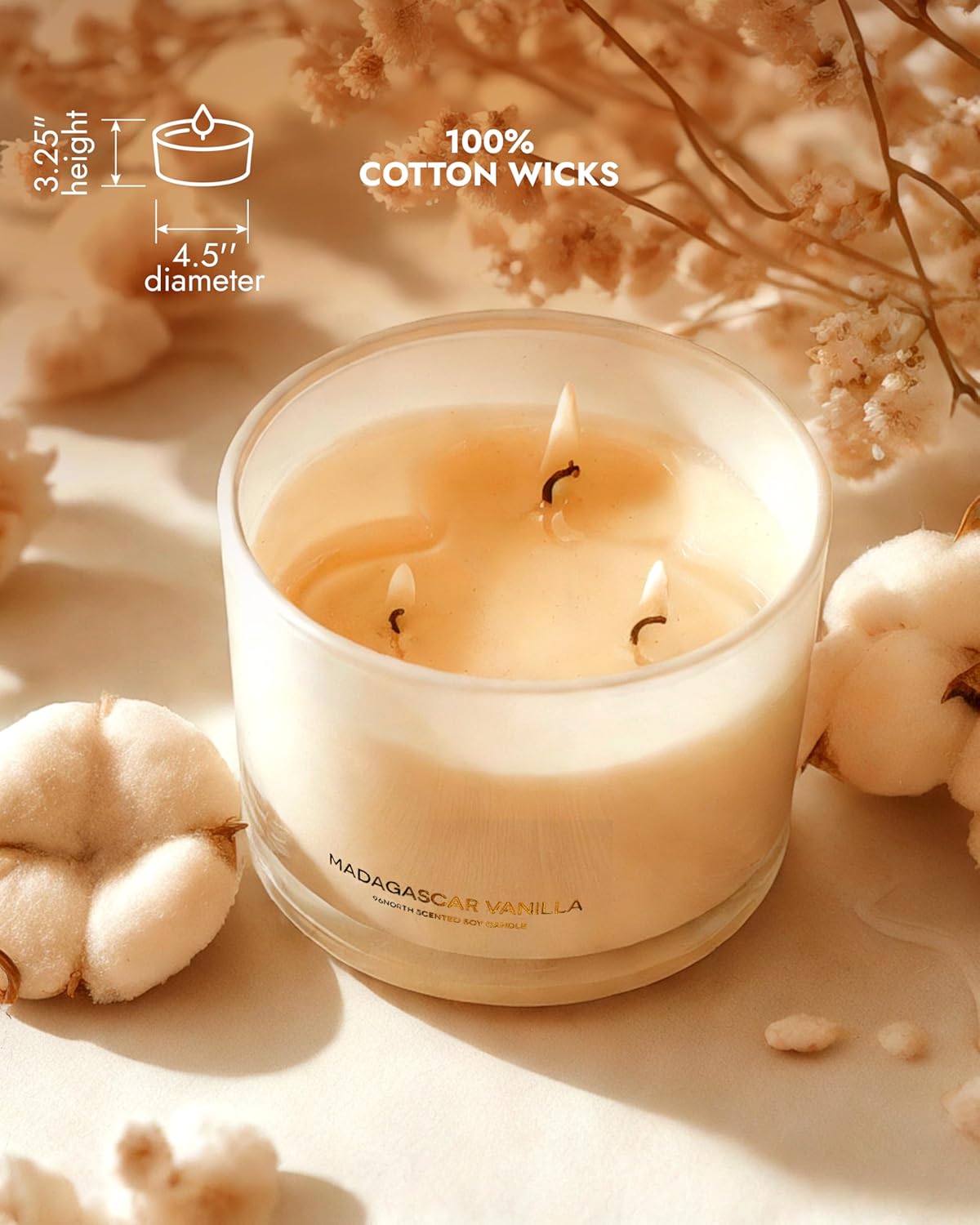
The best fragrance option is the one that aligns with your physical tolerance and lifestyle goals. Highly concentrated essential oils can sometimes cause irritation, while synthetic blends vary widely in quality. Look for clean-burning soy candles with cotton wicks for a soot-free experience. Focus on finding high-quality, transparent ingredients that deliver a pleasant throw without triggering headaches or physical discomfort.
What if scents give me headaches or I have pets and children?
If you have pets, kids, or sensitivities like asthma, prioritize low-intensity sessions in well-ventilated spaces. Avoid continuous diffusion and keep candle wicks trimmed to eliminate excess soot. Rather than burning heavy fragrances all day, use short, twenty-minute sessions in open rooms. Discontinue any scent immediately if you or your loved ones show signs of irritation or discomfort.
Can you train your brain to associate a scent with sleep or focus?
Yes, you can actively train your brain to link a specific aroma with focus or rest. Dedicate one distinct scent to a single daily habit, maintaining this consistency for two weeks without using that fragrance at other times. For a peaceful bedtime ritual, try a soothing blend from our floral collection to establish a firm mental cue for sleep.