
You do not have to choose between a beautifully scented home and clean, safe bedroom air. If candle fumes trigger headaches or cause you to worry about your kids and pets, understanding VOCs in candles is the first step to peace of mind. You will learn exactly what these compounds are, what factors raise or lower them, and how to burn your favorite scents safely.
Start with what VOCs actually means in plain English.
1. What Are VOCs? (And the "Organic" Misconception)
We often assume "organic" means safe, but chemistry has a different definition. Volatile Organic Compounds (VOCs) are carbon-based chemicals that evaporate easily into the air, making them easy to inhale. Because "organic" simply means carbon-based, even natural essential oils release VOCs when heated.
When evaluating VOCs in candles, these compounds escape from three main sources:
-
The burning wax
-
The wick
-
The heated fragrance
You do not need a zero-VOC home to protect your health. Instead, focus on lowering the cumulative chemical load in the rooms where you sleep, rest, and spend the most time.
2. The Three-Lever Model for Clean Burning
Evaluating VOCs in candles does not have to be overwhelming. Use this simple three-lever mental model to shop with confidence:
-
Wax: The fuel source. Paraffin wax is the primary driver of soot and chemical combustion byproducts, while natural soy burns much cleaner.
-
Fragrance: The compounds that volatilize into your air as the candle warms. Both synthetic and natural scent ingredients can irritate sensitive airways.
-
Wick: The engine of the flame. A poorly constructed wick causes unstable, dancing flames and releases heavy soot.
You can reduce VOCs in candles by upgrading even one lever, but optimizing all three ensures the cleanest indoor air.
3. The Great Wax Debate: Which Type Actually Releases Fewer VOCs?
While no candle is completely VOC-free, your choice of wax dictates indoor air quality.
-
Paraffin: This petroleum byproduct is the primary source of candle air pollution, releasing the highest level of VOCs.
-
Soy: Burns cooler and produces less soot, but watch for "soy blends" that quietly contain paraffin.
-
Beeswax: A clean-burning option, though VOC emissions still depend on wick quality and added fragrance.
-
Coconut and Apricot: Premium eco-waxes that minimize respiratory irritation.
For the cleanest burn, avoid vague "wax blend" labels. Choose transparent brands specifying "100% soy" or "100% beeswax."
4. Natural vs. Synthetic: The Hidden Chemistry of Candle Fragrance
"Natural" on a candle label is not an automatic safety shortcut. Fragrance formulations are complex, proprietary secrets rarely disclosed on packaging. While "phthalate-free" claims eliminate questionable chemical fixatives, they still do not guarantee completely irritation-free breathing.
In fact, natural essential oils rich in organic terpenes, like citrus and pine, react with everyday indoor ozone. This chemical reaction creates irritating secondary VOCs in candles that can trigger unexpected respiratory sensitivities.
If you are scent-sensitive, protect your indoor air quality with three habits:
-
Choose lighter fragrance strengths.
-
Limit candle burn times to shorter sessions.
-
Ventilate the room, especially in bedrooms.
5. The Wick Factor: How to Spot a Clean Burn at a Glance
That stubborn black soot on your candle jar is a clear sign of incomplete combustion and avoidable air irritation. The wick acts as the engine of the burn. A poorly constructed wick causes flickering, mushrooming, and an unstable flame that releases higher concentrations of VOCs in candles.
For a clean, steady flame, apply these quick checks:
-
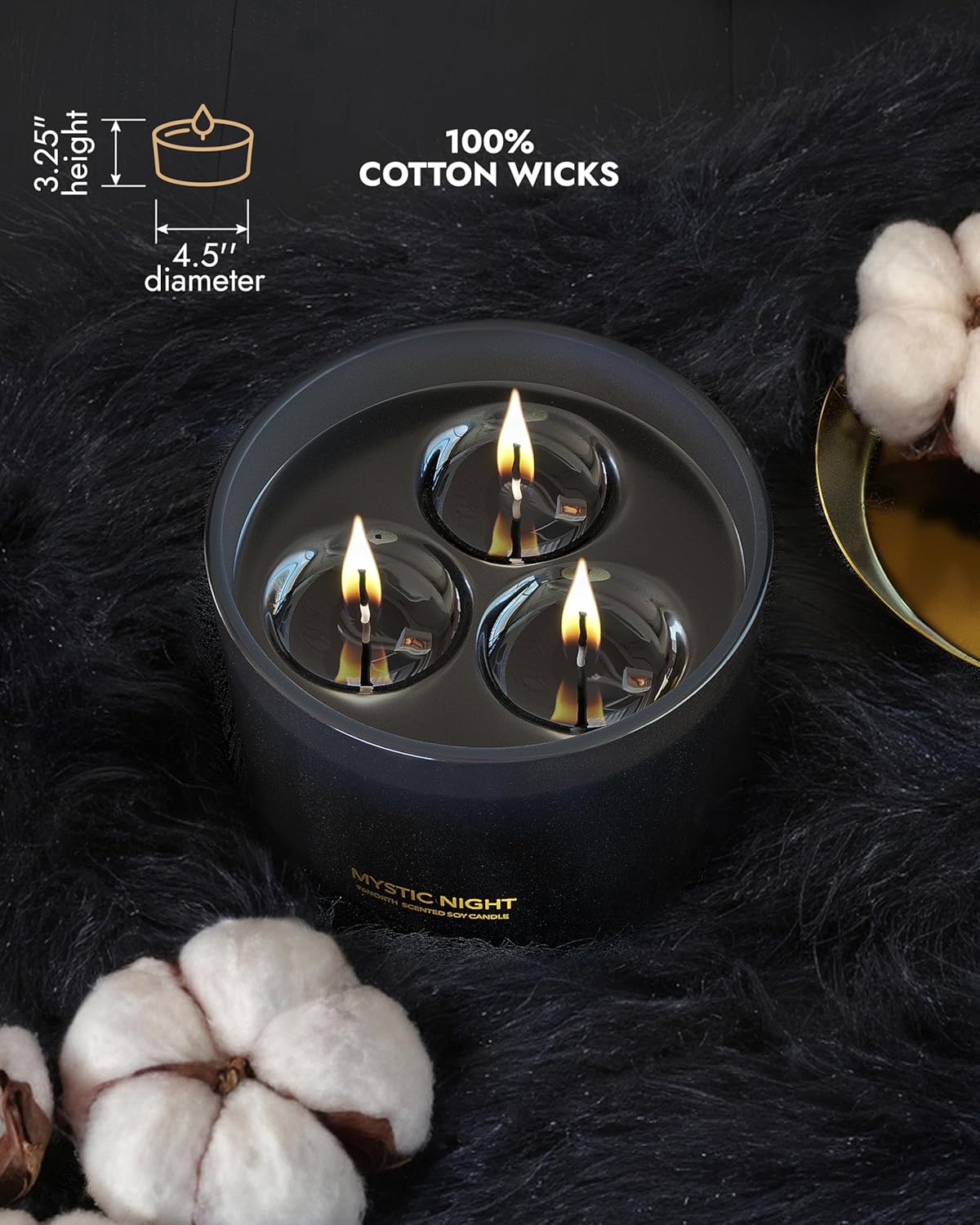
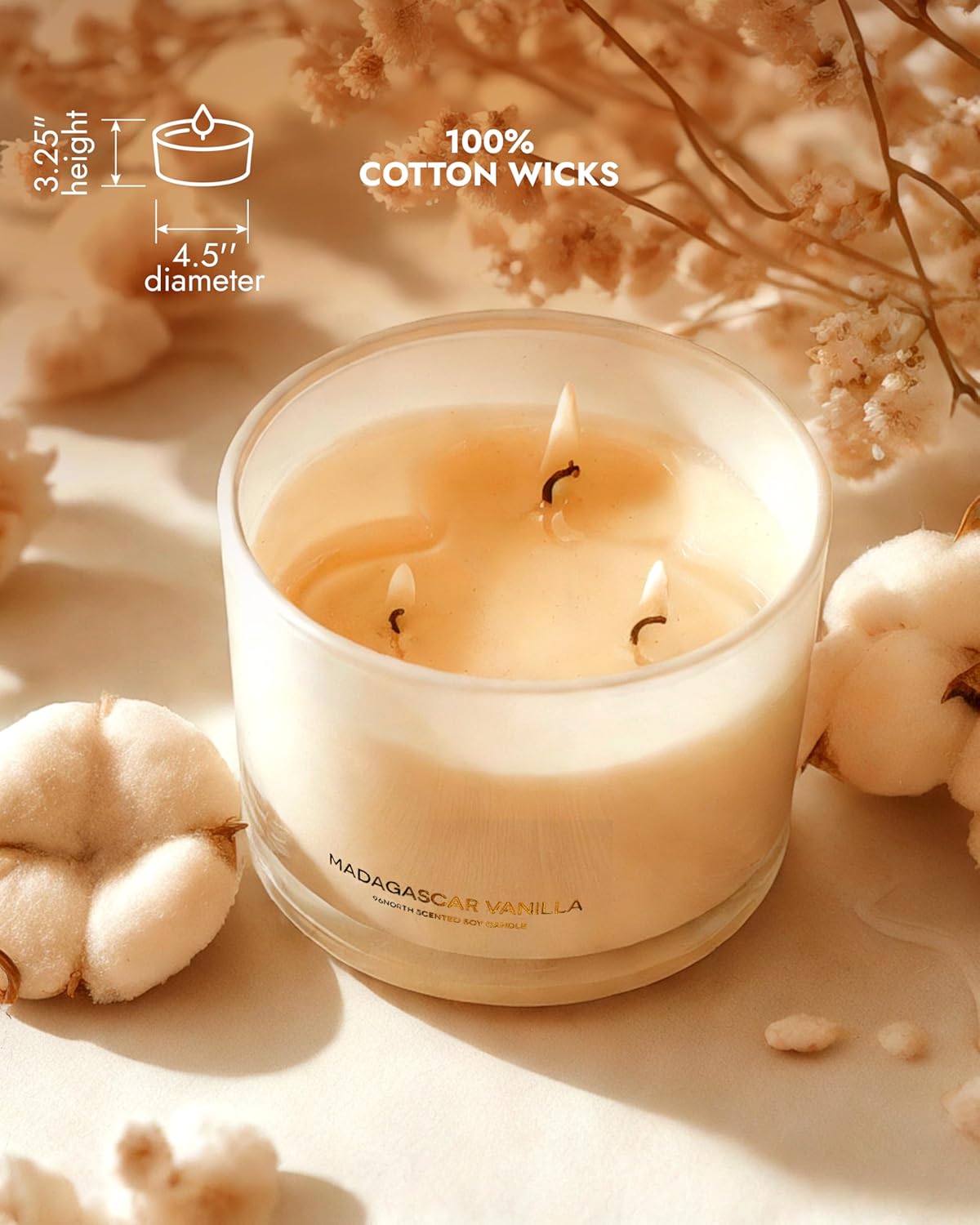
Select lead-free cotton or well-made wood wicks.
-
Avoid vague "metal core" packaging claims.
-
Watch for rapid soot or dancing flames.
If you spot heavy soot quickly, trim the wick, improve ventilation, or switch brands.
6. Kids, Pets, and Candles: How to Protect Smaller Airways
Children and pets are highly sensitive to VOCs in candles. Because they have smaller bodies, spend more time indoors, and breathe closer to the floor where heavy particulates settle, exposure risks are higher.
Protect their developing respiratory systems with these safety rules:
-
Ventilate: Burn only in large, open rooms with active airflow.
-
Limit exposure: Keep sessions under two hours and avoid constant all-day burns.
-
Rotate scents: Skip overpowering fragrances in favor of low-scent or fragrance-free days.
While we offer practical guidance rather than medical advice, monitor your family. If coughing, wheezing, or headaches occur, extinguish the candle and reassess your space.

7. Six Simple Habits for a Cleaner Daily Burn
Enjoying your favorite scents does not require obsessive air quality tracking. A few effortless adjustments keep your indoor air fresh.
-
Trim the wick: Snip to one-quarter inch before lighting to minimize soot and smoke.
-
Ventilate: Crack a window or run a fan, avoiding tiny, closed rooms.
-
Limit burn times: Keep sessions moderate and avoid marathon burns, especially in bedrooms.
-
Reset the wax: Let wax fully harden before relighting to support a steadier burn.
-
Extinguish gently: Snuff the flame instead of blowing it out to avoid a smoke burst.
-
Match the space: Use lighter scents in sleep spaces and robust fragrances in open living areas.
8. The Smart Buyer’s Checklist: How to Verify Candle Safety
To bypass greenwashing and avoid hidden VOCs in candles, use this four-question script to verify safety standards:
-
"What is wax?" Look for "100% soy" and "no dyes" instead of vague petroleum blends.
-
"What is the wick?" Insist on a "lead-free wick" made of natural cotton or wood.
-
"Do you have a phthalate policy?" Confirm they use "phthalate-free" fragrance oils.
-
"Do you verify safety?" Look for IFRA-aligned practices, Prop 65 compliance, and ASTM safety guidance.
When brands clearly state these details, you can burn your candles with absolute peace of mind.
9. Your Quick Candle Safety Checklist for Grounded Daily Routines
To minimize VOCs in candles, audit your collection with this quick checklist:
-
Clear Wax: Look for 100% natural soy or beeswax.
-
Safe Wicks: Use lead-free cotton or quality wood.
-
Ingredient Clarity: Choose brands that fully disclose fragrance components.
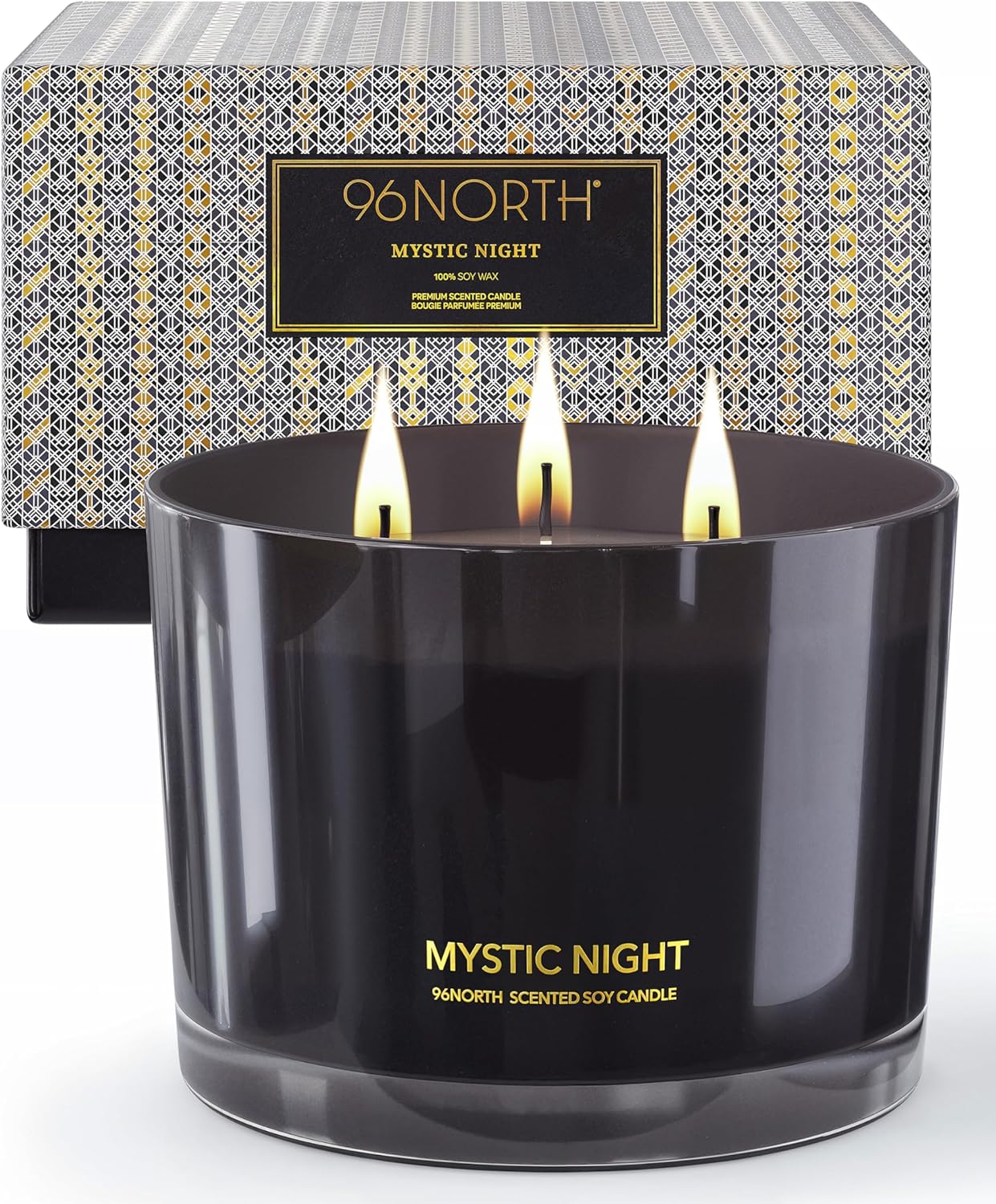
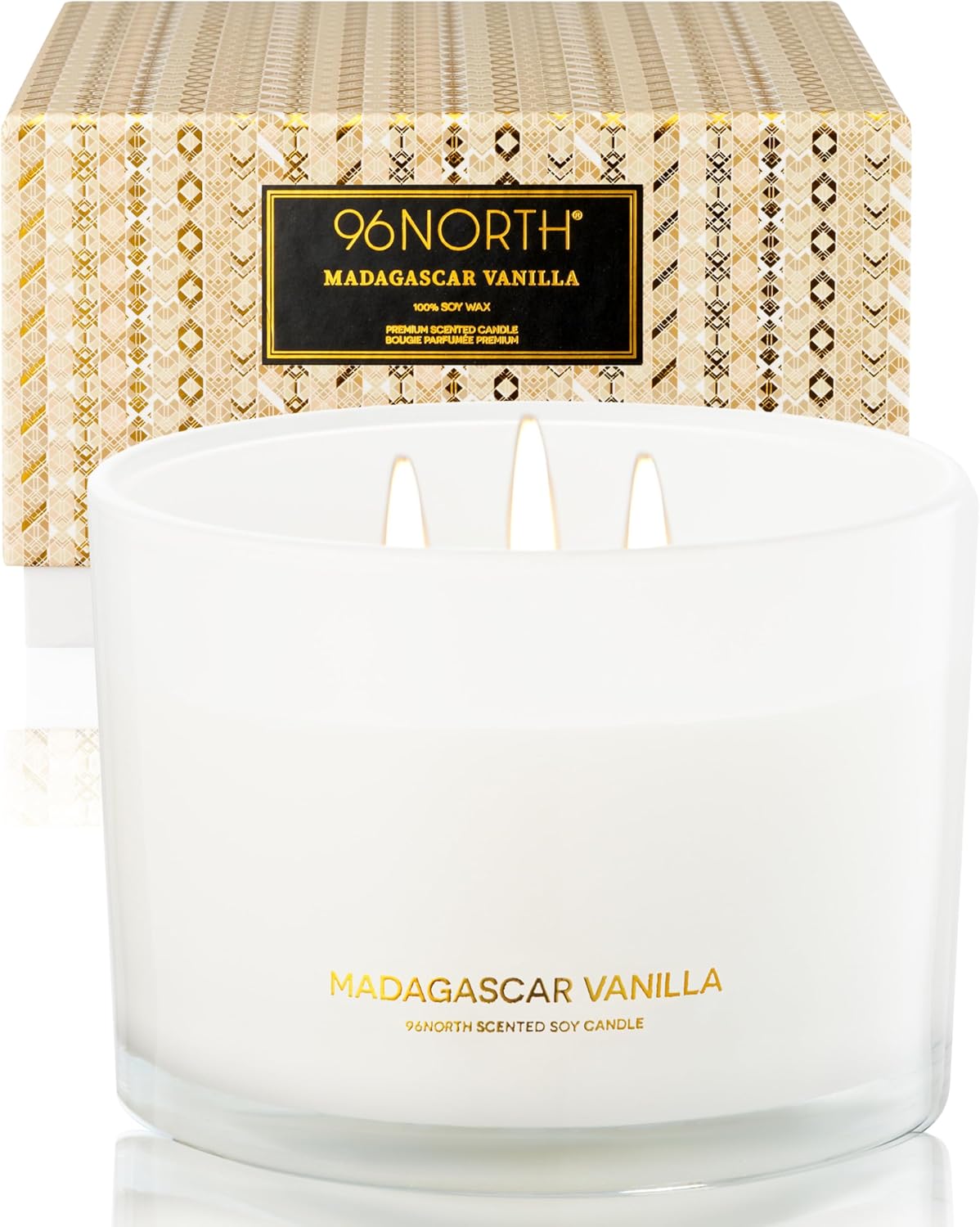
At 96NORTH, we build clean collections to serve as sensory anchors. Set your wind-down hours with calming aromatherapy candles, or design active focus hours with premium scented candles. For gifting, explore our luxury scented candles.
Safer candle use is always a mindful blend of clean product choices and healthy burning habits.
Frequently Asked Questions
Do all candles release VOCs?
Yes, virtually all candles release some Volatile Organic Compounds (VOCs) when burned. Because VOCs are simply carbon-based chemicals that evaporate at room temperature, any organic substance, including clean wax and natural fragrance, emits them during combustion. The goal is not zero exposure but reducing your overall chemical load by selecting cleaner waxes and establishing healthy safety habits. See What Are VOCs? above for the full breakdown.
Are soy candles always low-VOC?
No, soy candles are not guaranteed to be low-VOC. Many products marketed as soy are actually paraffin blends that contain petroleum byproducts, which release higher levels of VOCs in candles. Always look for labels specifying 100% soy wax. Additionally, the quality of the fragrance and the wick material still heavily influence the overall purity of the burn.
Are essential oil candles safer than synthetic fragrance candles?
Not automatically. Natural essential oils are plant-derived, but they are not inherently irritation-free. Terpene-rich oils, like citrus and pine, can react with everyday indoor ozone to produce secondary air pollutants like formaldehyde. If you are prone to headaches, asthma, or respiratory sensitivities, choose lighter scents, limit your burn times, and ensure your space is well-ventilated.
How can I tell if my candle is polluting my air?
Look for physical signs of incomplete combustion. Visible black smoke, heavy soot accumulating on the jar or nearby walls, and a strong burnt odor after extinguishing are clear indicators. You should also watch for physical symptoms like watery eyes, throat tickles, or sudden headaches. If you experience these signs, trim your wick, improve room ventilation, or immediately switch to a higher quality, clean-burning candle brand.
Are candles safe around pets and babies?
Yes, but you must practice conservative burning habits to protect smaller, more sensitive lungs. Burn candles only in large, open rooms with active airflow, keep sessions under two hours, and position the flame far out of reach. If a child or pet shows any signs of coughing or respiratory distress, extinguish the flame immediately and consult a professional.
To explore clean-burning options crafted with your family's daily wellness and comfort in mind, browse the natural, beautifully balanced home fragrance collections at 96NORTH.