
It is hard to enjoy a peaceful evening when you are worried about indoor air quality.
While dangerous lead wicks in candles are largely a legacy issue, older or untraceable products still pose a hidden risk. Reputable modern makers prioritize clean cotton cores, but safety-first homes deserve absolute certainty.
This practical checklist helps you spot suspicious metal-core wicks instantly and choose safe, low-tox alternatives that protect your family's breathing space.
1. Check the Manufacturing Era: The 2003 Ban
You can breathe an immediate sigh of relief. If you buy from mainstream U.S. retailers, your candles are almost certainly safe. The U.S. Consumer Product Safety Commission officially banned lead wicks in candles in 2003, pushing reputable brands to transition to clean-burning paper or cotton cores.
Yet, the anxiety around toxic metal wicks persists. The risk remains real when burning legacy estate-sale finds, hand-me-down decor candles, or cheap imports from low-transparency online marketplaces. To protect your family's air quality, treat lead wicks in candles as an isolated, older, or unknown candle problem, rather than a worry for reputable, modern wellness brands.

2. Target Your Vigilance: Identify the Real High-Risk Scenarios
You do not need to worry about every candle in your home. Focus your vigilance on three high-risk scenarios where safety traceability is missing:
-
Vintage or antique candles: Decorative pieces pre-dating the 2003 US ban or of unknown age.
-
Unlabeled novelty candles: Unbranded gift shop shapes lacking manufacturer details.
-
Ultra-cheap imports: Budget marketplace finds with limited regulatory compliance.
In these cases, "risk" does not guarantee lead is present. It simply means you lack the transparency required for peace of mind. If you cannot verify the maker, treat the candle as a candidate for testing.
3. Spot the Difference: Stiff Wicks vs. Metal Cores
A stiff wick does not mean your candle contains toxins. Clean cotton wicks are often tightly braided to stay upright, mimicking a rigid structure. True metal-core wicks hold a perfectly straight shape using an inner support wire.
Identify a metal core using a quick, tool-free physical check:
-
Inspect the cut tip: look for a metallic central core surrounded by cotton threads.
-
Gently bend the wick: if it resists and springs back like wire, it contains metal.
Finding metal does not mean you are burning lead wicks in candles. Most modern metal cores are safe zinc or tin. While legal, many low-tox households still avoid them to protect daily indoor air quality.
4. Resolve the Doubt: A Safe Testing Protocol
If you suspect a lead-core wick, pause use immediately. Never light the candle to test it, as burning risks releasing heavy metals into your home.
Instead, use this safe decision tree:
-
Inspect: Conduct a quick visual check of the unlit wick.
-
Test: Apply an off-the-shelf lead test swab to the exposed metal core, following kit directions.
-
Resolve: If positive or uncertain, seal and dispose of the candle per local guidance. If you are negative but you remain uneasy, replace it for peace of mind.
Disclaimer: This educational information is not medical advice.

5. Look Beyond "Lead-Free": The Clean Burn Checklist
While the US banned lead wicks in candles in 2003, "lead-free" is merely the legal baseline, not a premium wellness feature. To protect your indoor air quality, you must evaluate the entire candle system.
A clean, soot-free burn depends on three harmonized elements:
-
Wick Material: Look for transparent, untreated cotton or paper cores without mystery metal stiffeners.
-
Wax Purity: Pure soy or coconut wax burns cleaner than petroleum-based paraffin.
-
Fragrance Integrity: Phthalate-free oils prevent chemical headaches.
A cotton wick alone cannot guarantee safety. True domestic serenity requires a cohesive, fully transparent product formulation.
6. Your Quick Checklist for Clean Candle Shopping
Protecting your indoor air from lead wicks in candles is simple. Use this checklist to quickly verify safety before you buy:
-
Clear Traceability: Choose brands with visible manufacturer contact details.
-
Wick Disclosure: Confirm the packaging specifies 100% cotton or paper cores, not metal.
-
Verified Sellers: Avoid cheap, unlabeled listings on discount marketplaces.
-
Performance Standards: Prioritize brands that prove clean-burning performance with transparent testing.
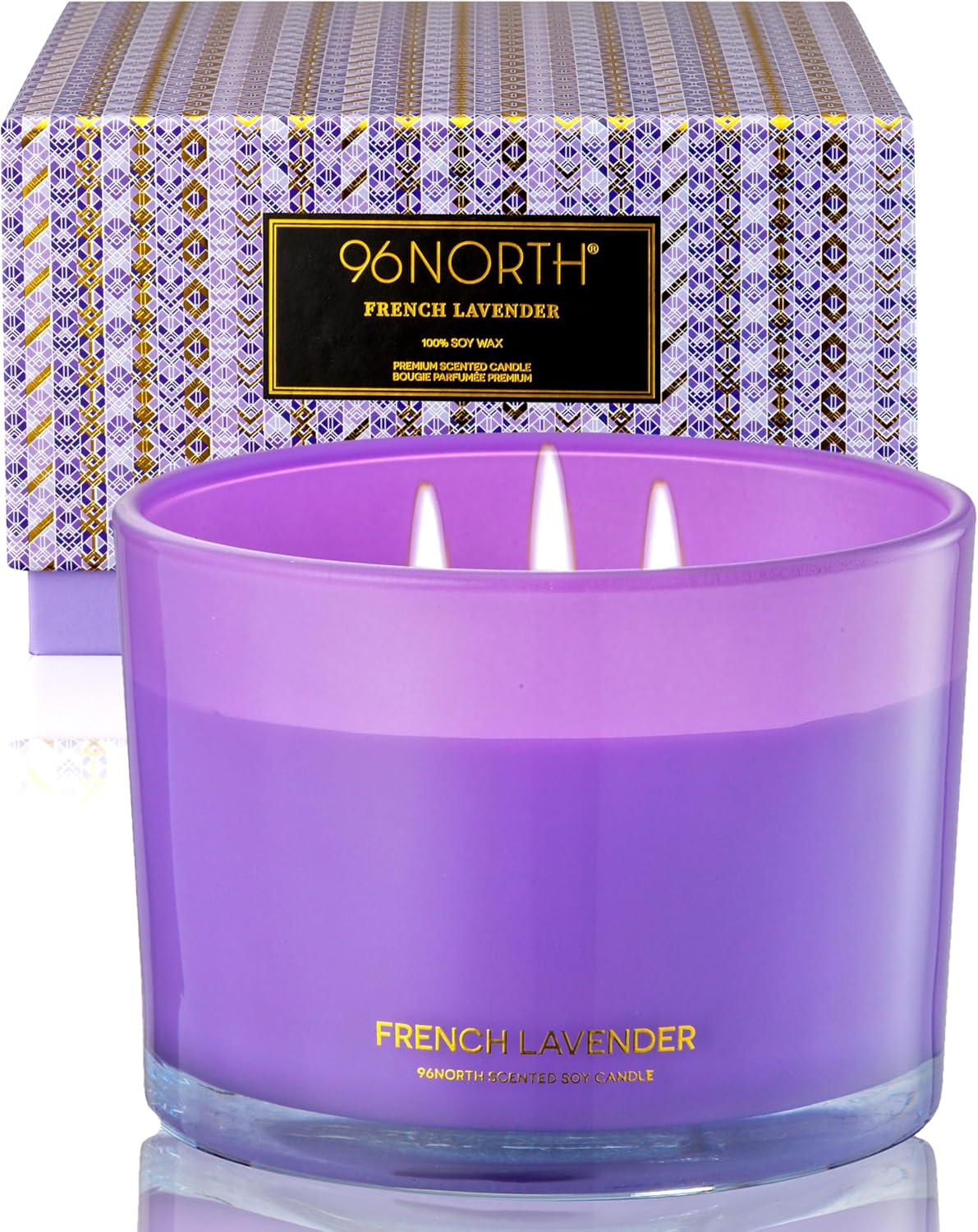
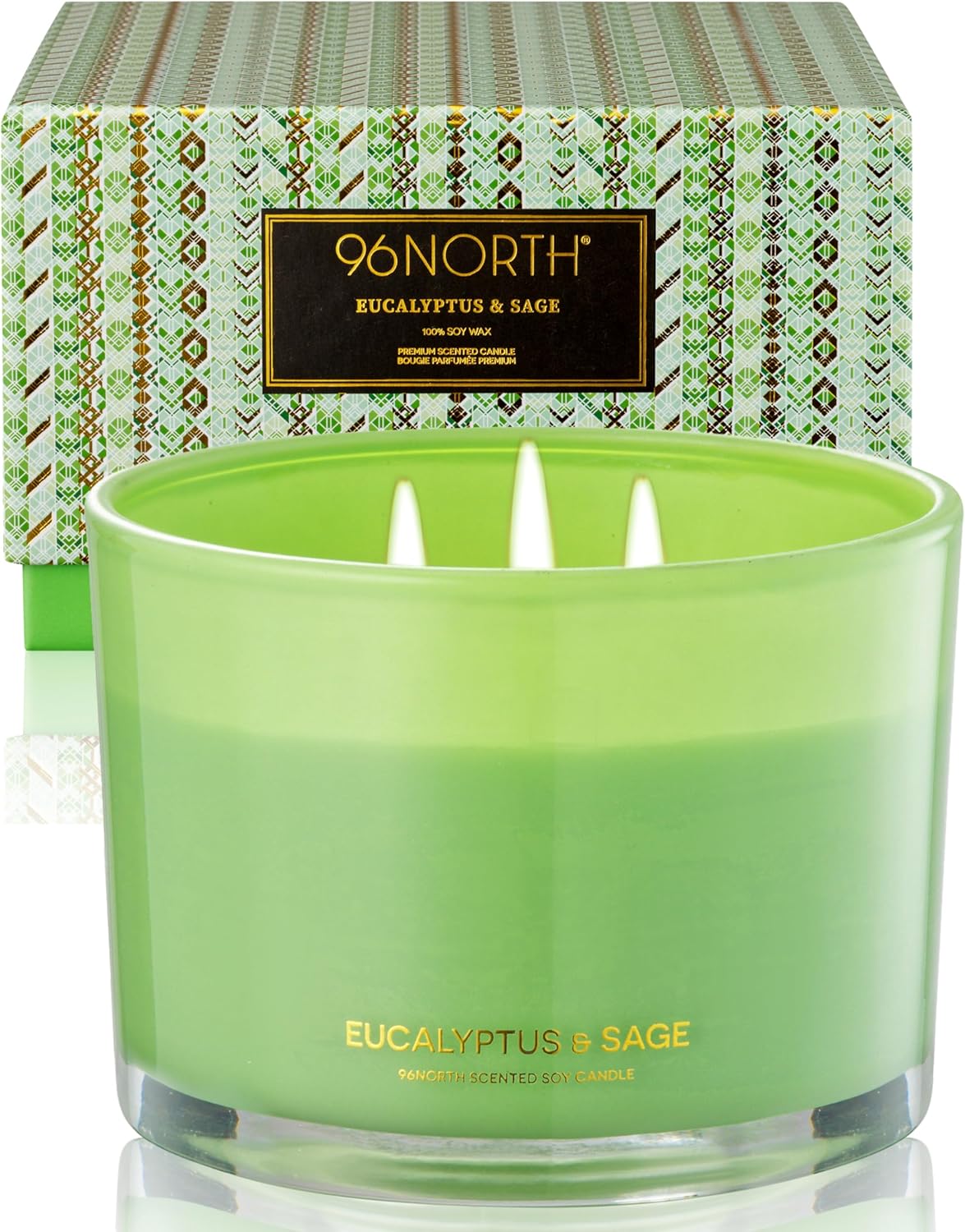
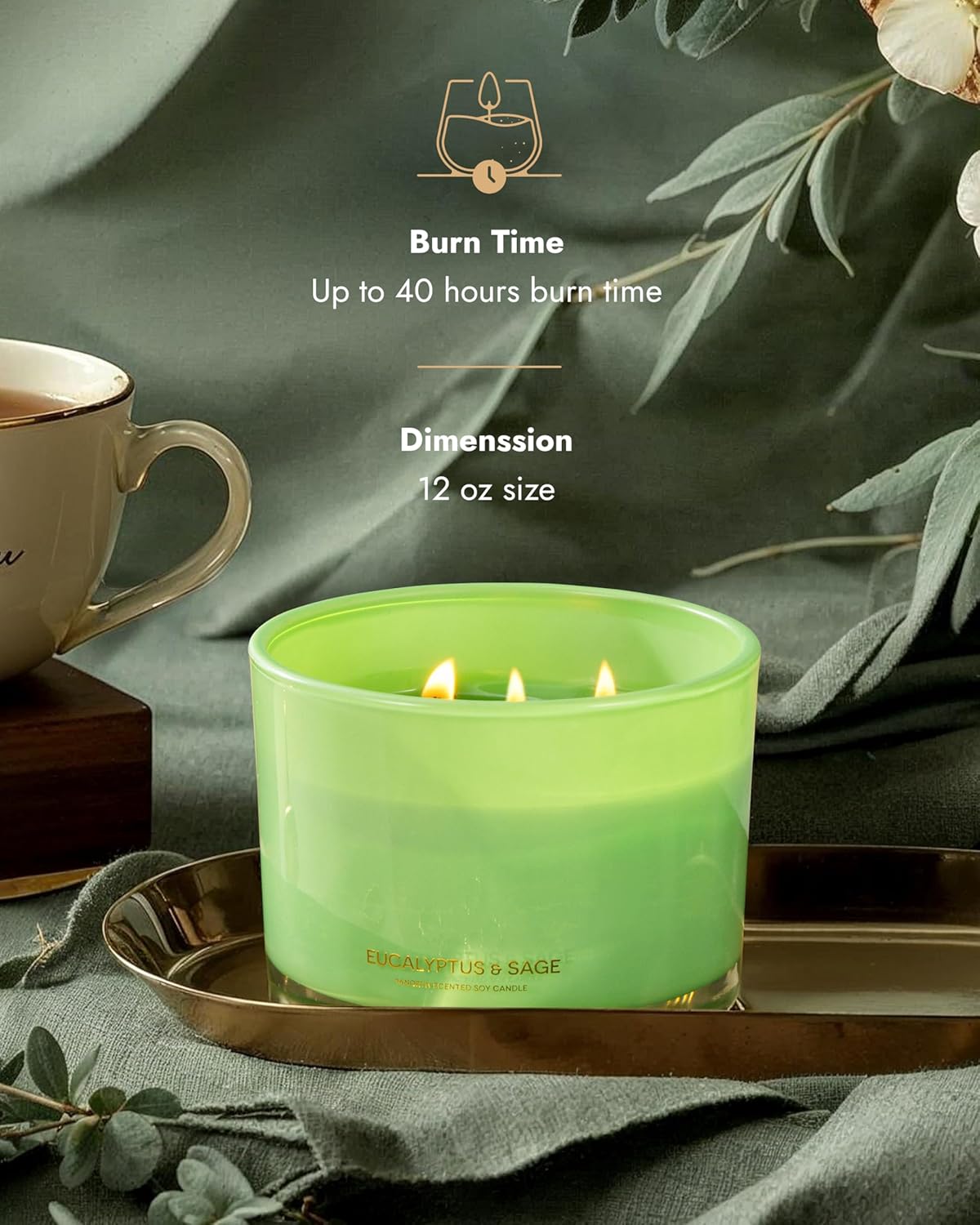
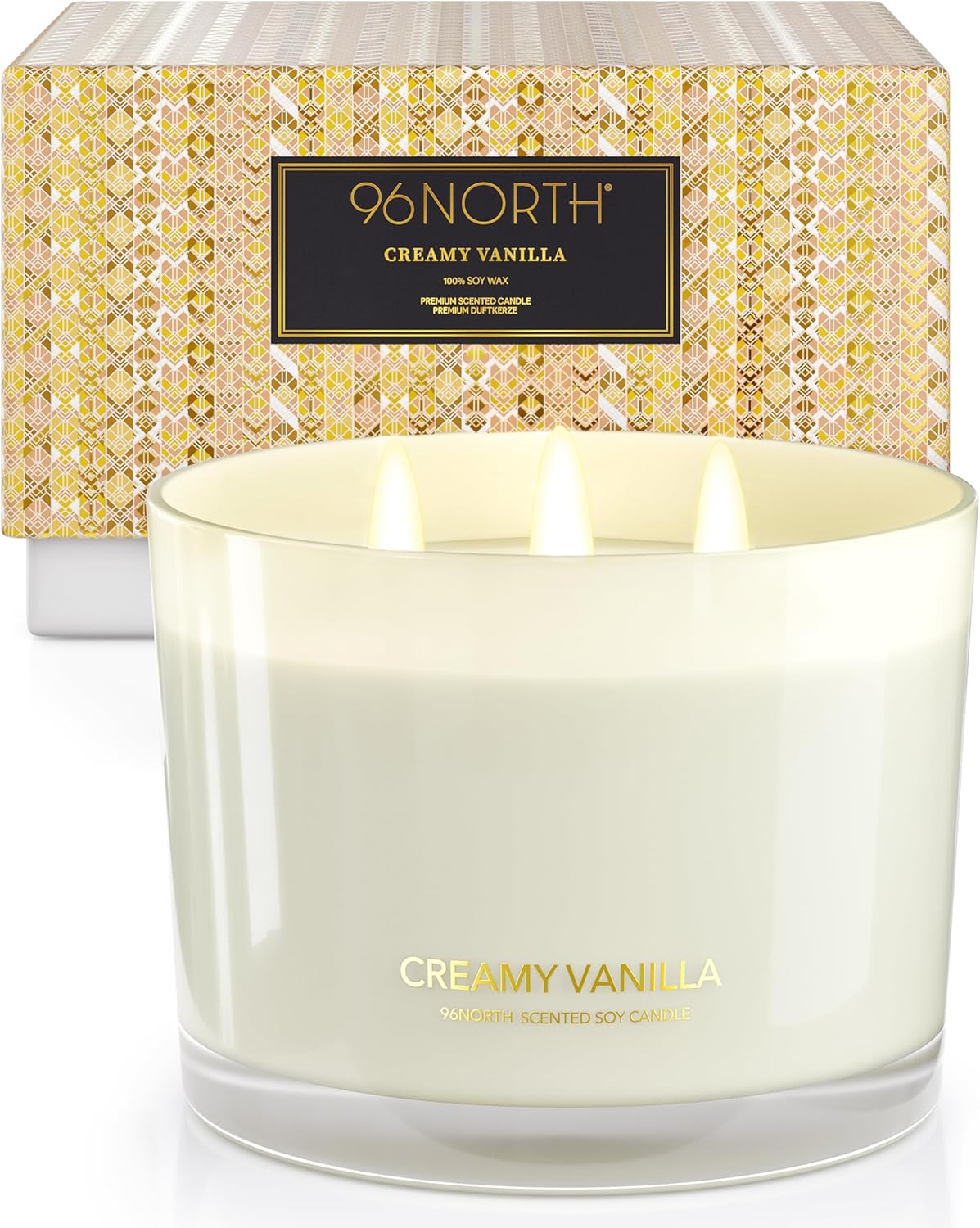
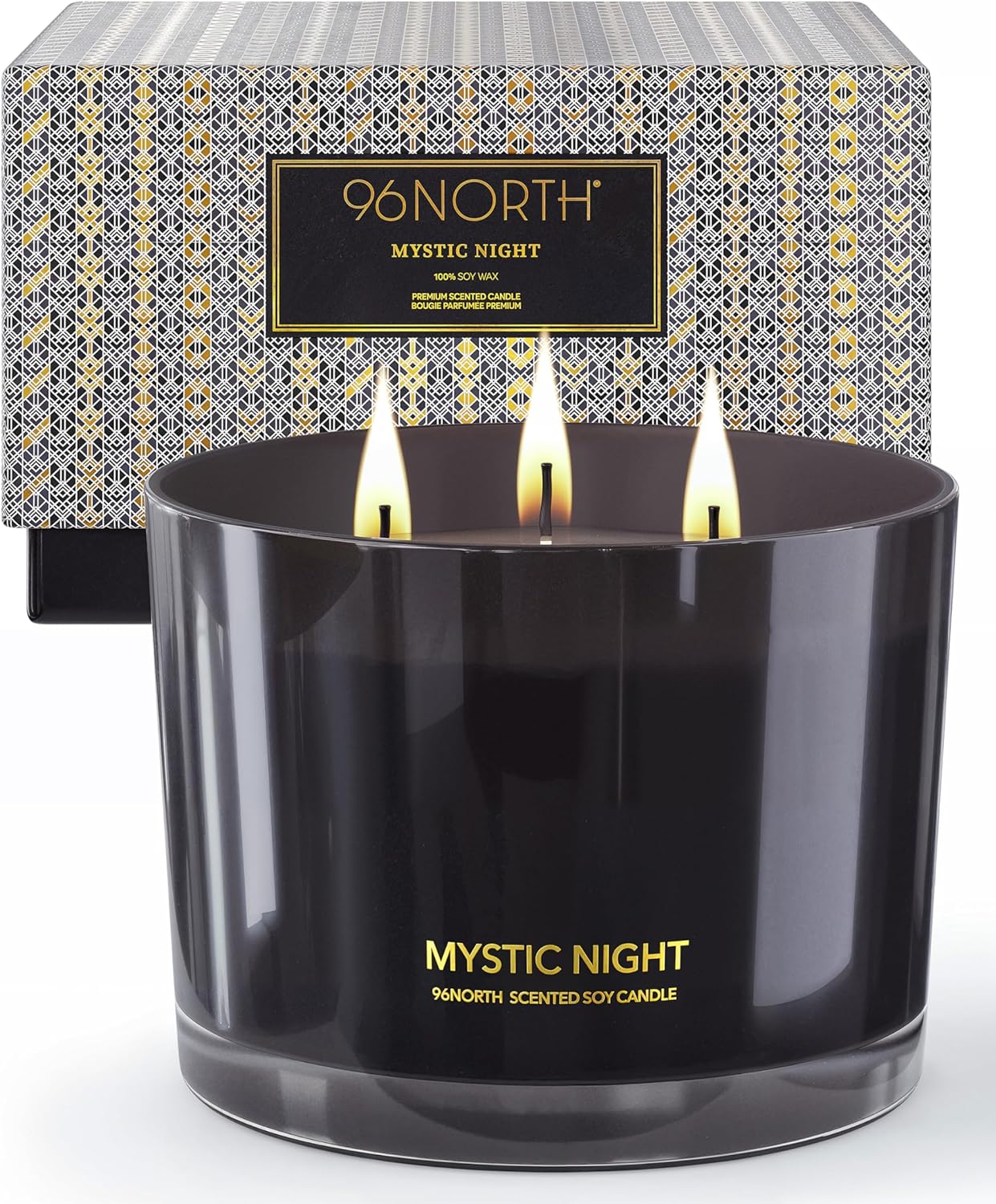
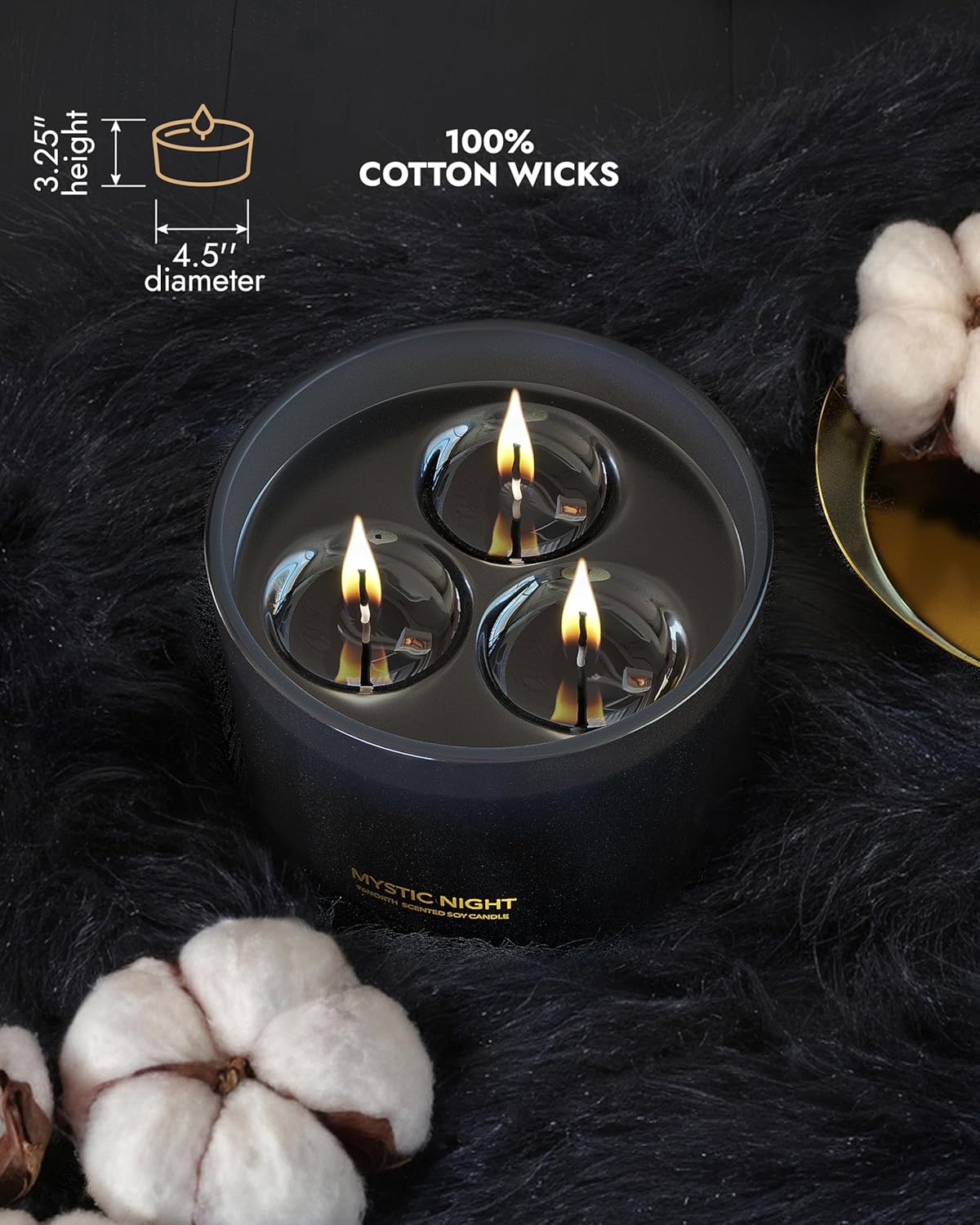
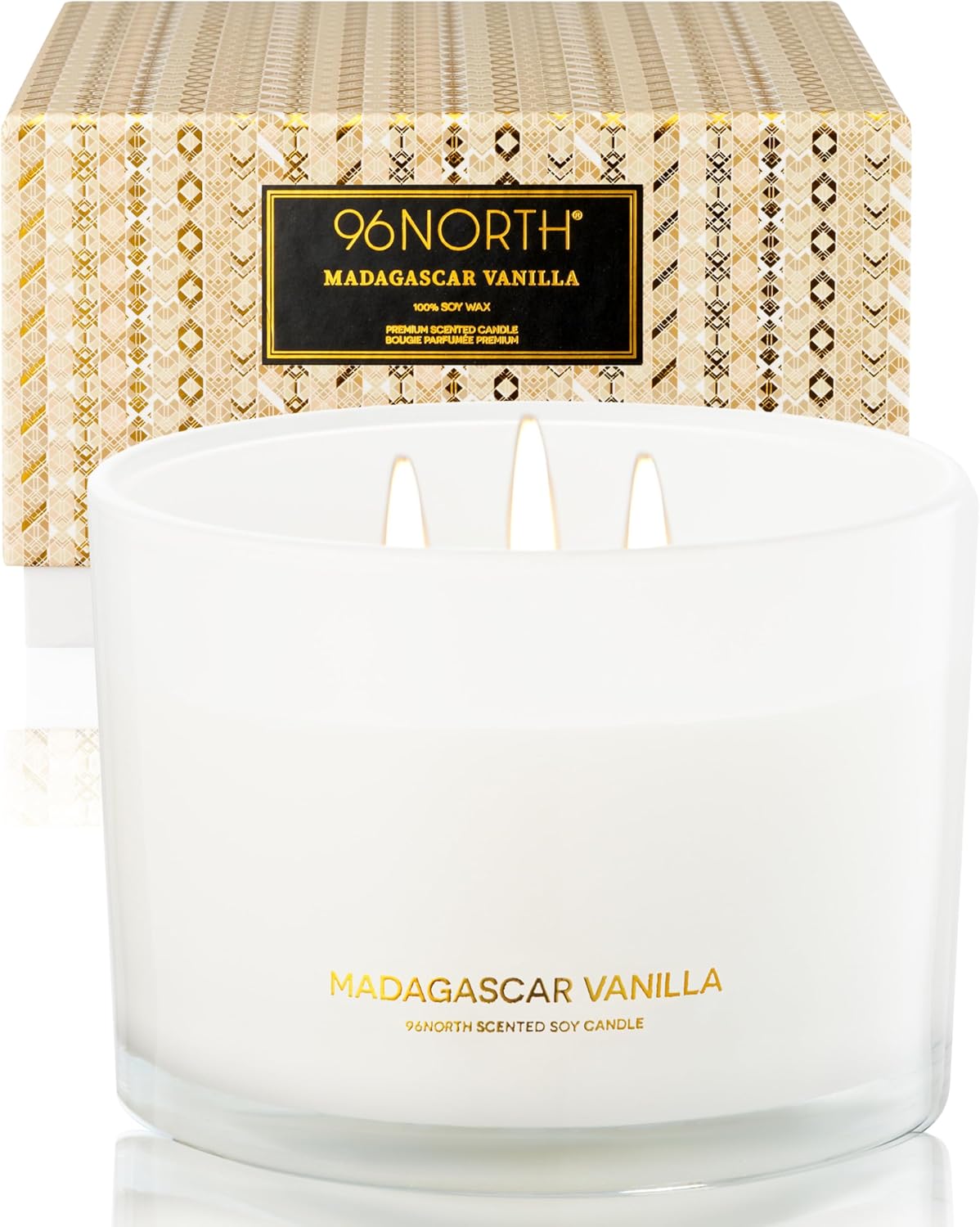
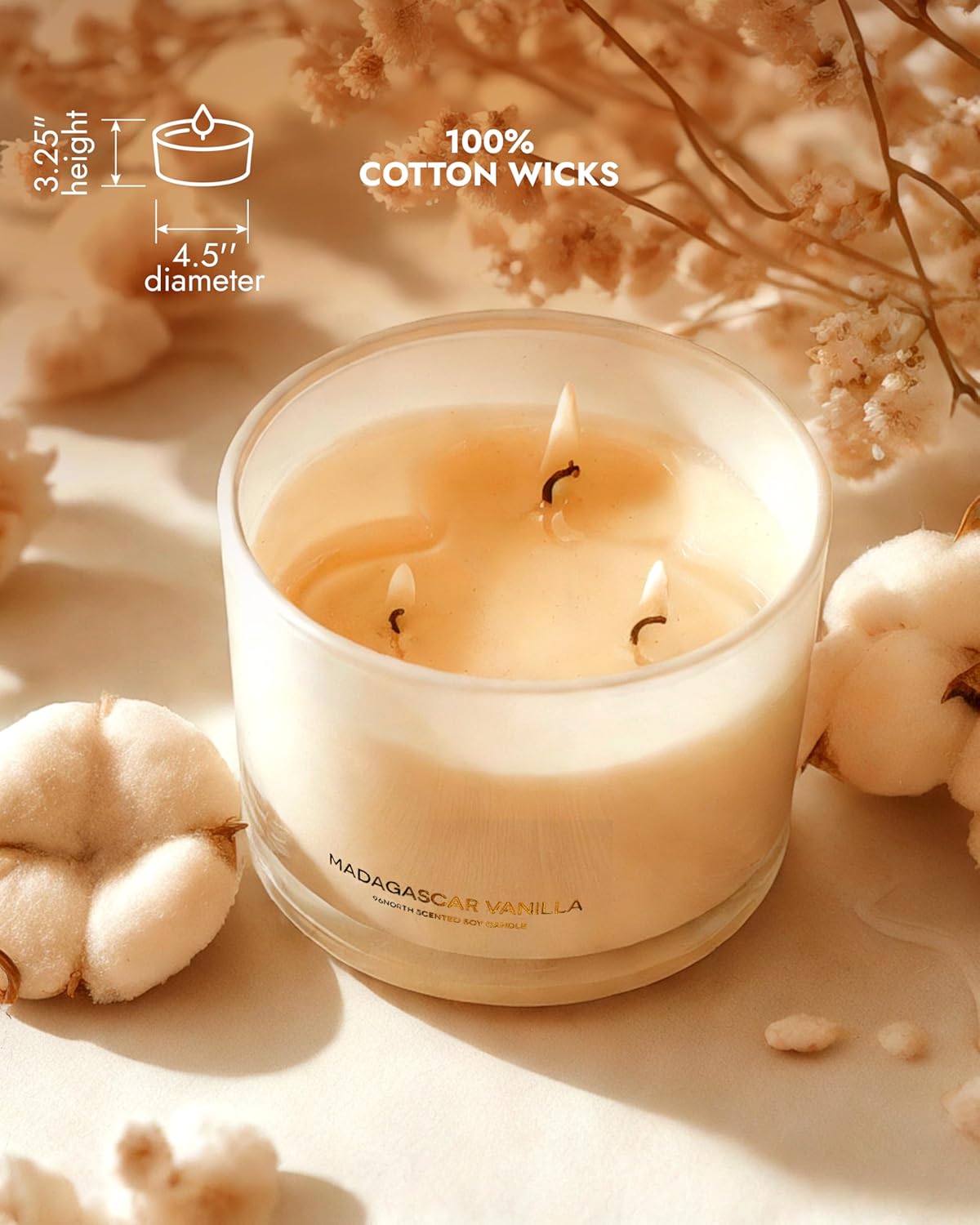
For an effortless, safety-first routine companion, trust 96NORTH for guaranteed lead-free cotton wicks. Warm your space with our curated fall candles and winter candles, or restore your calm with therapeutic floral scents.
Frequently Asked Questions
Are lead wicks still legal in the U.S.?
Lead-core candle wicks are completely illegal in the United States. The U.S. Consumer Product Safety Commission banned lead wicks in candles in 2003, ensuring that modern candles sold through mainstream retailers are safe and lead-free. However, a small risk persists with vintage estate-sale finds, heirloom decorative candles, or cheap, unbranded imports from low-transparency online marketplaces.
How can I tell if my candle has a metal-core wick?
You can identify a metal-core wick by inspecting the unlit tip and testing its flexibility. Look closely at the cut tip for a tiny wire core surrounded by braided cotton threads. If the wick is unusually stiff and springs back like a wire when bent, it likely contains a metal support. If you remain unsure, stop using the candle immediately and perform a home lead test rather than lighting it.
Are zinc or tin core wicks safe?
Zinc and tin core wicks are legally permitted and do not contain toxic lead. Manufacturers use these metals to keep wicks upright in slow-melting waxes. Even so, many wellness-conscious households prefer all-cotton or paper wicks for absolute simplicity and domestic serenity. To avoid metals entirely, choose reputable brands that are transparent about their materials and prioritize pure cotton cores.
What should I do if I already burned a candle and I am worried?
Discontinue using the candle immediately and open your windows to thoroughly ventilate your living space. A single, short-term exposure is highly unlikely to cause health issues, so you can breathe easy. Replace the candle with a verified non-toxic option. If you have persistent worries, especially regarding children, pregnant individuals, or pets, consult a clinician for personalized, medical reassurance.
What makes a candle burn cleaner besides the wick?
A clean burn depends on natural wax, premium fragrance oils, and proper candle maintenance. Natural soy or coconut waxes burn much cleaner than petroleum-based paraffin, which can release black soot. To optimize your air quality, trim your wick to one-quarter inch before every burn. Choosing transparent, lead-free cotton-wick candles remains the easiest baseline for a calm, grounding home ritual.