
If a single scent can instantly shift your mood, you already understand the "why" behind the history of aromatherapy.
While our ancestors burned botanical materials for sacred rituals and hygiene, modern practice uses concentrated plant extracts for intentional wellness. Our shared journey spans centuries, evolving from ancient smoke and raw resins to sophisticated distillation and modern self-care.
Let’s walk the historical timeline, one key era at a time.
1. Sacred Smoke: The Prehistoric Origins of Air Changing
The true history of aromatherapy begins long before bottled essential oils. Instead, early scent therapy relied entirely on fire.
Ancient humans discovered that tossing fragrant woods, resins, and dried herbs onto communal hearths did more than generate heat. It fundamentally changed how a space felt, clearing the air and providing comfort. This primal act of burning aromatics, known as per fumum or "through smoke," was our first attempt at environmental design. These rituals established scent as an environment-shaper, making smoke the direct ancestor of modern diffusers.
2. Egyptian Alchemy: Sacred Blends and Daily Rituals
Your evening wind-down routine began four thousand years ago. In ancient Egypt, aromatics anchored daily life, spiritual protection, and sacred preservation. Lacking modern steam distillation, Egyptians instead infused raw botanicals into rich carrier oils and animal fats.
They celebrated each sunset by burning kyphi, a complex sixteen-ingredient incense, and relied on specific natural resins:
-
Frankincense for spiritual purification
-
Myrrh for physical preservation
-
Cedarwood for daily beauty
Today, reclaiming your evening with comforting fragrance is a direct evolution of this ancient ritual, establishing a sensory boundary for the modern home.
3. Eastern Wisdom: Aromatics as Balance in India and China
The history of aromatherapy spans far beyond Western origins. In ancient India, Ayurvedic medicine integrated botanical oils like sandalwood and jasmine into daily massage rituals to restore daily balance. Simultaneously, Chinese healers burned intentional herbal incense to shift atmospheric energy and support mental well-being.
While these practices predated modern clinical aromatherapy, they established the foundational blueprint of sensory wellness. They proved that plant aromatics are never passive scents, but active tools designed to anchor our mental state and restore domestic harmony.

4. Greco-Roman Sanctuaries: Bathing Rituals and Written Medicine
During the Greco-Roman era, the history of aromatherapy shifted from temple rituals to documented medicine. In Greece and Rome, botanicals migrated from altars to public bathhouses. Physicians like Hippocrates prescribed fragrant baths and herbal ointments for physical recovery.
This period established a foundational therapeutic pattern:
-
Botanical infused oils for topical application.
-
Aromatic waters, the precursor to modern distillation.
-
Written clinical texts detailing specific health outcomes.
By recording these recipes, classical antiquity transformed sensory wellness into a repeatable, scientific practice that still grounds our daily rituals today.
5. The Distillation Revolution: Capturing Pure Essence
Ancient aromatherapy relied on burning raw incense or infusing greasy carrier oils. The field’s greatest technological leap occurred when Persian physician Avicenna perfected steam distillation. By introducing a coiled cooling pipe, he optimized condensation to cleanly isolate volatile plant vapors, capturing lightweight, highly concentrated essential oils for the first time.
This evolution transformed raw botanicals into a scalable science. Today, this precise distillation method makes essential oils a practical modern product category, delivering the clean, high-potency extracts we use to ground our minds and restore domestic peace.
6. Medieval Aromas: Scent as a Shield of Safety
Without germ theory, medieval Europeans feared foul air as a direct carrier of disease. In this era of plague and anxiety, smell became a vital form of protection.
To find comfort and safety, people relied on aromatic shields:
-
Monastery herb gardens for medicinal plant lore
-
Fresh lavender and rosemary scattered across sickroom floors
-
Portable pomanders and aromatic bundles carried everywhere
As early distillation grew, portable aromatic waters offered a personal sanctuary. This chapter in the history of aromatherapy forged the lasting link between comforting scents and psychological safety.
7. The Commercialization Era: Crafting the Modern Fragrance Industry
During this era, global trade networks and professional guilds transformed perfumery from a localized craft into a structured industry. This shift marked a critical pivot in the history of aromatherapy, as scent split into three distinct lanes:
-
Luxury perfumes for beauty and status
-
Medicinal remedies for physical wellness
-
Household aromatics for daily rituals
This commercial infrastructure standardized production, allowing us to curate our spaces today. To trace this evolution, explore our scented candle history timeline to see how raw botanicals became modern wellness tools.

8. The Definition Pivot: René-Maurice Gattefossé and the Birth of Modern Aromatherapy
While botanical remedies have comforted humanity for millennia, the modern history of aromatherapy began in the 20th century. French chemist René-Maurice Gattefossé coined the term in the late 1920s, initiating systematic research. Although popular lore claims he instantly healed a laboratory burn with lavender oil, historical records document a more gradual, scientific observation.
Soon after, physician Jean Valnet established clinical frameworks that brought medical credibility to the practice. This crucial pivot transformed scent from a simple cosmetic pleasure into an intentional therapeutic tool for daily wellness.
9. Modern Mindfulness: Integrating Scent Into Your Daily Routine
The history of aromatherapy culminates in today's mainstream wellness. The practice has migrated from ancient temples and clinical labs into modern spas, massage therapy, and daily home rituals. Rather than promising medical cures, contemporary aromatherapy serves as a practical, research-backed tool for lifestyle support.
Modern sensory practices focus on simple, everyday benefits:
-
Promoting deep relaxation
-
Supporting balanced moods
-
Establishing consistent sleep hygiene
Clean-burning candles offer an approachable sensory anchor for your morning focus or evening wind-down. To maximize your daily practice, learn how to make a scent ritual last with clean soy wax. By introducing these intentional aromatic cues, you easily transform your living space into a grounding sanctuary.
Frequently Asked Questions
Is aromatherapy ancient or modern?
Aromatherapy is a blend of both. While ancient civilizations used raw botanicals and resins for spiritual rituals and healing thousands of years ago, the formal term and scientific study of "aromatherapy" only emerged in the twentieth century. This rich lineage connects ancient fire rituals, medieval distillation technology, and modern wellness routines to create the grounding sensory practices we enjoy in our homes today.
Who invented aromatherapy?
No single historical figure invented aromatherapy, as ancient cultures globally utilized plant aromatics for healing. However, French chemist René-Maurice Gattefossé coined the term in the late 1920s and popularized the modern, scientific study of essential oils. Later, pioneers like Jean Valnet integrated these extracts into medical treatments, laying the foundation for modern spa, massage, and wellness traditions.
What is the difference between essential oils and fragrance in candles?
Essential oils are highly concentrated, natural extracts distilled directly from plants. Fragrance oils can combine these natural botanicals with synthetic materials to create complex, long-lasting scent profiles. Neither is inherently superior. The right choice depends on your personal wellness goals, whether you want specific botanical benefits or simply want to shape a comforting home atmosphere.
How can I try aromatherapy at home without making it complicated?
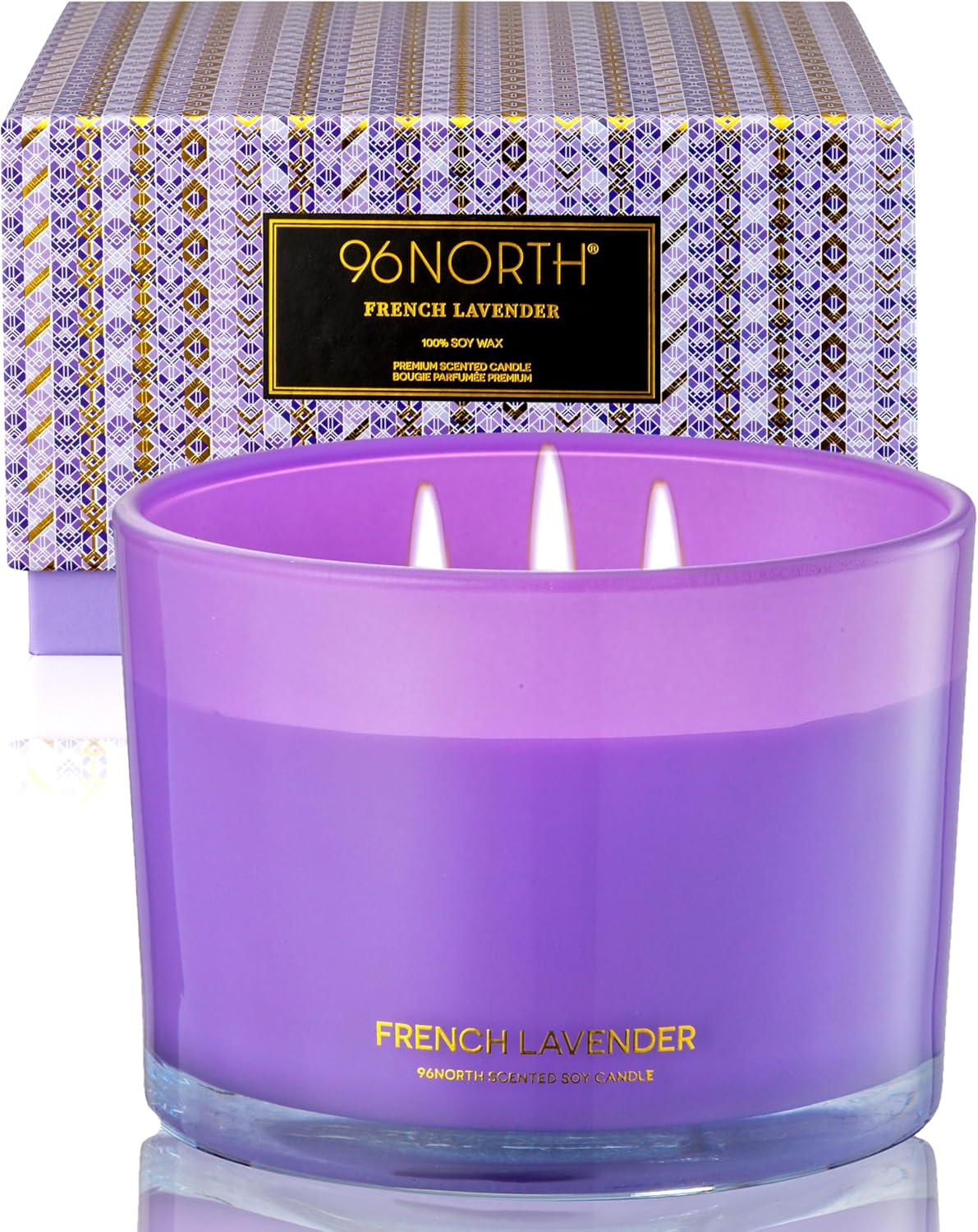
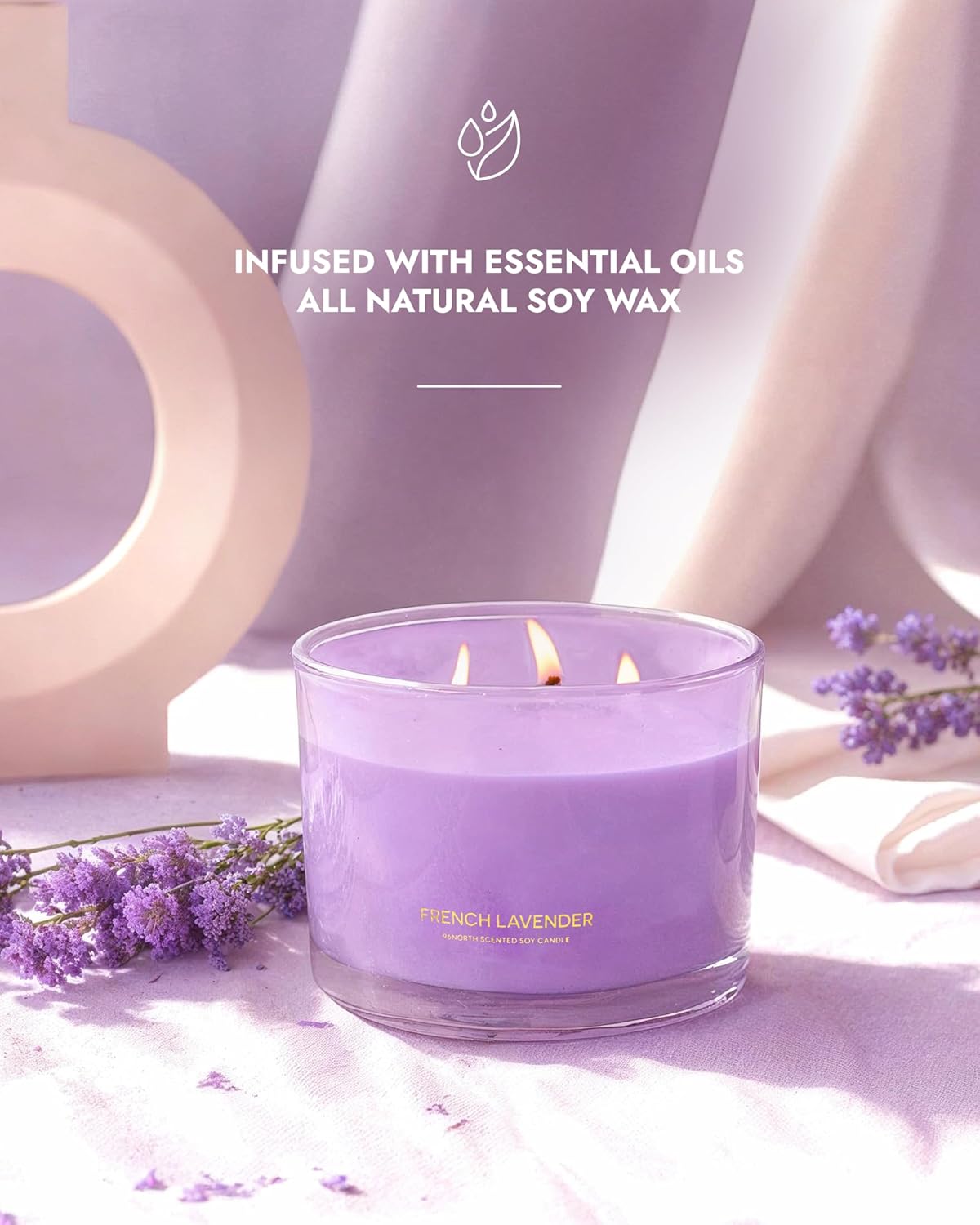
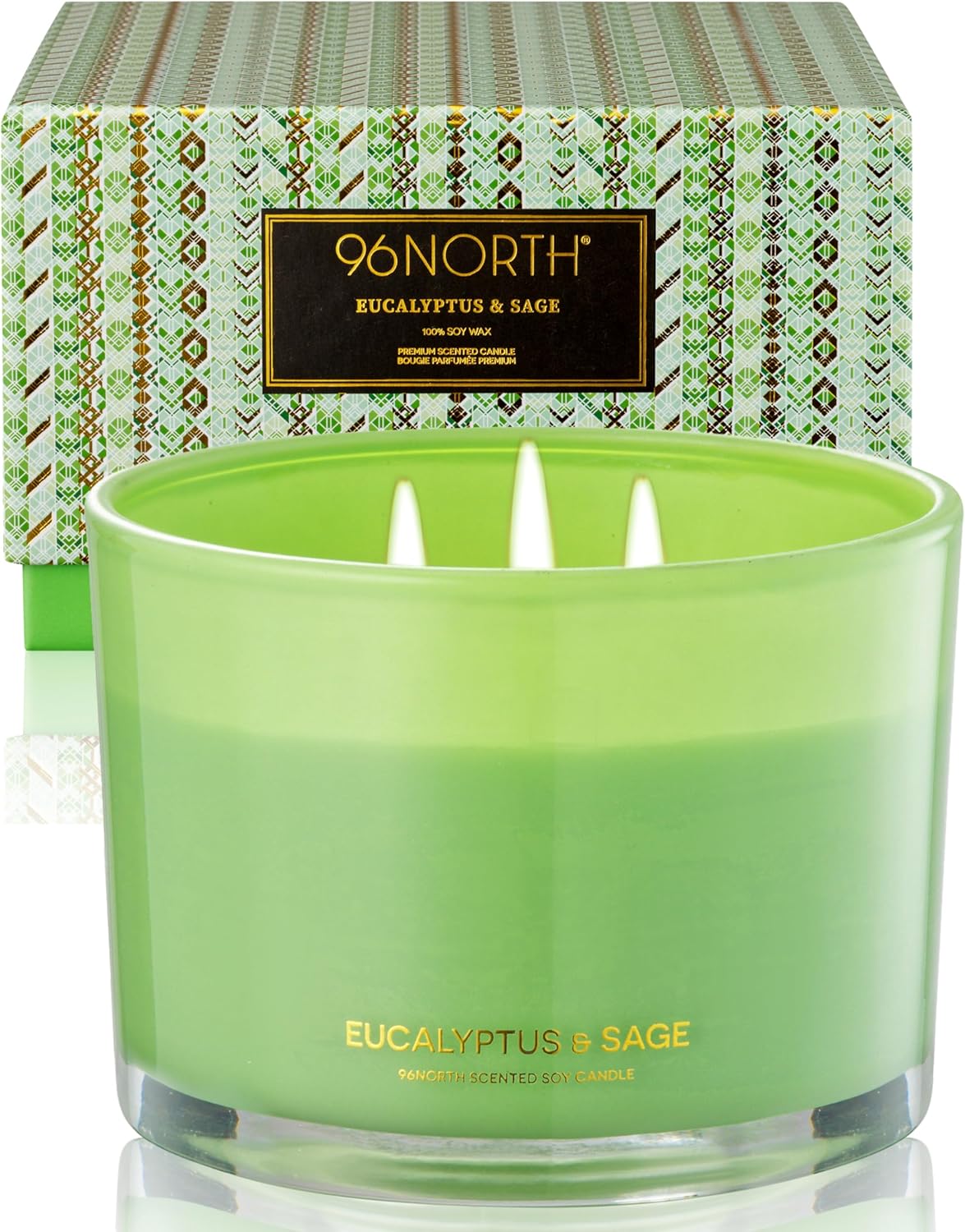
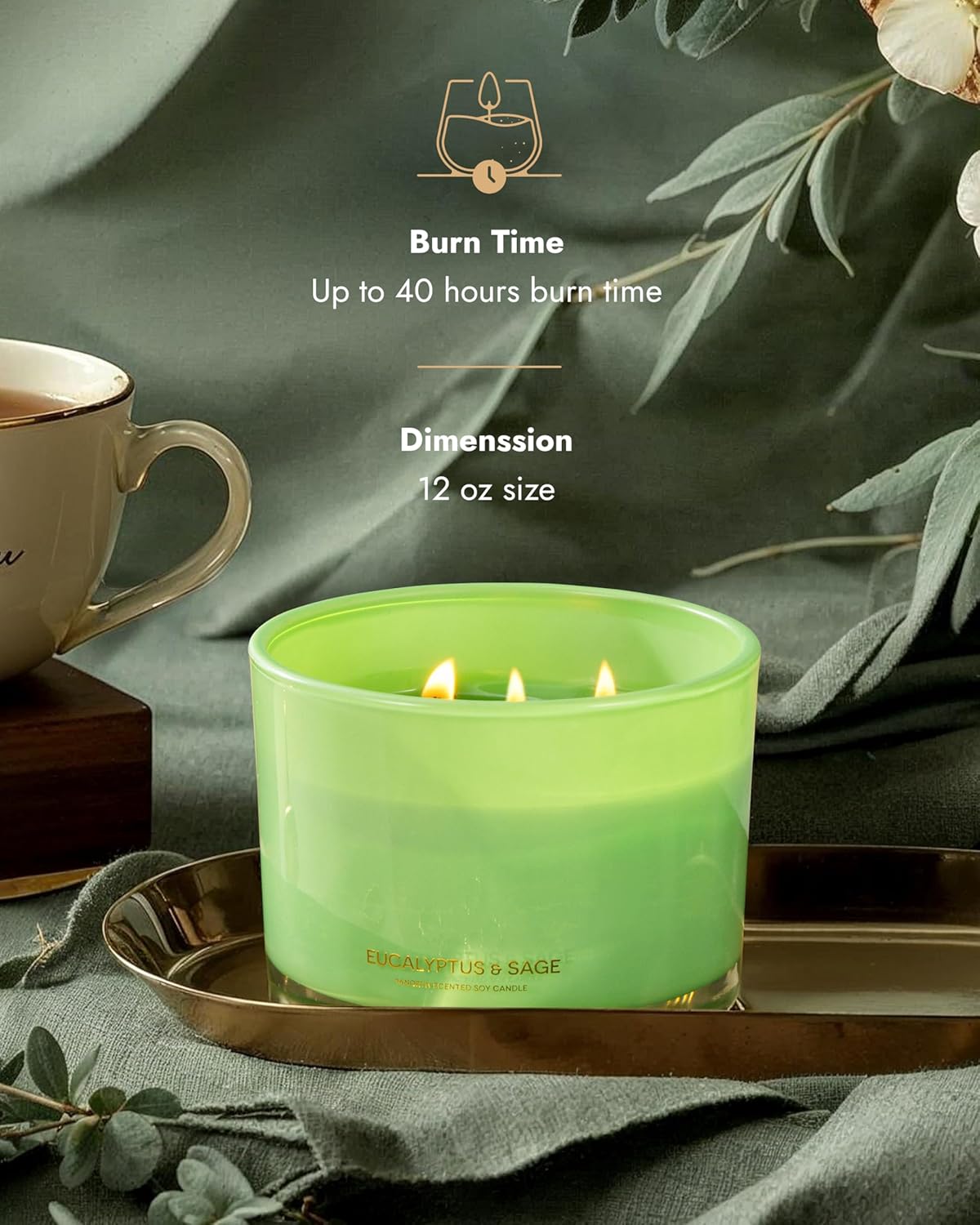
The easiest way to start is with a simple three-step ritual. First, choose a consistent moment, like your morning desk setup or evening wind-down. Second, choose a scent that matches your desired mood, such as soothing lavender or cleansing eucalyptus. Third, repeat this daily to build a powerful sensory habit. Browse our aromatherapy candles to easily elevate your space. Explore the 96NORTH sensory journey at 96NORTH.