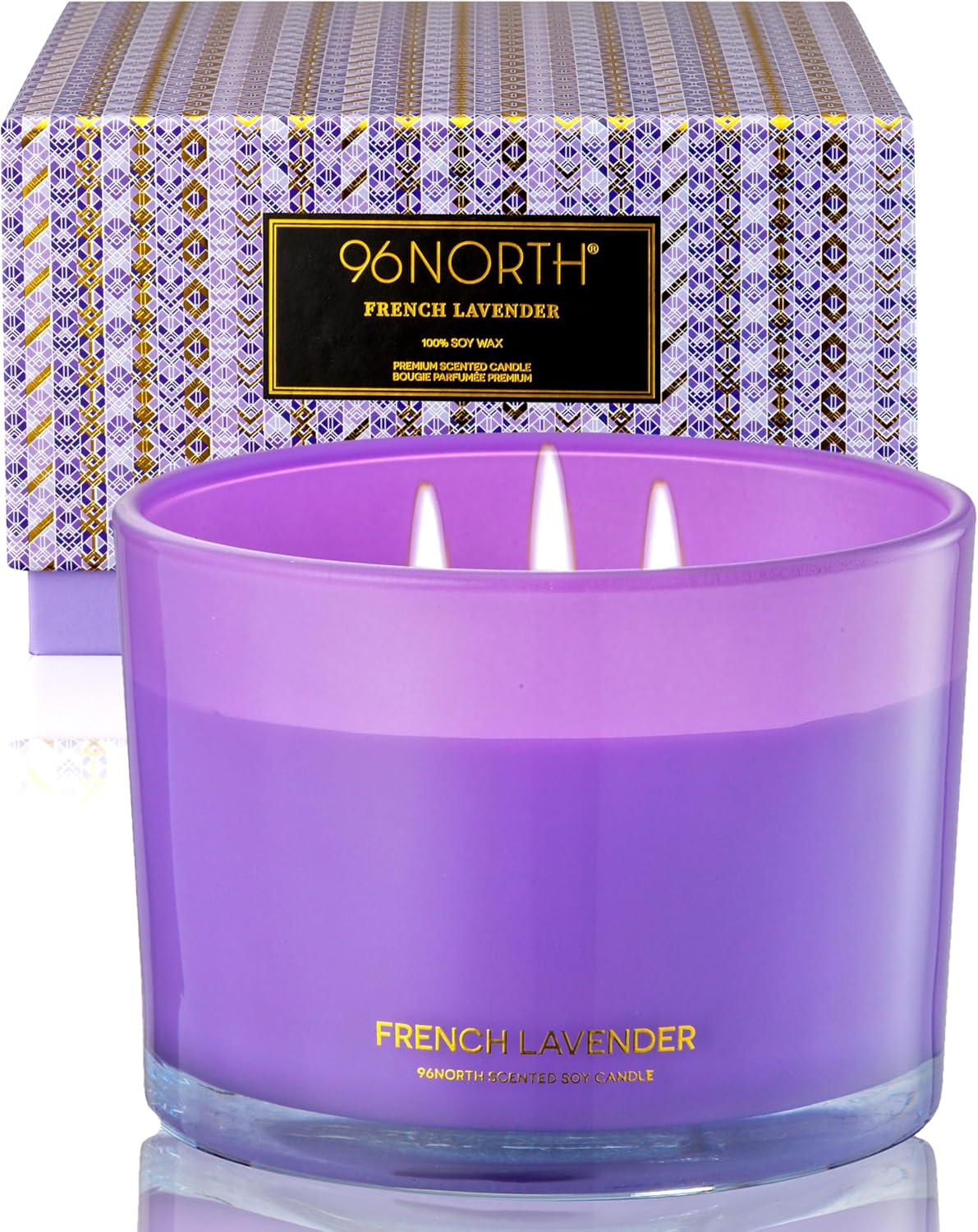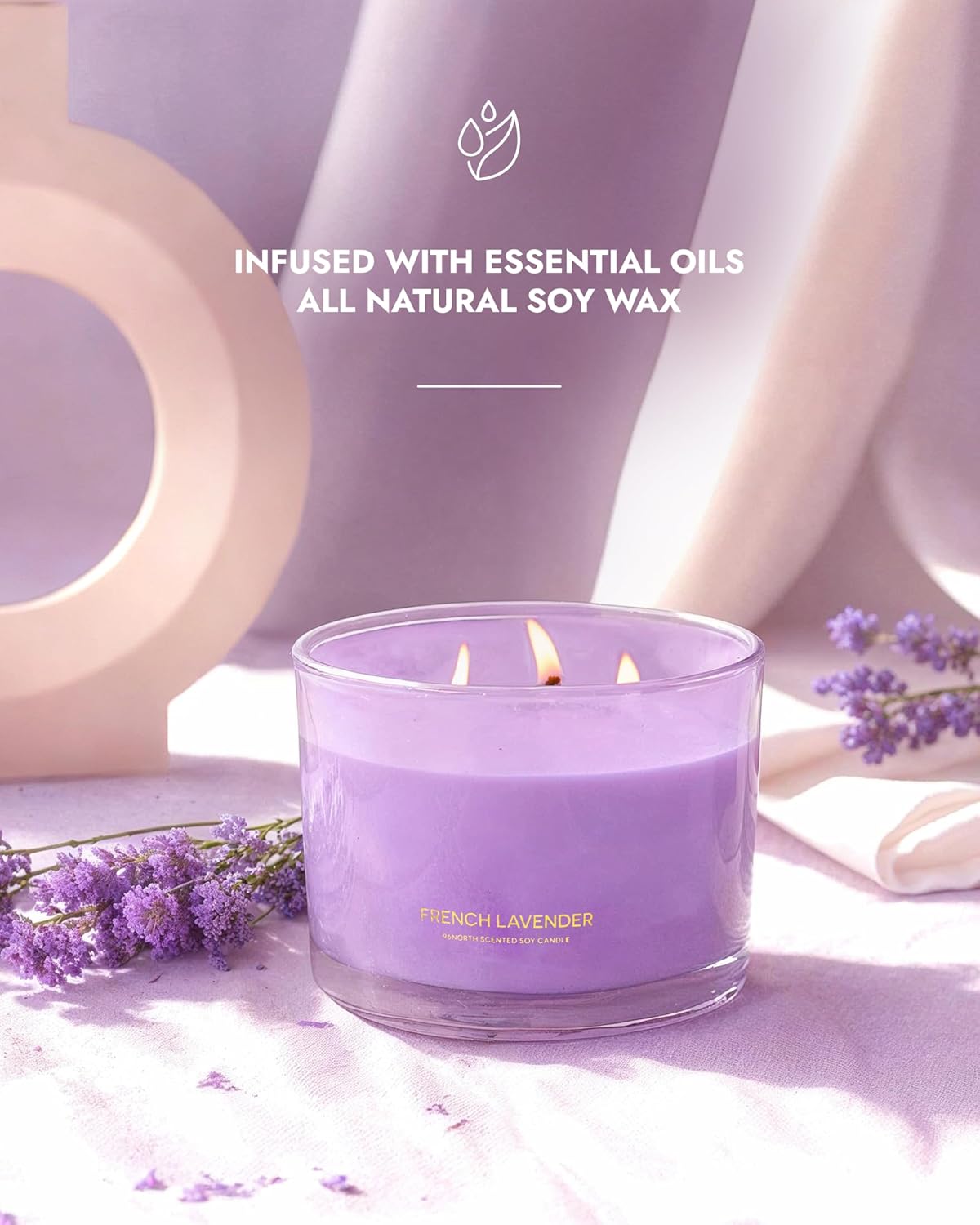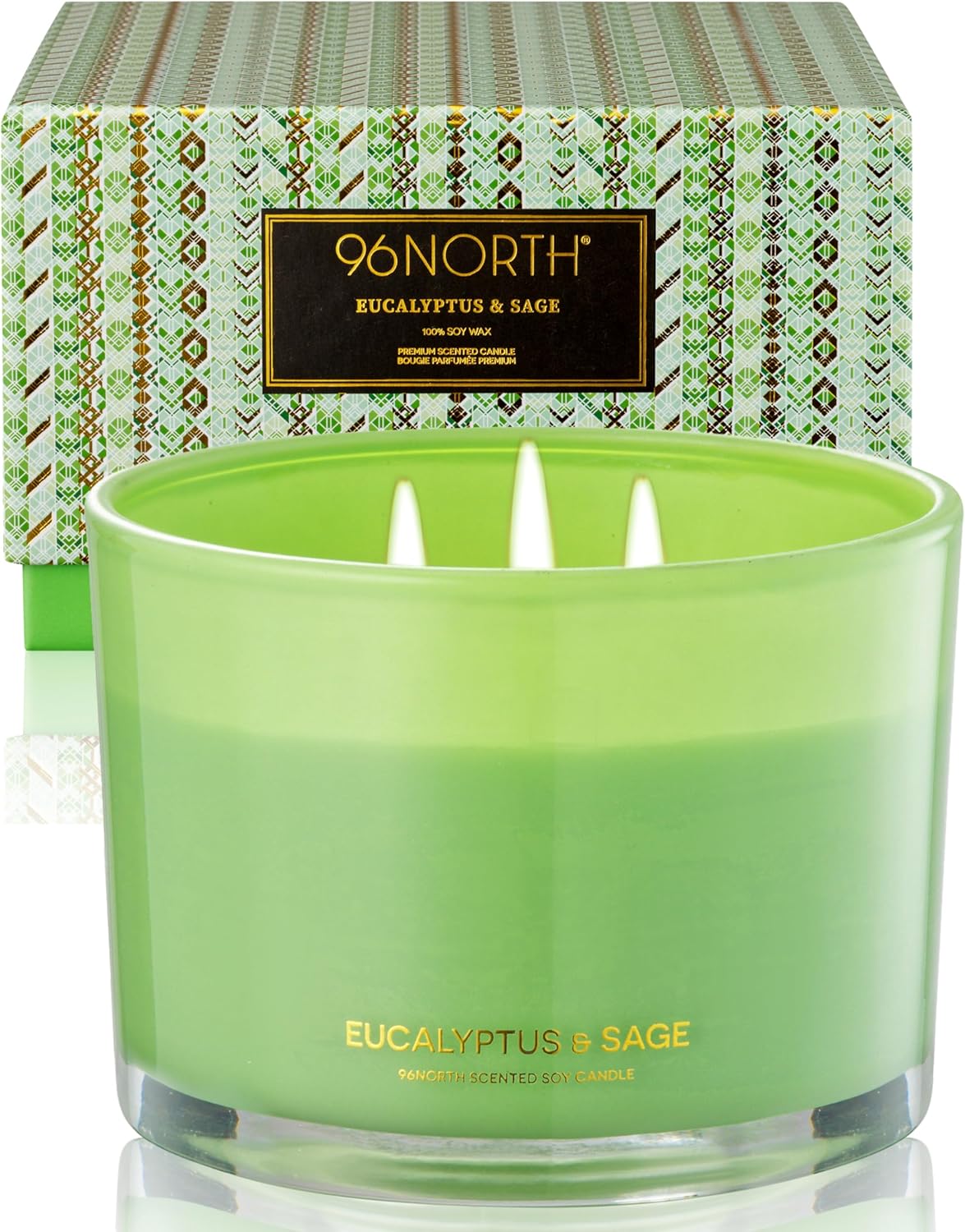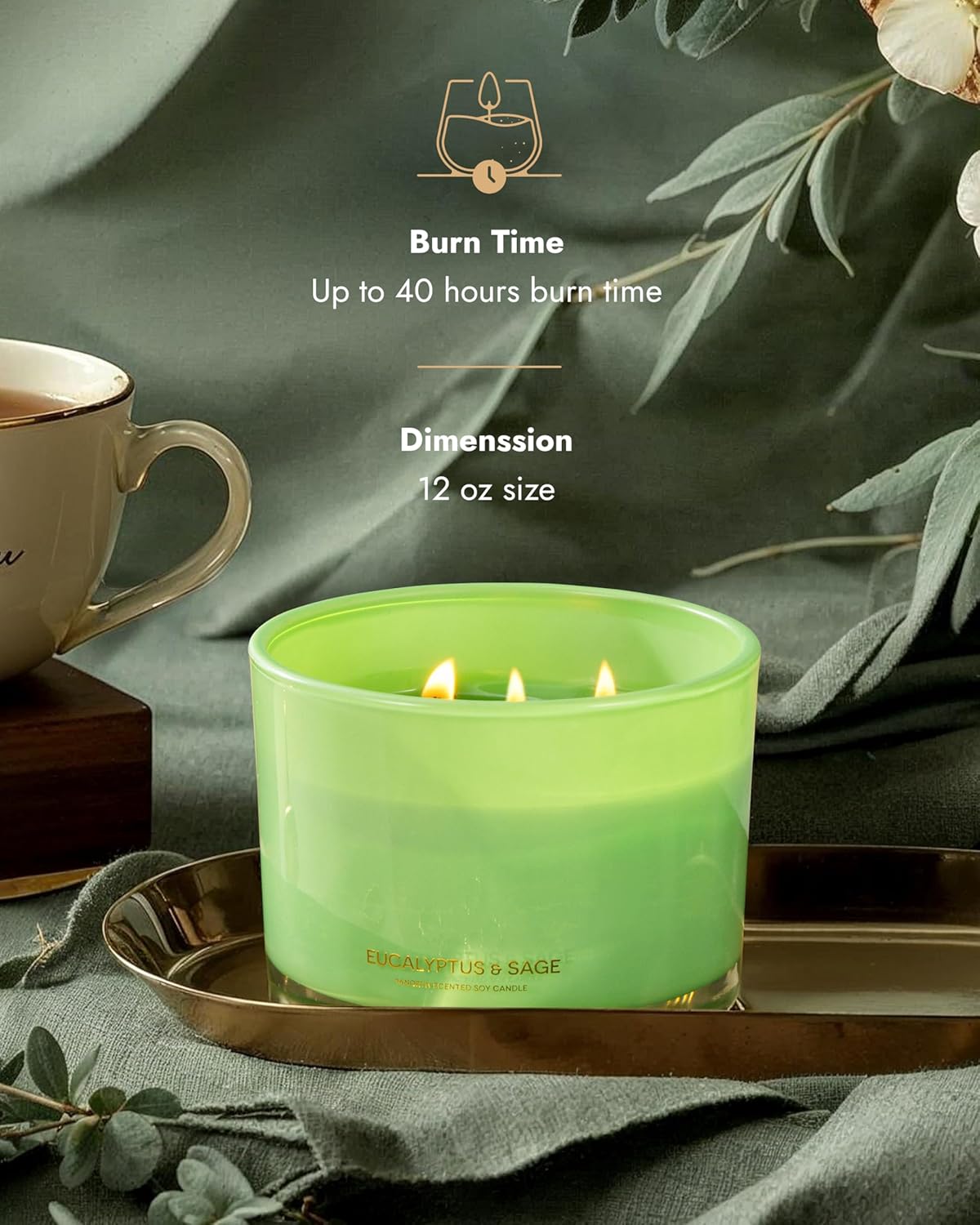

You want a clean, natural candle choice without greenwashing, but navigating the debate of soy candles vs beeswax reveals a clear lifestyle tradeoff. Biodegradable soy serves as a versatile, vegan fragrance canvas. Meanwhile, dense beeswax offers a naturally sweet, slow burn at a premium price. To guide your choice, we compare scent throw, burn behavior, safety claims, sustainability, and true cost-per-use.
Start with the biggest lived-in difference: how the candle smells in your space.
1. Fragrance Performance: Pure Scent vs. Warm Honey Notes
When comparing soy candles vs beeswax, the most immediate difference is how they project fragrance.
Soy wax acts as a completely neutral, scentless canvas. This allows added oils to throw cleanly and fill a room exactly as intended. Conversely, beeswax carries an inherent, honeyed aroma. This natural sweetness warms and softens added oils, which can compete with or muddy delicate fragrances.
Your choice depends on your desired sensory experience:
-
Choose soy for a potent, room-filling throw. It is ideal for showcasing precise fragrance families, such as botanical floral profiles, fresh aromatics, or cozy fall and winter scents.
-
Choose beeswax for a gentle, low-scent ambiance where you want the natural, sweet warmth of honey to take center stage.
2. Burn Mechanics: Tunneling, Melt Pools, and Daily Maintenance
Daily usability comes down to burn mechanics, not just aesthetics.
Beeswax is dense with a high melting point. While this density offers a longer burn life, it makes beeswax highly prone to tunneling, especially in pillar forms. Soy wax has a lower melting point, meaning it easily yields a clean, edge-to-edge melt pool in container candles.
To optimize your burn, follow these physical maintenance rules:
-
Prevent Tunneling: Let the first burn last until the liquid pool reaches the container edges.
-
Stop Soot: Trim the wick to one-quarter inch before every light.
-
Avoid Drafts: Keep the vessel away from open windows and air vents.
Ultimately, flawless performance depends on the harmony of the wick, vessel, and fragrance load, not the wax type alone.

3. Health and Indoor Air Quality: Pure Science vs. Marketing Claims
Which is healthier to burn indoors? When comparing soy candles vs beeswax, ignore marketing claims that beeswax naturally emits negative ions to purify the air. This theory remains scientifically unproven.
Both waxes burn cleaner than paraffin when properly crafted. True safety depends on controllable physical design factors rather than wax marketing.
If you are building a low-tox home for kids or pets, prioritize raw ingredient transparency over hype by evaluating these safety markers:
-
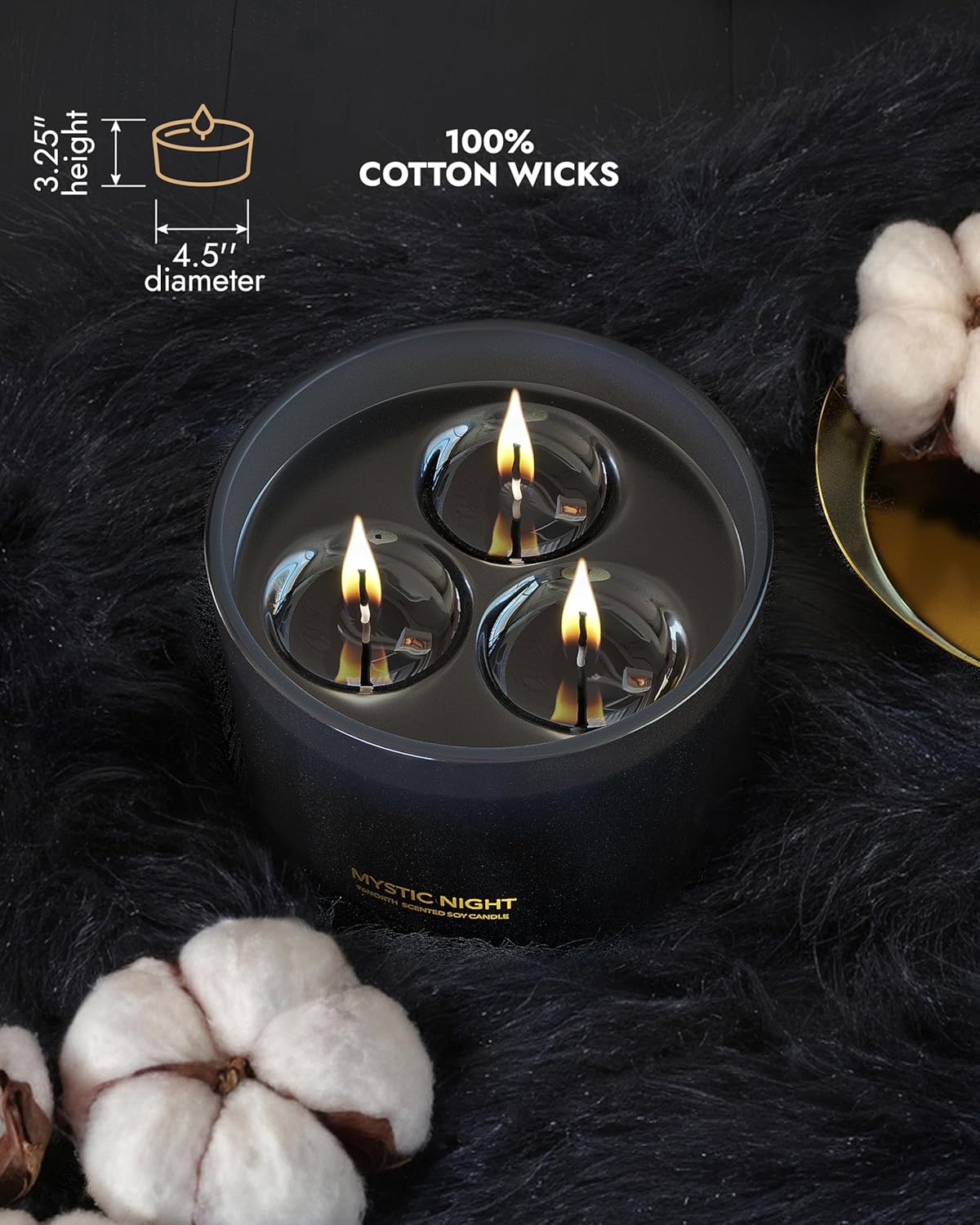
Wick quality: Choose lead-free cotton or paper wicks to prevent toxic emissions.
-
Fragrance purity: Opt for transparent, phthalate-free oils.
-
Stable design: Seek vessels that prevent smoky, uneven burns.
Always burn your candles in a well-ventilated space and avoid excessively long sessions.
4. Sustainability and Sourcing: The Modern Eco-Tradeoff
Choosing an eco-conscious candle is rarely a simple choice because sustainability is a spectrum with tradeoffs on both sides.
Soy wax is completely plant-based and biodegradable, but industrial farming can involve intensive monocultures. Beeswax is a renewable byproduct of beekeeping, meaning its environmental footprint depends entirely on the scale and ethical practices of the apiary. Ultimately, there is no single right answer, just the tradeoff you feel best supporting.
Before purchasing, use this checklist to align your home sanctuary with your environmental values:
-
Is it 100% soy? Avoid generic "soy blends" because they often contain petroleum-based paraffin.
-
Is the soy responsibly sourced? Look for brands prioritizing non-GMO claims and transparent supply chains.
-
Is beeswax ethical? Select makers that partner with local apiaries committed to bee-first harvesting practices.
5. Lifestyle and Sensitivities: Navigating Vegan, Low-Tox, and Fragrance-Free Choices
Choosing between soy candles vs beeswax involves balancing personal ethics and physical sensitivities. Let’s make this decision fast and simple.
-
The Vegan Standard: Beeswax is animal-derived. Soy is plant-based and vegan, though you should verify the manufacturer omitted animal-based additives.
-
Sensitivities: Added synthetic fragrances trigger reactions more often than the wax itself. Raw beeswax carries a natural, sweet honey aroma, whereas soy wax is completely neutral. Unscented options are always safest for sensitive airways.
-
Household Safety: For homes with children or pets, prioritize clean, low-smoke burning habits and never leave any candle burning unattended.
Decision shortcut: If vegan is non-negotiable, choose soy; if minimal added fragrance is non-negotiable, consider beeswax or unscented soy.
6. Aesthetic and Visual Appeal: Matching Candle Design to Your Wellness Rituals
When choosing between soy candles vs beeswax, visual design directly influences your nervous system’s ability to transition from work to recovery.
Beeswax offers a rustic, traditional aesthetic. Its natural golden hue casts a warm, amber glow with a subtle honeyed vibe, making it ideal for grounding, classic spaces. Conversely, soy wax provides a creamy, neutral base. It pours cleanly into modern glass jars, matching contemporary home decor and premium gifting. While pure soy can sometimes develop a harmless, crystalline "frosting," this is purely cosmetic.
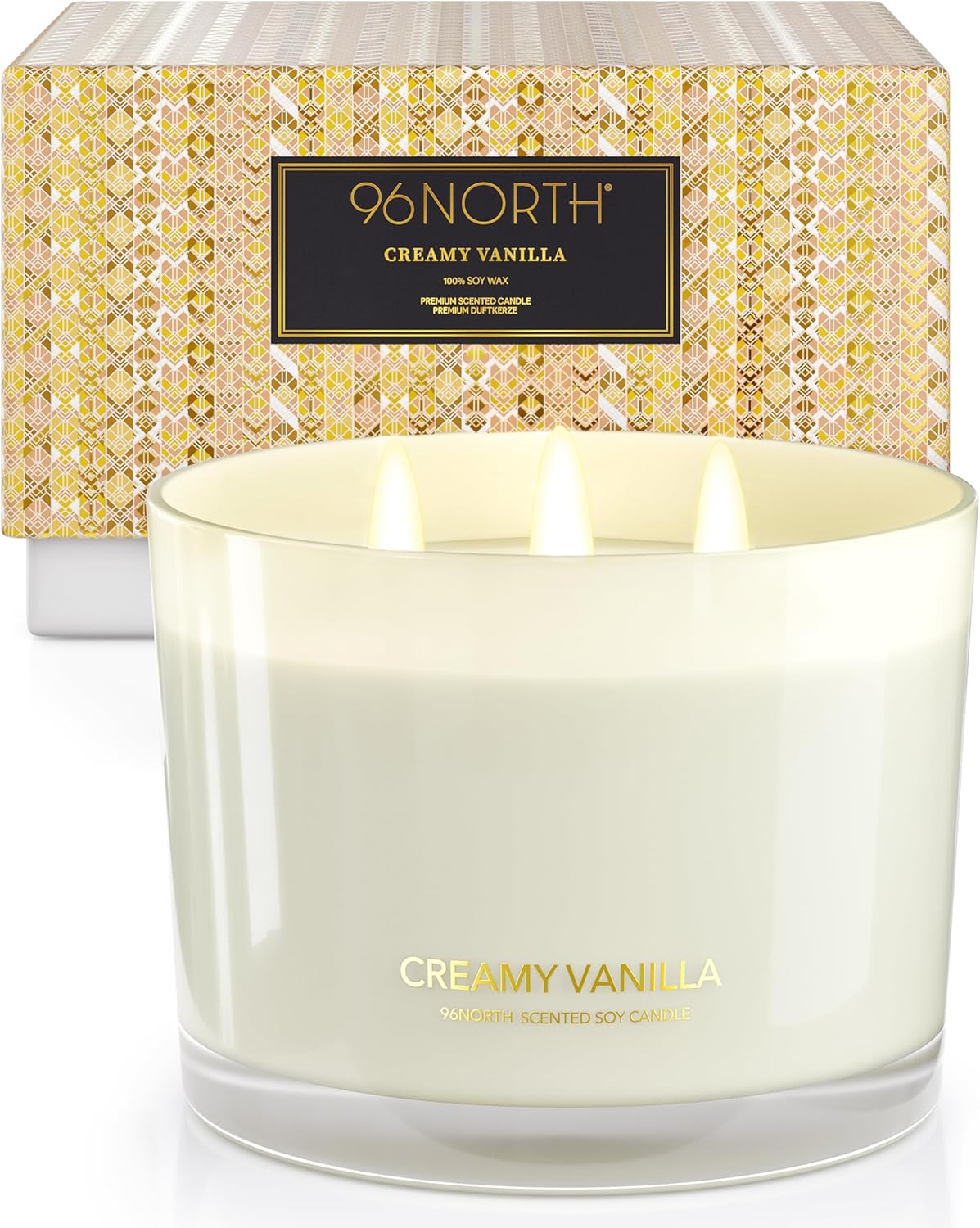
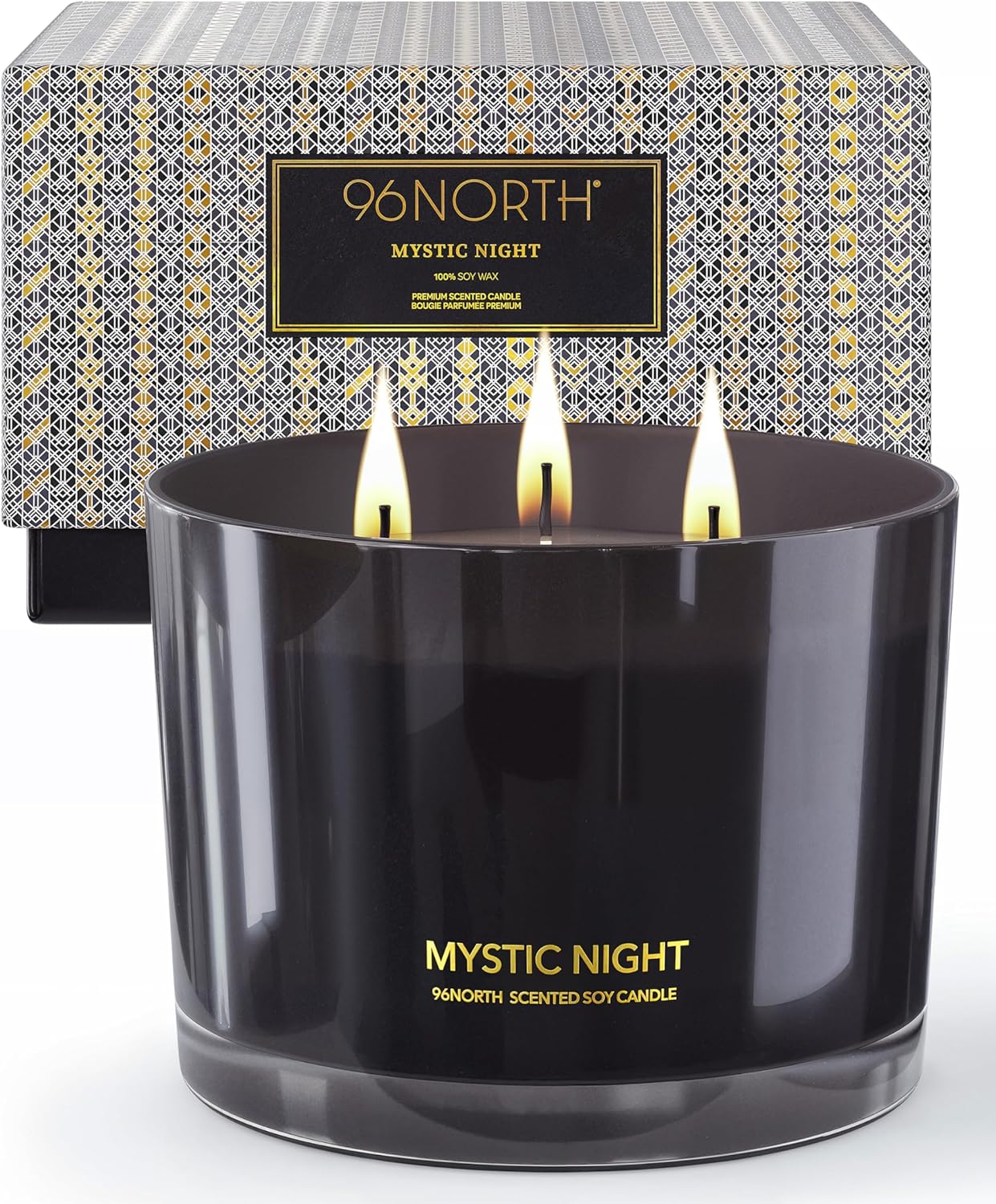
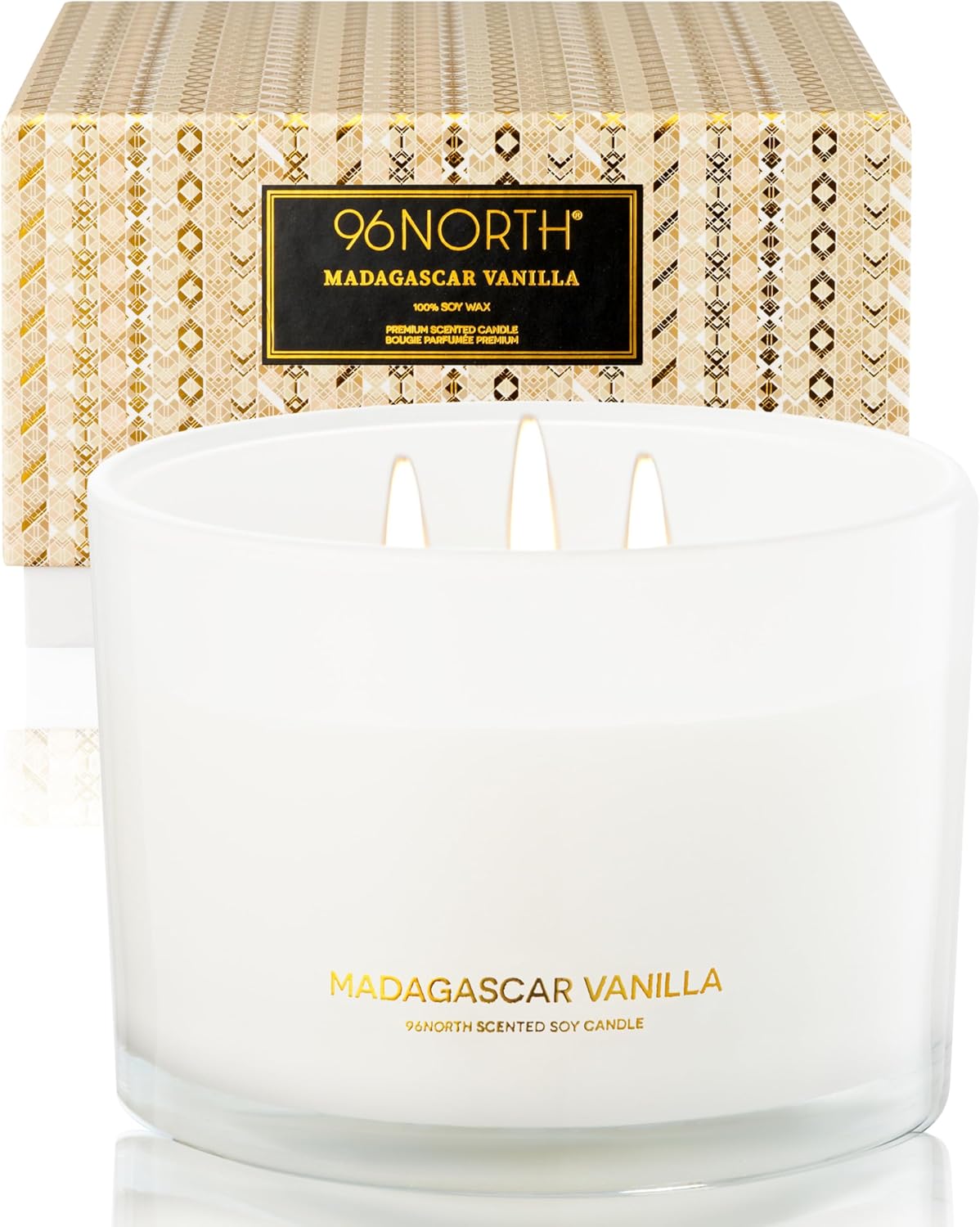
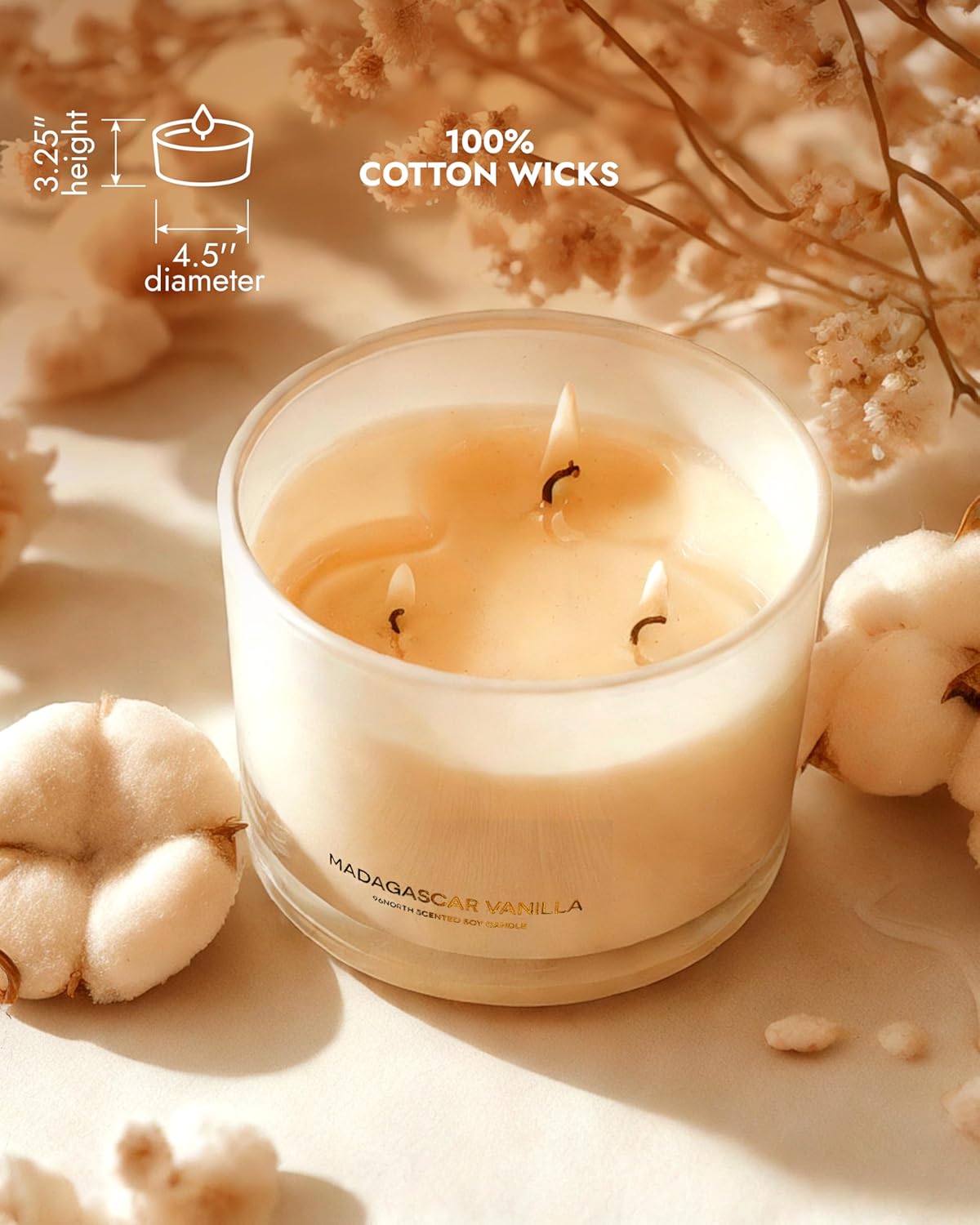
At 96NORTH, we use visual consistency to anchor your daily routines. Our minimalist, monochromatic vessels pair clean aesthetics with predictable fragrance profiles, providing the precise sensory cue your brain needs to step away from work.
7. Cost, Value, and Smart Label Shopping
When comparing soy candles vs beeswax, sticker price is only half the story. Beeswax carries a higher upfront cost due to limited honeybee supply. Soy is more accessible and budget-friendly, serving as the ideal medium for beautifully scented, giftable jars. To find the true value, evaluate the cost per hour.
While dense beeswax naturally burns longer per ounce, high-quality soy provides exceptional value when clean scent throw and daily wellness rituals matter most.
Protect your indoor air quality by avoiding misleading marketing traps:
-
Watch for "soy blends": These often mask cheap, toxic paraffin wax.
-
Check for purity: Look for explicit "100% soy wax" claims on the label.
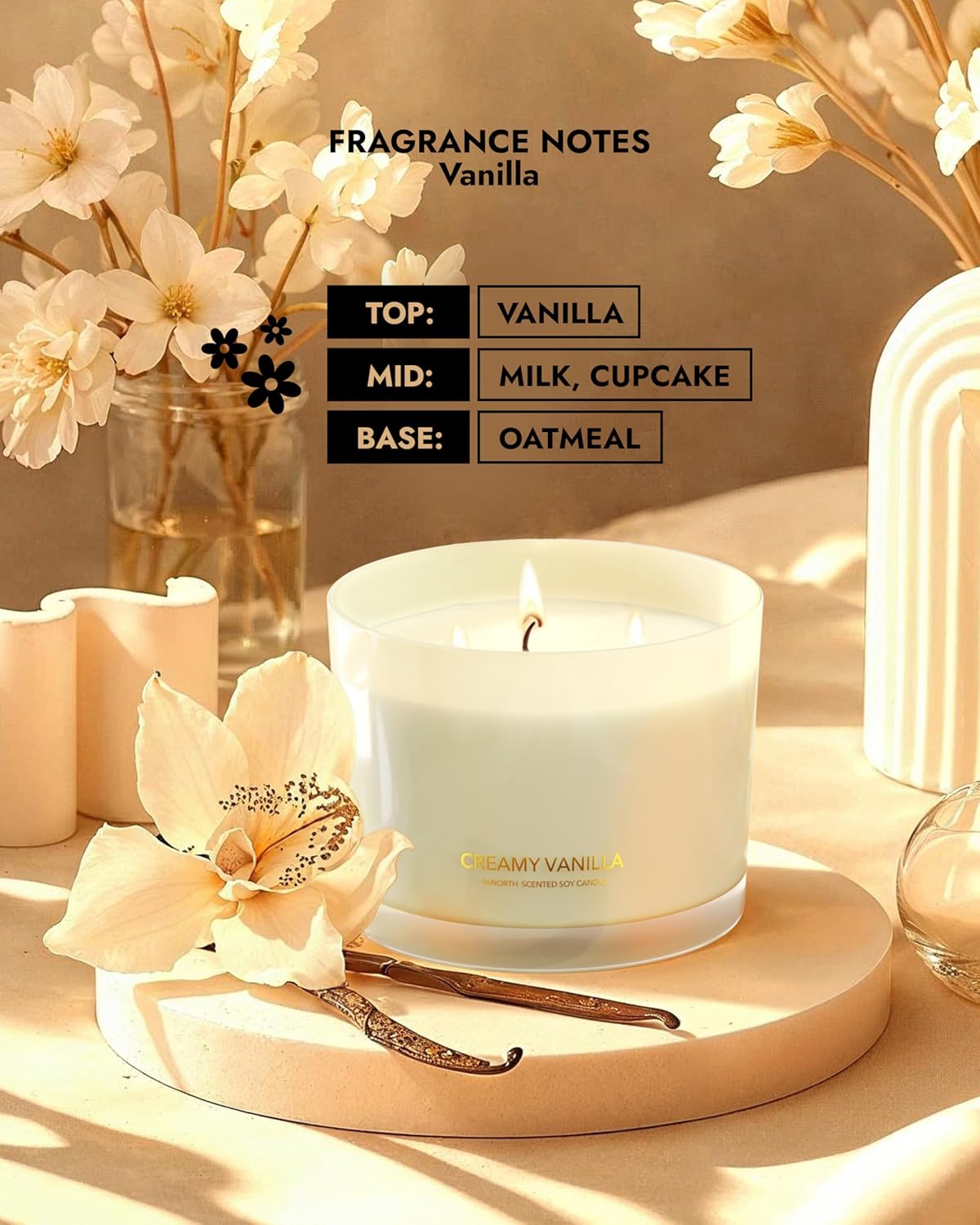
If you choose soy for your fragrance and wellness routines, explore the 96NORTH collection. Ground your space with our premium fall candles and comforting winter candles.
Frequently Asked Questions
Which is better, soy or beeswax?
The choice depends entirely on your specific priorities. Soy is best if you want a vegan-friendly option, a strong scent throw, and an accessible budget. Beeswax is ideal if you prefer a subtle honeyed aroma, a slower burn, and a traditional feel. Ask yourself three simple questions to decide: Do you want a room-filling fragrance? Are you strictly vegan? What is your budget? (See Section 5 and Section 7 above for details.)
Are soy candles actually non-toxic?
Yes, but the wax itself is only part of the equation. To ensure your soy candle is truly non-toxic, you must also look at the wick and the fragrance oils. Choose brands that specify lead-free cotton or paper wicks, and opt for phthalate-free fragrance oils. Your personal burning habits, such as trimming the wick and keeping the candle out of drafts, also play a major role in keeping the air clean.
Do beeswax candles really purify the air?
There is no credible scientific evidence proving that burning beeswax candles releases negative ions to purify your indoor air. This claim is largely a marketing tactic. If your goal is cleaner indoor air, focus on practical habits instead: choose clean-burning waxes, trim your wicks to avoid soot, and ensure your space is well-ventilated during and after burning.
How can I tell if a soy candle has paraffin?
Check the ingredient label closely. If you see vague terms like "soy blend," "natural wax blend," or if the label fails to specify the exact wax percentage, the candle likely contains paraffin. To completely avoid petroleum-based paraffin, always look for candles explicitly labeled as 100% soy wax.
What is the best natural candle wax for gifts and daily routines?
Soy wax is the ideal choice for both. Its excellent scent throw and clean aesthetic make it highly giftable, while its predictable burn helps you establish consistent daily wellness rituals. For grounding daily routines, choose scent profiles designed for specific emotional outcomes:
- Explore comforting fall candles to cultivate cozy warmth.
- Use soothing floral scents to invite calm.
- Light crisp winter candles to restore mental clarity.