
You can enjoy a beautifully scented home without overwhelming your pet’s sensitive nose. Burning dog safe candles is perfectly safe if you manage ingredient purity and exposure. The real risks lie in heavy soot, synthetic fragrances, toxic essential oils, and fire hazards.
This guide provides a practical safety checklist, an oil avoidance list, and signs of pet distress.
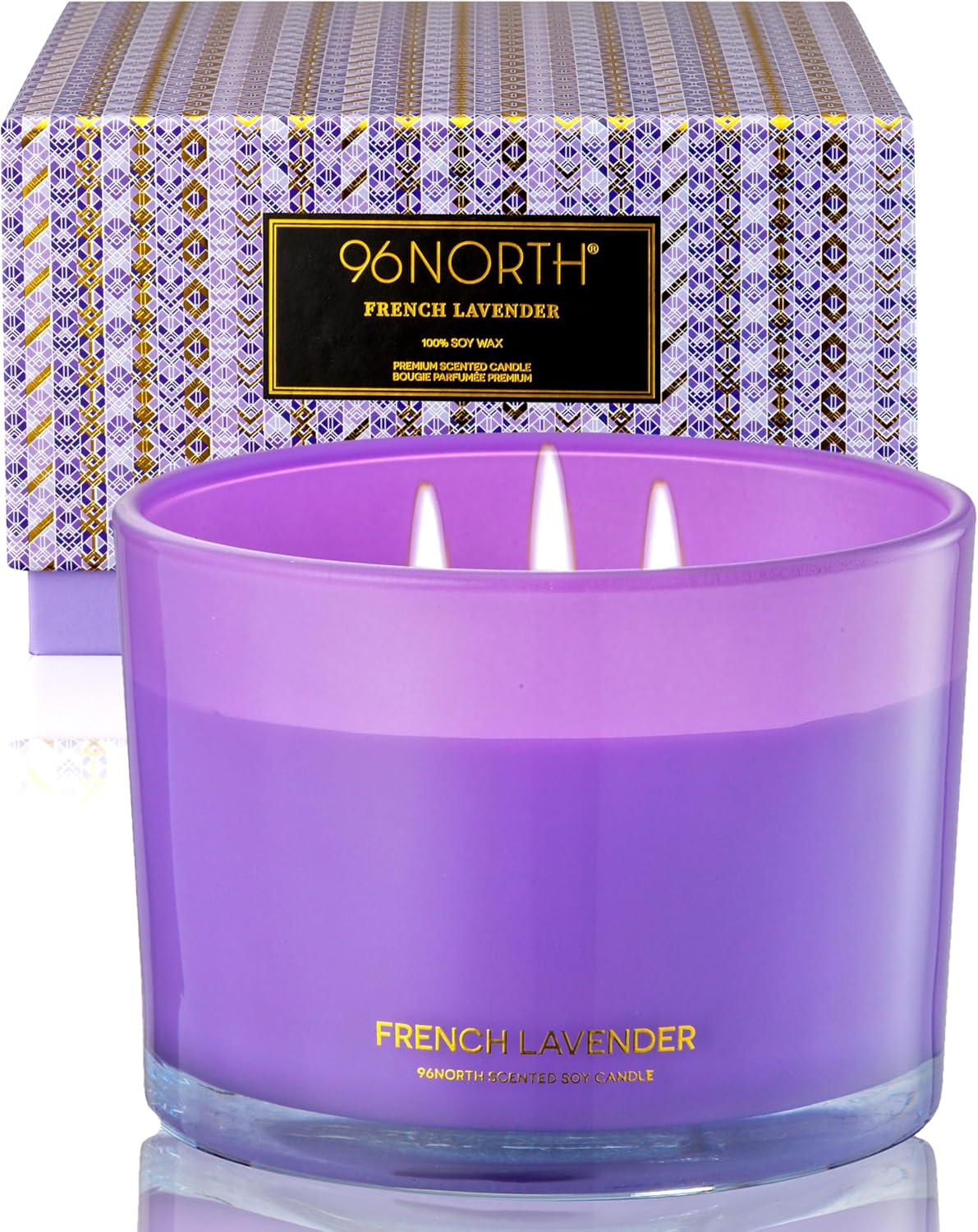
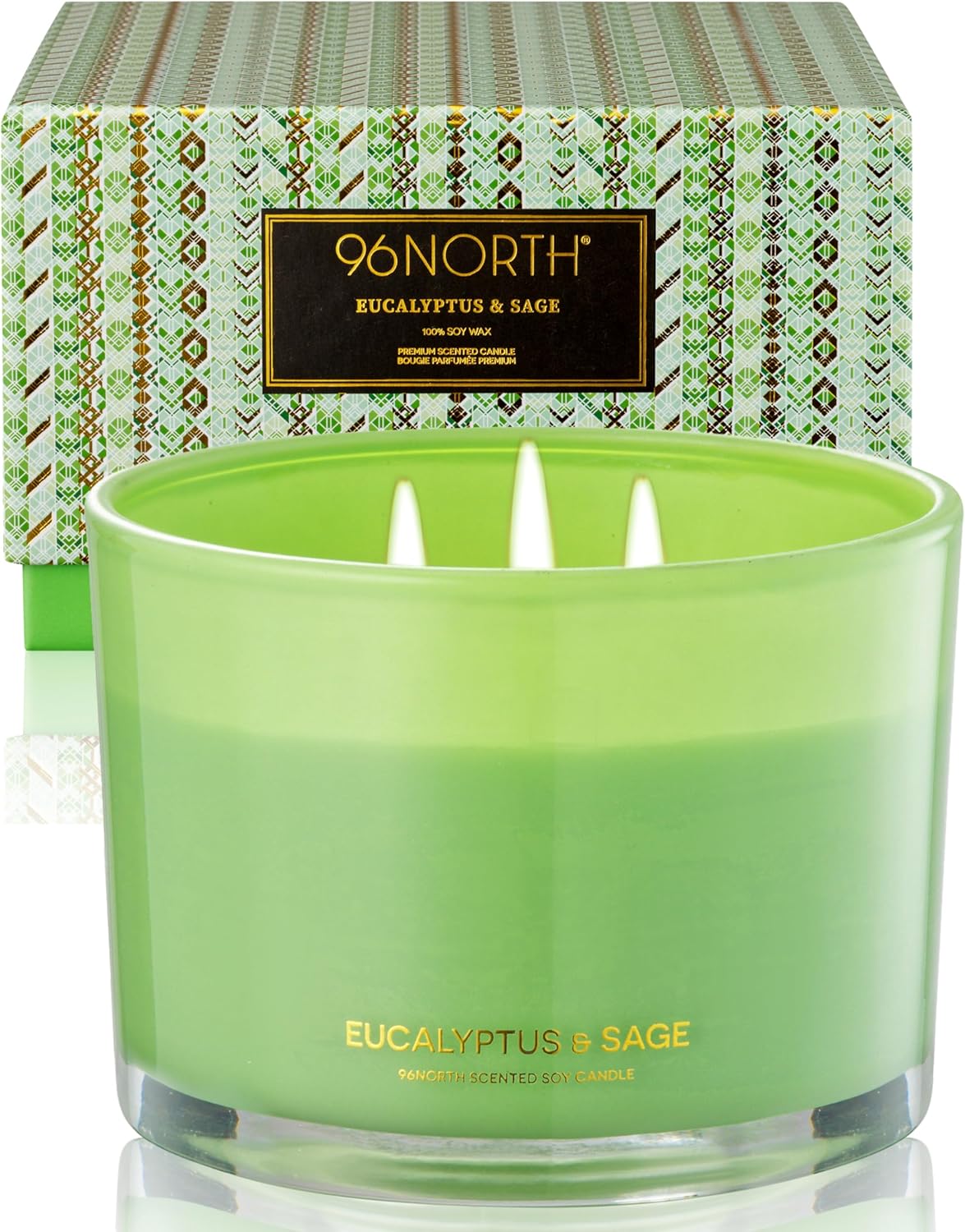
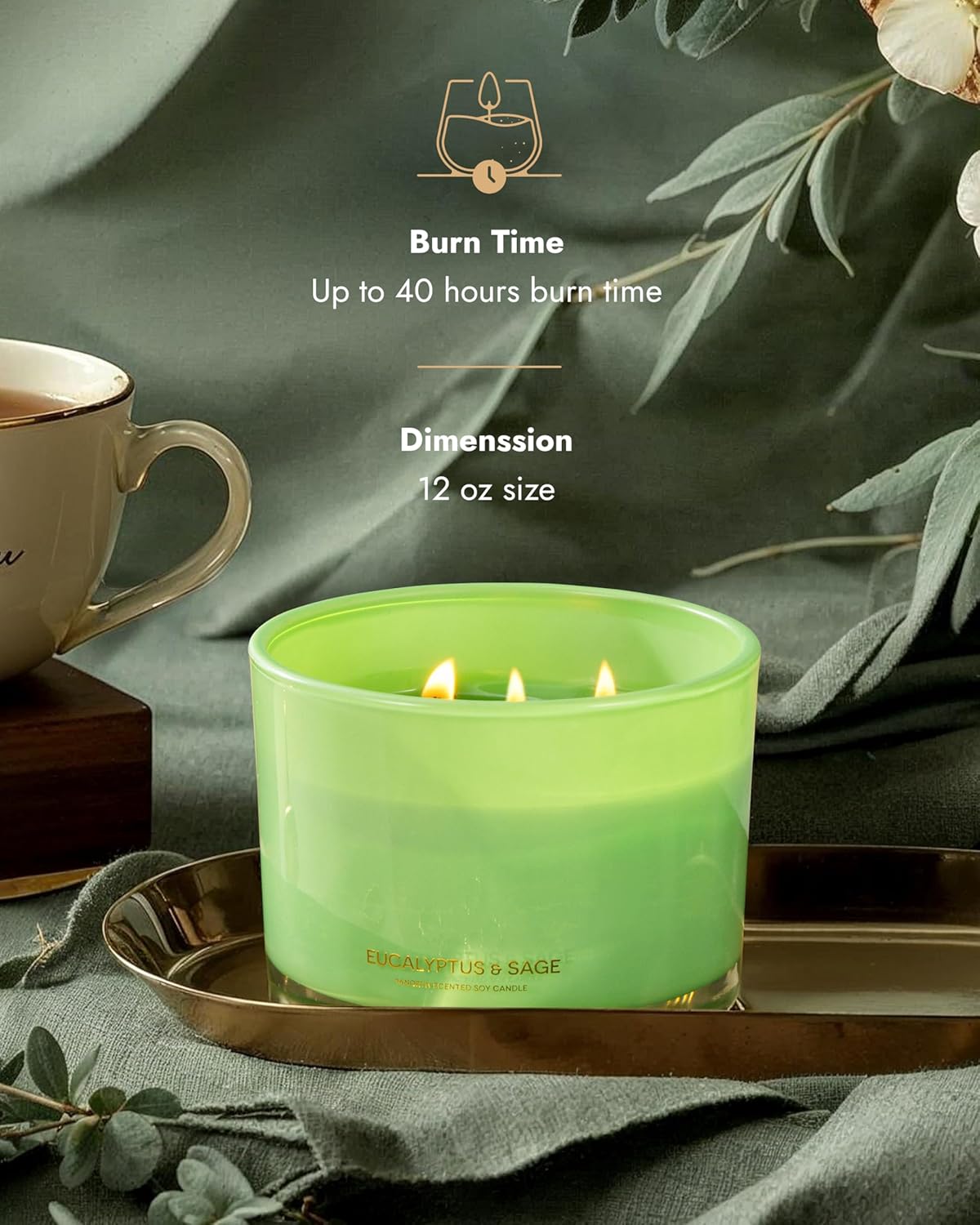
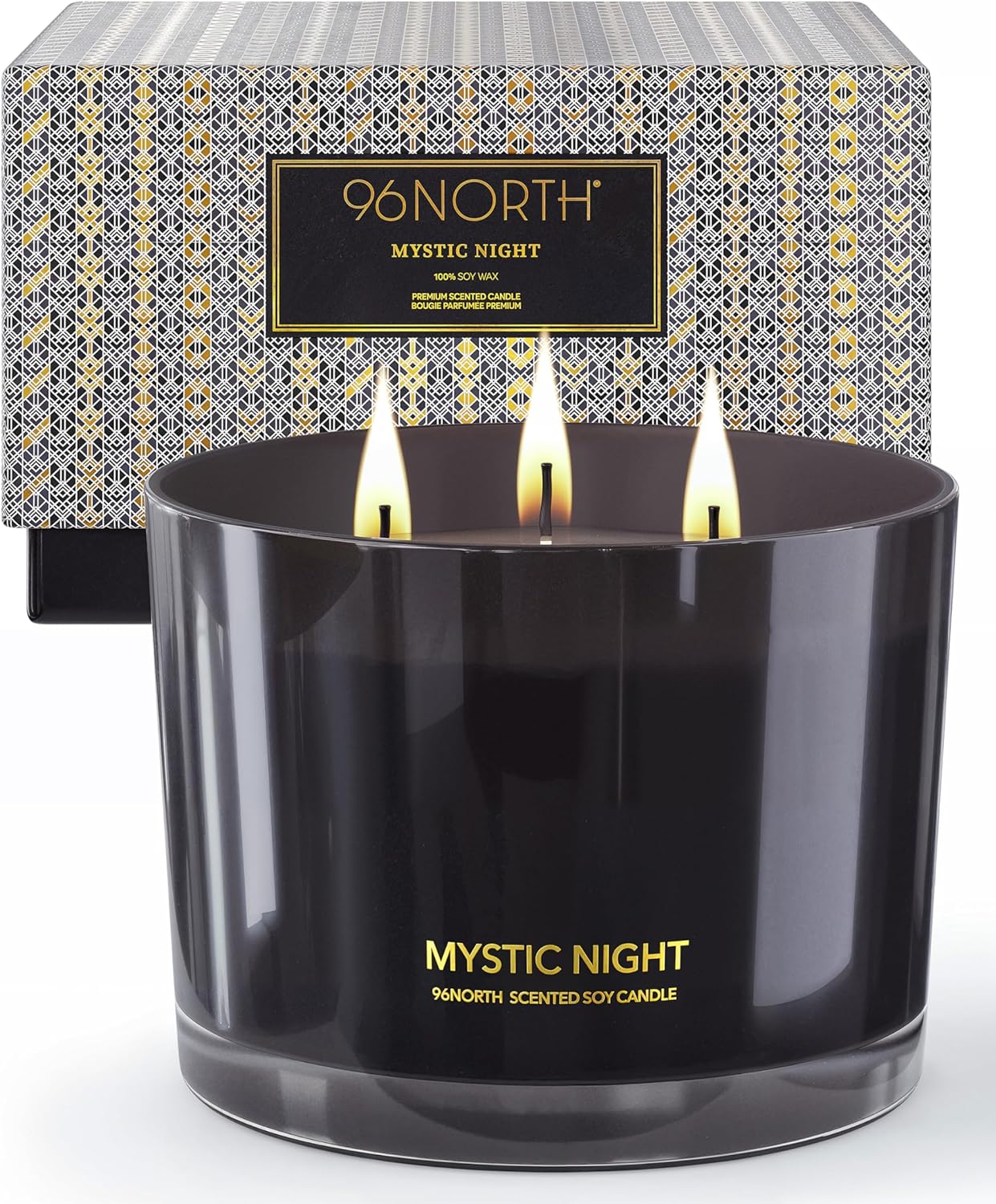
If you prefer a cleaner, wellness-first approach, explore 96NORTH’s collection.
1. Avoid High-Risk Essential Oils
When searching for dog safe candles, remember that natural botanical ingredients are not automatically safe. Concentrated essential oils pose varying risks of toxicity and respiratory irritation depending on exposure levels.
Avoid these high-risk oils:
-
Tea tree (melaleuca), eucalyptus, pine, peppermint, and wintergreen
-
Cinnamon, clove, pennyroyal, and ylang ylang
-
Citrus oils (orange, lemon, and grapefruit)
Watch for common label translations like "pine forest," "citrus grove," "eucalyptus & mint," or "spiced cinnamon." If a brand fails to clarify whether they use these oils, choose another option. Always use extra caution in multi-pet homes, as cats and birds are even more sensitive.
2. Prioritize Clean-Burning, Plant-Based Waxes
Airborne soot and heavy smoke from low-quality candles can easily irritate your dog’s sensitive respiratory system. When shopping for dog safe candles, translate "clean burn" into a simple purchase rule: avoid vague "wax blends" and choose transparent labels that specify:
-
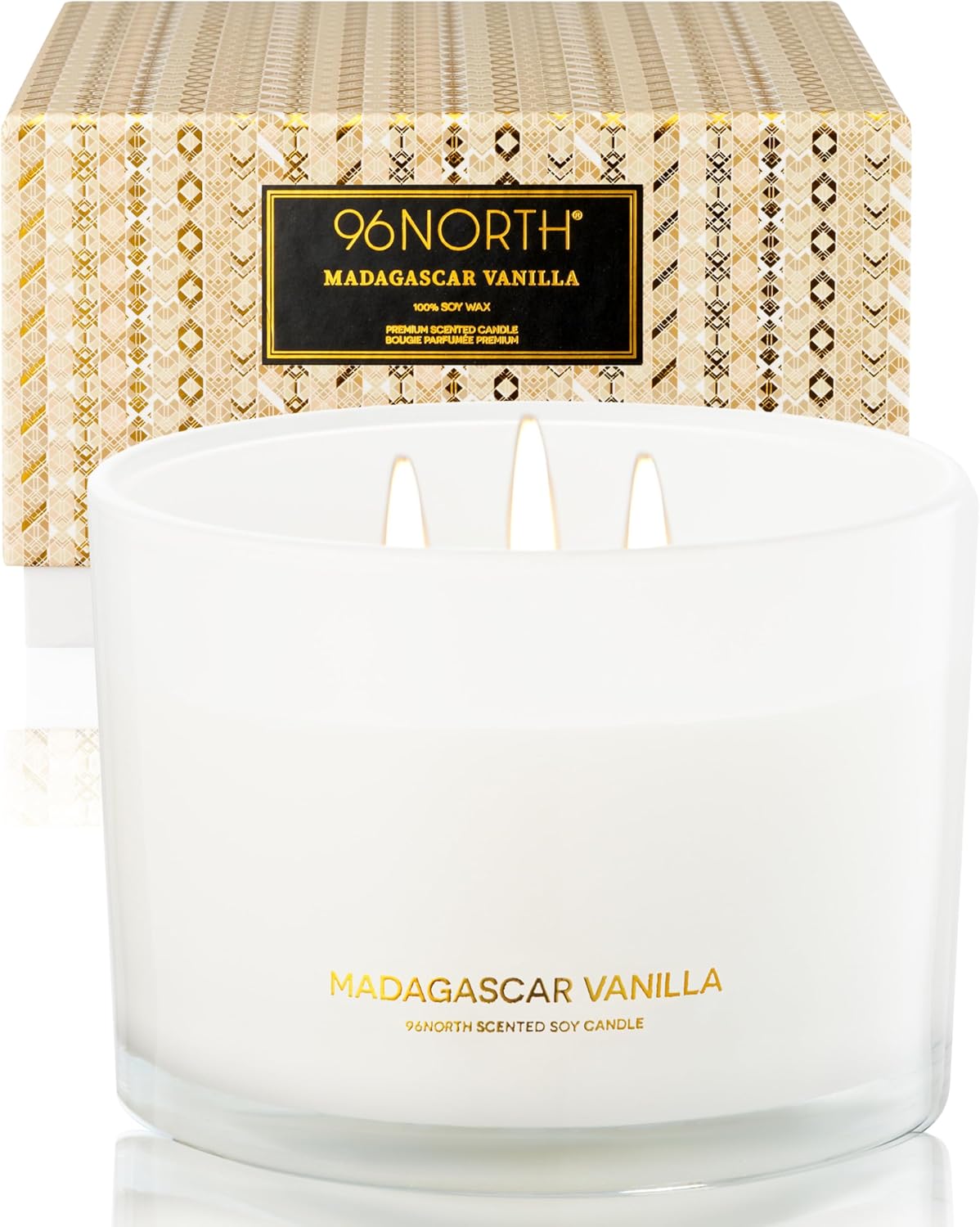
100% soy wax (or soy-coconut blends)
-
Pure beeswax
Be cautious of paraffin-heavy candles, which are far more likely to release noticeable soot into your home. If you spot dark residue on your jar, use it as a clear signal to trim the wick, reduce drafts, or switch to a cleaner plant-based wax.

3. Select Lead-Free Cotton or Wood Wicks
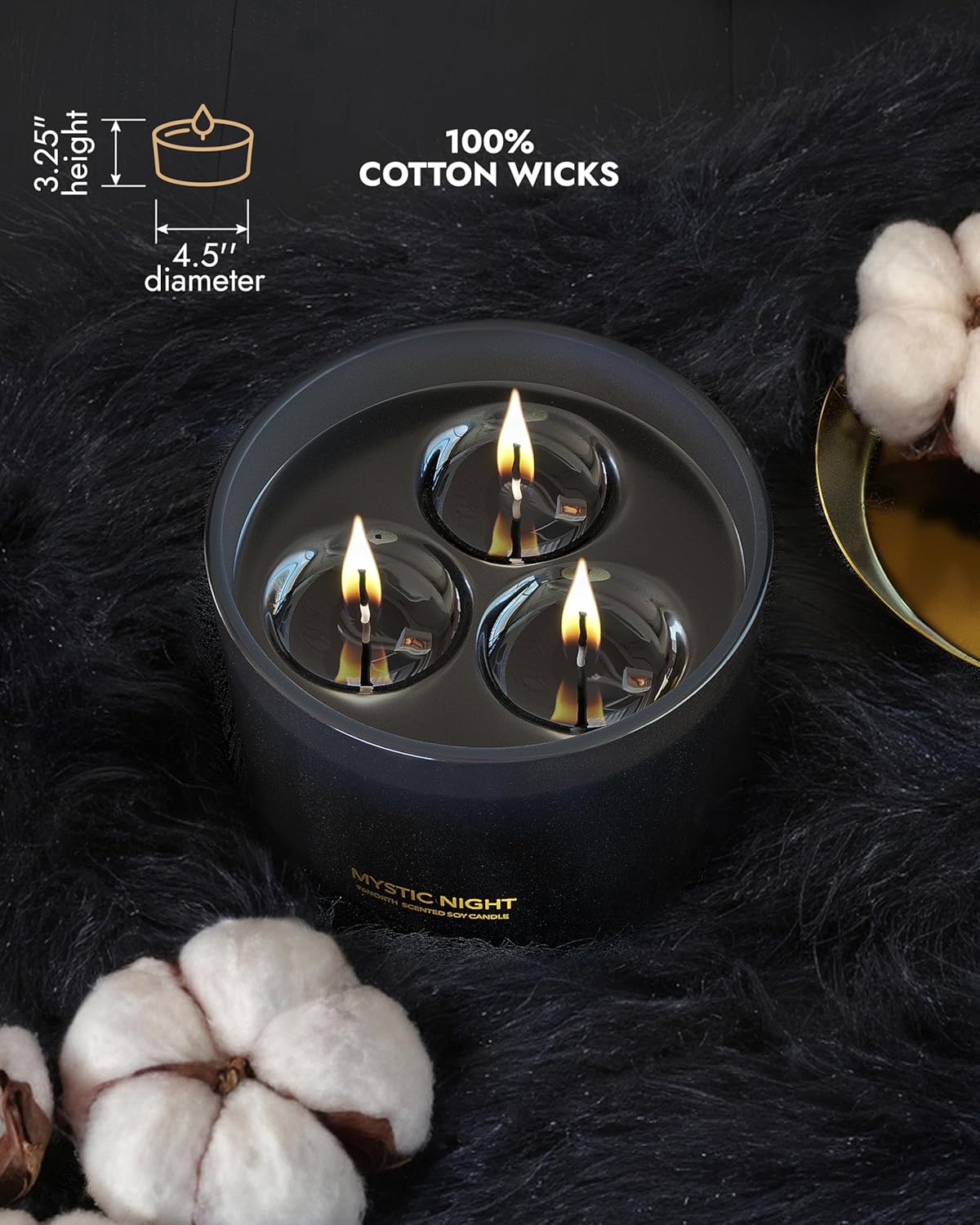
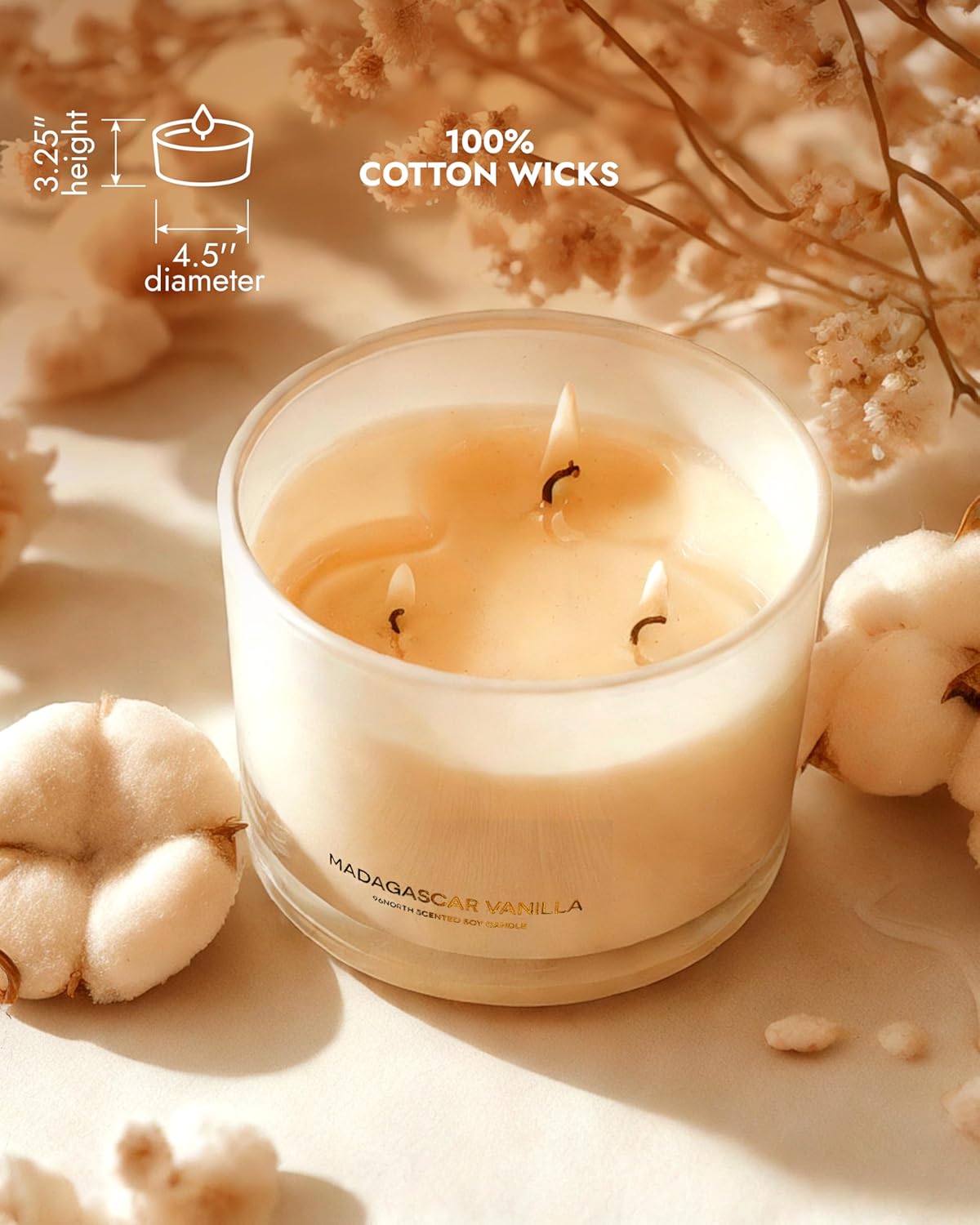
That black soot ring on your candle jar indicates a low-quality wick polluting your pet's air. When shopping for dog safe candles, choose lead-free cotton or reputable wood wicks. Avoid metal-core wicks and unlisted materials entirely.
Maximize clean burn performance with these safety protocols:
-
Trim the wick to 1/4 inch before every single light to eliminate smoke.
-
Always burn candles on high, stable surfaces completely out of pet traffic zones.
This simple routine protects sensitive canine lungs while preventing tipped hot wax, singed tails, and household fire hazards.
4. Decipher Fragrance Labels and Pet-Friendly Claims
When searching for dog safe candles, natural ingredients are not always safer. Many natural essential oils are highly toxic to pets, whereas high-quality synthetic fragrance oils can be safely formulated without these harmful botanicals. A "pet-friendly" claim typically signals a phthalate-free formula, though true safety requires transparency.
To verify a candle's safety, ask the brand:
-
Are you using essential oils? If so, which ones?
-
Is your fragrance phthalate-free?
-
Do you follow IFRA-style usage guidelines?
If answers are vague, choose unscented or simple scent profiles.
5. Decode Ingredient Labels to Avoid Phthalates
Phthalates are chemical solvents used to extend fragrance life, but many pet owners choose to avoid them. When shopping for dog safe candles, bypass fuzzy marketing and look for concrete proof.
Look for brands that explicitly state "phthalate-free" and provide clear ingredient transparency. Treat vague buzzwords like "non-toxic" with skepticism unless the manufacturer backs them up with specifics.
For a quick shopping shortcut, choose brands that publish a clear "free-from" list. Avoid candles containing:
-
Paraffin wax
-
Phthalates
-
Lead wicks

6. Choose Mild, Simple Fragrance Families
When selecting dog safe candles, choose lighter, simpler scent profiles. While no fragrance is universally safe, these mild families are generally easier for sensitive noses to tolerate:
-
Soft vanilla and gourmands
-
Light, airy florals
-
Gentle, non-mentholated herbals (avoid sharp eucalyptus)
If you burn lavender-type profiles, prioritize a light throw, keep sessions short, and ensure proper ventilation. Because cats react more strongly than dogs, multi-pet homes should default to these ultra-mild options or completely unscented candles.
7. Set Simple "House Rules" for Ventilation and Burn Times
Safeguard your pet’s respiratory health with these three practical habits for burning dog safe candles:
-
Prioritize airflow: Crack a window or run a fan to ensure continuous ventilation.
-
Restrict burn times: Stick to 30 to 60-minute sessions initially to monitor your dog's comfort.
-
Avoid confined spaces: Never burn candles in small rooms, closed bedrooms, or near pet crates.
If your dog leaves the room, treat it as a signal to extinguish the candle immediately.
8. Spot Signs of Pet Irritation and Take Immediate Action
Even clean dog safe candles can trigger sensory sensitivity in sensitive pets. Watch closely for these warning signs:
-
Physical: Coughing, sneezing, watery eyes, nose irritation, or face pawing.
-
Behavioral: Pacing, hiding, sudden lethargy, or leaving the room.
If symptoms appear, immediately extinguish the flame, ventilate the space, and move your dog to fresh air. Contact your veterinarian immediately if you observe wheezing, labored breathing, repeated vomiting, collapse, or if minor irritation fails to resolve. Remember, birds have extremely sensitive respiratory systems; avoid burning any candles around them.
How to Choose and Burn Dog Safe Candles: A 5-Step Protocol
Follow this repeatable five-step protocol to enjoy clean home fragrances while keeping your pets safe.
Step 1: Shop the Label First
Select candles made from pure soy, coconut, or beeswax. Verify that the manufacturer uses lead-free cotton wicks and maintains transparent ingredient sourcing.
Step 2: Screen the Scent Profile
Avoid tea tree, eucalyptus, mint, pine, citrus, and heavy spice profiles. Skip these entirely unless the manufacturer clearly states the formula is not essential-oil based.
Step 3: Select a Mild Scent Throw
Begin with light, gentle fragrance families. Avoid overpowering room-fillers when pets are present.
Step 4: Set Strict House Rules
Burn candles on stable, high surfaces away from tails and curtains. Never leave flames unattended, maintain open ventilation, and keep burn sessions short.
Step 5: Monitor Your Pet
Watch for signs of irritation. If symptoms appear, extinguish the flame immediately and switch to unscented or milder profiles.
Ready to elevate your wellness ritual? Explore 96NORTH for clean-burning options. Browse our foundational scented collection, discover our cozy winter collection, or find vibrant blends in our seasonal collection today.
Frequently Asked Questions
Are scented candles safe for dogs?
Yes, scented candles can be safe for dogs if you select clean burning materials like soy or beeswax with lead free cotton wicks. You must avoid high risk essential oils and ensure proper room ventilation. Keep burn times short, and immediately stop using any fragrance if your pet shows signs of irritation. See Step 5 of our protocol above.
Are soy candles safe for dogs and cats?
Soy candles are generally safer than paraffin because they produce a cleaner burn with less soot. However, overall safety still depends on the fragrance oils and your burning habits. Prioritize transparent brands that use lead free wicks and phthalate free ingredients.
Which candle scents are safest for pets?
Mild, simple profiles like soft vanilla, light gourmands, and gentle florals are the safest choices. Avoid strong mentholated, citrus, or heavy spice profiles, including tea tree, eucalyptus, pine, and cinnamon. In mixed dog and cat homes, always default to an ultra mild fragrance throw.
What if my dog coughs or sneezes when the candle is lit?
Immediately extinguish the candle, open windows to ventilate the space, and move your dog to fresh air. Coughing or sneezing indicates respiratory irritation. If your dog exhibits labored breathing, wheezing, or persistent symptoms, contact your veterinarian right away. See Spot Signs of Pet Irritation above for more details.
Are wax melts safer than candles for pets?
Wax melts are not automatically safer. While they eliminate the open flame hazard, they still release concentrated fragrance oils into the air. Apply the same rigorous ingredient screening and ventilation rules to wax melts as you would to traditional candles, and avoid small, enclosed spaces.