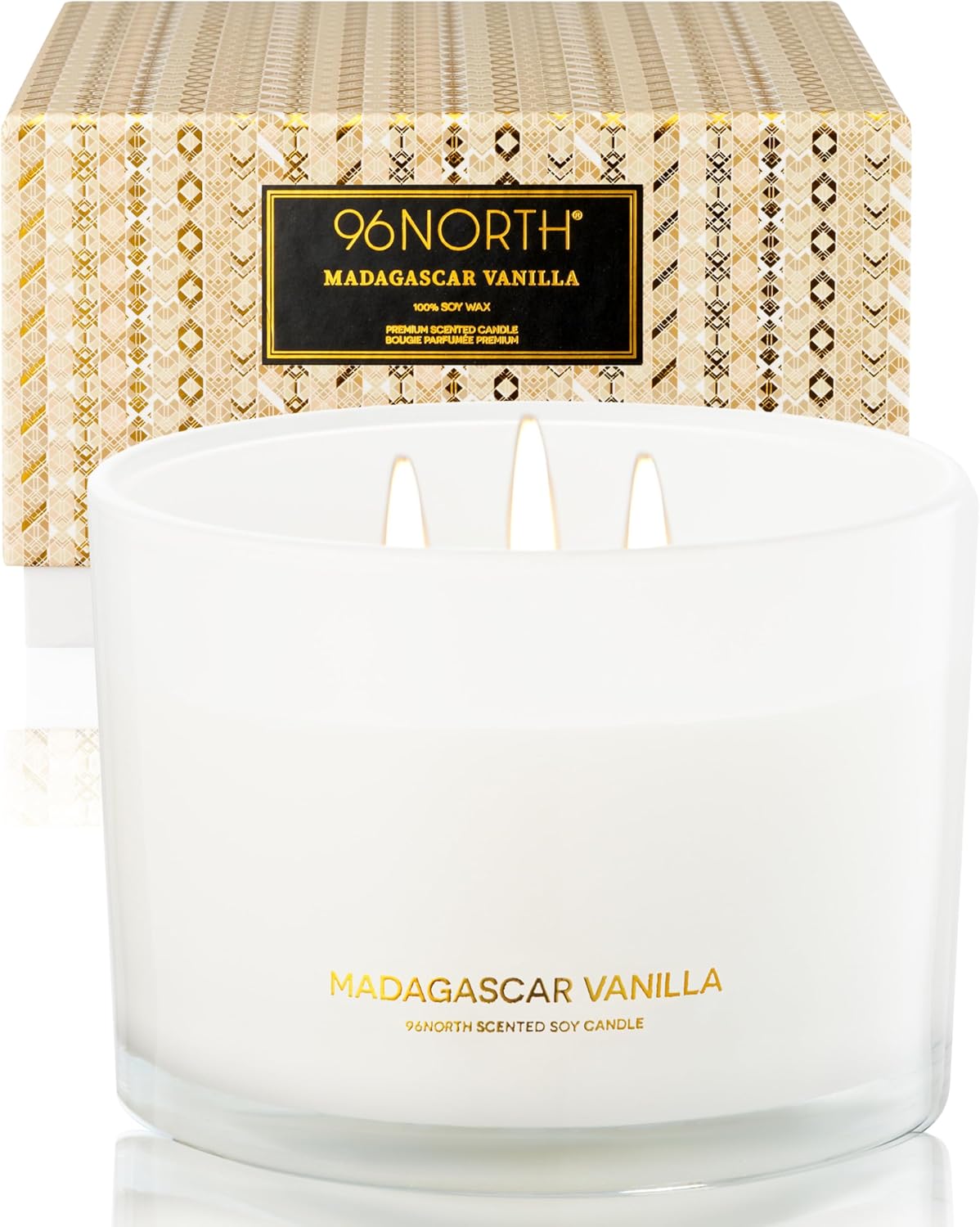

Is an aromatherapy candle different from a regular scented candle? While mass-market options rely on synthetic perfumes, true aromatherapy uses natural botanicals to gently shift your mental state. These sensory anchors act as supportive, calming rituals rather than medical cures.
We will define their benefits, show you how to choose the perfect blend for sleep, stress, or focus, and explain how to use them safely. Here is what makes a candle truly therapeutic.
1. Aromatherapy vs. Scented Candles: Understanding the Difference
Why do some candles trigger headaches while others invite immediate calm? Regular scented candles simply mask odors with synthetic perfumes. An aromatherapy candle acts as a functional wellness tool, blending botanical scents with daily rituals to support states like calm, focus, or deep sleep.
To ensure consistent scent throw, brands often combine pure essential oils with clean, non-toxic fragrance-oil blends. Remember, aromatherapy is not a clinical cure; its effects are supportive, sensory, and highly subjective.
Scan the label to bypass marketing jargon:
-
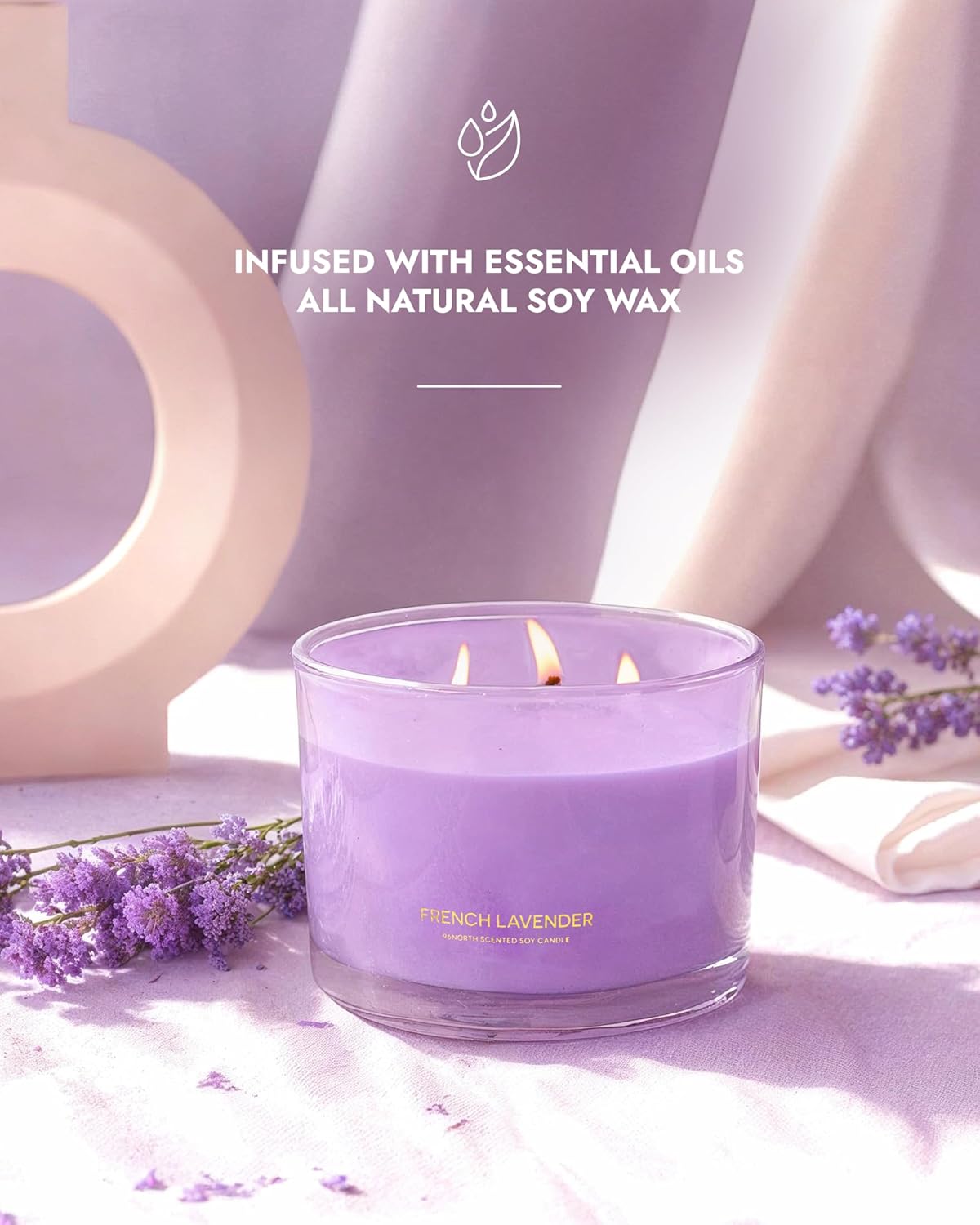
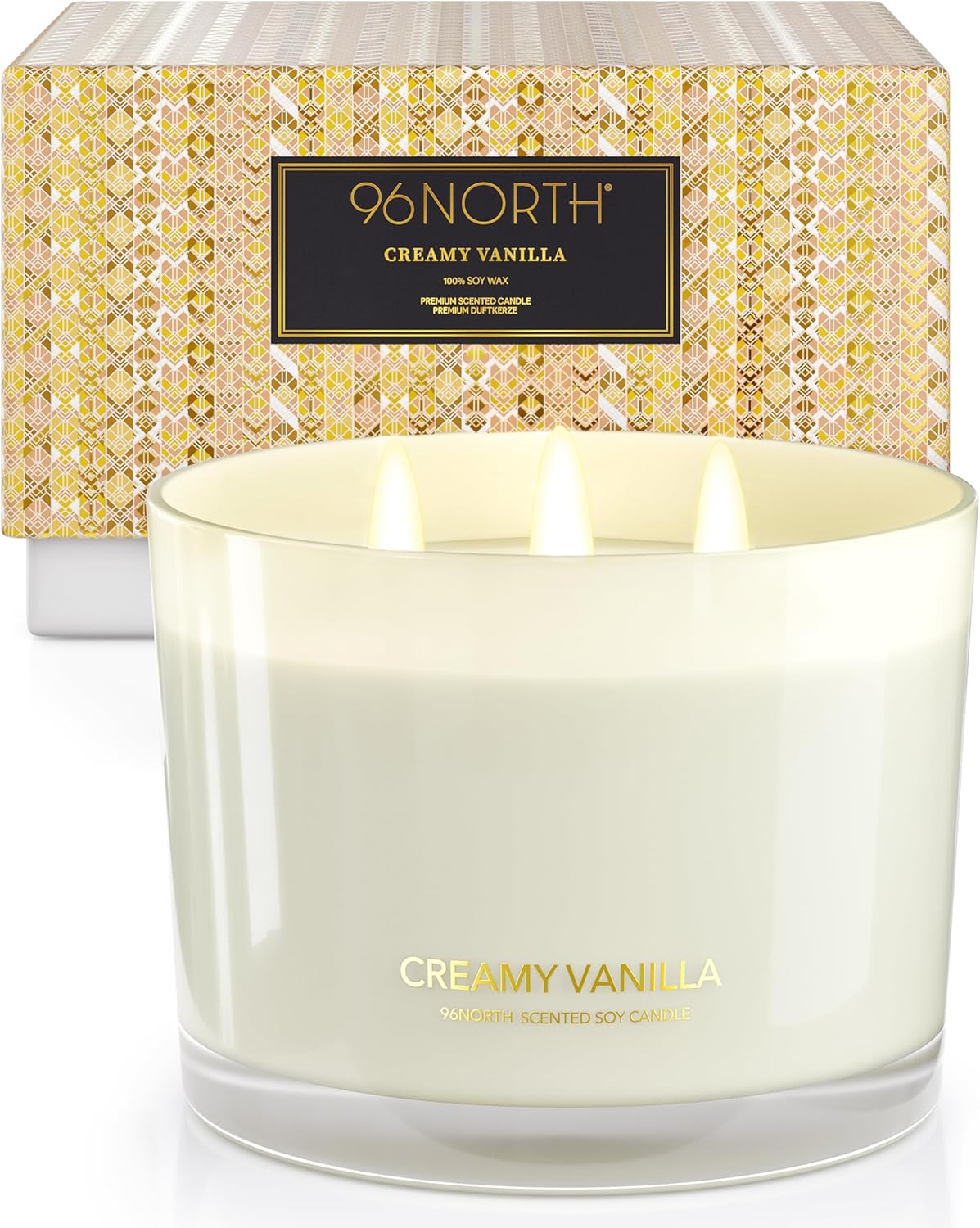
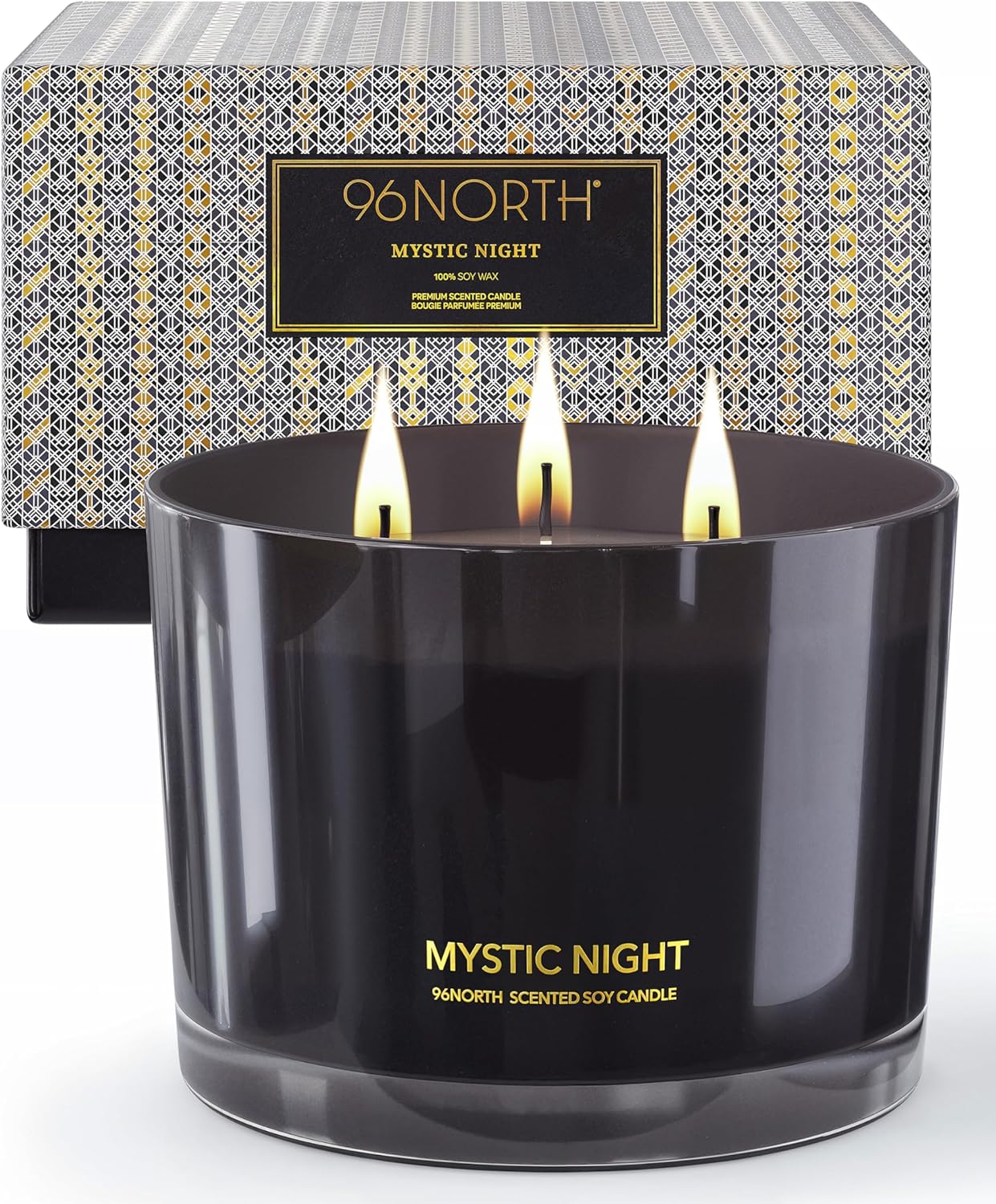
Wax Type: 100% natural soy wax for a clean, non-toxic burn.
-
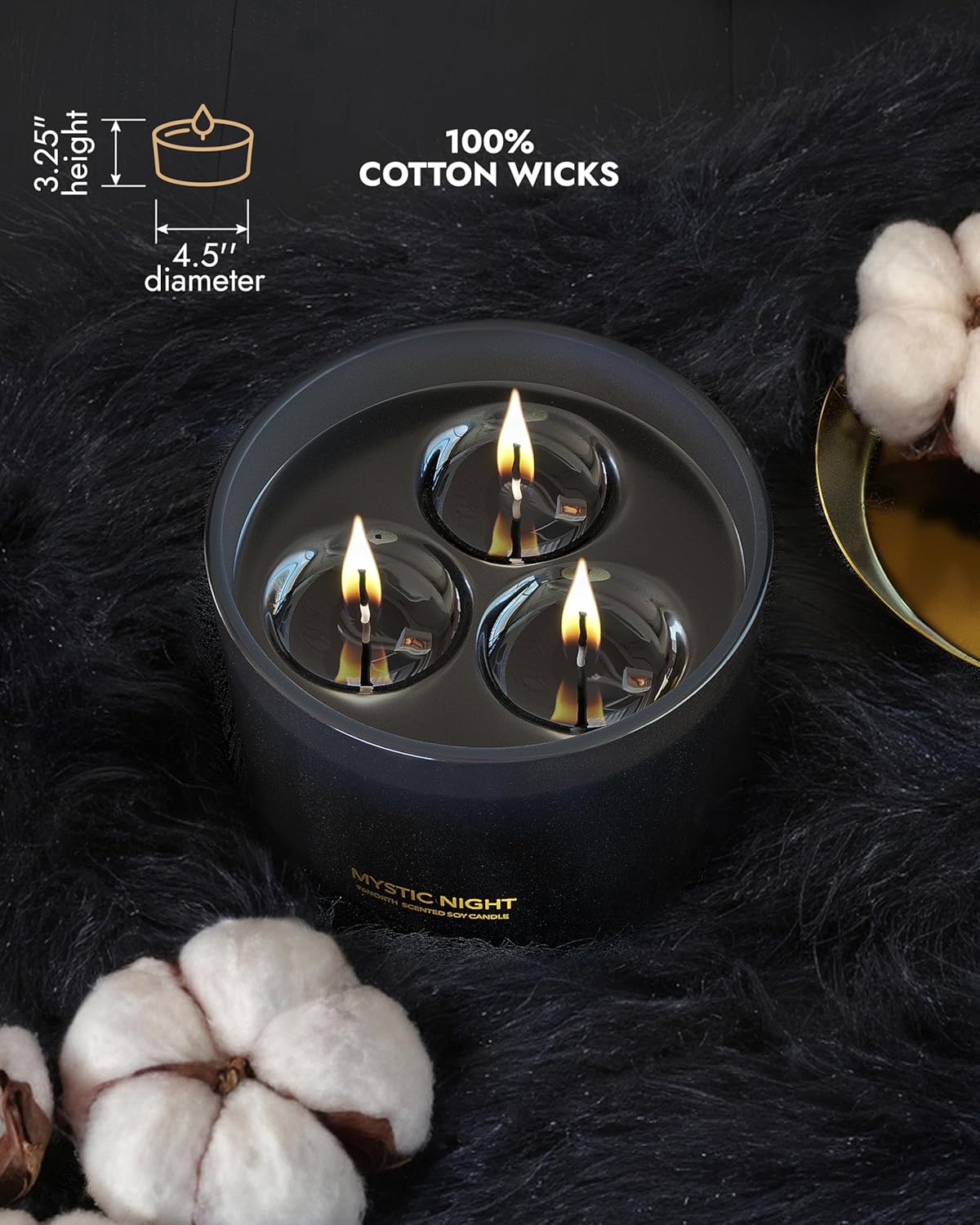
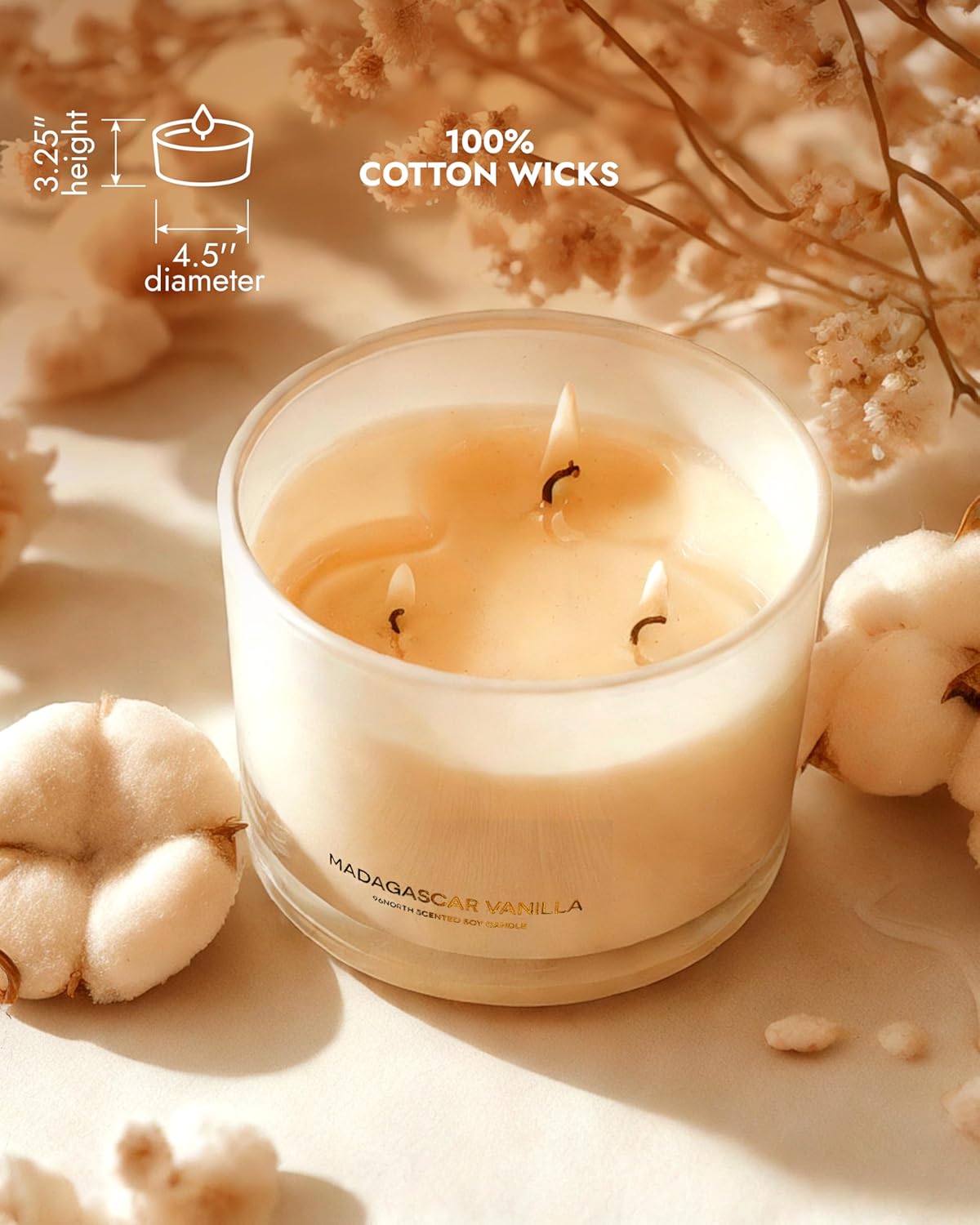
Wick Type: Lead-free cotton to prevent soot.
-
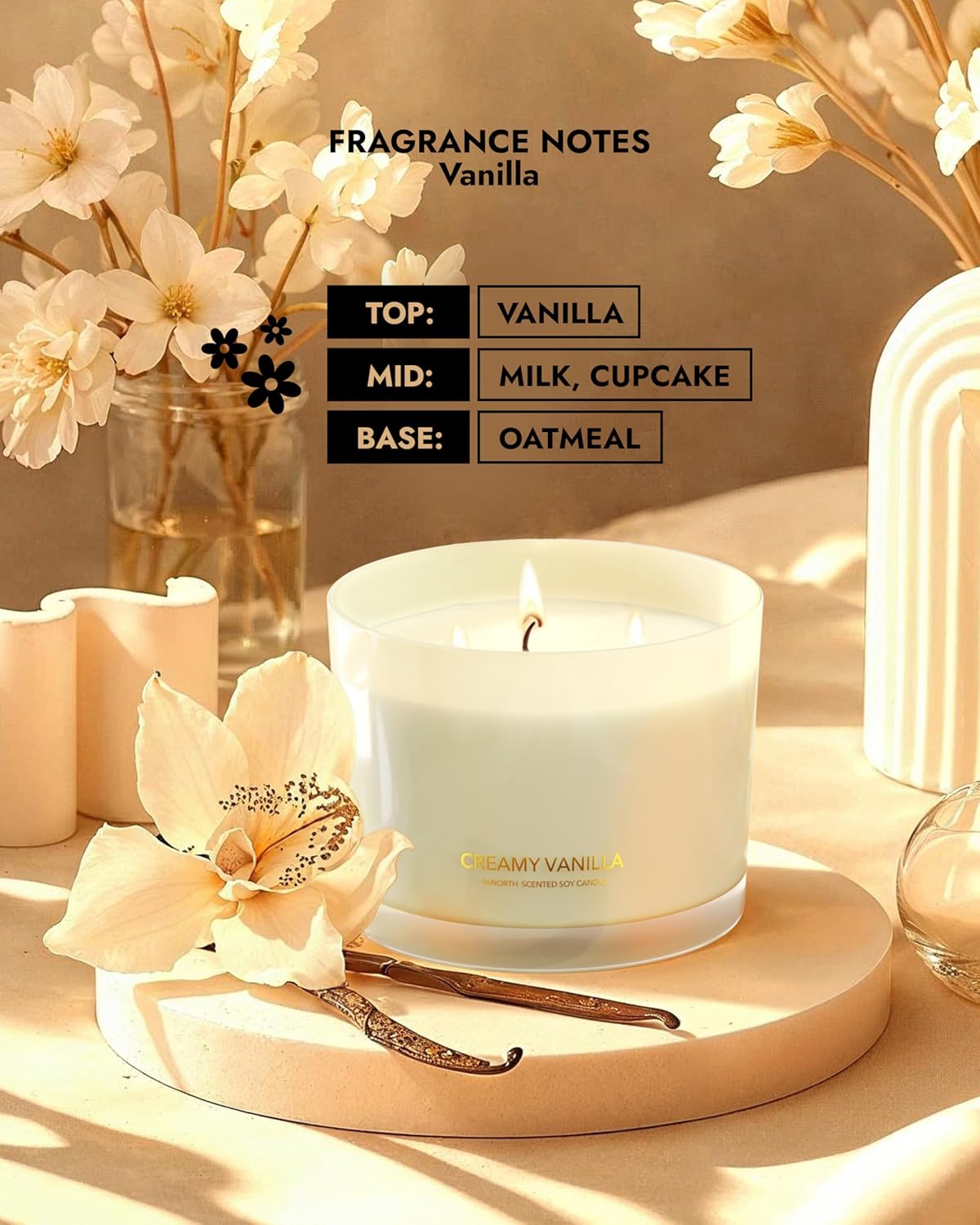
Scent Profile: Transparent fragrance notes rather than vague claims.
-
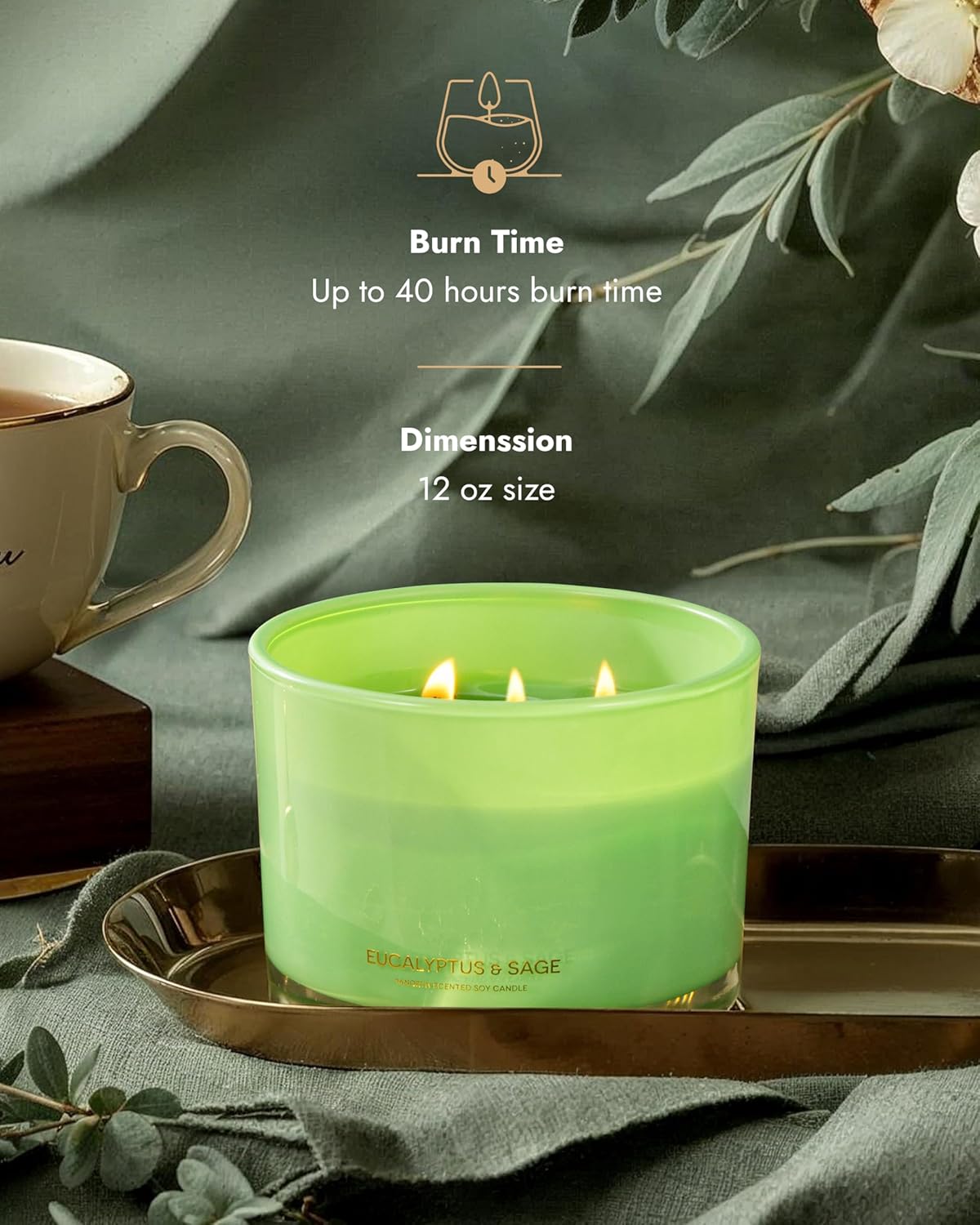
Burn Time: Stated hours to ensure a slow, high-performance burn.
With clean ingredients secured, we can explore why scent holds such immediate power over our emotional chemistry.
2. Scent and the Brain: How Olfactory Conditioning Shifts Your Mood
Why does a single whiff of lavender make your shoulders drop before your mind registers the aroma? Smell bypasses the logical brain, traveling straight to the limbic system, your emotional and memory center. This direct pathway is why specific botanical notes instantly alter your mood.
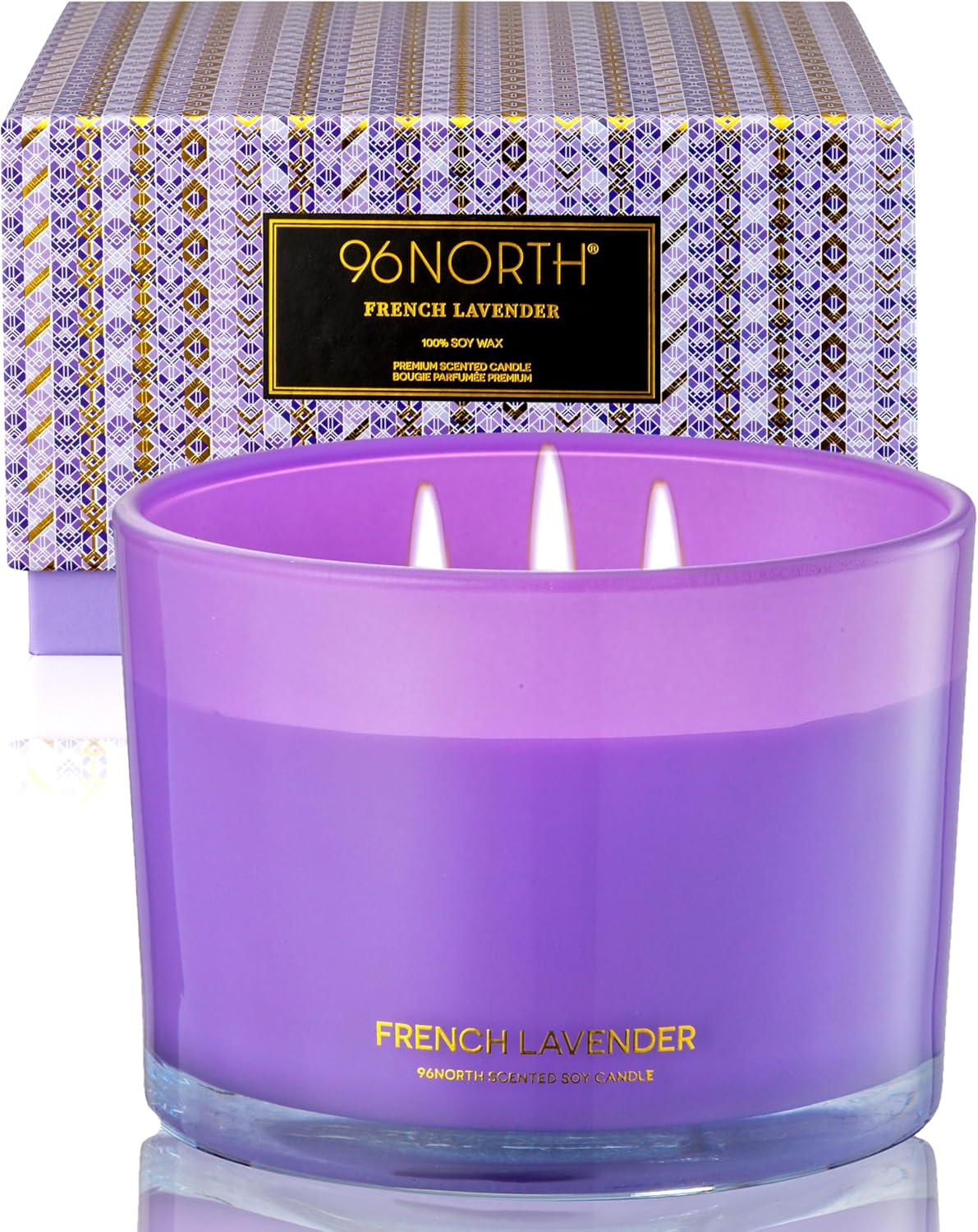
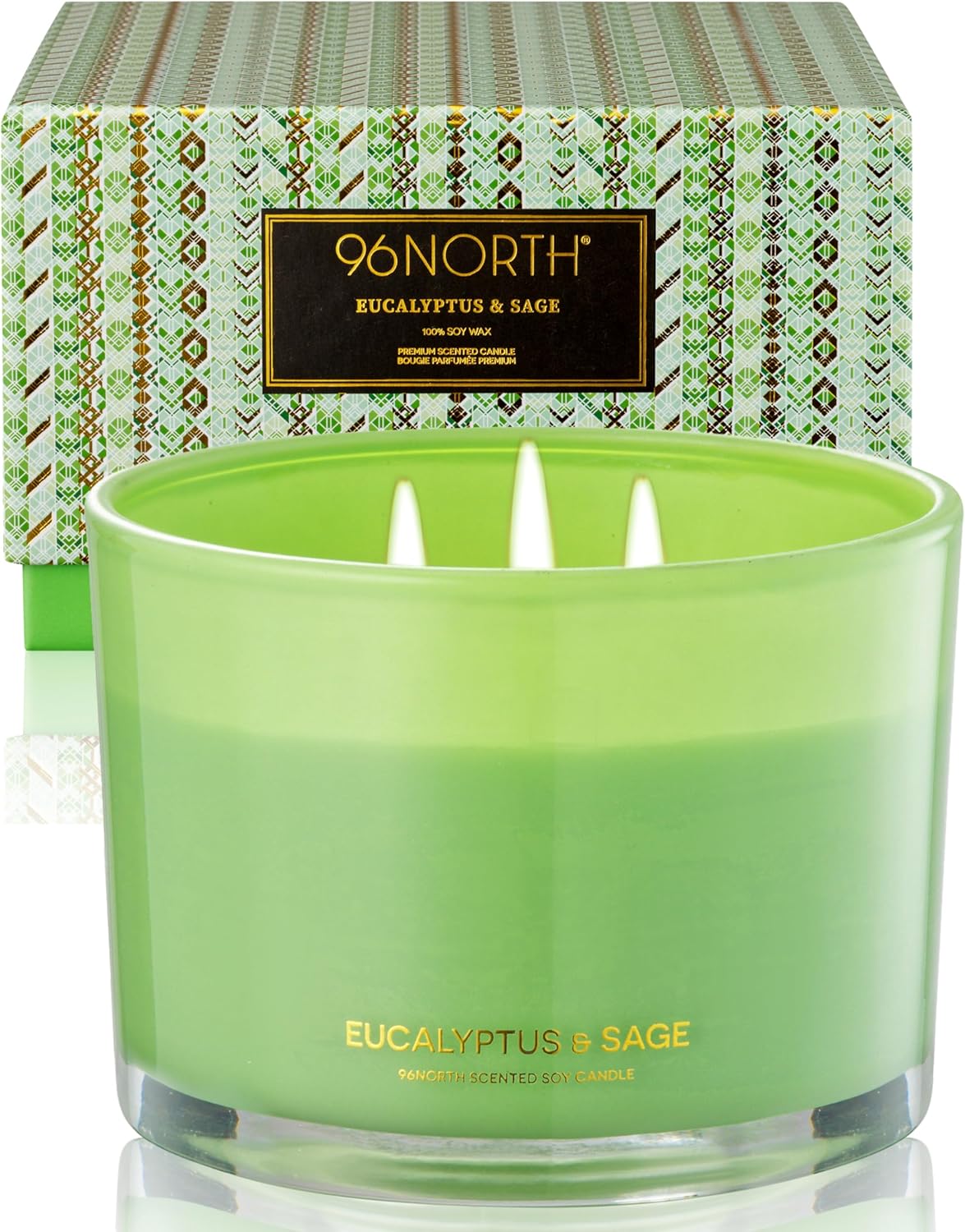
Lighting an aromatherapy candle creates a repeatable sensory cue for an intentional state change. To harness this olfactory conditioning, practice "one scent per routine." Use a relaxing French Lavender candle strictly for sleep and a crisp Eucalyptus candle only for focus. Your brain soon pairs each scent with its corresponding task.
While these anchors shift your atmosphere, they support daily rhythms rather than offering medical cures. Once you understand this goal-based mechanism, choosing botanical blends for sleep, stress, or focus becomes intuitive.
3. Scent Mapping: Matching Your Fragrance to Your Daily Goals
To get the most from your aromatherapy candle, choose a scent for the job it does, rather than how pretty it smells.
Match specific botanical profiles to your daily rhythms using this goal map:
-
Sleep & Wind-Down (Lavender, Florals): Burn during evening wind-down. Expect slowed breathing and deep physical relaxation.
-
Stress Relief (Grounding Woods, Sage): Burn post-work. Expect immediate mental decompression and tension release.
-
Focus & Productivity (Mint, Rosemary): Burn during active work blocks. Expect sharp cognitive clarity and alertness.
-
Cozy Comfort (Vanilla, Amber): Burn during quiet hosting nights. Expect a warm, comforting psychological embrace.
To prevent sensory overwhelm and headaches, limit initial burns to 30 minutes and focus on one primary routine scent.
Ready to design your daily ritual? Explore these outcome-friendly profiles in the 96NORTH aromatherapy collection.
4. Candles vs. Diffusers: Choosing Your Ideal Scent Delivery Method
Deciding between a flame and a mist comes down to three factors: scent intensity, room placement, and safety.
Choose an aromatherapy candle when you want:
-
Gradual, wrapping fragrance.
-
Warm, grounding visual ambiance.
-
A clear physical ritual to signal the end of the day.
Choose a diffuser when you want:
-
Immediate, high-intensity scent.
-
A completely flame-free space.
-
Direct, essential-oil-forward misting.
For evening wind-downs, light a candle early to set the mood, or use a diffuser for flame-free safety while sleeping. In your home office, a candle provides an intentional start-of-work cue. If open flames are a safety concern, diffusers offer a worry-free alternative.
If you prefer the warmth of a candle, maximizing its performance is key. Here is how to burn yours for the ultimate scent throw.

5. Clean Burn Chemistry: Rules to Maximize Your Scent Throw
If your aromatherapy candle tunnels, smokes, or lacks throw, the culprit is usually burn physics, not wax quality. Prevent wasted wax with these rules:
-
The First Burn: Let the liquid wax melt pool reach the glass edges. This sets the wax memory and permanently prevents tunneling.
-
Wick Care: Trim wicks to one-quarter inch before every single light to eliminate black soot and maintain a controlled flame.
-
Strategic Placement: Avoid drafts and HVAC vents. Place the candle lower in the room so the rising botanical fragrance disperses naturally.
-
Smart Extinguishing: Use a metal snuffer or the lid instead of blowing. This traps smoke and preserves the therapeutic aroma.
Never add raw essential oils to a burning candle. If the scent throw still feels weak, room size and burn technique are likely mismatched.
6. How to Choose Your Perfect Aromatherapy Candle
To select a clean-burning aromatherapy candle that fits your lifestyle, use this targeted buyer's checklist:
-
Identify Your Goal: Match your immediate need (sleep, stress, or focus) to specific botanical families.
-
Verify Ingredients: Prioritize non-toxic soy wax, lead-free cotton wicks, and total brand transparency.
-
Seek Scent Specificity: Look for defined ingredient notes rather than vague marketing labels like "fresh."
-
Match Room Size: Choose multi-wick designs for spacious areas to maximize throw, and single-wick vessels for small rooms.
An aromatherapy candle set is the smarter choice for "scent zoning" or gifting. Build your routine using these simple formulas:
-
Focus Duo: Energy (AM) + De-stress (PM).
-
Wind-Down Trio: Workday-to-wind-down rituals (AM/PM/Night).
Ready to transform your space? Visit 96NORTH to shop our goal-based aromatherapy-candles collection. For luxury gifting upgrades, browse our premium-scented and luxury-scented collections.
How to Build a Daily Wellness Ritual with an Aromatherapy Candle Set
Consistent habits outperform random burns. Lighting a specific aromatherapy candle at the same time daily builds a mental shortcut, helping your brain transition from high-stress work to deep relaxation faster. To start, select one dedicated candle per daily goal. A simple trio works best to anchor your entire day.
Phase 1: The Morning Focus Ritual
-
The Action: Light your focus candle when you begin your morning work session.
-
The Anchor: Pair the flame with a 60-second intention or write your top three priorities. Keep it burning only during active work.
Phase 2: The Post-Work Reset
-
The Action: Light your reset candle right when your laptop closes.
-
The Anchor: Take five slow, deep breaths and tidy your workspace. Let the shifting fragrance mark the definitive end of your workday.
Phase 3: The Evening Sleep Cue
-
The Action: Light your sleep candle in the bedroom one hour before sleeping.
-
The Anchor: Read or journal by its glow. Extinguish the flame mindfully with a snuffer before falling asleep.
Managing Your Routine
Keep sessions long enough for the liquid wax to reach the vessel edge. This prevents tunneling and ensures a clean melt pool. Avoid burning for over four hours.
Turn this system into a functional aromatherapy candle set by assigning each candle a room and job. Place Focus on your desk, Reset in the living room, and Sleep on your nightstand.
Explore our aromatherapy candle collection to find your perfect daily anchors and design your personal routine.
Frequently Asked Questions
Are aromatherapy candles safe to use around pets, kids, or in a nursery?
Yes, but you must practice strict safety precautions. Always burn candles in a well-ventilated room, keep them completely out of reach of children and pets, and never leave an open flame unattended. Because individual sensitivities to botanical scents vary widely, monitor your family and pets closely. Discontinue use immediately if anyone displays signs of irritation or respiratory discomfort.
Do aromatherapy candles work if they do not use pure essential oils?
Yes. While the term aromatherapy is used broadly in retail, a candle does not require 100 percent pure essential oils to be effective. High-quality, non-toxic fragrance oil blends can trigger the same positive sensory associations. What matters most is whether the scent helps you achieve your specific wellness goals and whether the brand is transparent about its clean ingredients.
How long should I burn a candle for it to scent the room?
Expect to burn your candle for 30 to 60 minutes before the scent fully fills the space. The fragrance builds gradually as the wax melts. Small, closed rooms like bathrooms will fill much faster than open-concept living areas. To maximize the throw, choose the correct candle size for your space and ensure the liquid pool reaches the glass edges.
Why is my candle tunneling or producing black smoke?
Tunneling happens when the first burn was too short, which you can fix by letting the wax melt completely to the edges during your next burn. Black smoke or soot is caused by drafts or a long wick. Keep your candle away from air vents and trim the wick to one-quarter inch before every single light to ensure a clean, stable flame.
Is soy wax better than paraffin for wellness buyers?
Soy wax is generally preferred by wellness buyers because it offers a cleaner, slower, and lower-soot burn than paraffin. However, wax type is only one part of the equation. To get the cleanest experience, you still need to practice proper wick care and choose brands that prioritize lead-free cotton wicks and non-toxic fragrance profiles.
Once you know your daily wellness goal, you are ready to shop intentionally. Explore our aromatherapy collection to find your perfect daily anchors, or browse our premium-scented and luxury-scented options for thoughtful gifting.