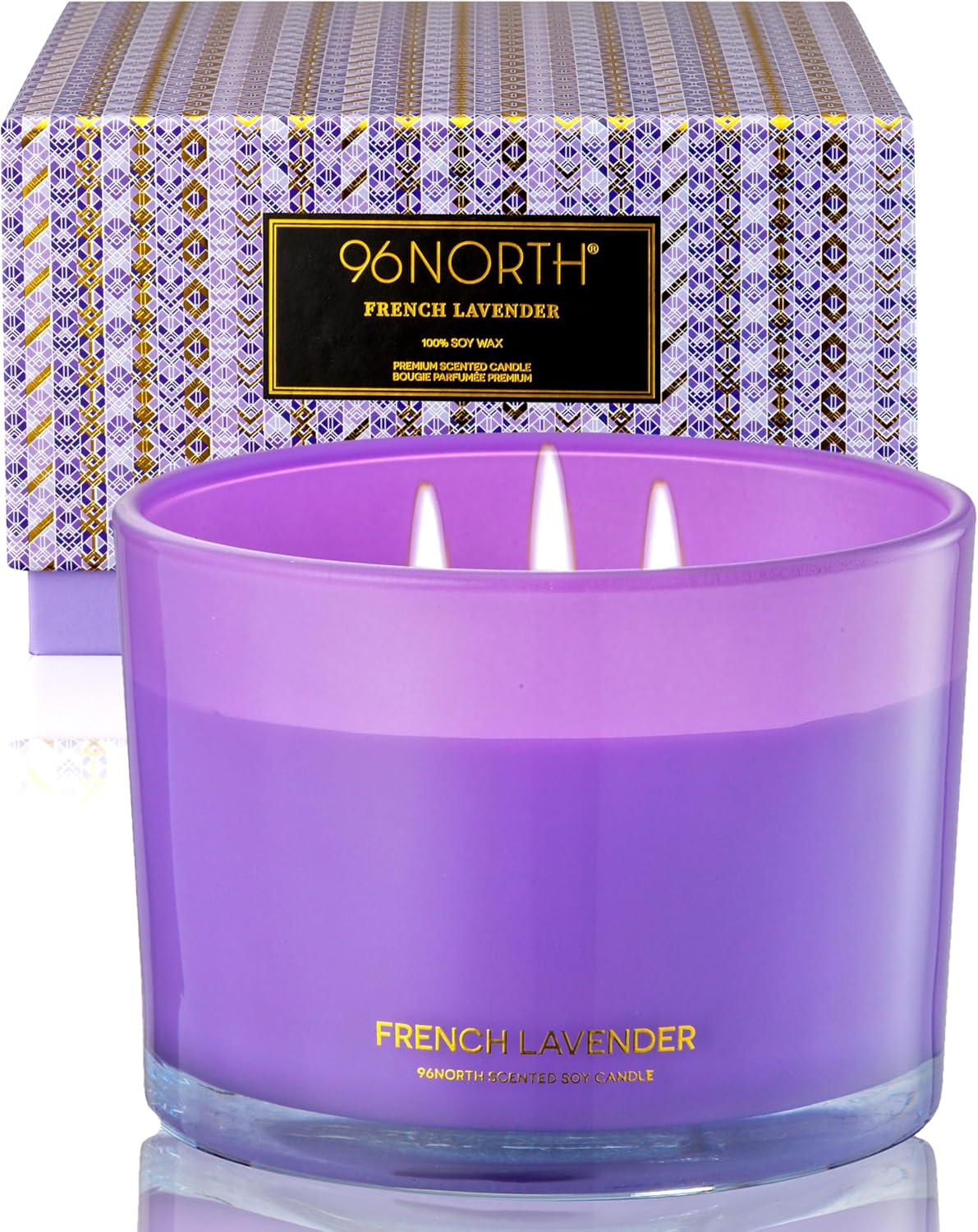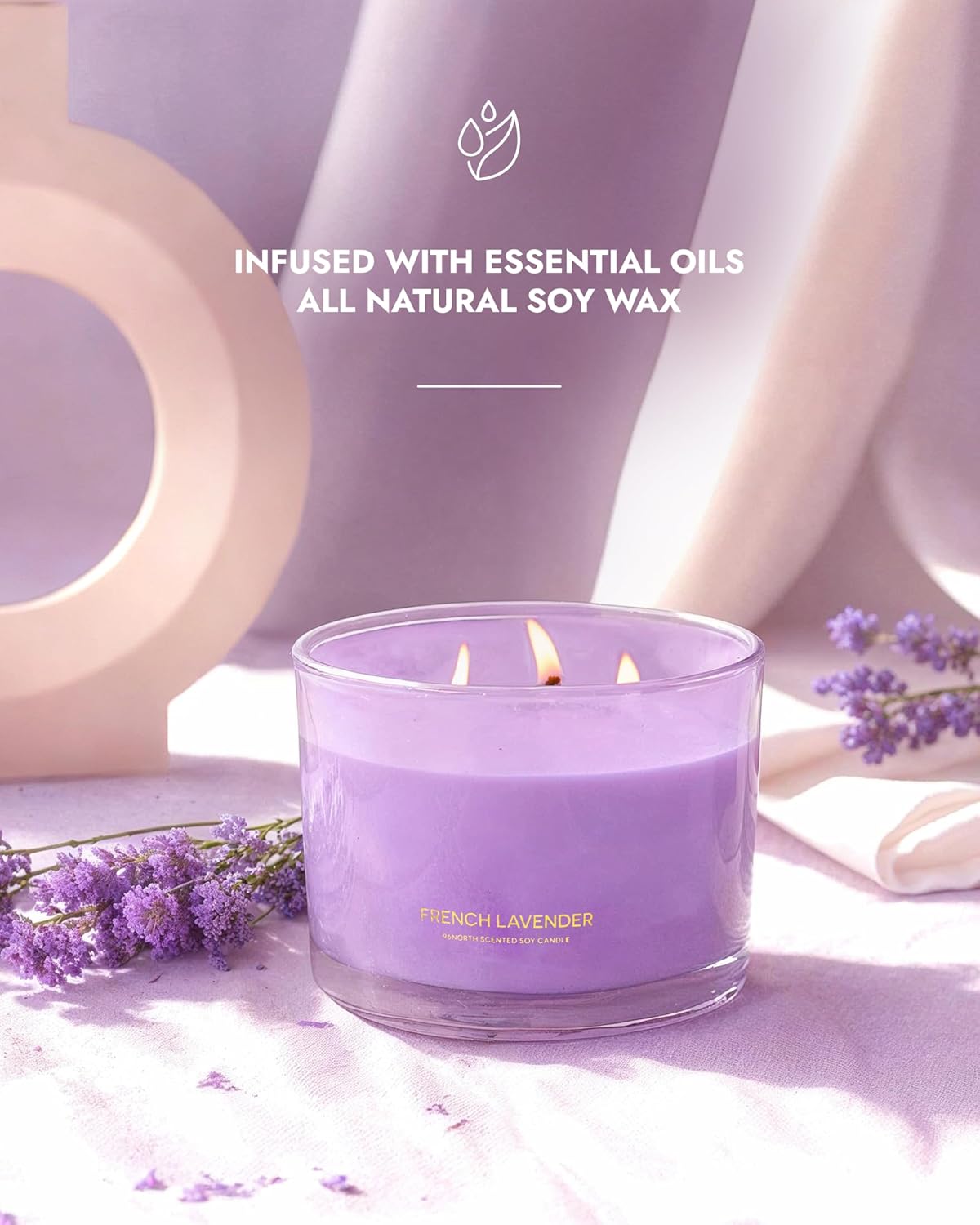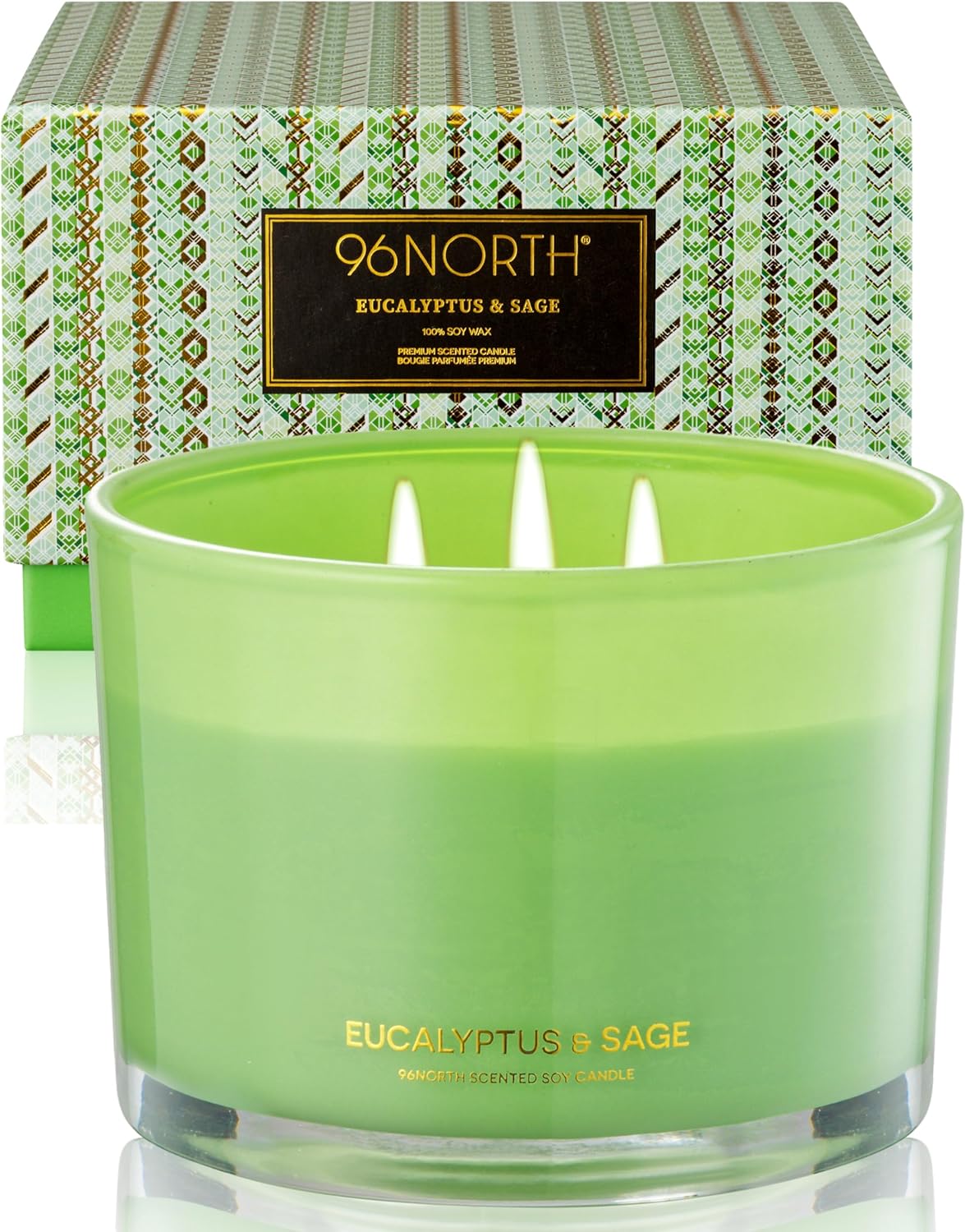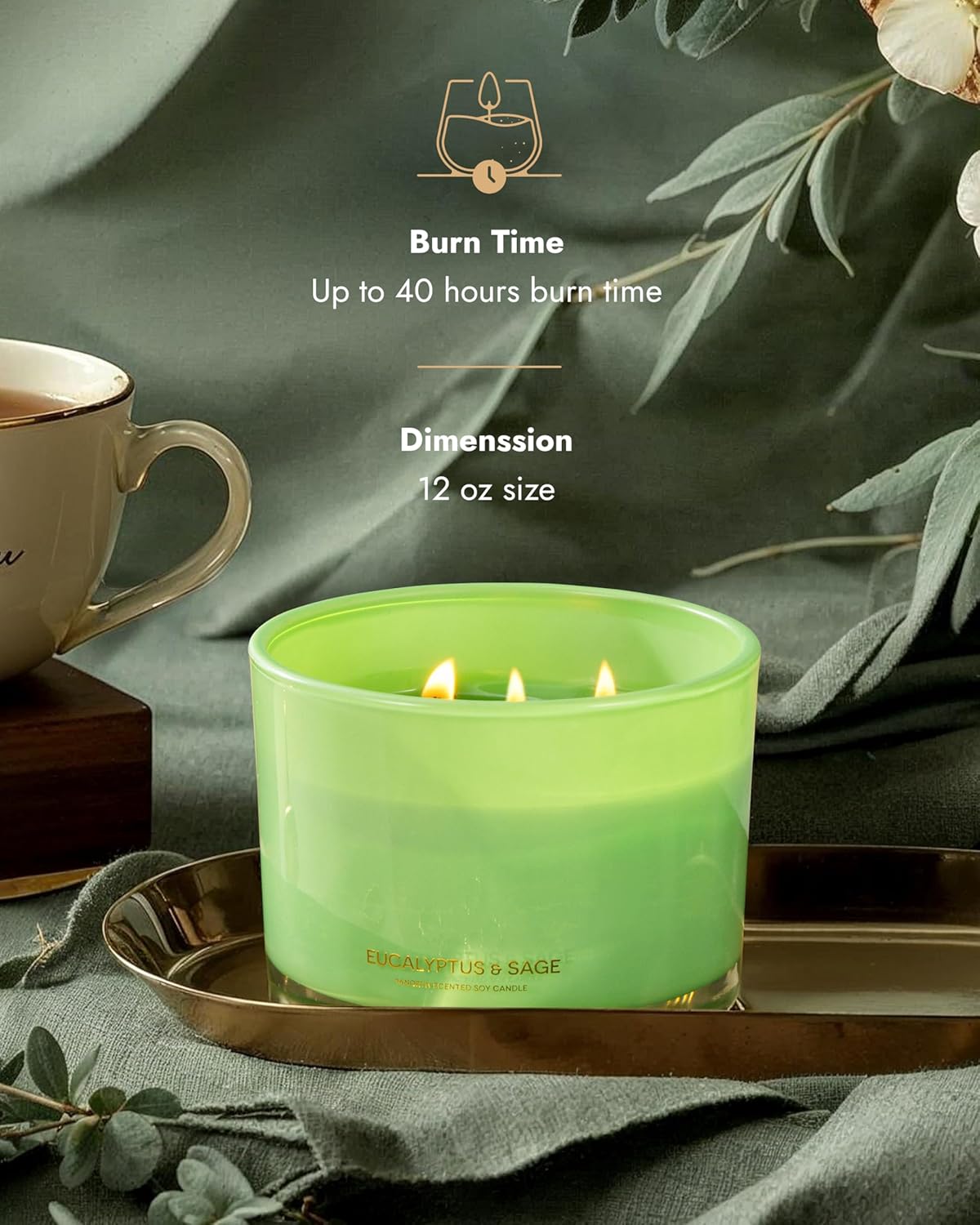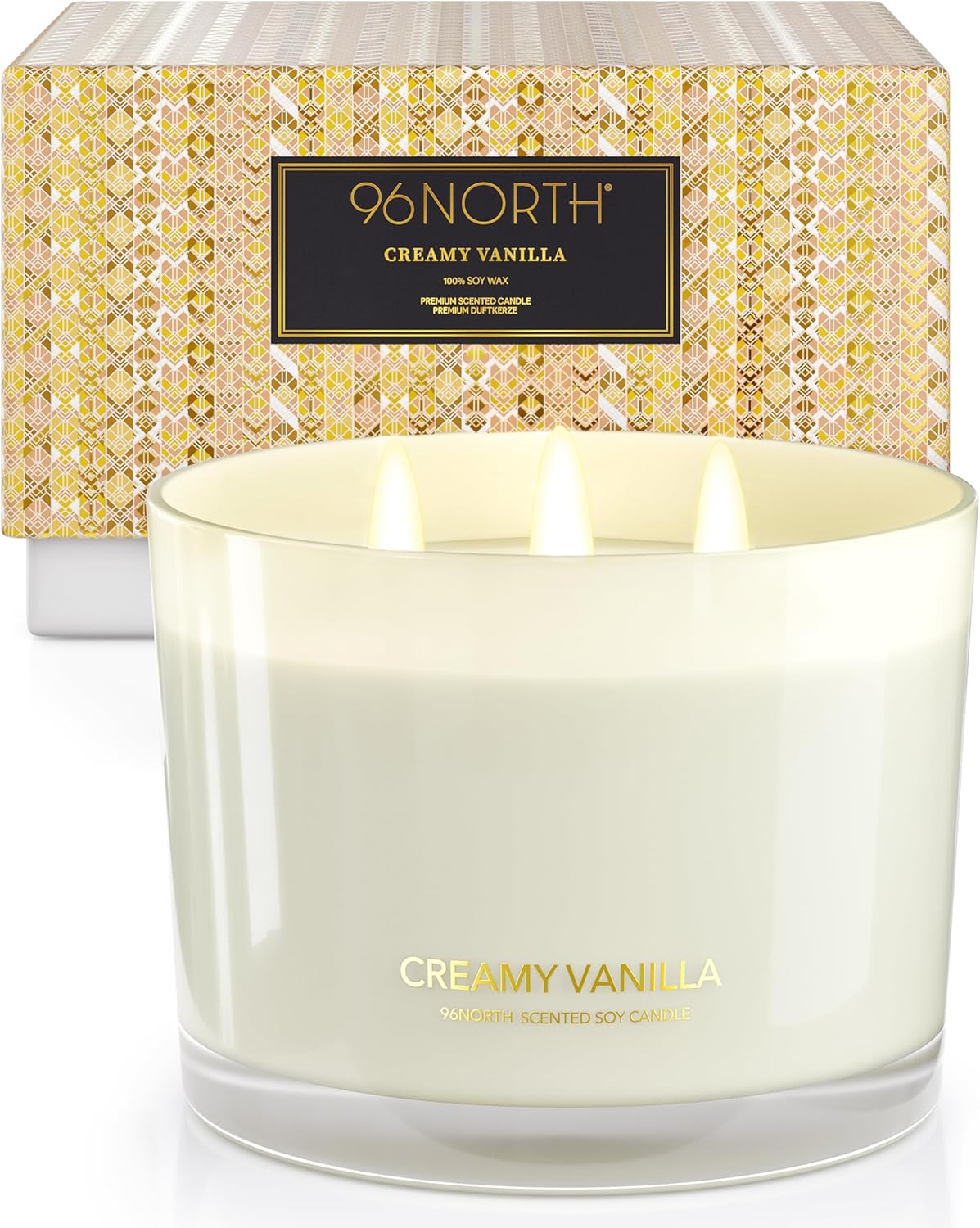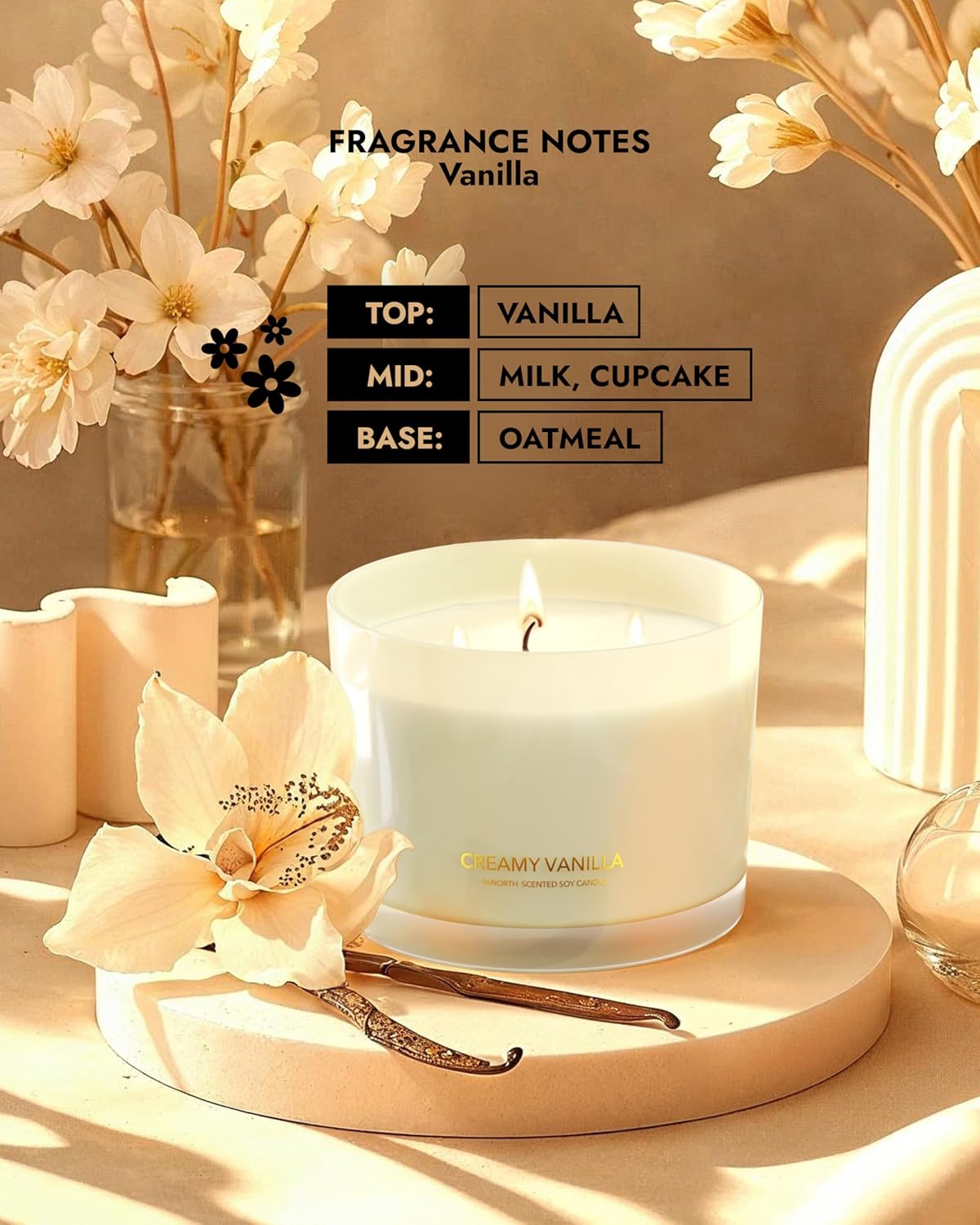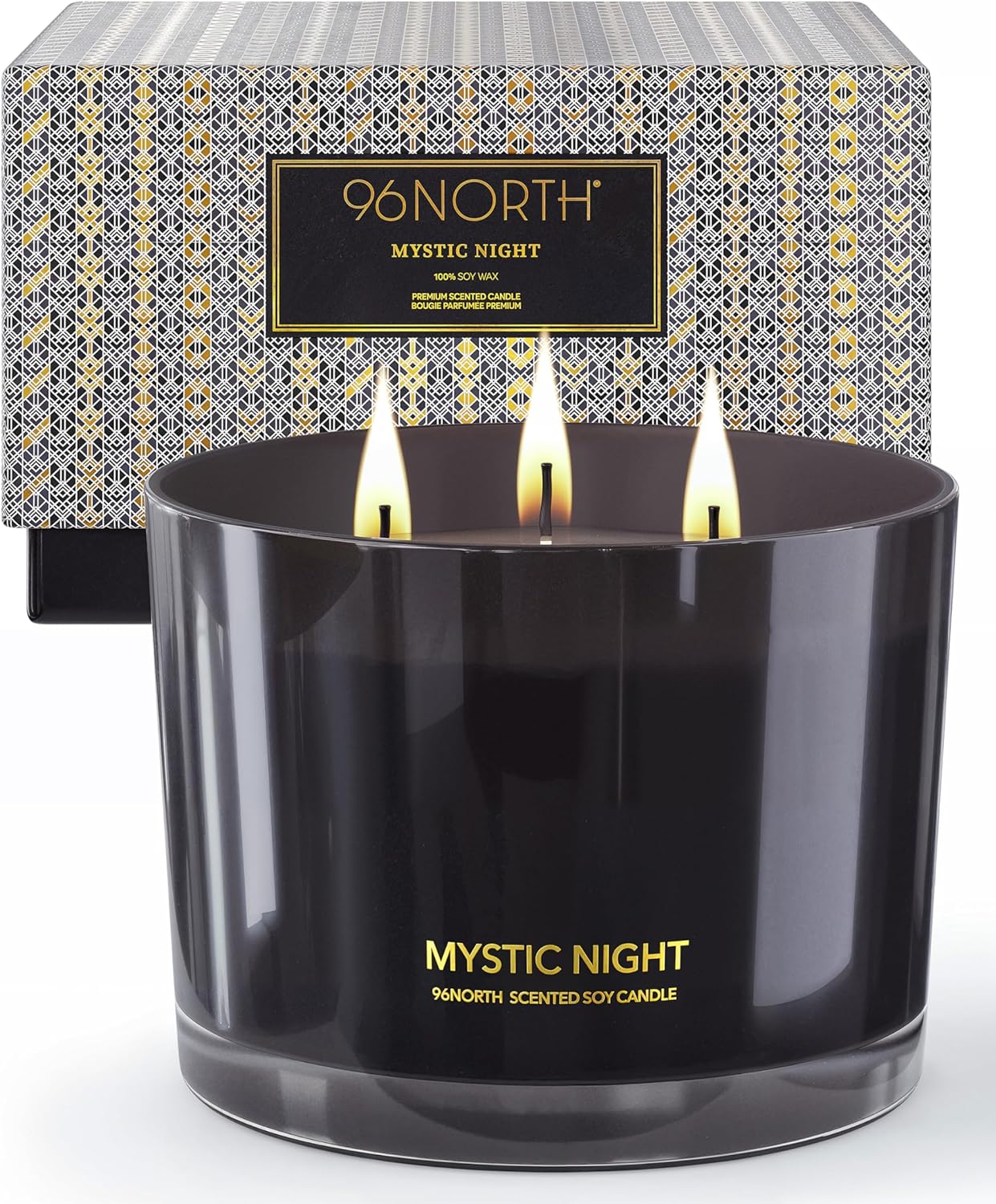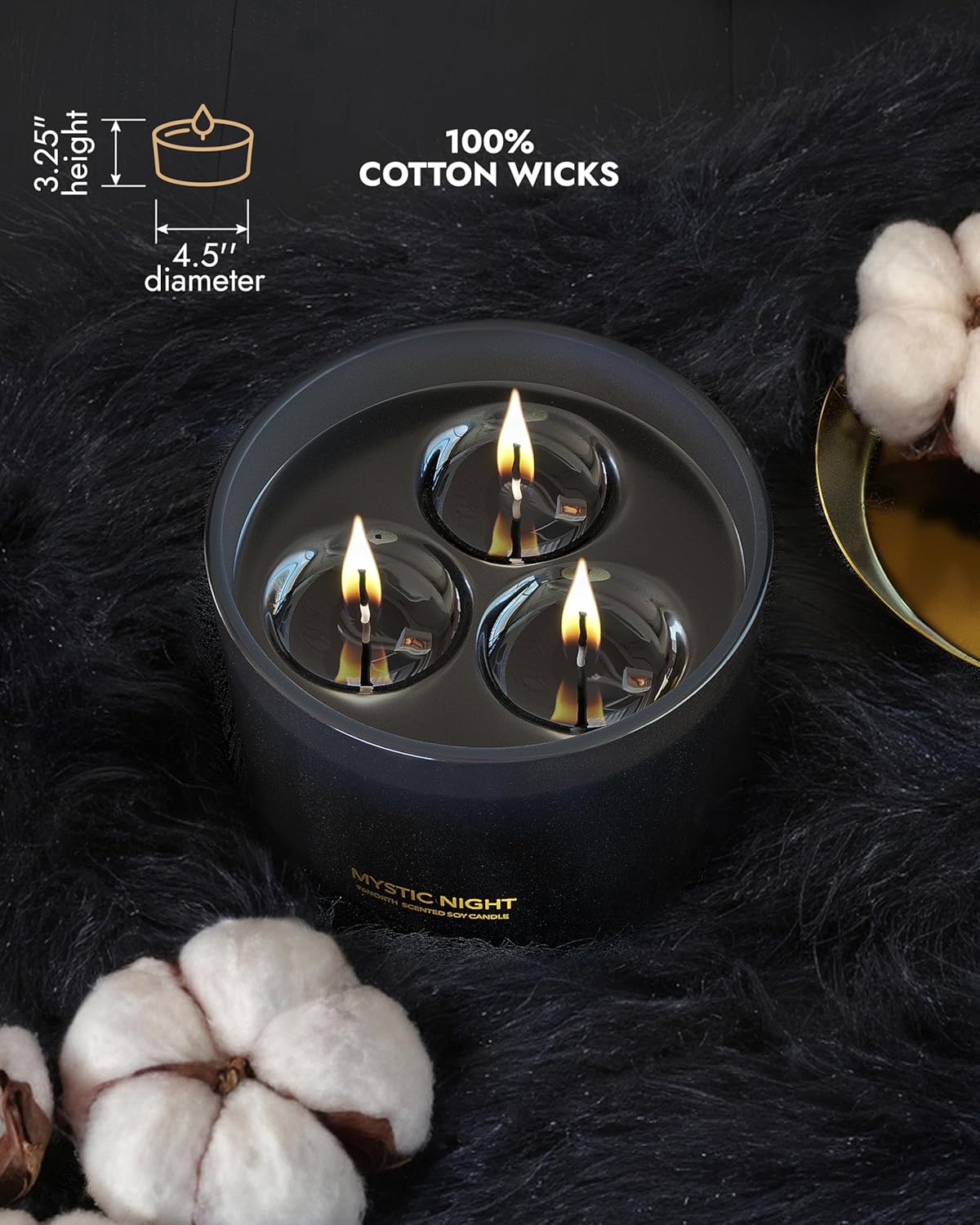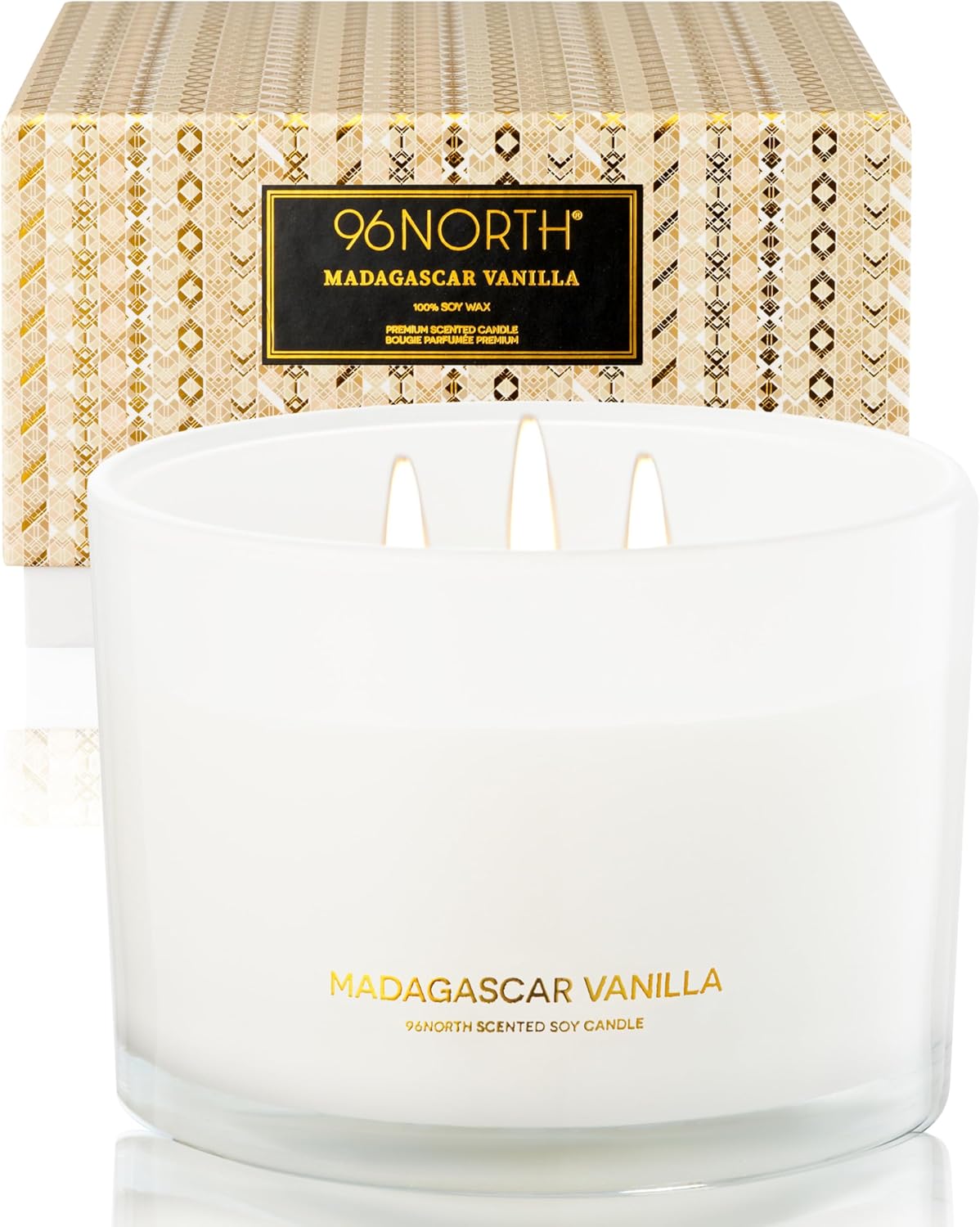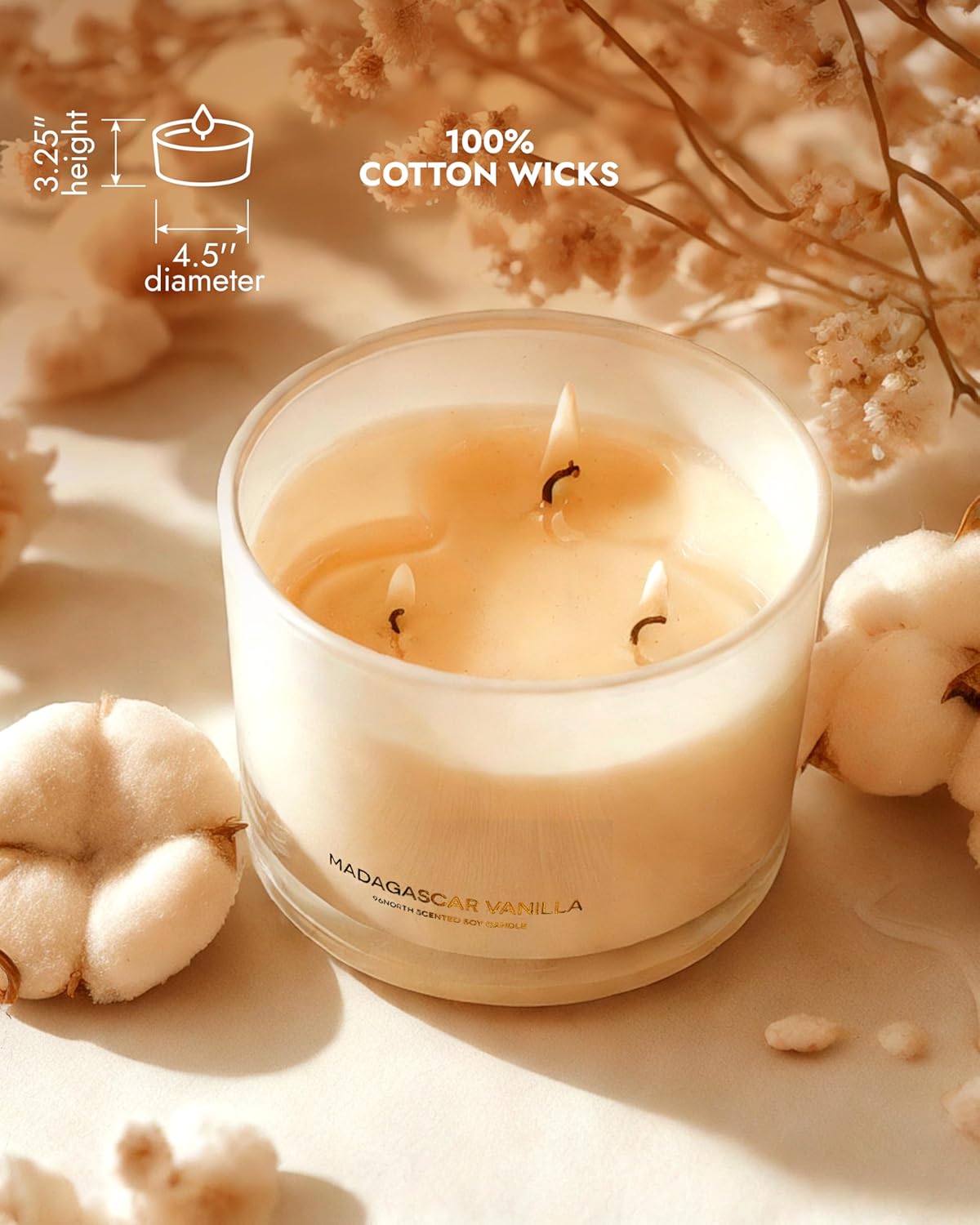

Choosing between coconut wax vs soy wax shouldn't feel like decoding a greenwashed marketing puzzle. We separate retail hype from real-world performance, breaking down burn quality, price, and sustainability. This guide helps you choose the perfect sensory companion for your bedroom, low-tox home, gifting, or strong scent throw, complete with a quick-decision tool. Here is what both waxes actually are in practice.
1. The Ingredient Reality: Pure Coconuts vs. Soy Blends
Many "pure coconut" candles on the market are actually clever marketing. In the coconut wax vs soy wax comparison, soy wax is a reliable, slow-burning container wax crafted from hydrogenated soybean oil. Raw coconut wax has a melting point so low that it cannot stand alone. To survive shipping, maintain structural integrity, and burn correctly, it must be blended with other plant-based waxes.
The performance, stability, and clean scent throw of these candles depend entirely on this blend rather than the ingredient buzzword. To protect your home sanctuary, check the brand's FAQ page or ask them directly for their exact wax ingredients. If a candle company refuses to disclose what their coconut wax is blended with, treat their performance claims with caution.
2. Scent Throw Performance: Which Wax Fills a Room Faster?
Choosing between coconut wax vs soy wax comes down to how they release aroma. Scent throw is measured in two ways: cold throw (the unlit fragrance) and hot throw (the scent released while burning) across different room sizes.
Coconut-based blends are the undisputed champions for an immediate sensory escape. They release fragrance rapidly, filling a room with luxurious scent within a short 30-to-60-minute burn window.
Pure soy wax throws off the scent beautifully but requires patience. Its performance relies on precise formulation variables:
-
Fragrance load percentage
-
Adequate cure time
-
Exact wick matching
To understand how these elements disperse fragrance, learn how scented candles work. If you want instant room-filling power, choose coconut; for a steady, lingering daily burn, well-crafted soy is unmatched.
3. How to Spot a Quality Burn: Beyond the Wax Marketing
A "clean" label means little if a candle fills your room with soot. When evaluating coconut wax vs soy wax, look past marketing buzzwords and focus on observable performance signals.
A high-quality burn displays:
-
A calm, stable flame
-
An even, edge-to-edge melt pool
-
Minimal smoke or soot
-
A wick free of heavy, bulbous mushrooming
Soy wax is prone to cosmetic quirks like frosting or sinkholes, and it easily tunnels if the first burn is too short. Coconut-based blends melt more readily and dry with a smoother surface, though both require precise wick pairing.
Your habits matter more than wax chemistry. Always let the liquid wax pool reach the vessel's edge on your first burn, and trim the wick regularly. This controlled flame is your true proxy for a cleaner, safer burn.
4. Aesthetic Appeal: Choosing the "Luxury Look" for Gifting
Do not mistake natural cosmetic quirks for candle defects. When comparing coconut wax vs soy wax, understand that plant-based waxes naturally have visual imperfections.
Soy wax is notoriously temperamental and frequently exhibits:
-
Frosting (a white, crystalline appearance on the surface)
-
Wet spots (where the wax pulls away from the glass vessel)
-
Rough, uneven tops after cooling
Coconut-based blends inherently cure with a smooth, glossy finish. This gives them a clean, high-end look that elevates any shelf or bedside table.
If you are purchasing a gift or curating a pristine home aesthetic, coconut blends offer a safer, more predictable presentation. Soy is excellent if you appreciate rustic, organic variations. However, remember that vessel quality and precise wick selection also minimize these visual quirks, so do not credit the wax alone.
5. Shipping and Melting Points: The Warm-Weather Vulnerability
Opening a freshly delivered candle to find a pool of oily liquid on top is frustrating. This phenomenon, known as oil bleed, is a critical downside of coconut wax that many brands omit.
Coconut wax has an exceptionally low melting point. In warm rooms, sunny windows, or hot delivery trucks during transit, coconut blends easily soften, sweat, or lose their structural integrity.
In contrast, soy wax is naturally more heat-stable in typical container-candle formulations. While soy should still not bake in a window, it handles summer shipping far better.
If you live in a hot climate or ship gifts in summer, soy is the safer bet. When analyzing coconut wax vs soy wax, look for reputable brands that provide:
-
Warm-weather shipping policies
-
Heat-resistant packaging
-
Transparent handling instructions
6. Cost vs. Value: Decoding the Price-Tag Premium
Does a higher price tag actually deliver a better candle, or are you just paying for clever packaging? In the coconut wax vs soy wax comparison, soy remains the widely available, budget-friendly baseline, while coconut-based blends command a luxury premium.
A higher price tag is justified by:
-
Stronger scent throw: The wax releases fragrance more efficiently.
-
Flawless aesthetics: It cures with a perfectly smooth top.
-
Elevated burn quality: It offers a slower, soot-resistant burn.
To determine your ROI, consider your routine. If you burn candles daily to anchor a busy workspace, clean-burning soy offers the best cost per burn-hour. If you reserve sensory rituals for occasional, high-impact relaxation, a premium coconut blend is worth the investment.
Discover how 96NORTH balances clean performance with accessible daily luxury at 96NORTH.
7. The Sustainability Equation: Sourcing, Additives, and Transparency
A natural label does not guarantee a low environmental footprint. When comparing coconut wax vs soy wax, both materials present distinct ecological trade-offs. Coconut farming requires intensive global shipping and relies on chemical additives or soy blends to remain solid. Conversely, soy cultivation supports domestic sourcing but is tied to resource-intensive industrial agriculture.
Instead of debating crop footprints, prioritize manufacturing transparency. Use this actionable checklist:
-
Full Disclosure: Verify every ingredient is listed, including the exact wax blend, fragrance sources, and wick materials.
-
Tested Safety: Prioritize phthalate-free fragrance oils and lead-free cotton wicks.
-
Balanced Claims: Trust brands that openly explain their ingredient trade-offs.
Ultimately, the healthiest decision is choosing a brand that prioritizes total transparency and clean, safe burn behaviors over loud, absolute marketing claims.

Coconut Wax vs Soy Wax: Your 60-Second Decision Guide
Find your perfect sensory companion in under 60 seconds. Use this decision tree to match your wellness goals with the right candle base:
-
Prioritize rapid scent in short sessions? Choose a premium coconut-based blend.
-
Need heat stability for hot weather shipping? Choose soy.
-
Want the best economic value for daily burning? Choose soy.
-
Focusing on elevated gifting and pristine aesthetics? Choose a coconut-based blend.
-
Sensitive to soot or smoke? Prioritize wick quality and proper burn habits, as the wax type is secondary.
Choose coconut wax candle options if:
-
You want a rapid, room-filling hot throw to quickly shift your mental state.
-
You prioritize flawless, smooth tops for a premium luxury presentation on your shelves.
-
You prefer short, high-impact sensory rituals rather than leaving candles lit for hours.
Choose soy wax if:
-
You want a slow, clean, and highly economical burn for daily work-from-home focus.
-
You live in a warmer climate and require heat-stable wax that survives shipping.
-
You value domestic agriculture and highly transparent ingredient sourcing.
Explore our clean-burning options at 96NORTH. For your next step, explore our soothing floral scents to anchor your evening wind-down ritual.
Frequently Asked Questions
Is coconut wax actually better than soy wax?
No, coconut wax is not universally superior to soy wax. While coconut blends excel at rapid scent throw and curing with a perfectly smooth top, soy wax is far more heat-stable and economical for daily burning. Ultimately, a candle's actual performance relies more heavily on precise wick pairing and master formulation than the base wax alone.
Do soy candles need to be cured for better scent?
Yes, soy wax naturally benefits from a curing period to allow the fragrance oils to bind completely with the wax crystals. This chemical bonding process helps the candle achieve its optimal scent throw when lit. Comparing a freshly poured candle to an aged one is unfair if the curing time has not been controlled.
Which wax is cleaner for indoor air?
Both waxes burn beautifully and cleanly when formulated with care. Rather than focusing strictly on the wax base, look for observable proxies of safety like low soot, a stable flame, and quality, phthalate-free fragrances. To maintain a safe environment, read about how scented candles work and always practice proper wick trimming.
Can you use coconut wax for pillars or molds?
Generally, no. Pure coconut wax has an exceptionally low melting point, making it too soft to stand alone in decorative molds or pillars. It is best suited for container vessels. To create sturdy, freestanding pillar candles, candlemakers must blend coconut wax with harder structural waxes like soy or beeswax.
If I want fragrance without a flame, what is the best option?
If you want a continuous sensory escape without an open flame, reed diffusers are your best option. They provide a safe, low-maintenance throw that gently fills a room without supervision. To ensure your flame-free option fits your home routine, explore how long reed diffusers last for a lasting, elegant aroma.
Once you have decided on your preferred clean ingredients, browse our restorative collection of floral scents to find your perfect evening routine companion.