
Your home should feel like a sanctuary, not a chaotic mix of competing fragrances. Mastering scent layering allows you to stack complementary aromatic notes across different rooms to build a cohesive, restorative environment. While the goal is sensory depth and domestic peace, the risk is a clashing, headache-inducing sensory overload. This guide shares safe, room-by-room combinations to curate your home aesthetic. Discover how to use clean, wellness-first fragrances as sensory travel tools to ground your space, starting with your essential base layer.
1. Anchor Your Space with a Consistent Base Note
When your home smells different in every room, the olfactory environment becomes chaotic. Prevent this sensory collision by choosing one subtle, broadly compatible base-note family (like woody, clean herbal, or soft gourmand) to serve as a unifying anchor.
Burn this grounding, low-intensity scent in central zones like your entryway or hallway. Operating as a quiet background hum, it establishes a cohesive foundation for intentional scent layering in adjacent rooms:
-
Nordic Pine base: Add citrus in the kitchen and lavender in the bedroom.
-
Palo Santo base: Add vanilla in the living room and eucalyptus in the bath.
-
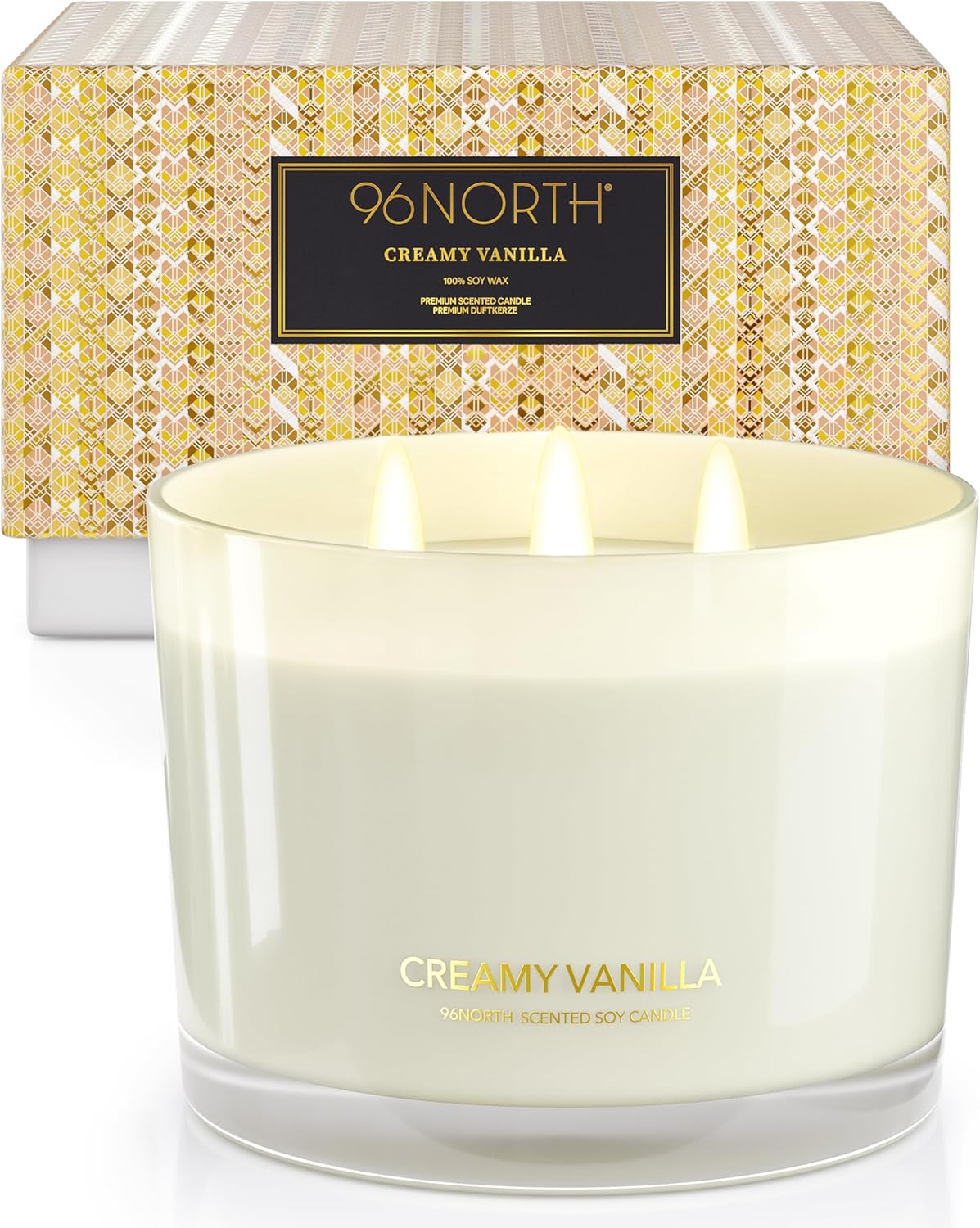
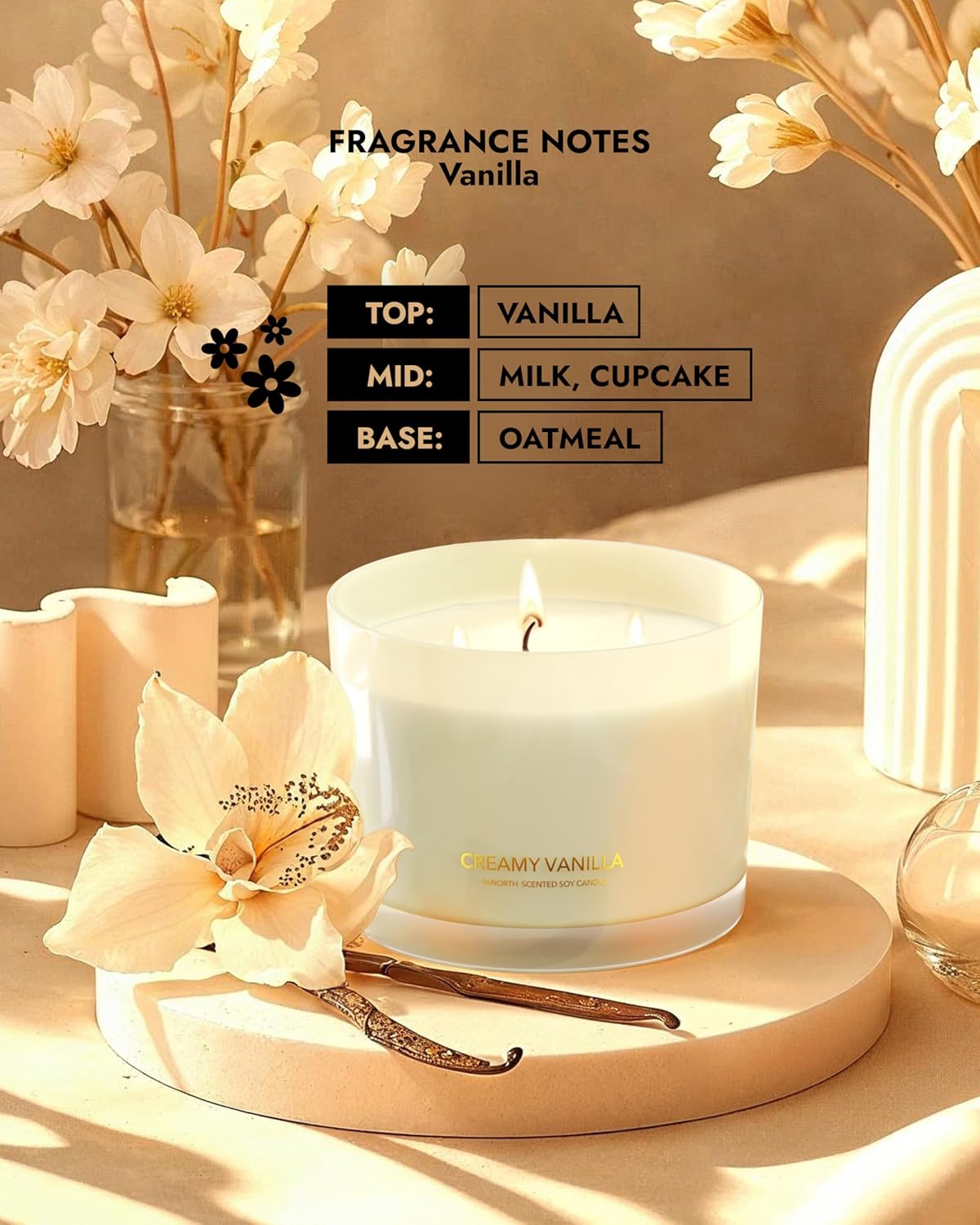
Creamy vanilla base: Add coffee in the office and cinnamon in the dining room.
Understanding how to choose a candle scent as your quiet canvas is the first step toward true spatial harmony.
2. Layer Within Scent Families to Avoid Clashing Aromas
Wasting premium candles on a clashing, headache-inducing blend is a frustrating mistake. For foolproof scent layering, stick to the golden rule: combine fragrances within the same scent family.
Select two products sharing a central note or vibe. Keep their scent intensities equal, and place them in adjacent rooms to let the aromas naturally mingle.
Try these reliable, home-friendly pairings:
-
Woody + Woody: Pine and palo santo transition your space from a crisp forest to a warm woodland.
-
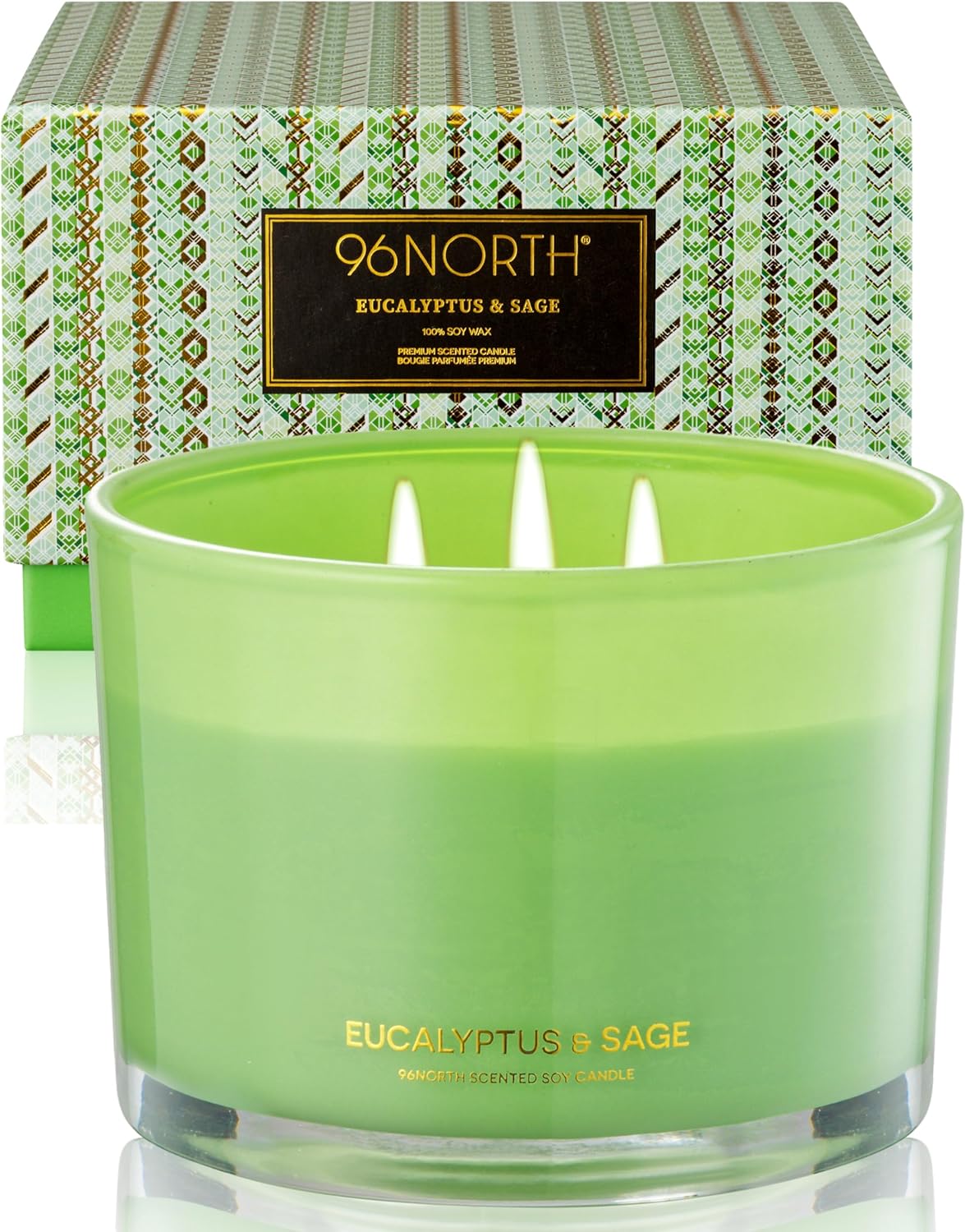
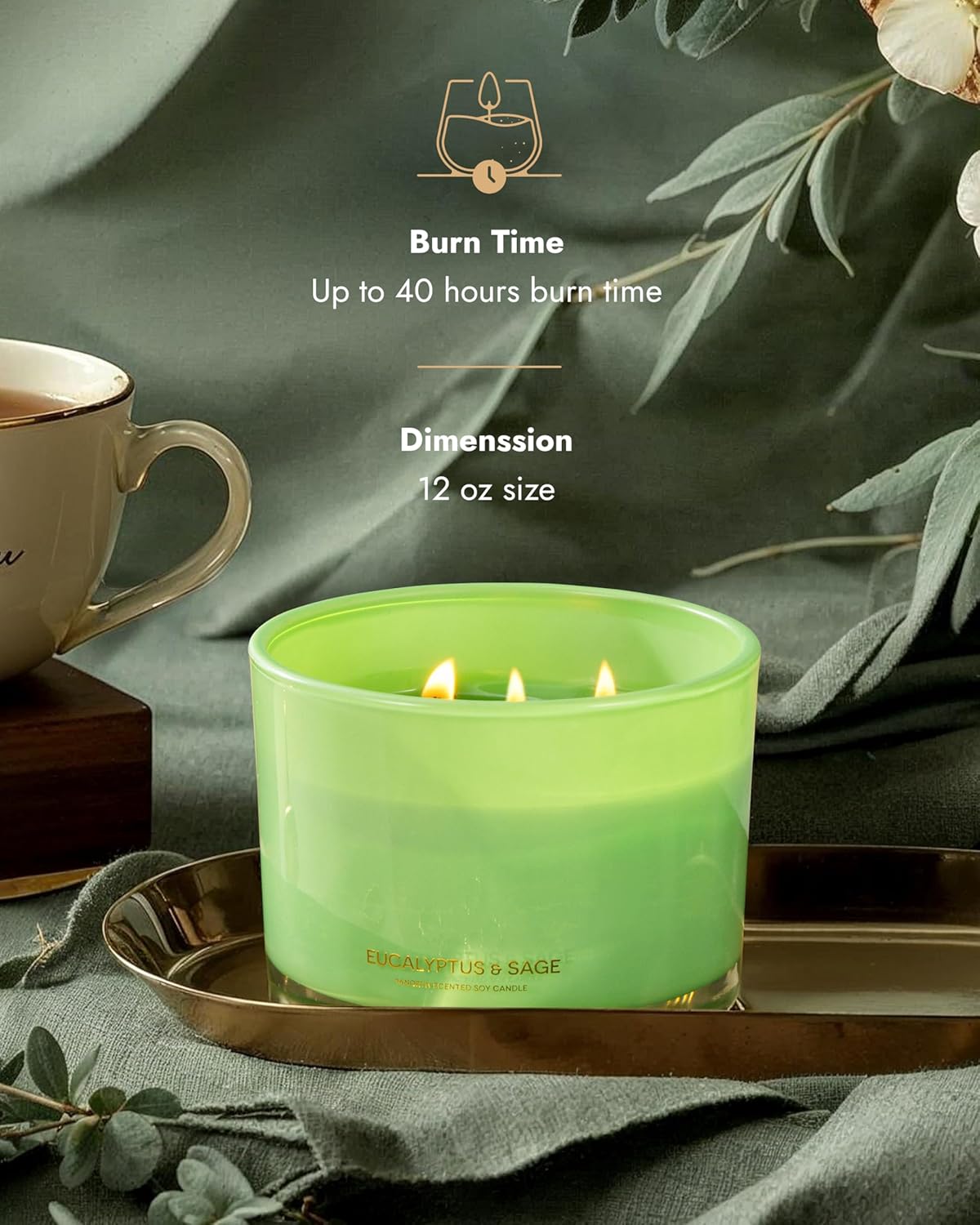
Herbal + Herbal: Eucalyptus and sage create a clean, sweet-free spa retreat.
-
Gourmand + Gourmand: Vanilla and coffee blend for a cozy, neighborhood café aesthetic.
Explore clean, restorative pairings with our aromatherapy candles to easily design your balanced sanctuary.
3. Pair a Spotlight Note with a Complex Blend
When a rich candle feels too sweet or heavy for your entire home, you can rescue the scent through strategic layering. Prevent sensory fatigue by pairing a complex, multi-layered blend with a clean, single-note "spotlight" fragrance to balance the air.
Place your complex, moody candle in the main living space. Then, burn a simpler, linear scent in an adjacent hallway to soften the overall profile. Placing clean tea light candles in nearby rooms is a seamless way to introduce this subtle spotlight layer.
Try these balanced spatial pairings to keep your environment fresh:
-
Vanilla (rich) + Nordic Pine (linear): Cozy, forest-fresh, and never cloying.
-
Pumpkin Spice (rich) + Eucalyptus & Sage (linear): Seasonal warmth made instantly airier.
-
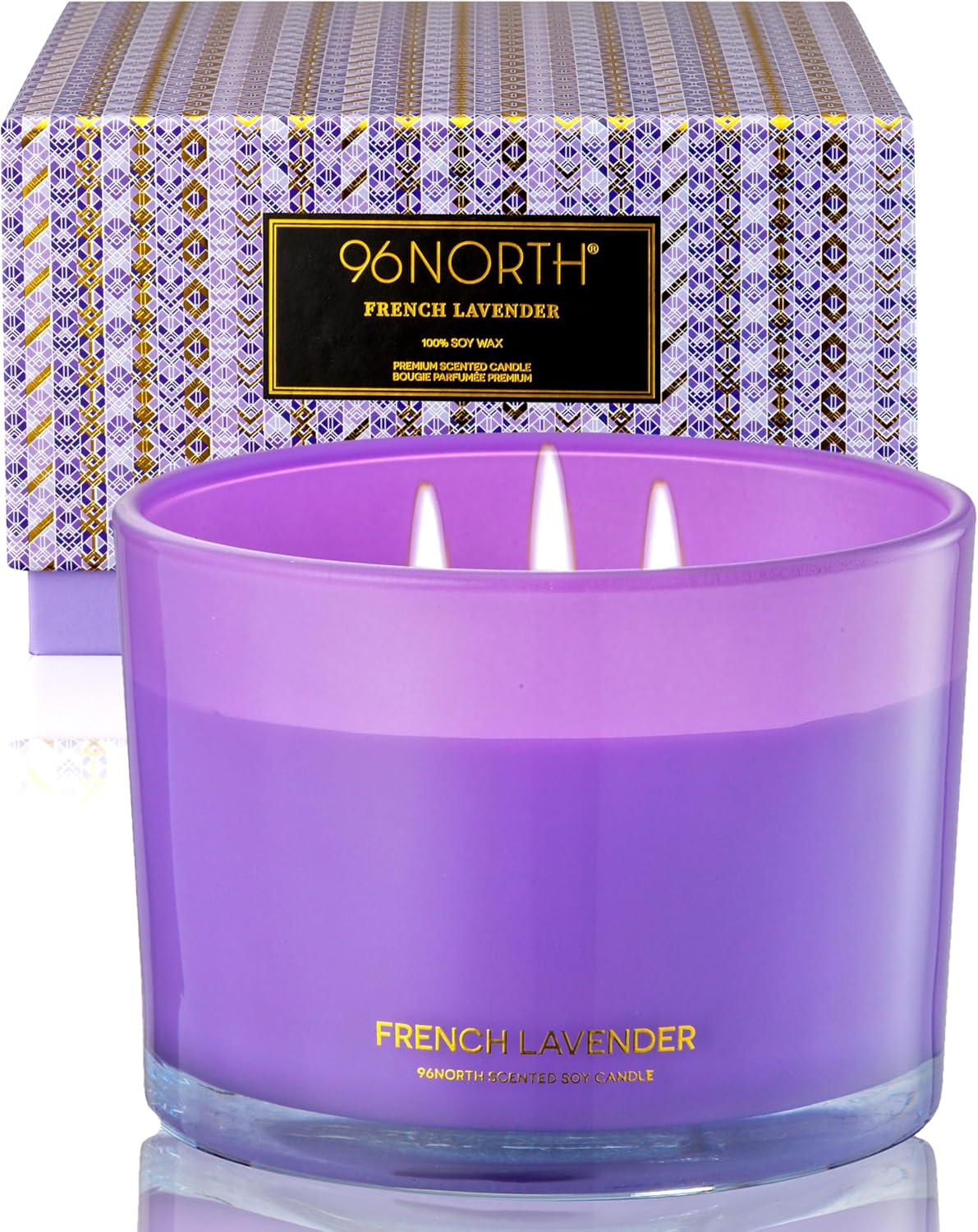
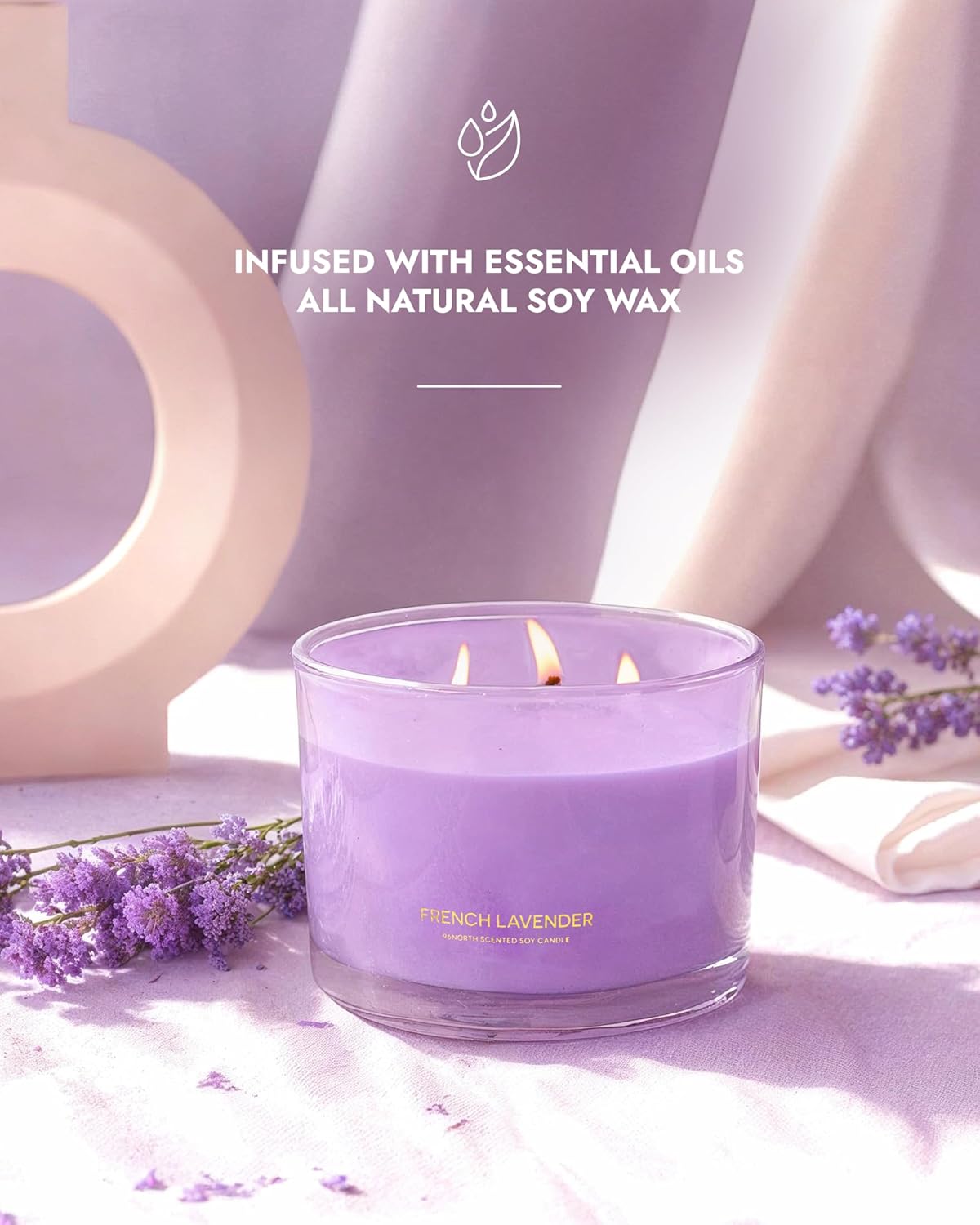
Palo Santo (rich) + French Lavender (linear): A grounded, soothing sleep sanctuary.
4. Balance Warm and Fresh Tones with the Two-Scent Rule
Scent layering should invite calm, but over-experimenting often leads to a chaotic, headache-inducing clash. To prevent sensory overwhelm, limit your pairing to two contrasting fragrances. True aromatic contrast relies on a single, deliberate tension rather than a crowded pile-up.
Pair one warm profile like spice or gourmand with one fresh profile like green or herbal. Instead of crowding them on the same table, place them in adjacent rooms. This allows the scents to drift together naturally without competing.
Try these intuitive duos:
-
Roasted Coffee + Nordic Pine for a cozy "cabin café" vibe.
-
Spiced Cinnamon + White Sage for a cozy, clarified space.
-
Tropical Coconut + Eucalyptus & Sage for a restorative spa escape.
If you cannot instantly identify both distinct notes in the air, your blend is too complicated.

5. Match Scent Intensity to Room Size and Ventilation
Overpowering a small room or losing a delicate aroma in a high-ceilinged space disrupts your home's therapeutic peace. Master your environment by matching fragrance throw to physical space.
Sequence your scent layering by placing heavier, warmer, high-throw scents in large, open areas where air circulation naturally dissipates the strength. In smaller rooms, use lighter, brighter accents or downsized formats like tea lights to control the density. This strategic placement allows you to refresh the lighter notes for an instant mood reset, like a pre-guest boost.
Try these balanced spatial pairings to ground your home:
-
Open living room: Grounding palo santo base | Hallway: Bright citrus or herbal accent
-
Bedroom: Soft lavender base | Bathroom: Fresh eucalyptus accent
Explore a clean, mood-forward library at 96NORTH to design a sanctuary that breathes naturally.
6. Map Your Home to Avoid Scent Whiplash
Walking from room to room shouldn't trigger "scent whiplash," where competing aromas collide in an overpowering cloud. Successful whole-home scent layering requires a strategic spatial map to transition smoothly between different living zones.
Build a logical sensory progression throughout your home: freshest near your entry, richest where you lounge, cleanest where you cook, and calmest where you sleep. Use this curated, non-toxic fragrance set to establish your daily wellness journey:
-
Entryway: Fresh white sage or pine for a clean, inviting first impression.
-
Living Room: Grounding palo santo or warm vanilla to serve as a cozy, comforting anchor.
-
Kitchen: Bright, clarifying eucalyptus and sage to neutralize heavy cooking odors.
-
Bedroom: Soft French lavender to trigger a soothing evening downshift.
To keep these transitions seamless, always place your strongest candle in a single "hub" room. Use subtle, low-intensity accents in adjacent spaces instead of duplicating scent strength. This ensures your home's micro-environments feel beautifully distinct yet harmonious.
7. Layer Scents Sequentially to Prevent Sensory Overload
Lighting multiple strong-throw candles simultaneously is a fast track to a chaotic, headache-inducing atmosphere. Effective scent layering is actually time layering, using sequential timing to control how fragrances build. Staggering your candles prevents notes from colliding and overpowering your home.
Follow this simple protocol for a balanced environment:
-
Establish the base: Light your heavy foundational candle first for 15 to 30 minutes.
-
Add the accent: Introduce a lighter, secondary candle 10 to 20 minutes later for sensory lift.
-
Extinguish in reverse: Extinguish the accent first, letting the base fade out naturally.
For pre-guest prep, light a fresh entryway candle, then transition to a warm living room note. For evening wind-downs, burn a grounding woody scent in the living room, followed by a soothing bedroom lavender last.
Restricting your ritual to one base and one accent candle keeps the transition seamless, therapeutic, and perfectly balanced.
Frequently Asked Questions About Scent Layering
How many scents should I layer at once?
For the best results, stick to layering two scents at once: one consistent base note and one accent note per zone. This simple pairing is highly recommended for beginners trying to prevent sensory fatigue. If you are scenting multiple rooms, keep your chosen accent fragrance in only one or two spaces to maintain a clean, balanced environment.
What if my home scent combination feels overpowering?
If the aroma feels too heavy, extinguish the accent layer immediately and ventilate the space for five to ten minutes. You can move the stronger candle to a larger room with better air circulation and switch the smaller room to gentle tea lights. For your next session, cut your scent overlap timing in half to keep the air light.
Which scent notes clash most often in a home?
Grouping too many sweet gourmands together can quickly turn cloying, while combining heavy spices with rich florals often feels overly perfume-y in enclosed spaces. If your favorite scents are clashing, introduce a clean herbal or green fragrance such as sage, eucalyptus, or pine to act as a refreshing, clarifying bridge between them.
Can I layer different formats like a 3-wick candle and tea lights?
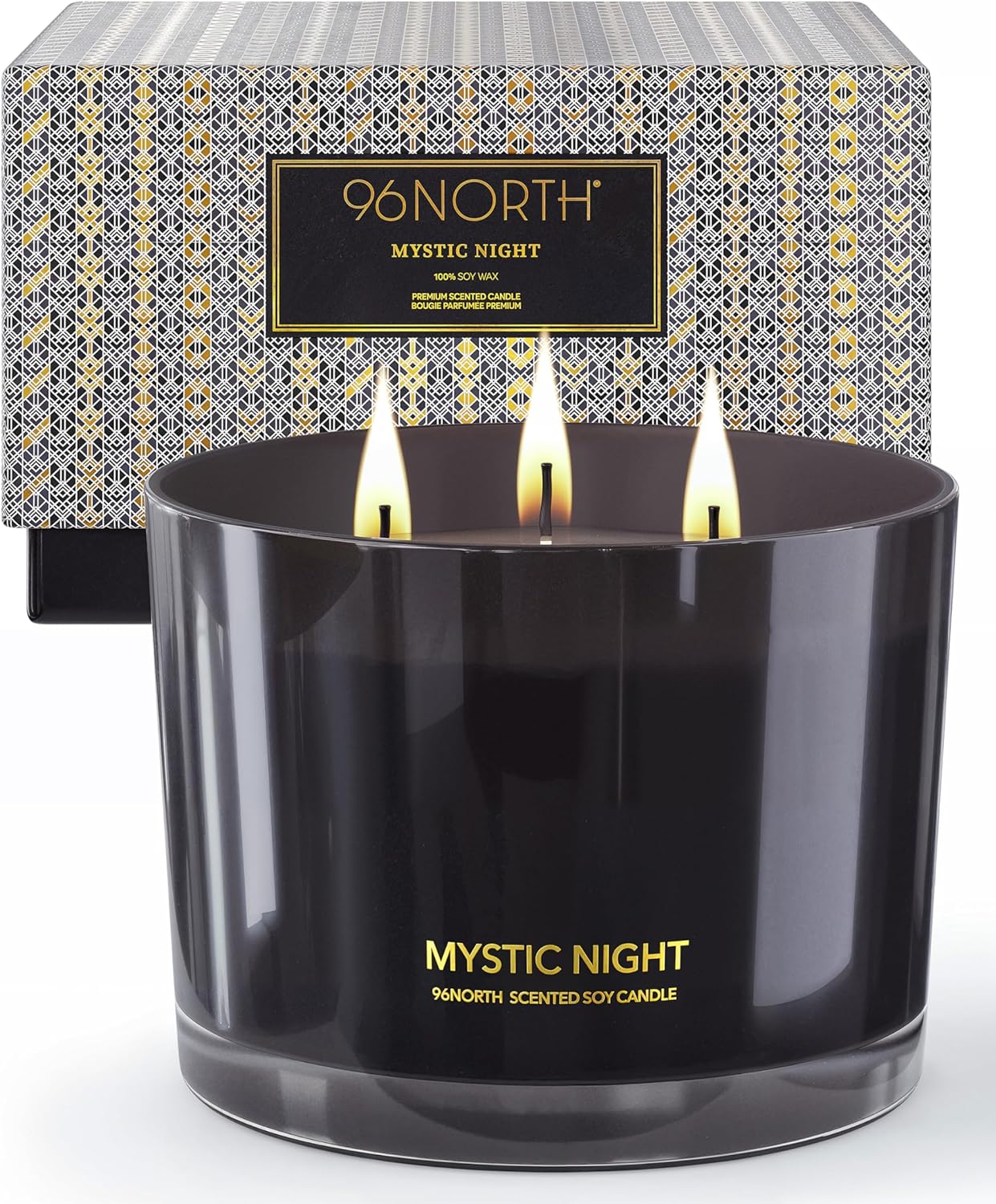
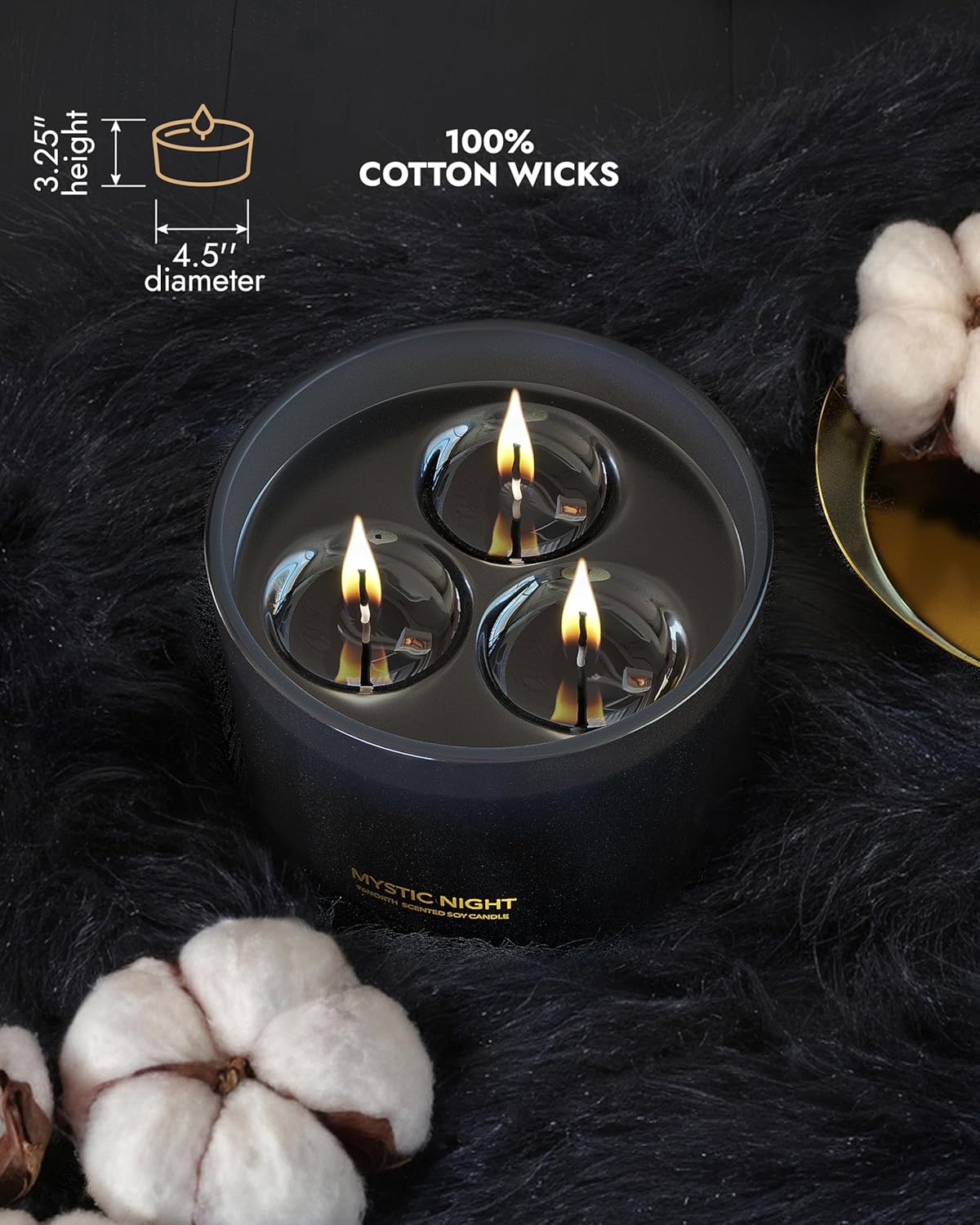
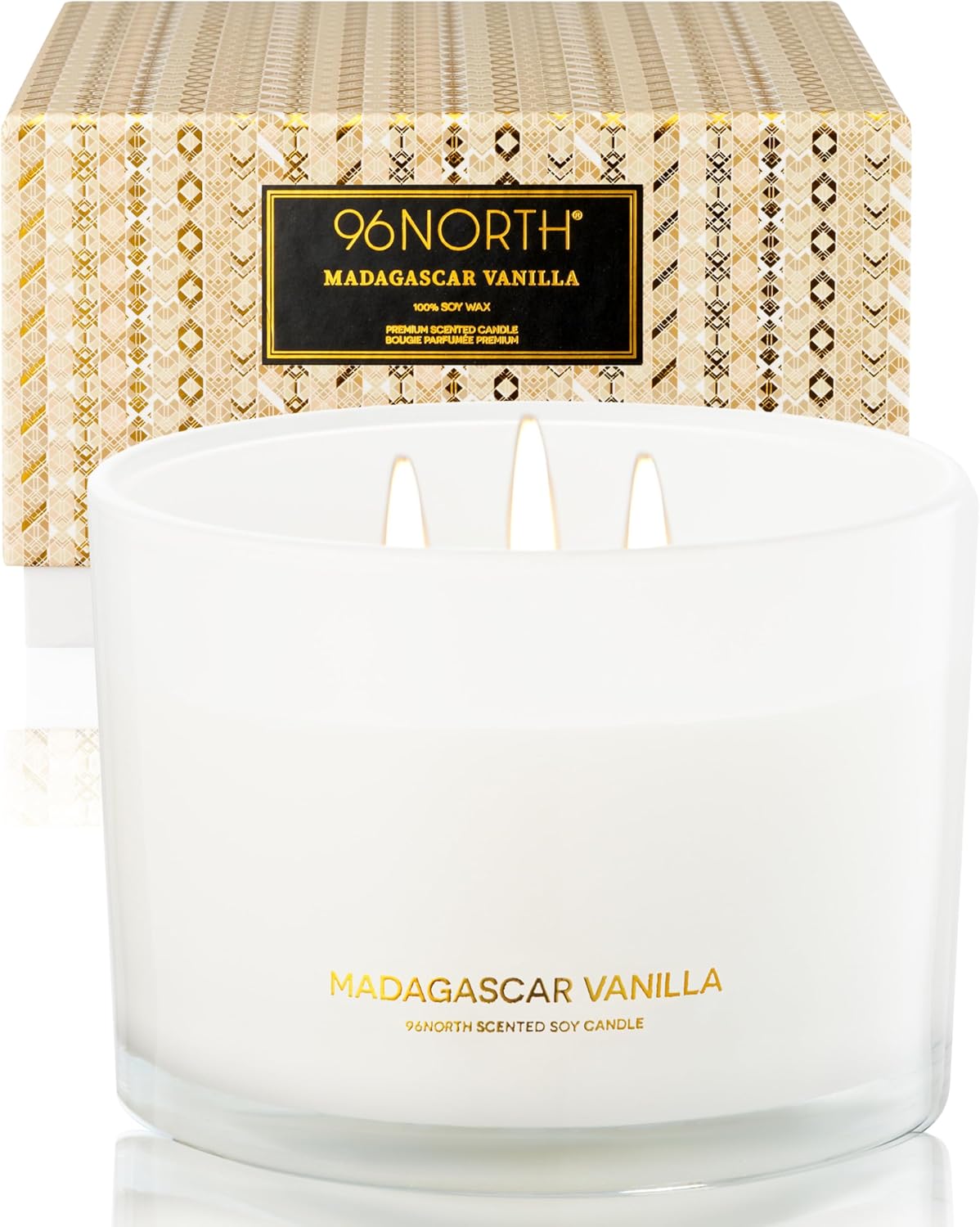
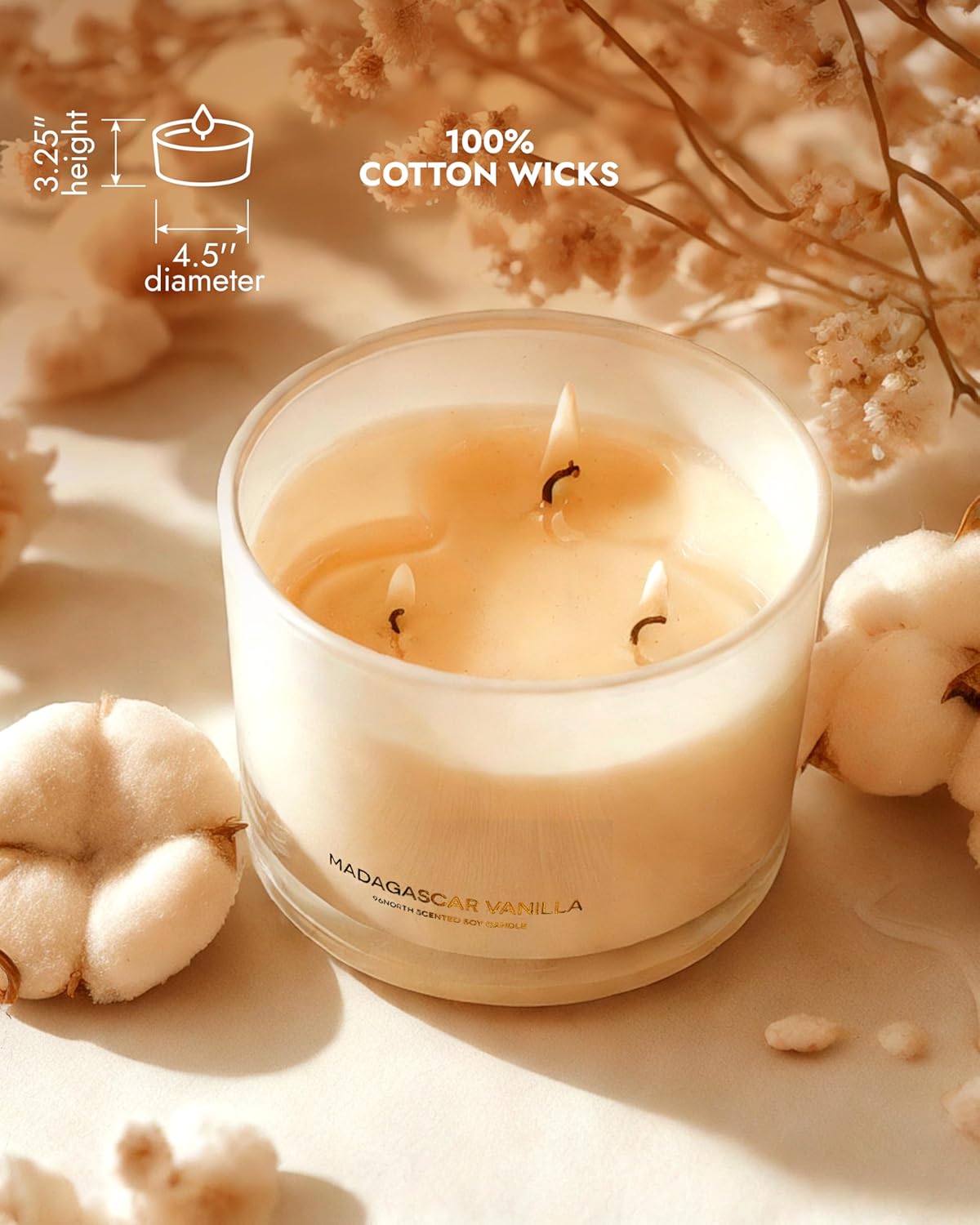
Yes, mixing formats is an excellent way to control scent distribution. Use a high-performance, strong-throw 3-wick candle as your foundational base, then introduce subtle tea lights as a delicate spotlight layer. This allows you to add brief, localized bursts of accent fragrance to a room without crowding the air.
Where should I start if I am choosing my first candle scent for layering?
Begin by selecting a single, versatile base note to serve as your daily grounding canvas. Read our guide on how to choose a candle scent to find your perfect home anchor. Once you are ready to build your custom ritual, explore our collection of non-toxic aromatherapy candles to find complementary accents.