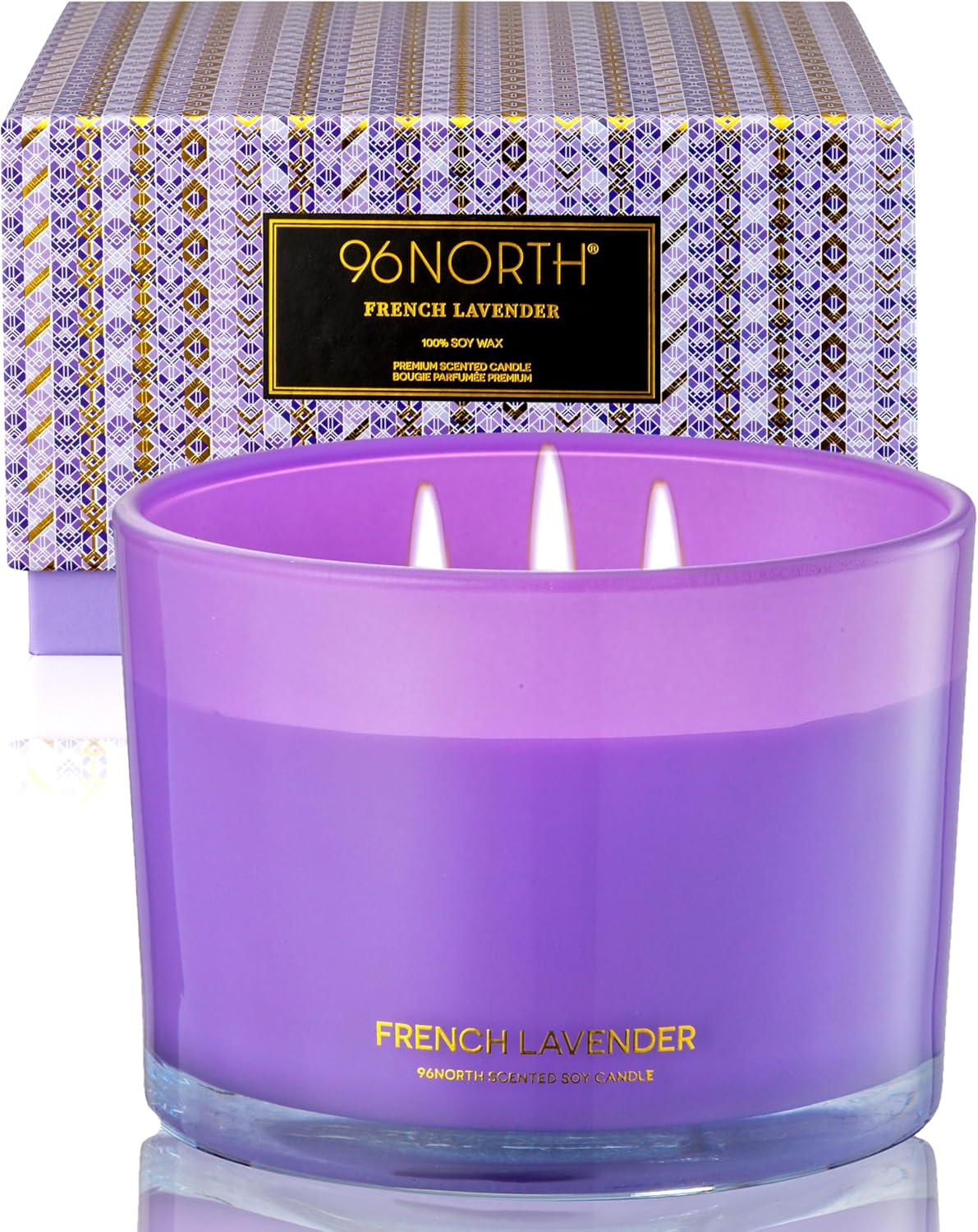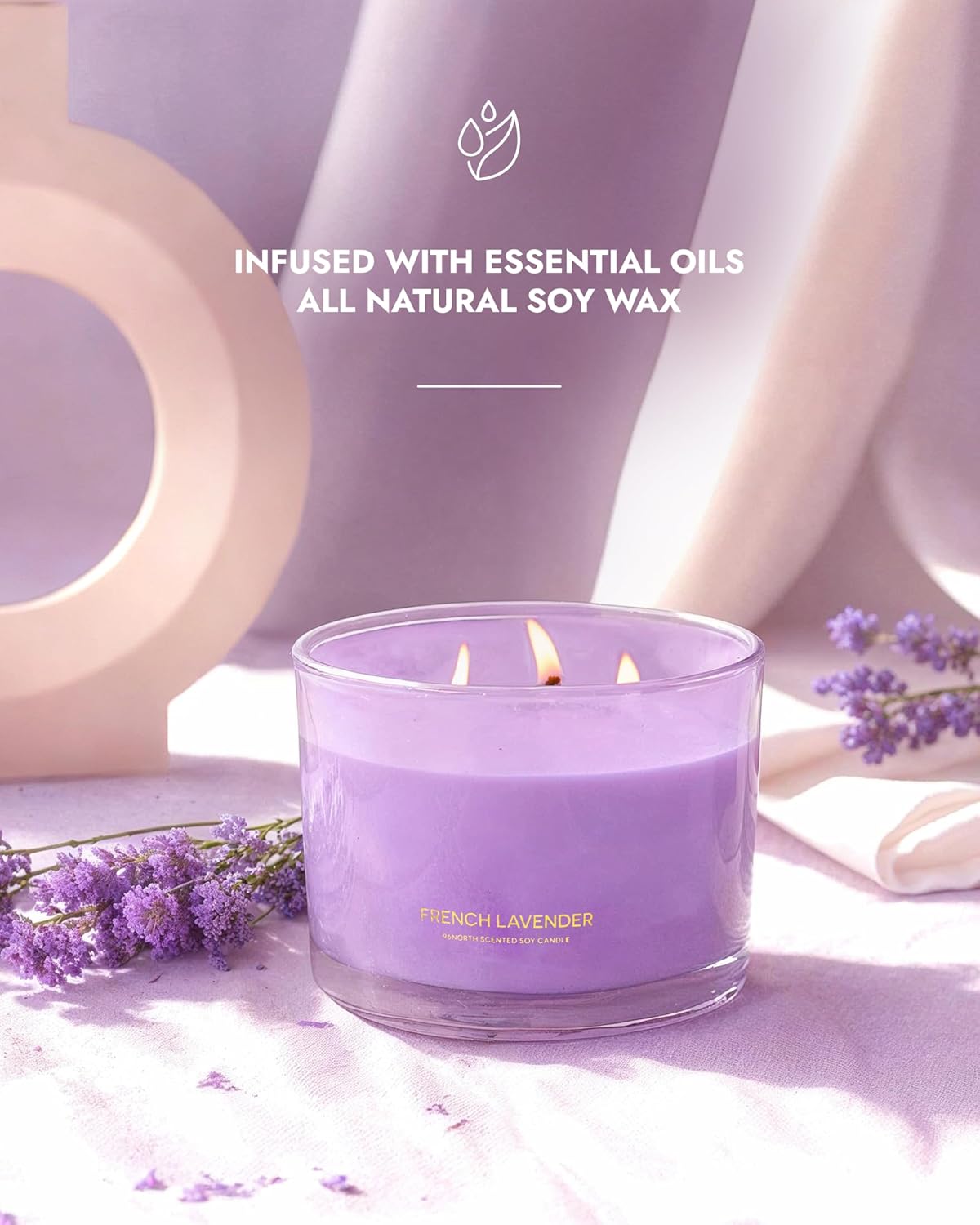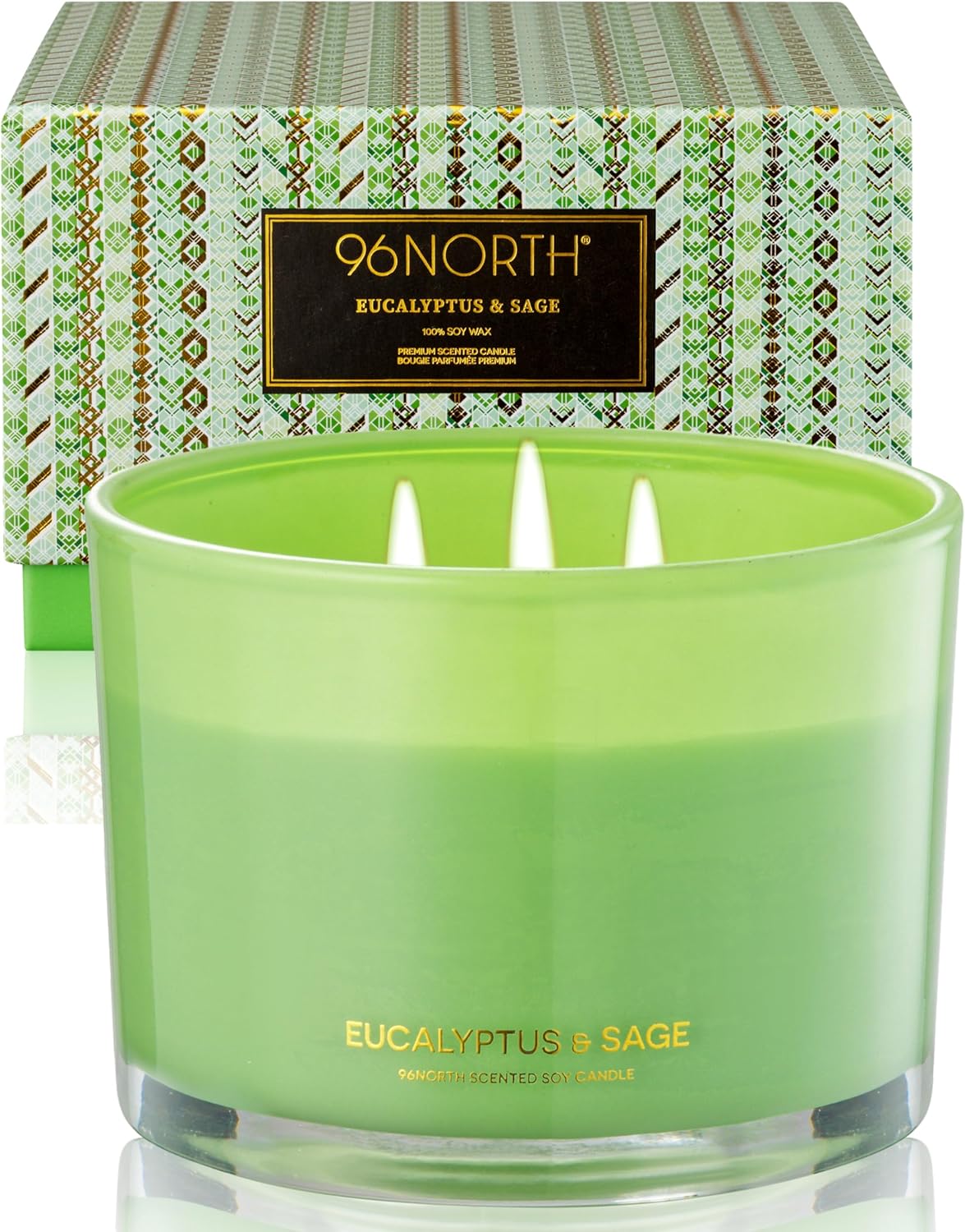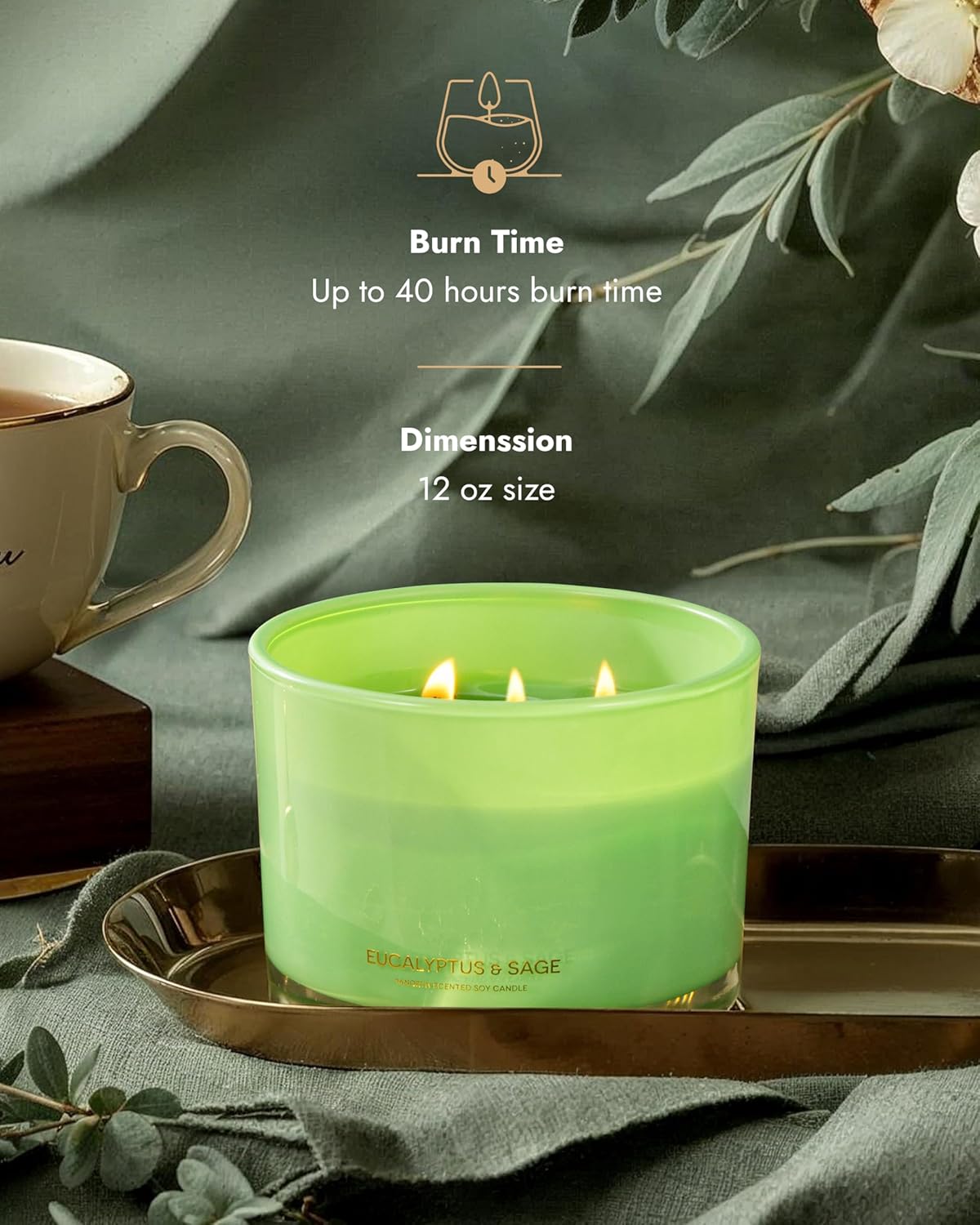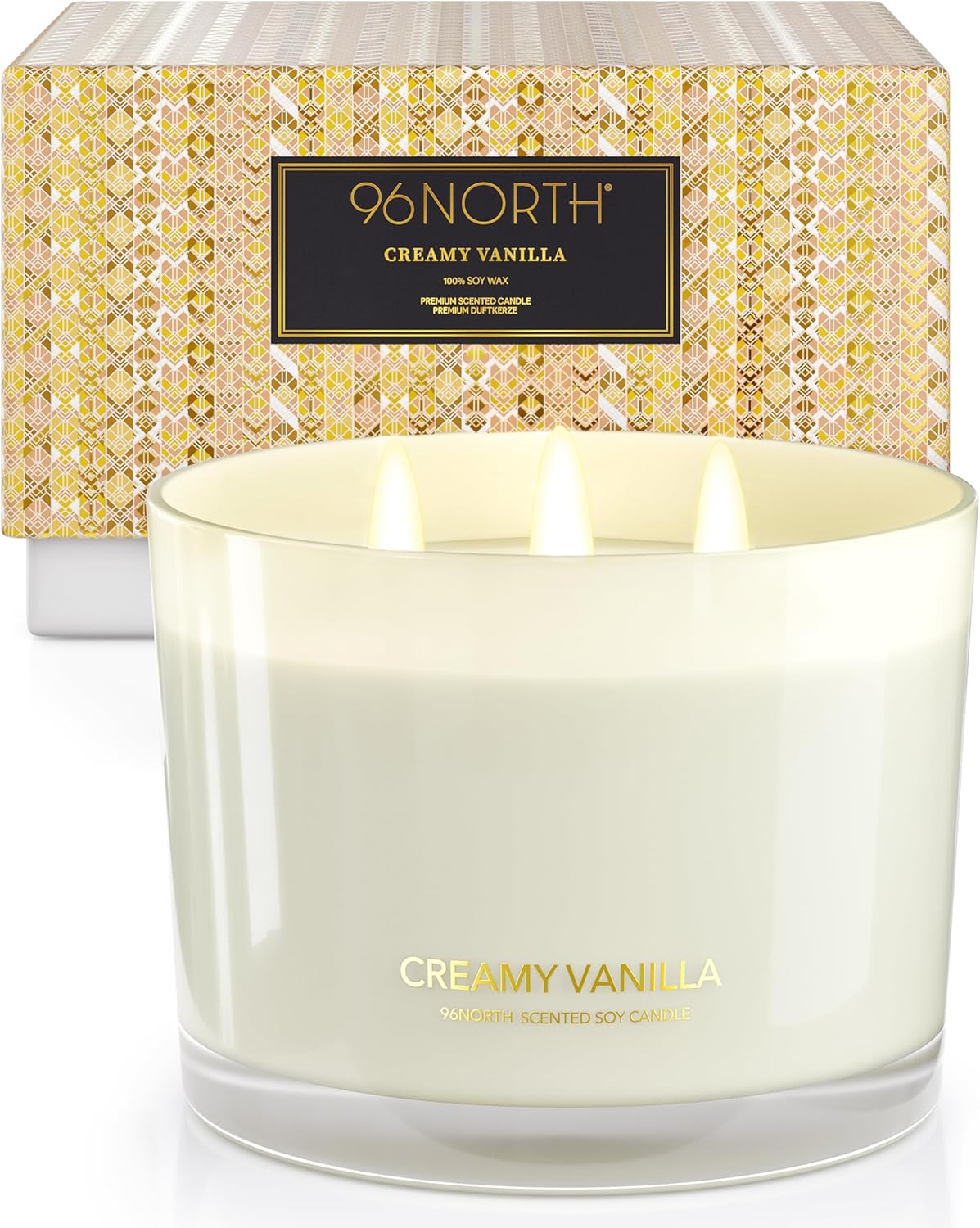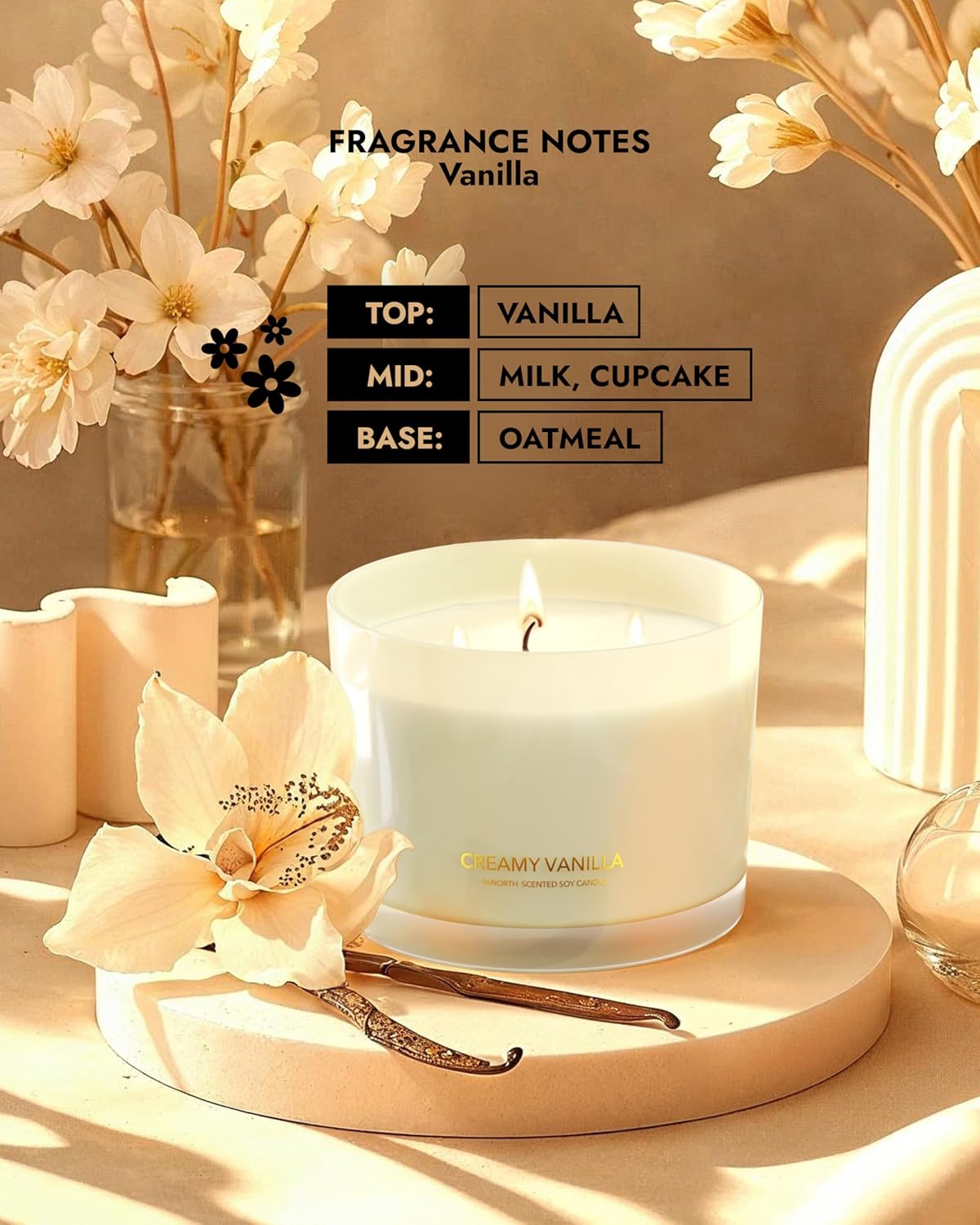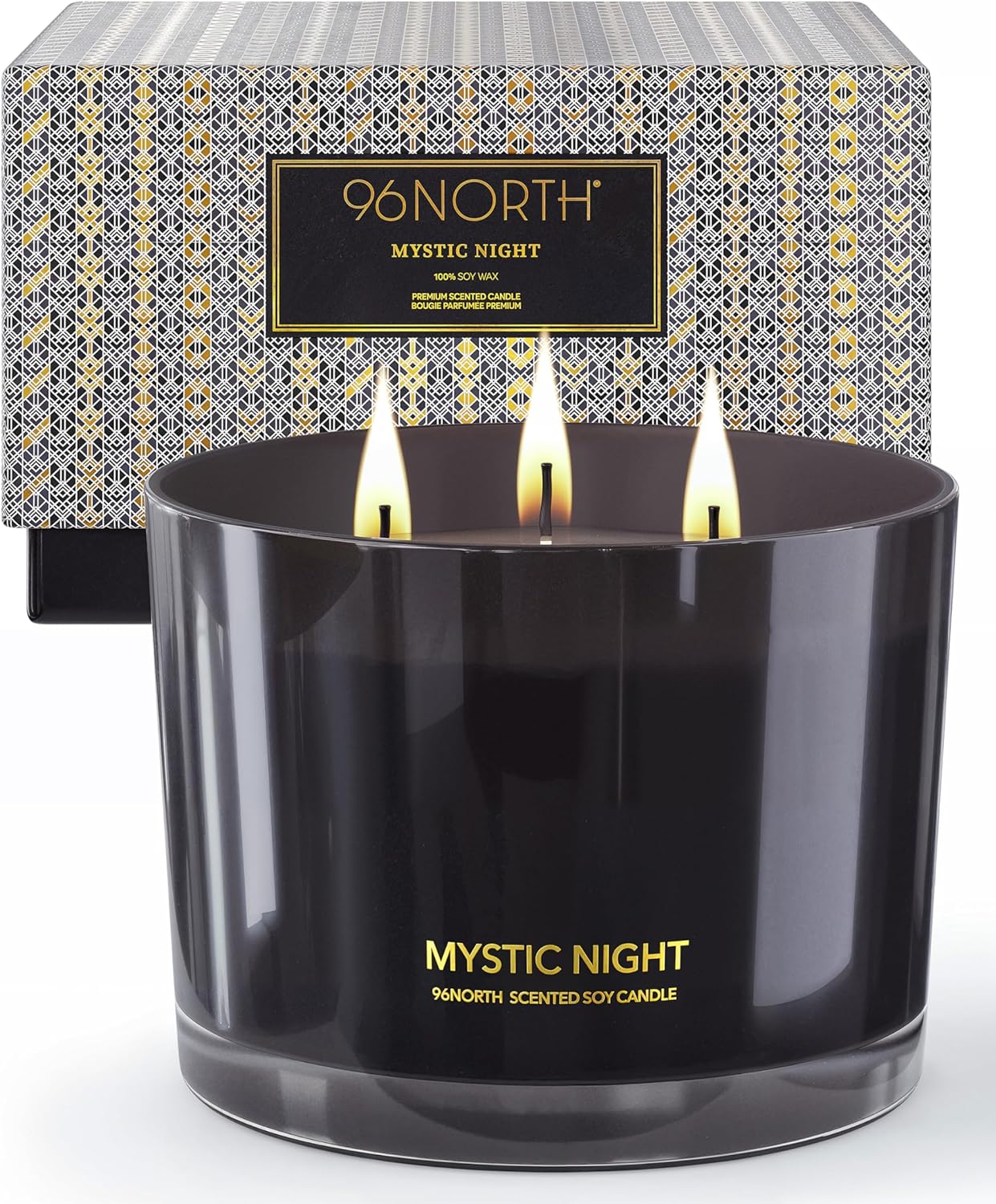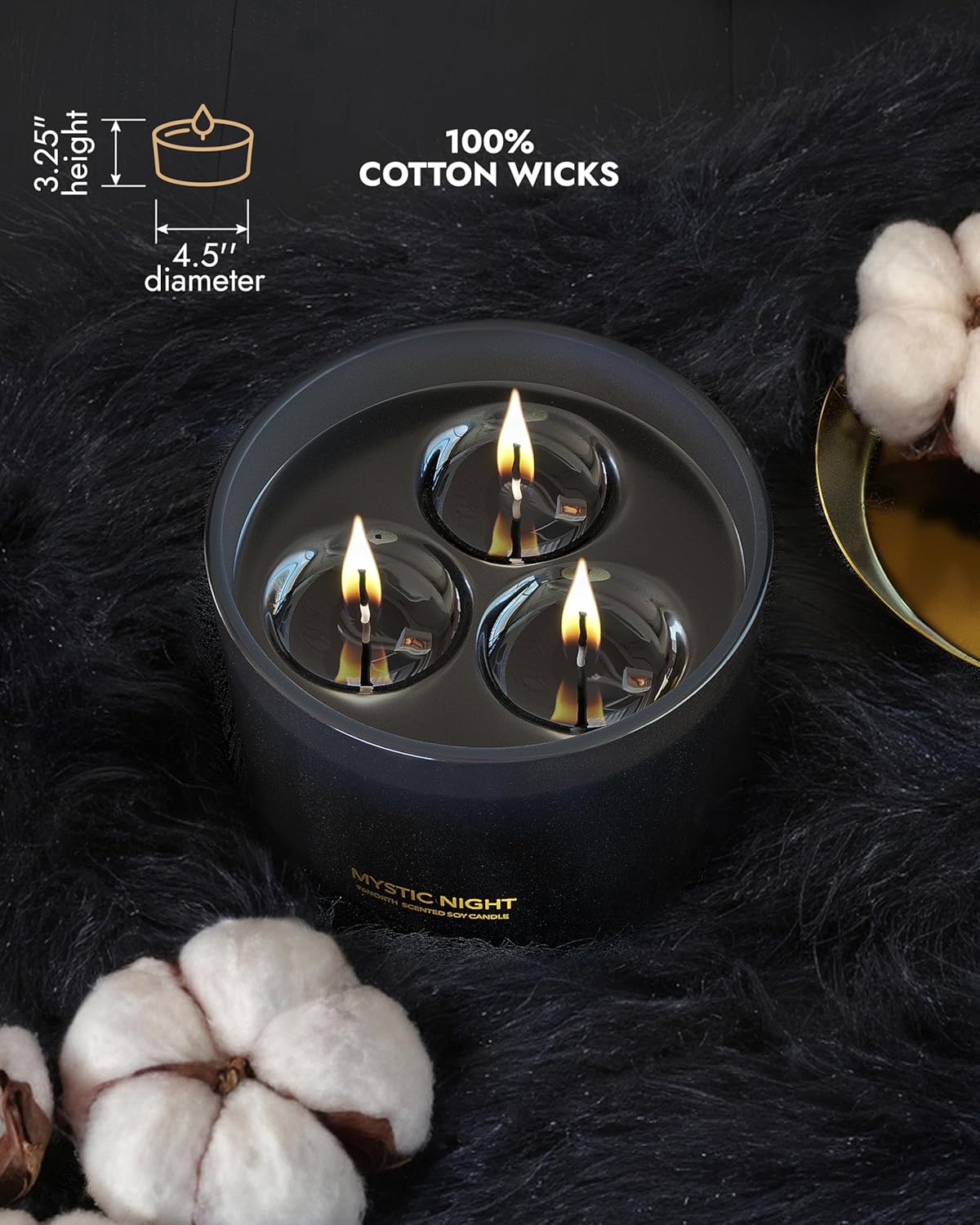

You want a beautifully scented home, but spending $40 to $90 on a single candle feels irrational. So, are expensive candles worth it? High prices do not guarantee a cleaner burn, stronger scent, or longer life.
We use ingredient analysis, performance signals, and simple math to cut through the marketing hype. This practical framework shows exactly when the upgrade pays off, starting with the ultimate metric: cost per burn hour.
1. Measure Value by Cost per Burn Hour, Not Sticker Price
To determine if expensive candles are worth it, shift your focus from upfront price to cost per burn hour. Calculate this by dividing the retail price by the stated burn hours. This metric is more reliable than price-per-ounce because different wax formulations consume fuel at vastly different rates.
For example, a $12 candle that burns for 20 hours costs $0.60 per hour. A premium $28 soy candle that delivers 55 hours of clean burn time costs just $0.51 per hour.
However, poor wick-to-wax balance causes tunneling, leaving wasted wax behind. To ensure you get your money's worth, check labels for:
-
Burn-time range and net weight
-
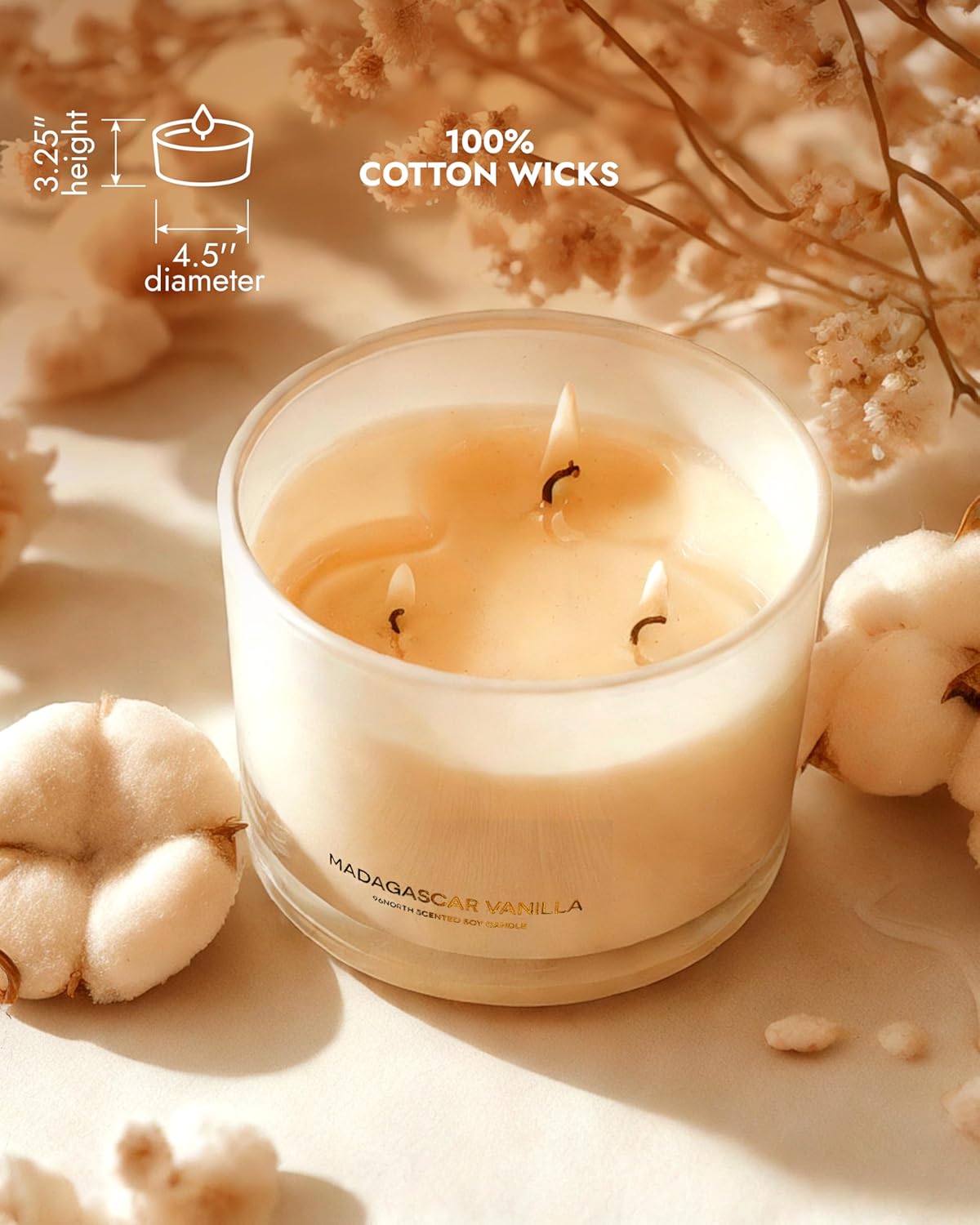
Multiple lead-free cotton wicks
-
Wide vessel diameter for an even melt pool
Pay a premium only if you are buying more usable burn hours or a superior scent experience.
2. Decode the "Clean" Marketing vs. Actual Burn Safety
Many buyers purchase expensive candles to avoid indoor pollution, only to watch soot stain their walls. Black residue is rarely a wax issue. It is driven by poor wick sizing, drafts, heavy fragrance loads, and improper burning. Even natural soy smokes if you neglect to trim the wick or fail to establish a full melt pool.
While paraffin releases more petrochemicals, "non-toxic" labels on soy, coconut, or beeswax remain unregulated. Soy offers a cleaner burn but weaker scent throw than paraffin. Furthermore, lead wicks were banned decades ago. True safety depends on cotton or paper blends that prevent the flame from over-fueling.
When shopping, prioritize brands offering:
-
Transparent material sourcing
-
Consistent burn testing notes
-
Clear care instructions
Are expensive candles worth it for safety? Only if you pay for rigorous quality control, not vague wellness buzzwords.
3. Evaluate Scent Throw and Burn Performance
A candle that smells incredible on the shelf often vanishes when lit. The unlit scent is the cold throw, but expensive candles are worth it because of their hot throw, which is the aroma released while burning.
True performance depends on several physical factors:
-
Burn temperature and airflow
-
Fragrance oil quality and formulation complexity
-
An even wax melt pool
Budget candles often use cheap, single-note oils that burn off quickly or turn cloying. To learn the mechanism of how heat unlocks these therapeutic layers, observe the first burn. The wax must melt evenly across the top to the glass edges. If it tunnels, the fragrance remains trapped in the hard wax, and your investment evaporates.

4. Inspect the Physical Engineering to Prevent Wasted Wax
When asking if expensive candles are worth it, remember that high prices cannot mask poor physical engineering. True quality requires precise craftsmanship:
-
Wicks that are perfectly centered and secured
-
Correct wick thickness or count for the wax blend
-
Vessels sized accurately to ensure an even melt pool
Without this balance, candles tunnel. Tunneling occurs when a mismatched wick burns straight down the center, leaving hard, wasted wax along the sides. This defect traps your fragrance oil and destroys the candle's value.
To protect your investment, let the first burn reach the edge of the glass, and trim the wick before every light. Premium brands fail this test too. Before buying, search reviews for "tunnel," "soot," or "weak throw" to ensure you purchase fewer, better-performing candles.
5. Weigh the Emotional ROI Against Your Practical Budget
An expensive candle is a visible, tactile self-care ritual. Beyond simple performance, premium wax serves as a mindful sensory anchor to ground your daily transitions, elevate interior decor, and offer comfort.
Investing in high-end options is worth it if:
-
You burn candles daily, which steadily lowers your cost-per-hour.
-
Harsh, synthetic fragrances trigger headaches or airway sensitivity.
-
You want to establish a consistent signature vibe for focus or wind-down routines.
It is not worth the luxury markup if:
-
You only light wicks occasionally.
-
You want basic background masking rather than therapeutic benefits.
-
You are still experimenting with baseline fragrance profiles.
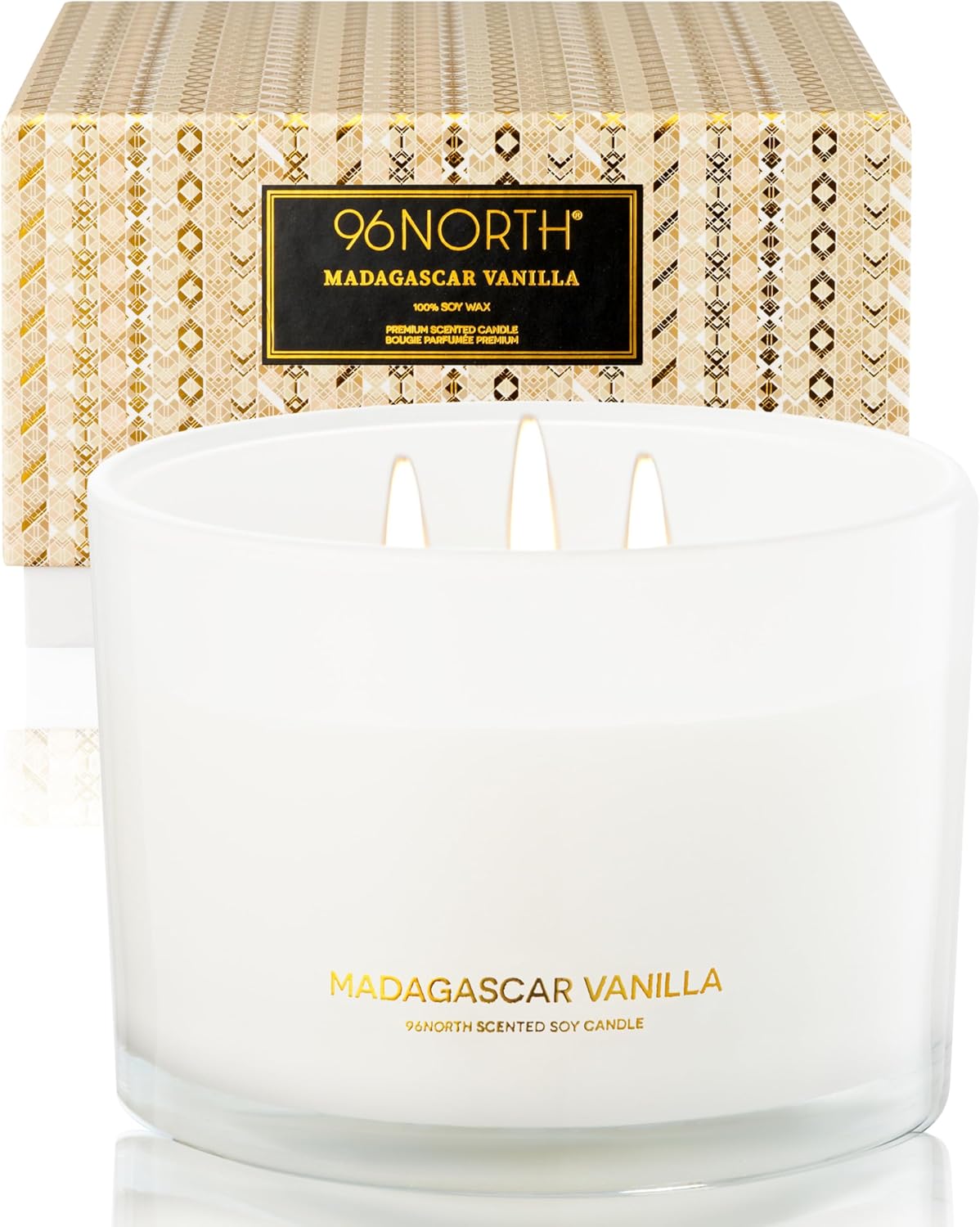
To protect your budget, choose the right scent first to avoid regret-purchases. If you want entry-level luxury focused on wellness routines, explore 96NORTH.
A Simple 5-Question Framework: Are Expensive Candles Worth It for You?
Determine if expensive candles are worth it by answering five questions. If you score three or more "yes" answers, upgrading is justified.
Step 1: Take the Value Test
-
Do you burn candles 3+ times a week or 20+ hours a month? High usage makes cost-per-hour and burn quality critical.
-
Do you need a strong hot throw in a larger space? Performance matters more than price in open rooms.
-
Are you sensitive to smoke, soot, or headache-inducing scents? Prioritize tested materials and safe wick design.
-
Are you buying for gifting or a signature home scent? Experiential and aesthetic value justifies the extra cost.
-
Are you willing to follow basic candle care like trimming wicks? If not, stick to budget options.
Step 2: Make Your Decision
-
Mostly "No": Buy budget or mid-tier options and focus on appealing scent choices.
-
Mixed: Purchase smaller travel sizes or wait for brand promotions.
-
Mostly "Yes": Upgrade to a premium-wellness candle. Experience clean-burning, therapeutic luxury with 96NORTH.
Frequently Asked Questions
Are expensive candles always cleaner or safer to burn?
Not automatically. Price is not a safety certification. Genuine safety depends on clean-burning ingredients and material transparency, including natural waxes and lead-free cotton wicks. Additionally, your personal burn habits, such as trimming the wick and avoiding drafts, heavily dictate how much soot is produced regardless of what you spent.
What is the biggest performance difference between cheap and expensive candles?
Consistency. Premium candles rely on precise engineering to ensure the correct wick size, an even melt pool, and a reliable hot throw. While some budget options smell pleasant on the shelf, higher-end candles utilize complex, rounded fragrance oils that disperse evenly throughout your space without burning off too quickly.
Is paraffin wax always bad?
Not necessarily, but it requires caution. Avoid absolute claims and focus on how the wax performs in your environment. Paraffin releases more petrochemical byproducts than plant-based waxes. If you are sensitive to soot, smoke, or heavy synthetic scents, prioritize natural soy or beeswax options with superior engineering and transparent material sourcing.
What if I want a long-lasting scent without burning a candle every night?
Consider using reed diffusers. They provide a continuous, flame-free background scent that keeps your home smelling fresh without daily effort. This makes them a highly efficient alternative. To learn how to get the most out of these options, read our guide on how long reed diffusers last.
How can I make any candle feel more luxurious?
First, select a scent profile you truly enjoy to eliminate regret buys. You can learn how to choose a candle scent that elevates your environment. Next, practice correct burn techniques by trimming the wick and establishing a full melt pool. For a premium, clean-burning wellness experience without ultra-luxury pricing, explore 96NORTH.