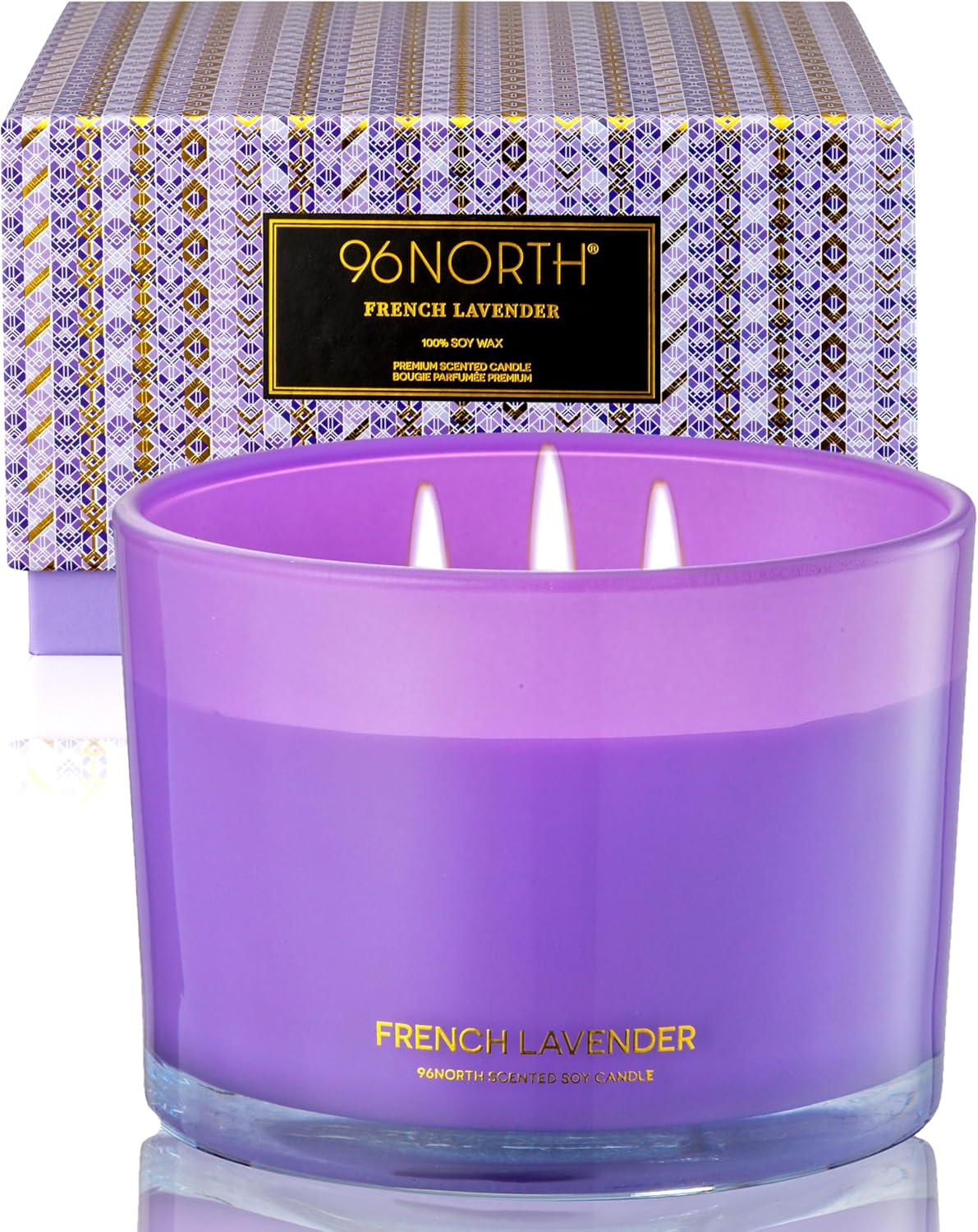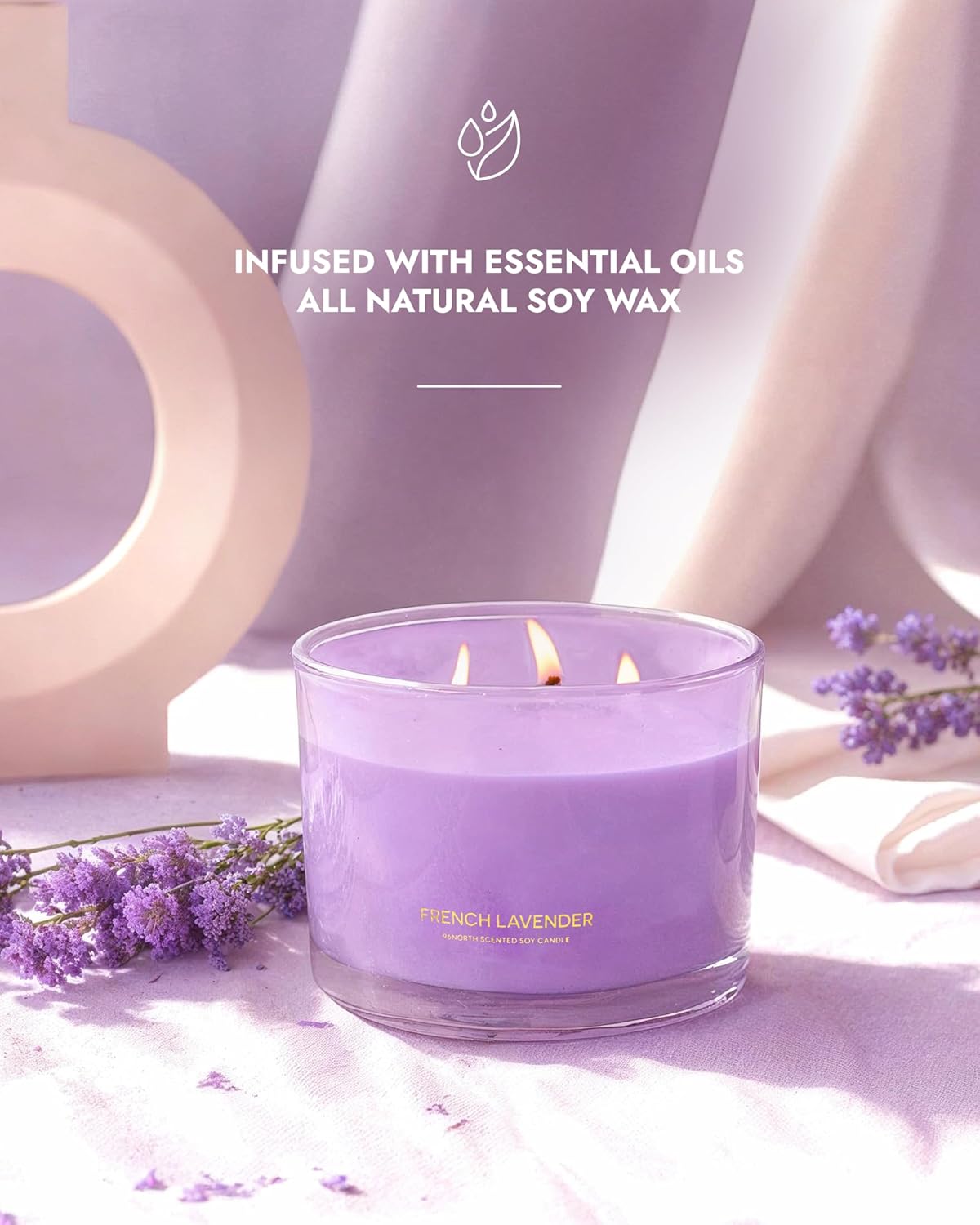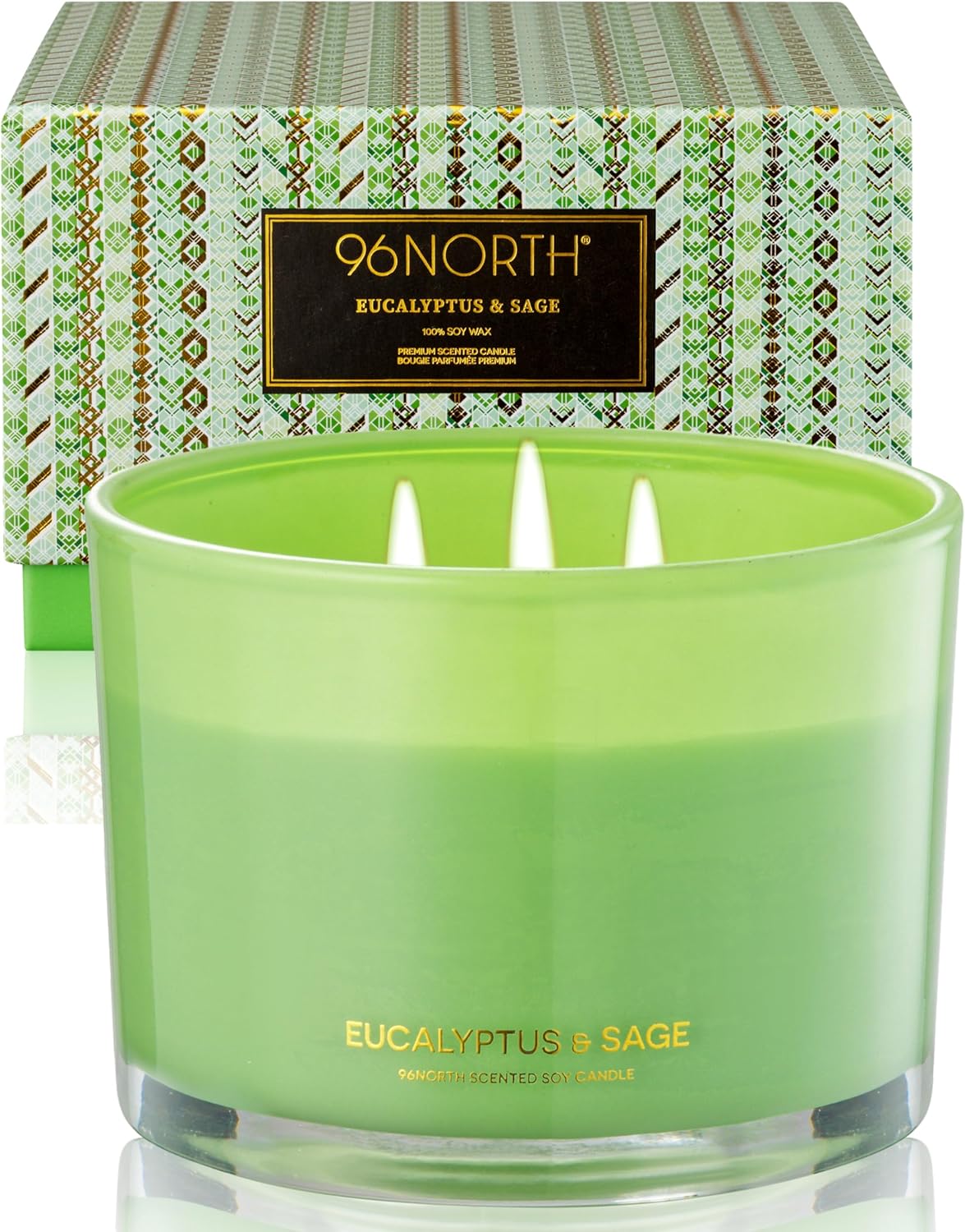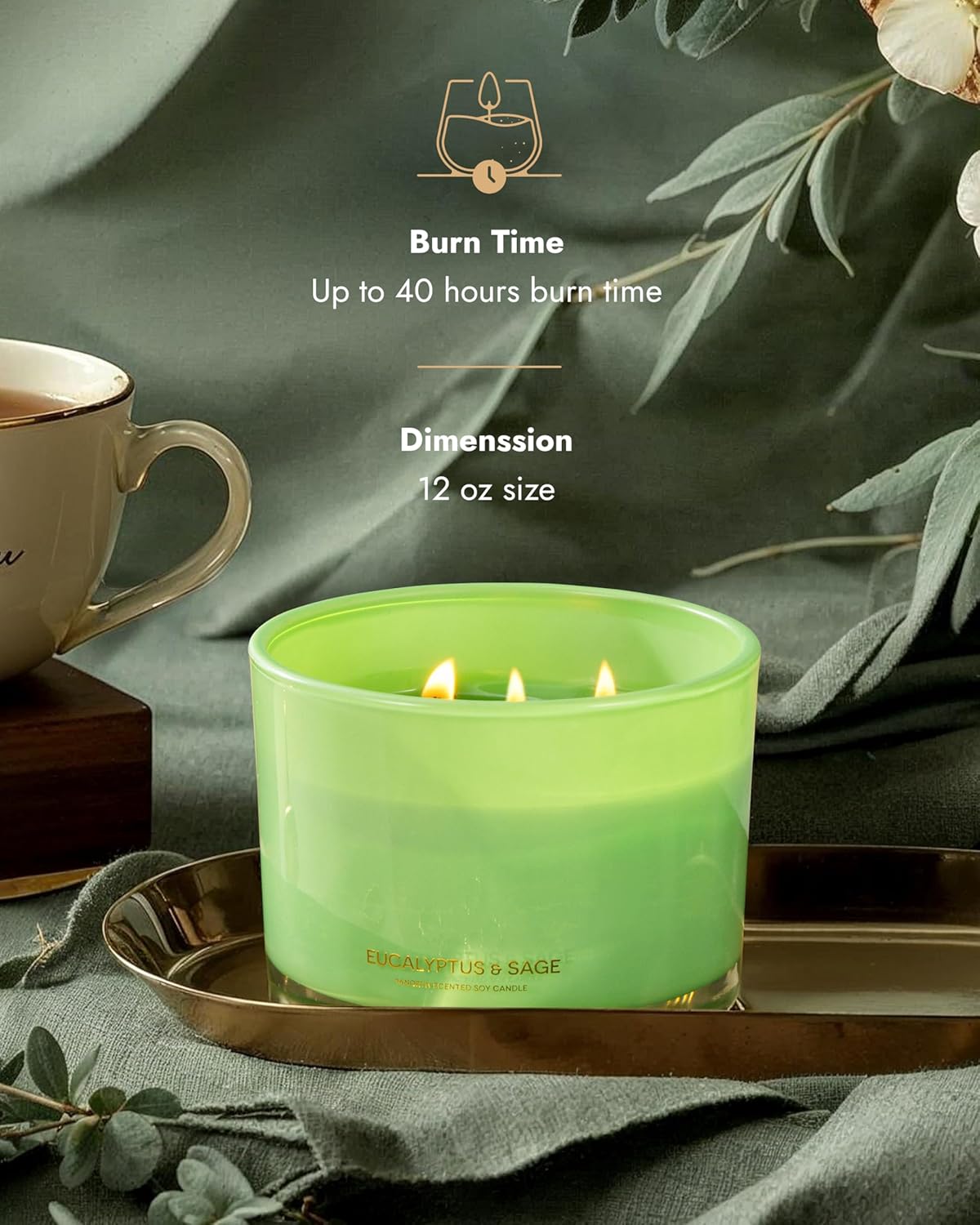

Finding safe candles for allergies shouldn't mean sacrificing the cozy home atmosphere you love. While soot and synthetic fragrances often trigger headaches, coughing, or a tight chest, you can easily minimize irritation risk. Remember, "hypoallergenic" means reducing triggers, not zero risk, since any active combustion can affect highly sensitive lungs.
Here is your checklist of clean waxes, wicks, fragrances, and burn habits.
Start with the biggest variable: fragrance and your sensitivity type.
1. Map Your Sensitivity: Respiratory vs. Contact
Why do "clean" candles for allergies still trigger reactions? You may be buying the wrong kind of clean. First, identify your specific sensitivity:
-
Respiratory Sensitivity: Triggered by airborne elements. Symptoms include sneezing, coughing, wheezing, chest tightness, throat burn, or headaches.
-
Contact Sensitivity: Triggered by skin allergens. Symptoms include itchy hands, rashes, or irritation from wax and spills.
Respiratory-sensitive individuals need low-smoke wicks and low-fragrance options. Contact-sensitive individuals require simple formulas. If you have asthma, treat fragrance as your primary risk and choose unscented candles.
2. Reduce Scent Load Before Swapping Waxes
When shopping for candles for allergies, many people swap wax types while ignoring the true culprit: fragrance load. Heavy scents, whether natural essential oils or synthetics, are the primary triggers for headaches and congestion.
If you want ambiance without irritation, prioritize a clean burn and minimal odor. Look for simple labels with a minimal ingredient list (just wax and a wick) or those marked:
-
Unscented
-
Fragrance-free
-
Light scent throw
Note that "unscented" does not mean completely odorless. Warm natural wax always emits a mild, neutral base aroma.
3. Choose Cleaner-Burning Plant Waxes
When selecting candles for allergies, plant-based waxes help optimize your space for a steadier burn and less visible soot. While they cannot guarantee zero irritation, they are often a cleaner-burning choice.
-
Soy Wax: Common and highly accessible. Verify labels read "100% soy" to avoid hidden paraffin blends. If you have a contact soy allergy, handle cautiously.
-
Coconut Blends: Offers an exceptionally smooth burn, but check what secondary waxes are in the blend.
-
Canola and Rapeseed: Excellent, sustainable plant-based alternatives.

4. Keep Your Expectations Realistic with Beeswax
Beeswax is a simple, single-ingredient option that many allergy sufferers tolerate well. However, bypass marketing claims that it purifies air or releases negative ions. No burning candle cleans indoor air.
Even with pure beeswax, raw burning mechanics still matter:
-
Added synthetic fragrances can still trigger respiratory sensitivities.
-
Poor wick quality still produces irritating soot.
If you enjoy natural honey aromas, choose a minimally processed, lightly scented beeswax candle. Test it first in short, ten-minute burns to ensure irritation-free performance.
5. Avoid Vague Wax Blends and Hidden Paraffin
When shopping for candles for allergies, check labels for hidden petroleum. Avoid products containing:
-
Paraffin
-
Mineral wax
-
Vague "wax blends" with no ingredient breakdown
These cheap petroleum-derived bases release soot and smoke, triggering respiratory irritation in sensitive users.
Shop smarter by demanding transparency. Look for explicit disclosures like "100% soy wax." If a label says "soy blend," verify the other ingredients. Remember, even clean wax can irritate your airways if over-scented or burned improperly.
6. Understand That "Natural" Scent Doesn't Mean Non-Irritating
Fragrance sensitivity is about concentration and composition, not whether a scent is "natural." Unregulated labels like "clean" or "aromatherapy" do not guarantee tolerability, as natural essential oils can still trigger reactions.
To safely navigate candles for allergies, use these heuristics:
-
Choose lighter profiles: Prefer soft woods and gentle herbs over sharp citrus or heavy spices.
-
Run micro-burns: Burn a new candle for 10 minutes, increasing exposure only if you remain symptom-free.
-
Avoid personal triggers: Skip known irritants like lavender or cinnamon, regardless of source purity.
7. Skip the Aesthetics: Dyes, Botanicals, and Chunky Add-ins
Decorative candles look beautiful, but burning them can trigger respiratory flare-ups. More additives mean more combustion unknowns, leading to irritating soot and smoke.
Avoid these common irritants when shopping for candles for allergies:
-
Heavily dyed wax
-
Glitter and metallics
-
Dried botanicals or flowers
Instead, look for natural, untinted wax with a simple ingredient story. When testing your sensitivity, buy the most basic, fragrance-free candle in a product line first. Establishing this clean baseline makes it easy to safely isolate and identify future triggers.
8. Prioritize Wick Performance to Limit Smoke and Soot
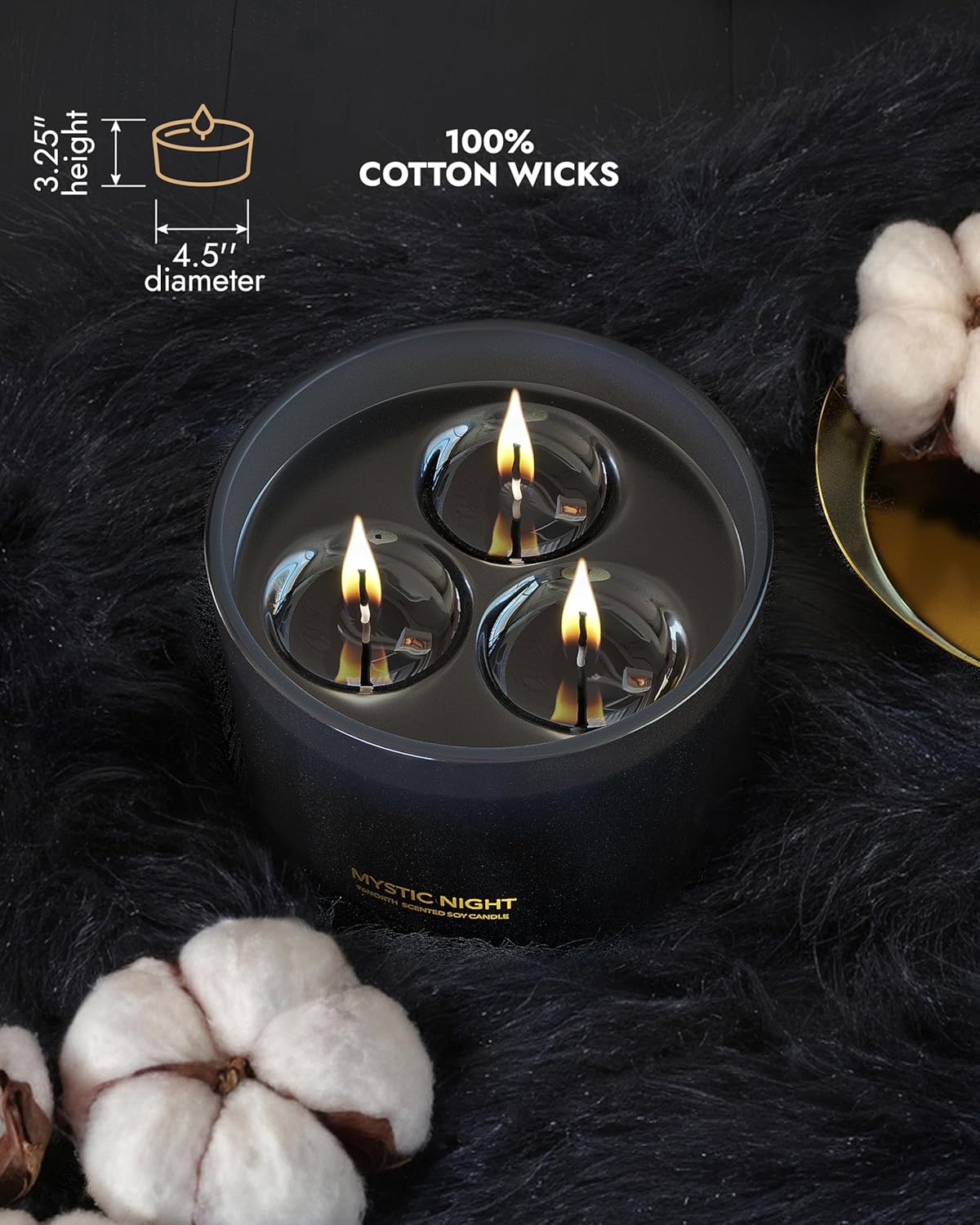
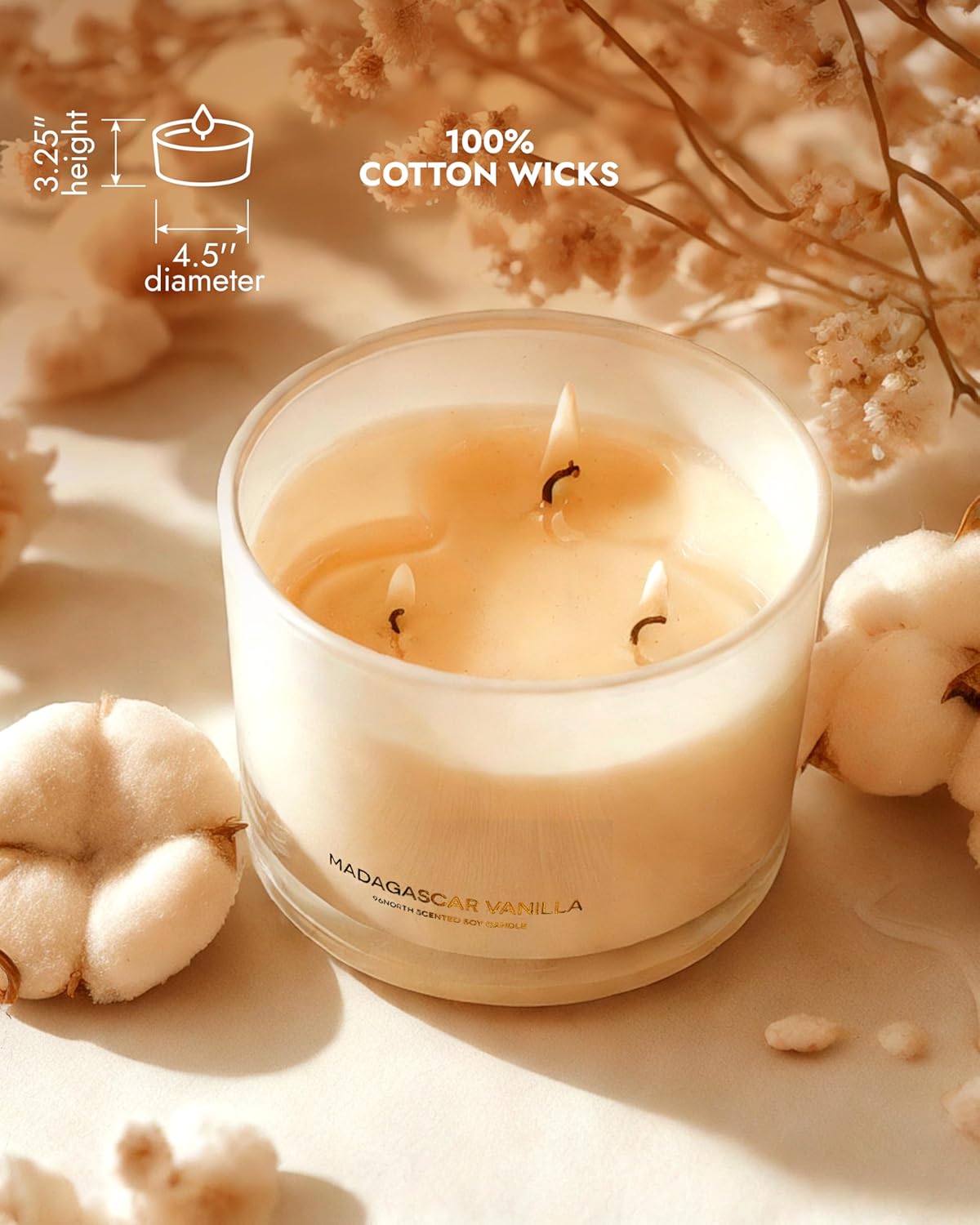
Material alone cannot guarantee a clean burn. When buying candles for allergies, focus on wick performance over basic cotton or wood labels to avoid airway irritation. Safe brands explicitly disclose safety standards and guarantee lead-free wicks.
To ensure a steady, soot-free burn:
-
Trim your wick before every lighting.
-
Extinguish the flame immediately if you see smoking or mushrooming.
Because multi-wick candles increase scent intensity, sensitive users should stick to shorter burn windows.
9. Pivot to Wax Melts or Unscented Ambiance During Flare-Ups
When seasonal allergies, asthma, or migraines flare up, stop burning candles. Avoid adding combustion to an irritated respiratory system. Instead, pivot your wellness routine to safer sensory alternatives.
Your options include:
-
Wax melts and warmers: These eliminate smoke, though fragrance exposure remains. View them as a symptom-management tool, not a universal cure.
-
Unscented ambiance: Use warm, flame-free lighting to signal rest.
If fragrance triggers your symptoms, even melts can cause discomfort. In those moments, go unscented to support calm without sensory stress.
10. Audit Product Labels for Real Credibility
When shopping for candles for allergies, ignore generic "non-toxic" claims. Real safety lies in specific ingredient disclosures, not marketing buzzwords. Audit product pages for three concrete details:
-
Wax Type: Demand "100% soy wax" rather than vague "soy blends."
-
Wick Material: Confirm the wicks are "lead-free cotton."
-
Fragrance Standards: Look for explicit adherence to IFRA safety frameworks.
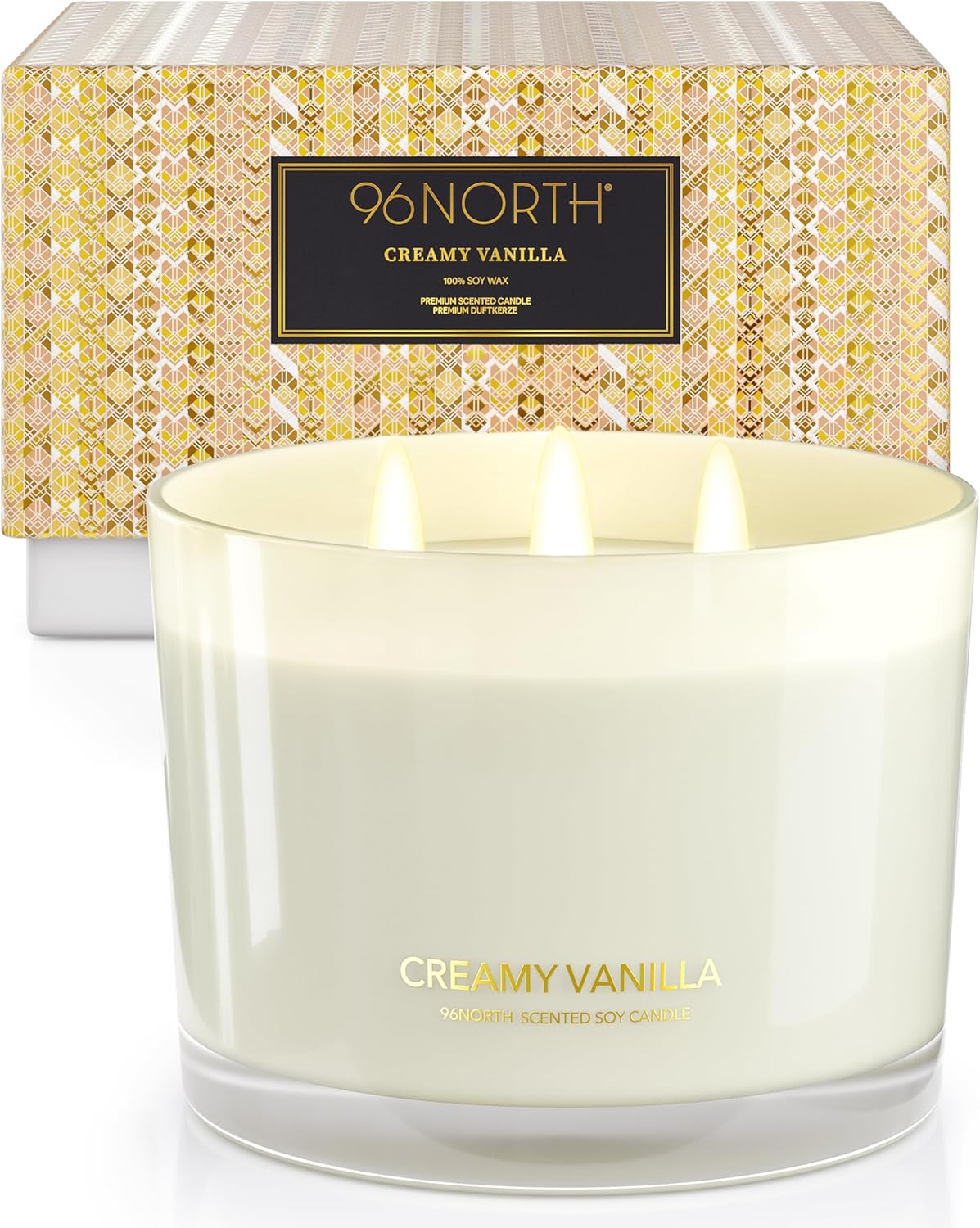
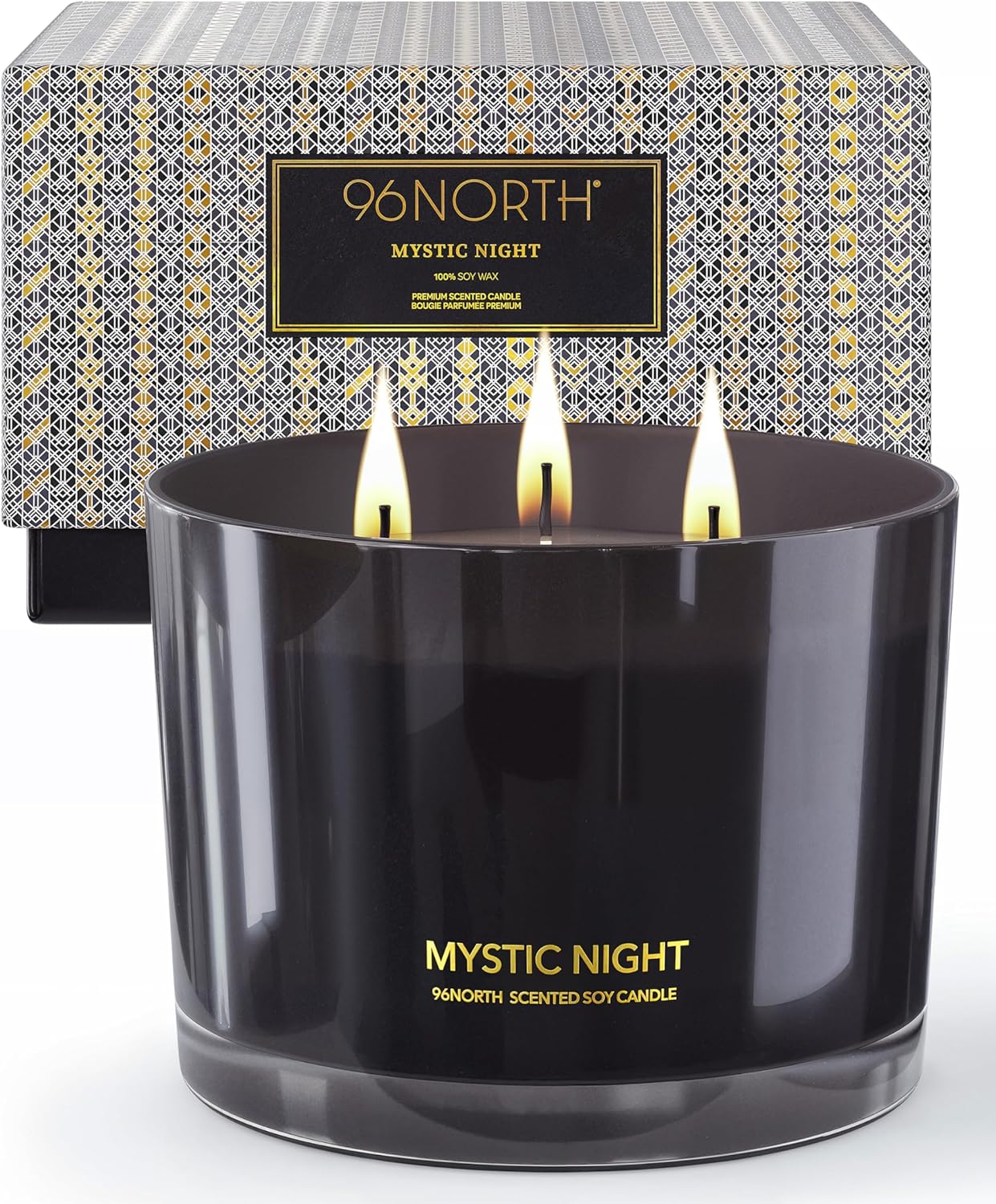
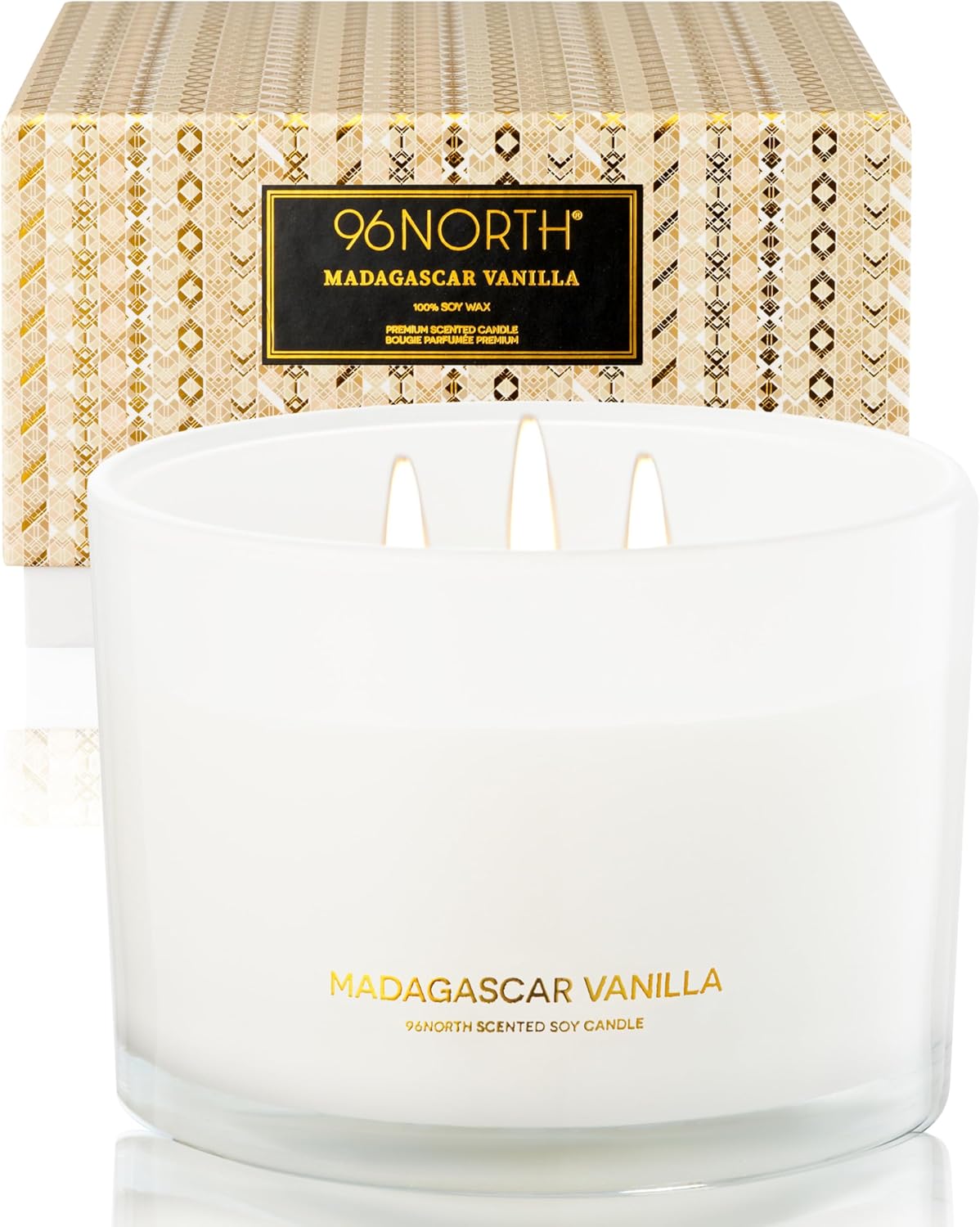
If a brand refuses to answer ingredient questions, pass. At 96NORTH, we design our 100% soy candles as intentional, home-safe rituals, prioritizing clean-burning transparency so you can focus on grounding your mind.
How to Safely Introduce Candles Into Your Home
Step 1: Establish Your Clean Baseline
Select an unscented candle or one with an exceptionally light scent throw as your lowest-risk starting point. Prioritize 100 percent plant-based waxes, such as pure soy, accompanied by clear ingredient disclosures. Avoid vague wax blends that often hide cheap petroleum fillers.
Step 2: Scan for Formulation Deal-Breakers
Audit the product page before purchasing to find safe candles for allergies. Reject petroleum-based paraffin, mineral waxes, heavy synthetic dyes, and decorative add-ins like dried botanicals. Confirm the manufacturer explicitly guarantees lead-free cotton wicks to prevent irritating soot.
Step 3: Run a Micro-Burn Test
Test your respiratory sensitivity in a controlled setting. Light your new candle in a small room with a cracked window for exactly 15 to 20 minutes. Track your physical reactions for symptoms like headaches, throat burn, coughing, or congestion. If you feel any irritation, extinguish the flame immediately. Do not attempt to push through the discomfort.
Step 4: Practice Mindful Burn Maintenance
Trim the wick to one-quarter inch before every light to prevent soot. Avoid tunneling by letting the melt pool reach the jar edges during the first burn. Snuff the flame immediately if you see smoke. Keep your burn sessions under two hours on high-sensitivity days to maintain air comfort.
If scent is part of your daily grounding routine, explore clean options designed for peace of mind. Start your sensory journey with 96NORTH, or browse our seasonal collections and winter candles for a cozy retreat. For those who tolerate delicate fragrance, our curated scented candles offer an intentional, soot-free escape.
Frequently Asked Questions
Are soy candles hypoallergenic?
While many sensitive individuals tolerate soy wax exceptionally well, there is no official medical standard for a hypoallergenic candle. Sensitivity is highly individual. Often, the real culprits are heavy fragrance loads, low-quality wicks, or hidden chemical additives rather than the plant-based wax itself. If you have a known soy allergy, handle and test any new candle with extra caution.
Are essential oil candles safer than fragrance oils?
Not automatically. Both natural plant extracts and synthetic fragrance oils contain volatile compounds that can trigger headaches or respiratory irritation in sensitive users. It is best to treat any fragrance as a dosage. Start with light scent throws, limit your exposure times, and strictly avoid known personal triggers regardless of a "natural" marketing label.
Do beeswax candles really "purify the air"?
No. Scientific evidence does not support claims that burning beeswax purifies indoor air or neutralizes toxins. While pure beeswax is a wonderful, single-ingredient option for those prioritizing a clean burn and minimal soot, it should be chosen for its natural simplicity rather than as a replacement for active ventilation.
Why do candles trigger asthma or headaches even when they are "clean"?
Any active flame produces combustion, which naturally releases microscopic particulates. When this physical process combines with concentrated fragrance, it can quickly irritate highly sensitive airways. To manage this, prioritize unscented soy candles, limit your burn sessions to short intervals, and always ensure proper fresh air circulation in your space.
What is the best way to test a new candle if I am highly sensitive?
Perform a micro-burn test. Light the candle in a spacious, well-ventilated room for only ten to fifteen minutes, then snuff the flame. If you notice even mild throat tickles or head pressure, stop immediately. On high-sensitivity or high-allergen days, skip burning altogether and opt for flame-free, unscented light to protect your comfort.