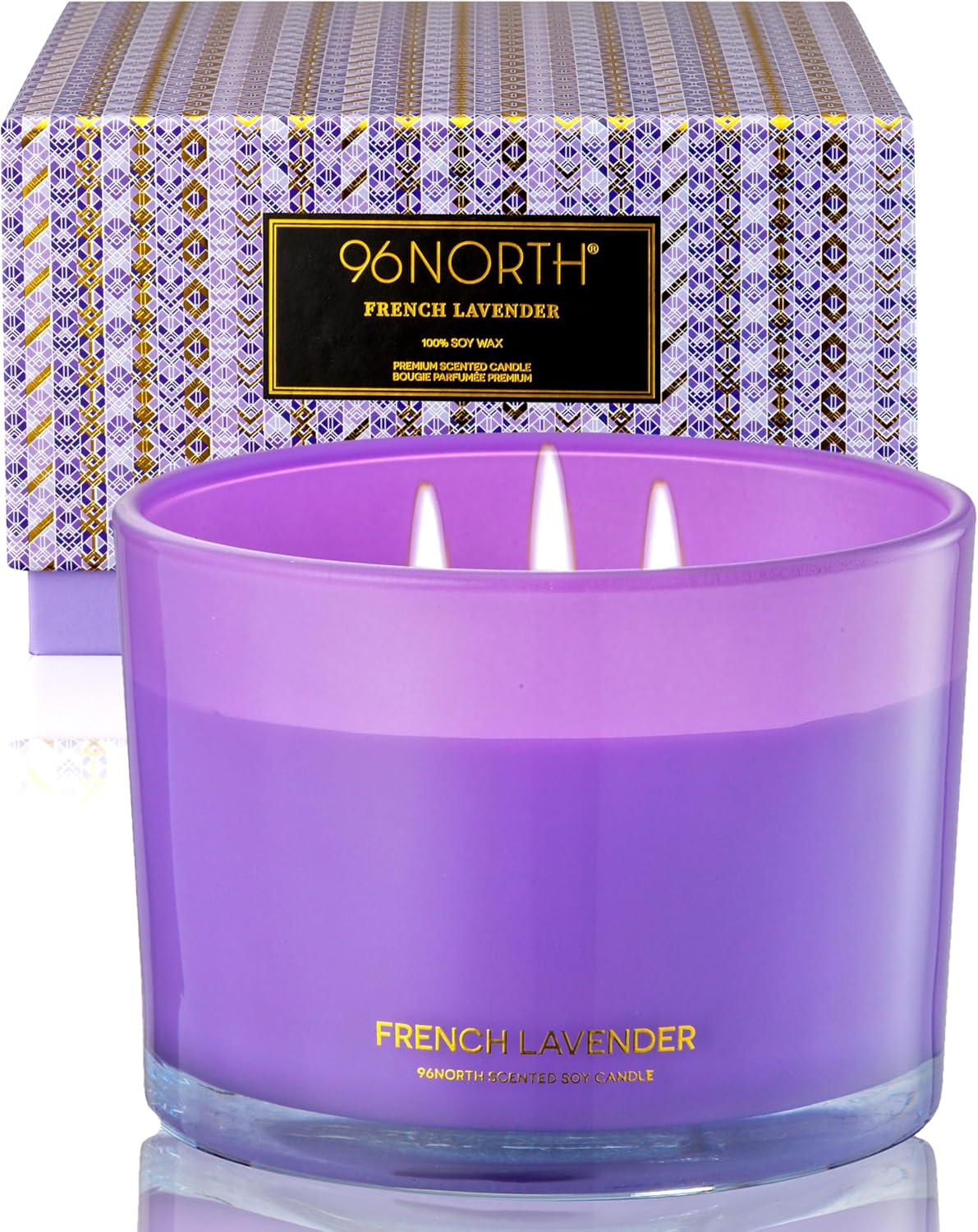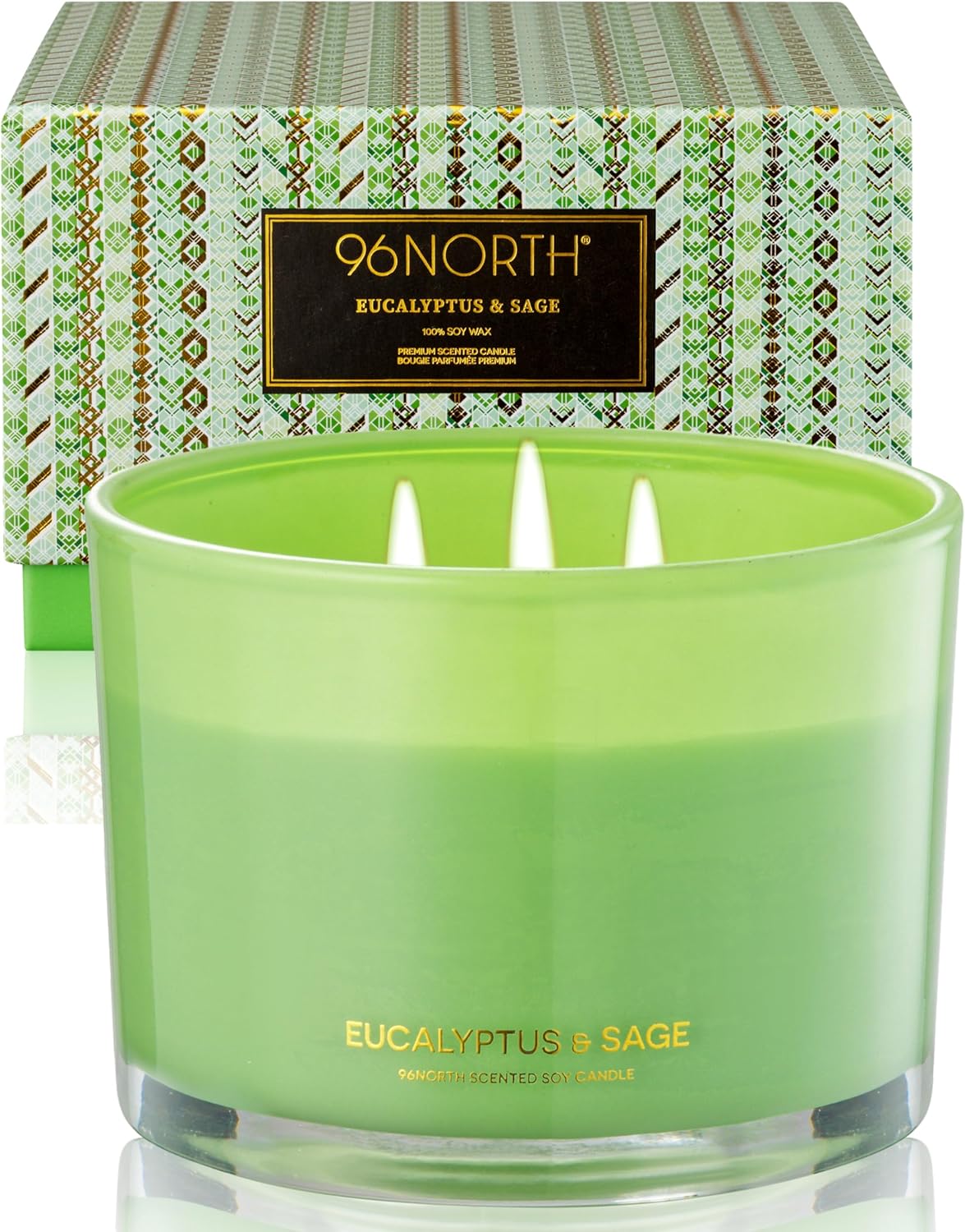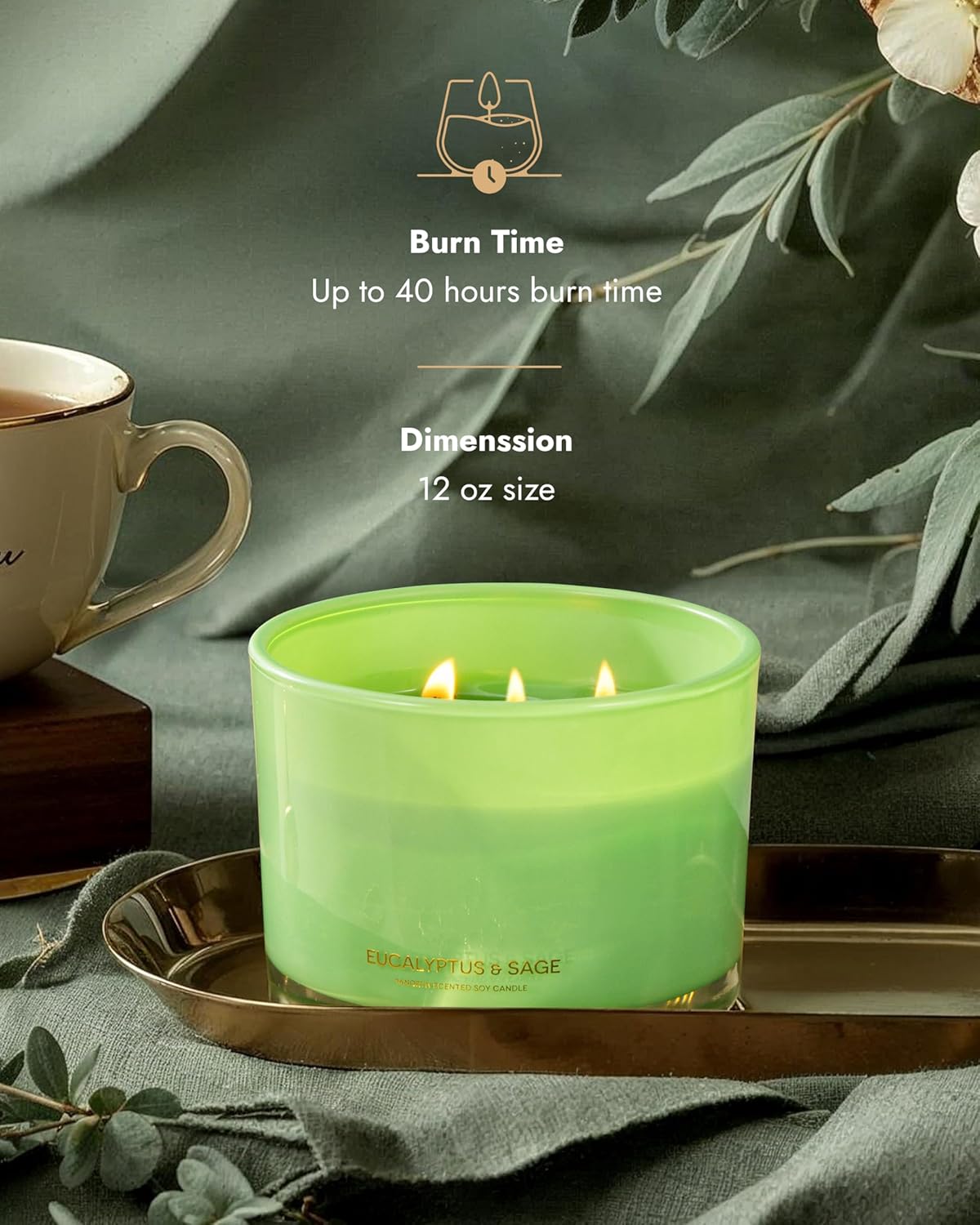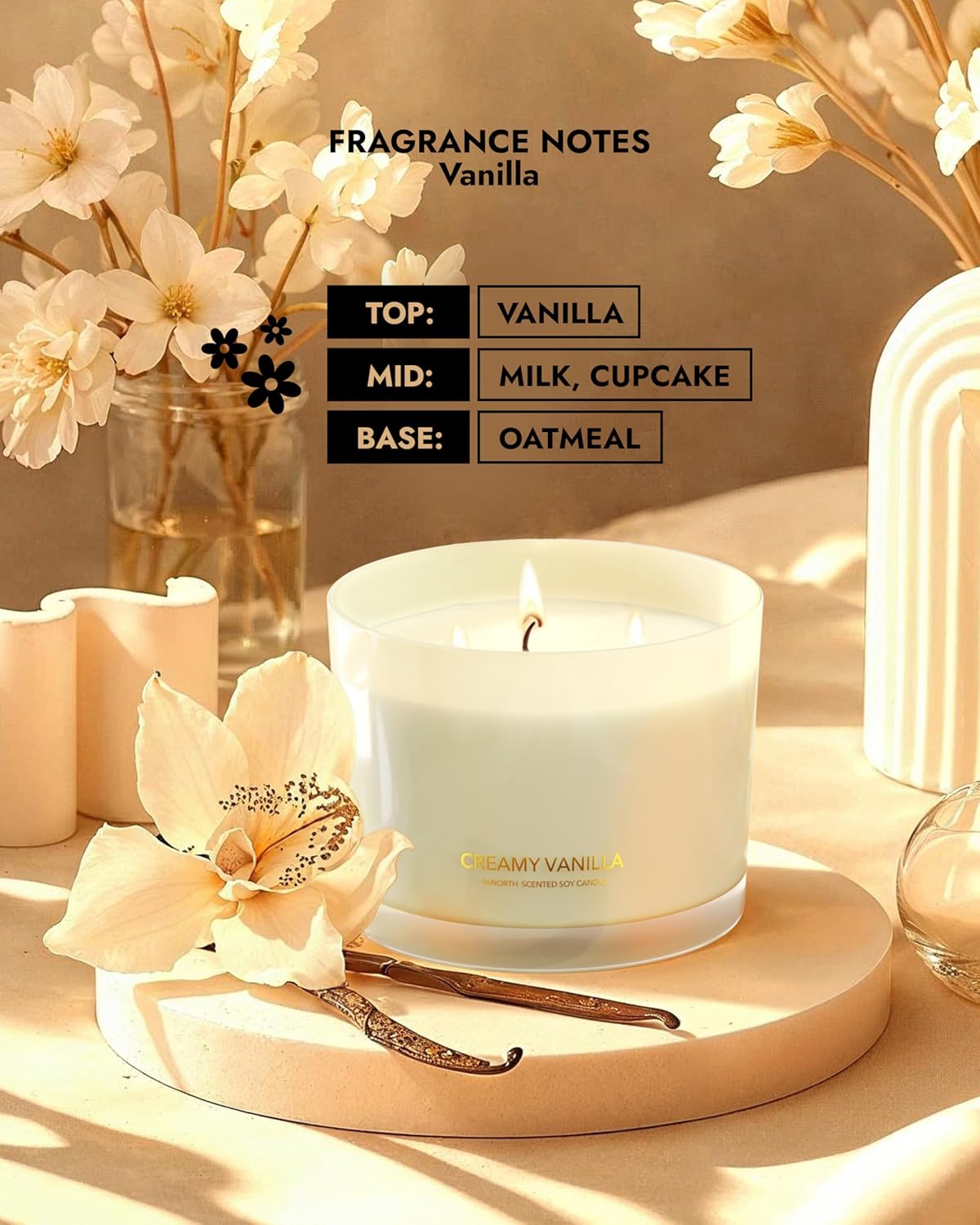

A flickering candle instantly anchors your evening wind-down, yet alarming headlines trigger sudden anxiety. If you have wondered if candles are bad for you, the answer depends entirely on dosage, ventilation, and personal sensitivity. While candles are a minor emission source, we will break down exactly what enters your air, including VOCs and PM2.5, so you can burn smarter without fear.
What exactly gets into the air when a candle burns?

1. What Actually Enters Your Air: Demystifying Candle Emissions
Is your evening ritual quietly compromising your indoor air? When evaluating if candles are bad for you, the word "toxic" is rarely a simple yes or no. Candle emissions come down to a basic equation: burning always equals combustion byproducts plus fragrance vapors.
To protect your home sanctuary, understand the three elements that enter your room:
-
PM2.5 (Fine Particulate Matter): Microscopic particles that bypass your respiratory system's natural filters, potentially irritating sensitive airways.
-
Soot: Visible black smoke or dark residue on the glass, signaling an inefficient, incomplete burn.
-
VOCs (Volatile Organic Compounds): Carbon-based gases that evaporate into your room from both the combustion process and the fragrance oils.
Science shows these emissions vary wildly depending on the candle's ingredients and how it burns. If you see active smoke or notice a heavy scent thrown in a small room, ventilation matters. Choosing clean-burning materials like soy wax and keeping a window cracked makes all the difference.
2. Incomplete Combustion: Why Soot is a Signal, Not a Disaster
Many worries about whether candles are bad for you actually stem from incomplete combustion rather than the wax itself. That dark smudge on your glass jar is not a toxic crisis. It is simply a helpful diagnostic signal that physical factors are disrupting the clean burning process.
Soot and particulate spikes are easily prevented and typically caused by:
-
Wicks left too long that "mushroom" and burn too hot
-
Matches or wick debris left in the wax pool
-
Air currents from open windows, vents, or ceiling fans
A healthy, clean burn features a steady, quiet teardrop flame, minimal smoke, and an even, edge-to-edge melt pool. To protect your indoor air quality, trim your cotton wick to one-quarter inch before every lighting and keep the vessel away from active air currents.
Never try to power through a disruptive burn. If you see smoke, stop and reset.
3. Fragrance Sensitivities: How to Enjoy Scent Without the Headaches
If a scented candle triggers a headache or a scratchy throat, your symptoms are real. You are not experiencing acute poisoning, but your respiratory system is reacting to one of two sources:
-
Combustion byproducts: Natural soot and particulate matter produced by any active flame.
-
Added fragrance VOCs: Volatile organic compounds released from heated fragrance oils.
Individuals managing asthma, migraines, or chemical sensitivities must practice extra caution, particularly in enclosed bedrooms. Protect your indoor environment using this simple decision tree:
-
Avoid: Choose 100% unscented soy wax candles if you are highly sensitive to all added aromas.
-
Lightly Scented: Select clean, mild candles and limit burn windows to 30 minutes.
-
Scent Reset: Take regular breaks and never stack scented products like diffusers and candles simultaneously.
By choosing clean, intentional fragrances designed to anchor routines like focus or calm, you can safely ground your wellness rituals while keeping your home's air fresh.
4. The Wax Myth: Why "Natural" Doesn’t Mean Emission-Free
Many consumers assume switching to a natural wax instantly solves indoor air quality concerns, but combustion physics dictates a more nuanced reality. While plant-based options like soy produce less visible soot under optimal conditions, any open flame generates some level of particulate matter and volatile organic compounds (VOCs). The chemical difference in emissions between wax types is often far smaller than wellness marketing suggests.
A candle's overall engineering influences indoor air quality more than the wax base alone. Crucial variables include:
-
Fragrance load: Over-scented candles release more unburned compounds.
-
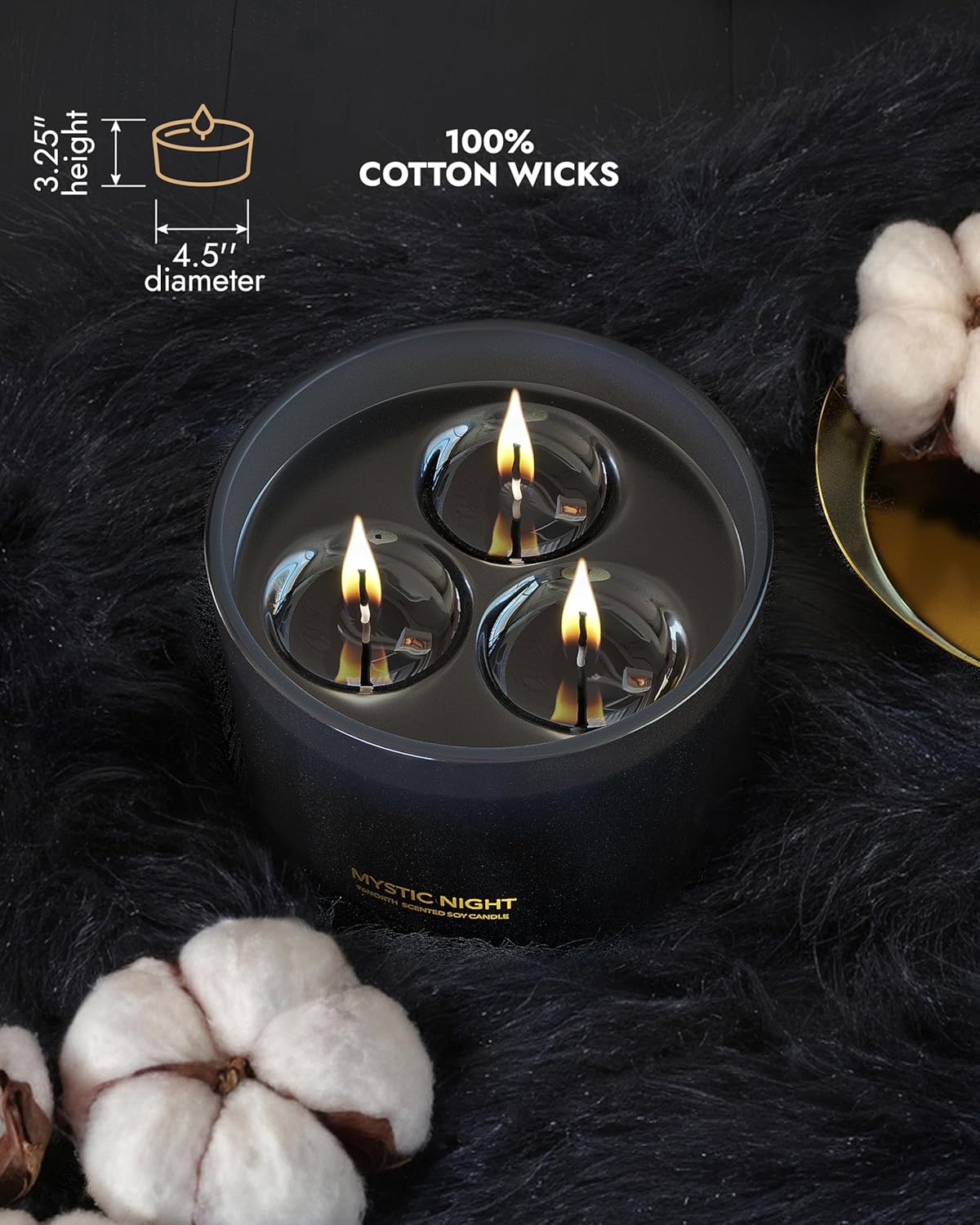
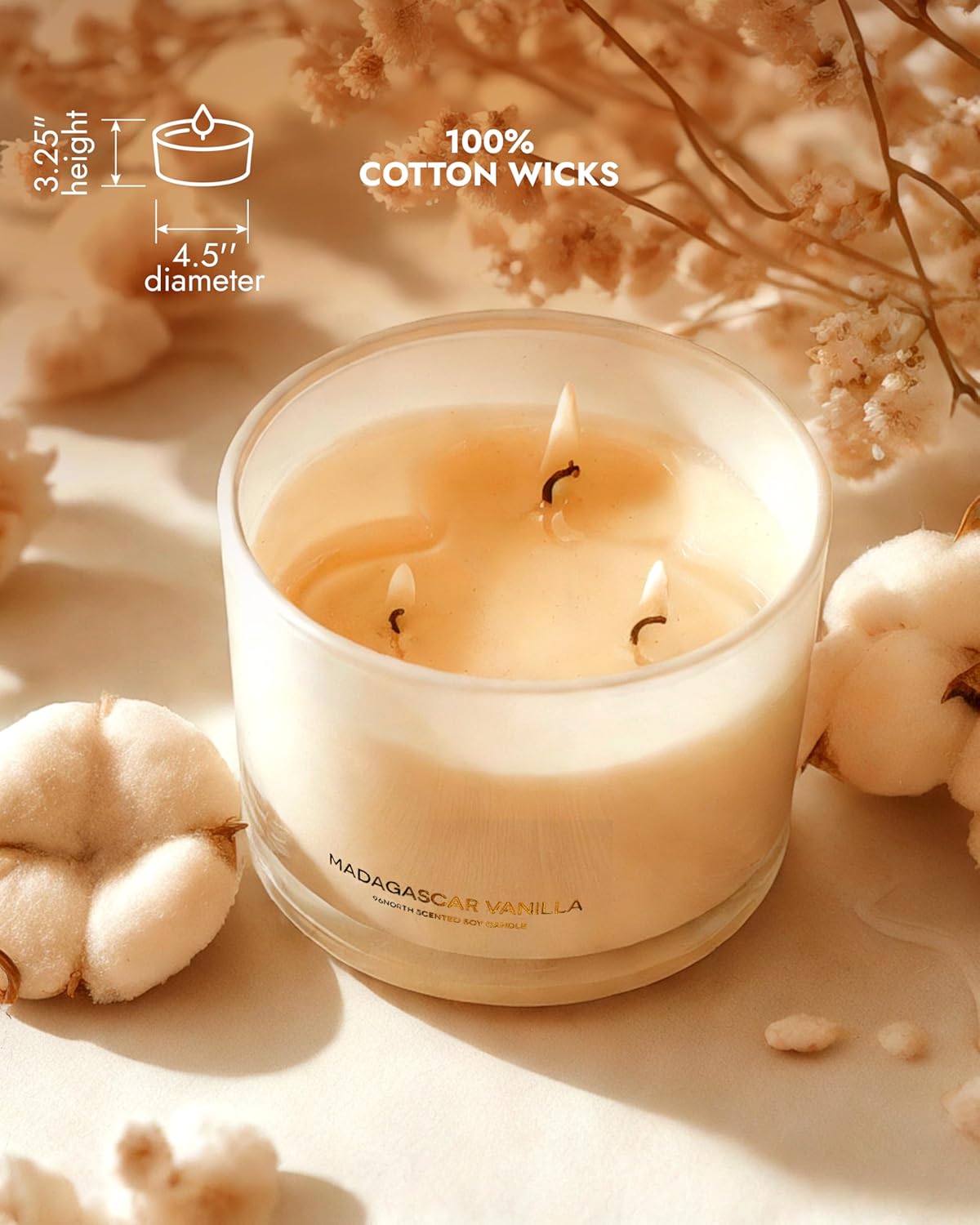
Wick quality: Lead-free cotton or wood wicks prevent heavy metal emissions.
-
Combustion environment: Proper ventilation and draft-free placement prevent uneven burning.
For a safer experience, prioritize reputable manufacturers with clear ingredient transparency over budget options with undisclosed additives. If you prefer a high-quality soy-wax option, select brands that fully disclose materials to ensure a clean, grounding self-care ritual.
5. The Wick Check: Demystifying the Lead Myth
Lead-core wicks have been banned in the United States since a 2003 CPSC ruling. While mainstream domestic candles are safe, lead concerns persist because unregulated products can bypass safety standards. These risks generally stem from:
-
Unvetted overseas imports
-
Vintage candle stock
-
Online marketplace listings with vague material specifications
To safeguard your air quality, buy from reputable sellers who practice total ingredient transparency. Look for explicit "lead-free" labeling and cotton or paper wicks as your baseline safety standard.
Also, do not mistake soot for heavy metals. The dark residue on your jar is carbon from incomplete combustion, not lead. While soot is not toxic lead, you should still treat it as a respiratory irritant. Keep your wicks trimmed to one-quarter inch to prevent soot buildup.
Choosing clean, thoughtfully engineered candles allows you to enjoy a grounding scent ritual with absolute peace of mind.
6. The Exposure Equation: Mastering Dose and Duration
Are candles bad for you? Not if you master the exposure equation: dose = quantity + duration + ventilation. Indoor air quality depends on avoiding acute particulate spikes rather than worrying about long-term daily averages. If anyone in your home has asthma, allergies, or respiratory sensitivities, establishing strict boundaries is vital to keeping the environment safe.
Aim for these "usually fine" scenarios:
-
Burning one non-toxic candle in a spacious, open room
-
Limiting burn sessions to under two hours
-
Maintaining gentle natural airflow without direct drafts or physical symptoms
Avoid these high-risk, "problematic" scenarios:
-
Lighting multiple candles in unventilated bedrooms or nurseries
-
Prolonged, daily all-day burns that generate visible soot
-
Using synthetic fragrances to mask heavy kitchen or pet odors
Always burn candles in focused sessions, then crack a window afterward to reset the air. Use the checklist below to keep your calming sensory ritual without compromising indoor air quality.

How to Keep Your Indoor Air Fresh: A 5-Step Clean-Burn Protocol
If you wonder if candles are bad for you, the answer depends entirely on your burning habits and materials. Use this repeatable five-step protocol to eliminate soot, prevent staleness, and keep your indoor air clean.
Step 1: Select the Perfect Vessel for Your Space
-
Match room size: Burn lighter scents for short sessions in small offices. Reserve rich fragrances for large living areas.
-
Choose transparent materials: Select brands that fully disclose wax types, fragrance ingredients, and wick materials.
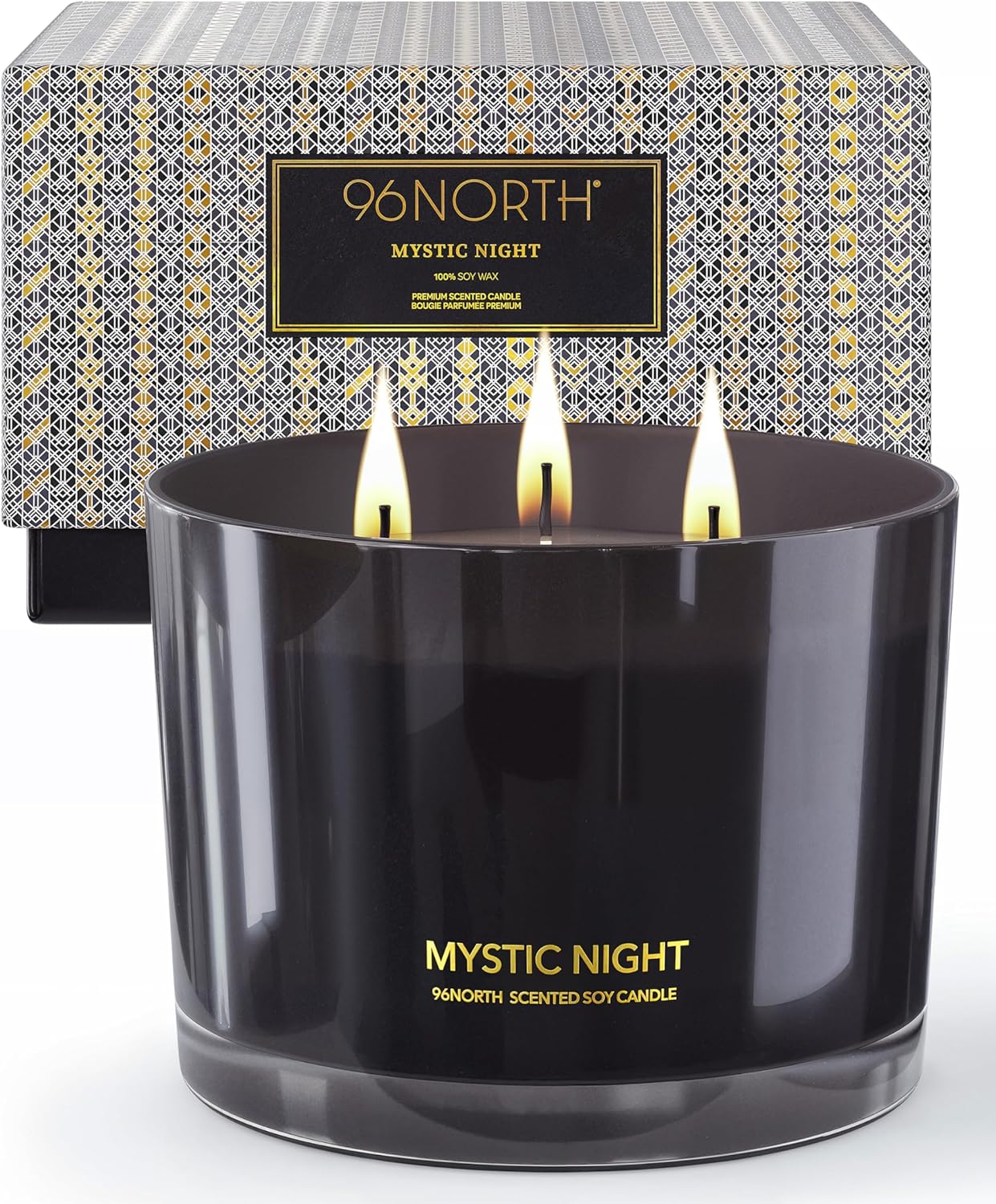
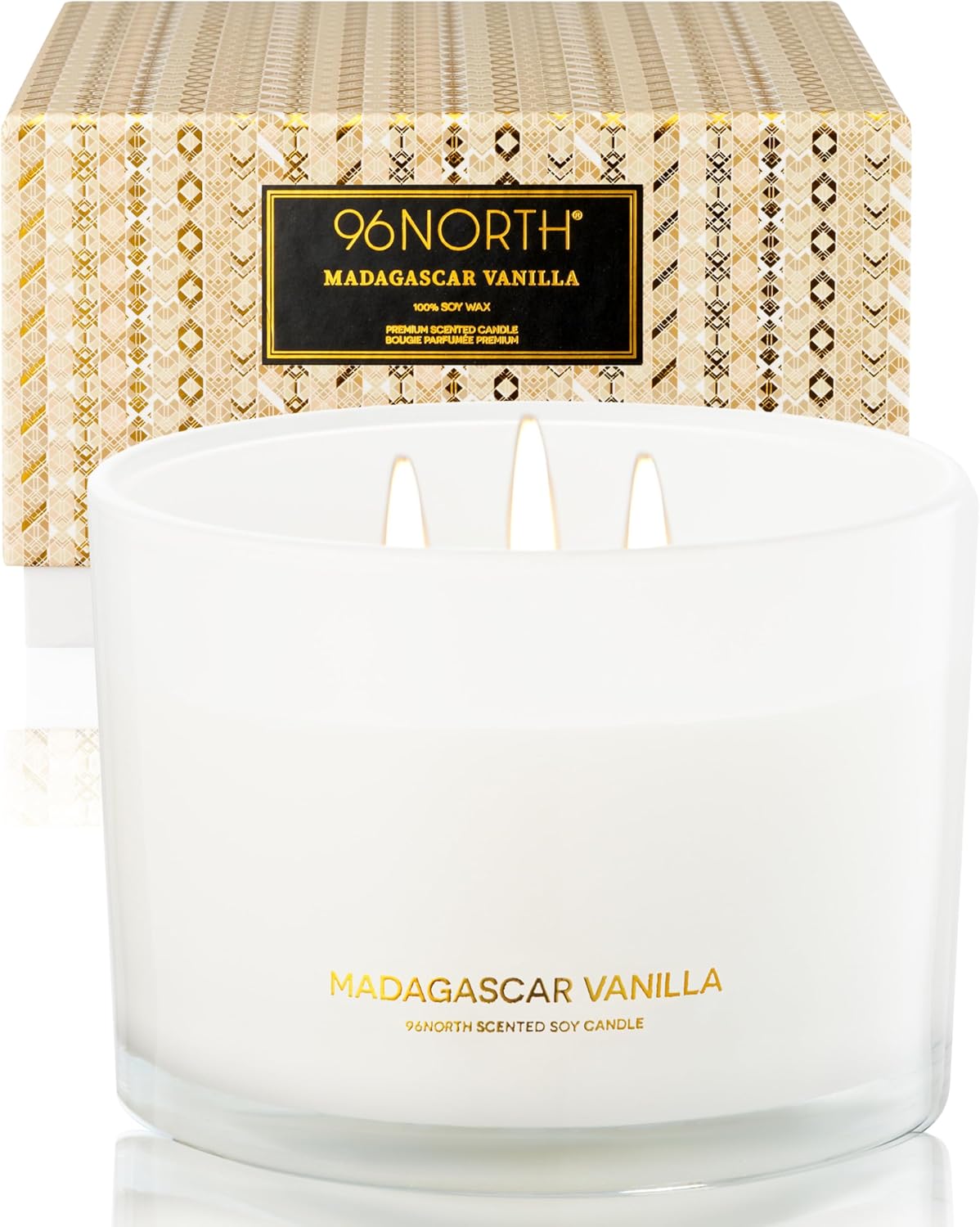
Explore 96NORTH as your daily routine companion. Curate your environment with seasonal Fall Candles, elevate your aesthetic with Decorative Candles, or enjoy clean simplicity with our ingredient-forward Pure Collection.
Step 2: Prep Before Lighting (30 Seconds)
-
Trim the wick: Cut the cotton wick to one-quarter inch before every single lighting. You will prevent smoke and black soot.
-
Clear debris: Remove dust, matches, and carbon buildup from the wax pool.
-
Place securely: Position the vessel on a stable, heat-safe surface.
Step 3: Burn Smart
-
Form a melt pool: Burn until the wax liquefies completely across the top. This prevents tunneling.
-
Avoid drafts: Keep the candle away from open doors and fans to eliminate flickering.
-
Cap the time: Limit your burning sessions to under three hours.
Step 4: Ventilate Intentionally
-
Crack a window: Open a door or window slightly during the burn to keep fresh air moving.
-
Circulate air: Run an HVAC fan or bathroom exhaust fan briefly after burning.
-
Air it out: Open windows for five minutes after extinguishing to clear heavy residual scents.
Step 5: Extinguish Without Smoke
-
Avoid blowing: Do not blow out the flame. This prevents soot and smoke from filling the room.
-
Use a tool: Gently smother the flame with a metal snuffer or dip the wick into the liquid wax.
-
Maintain the shape: Re-center the wick while the wax is warm to prepare for your next session.
Sensitive Household Guide
If your household includes babies, pets, or individuals with asthma, adapt your daily routine:
-
High Sensitivity: Use unscented soy wax or flame-free warmers.
-
Moderate Sensitivity: Limit burns to 20 minutes with light botanical scents.
Frequently Asked Questions
Are candles bad for you, toxic, or carcinogenic?
No, everyday candles are not inherently toxic or carcinogenic. When people ask if candles are bad for you, the actual risk comes down to daily exposure, ventilation, and burning habits. Any open flame releases minor amounts of soot and VOCs. Keep your indoor air clean by prioritizing proper ventilation, trimming wicks, and limiting burn times.
Are soy candles non-toxic and soot-free?
While soy candles burn cleaner and produce less visible soot than traditional paraffin, no open flame is completely emission-free. All burning wax produces some level of particulate matter. Judge your candles by how cleanly they burn in your specific space. If you notice heavy smoke or physical symptoms, simply adjust your ventilation.
Is it safe to burn candles around babies or during pregnancy?
Yes, but you should practice extra caution. Developing respiratory systems and pregnant bodies are naturally more sensitive to airborne irritants. Limit burn times to under an hour, prioritize excellent ventilation, and choose lightly scented or unscented options. Most importantly, never leave a burning candle unattended or burn one while sleeping.
Are scented candles safe around dogs, cats, and birds?
Yes, if you use them mindfully. Pets have highly sensitive respiratory systems, and birds are exceptionally vulnerable to airborne particulates. Always burn candles in open areas where your pets have an easy exit route to another room. Watch for symptoms like sneezing, coughing, or lethargy, and stop use if you notice any changes.
What is the safest way to enjoy a candle atmosphere?
The lowest-risk way to enjoy the classic candle vibe is to pair flameless LED candles with short, highly ventilated scent sessions. Keep your home’s baseline air clean by regularly changing HVAC filters. When you do burn a wax candle, use a metal snuffer instead of blowing it out to prevent smoke.