
Your home should be a recovery space, but greenwashed marketing hides the respiratory risks of cheap wax. Because safety claims are unregulated, you need a strict checklist instead of corporate trust.
For parents and pet owners, the goal is lower-risk indoor air, not impossible zero exposure. This eight-criterion guide helps you evaluate wax, wicks, and fragrance transparency so you can easily identify truly non toxic candles.
1. Define "Safe" Beyond Greenwashed Labels
A verifiably non toxic candle is designed to reduce avoidable indoor air irritants using safer wax, lead-free wicks, and disclosed ingredients. It is not defined by unregulated marketing buzzwords like "all-natural," "eco," "clean," or "essential oils only" without verifiable data. True safety is measurable, transparent, and controlled.
To bypass greenwashing and protect your family's air quality, you can audit any product label or page in under 60 seconds by verifying three clear standards:
-
Full wax disclosure: Look for "100% soy wax" or coconut wax rather than a mysterious "natural blend" that often hides petroleum-based paraffin.
-
Explicit wick safety: Confirm the wick material is explicitly stated as lead-free cotton, paper, or wood.
-
Fragrance transparency: Ensure the formula is phthalate-free, IFRA-compliant, and fully discloses potential allergens.
Using this quick baseline ensures your daily sensory rituals ground your mind without introducing avoidable respiratory hazards.
2. Decode the Soy vs. Paraffin Wax Tradeoff
When shopping for non toxic candles, wax chemistry is only one variable in the emissions equation. Soot and safety depend equally on wick quality and proper burn habits. Still, understanding the raw materials helps you protect your indoor air quality.
-
Paraffin: A petroleum byproduct. It delivers a highly efficient scent throw but carries higher soot concerns for sensitive households.
-
Soy: A biodegradable, plant-based alternative. It is marketed as cleaner and burns slower, though aromatic performance depends heavily on the brand's formulation.
The ultimate shopper trap is the term "soy blend," which manufacturers use to mask cheap petroleum bases. Unless a label states exact percentages, a blend can contain as little as 10% soy.
Label Language to Trust:
-
"100% natural soy wax"
-
"Disclosed blend: 80% soy, 20% coconut wax"
Label Language to Avoid:
-
"Proprietary soy blend"
-
"Premium wax blend" (usually hides paraffin to cut production costs)
3. Look Beyond the Soy and Paraffin Binary
Shopping for non toxic candles means looking beyond the basic soy-versus-paraffin binary to find options that match your health and lifestyle priorities.
-
Beeswax: Naturally aromatic with a honey-like scent, this single-ingredient wax is ideal for purification but is not vegan and can overpower delicate added fragrances.
-
Coconut Wax: Delivers an exceptionally smooth burn and strong scent throw. Because of its low melting point, brands usually blend it with other waxes, so check the label for additives.
-
Emerging Alternatives: Apricot-coco and rapeseed (canola) waxes offer slow, clean burns. Since these are newer to the market, ask brands to disclose their exact processing methods.
When shopping, always buy candles with specifically named waxes rather than vague terms like "vegetable wax." If you have respiratory sensitivities, avoid unlabeled dyes and chemical additives.
4. Demystify Candle Scent and Fragrance Safety
Scent is the most complex variable when choosing non toxic candles. While "fragrance" or "parfum" on a label often acts as a chemical black box, natural essential oils are not a universal remedy. Plant extracts contain natural allergens that can trigger headaches or respiratory irritation in sensitive individuals and pets just like synthetics.
To navigate this safely, prioritize absolute ingredient disclosure over generic "all-natural" marketing:
-
Phthalate-Free Baseline: Use this as a bare minimum safety standard, not a final guarantee.
-
IFRA Compliance: Look for brands adhering to International Fragrance Association safety and purity standards.
-
Allergen Transparency: Choose companies that openly publish their fragrance policies and chemical breakdowns.
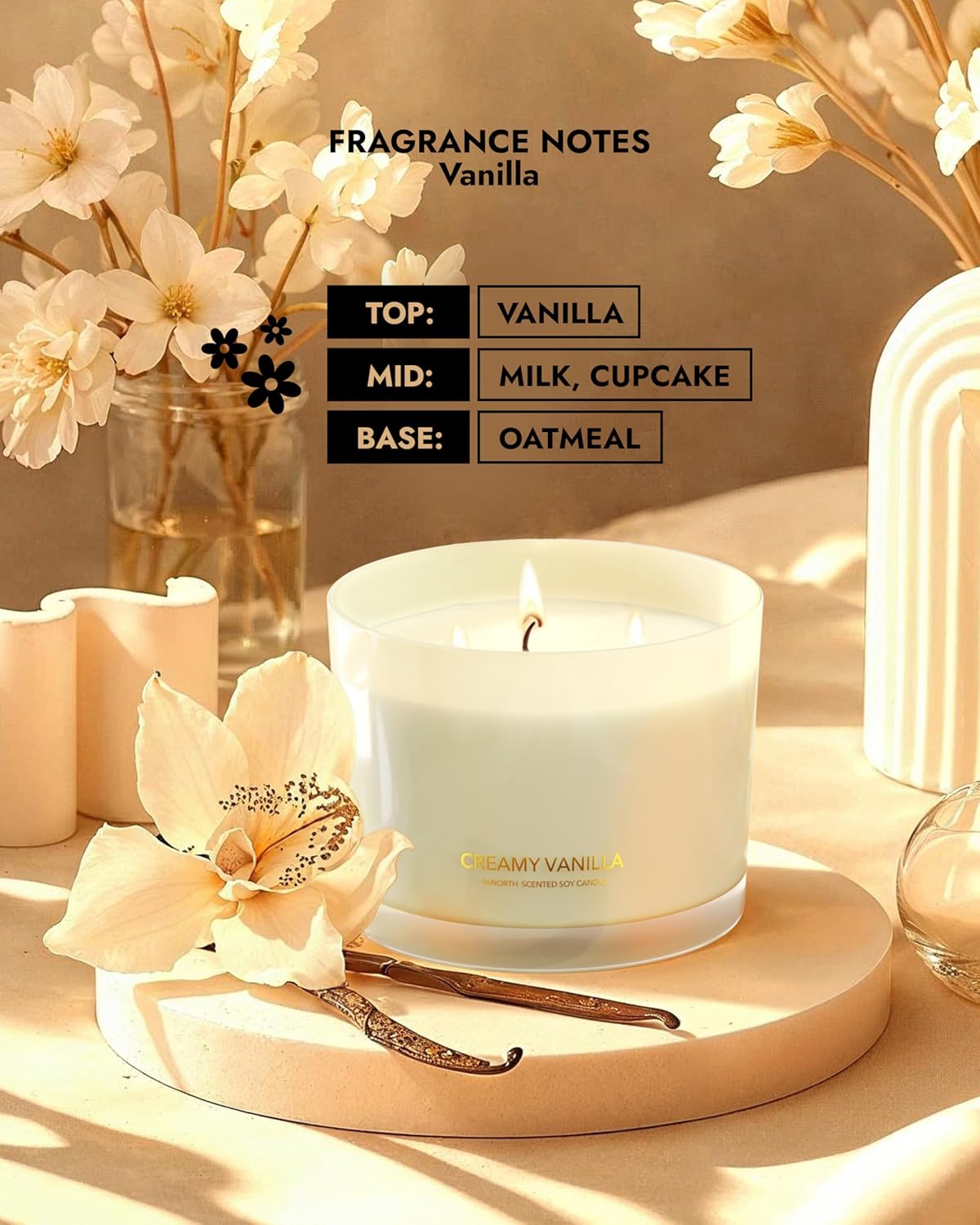
For households with infants, asthma sufferers, or sensory sensitivities, stick to unscented options or low-intensity throws. To browse clean, responsibly formulated options for your space, shop by scent profile to find your home’s perfect sensory match.
5. Match Fragrance Choices to Your Household's Realities
You want a cozy ambiance, but you won't gamble with your family's respiratory health. Safely enjoying non-toxic candles means matching fragrance choices to your household's daily realities.
For spaces with children, infants, or sensitive individuals, use these practical selection rules:
-
Light Profiles: Choose crisp, clean scent profiles. Avoid overpowering, smoky, or heavily spiced options that can irritate sensitive respiratory tracts.
-
Low Fragrance Load: Opt for unscented or low-intensity soy options in nurseries and bedrooms.
-
Smart Habits: Prioritize room ventilation and limit burn times to two hours instead of marathon, all-day burning.
If you have pets, remember that some essential oils cause adverse reactions. Default to conservative, pet-friendly choices, keep vessels out of reach, and monitor for behavioral changes. Prioritizing household tolerance over fleeting marketing trends ensures you can enjoy a comforting glow without compromise.

6. Verify Your Wick to Ensure Clean, Lead-Free Combustion
When sourcing non toxic candles, the wick is as critical as the wax. A low-quality wick can release heavy soot, disrupt burn stability, and introduce heavy metals. Although the US banned lead wicks in 2003, cheap imports often bypass safety standards. Buying a certified lead-free wick candle is essential for clean indoor air.
When shopping online, look for explicit material disclosures. Safe options include:
-
Lead-free cotton wicks: Often braided with paper cores for stability.
-
Wood wicks: Clean-burning and sustainably sourced.
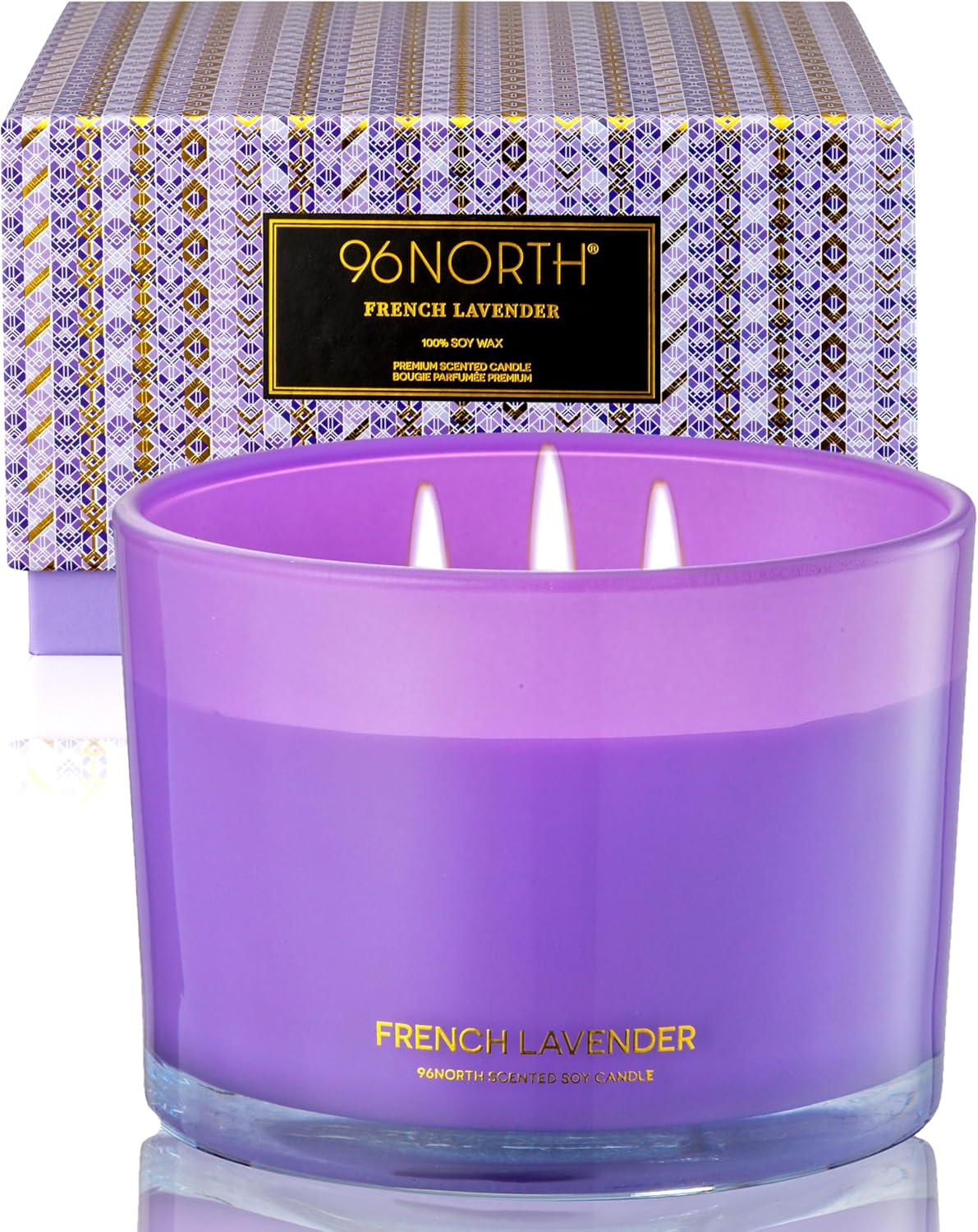
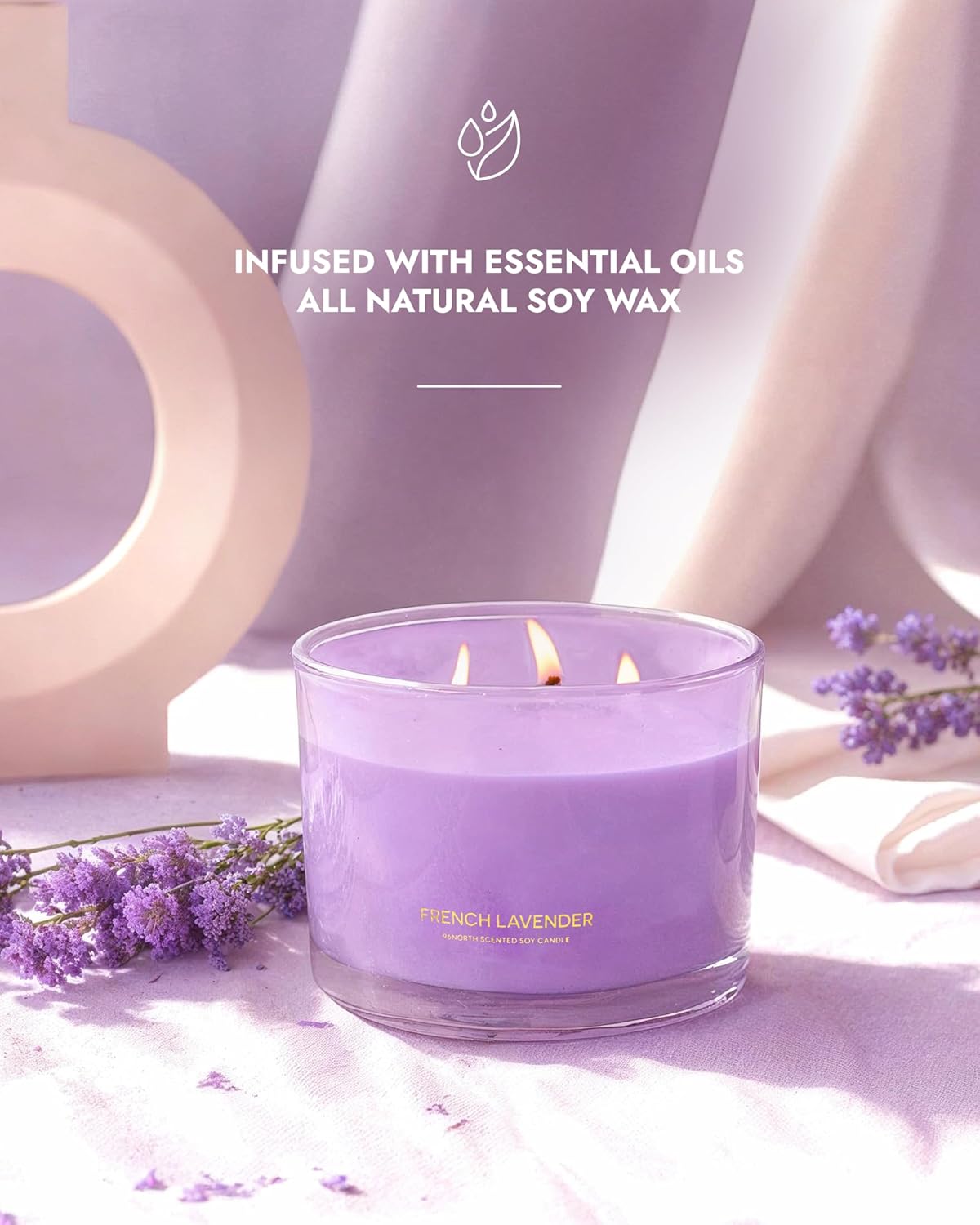
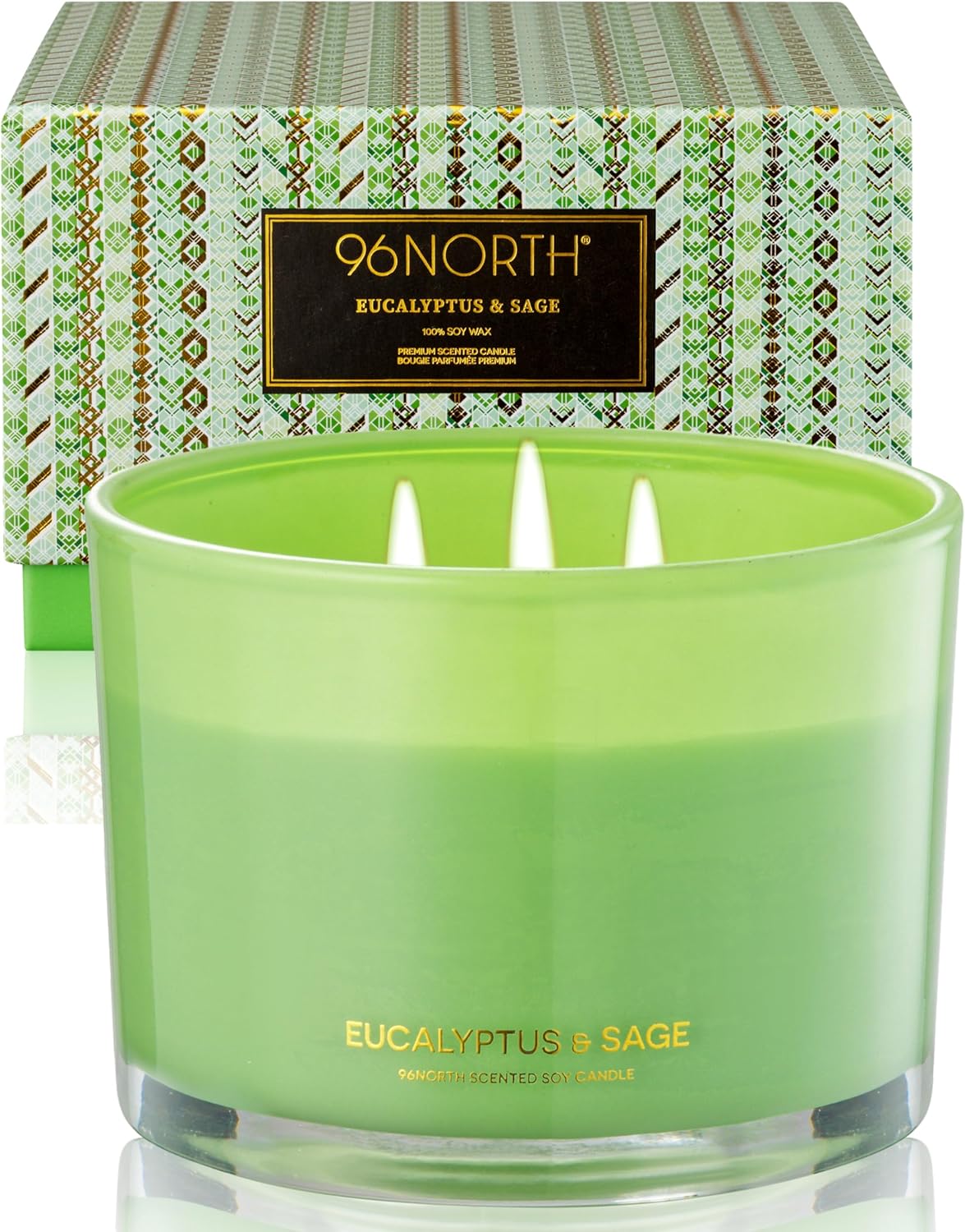
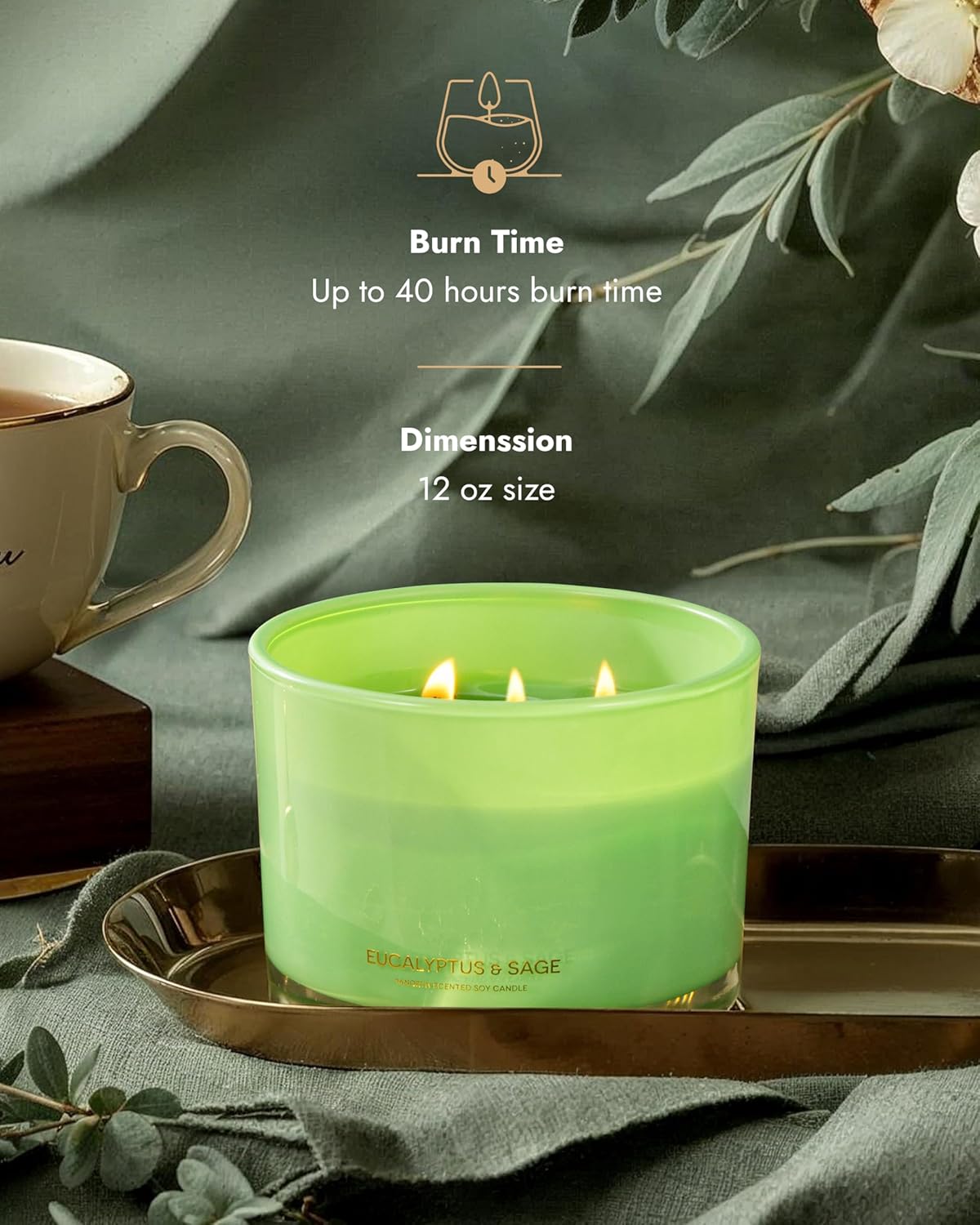
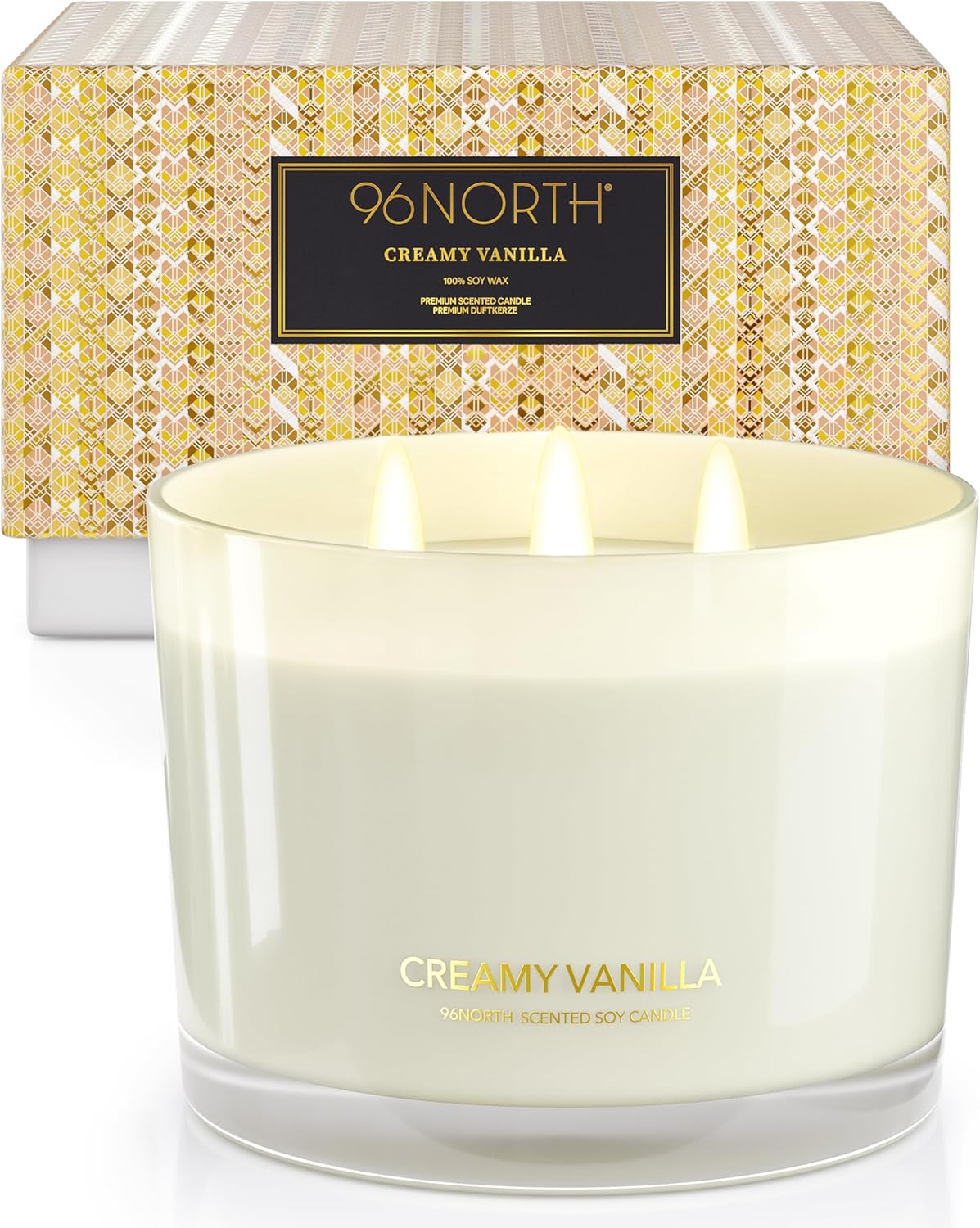
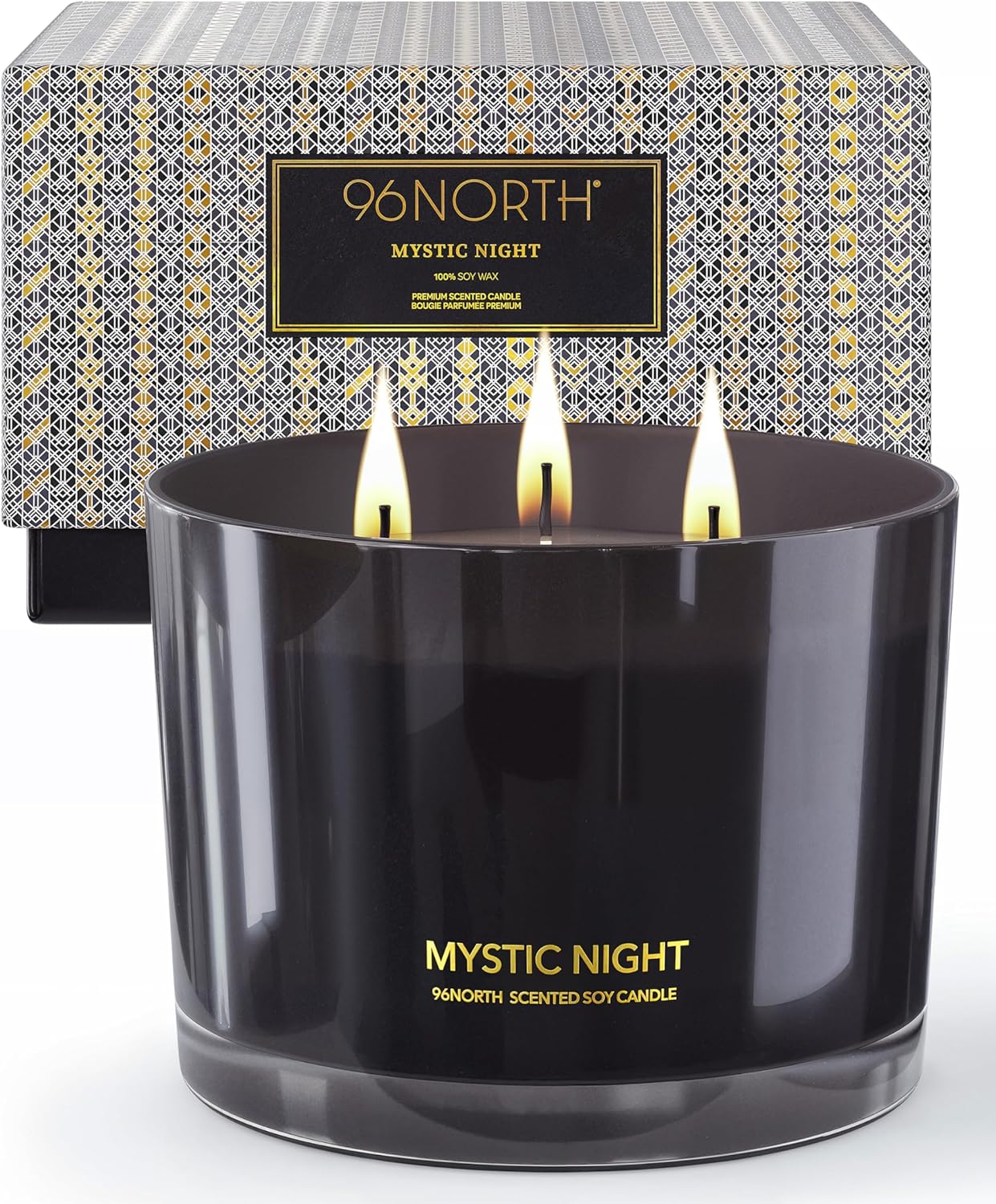
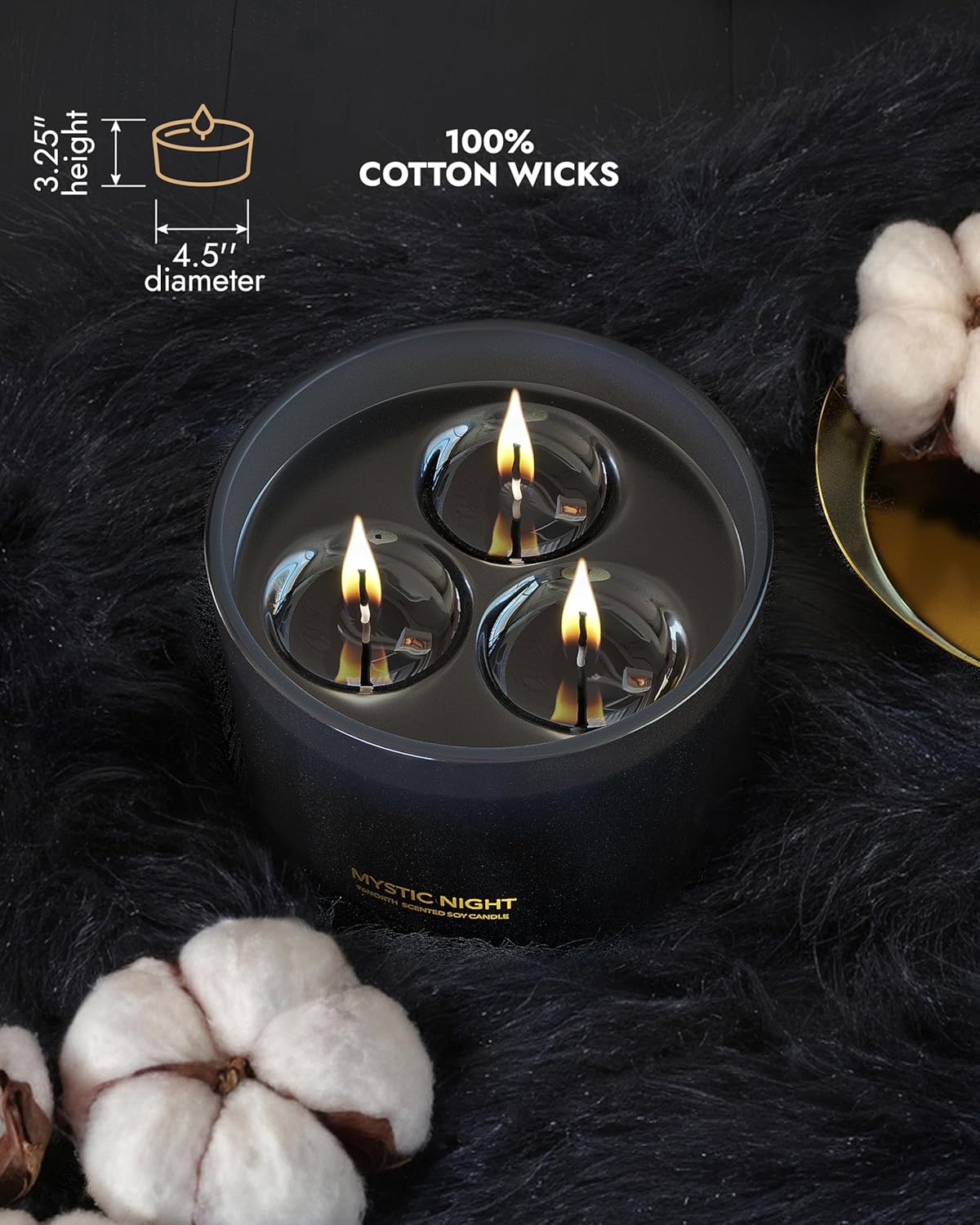
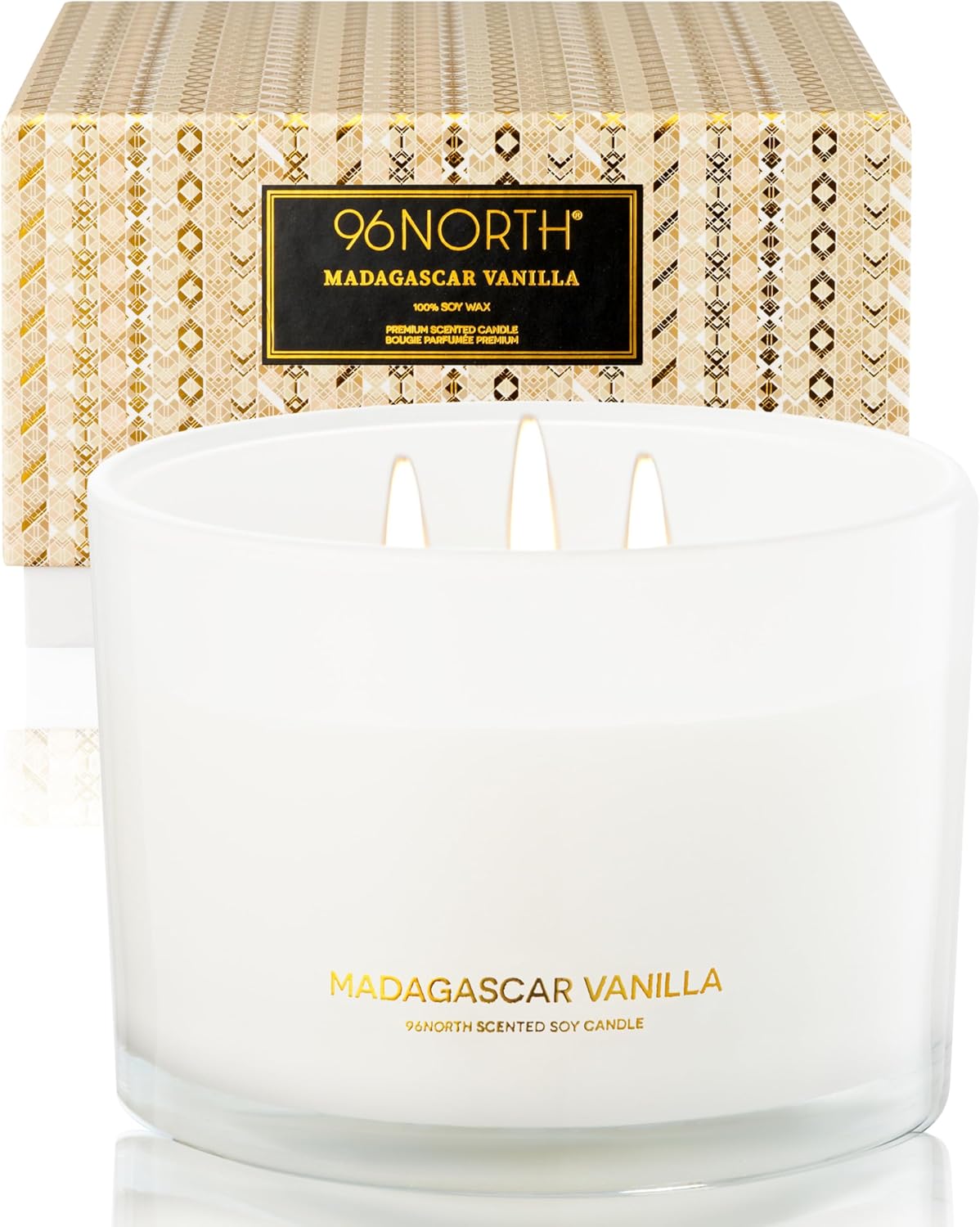
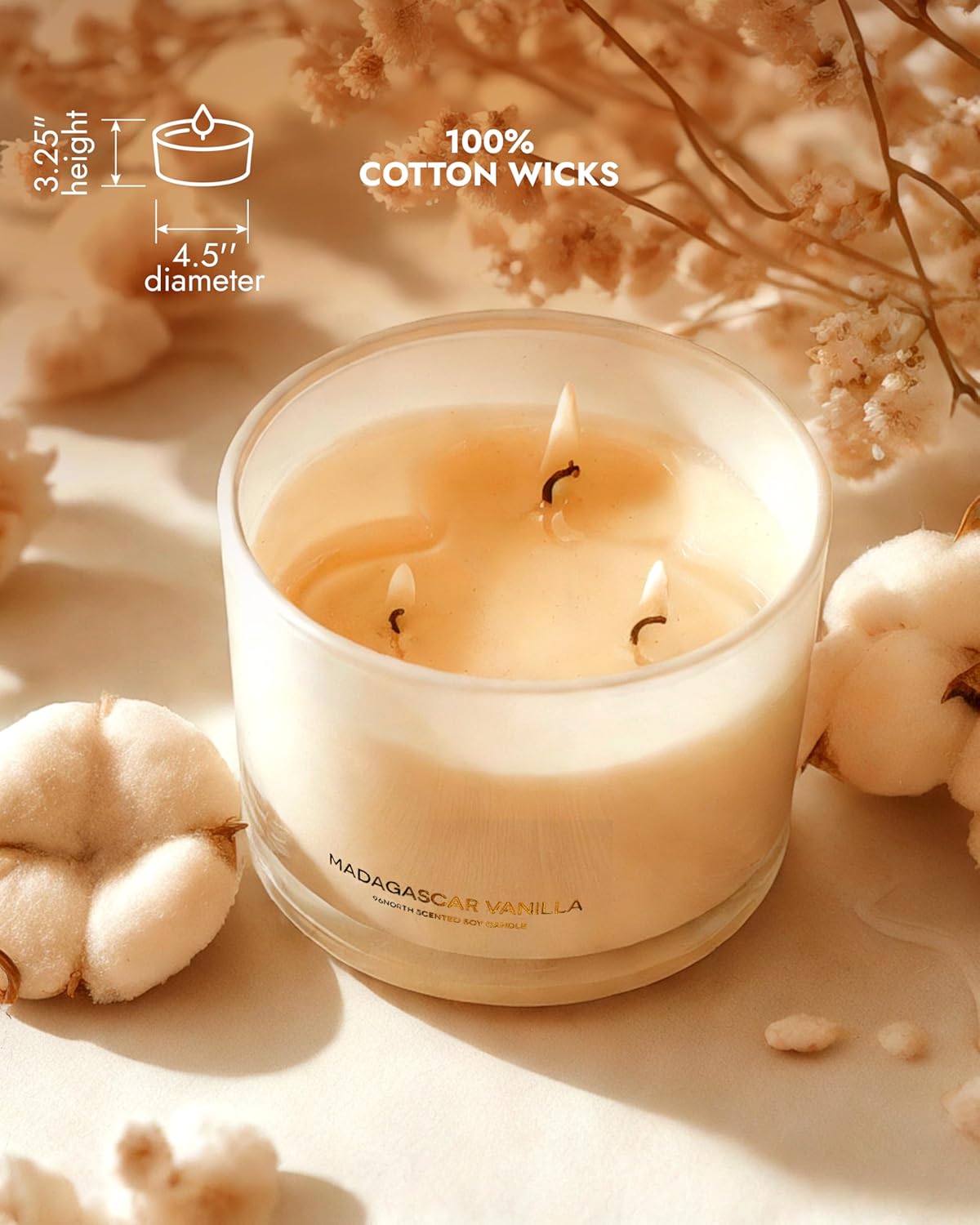
Avoid brands using vague terms like "premium natural wick" without specifying the material. If a brand lacks clear compliance statements, paste this quick script to customer support: "What is the wick core made from? Is it lead-free and lab-tested?" Trusted brands like 96NORTH eliminate this guesswork by using fully disclosed, lead-free cotton wicks to guarantee a clean, restorative burn.
7. Spot Greenwashing Red Flags and Demand Transparency
Vague labels prevent you from knowing what is actually burning in your home. When evaluating non toxic candles, brand silence is often a deliberate choice to hide cheap, synthetic ingredients.
Screen out sketchy options by identifying these common red flags:
-
"Natural fragrance" without an allergen disclosure or safety policy.
-
"Soy blend" or "vegetable wax" without listing the component percentages (often hiding paraffin).
-
Unspecified wick materials that may contain hidden lead or heavy metals.
-
No burn instructions, which indicates low-care mass manufacturing.
True transparency means having a dedicated ingredient policy page for wax, wick, and fragrance standards. If a brand hides these details, email support and ask: "Can you provide the exact material safety data sheet for your wax and wick?" Honest brands reply immediately, keeping your indoor air safe.
8. Master the Candle Care Habits That Prevent Soot and Smoke
Even the cleanest non toxic candles can burn dirty and release soot if poorly managed. Your indoor air safety is determined as much by daily burn habits as the wax source itself.
Adopt three non-negotiable rituals to protect your air quality:
-
Trim the wick: Cut the wick to one-quarter inch before every burn to limit flame size and prevent smoke.
-
Prevent tunneling: Allow the wax to melt completely to the vessel edges during the first burn to stop uneven pooling.
-
Avoid drafts: Keep the candle away from open windows and air vents, as moving air destabilizes the flame.
If you see smoke, immediately extinguish the flame, trim the wick, and reposition the vessel. These three simple habits give you immediate control over your space, reducing irritation without requiring a stressful brand switch.
How to Verify Non-Toxic Candles: The 60-Second Checklist
Screenshot this rapid-audit checklist before buying to ensure your space remains a safe, recovery-focused sanctuary free from indoor pollutants.
Step 1: Run the Quick Pre-Check
Do this before falling in love with a scent name:
-
Confirm the wax: Look for 100% soy, coconut, or beeswax. Demand explanations for any blends.
-
Inspect the wick: Verify it is lead-free cotton, paper, or wood.
-
Check the fragrance: Ensure a phthalate-free baseline and clear transparency policy.
Step 2: Screen the Avoid List
Reject products with these red flags:
-
"Proprietary blend" labels with zero wax percentages.
-
"Fragrance" or "parfum" without a transparent safety policy.
-
No burn instructions or missing customer support details.
Step 3: Use This Copy-Paste Brand Audit
Send this message directly to customer service: "What is your exact wax percentage, what material is your wick core, what fragrance standards do you use, and what is your dye or additive policy?"
To simplify your search for genuine non toxic candles, explore 96NORTH for fully transparent, restorative home fragrances. Browse our scented candles for daily grounding, or set the perfect tone with our seasonal candles and comforting winter candles.
Frequently Asked Questions About Non-Toxic Candles
What candles are non toxic, really?
A non-toxic candle is defined by a fully disclosed wax base, a lead-free wick, complete fragrance transparency, and clean-burning habits. Because "non-toxic" is not a legally regulated marketing term, you cannot rely on labels alone. True safety requires verifying that the manufacturer actively avoids heavy metals, phthalates, and hidden petroleum-based paraffin.
Are soy candles non-toxic compared to paraffin?
Soy candles are generally a safer default for indoor air quality because they are made from biodegradable, plant-based wax. While paraffin is not an automatic poison, it is a petroleum byproduct that carries a higher risk of heavy soot. For the cleanest burn, prioritize 100% soy wax over vague "soy blends" and practice strict burn hygiene.
What is a lead-free wick candle and how do I verify it?
A lead-free wick candle uses a burning core made strictly from safe materials like cotton, paper, or wood instead of toxic heavy metals. To verify this, look for explicit "lead-free" labels and clear material disclosures. Avoid brands with vague claims, and ask customer support directly if they test their wick cores for lead.
Are essential oil candles always safer than fragrance candles?
No, essential oil candles are not automatically safer. Natural plant extracts contain volatile organic compounds and allergens that can trigger respiratory irritation, headaches, or pet toxicity. Ingredient transparency is far more important than natural buzzwords. If you are pregnant, highly sensitive, or decorating a nursery, consider low-intensity or unscented candles instead.
How can I make any candle less irritating to burn?
You can reduce irritation by trimming the wick to one-quarter inch before every light. Keep the candle away from drafts, limit burn times to under four hours, and ensure proper room ventilation. If you notice any smoke or dark soot, extinguish the flame immediately and adjust the wick. See our candle care section above for a complete breakdown.