
You shut your laptop, but your mind keeps racing and your body feels tense. When you cannot turn off after a long workday, sensory anchors help reset your environment. While they do not cure clinical disorders, using essential oils for anxiety sends immediate relaxation cues directly to your nervous system. Here is a shortlist of the most calming botanical oils to use in your diffuser, candles, or bedtime routine.
Start with the most versatile option.
1. Lavender: The Universal Safety Signal
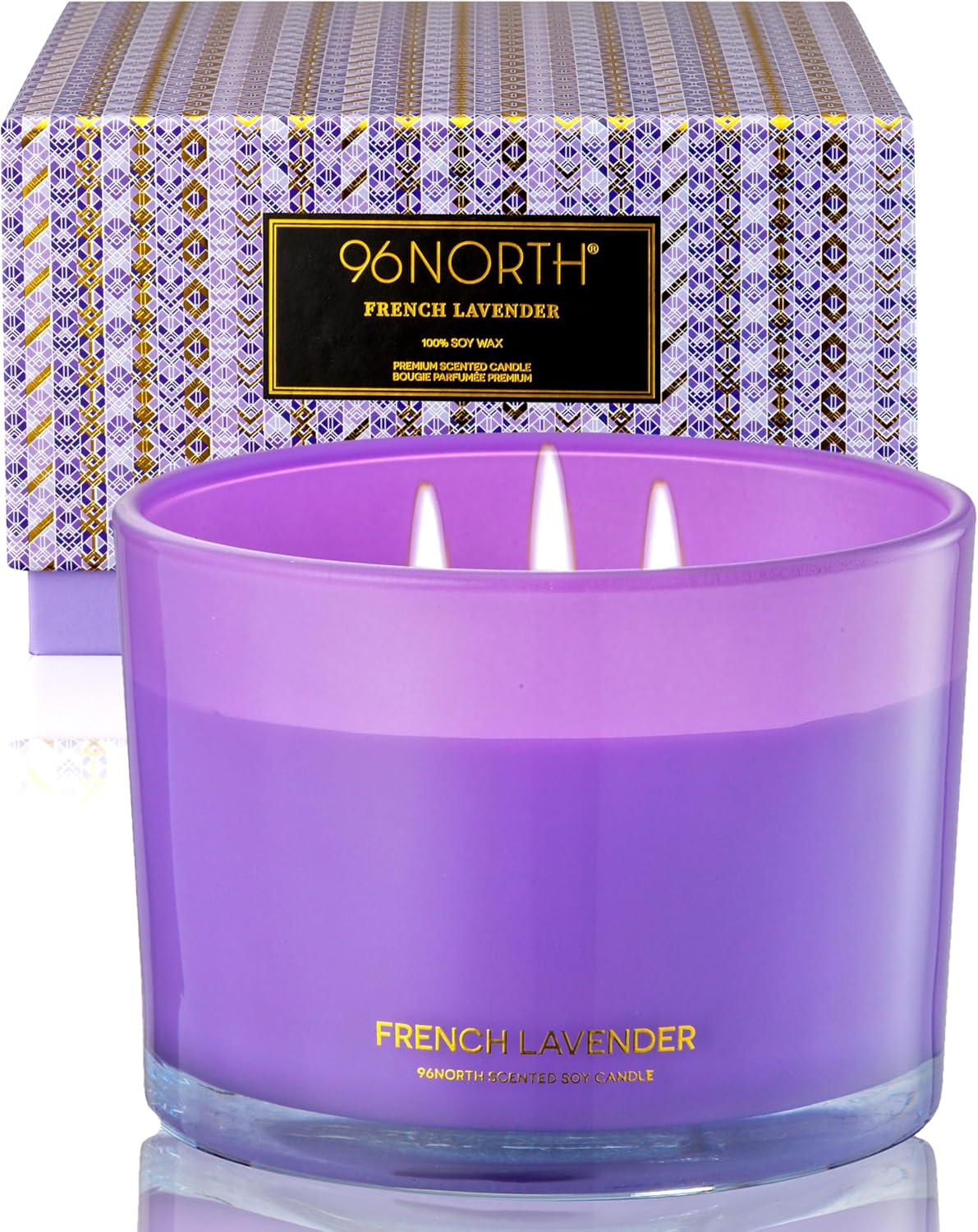
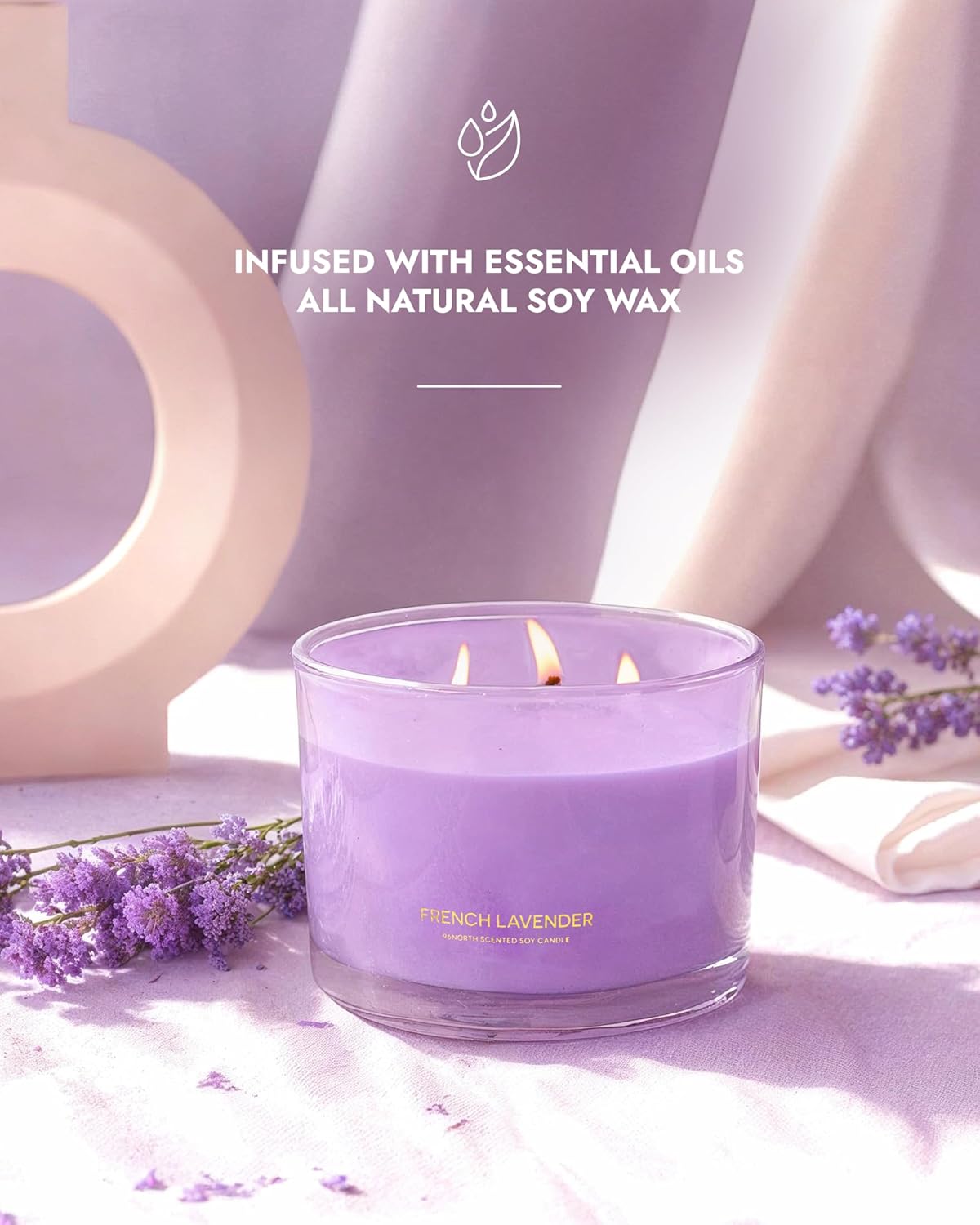
When bedroom lights go out and your mind stays active, lavender serves as the ultimate starting point for using essential oils for anxiety. This botanical scent acts as a physiological safety signal, gently prompting your nervous system to transition from high alert to safe enough to rest.
Best for:
-
Calming evening anxiety
-
Quieting a busy mind
-
Supporting sleep wind-down
How to use:
-
Diffuser: Run for 20 to 30 minutes during your digital-sunset routine while showering.
-
Bedtime anchor: Mist a properly diluted spray onto pillows or light a clean lavender soy candle.
Safety note: Never apply undiluted essential oil directly to your skin. Discontinue use if you experience headaches or nausea.
2. Sweet Orange: The Weightless Mood Lifter
When anxiety feels heavy, traditional sedative botanicals can leave you feeling depleted. You need a sensory reset that lifts your mood without inducing drowsiness. Sweet orange offers a bright, sun-drenched alternative among essential oils for anxiety, clearing midday mental fog while gently soothing the nervous system.
Best for:
-
Daytime stress, workspace anxiety, and midday slumps
-
Emotional overwhelm
How to use:
-
Diffuser: Run a morning or afternoon cycle to reset the tone of your room.
-
Quick inhale: Place 1 to 2 drops on a clean tissue (never directly on skin) for an immediate calming pause.
Safety note: Citrus oils can irritate skin and airways. Use conservatively around children and pets (especially cats), and keep rooms well-ventilated.
3. Roman Chamomile: The Gentle Bedtime Exhale
For sensitive users and parents seeking soft support, Roman Chamomile offers a quiet space to land. This nurturing oil helps the nervous system settle, encouraging a physical exhale rather than a surge of energy. It is one of the most soothing essential oils for anxiety, easing restless minds into safe, natural sleep.
Best for:
-
Irritability and restlessness
-
Pre-sleep rumination
How to use:
-
Night diffuser blend: Pair with lavender to create a calming evening environment.
-
Bedtime cue: Massage a diluted roller blend onto wrists or neck as a sensory signal to sleep.
Safety note: Always patch test first. Avoid this oil if you have known sensitivities to the daisy or ragweed family.
4. Frankincense: The Grounding Anchor
When mental chatter blocks your transition from work to rest, light florals can feel too fleeting. Deep, resinous oils like frankincense offer a heavier sensory anchor. Pairing these earthy aromas with slow, conscious breathing signals physiological safety to your nervous system. This is a powerful way to use essential oils for anxiety to establish clear daily boundaries.
Best for:
-
Quieting rapid mental chatter
-
Transitioning from work to home
How to use:
-
Diffuser breathwork: Take 4 to 6 slow breaths as the warm aroma disperses.
-
Evening candle ritual: Burn a rich, woody soy candle to mark your shift's end.
Safety note: Start with a low dose. Strong resinous scents can feel overwhelming if you are already highly keyed up.

5. Ylang Ylang and Florals: The Tension Softener
When stress clenches your body, heavy florals can feel overpowering. When micro-dosed correctly, botanical florals like ylang ylang act as physical softeners, making them excellent essential oils for anxiety to release a tight chest.
Best for:
-
Wired-but-tired tension
-
Stress held physically in the body
How to use:
-
Diffuser micro-dose: Use one or two drops. A subtle whisper of floral relaxes better than a heavy cloud.
-
The grounding blend: Pair ylang ylang with cedarwood to cut the sweet overload.
Reality check: Calm is personal. If florals trigger headaches or feel cloying, skip them. Always ventilate your space and use it conservatively around pets and children.
6. Clary Sage: The Hormonal and Heavy-Stress Release
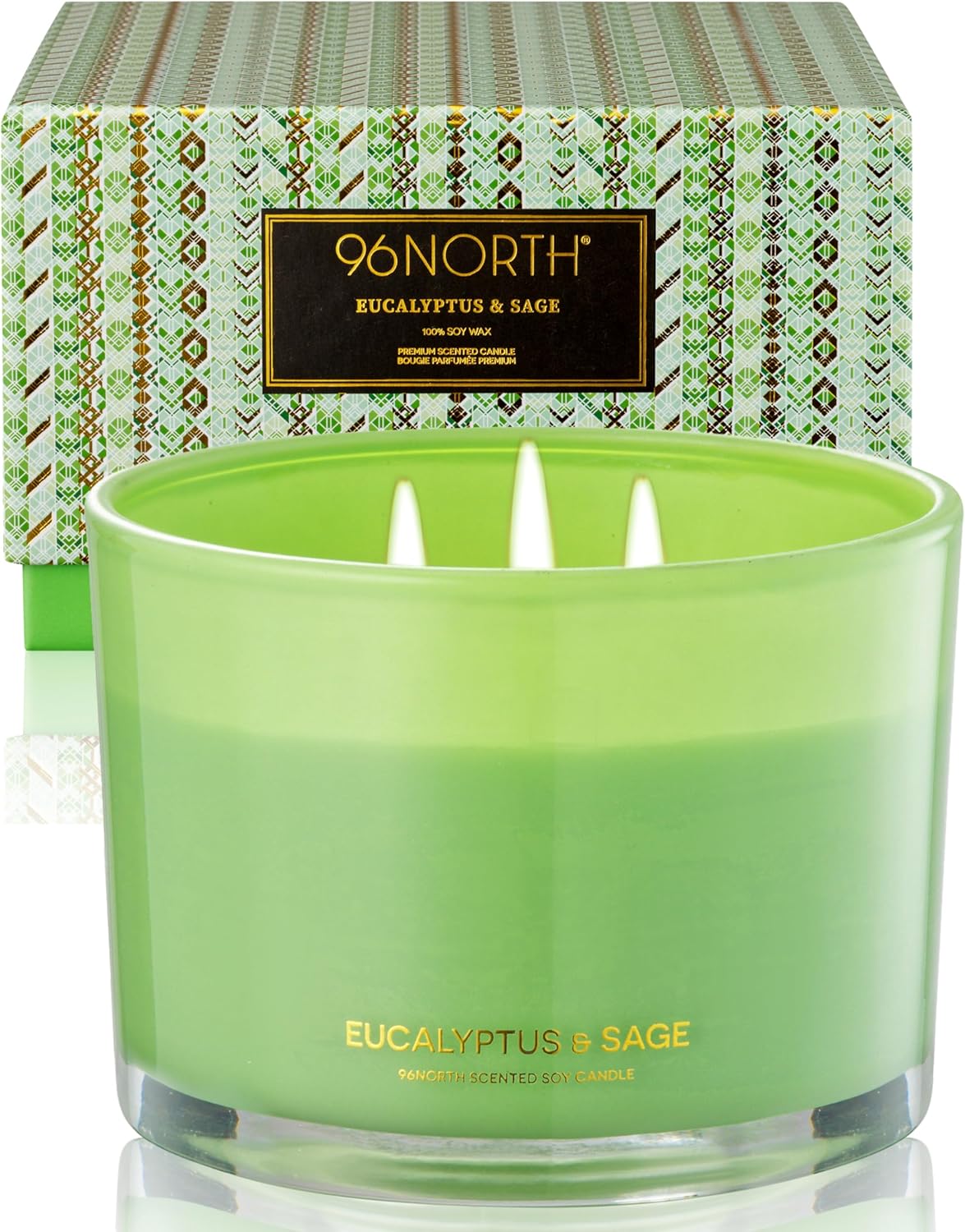
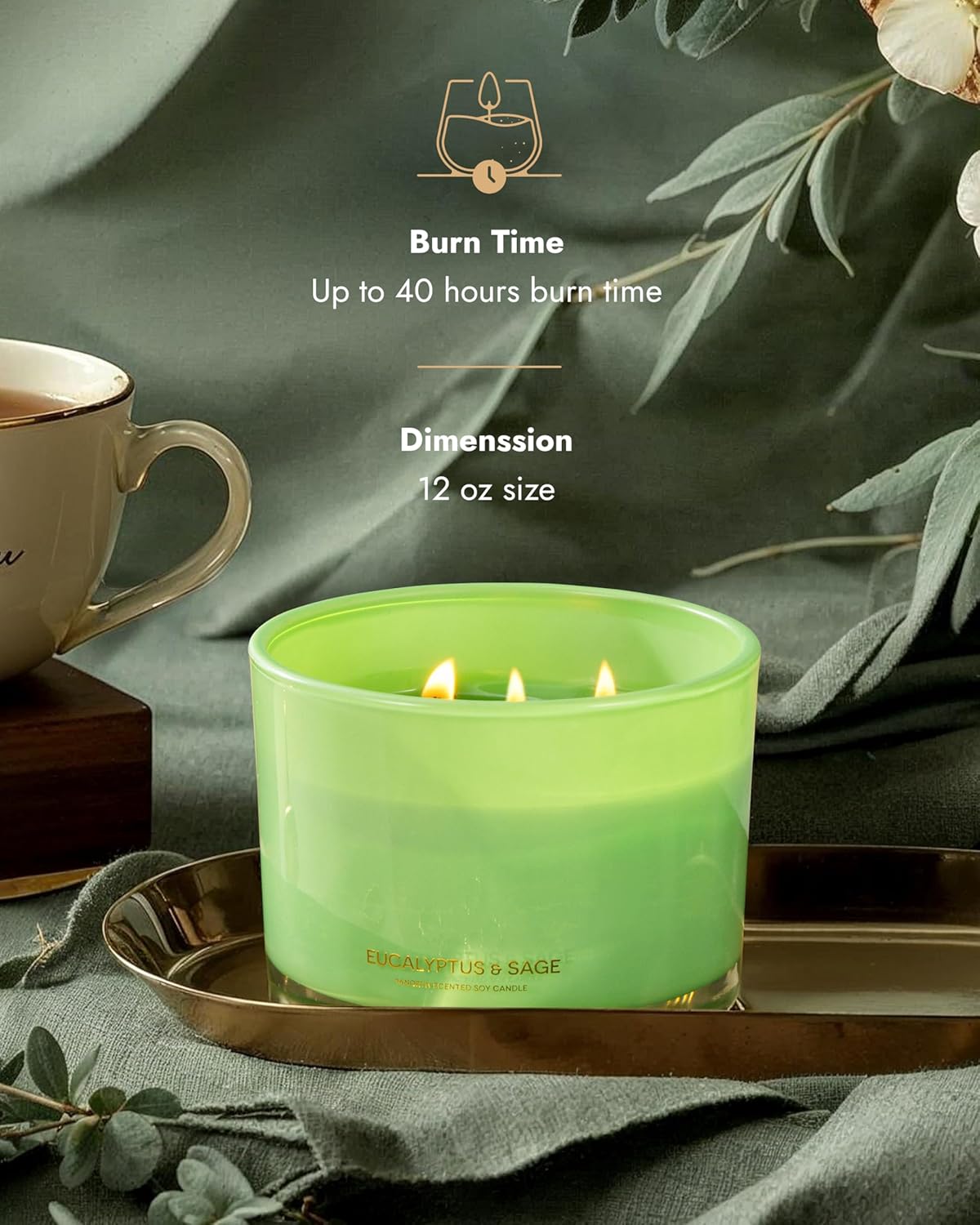
When anxiety manifests physically or pairs with hormonal shifts, standard relaxation methods fall short. Clary sage is highly regarded among essential oils for anxiety when stress triggers physical tightness, offering a grounding, musky aroma that settles irritability and somatic tension.
Best for:
-
Cycle-related tension and moodiness
-
Somatic stress and tight shoulders
-
End-of-day sensory decompression
How to use:
-
Warm shower diffusion: Run your diffuser during a hot shower to stack sensory relaxation cues.
-
Off-duty roller: Apply a diluted blend to your neck and shoulders to signal it is time to unplug.
Safety note: Avoid during pregnancy unless cleared by a clinician. Always dilute with carrier oil.
7. Cedarwood: The Grounding Base Note
When your mind is spinning, light citruses and sweet florals can feel too fleeting. Cedarwood offers a rich, stabilizing presence that quiets a hyperactive nervous system, making it one of the most grounding essential oils for anxiety. This woody base note acts as a physical anchor to slow rapid thoughts and ease evening restlessness.
Best for:
-
Physical restlessness and overthinking
-
Trouble settling down at night
How to use:
-
Bedroom diffuser: Run a 20-minute session before sleep rather than diffusing all night.
-
Blend backbone: Pair with lavender or chamomile to anchor your evening routine.
Safety note: Keep doses low and avoid undiluted skin application.
8. Candles vs. Diffusers: Choosing Your Sensory Anchor
Many worry that lighting a candle is just for home fragrance, not real therapy. Both delivery systems successfully utilize essential oils for anxiety to anchor your nervous system, but they serve different emotional goals.
-
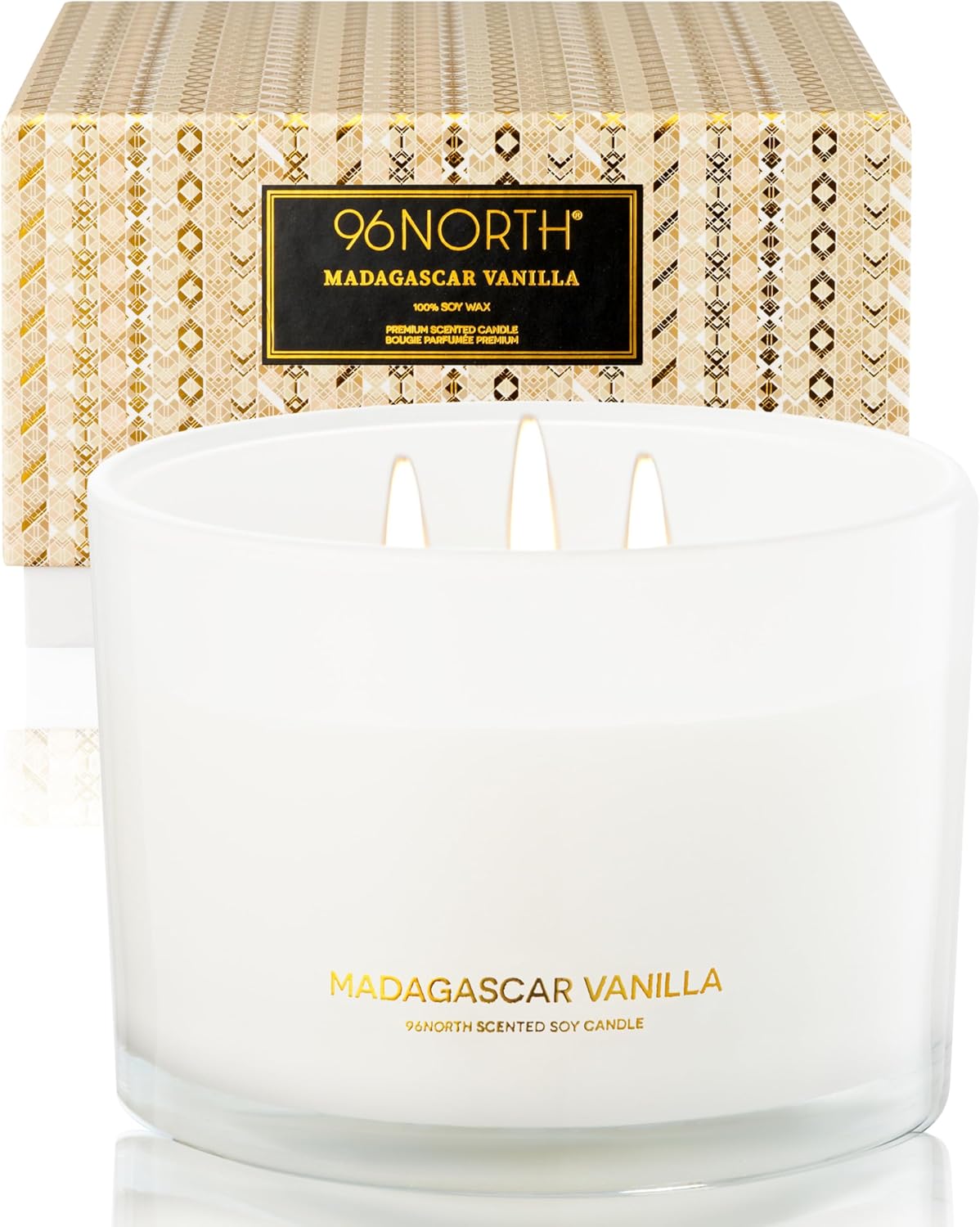
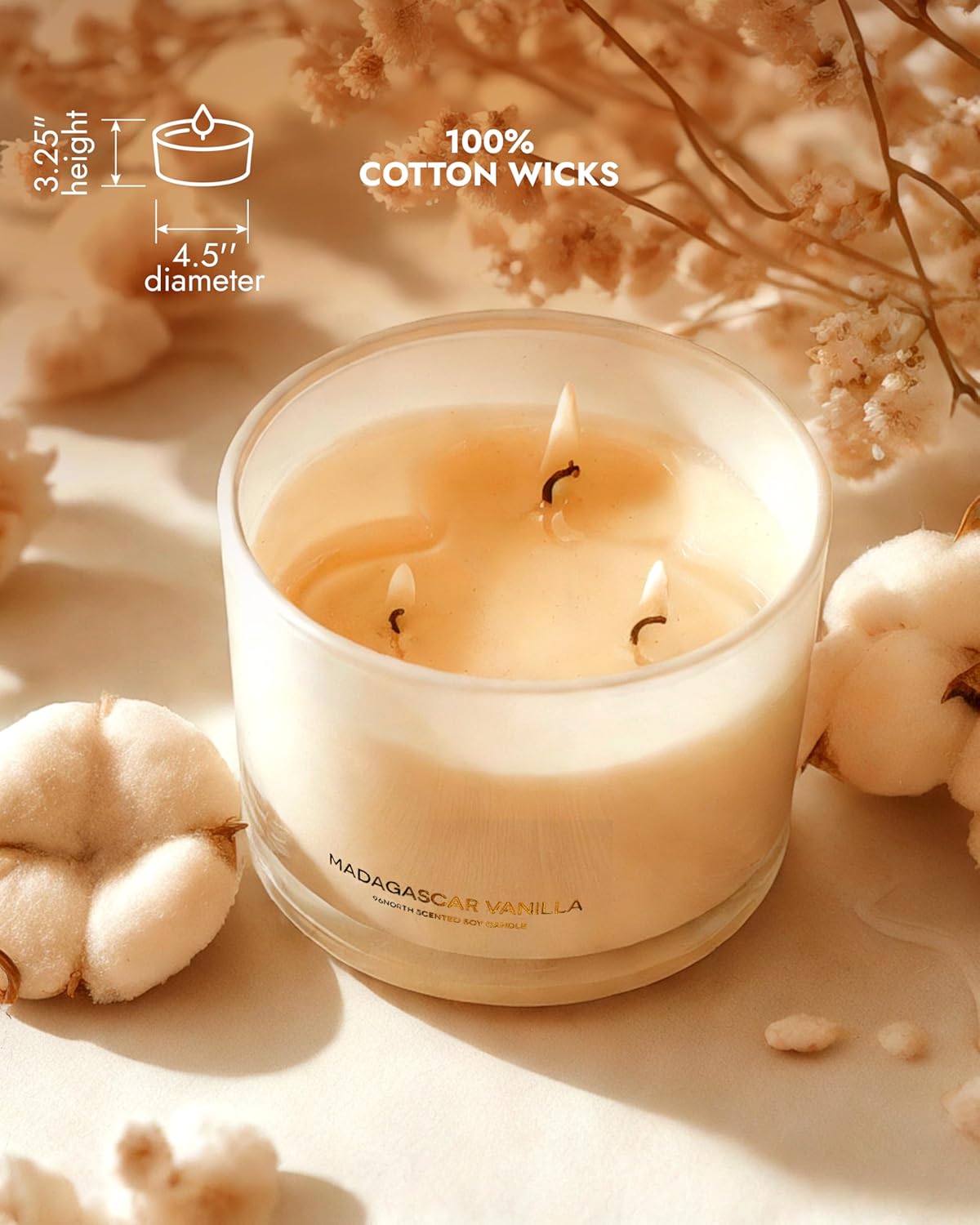
Aromatherapy candles: Best for visual rituals and sensory cues. Lighting a 100% soy candle creates a tactile trigger (light, breathe, slow down) paired with cozy, ambient lighting that tells your mind to unwind.
-
Diffusers: Best for fast, controllable scent intensity. A mist diffuser saturates your space quickly, allowing you to customize mist levels for immediate physical relief.
The Rule: Choose candles for a slow, grounding evening routine and ambient mood. Use diffusers for targeted, time-boxed aromatherapy sessions to break sudden spirals of stress.
How to Design a Calming Essential Oils Routine for Daily Relief
Integrate essential oils for anxiety into your daily routine to train your brain to unwind. While botanical scents do not replace medical treatment, they serve as powerful physical cues for nervous system signaling. Use habit stacking by pairing the same scent with the same daily activities to create reliable safety cues.
Step 1: Execute Your Transition Protocols
Select from these three targeted delivery methods to anchor your daily transitions:
-
The Diffuser Protocol: Run your diffuser for 20 to 30 minutes during high-stress windows. Start with three to five drops of oil in a well-ventilated room.
-
The Transition Candle Protocol: Light a clean soy candle at the end of your workday or before bed. Pair this physical cue with two minutes of slow, deep breathing to signal the shift to rest.
-
The Bedtime Conditioning Routine: Initiate a digital sunset by turning off screens one hour before sleep. Take a warm shower, then diffuse lavender or chamomile. Keep this olfactory cue consistent to condition your mind for deep sleep.
Step 2: Apply Key Safety Protocols
Maintain a safe home environment by following these essential precautions:
-
Avoid ingestion: Never swallow essential oils. Always dilute them in a carrier oil and perform a 24-hour skin patch test.
-
Protect sensitive household members: Avoid diffusion around pets, infants, or individuals with asthma or migraines. Use a personal inhaler instead.
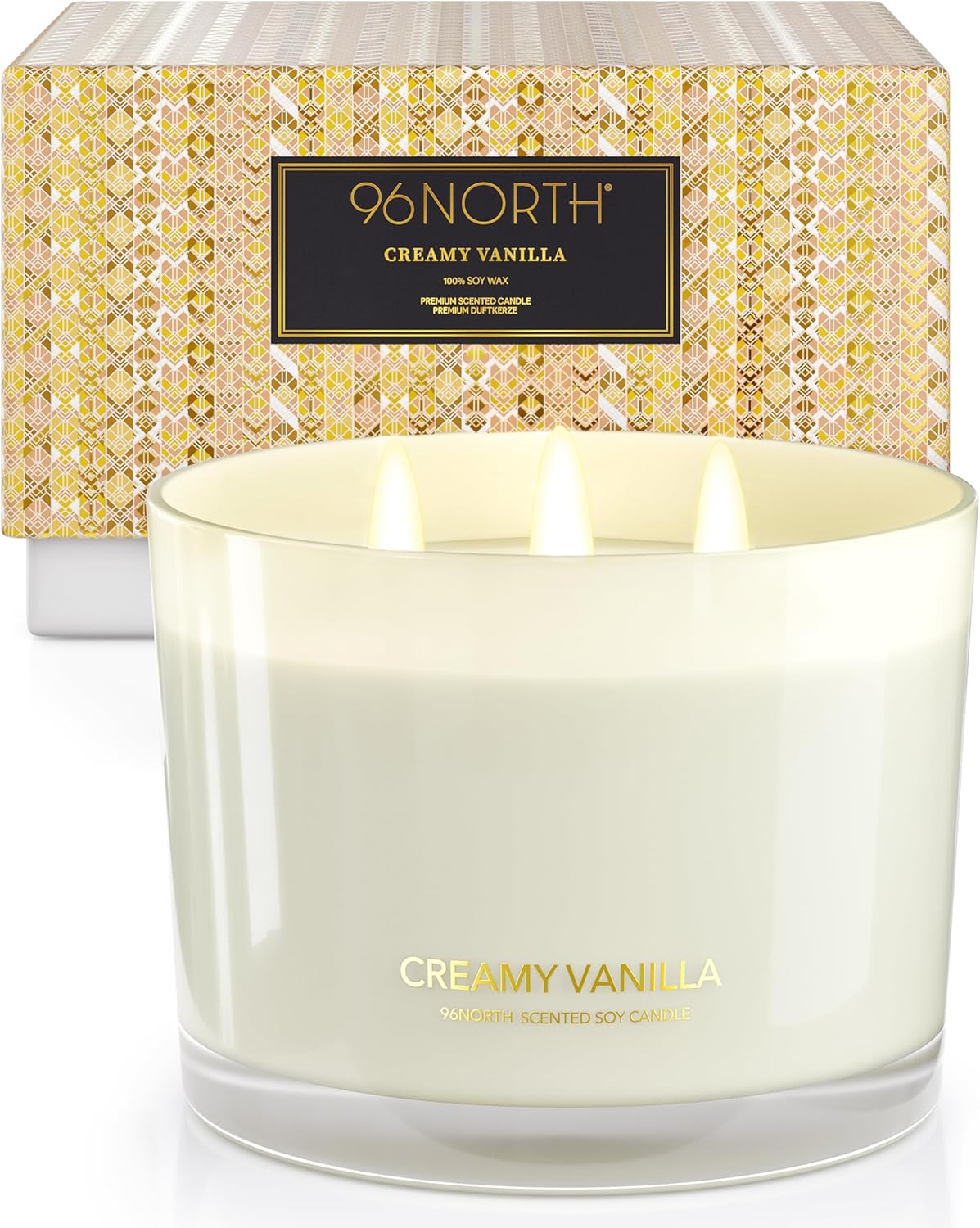
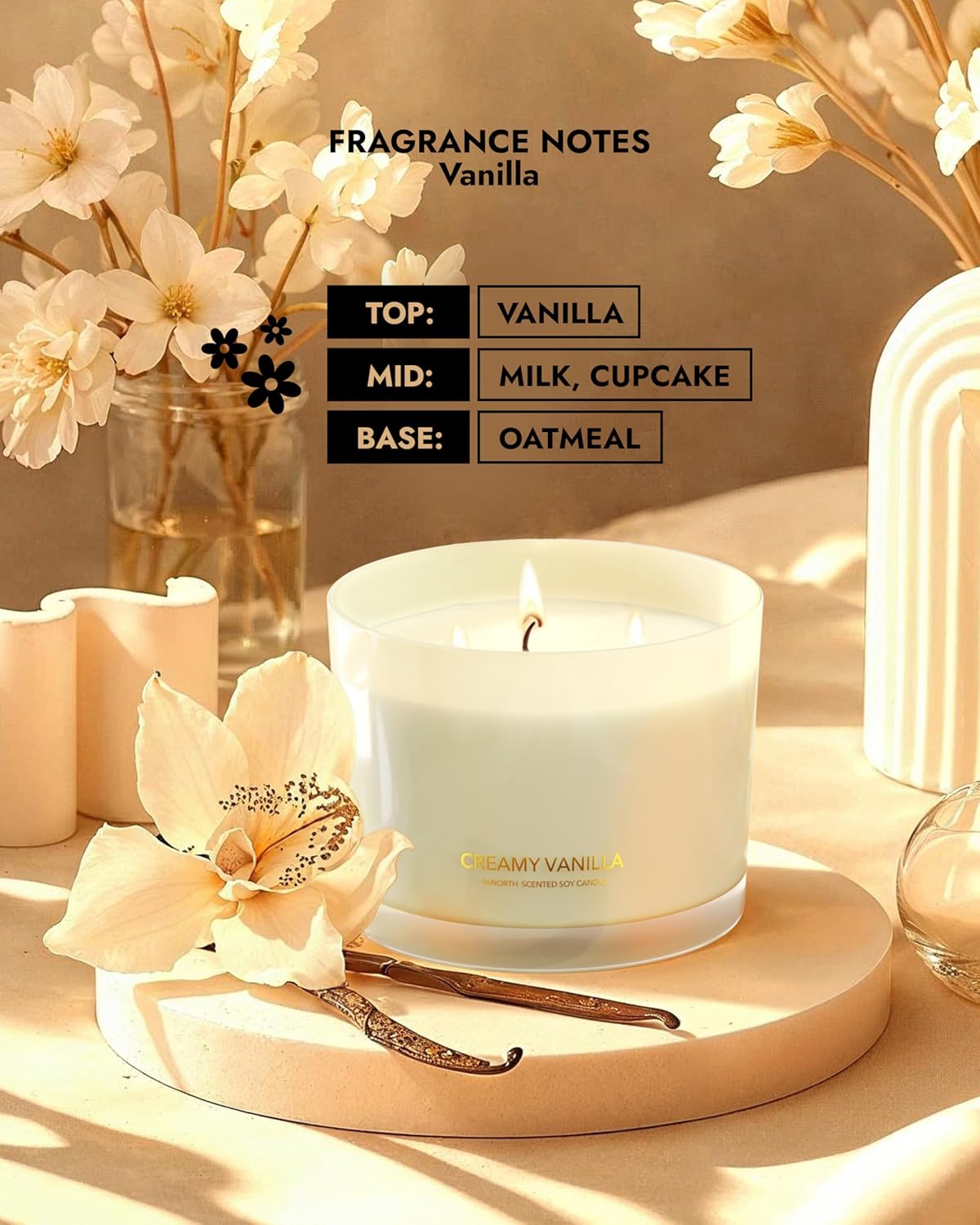
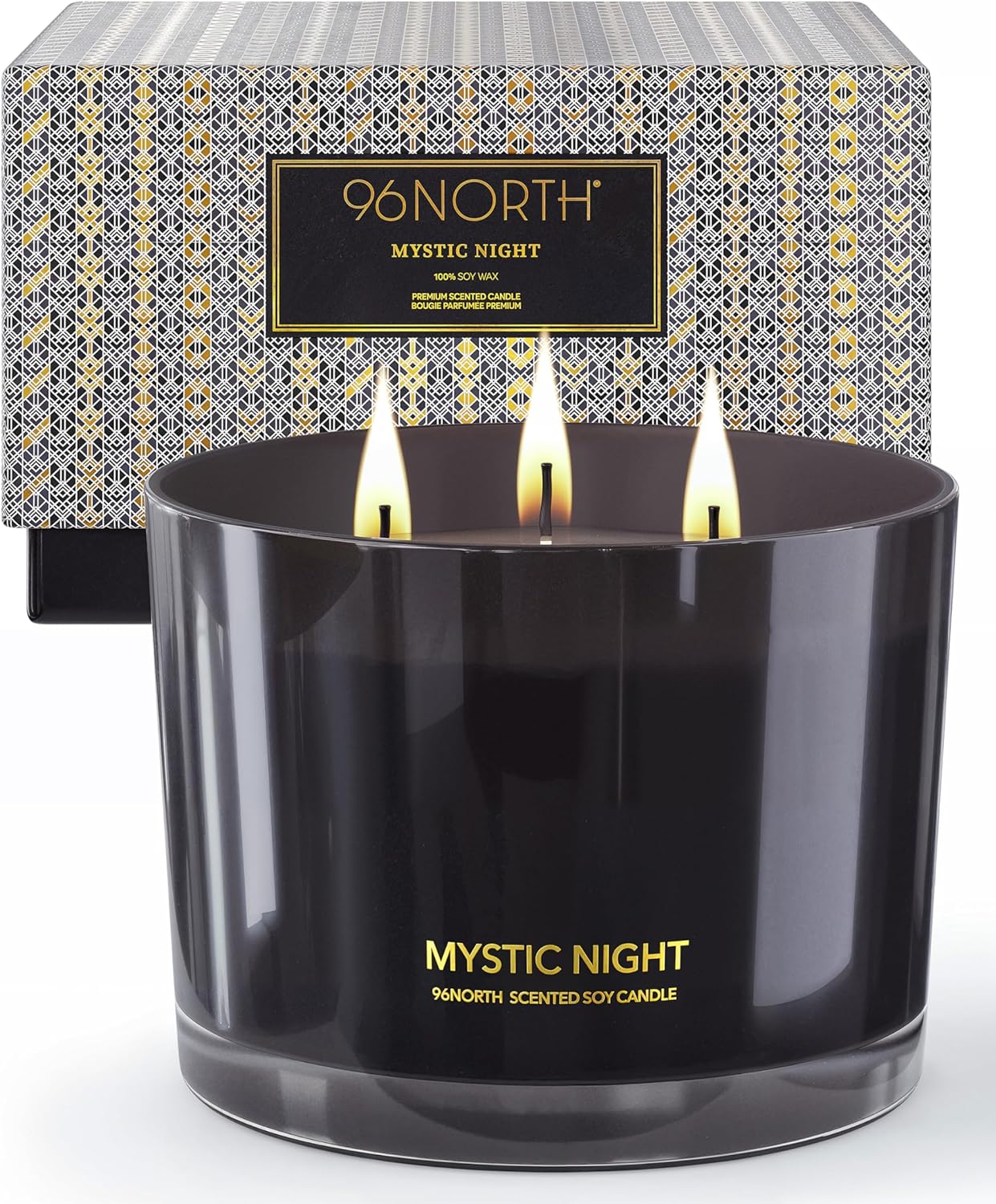
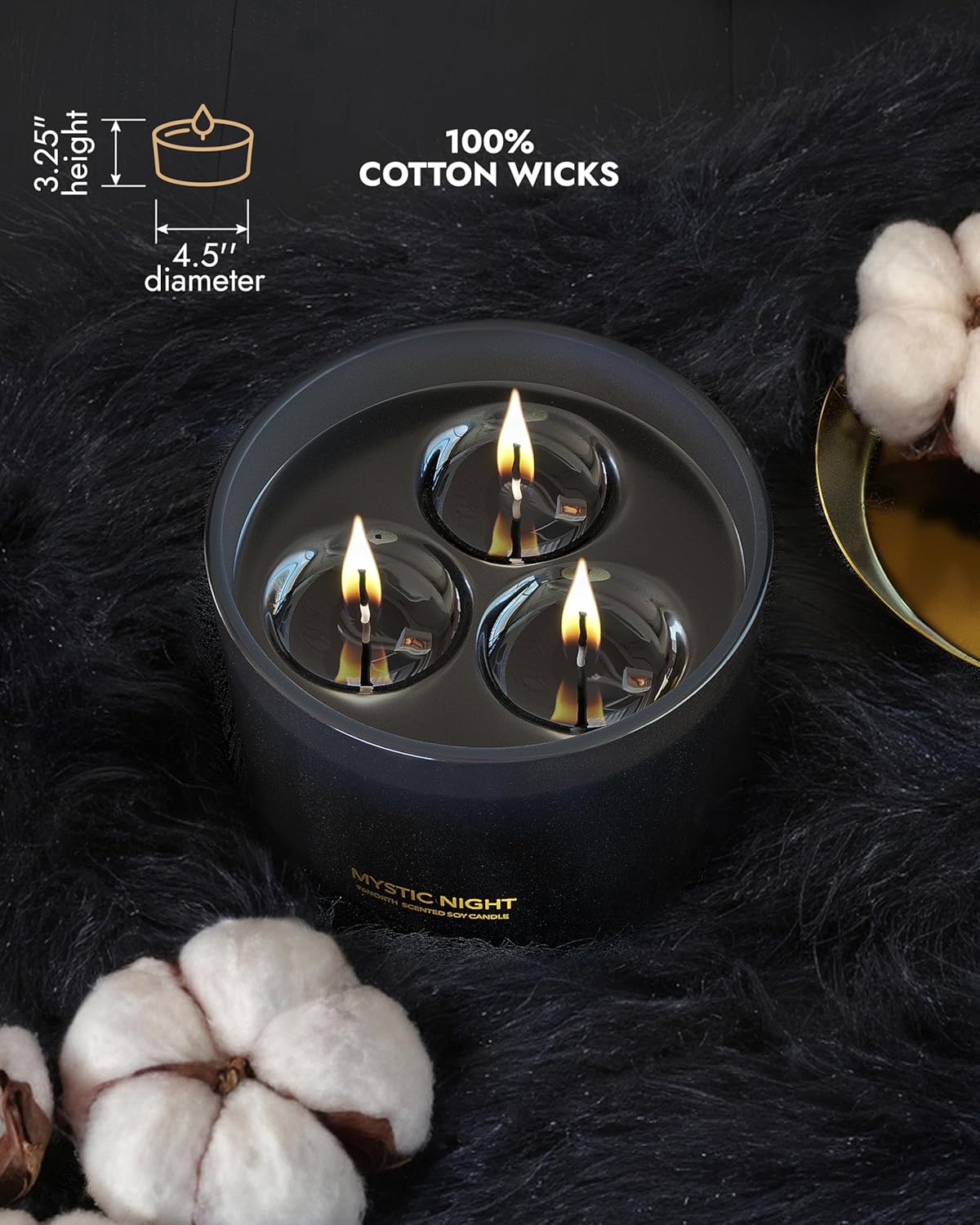
Ready to curate your evening sensory sanctuary? Explore clean, hand-poured soy candles at 96NORTH to build your ultimate wind-down ritual.
Frequently Asked Questions
Do essential oils actually work for anxiety or is it placebo?
Yes, they work by directly stimulating the olfactory system, which connects directly to the brain's emotional center. While they do not cure clinical anxiety, botanical scents can lower heart rate and cortisol levels. Combining these scents with deep breathing or a set routine trains your brain to transition into a state of rest. Use them as a supportive tool rather than a medical cure.
What is the fastest way to use essential oils during a high-stress moment?
The quickest method is direct inhalation. Place one or two drops of essential oils for anxiety onto a clean tissue and hold it near your nose. Take three slow, deep breaths to ground your nervous system. If you are experiencing a severe panic attack, please bypass aromatherapy and follow your professional clinical care plan.
Are essential oils safe around pets and kids?
You must exercise caution. Children and pets have highly sensitive respiratory systems and metabolize oils differently than adults. Always diffuse in well-ventilated rooms, use low concentrations, and leave doors open so pets can leave. Avoid direct skin contact for infants and animals, and consult your pediatrician or veterinarian for family-specific safety guidelines.
Is a stress relief candle real aromatherapy or just fragrance?
High-quality candles made with pure essential oils offer genuine therapeutic benefits. The soft glow of the flame combined with botanical scents provides a powerful sensory cue to unwind. To ensure you receive real aromatherapy benefits instead of synthetic perfumes, choose clean-burning soy options and burn them for moderate periods.
Can I put essential oils directly on my skin for anxiety?
No, never apply undiluted essential oils directly to your skin. Always mix the botanical extract with a carrier oil, like jojoba or sweet almond oil, before topical application. Perform a patch test on your forearm and wait 24 hours. If any irritation or redness occurs, wash the area with soap and water immediately.