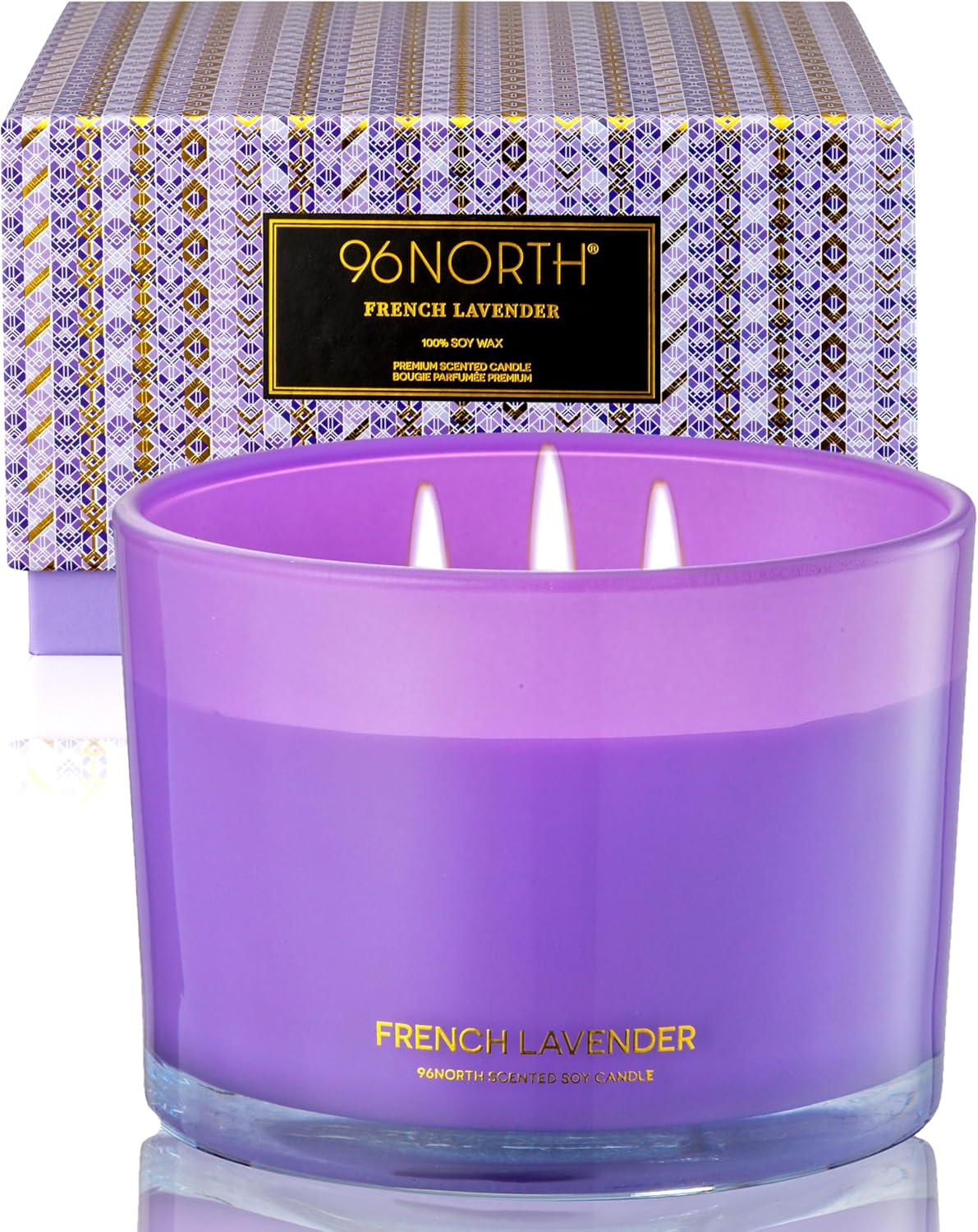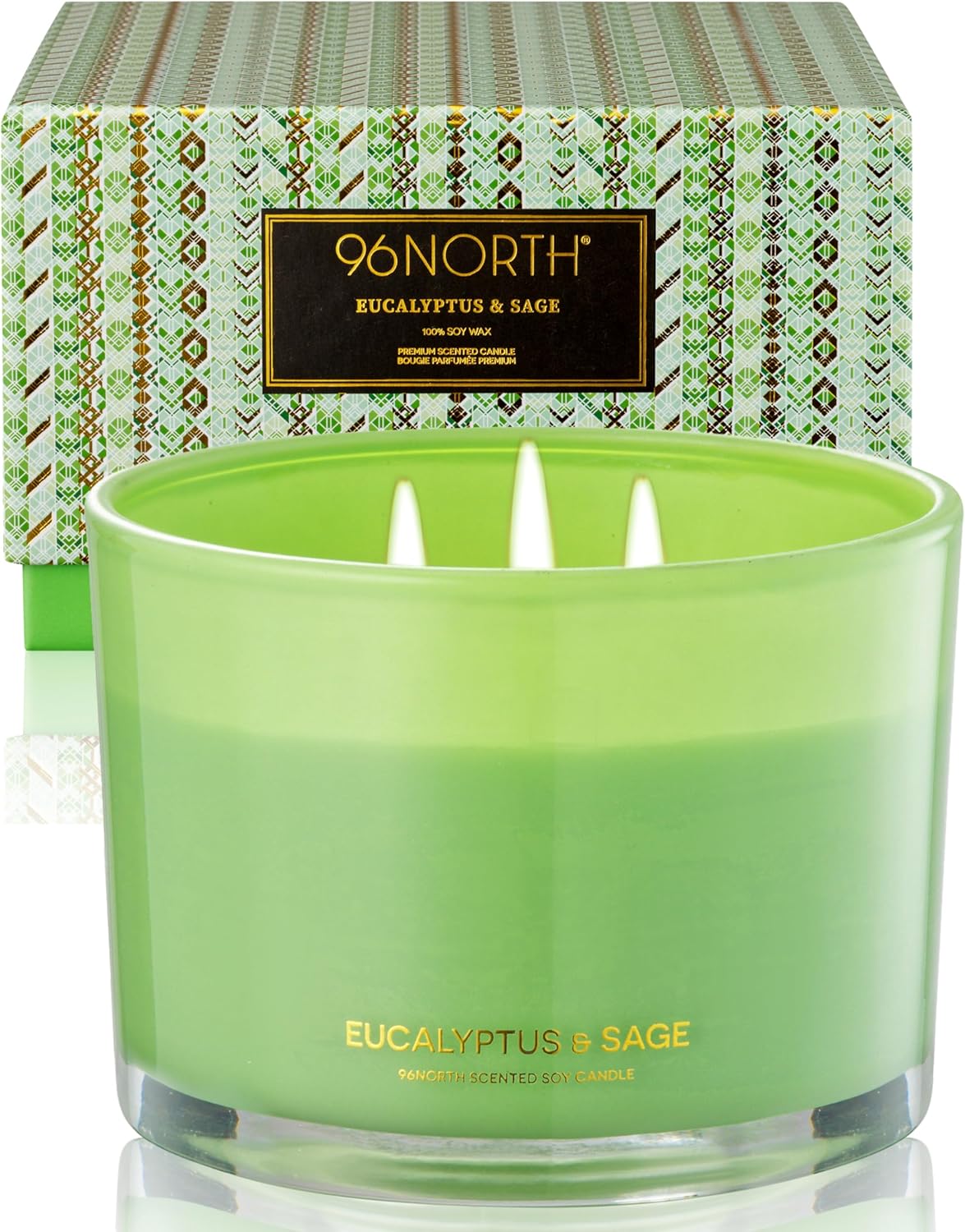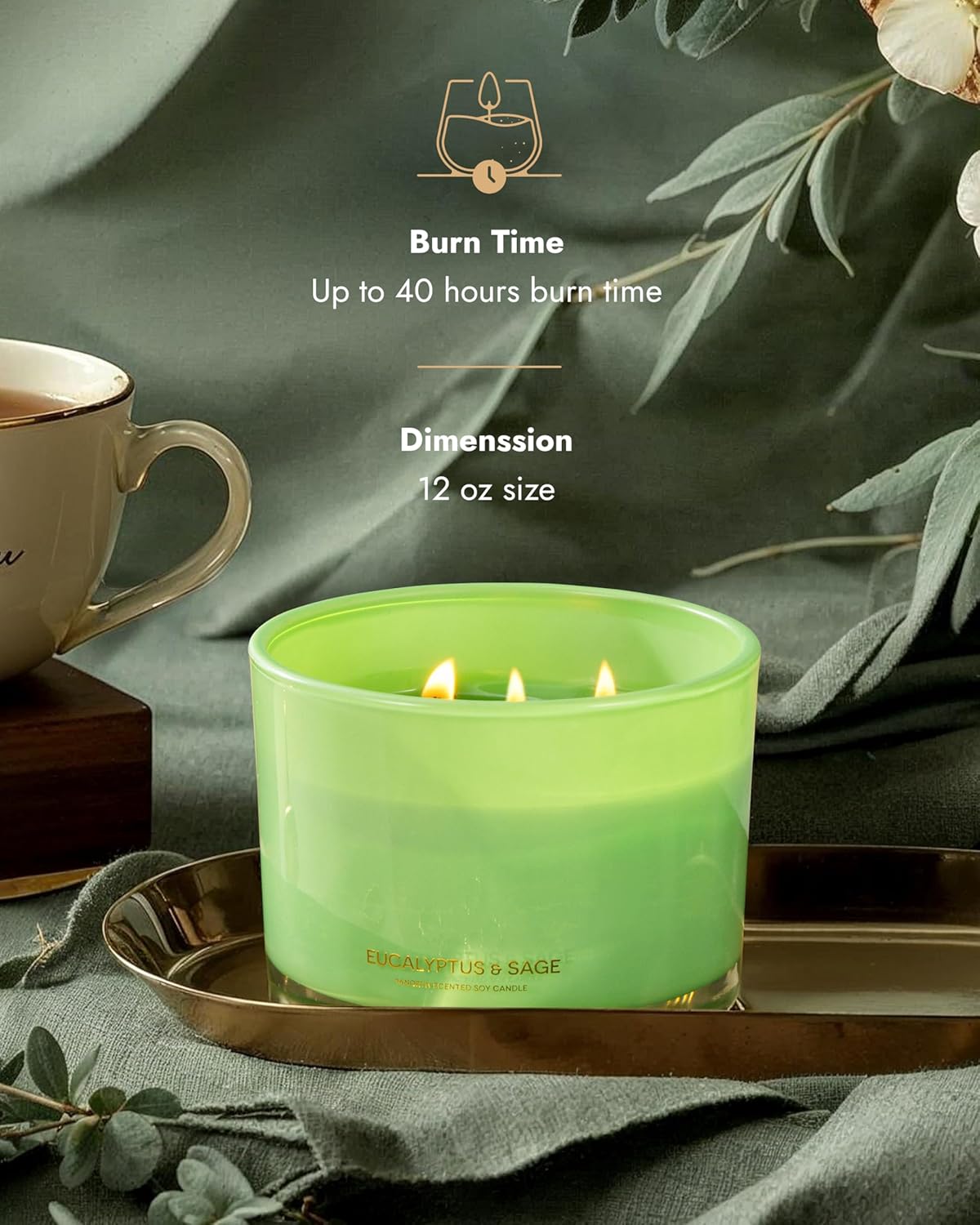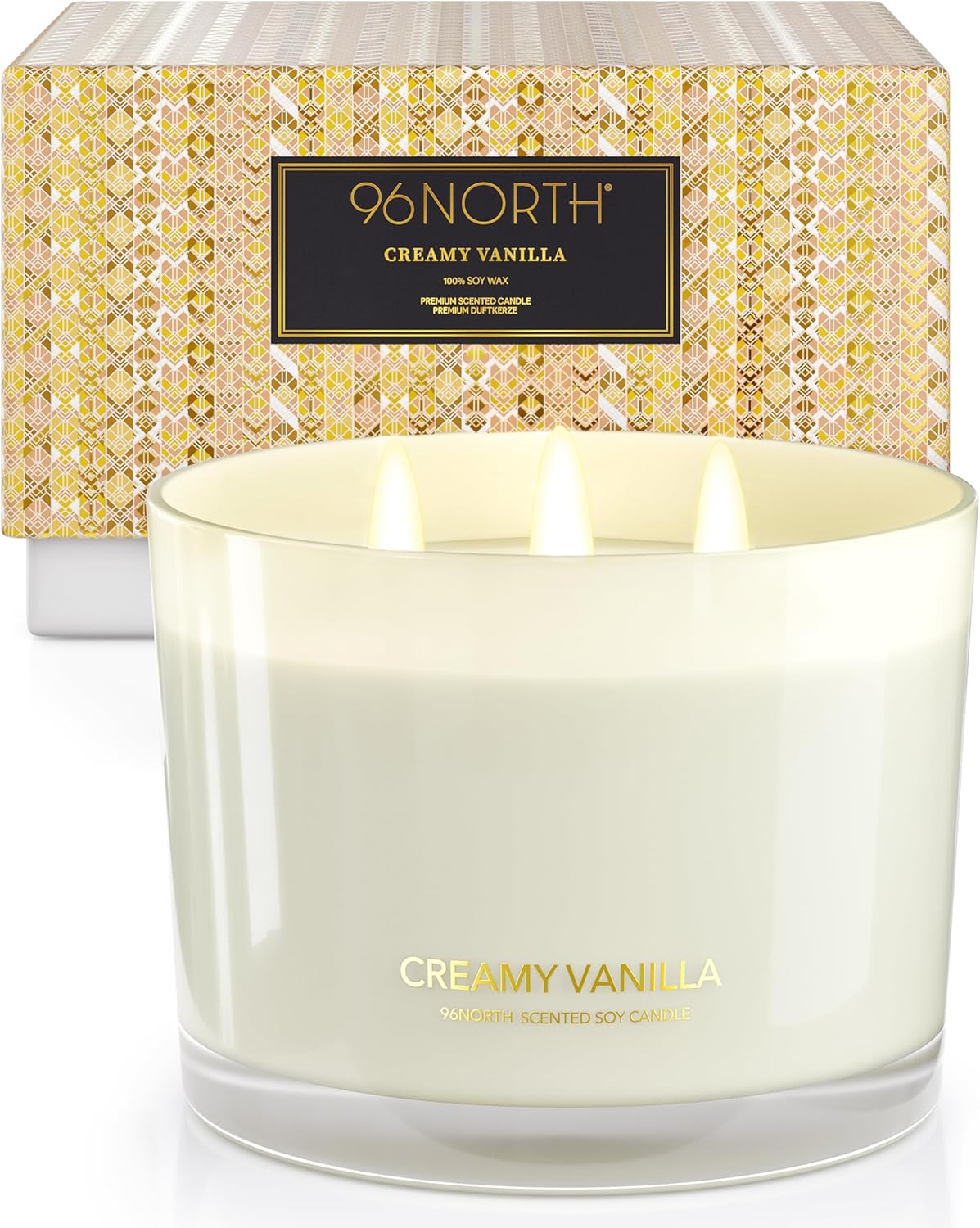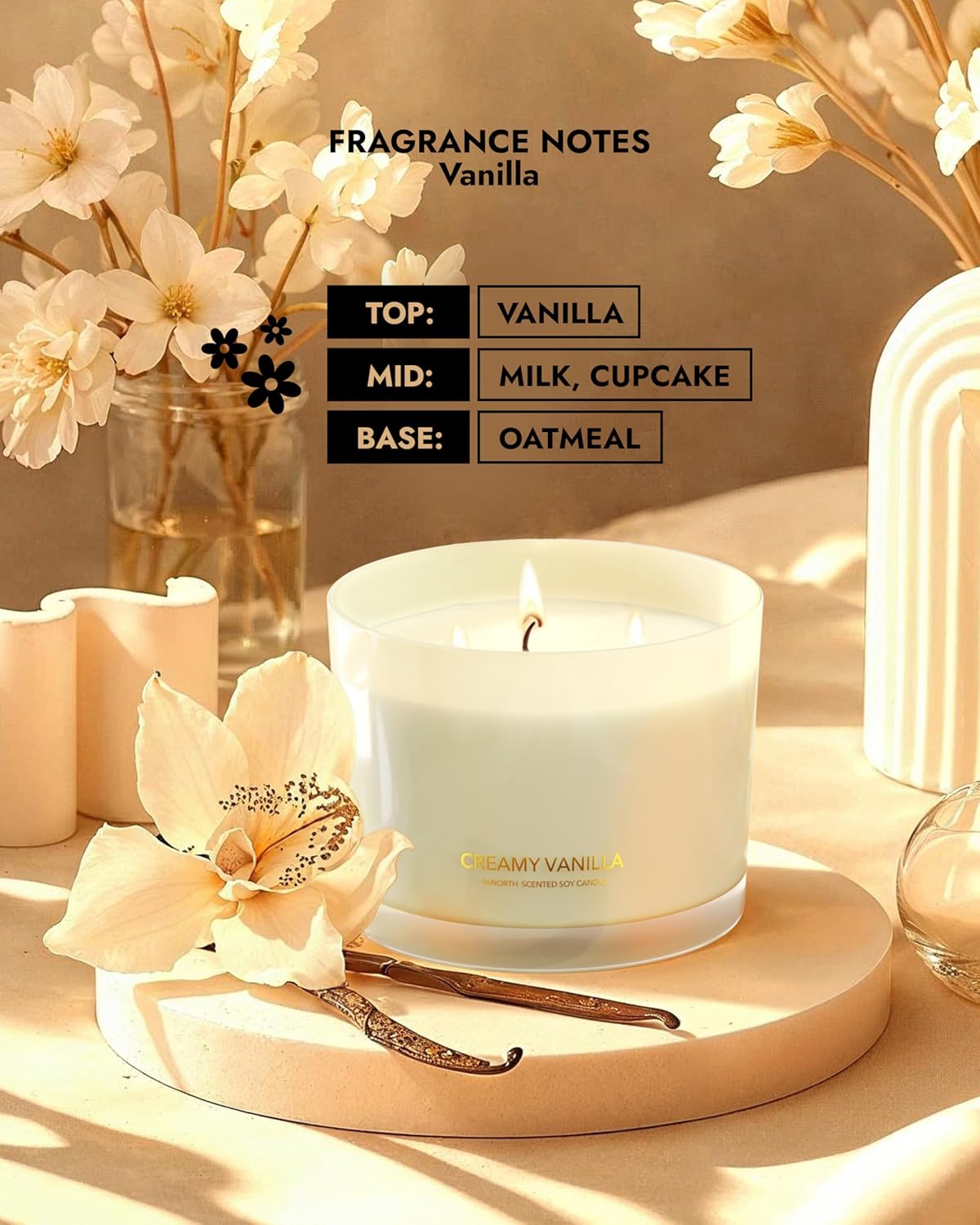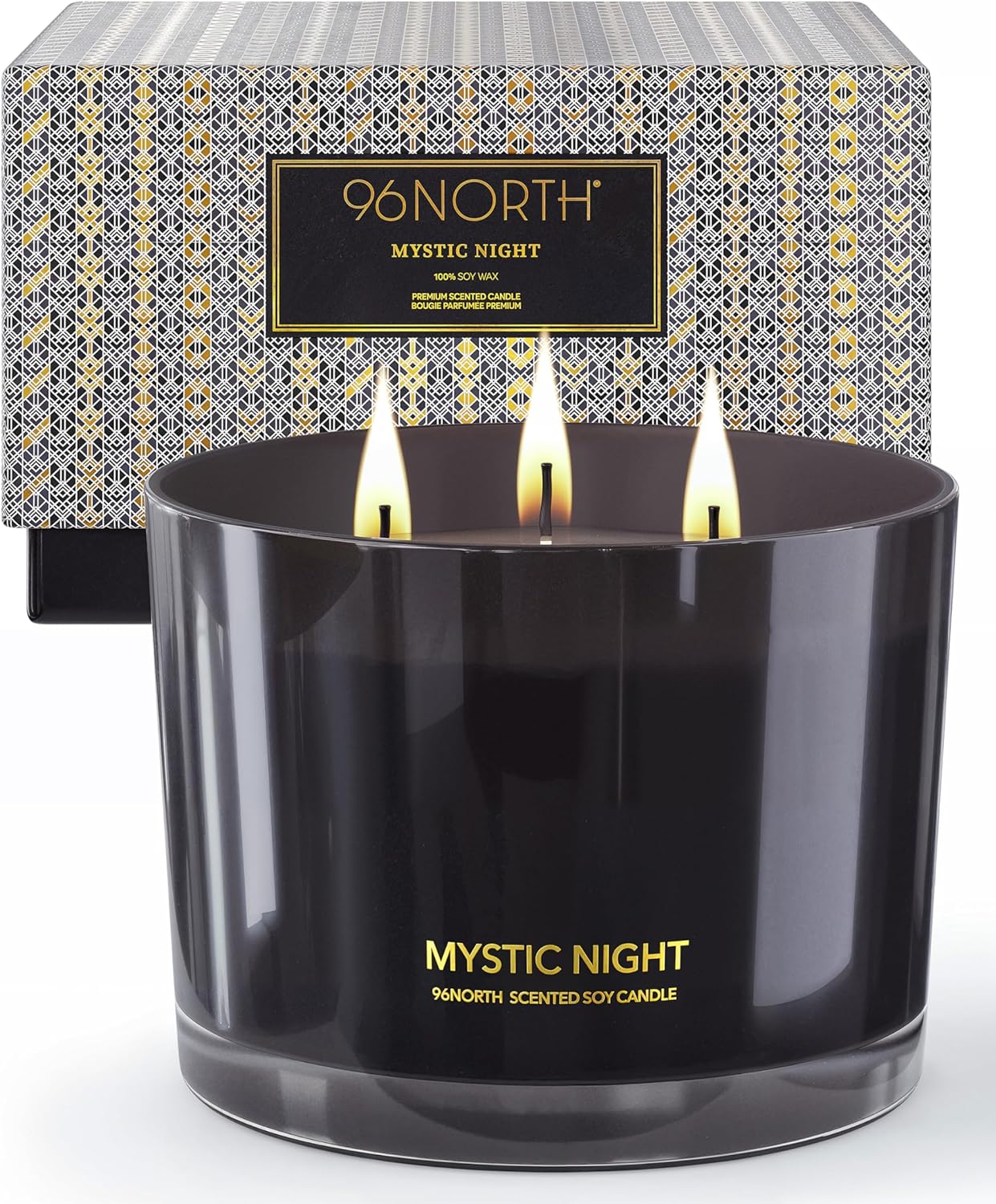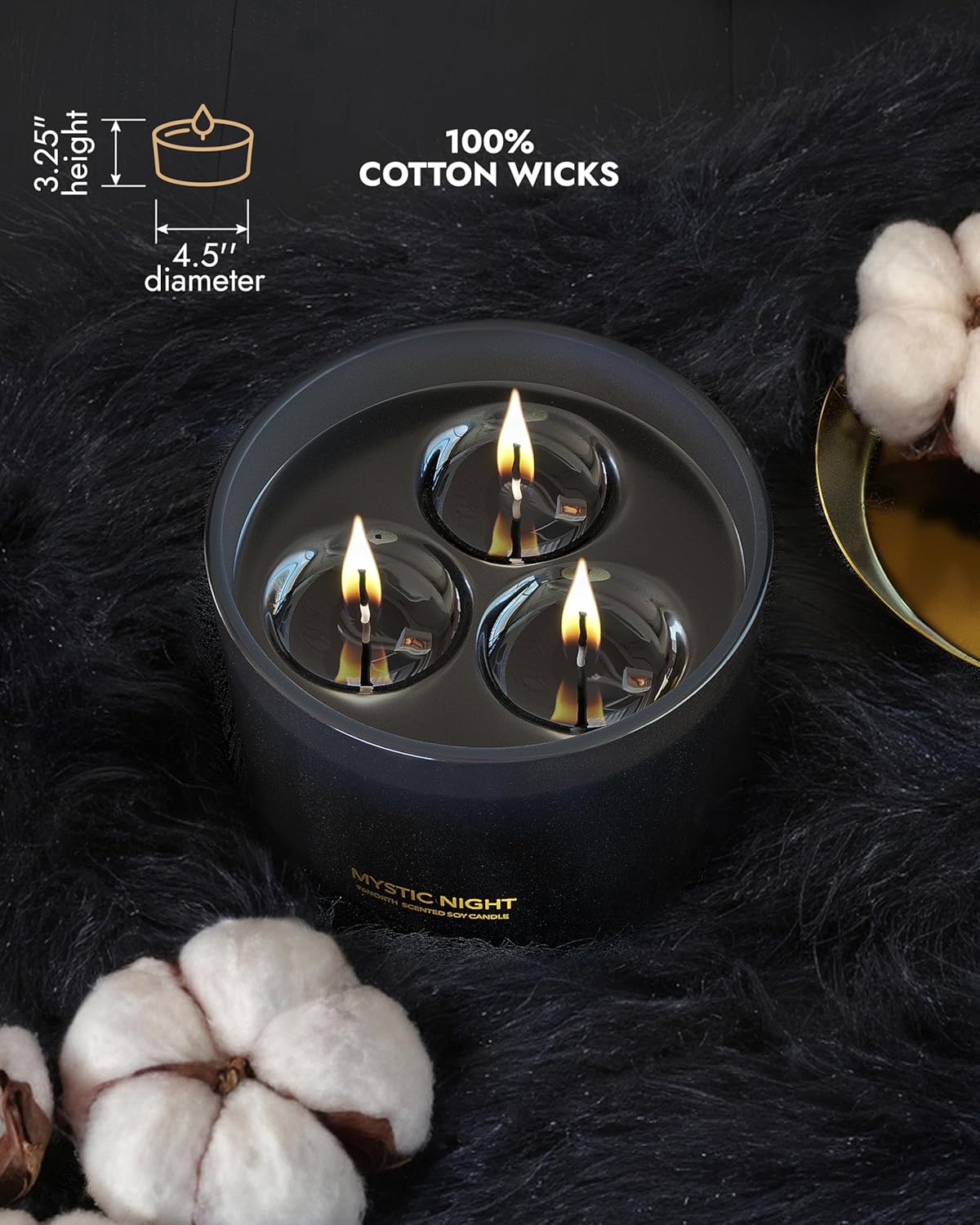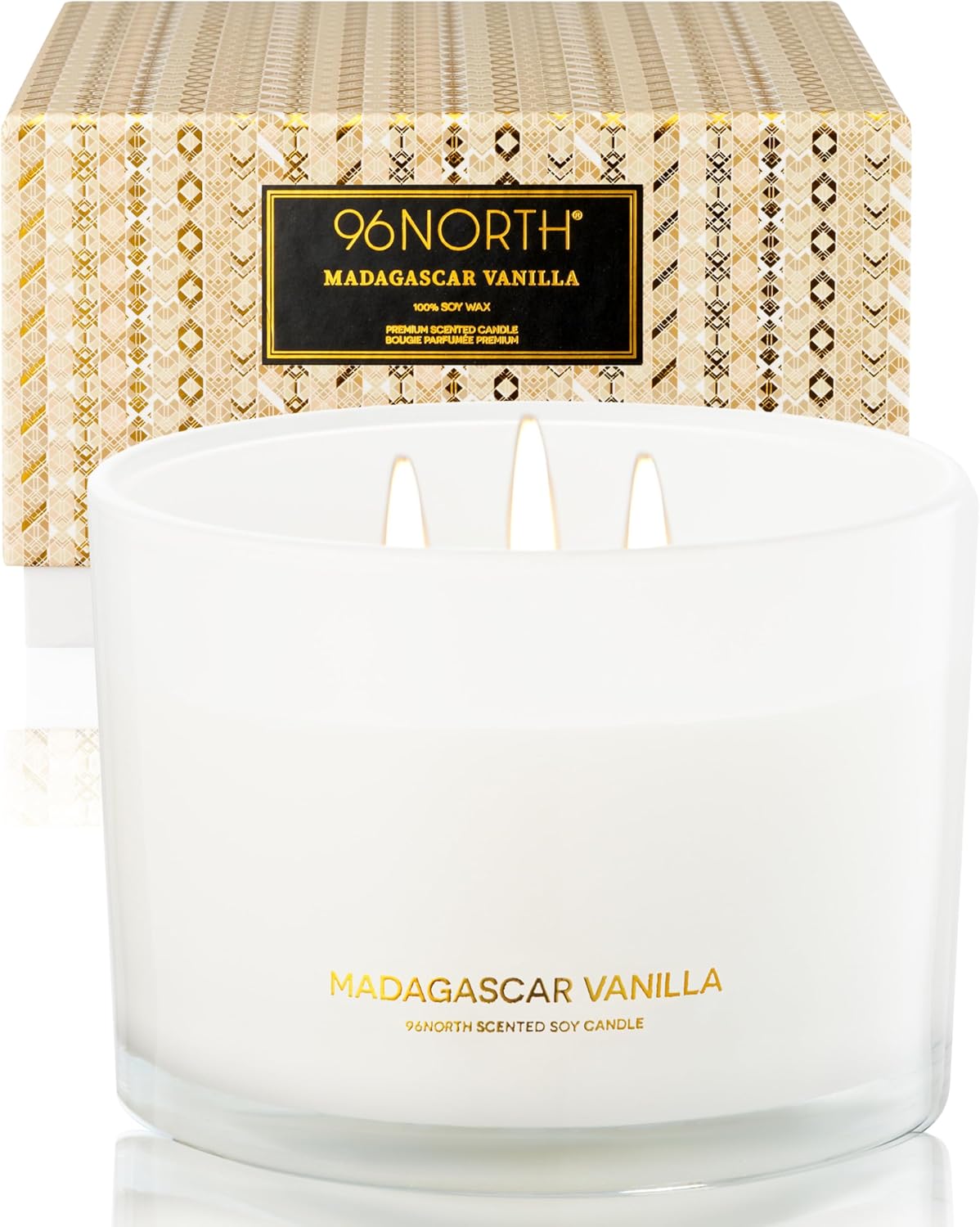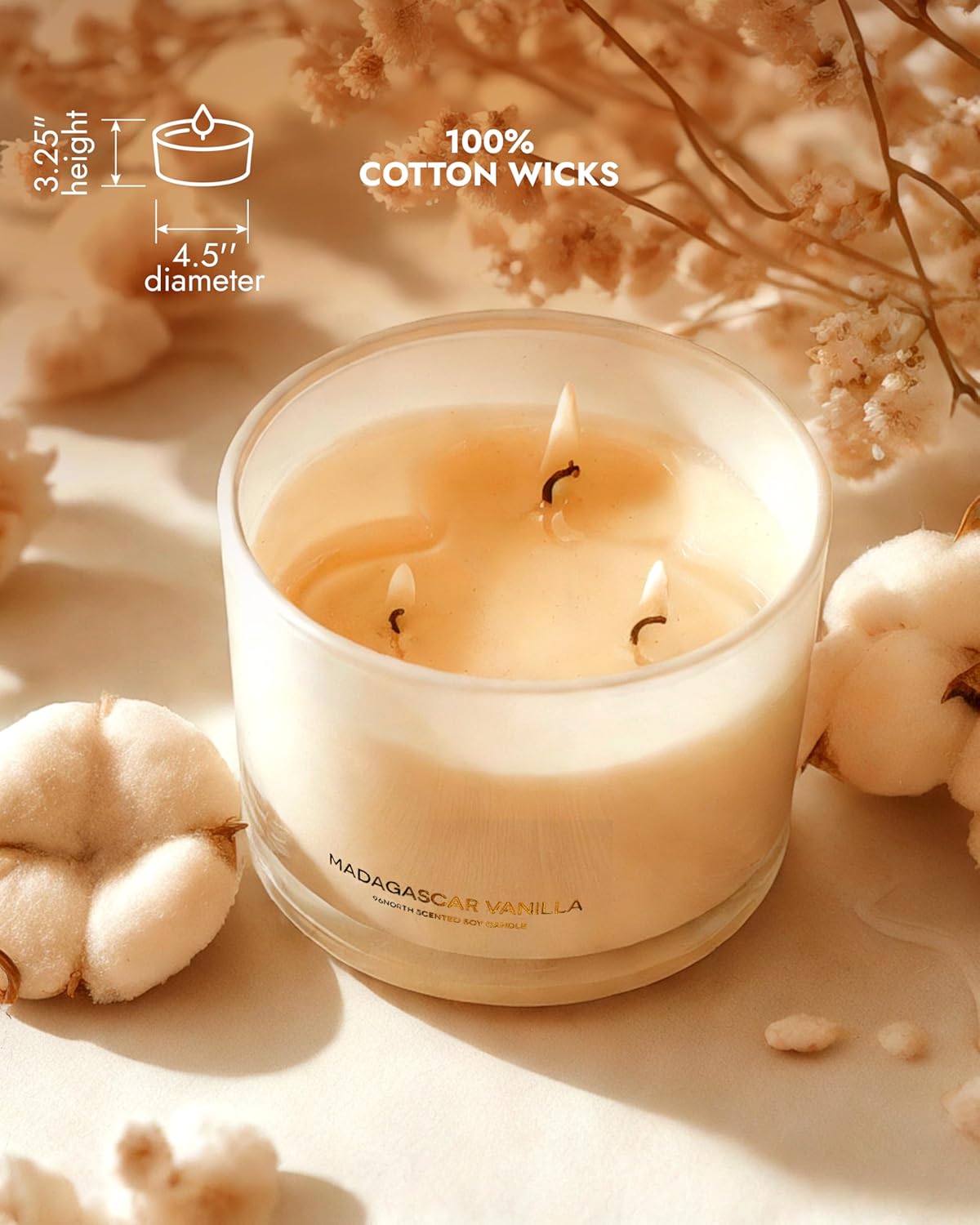

Your home sanctuary deserves a stress-free sensory ritual without the constant worry of an active flame. Deciding between a candle warmer vs burning depends on your lifestyle. If you manage busy pets, curious kids, or tight bedtime routines, this practical comparison evaluates safety, scent throw, longevity, and cost across real-life scenarios. Find your ideal routine companion, and explore clean, grounding soy scents at 96NORTH when you are ready to elevate your space.
1. The Safety Showdown: Open Flame vs. Electric Warmer
Scenting your home should bring peace, not bedtime anxiety about an active flame. When deciding between a candle warmer vs burning, physical safety is the ultimate differentiator for your household.
Traditional burning relies on an open flame, introducing high-stakes domestic hazards:
-
Accidental tip-overs from energetic pets or sudden drafts
-
Ignition of nearby materials like curtains or blankets
-
Falling asleep before extinguishing the hot wick
An electric warmer completely eliminates the open flame, neutralizing immediate fire risks. However, it introduces electrical and contact safety factors:
-
Exposed pools of hot liquid soy wax
-
High-temperature heating plates or exposed halogen bulbs
-
Power cords that toddlers or pets can pull down
For a busy parent or pet owner navigating active evenings, a warmer is safer in practice because it removes the threat of fire. The safest choice is always the device you can supervise, maintain, and position correctly. Secure your warmer on a high, stable, heat-resistant surface completely out of reach of wandering children and paws.
2. Soot and Air Quality: Candle Warmer vs Burning
If you find yourself dusting fine black residue off your shelves or dealing with mild headaches, you are likely worried about indoor air quality.
When comparing a candle warmer vs burning, the primary differentiator is combustion. Burning ignites a flame; if the wick is too long or caught in a draft, incomplete combustion releases visible soot and chemical byproducts. A warmer uses an electric heat source to melt the wax from above or below, releasing the fragrance oils without ignition. Because there is no flame, you completely bypass the production of smoke and soot.
Keep in mind that direct, peer-to-peer laboratory studies comparing air quality between these two methods are not yet standardized. While cleaner air is highly plausible, treat it as a comfort benefit rather than a medical claim. For a sensitive nose in a small apartment bedroom, a warmer paired with gentle ventilation offers a clear-headed, sensory ritual.

3. Scent Throw and Control: Tailoring Your Sensory Space
You want a beautifully scented room without overpowering your senses or constantly relighting wicks. Resolving this challenge in the candle warmer vs burning debate depends on how you choose to release the fragrance.
Burning a candle provides a slow, balanced throw as the flame heats the wax. This traditional method fills larger living rooms gradually, releasing a truer representation of the fragrance notes. It relies on:
-
Proper wick maintenance
-
A deep, even wax pool
-
Steady room airflow
A warmer lamp melts the entire top surface layer consistently, generating a faster and highly concentrated scent throw. This is ideal for a WFH office, where a quick 30 to 90 minute scent window anchors your focus. You can easily control the intensity using the lamp's height or built-in dimmers.
For a long, cozy evening, the classic flicker of a flame is unmatched. If you prefer to scent your space without any heat at all, pair your routine with flame-free diffusers to maintain your daily calm.
4. Longevity and Cost: Getting the Most Out of Your Melt
To maximize the value of your sensory rituals without sacrificing safety, look at your cost per work session. The choice between a candle warmer vs burning comes down to a fundamental trade-off in how heat interacts with wax.
Burning a candle consumes both the wax and fragrance oils through combustion heat. While this means you are paying for finite burn hours, it delivers a predictable, maintenance-free experience that refreshes the melt pool with every light.
Conversely, a warmer preserves the physical wax while gently drawing out the scent. Your candle lasts physically longer, but the top layer eventually becomes scent-depleted, requiring you to occasionally pour off the odorless wax to restore the throw.
If you want a high-ROI option for short daily desk sessions and do not mind light maintenance, a warmer is ideal. If you prefer a simpler, hands-off wellness ritual, choose a clean-burning soy option from our signature collection of candles to easily ground your space.
5. Warmer Styles and Safe Maintenance Workflows
Electric warmers prevent open-flame hazards, but improper use can lead to three common frustrations:
-
Weak scent throws
-
Messy wax spills
-
Damaged glass containers
The warmer style you choose dictates your sensory experience. Top-down lamps melt wax using a halogen bulb, offering rapid scent release and a perfectly even melt pool. Bottom-plate warmers heat the jar from underneath, warming much more slowly and requiring careful glass heat management.
Because warmers melt soy wax without consuming it, the fragrance eventually fades while the wax volume remains. To restore the scent, let the liquid cool to a safe, warm temperature, then pour the top layer into a disposable cup. Never pour wax down your drain.
For a cozy bedtime vibe, pair a top-down lamp with a built-in timer and strict cord discipline. If you prefer a traditional flame-lit ritual to wind down, explore our clean aromatherapy candles. Always treat warmers like small appliances and never leave them unattended around kids or pets.
6. How to Choose: Real-Life Scenarios for Your Home
To resolve the candle warmer vs burning debate, match your method directly to your immediate safety, schedule, and lifestyle needs:
-
Kids or pets in the room: Choose a top-down warmer. This completely eliminates open-flame hazards and hot wax spills, provided you run the power cord safely behind a high, stable shelf.
-
Hosting social gatherings: Choose classic burning to create a welcoming, flickering visual ambiance when you can supervise the room. Otherwise, choose a warmer for a predictable, long-lasting scent throw.
-
Evening bedtime wind-down: Choose a warmer lamp to diffuse calming French lavender soy wax safely during your digital sunset. Always turn off all heating devices before sleeping.
-
Quick remote work resets: Choose a warmer lamp to enjoy a rapid, intense 30 to 60 minute cognitive focus window without wasting a premium candle's burn memory.
Let 96NORTH serve as your sensory travel companion. Explore our clean, non-toxic soy collections at 96NORTH to select the perfect anchor for your daily wellness rituals.
Frequently Asked Questions
Is a candle warmer safer than burning?
Yes, a candle warmer is generally safer because it completely eliminates an open flame. However, it still involves active heat and electricity. To ensure safety, always place your warmer on a high, stable surface, maintain a clear radius free of clutter, manage power cords carefully, and never leave the unit running unattended.
Can you leave a candle warmer overnight?
No, you should never leave a candle warmer running overnight. Always treat it like any other active heating appliance. Sleeping with an operating warmer increases household risks involving pets, children, or nearby clutter. To safeguard your evening wind-down, always choose a warmer equipped with an automatic shut-off timer.
Do candle warmer lamps make candles last longer?
Yes, warmer lamps extend the physical life of your wax because no combustion occurs to consume it. However, the fragrance oils do deplete. While the wax itself remains in the jar, you must occasionally pour off the scentless top layer to refresh the surface and release a renewed throw.
Why did my candle stop smelling on a warmer?
Your candle stops smelling because the fragrance oils in the top layer of melted wax have fully evaporated. To restore the aroma, let the wax cool slightly and safely pour off the scent-depleted top layer. You can also adjust your lamp's heat settings or transition to flame-free diffusers.
If I choose burning, what are the minimum safety steps?
Always trim your wick to one-quarter inch, avoid drafts, and never burn candles near curtains. Ensure the melt pool reaches the jar edges during each burn, and never leave a flame unattended. Choosing high-quality, clean-burning soy candles further minimizes soot and ensures a highly stable, safe sensory experience.