
When stress spikes or focus scatters, finding balance feels incredibly abstract. But using scent for emotional regulation provides a fast, low-friction cue rather than a cure. By linking specific aromas to mental shifts, you can reliably signal your brain to transition from anxious to grounded.
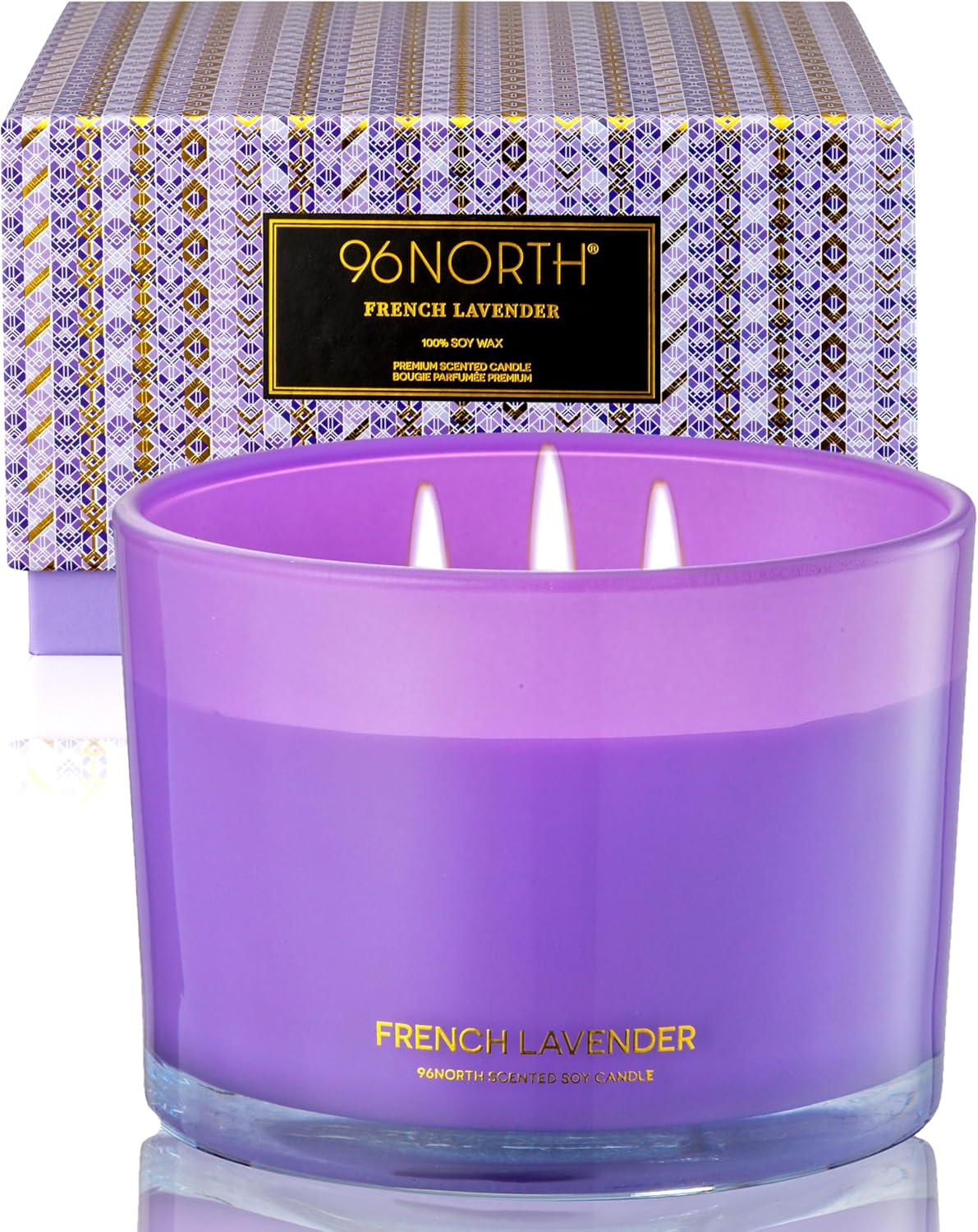
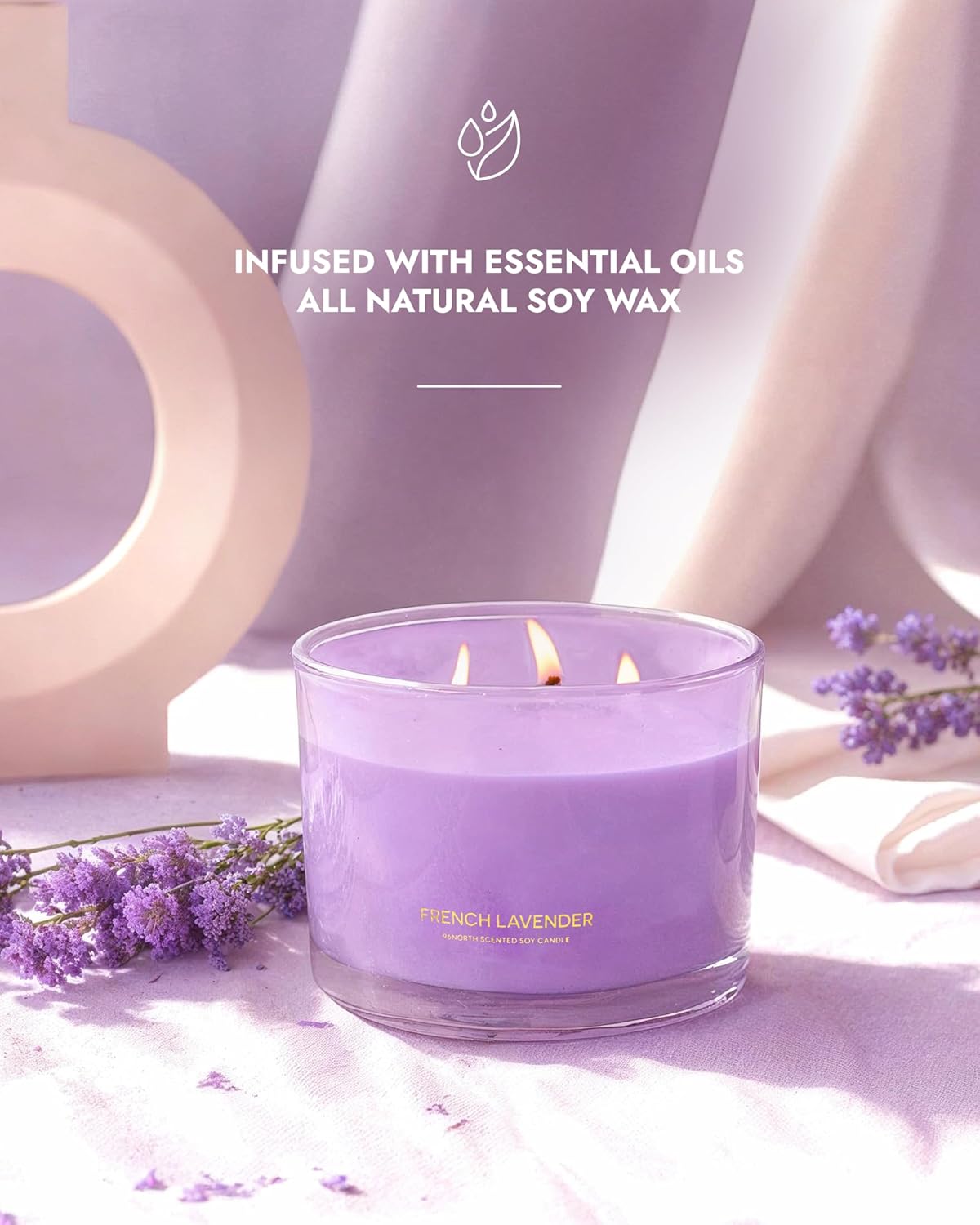
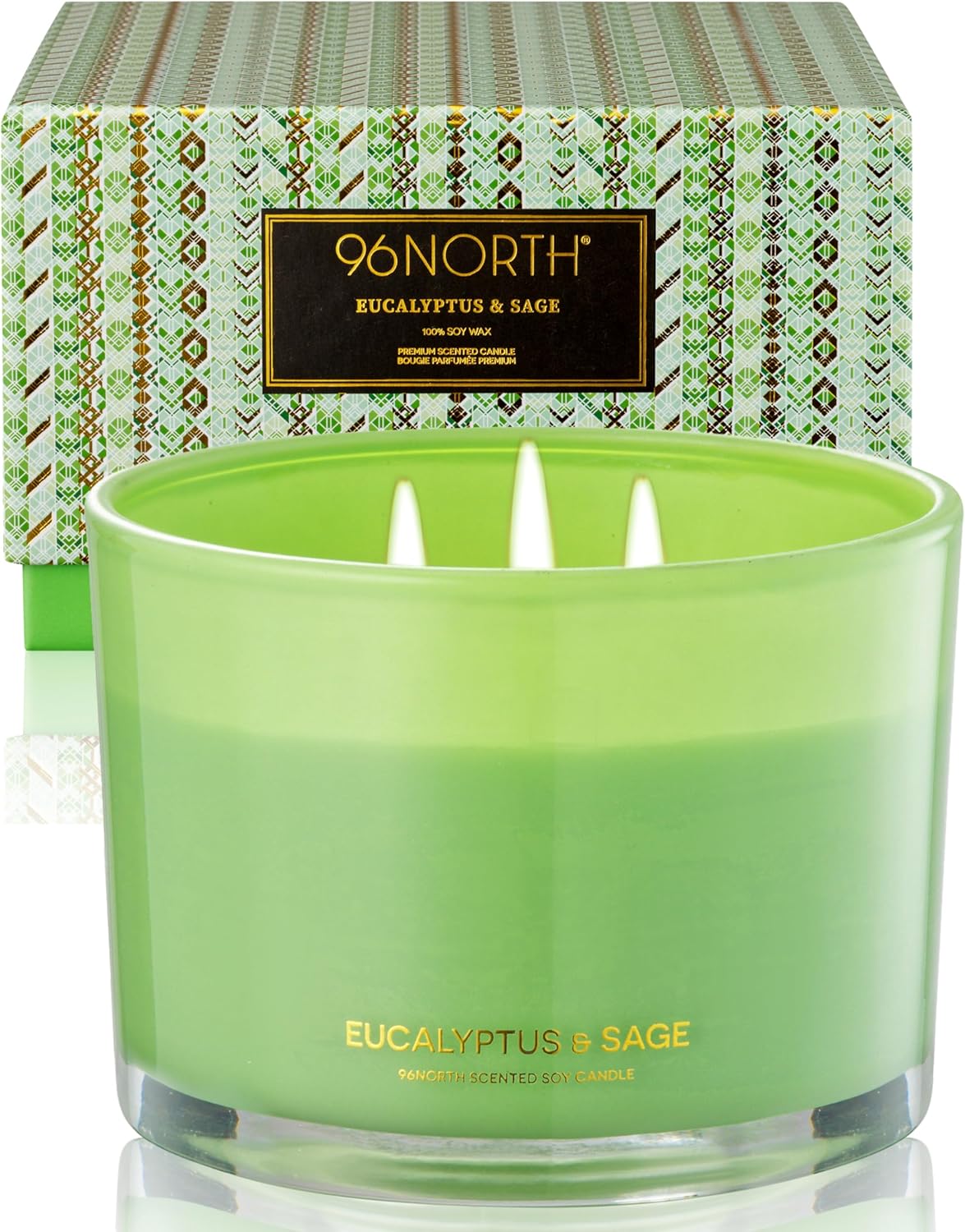
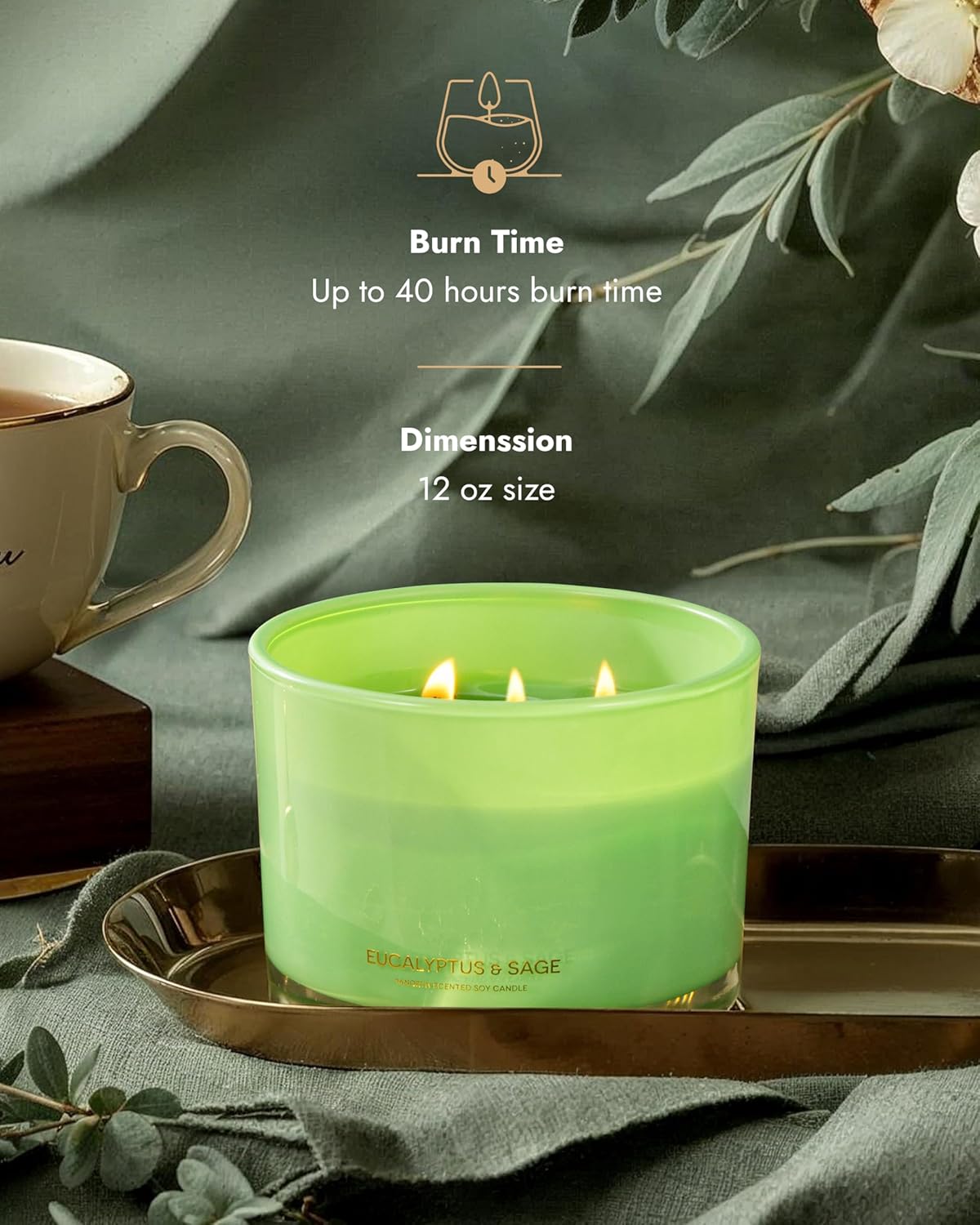
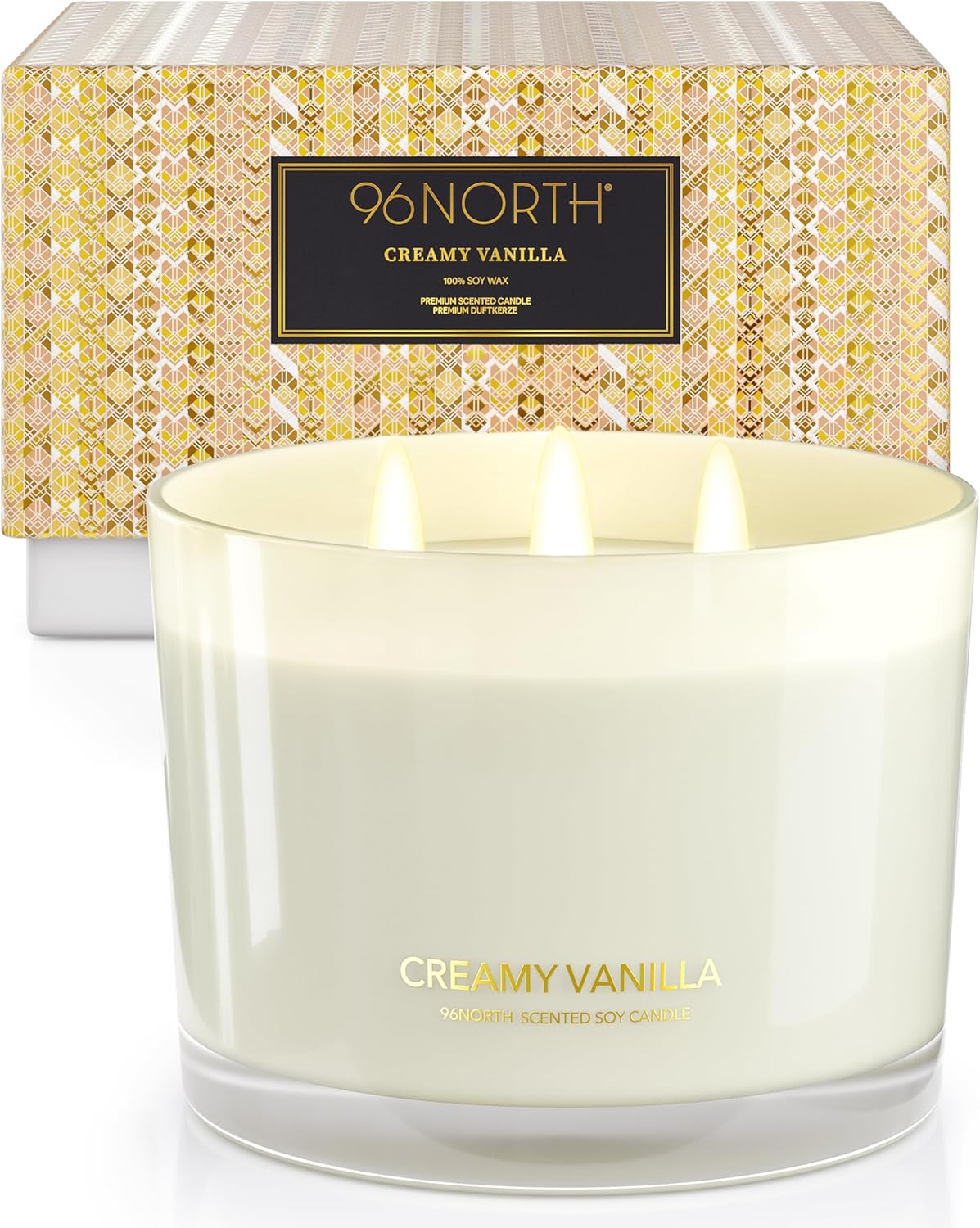
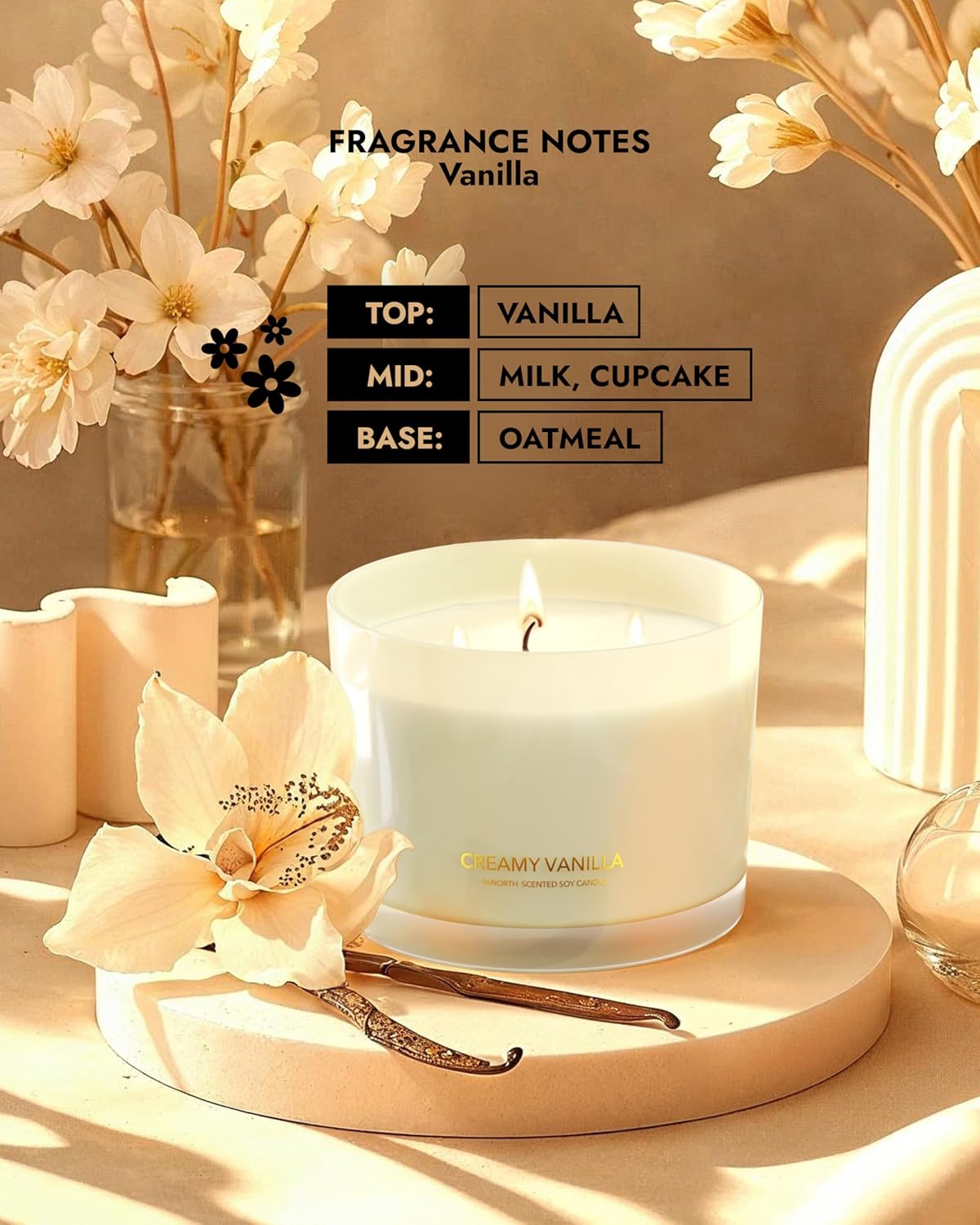
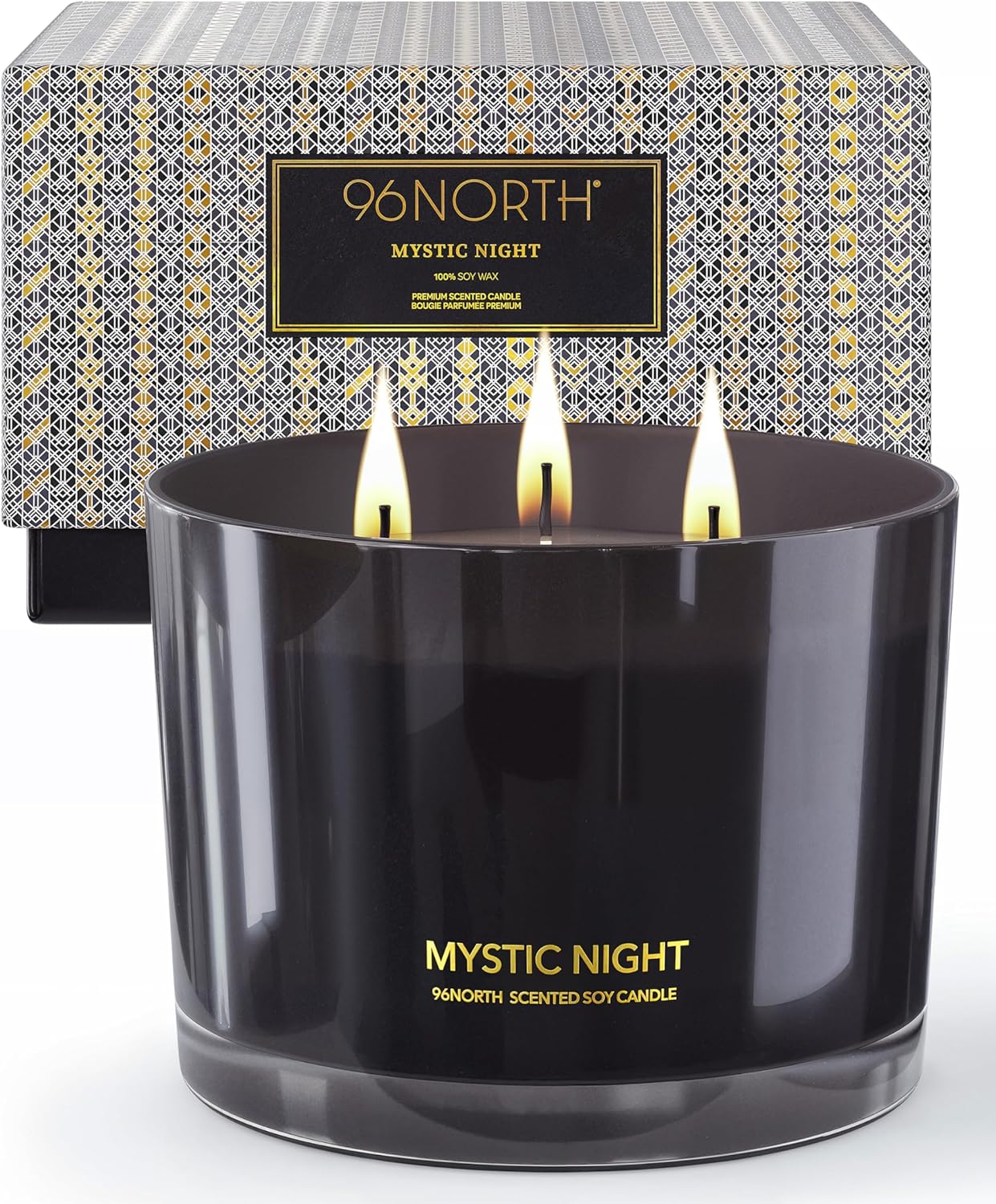
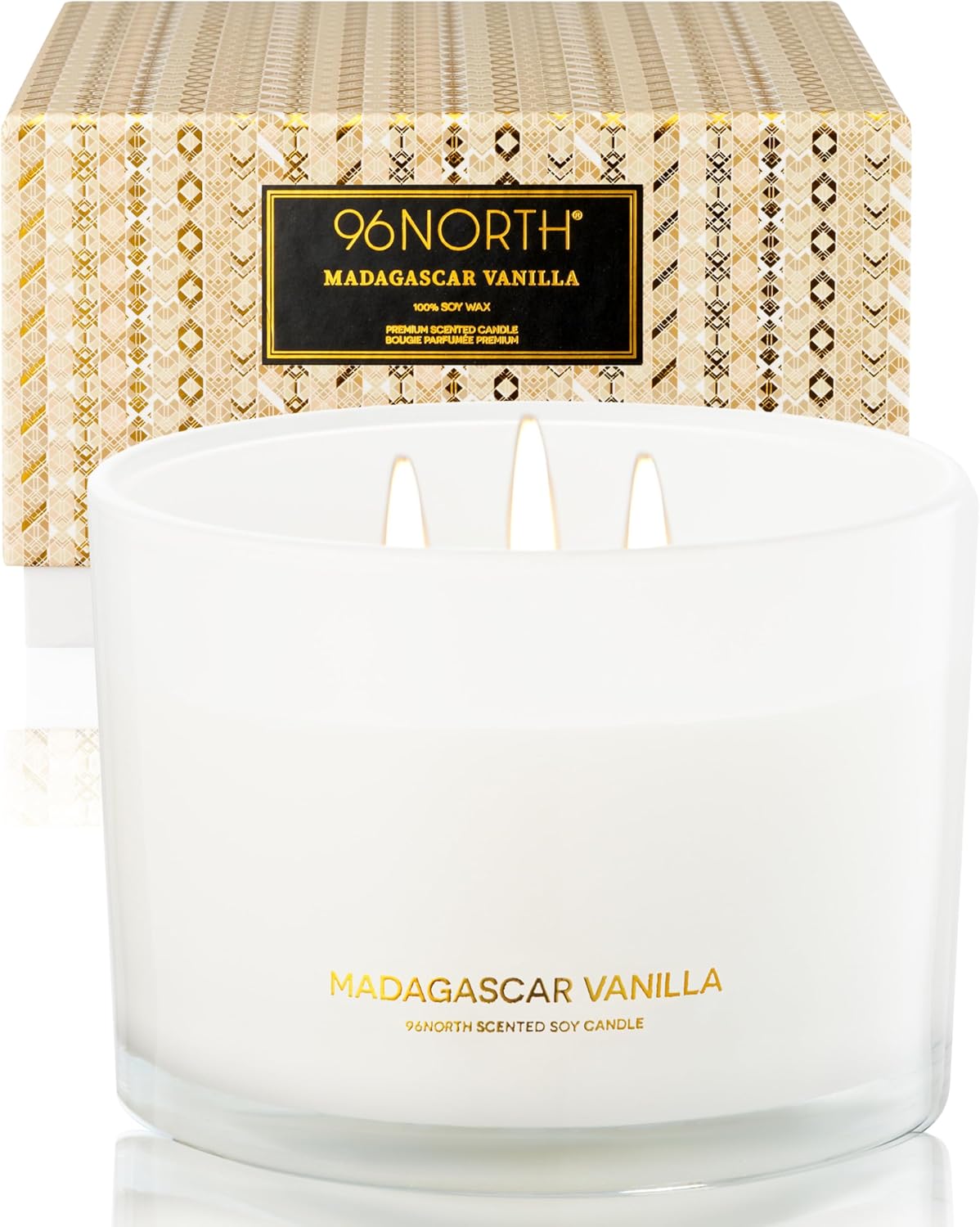
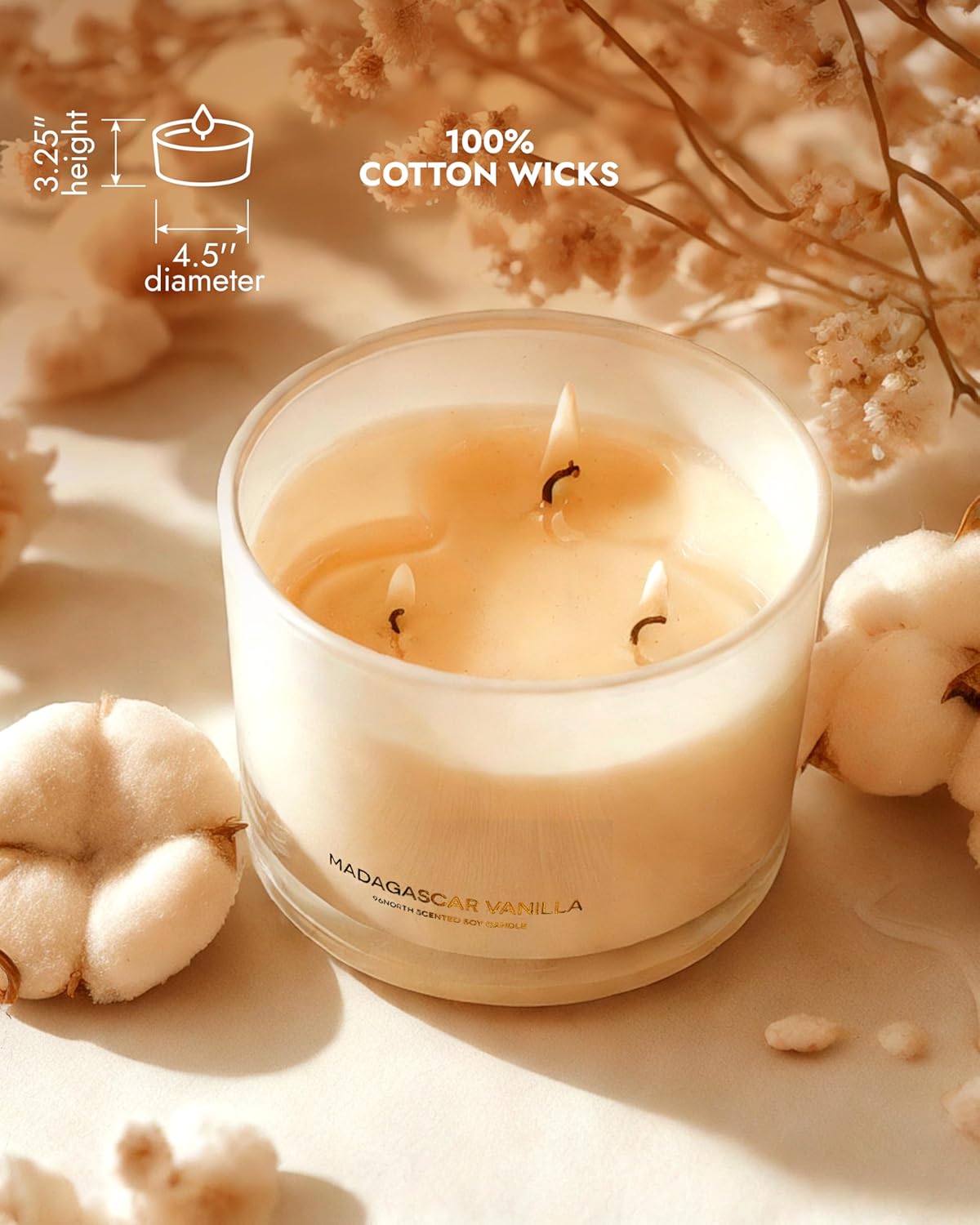
Discover seven practical use cases alongside a repeatable scent-anchoring method. To start, build your sensory transitions with clean, non-toxic soy candles from 96NORTH.
1. The One-Breath Reset: Disrupting the Overwhelm Loop
When you feel flooded by sudden anxiety or distraction, you need an immediate pattern interrupt. Using scent for emotional regulation works fastest when built into a rapid micro-ritual.
Pause and inhale a grounding aroma for one slow breath, then exhale twice as long as you inhale. Repeat this for two rounds. Next, name your current state in one word, such as "wired," and choose your next state, like "steady."
Use this tool as a fast pre-meeting reset to shift from reactive to intentional. The results come from combining focused attention with breath, not magic oils.
2. The Scent-Anchoring Protocol: How to Build Your Physical Reset Cue
You cannot always think your way out of stress. To use scent for emotional regulation, build a somatic anchor with this seven-day protocol:
-
Isolate the cue: Choose one scent reserved strictly for calm. Avoid using it while working or scrolling.
-
Pair the behavior: For five minutes daily, inhale the scent while breathing slowly, unclenching your jaw, and placing your feet on the floor.
-
Deploy the anchor: After seven days, use this scent during moments of stress as an automatic return to baseline.
The fragrance itself is not the cure; the learned physical association is the tool.

3. Sensory Zoning: How to Separate Work and Rest at Home
When your office is also your living room, the boundaries between productivity and recovery dissolve. Solve this work-from-home blur by using scent for emotional regulation to build strict spatial boundaries.
-
Focus Scent: Burn an activating aroma like Roasted Coffee strictly at your desk to start work blocks.
-
Recovery Scent: Light a grounding aroma like Nordic Pine away from your desk during your shutdown routine.
This two-zone setup acts as a "digital sunset." Understanding how scented candles work to diffuse these mental cues makes transitions seamless. Close your laptop, blow out your focus scent, and light your recovery scent to reclaim your evening.
4. The Somatic Scent Loop: Halting the Doom-Scroll Spiral
When sudden overwhelm hits (racing thoughts, irritability, or doom-scrolling), you need a physical circuit breaker to reorient to the present.
Try this somatic grounding sequence:
-
Inhale: Breathe in a calming aroma once.
-
Ground: Complete the 5-4-3-2-1 technique, identifying five things you see down to one you taste.
-
Reset: Keep exposure brief, aiming for a soft return to baseline.
Use this transition:
-
Before driving after an argument
-
After a stressful news cycle
-
At the end of a crowded day
If anxiety is severe, use scent for emotional regulation as a supportive anchor alongside professional medical care.
5. The Sleep Transition Ritual: Shutting Down an Overactive Mind
If you lie in bed exhausted but with a racing mind, you can solve this mental static. Establish a consistent behavioral cue using scent for emotional regulation.
First, choose a dedicated bedtime fragrance. Learn how to choose a candle scent that triggers relaxation, lighting it 30 to 60 minutes before sleep. Pair this nightly with a two-minute habit:
-
Dim your lights
-
Put your phone away
-
Practice slow breathing
Finally, apply a strict stop rule. Extinguish the candle before climbing into bed. This prevents sensory habituation, ensuring your brain associates the aroma with active transition rather than passive stimulation.
6. The Morning Reset Stack: Upgrading Your First Input
Waking up foggy or anxious often prompts us to reach for our phones to self-soothe. This reactive start floods the brain with stress. Instead of defaulting to digital screens or caffeine, design your first sensory input to reclaim control.
Optimize your morning transition with this simple routine stack:
-
Light: Open a window for one minute of natural daylight.
-
Scent: Inhale an energizing aroma during ten slow breaths.
-
Intention: Choose one focus word, such as "steady" or "clear."
This practice nudges your nervous system toward calm activation without forcing happiness. If you like using scent as a routine companion, explore 96NORTH.
7. The Dial-Down Method: Navigating Sensory Sensitivity
If strong aromas trigger headaches, nausea, or irritability, you can still use scent for emotional regulation. The key is a safety-forward, "less is more" approach.
Try this dial-down checklist:
-
Micro-exposures: Scent your space for 2 to 5 minutes instead of continuously. If using passive options, learn how long reed diffusers last to better manage exposure.
-
Ventilation first: Crack a window before scenting. Fresh air increases your sensory tolerance.
-
Neutral days: Maintain one scent-free day weekly so scent does not become your only coping tool.
If you have asthma, migraines, or pets, prioritize safety and consult guidance.
Frequently Asked Questions
Does using scent for emotional regulation actually work, or is it a placebo?
Yes, but as a functional cue rather than a magical cure. Scent directly accesses the brain's emotional center, influencing attention, memory, and stress responses. While some people feel stronger effects than others, the real power lies in repeatability. Pairing a consistent fragrance with a mindfulness habit builds a physical association, turning the scent into a reliable trigger for calm.
What is the difference between essential oils, perfume, and aromatherapy?
Essential oils are pure plant extracts, while perfumes and fragrances are blended aromatic materials, natural or synthetic. Aromatherapy is simply the intentional practice of using these scents to support well-being. For real benefits, choose clean options you tolerate well and will use consistently, rather than looking for a complex medical cure.
How long should I use a scent for emotional regulation?
Treat fragrance as a targeted dose. Brief, intentional exposures of 2 to 10 minutes are ideal for resetting your mental state. You can enjoy longer sessions if the aroma remains pleasant and non-fatiguing. To optimize your space and rituals, learn more about how scented candles work to diffuse clean fragrance safely.
Is it safe to use home fragrance around kids, pets, or migraines?
Safety requires a cautious approach. When using home fragrance around children, pets, or those prone to migraines and asthma, keep exposure brief and the room highly ventilated. Avoid continuous scenting and stop immediately if anyone shows discomfort. Always consult a clinician or veterinarian for advice tailored to specific respiratory sensitivities.
How do I choose the right scent for focus, calm, or sleep?
Use a test and log strategy. Select one mental goal and one fragrance, then test them together for seven days. Jot down your mood before and after to see how your body responds. For detailed guidance on matching fragrance profiles to your personal goals, see our guide on how to choose a candle scent.
To begin designing your daily transitions and find your grounding ritual, explore the premium collections at 96NORTH.