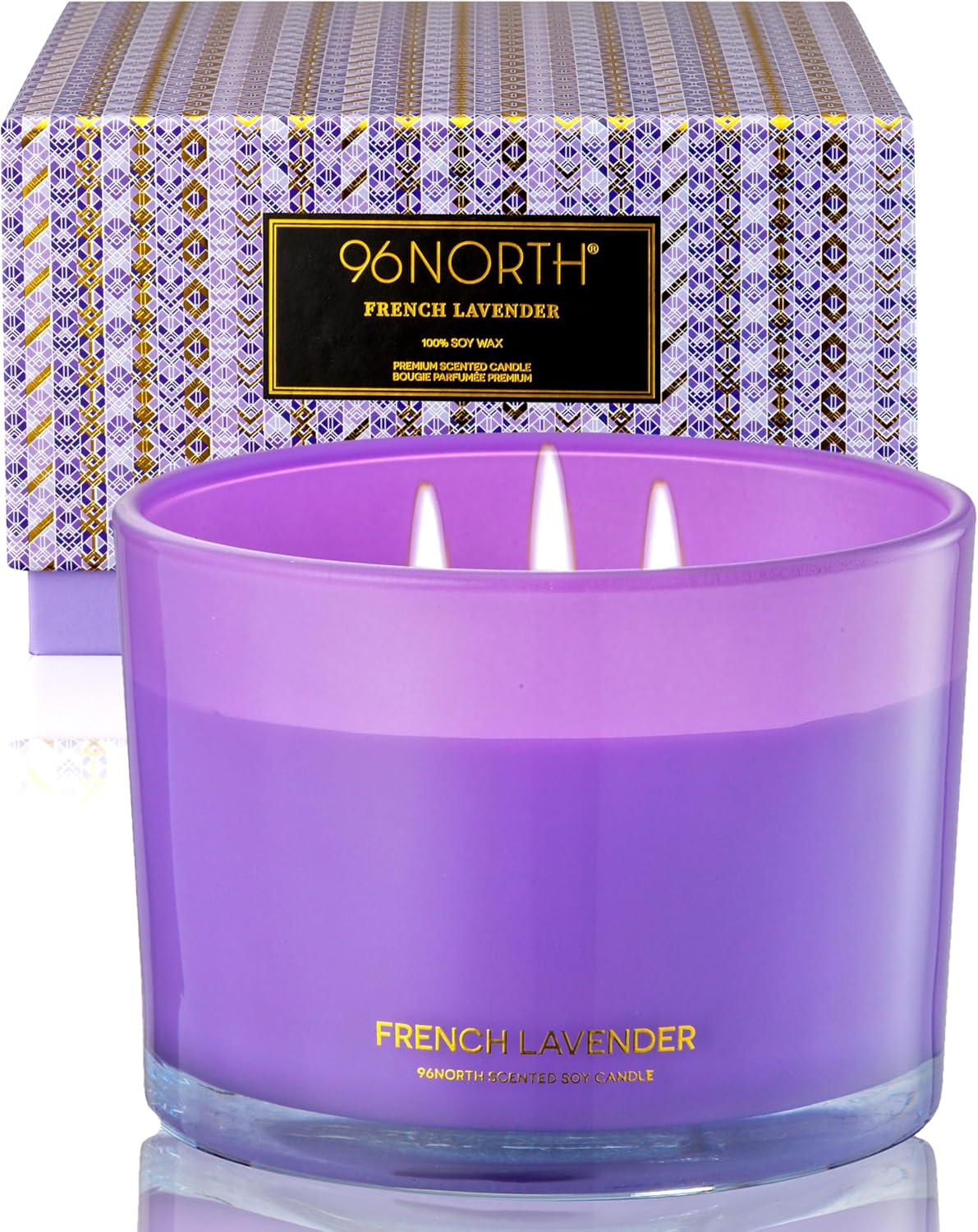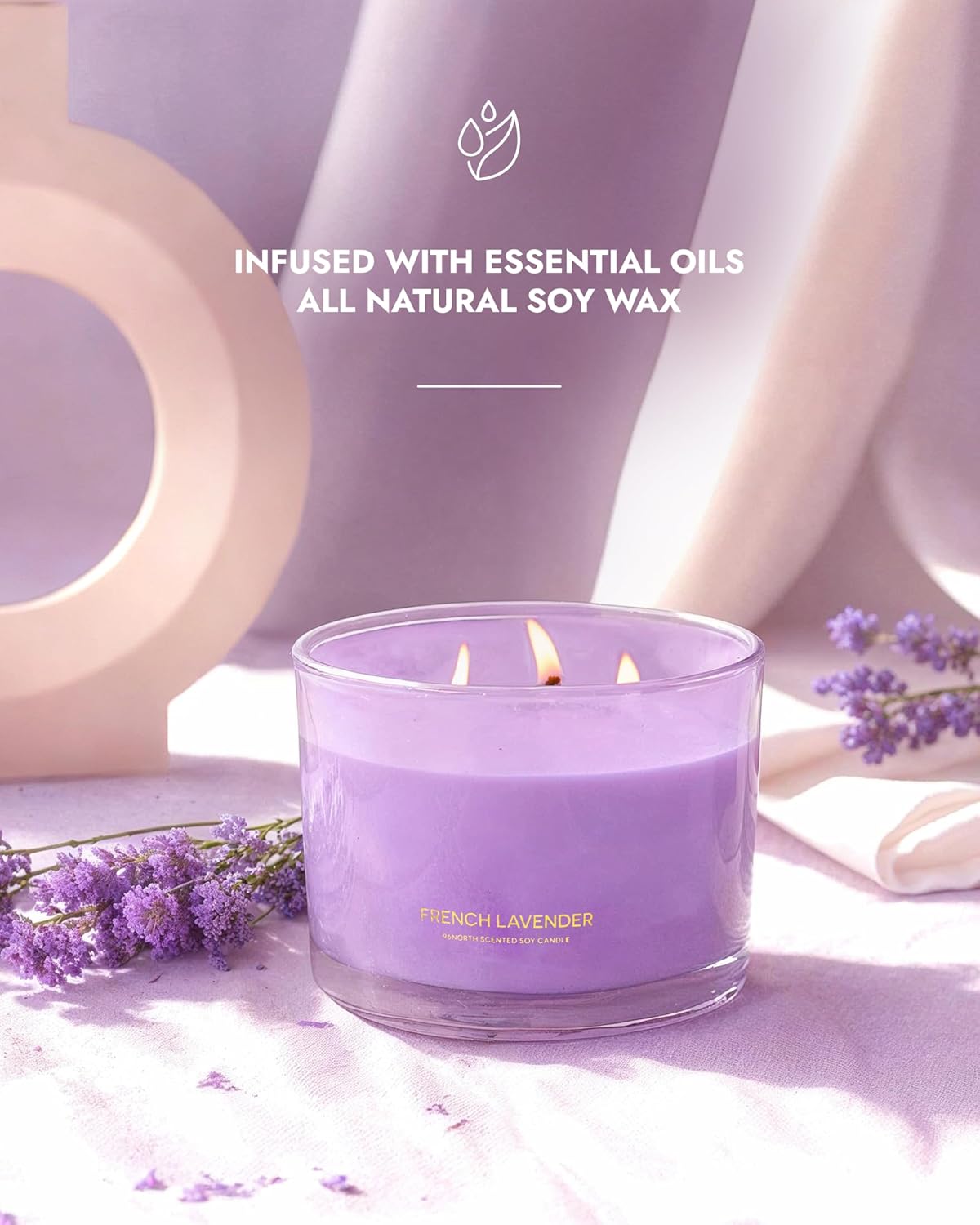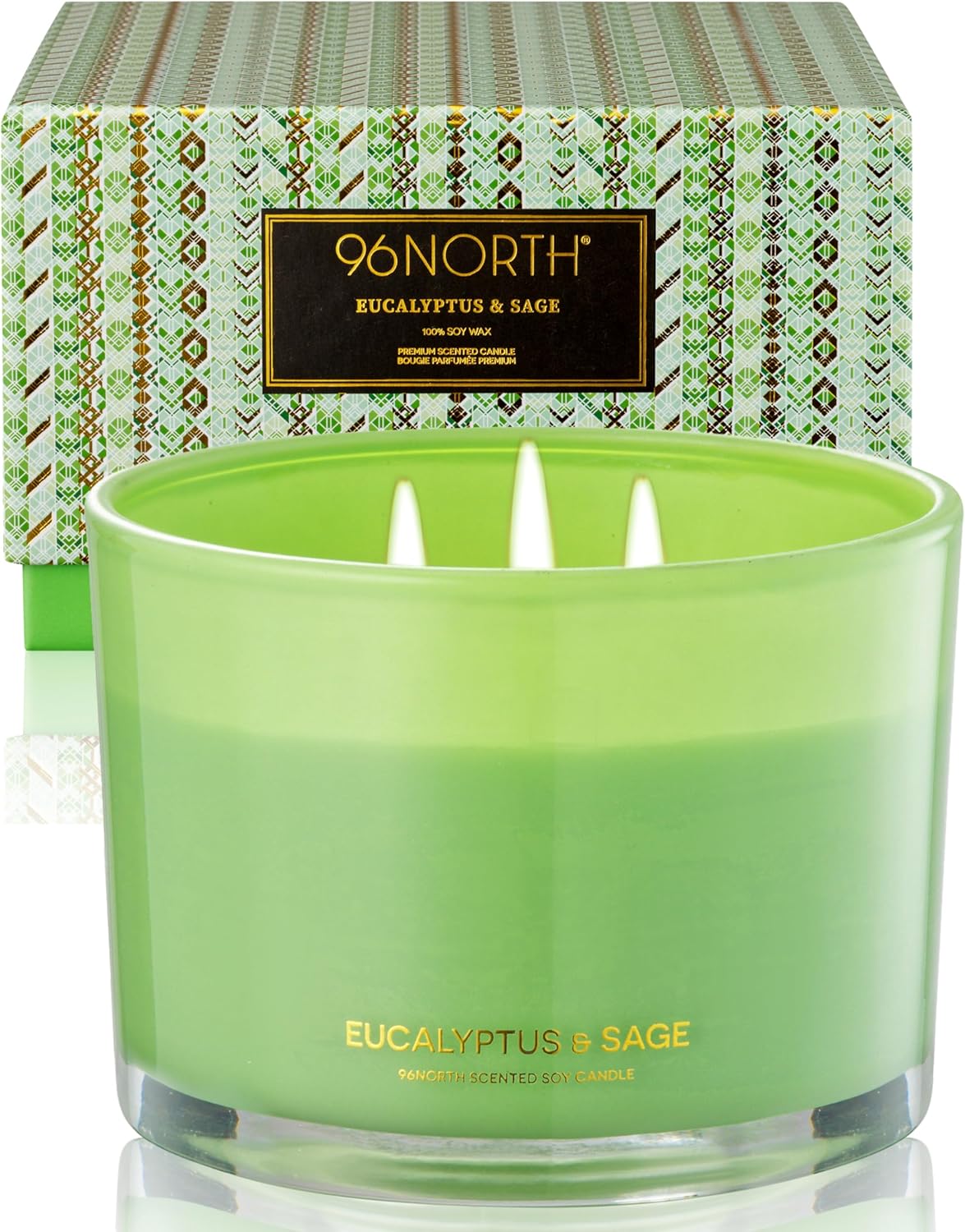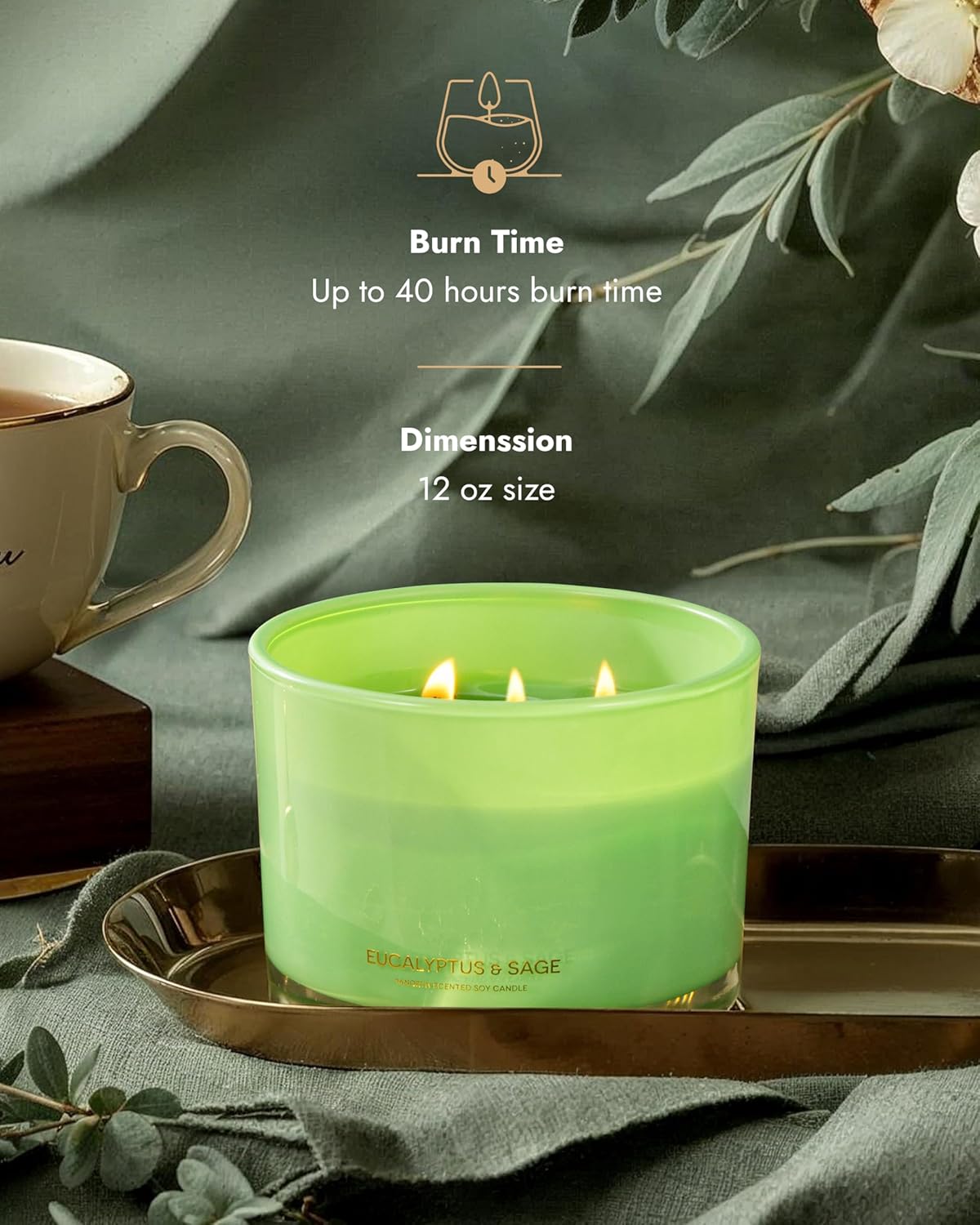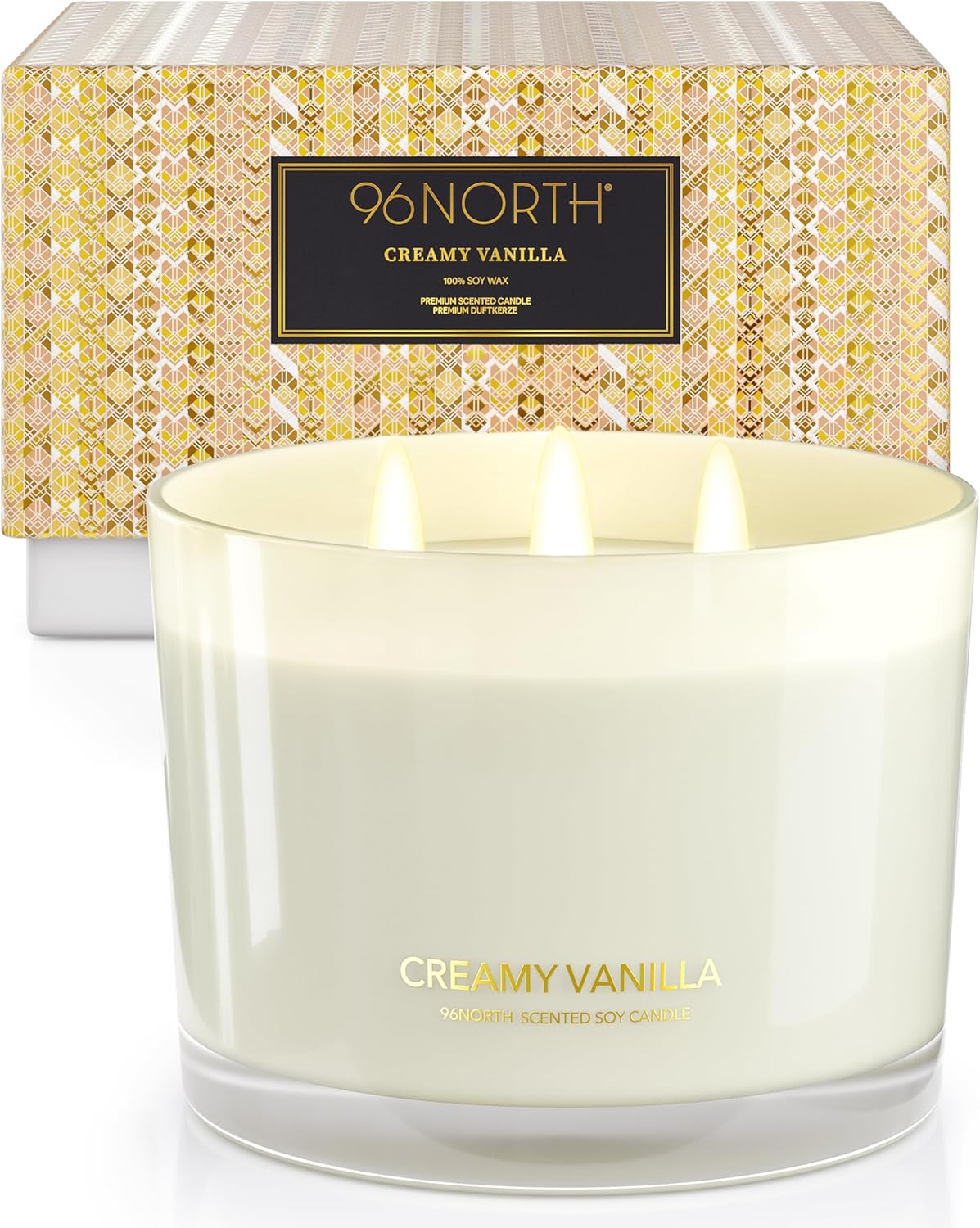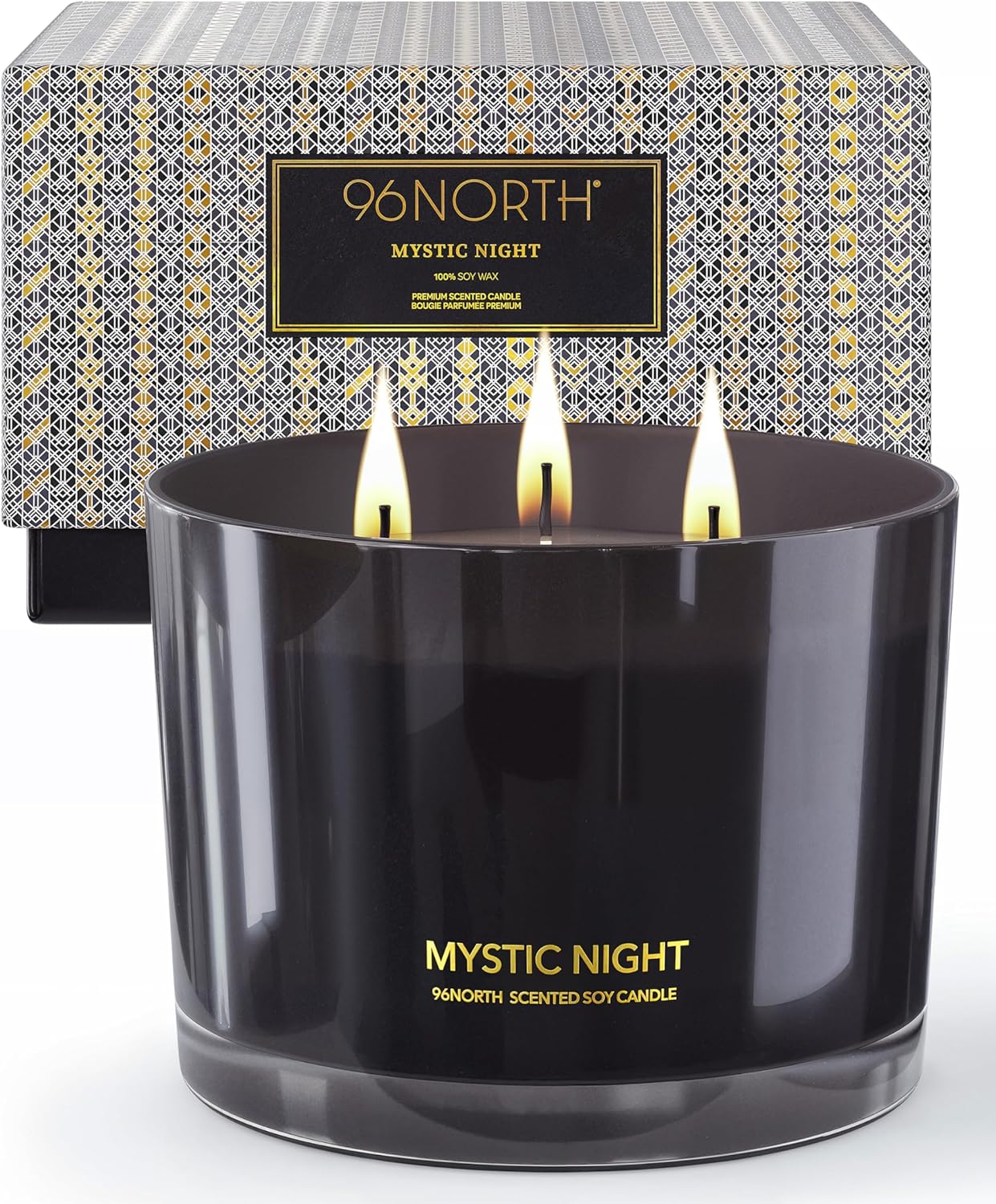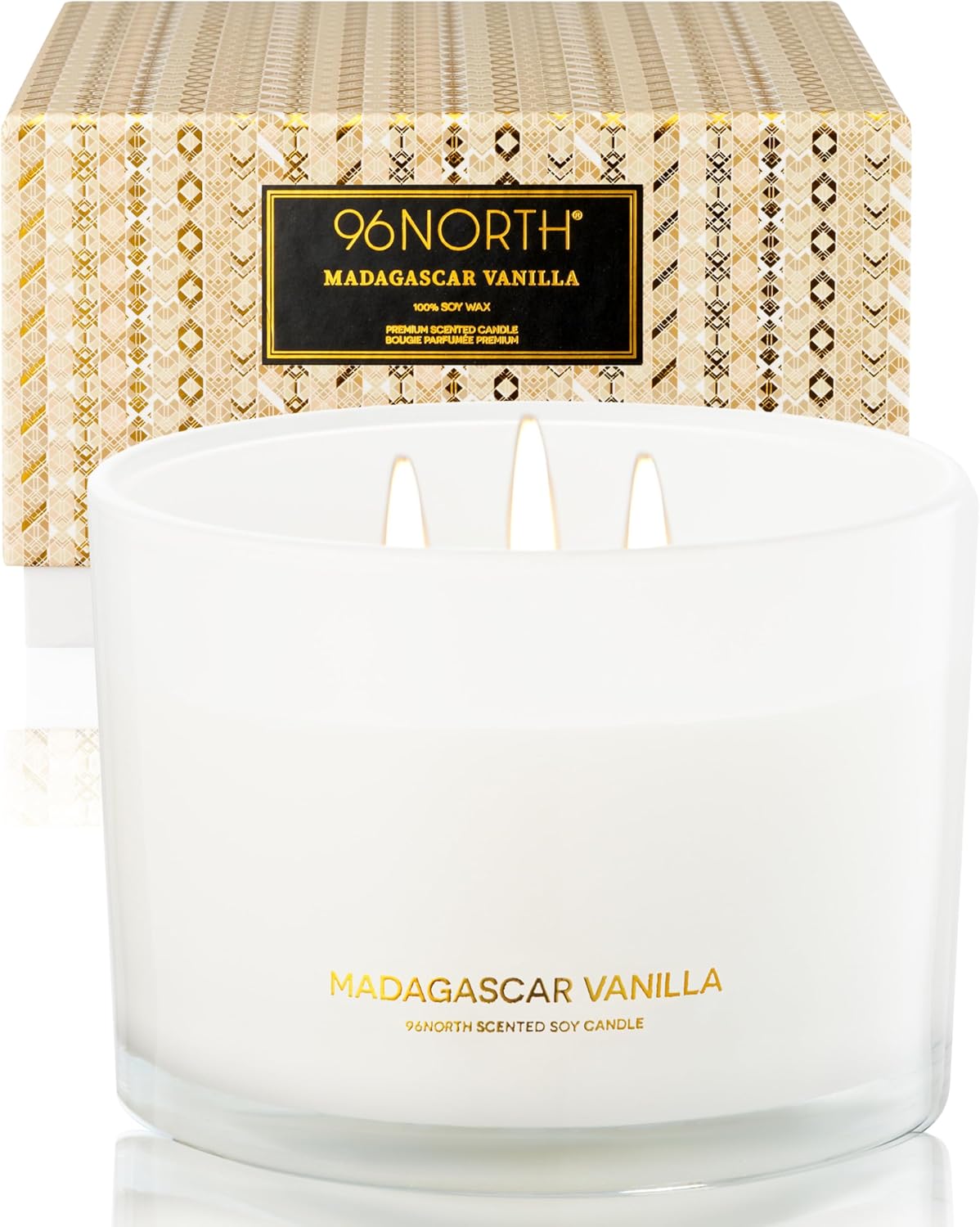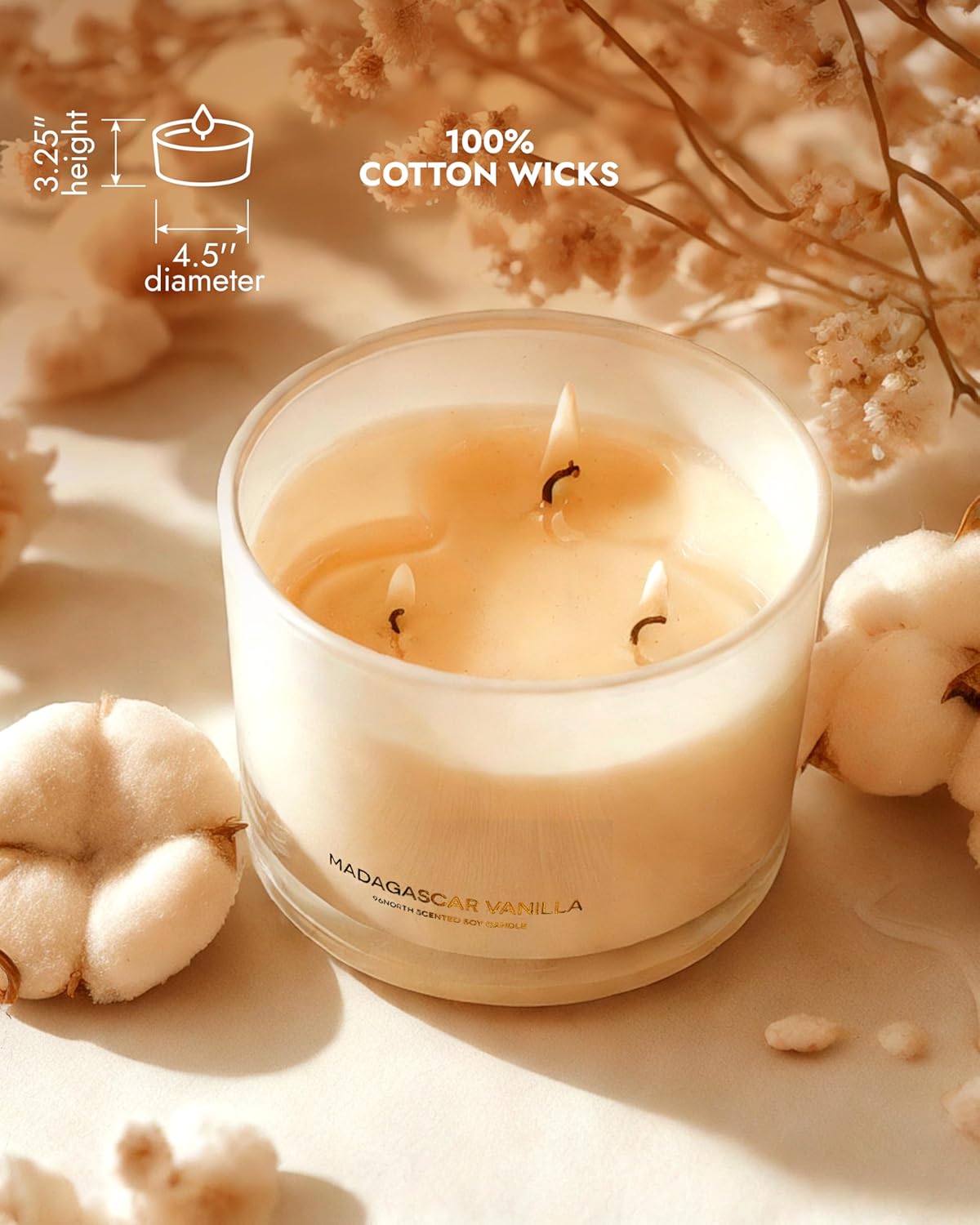

Many wellness seekers assume essential oil candles are automatically safer, while fragrance oil candles are inherently toxic. But clean scenting is rarely that simple. Choosing the right candle comes down to your personal priority: pure botanical ingredients versus powerful scent performance and longevity.
To bypass the marketing confusion, this guide breaks down how both choices impact scent throw and clean air. Here is your framework to choose the perfect sensory anchor for your home.
1. Demystifying the Labels: Essential Oils vs. Fragrance Oils
That calming label on your favorite candle might not mean what you assume. When sourcing clean sensory tools for anxiety relief or home wellness, confusing marketing can easily mislead you.
True essential oils are volatile, therapeutic compounds steam-distilled directly from plants. In contrast, fragrance oils are complex aroma blends containing natural isolates or synthetics, engineered to withstand high wax temperatures. Remember, actual candle performance depends entirely on formulation rather than the marketing buzzwords on the jar.
How does this affect your space?
-
Essential oil candles: Offer a narrower, botanical scent palette with natural batch-to-batch variation.
-
Fragrance oil candles: Deliver a broader, highly stable scent profile engineered for maximum hot throw.
Before buying, use this label translation guide:
-
"Scented with essential oils" rarely means 100% botanical ingredients.
-
"Phthalate-free fragrance" guarantees safety from endocrine disruptors, but not a chemical-free formula.
Ultimately, you are choosing between raw ingredient philosophy and reliable performance predictability.
2. Cold Throw vs. Hot Throw: The Performance Reality
Have you ever bought an essential oil candle that smelled incredible in the jar, only to light it and realize the aroma barely leaves the wax? This disappointment stems from the difference between cold throw (what you smell when unlit) and hot throw (the scent dispersed while burning).
Pure essential oils often struggle with hot throw because of their highly volatile nature. When exposed to flame, these delicate botanicals quickly evaporate or alter under high heat. They also lack the heavy anchor molecules needed for sustained, long-range release.
In contrast, fragrance oils are engineered to bind with wax and withstand heat, ensuring a consistent, room-filling throw.
To set your expectations, prioritize your sensory goals:
-
Room-filling scent: Choose fragrance oils or hybrid blends.
-
Subtle, intimate minimalism: Choose pure, essential-oil-forward candles.
3. Scent Longevity: The ROI of Consistency
True scent longevity means more than just a slow-burning wick. It requires two distinct benchmarks: consistent in-candle endurance across dozens of burns, and batch-to-batch consistency when you reorder.
While pure essential oil candles provide a vibrant, "living" aroma, they remain highly vulnerable to batch variations from seasonal crop harvests and rapid oxidation. This means your next purchase might not deliver the same grounding escape. Conversely, engineered fragrance blends offer a repeatable scent profile that remains highly potent down to the final pool of wax.
To maximize your wellness investment, bypass vague "infused with" marketing and prioritize brands that specify:
-
Tested hot-throw performance metrics.
-
Detailed burn-time guidelines for clean wax pooling.
-
Clear wick-maintenance instructions.
Ultimately, a reliable, predictable aroma is more than a pleasant fragrance. It serves as a dependable sensory anchor to cue your daily mindfulness routine without unexpected surprises.
4. Redefining Clean: Why Standards Matter More Than Origins
The debate around essential oil candles often creates a false binary: natural is safe, and synthetic is toxic. In reality, "natural" only describes origin, whereas "clean" indicates strict safety standards, ingredient restrictions, and formulation transparency.
When selecting a clean, restorative candle, look for these benchmarks:
-
Ingredient transparency: Clear safety disclosures and strict IFRA compliance.
-
Avoidance claims: Formulas verified as phthalate-free and non-toxic.
-
Rigorous testing: Documented safety thresholds that protect indoor air quality.
High-quality synthetic molecules can actually reduce exposure risks. They provide greater chemical stability and significantly lower allergen variability than raw, unpredictable botanicals.
Before choosing your next sensory anchor, ask yourself: is your priority strictly plant-derived ingredients, or a low-irritant, transparently formulated experience?

5. Heat Sensitivity: Why Certain Aromas Disappear
Why does a bright citrus candle lose its sparkle after a few burns? In essential oil candles, different aromatic compounds react uniquely to heat.
Every fragrance blends light and heavy botanical notes:
-
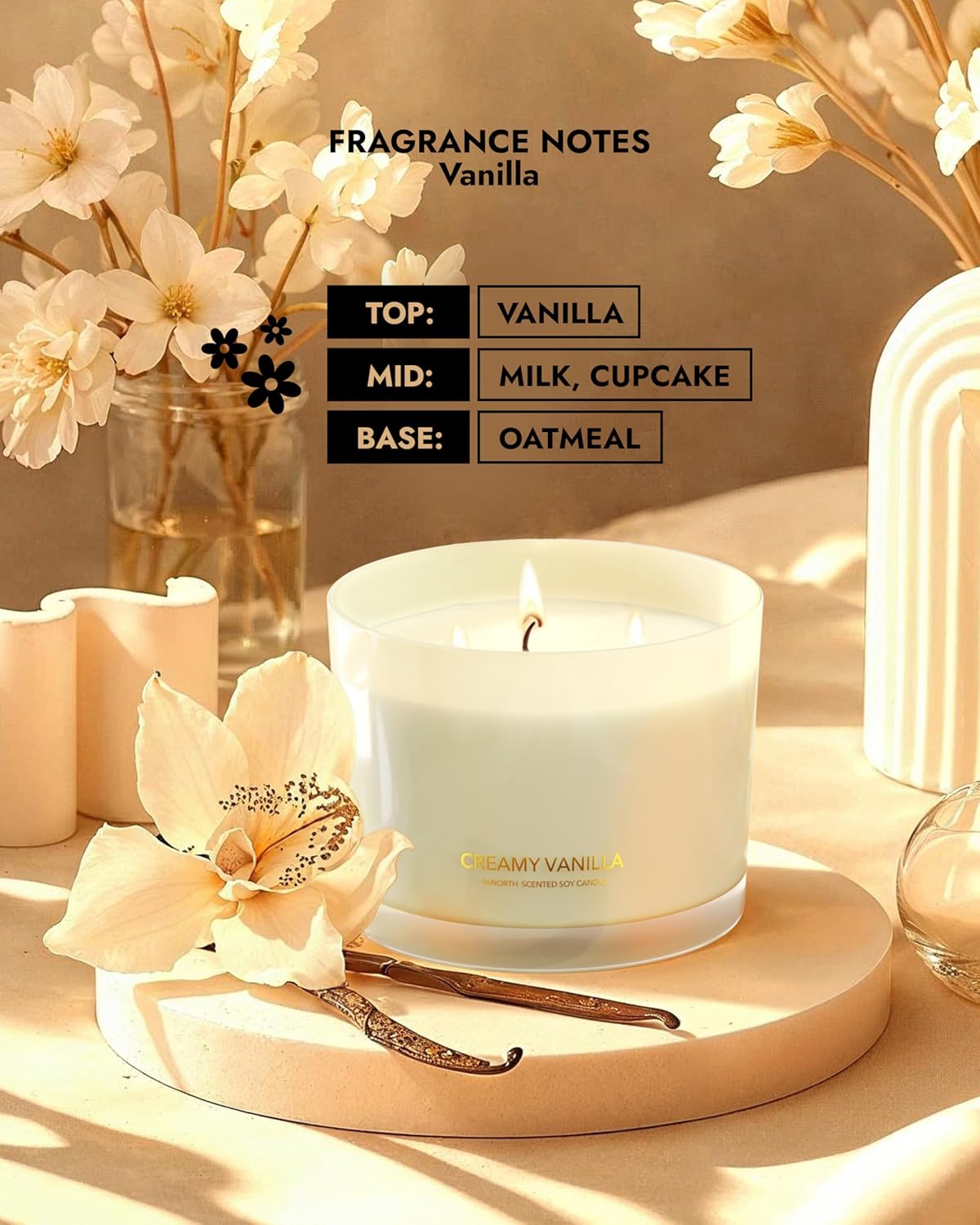
Top notes: Delicate citrus and herbs (like lemon and bergamot) evaporate rapidly under a burning wick's heat.
-
Base notes: Heavy woods, resins, and rich vanilla withstand high temperatures and linger much longer.
Standard manufacturing temperatures can flatten these delicate top notes. High-quality brands counteract this sensitivity by balancing fragile oils with sturdy bases and executing rigorous performance testing.
Shopping Tip: If you love uplifting citrus, choose essential oil candles that anchor bright top notes with grounding base scents. This ensures your sensory sanctuary maintains its vibrant energy from the first burn to the last.
6. Shared Spaces: Navigating Sensitivity and Pet Safety
"Natural" does not always mean safe. When burning essential oil candles, even pure botanical aromas can trigger headaches, respiratory irritation, or pet sensitivities. Because certain essential oils are toxic to dogs and cats, pet owners must prioritize cautious fragrance selection and excellent ventilation.
For nurseries, small rooms, or sensitive individuals, chasing a heavy scent throw is the wrong goal. Opt for unscented or very lightly scented waxes to protect these delicate environments.
Ultimately, daily habits matter more than the wax type. Protect your household with these practical steps:
-
Limit burn times to under two hours
-
Burn candles far from pet sleeping areas
-
Maintain active, steady room ventilation
7. Your Decision Framework: Choosing Your Sensory Anchor
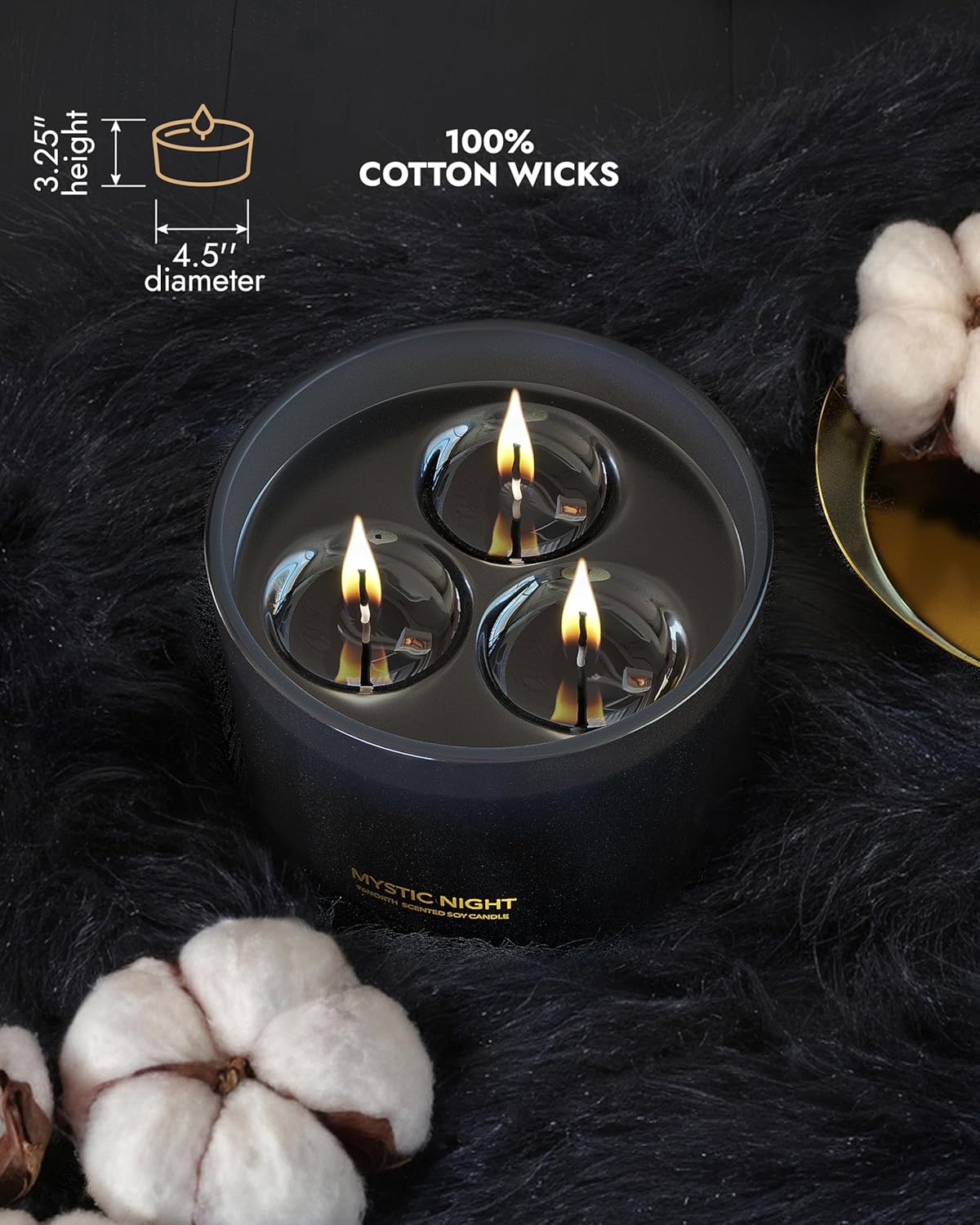
When selecting essential oil candles, check labels for soy wax, lead-free cotton wicks, and fragrance purity. Learn how scented candles work to understand throw, then ask:
-
Do you need a subtle aroma or room-filling throw?
-
Is "100% plant-derived" a strict lifestyle requirement?
-
Is your home sensitive or pet-prone?
Opt for pure botanicals for natural-leaning purity, synthetic blends for raw performance, or "clean fragrance" for a safe, balanced compromise.
For flame-free scent, explore luxury reed diffusers and learn how long reed diffusers last. Anchor your daily sensory travel at 96NORTH.
Frequently Asked Questions
Are essential oil candles healthier than fragrance oil candles?
Not necessarily. Whether a candle is healthy depends on its complete chemical formulation, concentration, and your personal sensitivities rather than its natural origin. Raw botanical essential oils can still trigger allergies, asthma, or respiratory irritation, while high-quality synthetic "clean fragrance" is rigorously tested for safety and transparency. For a healthier home ritual, focus on non-toxic, phthalate-free formulas, and practice a patch-test mindset by starting with shorter burns in well-ventilated spaces.
Why can’t I smell some essential oil candles when they’re burning?
This occurs because essential oils are highly volatile and struggle with hot throw, which is the scent released while burning. The intense heat of a candle flame can quickly degrade or evaporate delicate botanical top notes before they can disperse into your room. If you want better staying power, choose natural candles anchored by heavy, heat-resistant base notes like cedarwood, patchouli, or warm vanilla.
Do fragrance oils always contain phthalates or toxins?
No, modern fragrance oils are not inherently toxic. Many premium wellness brands formulate exclusively with phthalate-free fragrance oils to eliminate endocrine disruptors while maintaining high scent performance. When choosing a clean candle, look for brands that provide clear safety claims and adhere to strict safety standards rather than accepting a vague "proprietary blend" label as the only ingredient information.
Are essential oils safe around pets if they’re natural?
No, many natural essential oils are highly toxic to dogs and cats. To protect your pets, always burn candles in well-ventilated spaces, avoid small closed rooms, and keep the scent source far away from pet sleeping areas. If you are unsure about safe botanical varieties, see our pet safety breakdown above or opt for lighter scent profiles and flame-free alternatives.
If I want a strong scent and a cleaner-feeling home ritual, what should I buy?
You should look for high-performance soy candles that use transparent, clean fragrance standards. This balanced approach gives you the robust, room-filling hot throw of engineered scents without compromising your indoor air quality. Alternatively, you can explore premium reed diffusers for a steady, flame-free background aroma that lasts for months. Learn more about how scent chemistry works at 96NORTH by reading our guide on how scented candles work, or browse our collection of luxury reed diffusers to transform your space.