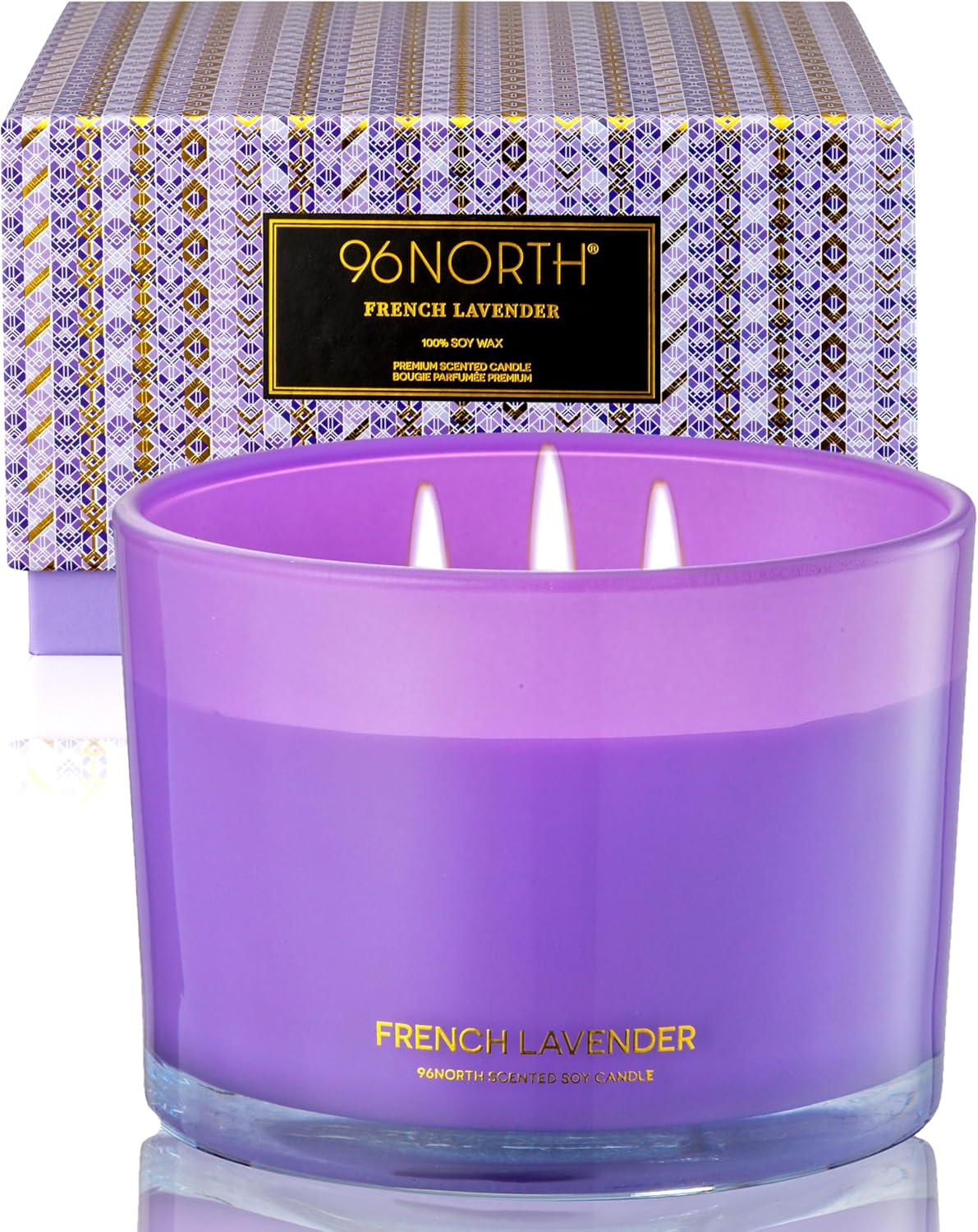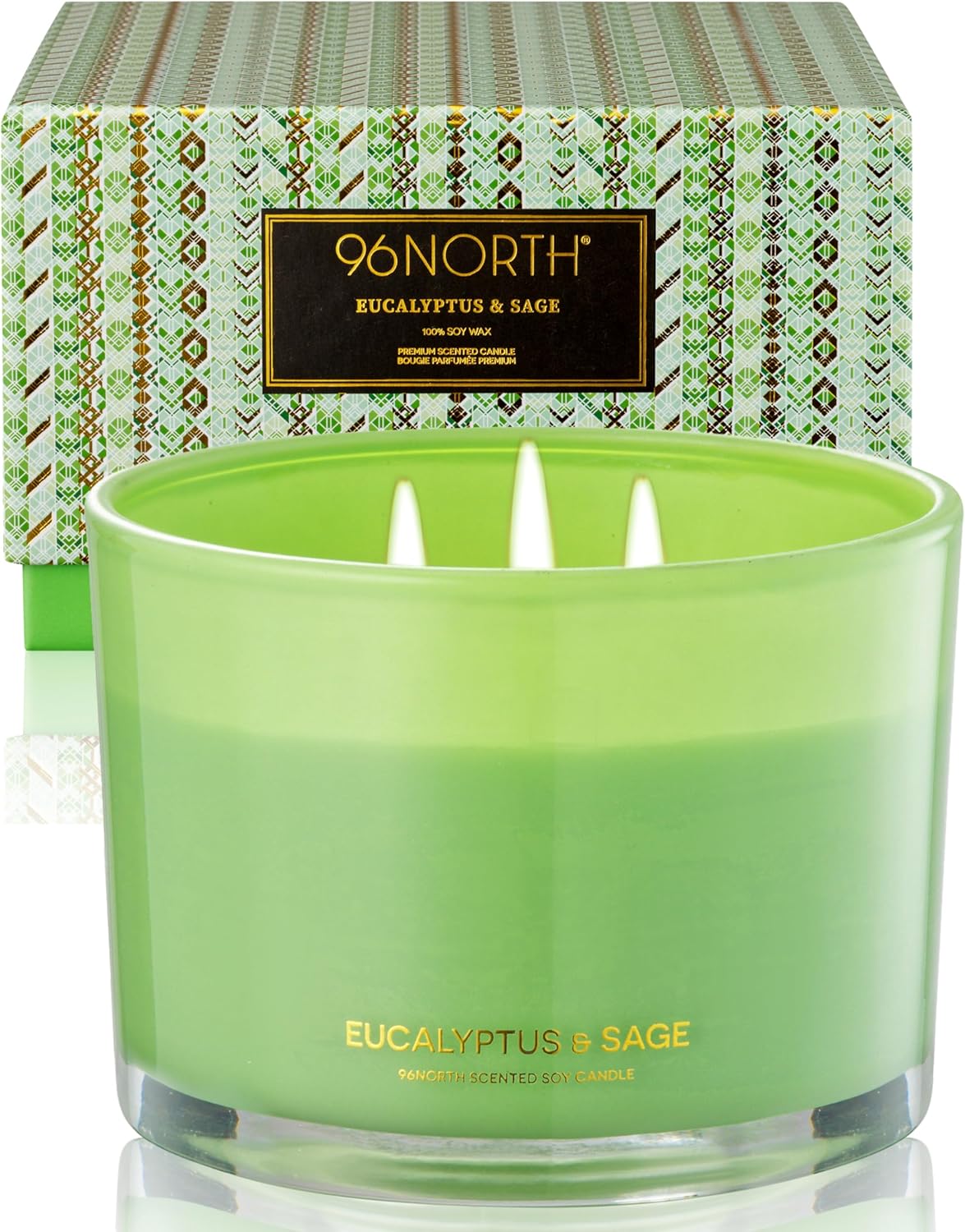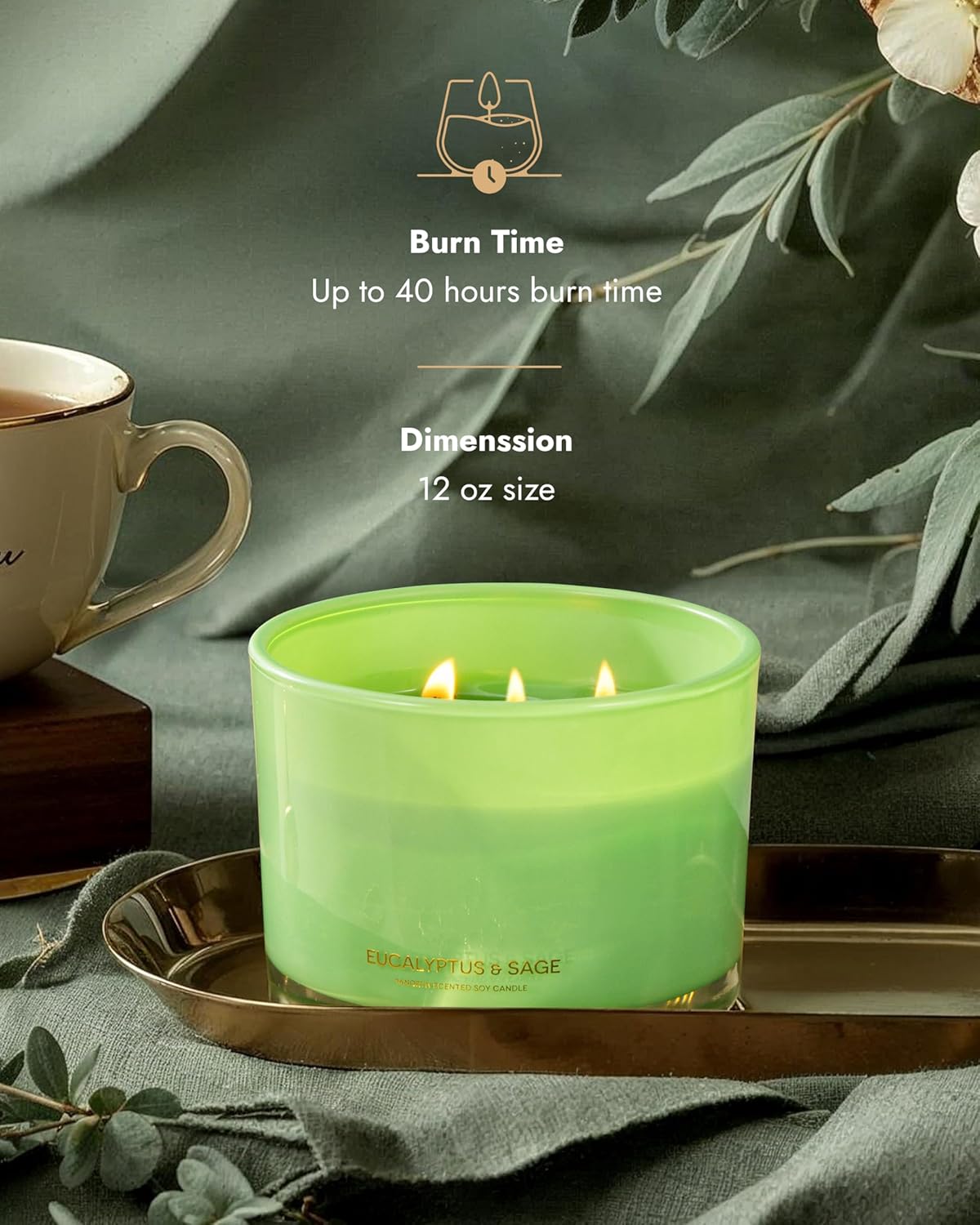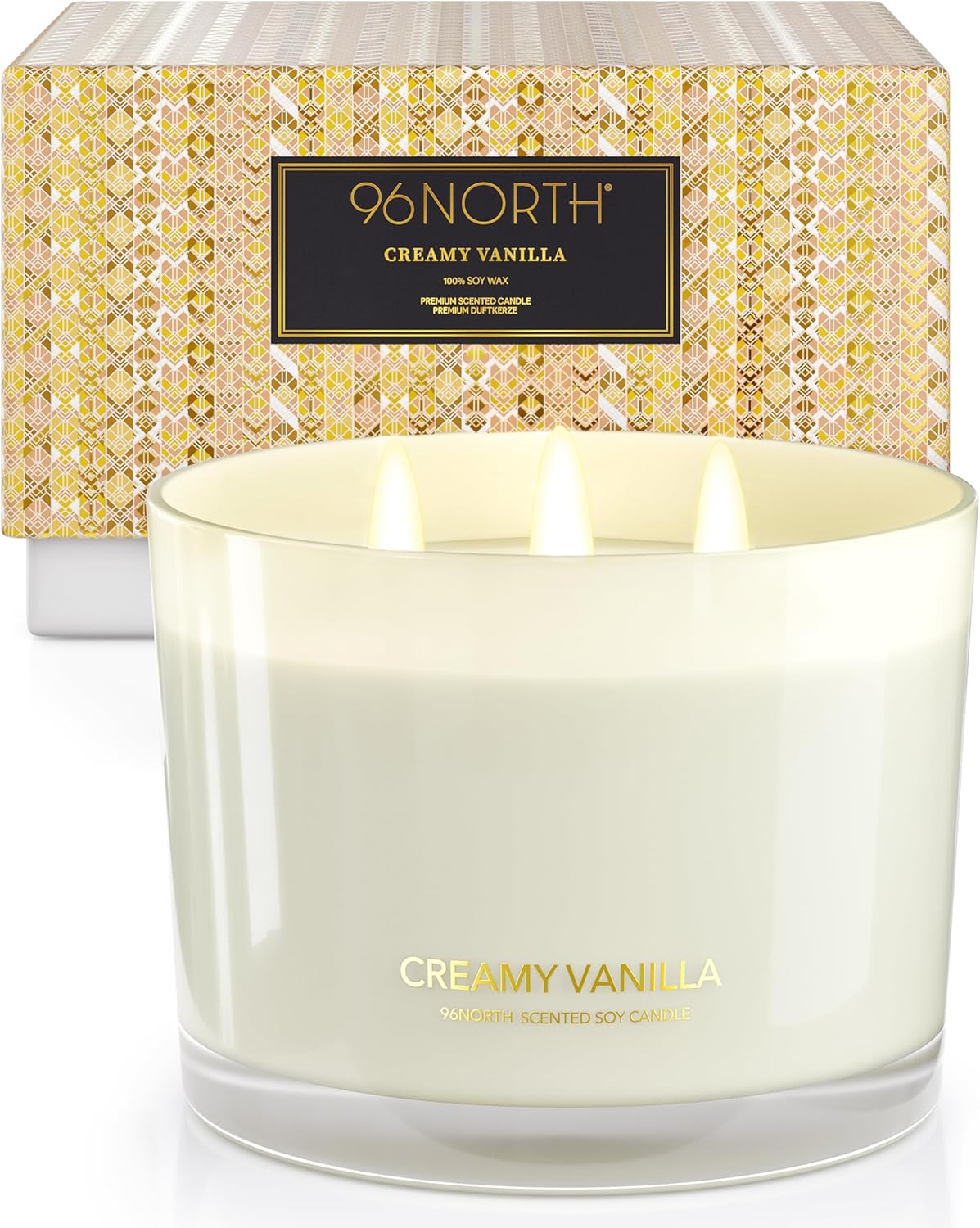

Can you enjoy a beautifully scented home without compromising your pet’s health? The short answer is yes, but no candle is completely zero risk. Truly pet safe candles rely on cleaner ingredients, lower irritants, and intentional burn habits.
Instead of guessing, use this guide to scan for safe versus unsafe ingredients, especially essential oils, and grab our buying checklist. Let’s start with the foundation of any clean burn: wax choice.
1. Check the Base: Why Your Candle’s Wax Matters
Pets live closer to the floor where heavy soot and settled combustion byproducts accumulate. Because dogs and cats breathe faster than humans, a candle's base wax directly impacts their sensitive respiratory systems. Finding pet safe candles starts with selecting a clean-burning foundation.
Safer Waxes (Quick Scan)
-
Soy wax: A clean-burning, renewable, plant-based option that throws scent gently.
-
Beeswax: Emits minimal smoke, burns exceptionally clean, and naturally neutralizes pet odors.
-
Coconut and apricot wax: Premium, slow-burning, sustainable alternatives that offer a soot-free burn.
Waxes to Avoid
-
Paraffin: A cheap petroleum byproduct that releases toluene, benzene, and heavy soot.
-
Unlabeled "wax blends": Formulations designed to mask cheap paraffin under marketing jargon.
Buying Tip: Choose brands that explicitly name their wax source on the label. If a product lists a "proprietary blend" without details, leave it on the shelf.
2. Inspect the Wick and Vessel: Safety Beyond the Wax
A clean wax base means nothing if a cheap wick releases toxic heavy metals into your pet’s sensitive respiratory system. Wick quality dictates soot and smoke output, while vessel stability prevents fires from excited wagging tails.
What to Look For
-
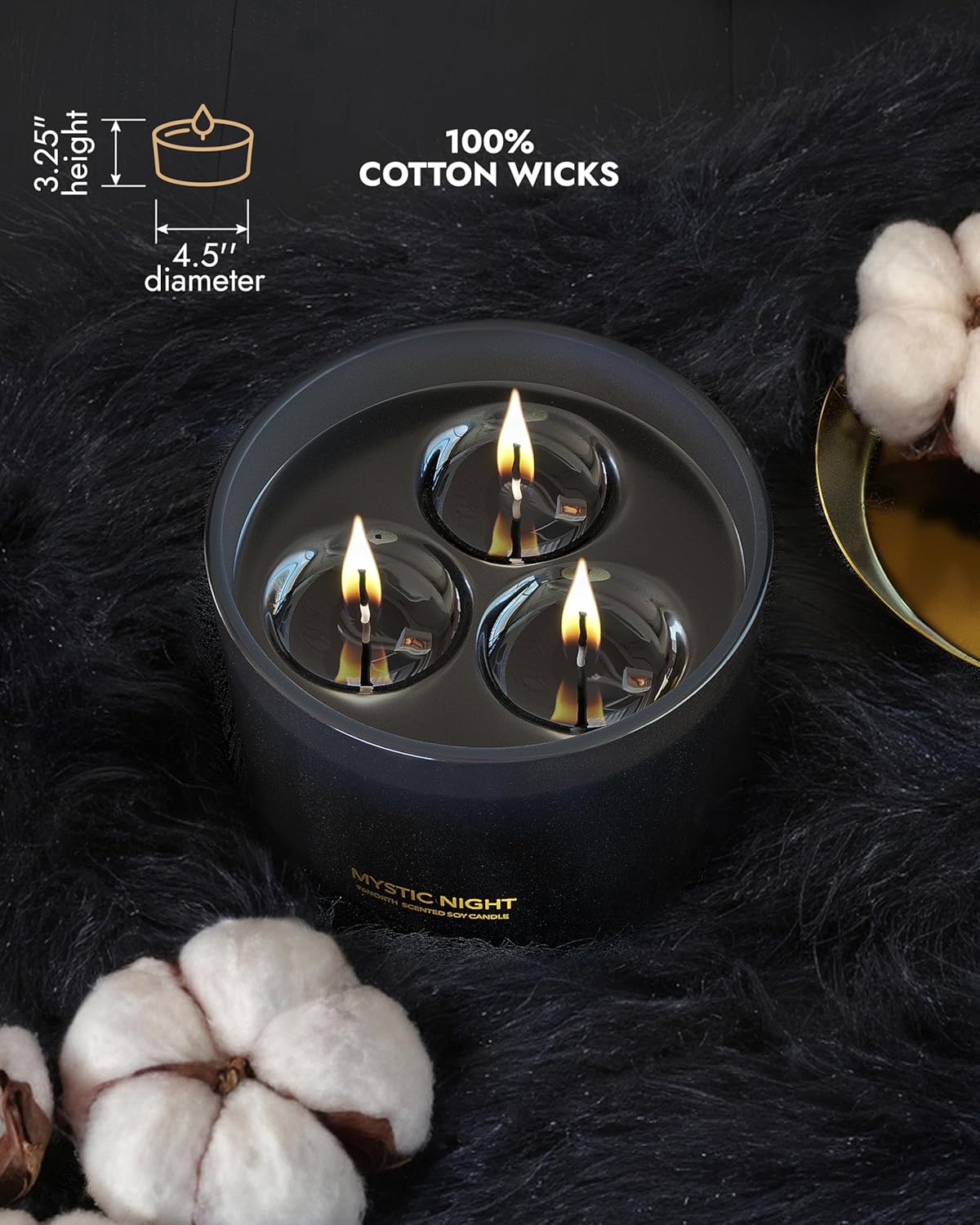
Wick labels: Choose "100% lead-free cotton" or natural wood wicks.
-
Vessels: Look for heavy glass or ceramic with wide, sturdy bases.
What to Avoid
-
Metal cores: Skip unknown materials that may contain zinc or lead.
-
Unstable shapes: Avoid narrow, top-heavy containers that tip easily.
-
Add-ons: Skip highly decorative, flammable inserts like dried florals.
When buying pet safe candles, always check labels for explicit wick material disclosures. Prioritize heavy, low-profile designs that resist tipping from jumping cats. Even non-toxic wax becomes a hazard if a fragile container spills. Protect your pet’s micro-environment by choosing structural safety over cosmetic gimmicks.
3. Decode the Scent: Harmful Essential Oils vs. Safer Fragrances
Many pet parents assume "100% natural" essential oils are safe, but the opposite is often true. Pets, especially cats, lack the essential liver enzymes needed to break down volatile organic compounds. When these oils disperse, concentrated airborne exposure quickly irritates their sensitive respiratory tracts.
Unsafe Essential Oils to Avoid:
-
Tea tree, eucalyptus, and peppermint
-
Citrus (including orange, lemon, and lime)
-
Pine, wintergreen, and pennyroyal
-
Lavender (commonly used for calming, but not automatically pet-safe)
The Safer Approach:
-
Safer: Unscented soy candles, ultra-light fragrance loads, and brands following strict safety standards.
-
Avoid: Burning "100% essential oil" candles continuously in confined pet spaces.
Buying Tip: If a candle brand refuses to disclose whether their scent is essential oil based or what safety standards they follow, treat it as a red flag. Finding truly pet safe candles requires absolute ingredient transparency.

4. Demystify the Label: Clear Buying Signals vs. Marketing Tricks
The label "pet-safe" is unregulated marketing, not a medical guarantee. Because pet safe candles undergo no official veterinary testing, you must evaluate physical evidence to protect your companion's sensitive respiratory system.
Analyze a brand's transparency using these specific buying signals:
-
Safer Signals: 100% soy wax, lead-free cotton wicks, phthalate-free formulas, and explicit IFRA (International Fragrance Association) compliance.
-
Red Flags to Avoid: Vague "clean" or "non-toxic" claims with zero ingredient disclosure, and "proprietary fragrance" listings that hide raw synthetic chemicals.
When in doubt, email the brand this quick script:
-
What wax, wick, and fragrance systems do you use?
-
Are your fragrance oils completely phthalate-free and IFRA-compliant?
-
Do you share ingredient Safety Data Sheets (SDS) upon request?
This systematic vetting empowers you to curate a soothing, aromatic sanctuary without relying on hollow marketing claims.
5. The Household Burn Protocol: Safe Setup and Pet Signals
Even the cleanest pet safe candles pose a respiratory risk in cramped, unventilated rooms. To protect your companion, establish a practical household protocol where fresh air and secure placement always take priority over a heavy scent throw.
Safer Setup Protocol:
-
Safer: Crack a window, run a ceiling fan, burn in spacious rooms, and keep vessels on high, pet-inaccessible surfaces.
-
Avoid: Burning in tiny, closed spaces, placing glass jars on table edges, or lighting wicks near low curtains and high-traffic pet pathways.
Introduce any new fragrance with a brief, fifteen-minute burn to carefully evaluate your pet's sensitivity. Actively monitor their behavior for subtle irritation cues like leaving the room, pacing, panting, or sneezing. If you keep birds or exceptionally sensitive exotic animals, skip home fragrance entirely. Proper ventilation preserves your home's tranquil, therapeutic sanctuary while keeping your domestic environment safe.
6. Avoid Aesthetic Add-Ons: The Hidden Danger of Decorative Candles
Many modern candles double as home decor, packed with crystals, glitter, or dried botanical toppings. While beautiful, these trendy additions ruin a clean burn, generating heavy soot and creating dangerous ingestion hazards. Extra additives burn unevenly and tempt curious pets to sniff, lick, or chew the hot wax.
What to Avoid:
-
Heavy synthetic dyes and excessive mica glitter
-
Dried flowers, herbs, or crystals that can ignite in the melt pool
What to Choose:
-
Minimal-ingredient, pet safe candles with pure wax, a cotton wick, and restrained fragrance
Buying Tip: If a candle looks like a decorative snack, a curious cat or dog will investigate it. Opt for simple, flat-topped designs for pet spaces.
By eliminating these visual novelties, you reduce chemical unknowns. Fewer ingredients make it easier to troubleshoot if your pet ever reacts to a fragrance.
7. The 60-Second Scan: How to Safely Buy Your Next Candle
When shopping for pet safe candles online, scan the product page for three safety standards:
-
Wax type: 100% natural soy wax.
-
Wick material: Disclosed lead-free cotton or wood.
-
Fragrance transparency: Explicitly phthalate-free with clear scent notes.
Next, adopt a "start gentle" strategy by choosing lighter, cleaner profiles over intense, essential-oil-forward formulas. Prioritize consistent-burning options that minimize soot. If uneven melting occurs, learn to fix candle tunneling to keep indoor air clean. For small rooms, start with gentle tea light candles.
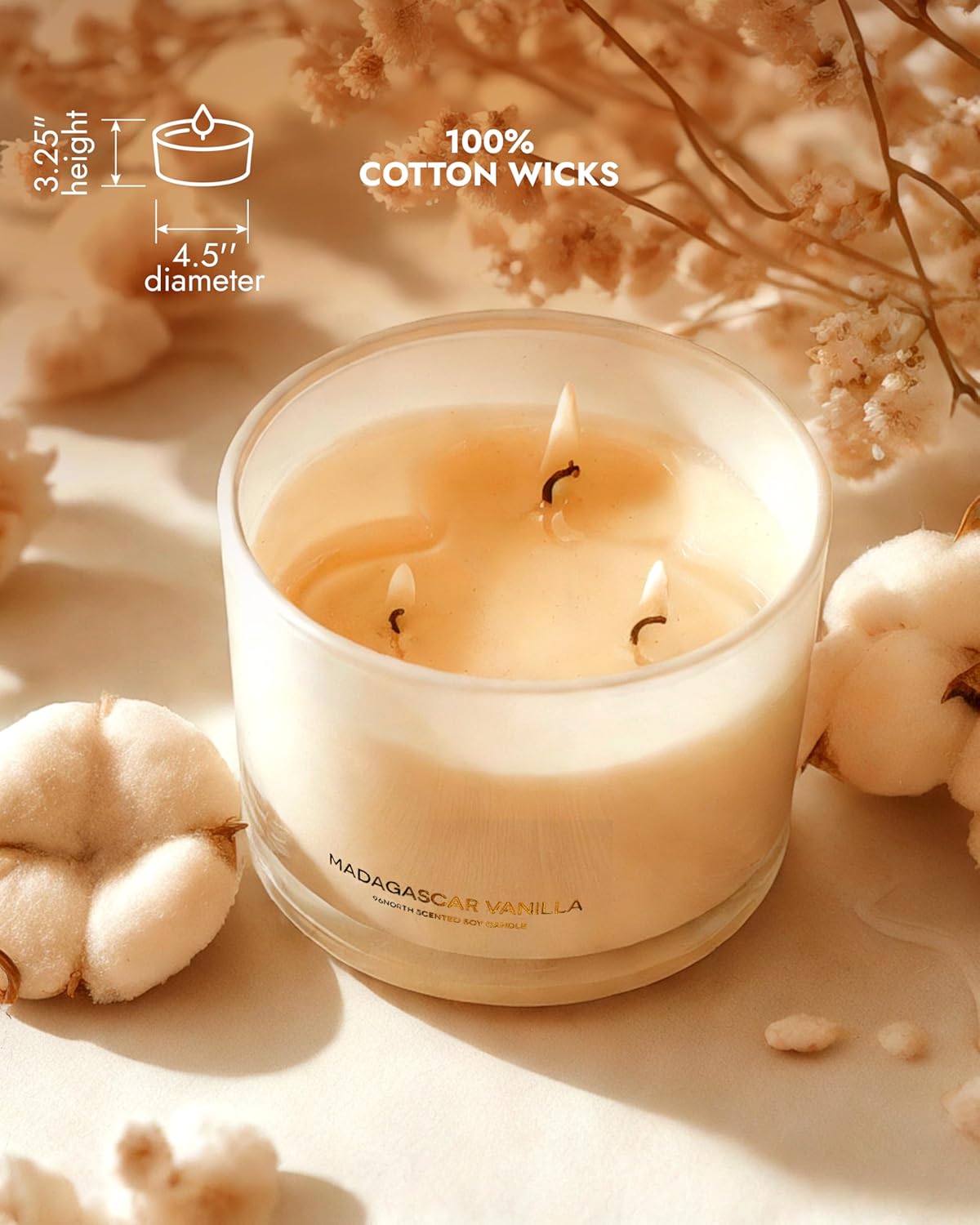
Ready to discover wellness-forward scents? Explore 96NORTH or shop our soy-based aromatherapy candles crafted with lead-free cotton wicks.
Disclaimer: Safer choices reduce environmental risks, but individual pets vary. Always monitor your pet during use.
How to Safely Vet Your Next Candle: The Pet-Safe Decision Checklist
To find the best pet safe candles, use this simple three-step protocol: pick a prospective candle, run it through the safety checklist below, and then make your final decision to buy or skip.
The Green Light vs. Yellow Flag Safety Audit
-
Wax Base: Soy, beeswax, coconut, or apricot ✅ | Paraffin, petroleum byproducts, or unidentified blends ⚠️
-
Wick System: Disclosed 100% lead-free cotton or wood ✅ | Metal-core or unknown wick materials ⚠️
-
Fragrance Profile: Unscented, mild, or transparently certified IFRA-compliant scents ✅ | Unregulated "100% essential oil" marketing, heavy throws, or vague "clean" buzzwords ⚠️
-
Vessel Add-ons: Clean, flat wax tops ✅ | Flammable botanical toppings, cosmetic glitter, or raw crystals ⚠️
-
Burn Conditions: Well-ventilated rooms, high stable placement, and active supervision ✅ | Small closed rooms or unattended burns ⚠️
Your Decision Rules and Burning Habits
Use these strict action steps to protect your pet's indoor air quality:
-
Enforce the Two-Flag Limit: If a candle triggers two or more ⚠️ flags, do not purchase it. Only burn these items in completely pet-free zones.
-
Execute the Emergency Protocol: If your dog or cat shows any sign of distress, extinguish the wick immediately, open windows to ventilate the room, and stop using that scent.
-
Maintain a Consistent Anchor: Keep one mild, familiar soy candle for pet-shared spaces. This reduces sensory novelty and minimizes pet stress.
Frequently Asked Questions
Are soy candles safe for dogs and cats?
Yes, soy candles are much safer than paraffin options because they do not release heavy petroleum-based soot or toxic chemicals. However, no burning candle is completely zero-risk. To protect your dogs and cats, always burn soy candles in spacious, well-ventilated rooms, limit your burn times, and carefully observe your pet's behavior for any signs of respiratory sensitivity.
Are any essential oils safe around pets?
It is best to avoid burning essential-oil-forward candles in pet spaces. Dogs and cats have highly sensitive respiratory tracts, and cats especially lack the liver enzymes needed to process many concentrated, airborne organic compounds. If you want scented options, prioritize light fragrance profiles and consult your veterinarian with specific ingredient concerns before lighting the wick.
What does "pet-safe fragrance" actually mean?
The term is an unregulated marketing claim rather than an official medical guarantee. Truly safer home fragrance relies on chemical transparency, phthalate-free formulas, and strict IFRA compliance. Instead of trusting vague labels, look for brands that share detailed ingredient safety data sheets. See Demystify the Label above for our complete vetting script.
What should I do if my pet seems bothered by a candle?
Extinguish the flame immediately, open your windows to ventilate the room, and move your pet to a fresh-air environment. Monitor them closely for symptoms like coughing, heavy panting, or watery eyes. If these signs persist, contact your veterinarian immediately. If you suspect your pet has ingested any wax or oils, contact animal poison control.
Are candles safe around other pets like birds?
No, you should not burn candles around birds. Avian species have highly specialized, incredibly delicate respiratory systems that make them vulnerable to even minor airborne pollutants, including candle soot and natural essential oils. To keep your birds safe, avoid all scented products, diffusers, and burning candles in your home.