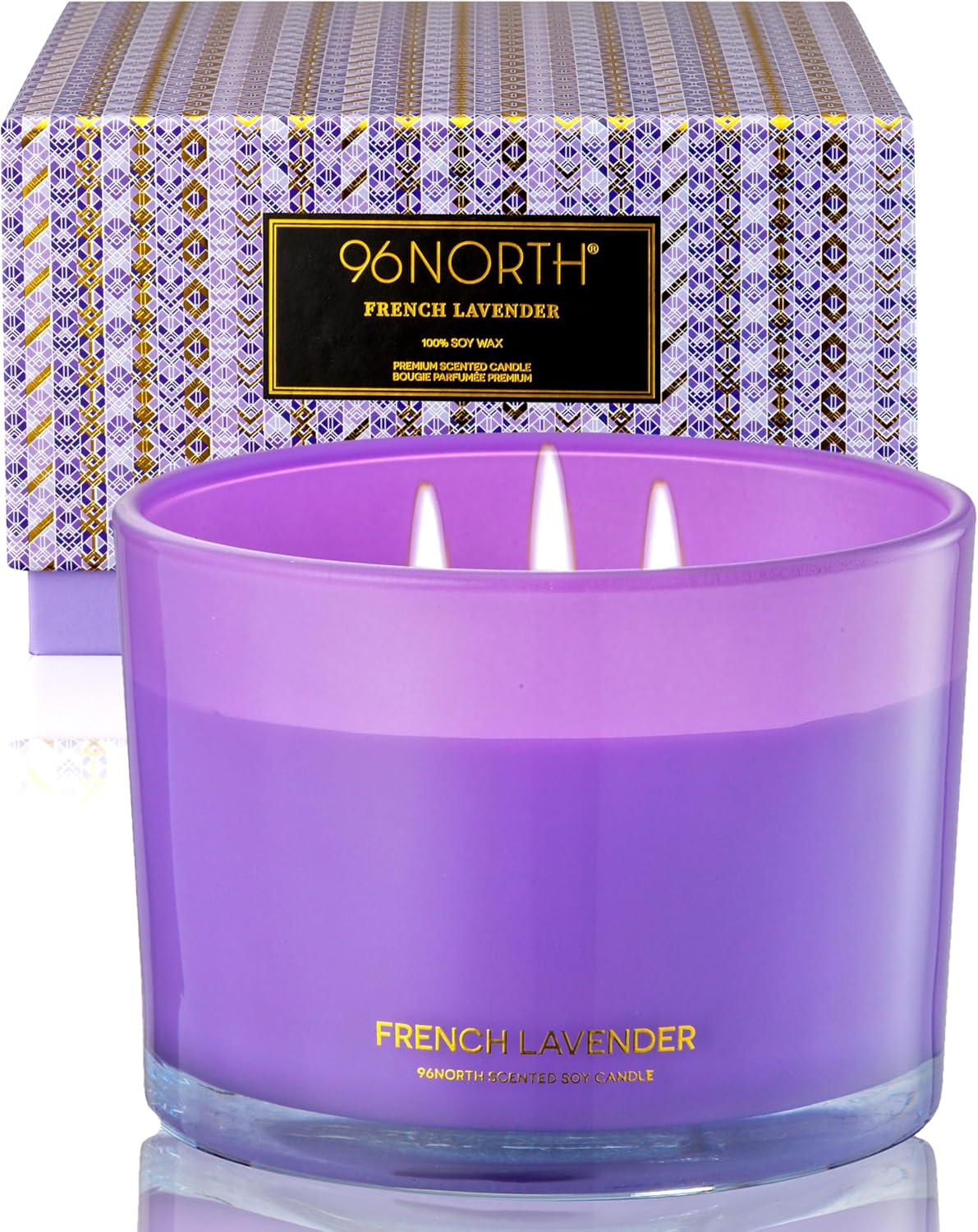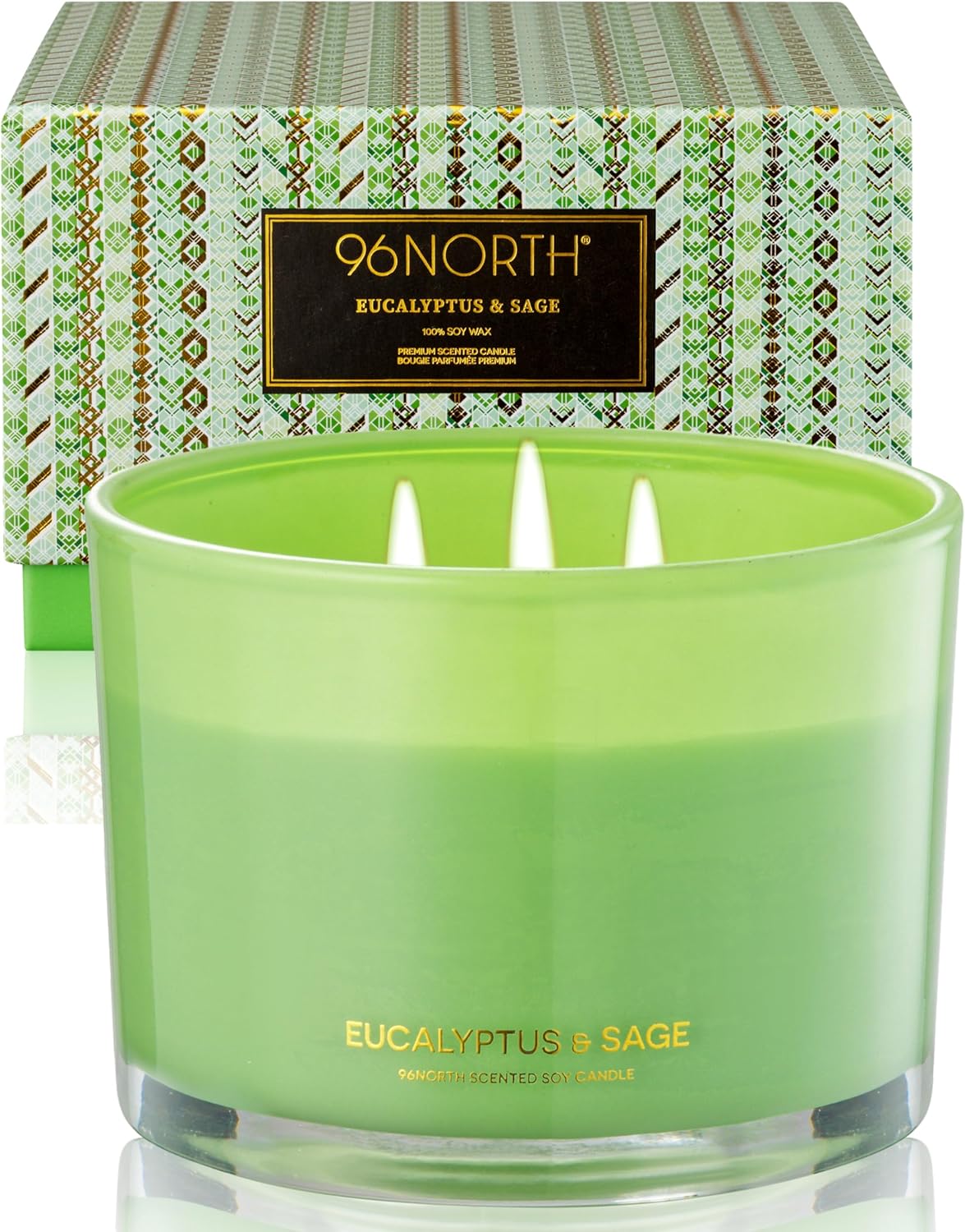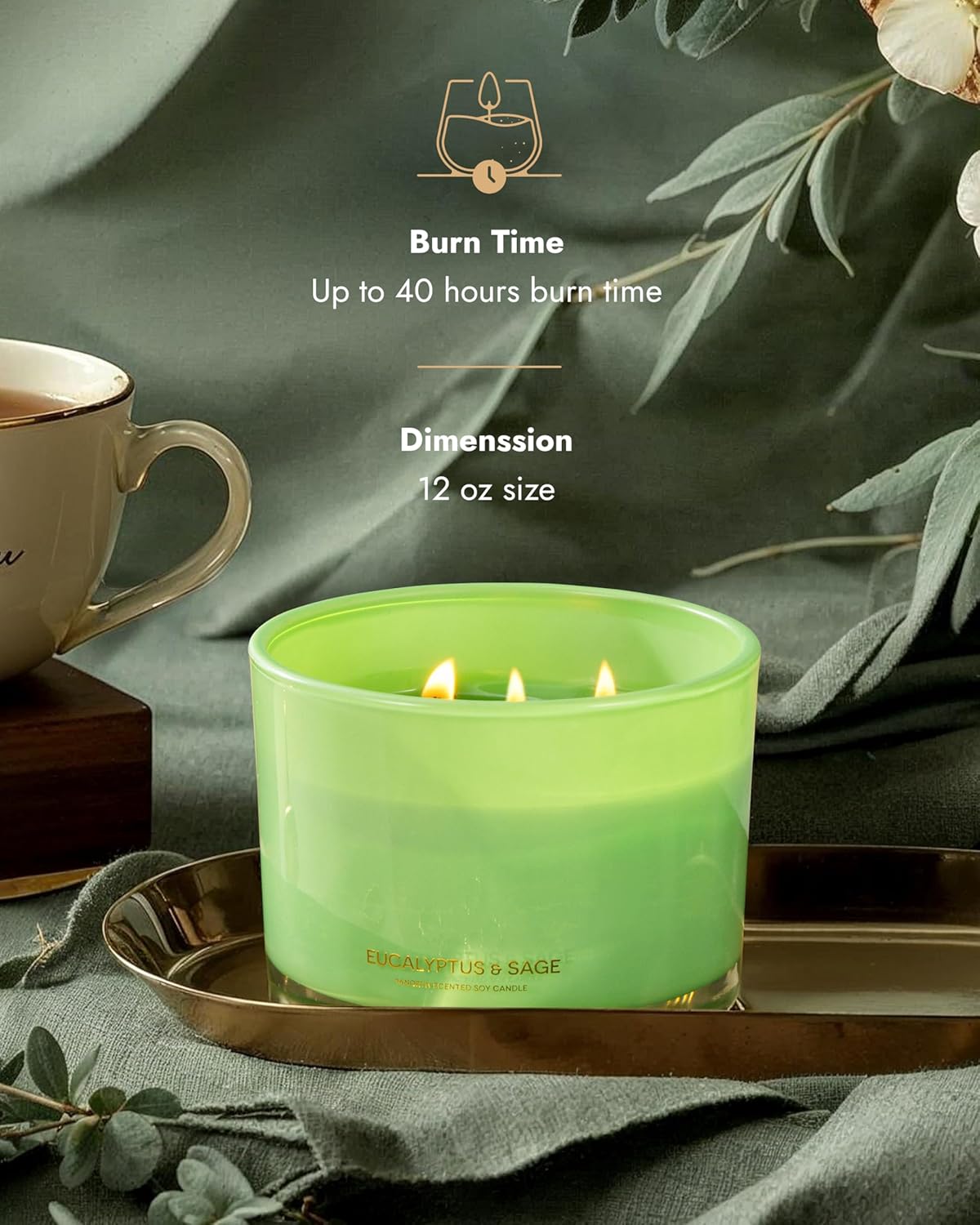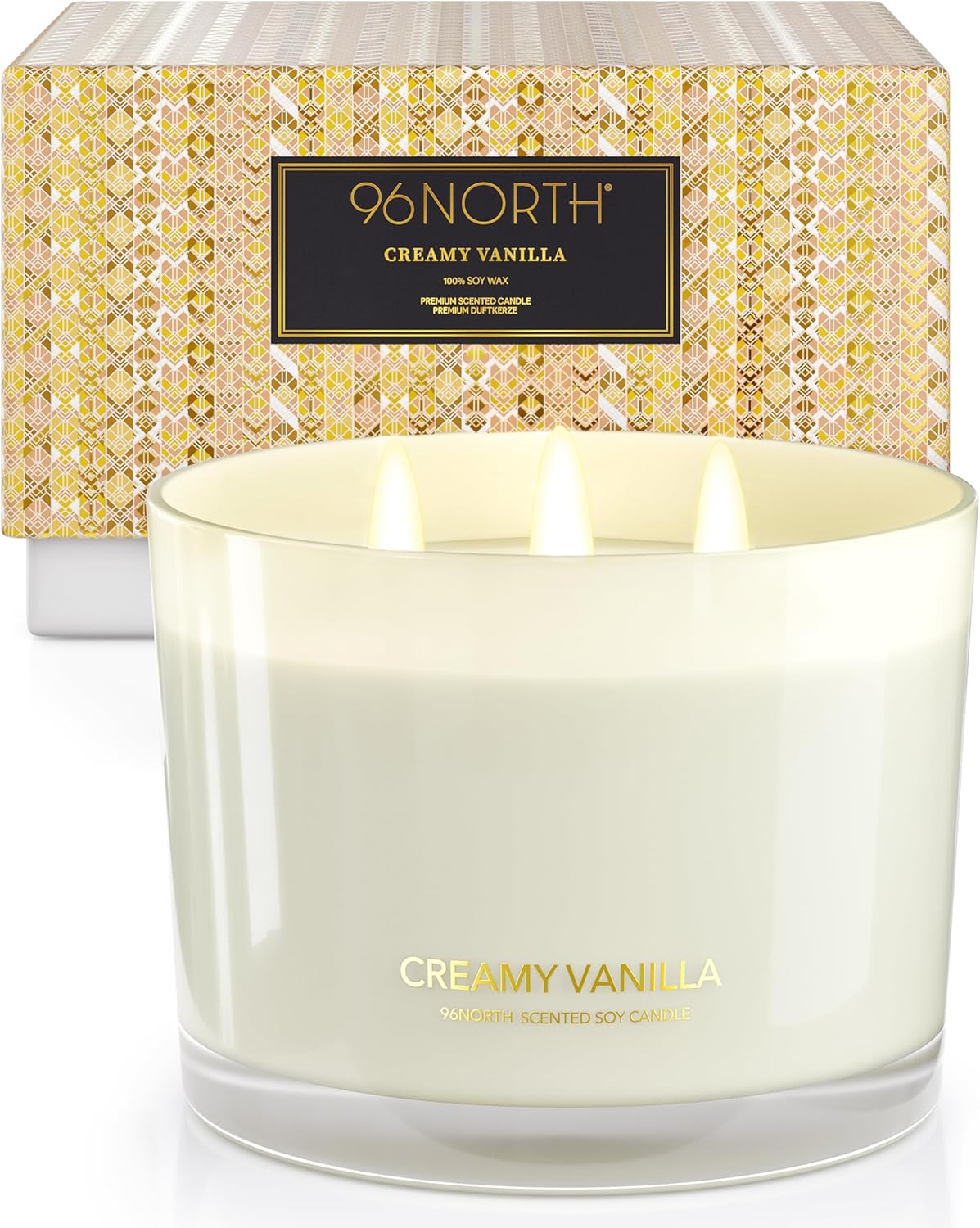

You want the mental switch of a fresh cup, but more caffeine triggers late-day jitters. Using coffee scent alertness cues offers a cleaner, non-ingestible ritual.
Because smell connects directly to neural pathways for focus, a simple aroma acts as a rapid cognitive trigger. While it cannot replace sleep, it provides a realistic, jitter-free reset.
Here is how this olfactory anchor works, followed by practical protocols to sharpen your workday focus.
1. Scent Conditioning: Why the Aroma Works Faster Than Caffeine
Is the instant wake-up from a coffee aroma real or a placebo? The answer lies in associative learning. Because your olfactory system has a direct pathway to the brain, smell acts as a rapid sensory signal. Through years of morning routines, your brain has linked the rich aroma of roasted beans with starting the workday.
This expectation triggers measurable mental focus, boosting coffee scent alertness even before you take a sip. While not a magic stimulant or a substitute for sleep, it functions as a reliable sensory anchor to signal productivity.
2. Build a Sensory Boundary with the Coffee Focus Protocol
Establish a mental boundary between rest and deep work in sixty seconds, without another cup of coffee. Use this repeatable protocol:
-
Step 1: Reserve one coffee aroma source solely for workday starts.
-
Step 2: Take three slow breaths near the scent and write a single-line intention.
-
Step 3: Start a 25-minute timer immediately to pair cues with action.
Treat this as sensory travel. Choose where your mind needs to go, then light your cue. Let the 96NORTH Roasted Coffee candle be your routine companion for focus without jitters.
3. Manage Tired Mornings Without Stacking Caffeine
You wake up exhausted, but stacking caffeine triggers late-day anxiety. Using coffee scent for alertness offers a non-ingestible alternative.
While animal studies show coffee aroma influences sleep-deprived brains, scent cannot reverse actual sleep loss. Because individual responses vary, treat the aroma as a sensory routine cue to sharpen focus rather than a replacement for rest.
For the safest results, pair this sensory anchor with hydration and morning daylight. If you suffer from chronic sleep deprivation, prioritize sleep hygiene over quick sensory hacks.

4. Candle vs. Cup: Choosing Your Workspace Coffee Scent Source
Yes, coffee candles trigger alertness by mimicking real olfactory cues. To optimize your desk, compare options by intensity, realism, and context control:
-
Fresh beans: Peak realism; delivers a fast, intense focus burst.
-
Brewed coffee: Great ambient cue, but risks tempting you to over-caffeinate.
-
Coffee candle: Superior context control; provides consistent background anchoring.
-
Diffuser oil: Adjustable intensity, but easily overwhelms small spaces.
Choose the format you can keep consistent. Explore the 96NORTH Pure Collection, Fall Candles, or Decorative Candles to anchor your focus routine.
5. Context Locking: Prevent Sensory Fatigue and Keep Cues Sharp
When a cue is everywhere, it becomes background noise. To preserve coffee scent alertness, practice context locking. Limit the aroma strictly to your desk during your first work block, keeping it out of relaxation zones like your bedroom or couch.
For complete sensory zoning, rotate to a grounding, woody scent like Nordic Pine once your deep work ends. Explore 96NORTH to curate your own routine companion wardrobe and master your daily mental transitions.
6. The Decaf Experiment: Is Your Focus Driven by Chemistry or Expectation?
Does your brain need caffeine to wake up, or can a coffee scent boost alertness through ritual alone? Test your sensory wiring with this three-day experiment:
-
Day 1: Smell regular coffee beans before a focused work session.
-
Day 2: Smell decaf beans using the same ritual.
-
Day 3: Work with no coffee scent (control condition).
Track these metrics to see what works:
-
Perceived alertness (scale of 1 to 10)
-
Time-to-start (minutes)
-
Distraction counts
This experiment won’t prove clinical biology, but it identifies your personal sensory anchors.
7. The 3 PM Reset: Using Coffee Scent to Navigate the Afternoon Slump
During the 2 to 4 p.m. slump, extra caffeine often backfires. Use a 90-second sensory reset to anchor your attention without stimulants.
Try this micro-break:
-
Step away: Stand up and look far away to reset your eyes.
-
Breathe: Inhale a warm gourmand coffee scent for alertness while taking three slow breaths.
-
Re-engage: Write down your single next action before sitting.
If the aroma feels too intense, simply ventilate your workspace. This grounding cue helps you rebuild momentum naturally.
8. Safe Scenting: Enjoy Coffee Aroma Benefits Without Indoor-Air Regret
You can harness coffee scent alertness without compromising indoor air quality. This practical approach keeps your workspace clean:
-
Ventilate: Burn candles in ventilated rooms to keep intensity moderate.
-
Time it: Extinguish the flame after your first morning work block.
-
Pace yourself: If sensitive, start with short sessions and increase gradually.
For a cleaner routine, choose soy wax and lead-free wicks. Explore the [96NORTH Pure Collection] for a simpler option, or browse [Decorative Candles] for desk-friendly aesthetics.
Frequently Asked Questions
Does smelling coffee actually increase alertness, or is it just placebo?
Smelling coffee increases alertness primarily through associative learning. Your brain links the rich aroma with starting the day, triggering mental focus. Even if the boost is partly psychological, the productivity outcomes are real. Expect a subtle mental transition rather than the chemical spike of a liquid stimulant.
Will a coffee-scented candle work the same as real coffee?
Yes. While fresh beans offer the closest match, a candle works by triggering the same mental associations. The goal is repeatability and spatial context. A high-quality candle provides a consistent sensory anchor for your desk without the constant need to brew fresh cups.
Is coffee aroma safe for everyone?
Yes, but sensitive individuals may experience headaches or mild respiratory irritation. If you get symptoms, reduce the scent intensity, ventilate your workspace, or discontinue use. Always keep candles away from pets and children, and follow basic candle safety guidelines.
How do I build a coffee-scent productivity ritual at home?
Choose one anchor scent and pair it with a specific habit, like starting work or taking a midday break. If you want a premium routine companion, explore the 96NORTH collections, including Fall Candles, Decorative Candles, and the Pure Collection, to find your perfect workspace anchor.