
Struggling with focus drift and blurred boundaries during the mid-day slump? Resetting your workspace is as simple as flipping a sensory switch. Using clean scents for productivity provides a safe, low-effort way to cue your brain for deep work, meetings, or energy. These blends offer practical mood support, not magic solutions. Here are 9 profiles to structure your day. Start with citrus or mint to build a repeatable focus anchor.
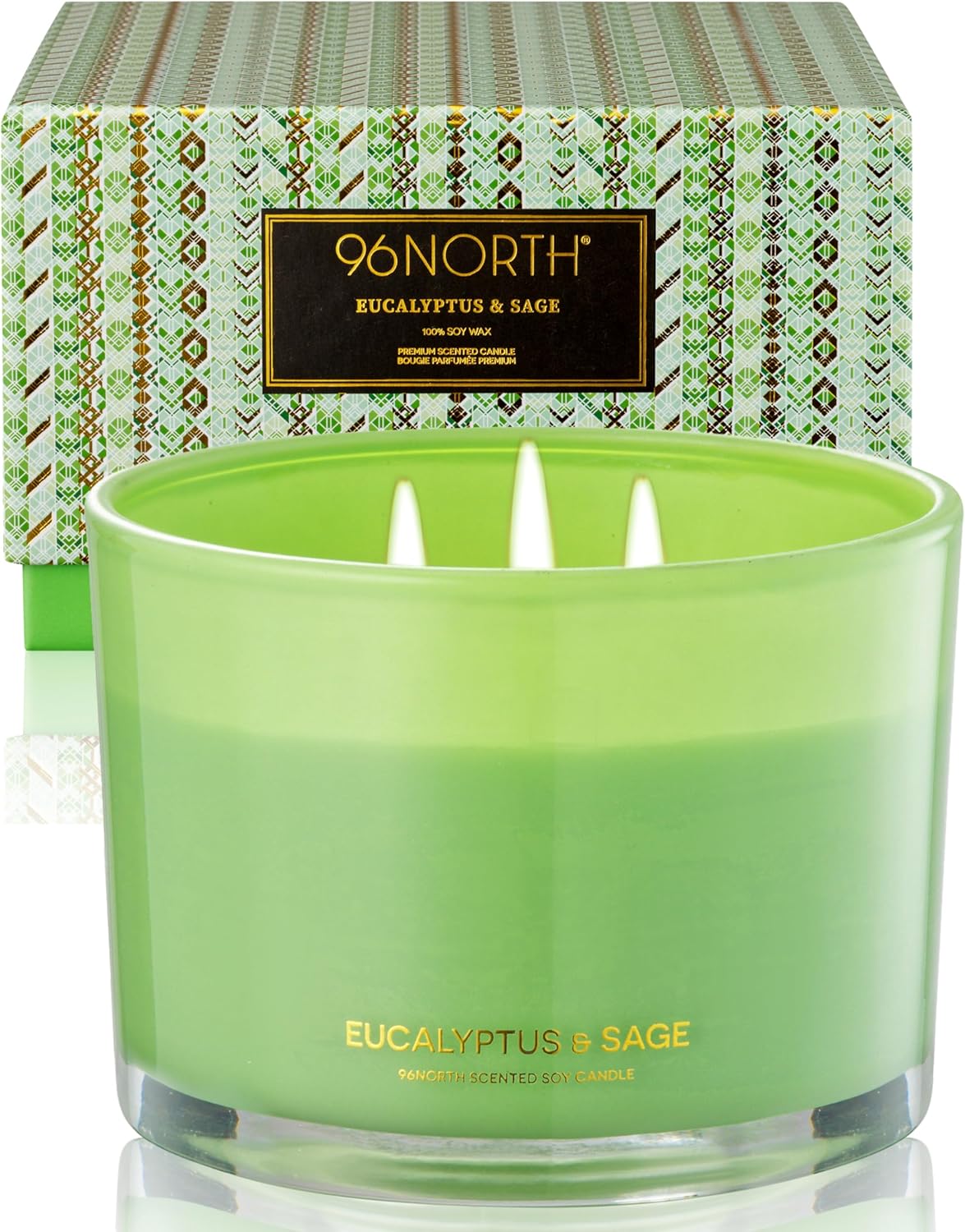
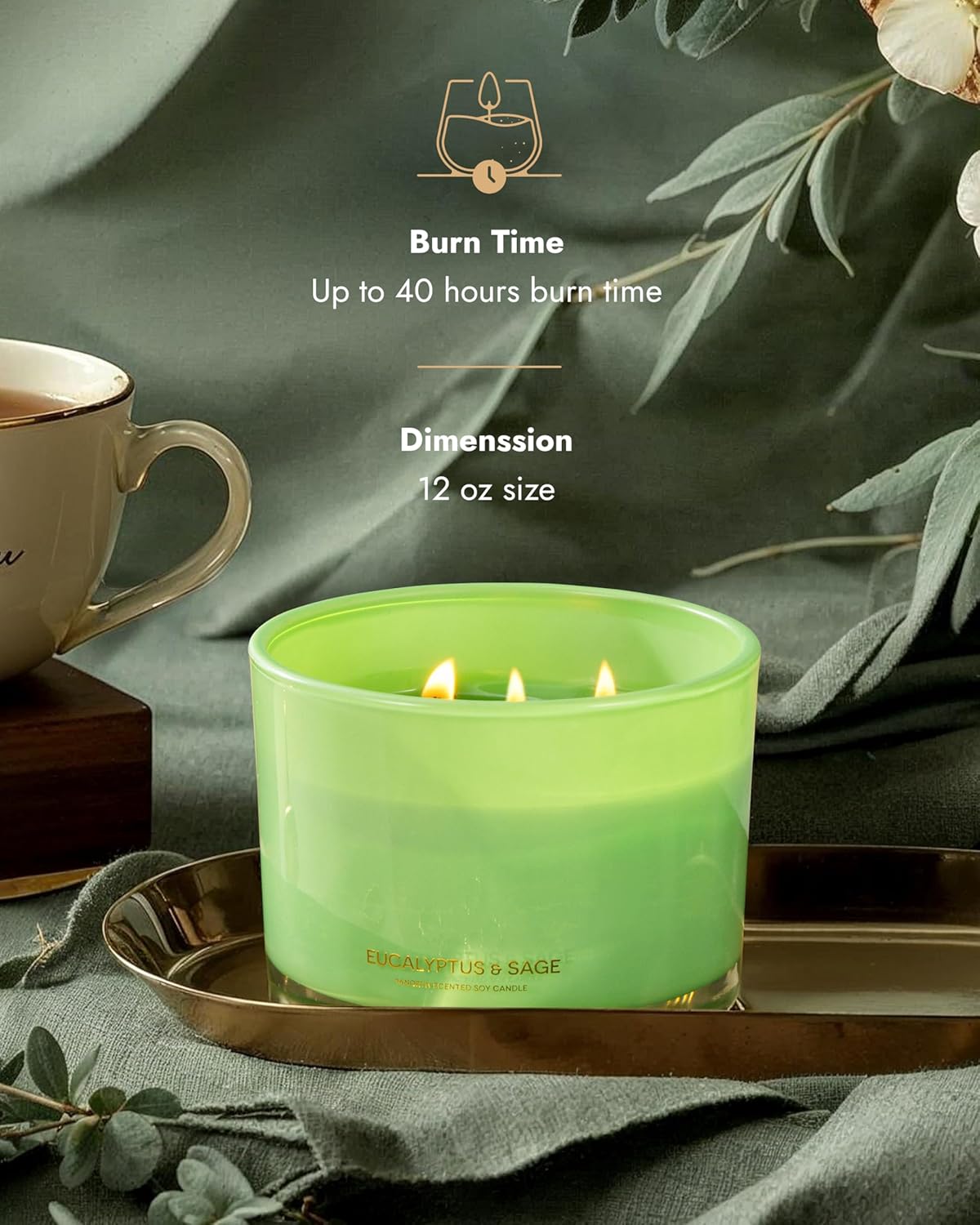
1. Crisp Eucalyptus and Sage
This clean, bright profile cuts through morning fog to reduce start-up friction, helping remote workers mentally clock in. The minty freshness delivers an immediate mental reset when you struggle to focus.
-
Best for: Morning ramp-up, inbox triage, and "I can't start" procrastination.
-
How to use: Diffuse lightly for the first 30 to 60 minutes of your work block.
Keep the intensity low so the scent mimics crisp fresh air, not heavy perfume.
2. Sharp Peppermint and Roasted Coffee
When the afternoon slump hits, a high-contrast sensory shift shocks your nervous system awake. These sharp scents for productivity boost alertness instantly, helping you bypass extra caffeine.
-
Best for: The post-lunch dip, tedious tasks, and staying engaged on long calls.
-
How to use (WFH): Run 10 to 20 minute bursts to avoid headaches. Use a near-field desk option if sharing space.
Treat this as a quick mental reset, not an all-day atmosphere.
3. Herbaceous Rosemary
Rosemary is a classic cognitive stimulant and one of the most reliable scents for productivity. Use this sharp, herbaceous aroma exclusively during demanding tasks to build a powerful scent anchor. This simple ritual cues your brain into a flow state, reducing distractibility and signaling that it is time for deep work.
-
Best for: Focused writing, analysis, coding, and accuracy-heavy work.
-
How to use (WFH): Reserve rosemary for your hardest 60 to 90-minute block so your brain learns the deep-work association.
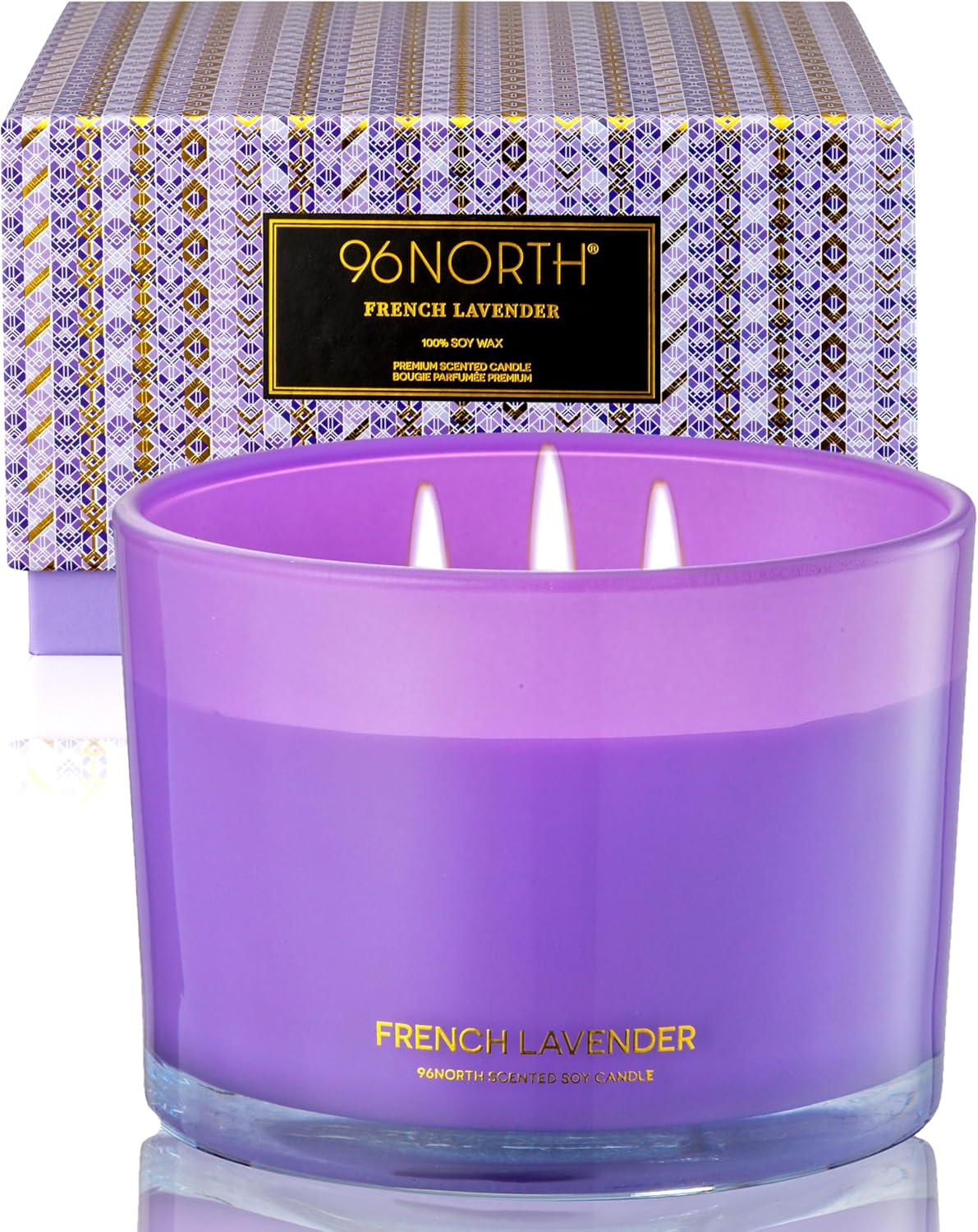
4. Grounding French Lavender
Lavender is not just for sleep. For anxious multitaskers, steadying the nervous system is the secret to sharper focus. This scent reduces stress-driven distraction, allowing you to sustain attention and process complex decisions without spiraling.
-
Best for: High-stakes meetings, decision fatigue, and days when you feel keyed-up but unfocused.
-
How to use (WFH): Pair with a 45-15 Pomodoro block so grounding calm does not turn into drowsiness. Keep the throw subtle.
5. Refreshing White Sage
When environment fatigue stalls focus, skip the sharp bite of mint. Part of 96NORTH’s aromatic library, white sage offers a softer path to mental clarity. This airy botanical is one of the gentlest scents for productivity, sweeping away stale energy.
-
Best for: Stale-room syndrome, midday refreshes, and chore-to-work transitions.
-
How to use (WFH): Use a reed diffuser for continuous background clarity, or try short diffusion bursts to reset your space.

6. Forest-Fresh Nordic Pine
Stuck staring at the same four walls? A crisp forest profile transports your mind, transforming a cramped desk into an expansive outdoor retreat. These woody scents for productivity offer sensory travel, unlocking the mental space required for deep, strategic thinking and combating remote work monotony.
-
Best for: Brainstorming, design work, and creative sessions requiring calm stamina.
-
How to use (WFH): Light strictly during working hours to zone your workspace and maintain clear boundaries.
7. Mellow Sandalwood
For professionals sensitive to sharp citrus or mint, warm sandalwood is a neutral, premium alternative. It provides a grounding middle ground, keeping you calm without inducing sleepiness. This makes it one of the most reliable scents for productivity during long, quiet work sessions.
-
Best for: Writing, reading, editing, and tasks requiring steady concentration.
-
How to use (WFH): Maintain a low-intensity background throw to support focus without the distracting pull of sharp top notes.
8. Rich Roasted Coffee
Caffeine culture demands constant cup refills, but you can trigger focus without the stimulant. Roasted coffee notes offer a comforting sensory cue that shifts your brain into work mode. It is one of the best scents for productivity for a jitter-free workflow.
-
Best for: Early deep work, deadline pushes, and anyone limiting caffeine.
-
How to use (WFH): Pair with your first 10 minutes of setup (to-do list and clean desk) to build a repeatable focus ritual.
9. Uplifting Florals
While sweet florals rarely suit deep analytical work, they excel as social catalysts. These uplifting scents for productivity elevate your mood and build quiet confidence right before you turn your camera on.
-
Best for: Presentations, Zoom-heavy days, and collaborative tasks where confidence and presence matter.
-
How to use: Keep it light and time-boxed. Warm a floral scent ten minutes before meetings to feel socially "on" without overstimulation, then switch to a deeper focus scent afterward.
How to Build a Productivity Scent System for Your Workspace
Step 1: Select Your Strategic Delivery Method
Match your diffusion tool directly to your workspace goals.
-
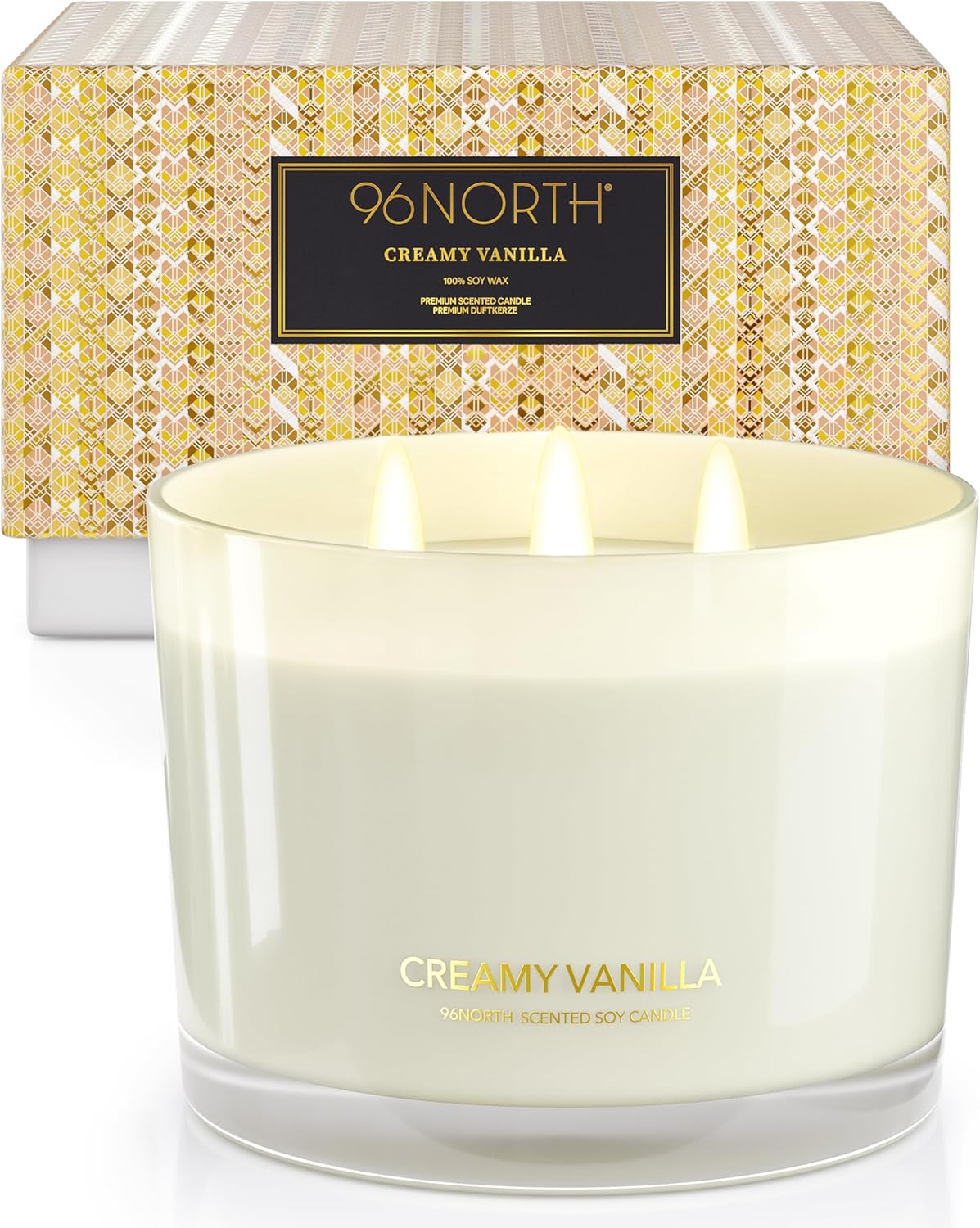
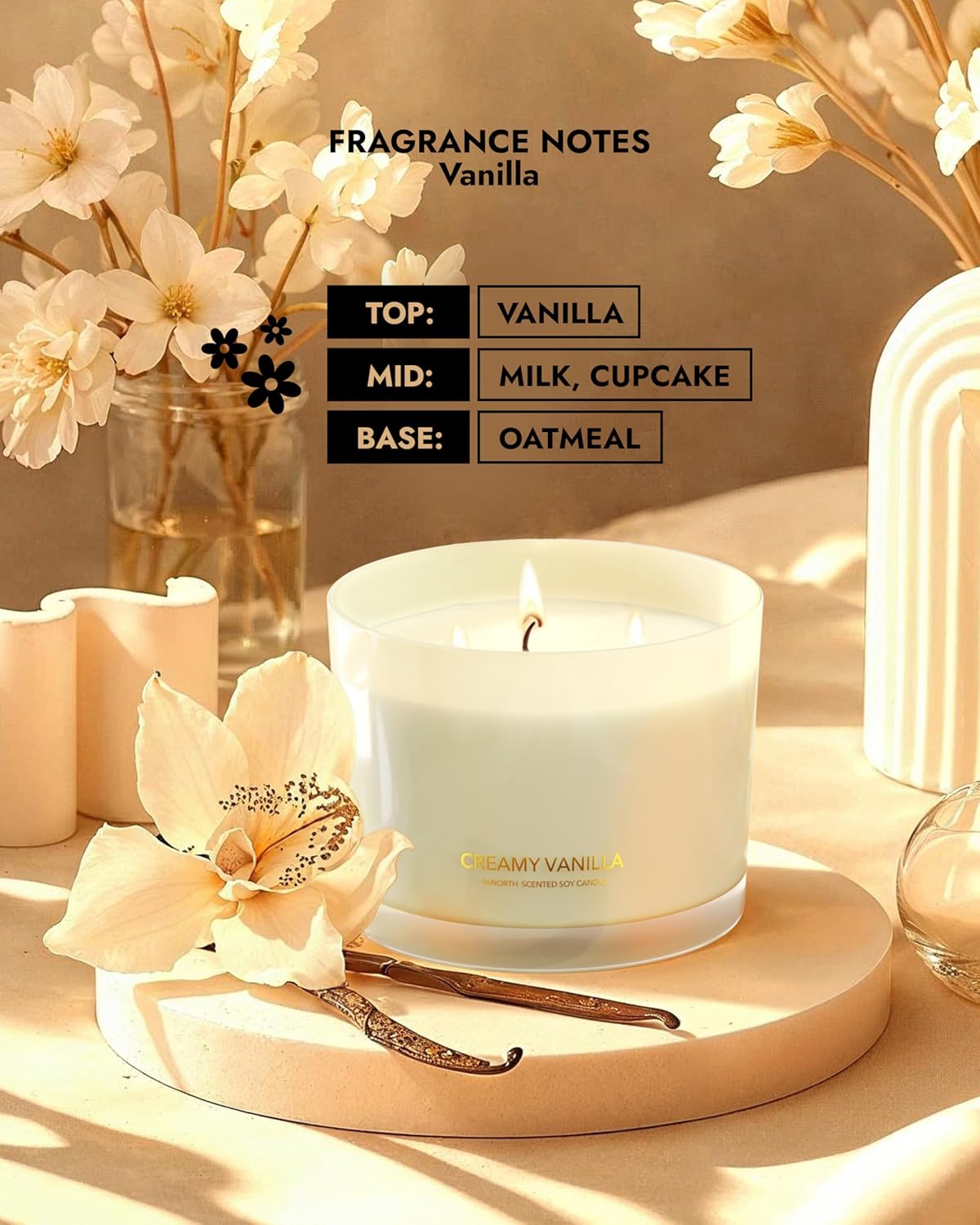
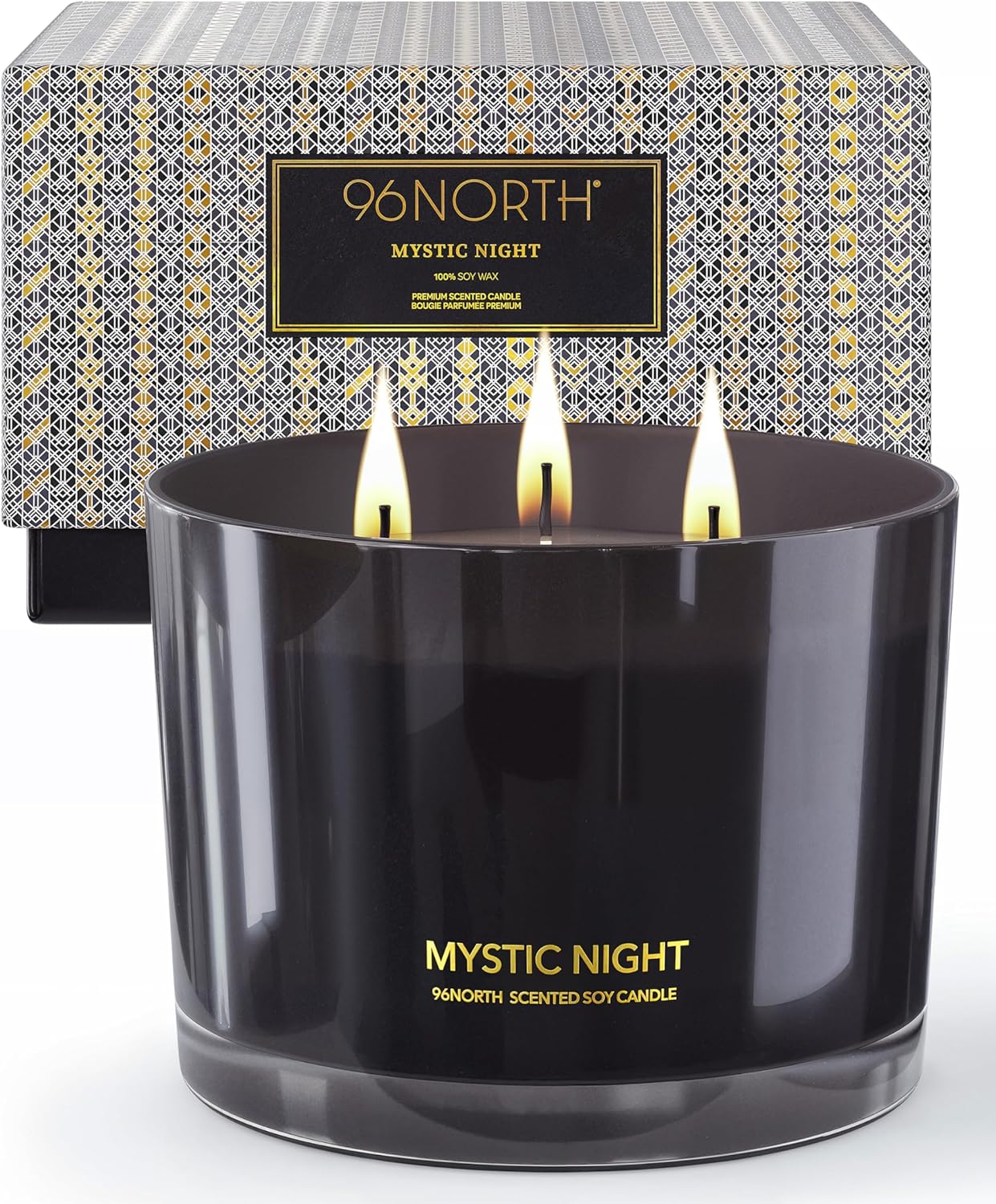
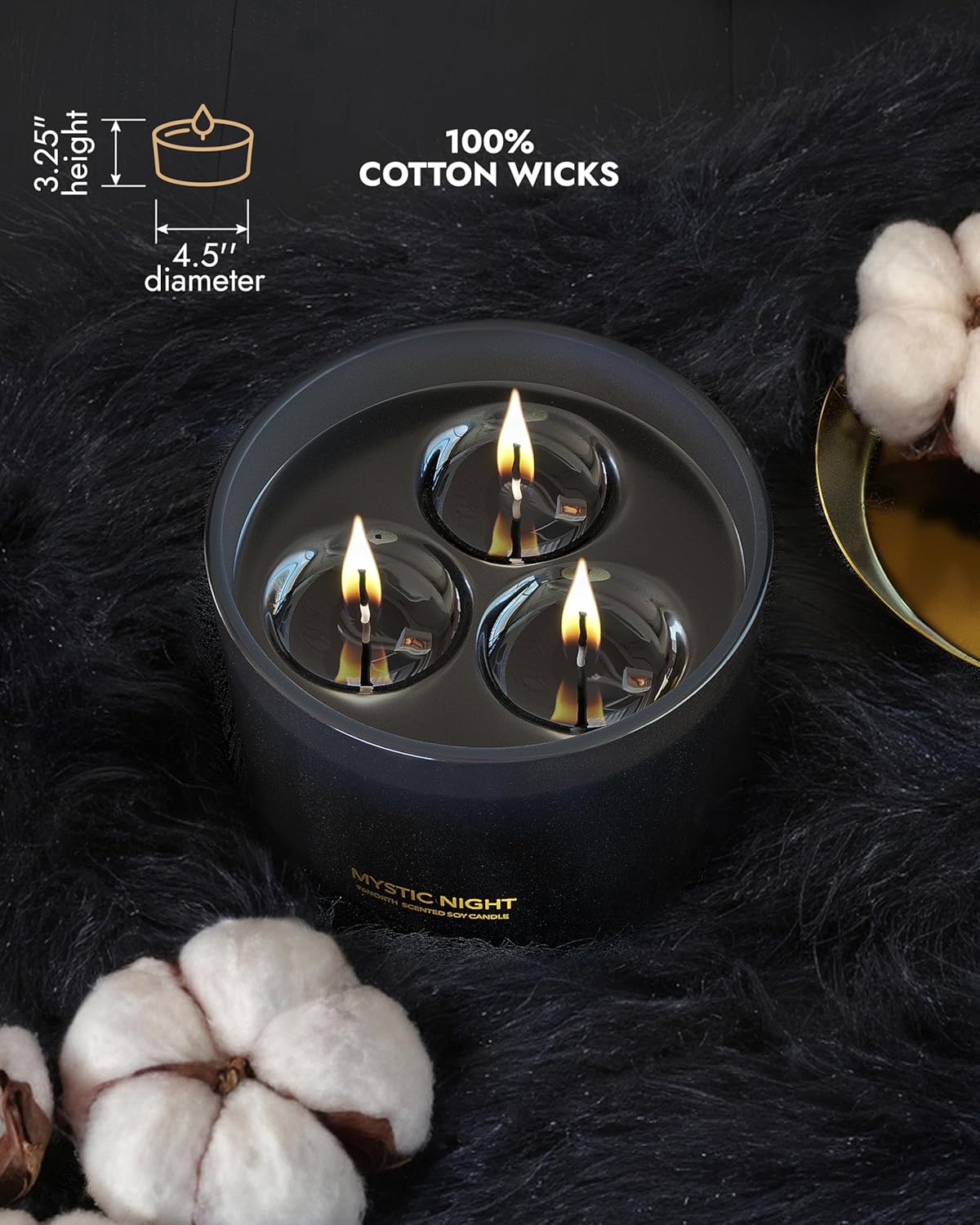
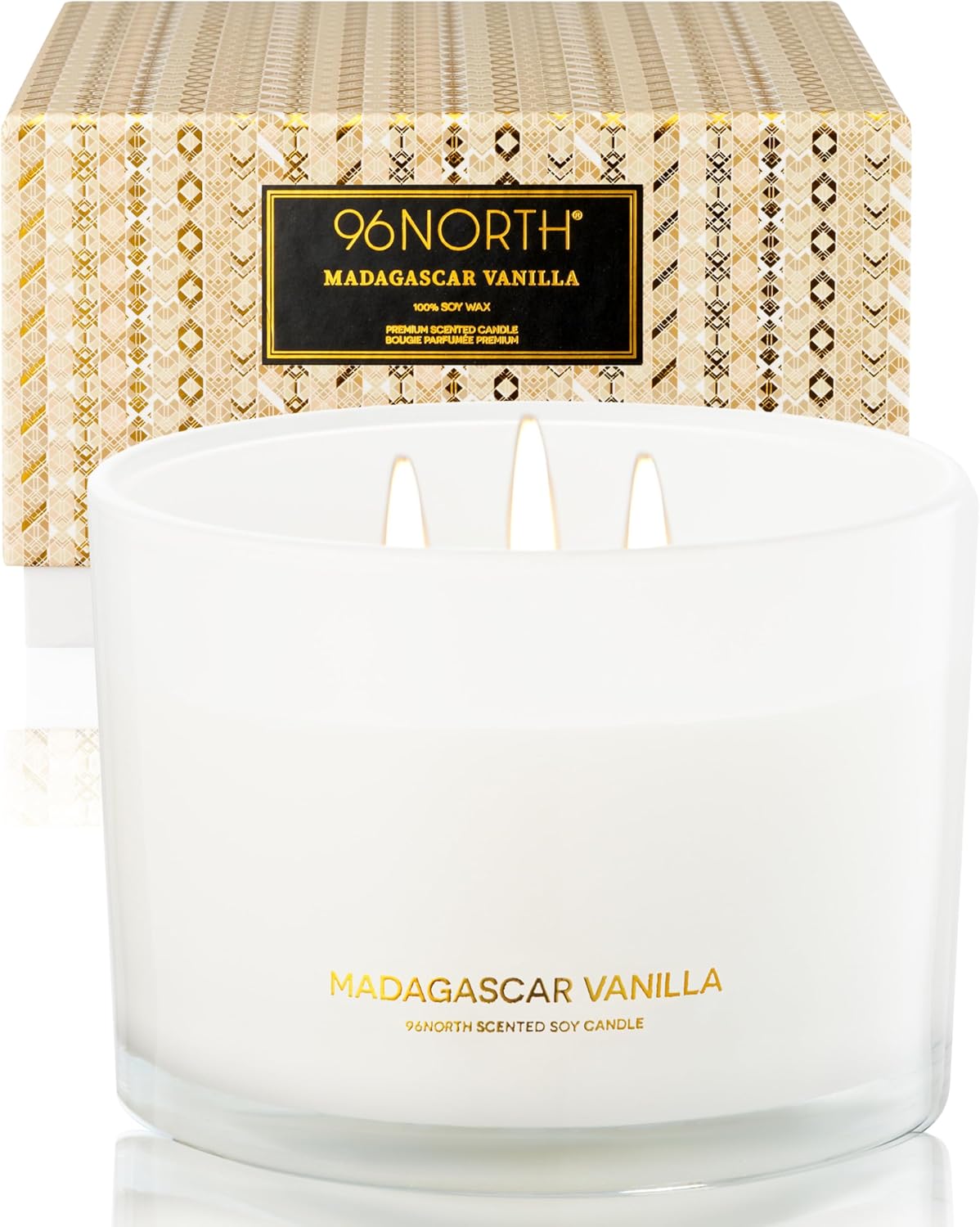
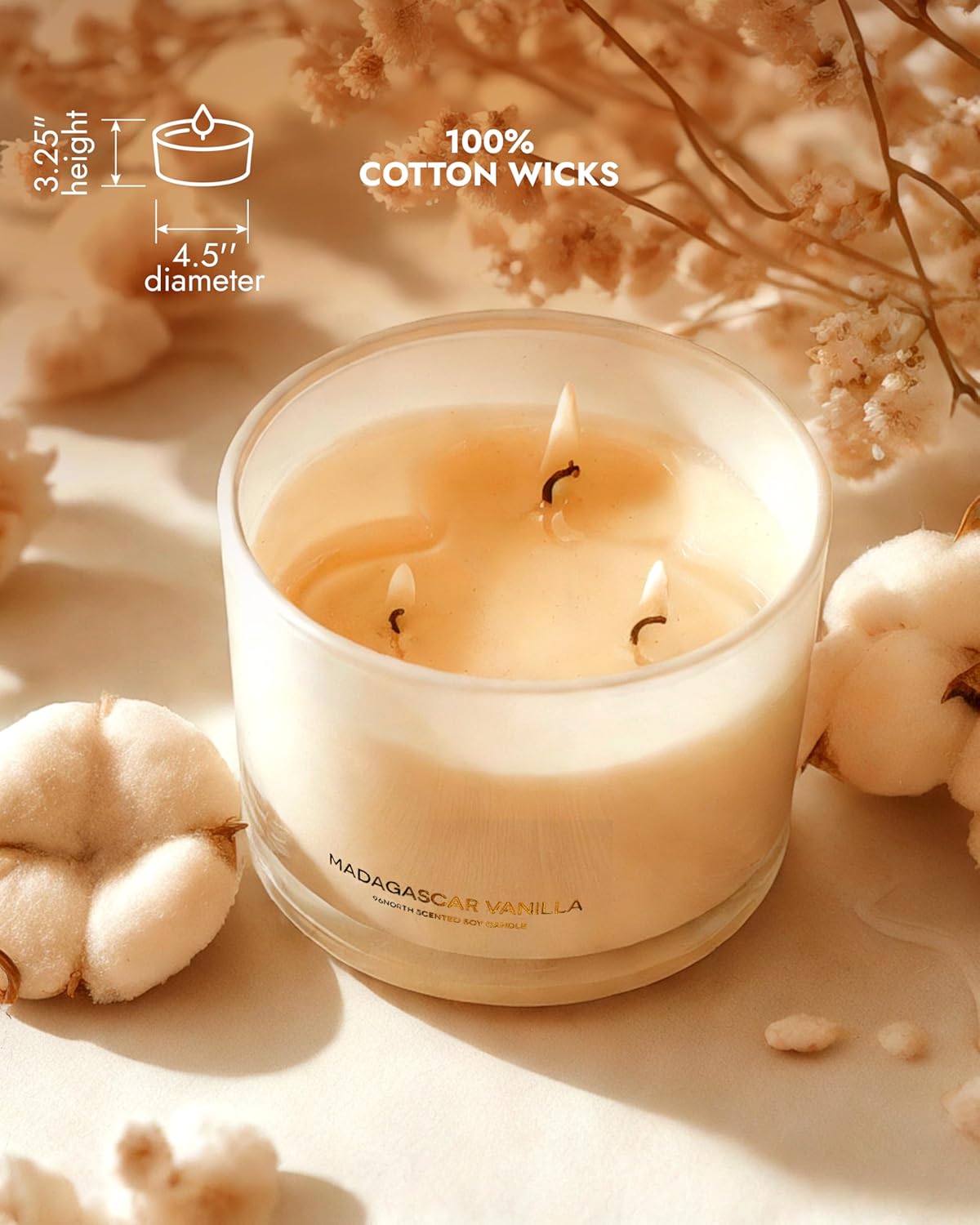
Light a soy candle to create a focused ritual when you can actively monitor the flame.
-
Position a reed diffuser for steady background aroma in smaller offices. Read about how long reed diffusers last to plan replenishment, or browse the reed diffusers collection.
-
Use an atomizer for quick, concentrated bursts of citrus or mint during high-friction tasks.
Step 2: Prevent Olfactory Fatigue with Strategic Intervals
Avoid sensory overload and keep your olfactory system responsive.
-
Cycle active diffusers for 20 to 30 minutes on, then 30 to 60 minutes off.
-
Rotate scent profiles from bright morning citrus to grounding afternoon woods.
-
Air out the room if you stop smelling the scent. Do not double the dose.
Step 3: Map Scents to Specific Work Boundaries
Anchor specific cognitive states to unique fragrance profiles.
-
Reserve rosemary and woods strictly for deep work.
-
Save lavender exclusively for end-of-day shutdown.
-
Use peppermint for afternoon slumps and soft florals for meetings.
Explore clean options in the 96NORTH premium scented collection or visit our main hub.
Frequently Asked Questions
Do scents actually improve productivity, or is it a placebo?
Scent has a direct physiological impact on your brain's limbic system, shifting mood and alertness. While botanical profiles naturally lower stress, the main benefit of using scents for productivity comes from cognitive conditioning. Pairing a specific scent with work tasks creates a powerful mental trigger. Try a five day experiment using a bright morning scent to start, and a deeper, grounding aroma exclusively for deep work.
What are the best productivity essential oils for focus?
Focus on four primary profiles: citrus for morning energy, peppermint for the midday slump, rosemary for deep cognitive work, and lavender for calm focus. Always start with a low dose. Subtle diffusion is more effective for sustained concentration than an overpowering aroma, which can easily lead to headaches or sensory fatigue.
How long should I run a diffuser while working from home?
Run active diffusers in intervals of 20 to 30 minutes on, followed by 30 to 60 minutes off. This periodic cycle prevents olfactory fatigue and keeps your brain responsive to the scent. For steady, maintenance-free aroma, a reed diffuser is a better option. Read our guide on how long reed diffusers last to plan your workspace setup.
Are productivity scents safe around pets, kids, and roommates?
Scent safety requires clear boundaries in shared households, especially with pets or children who are highly sensitive to essential oils. Always maintain good ventilation, keep scent levels low, and never force exposure. If sharing space, use a near-field desk candle instead of active diffusion to enjoy a personal sensory boundary without affecting others.
What is the best format for a home office: candle, reed diffuser, or diffuser device?
Choose a soy candle for an intentional work-mode ritual, a reed diffuser for consistent background scent, or an electric device for quick, concentrated bursts. To find your ideal setup, explore our diffusers collection or find your signature workspace scent in our premium scented collection.