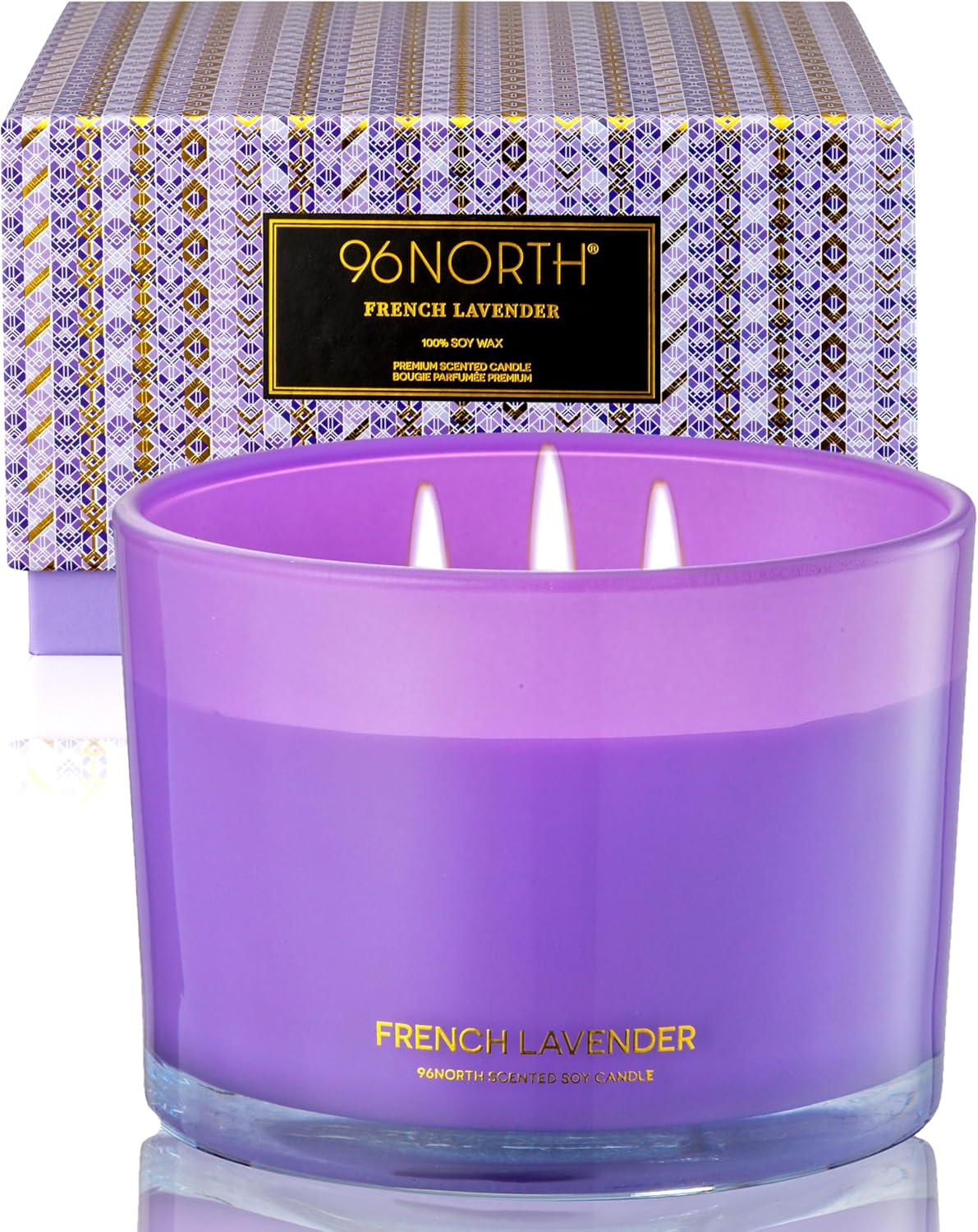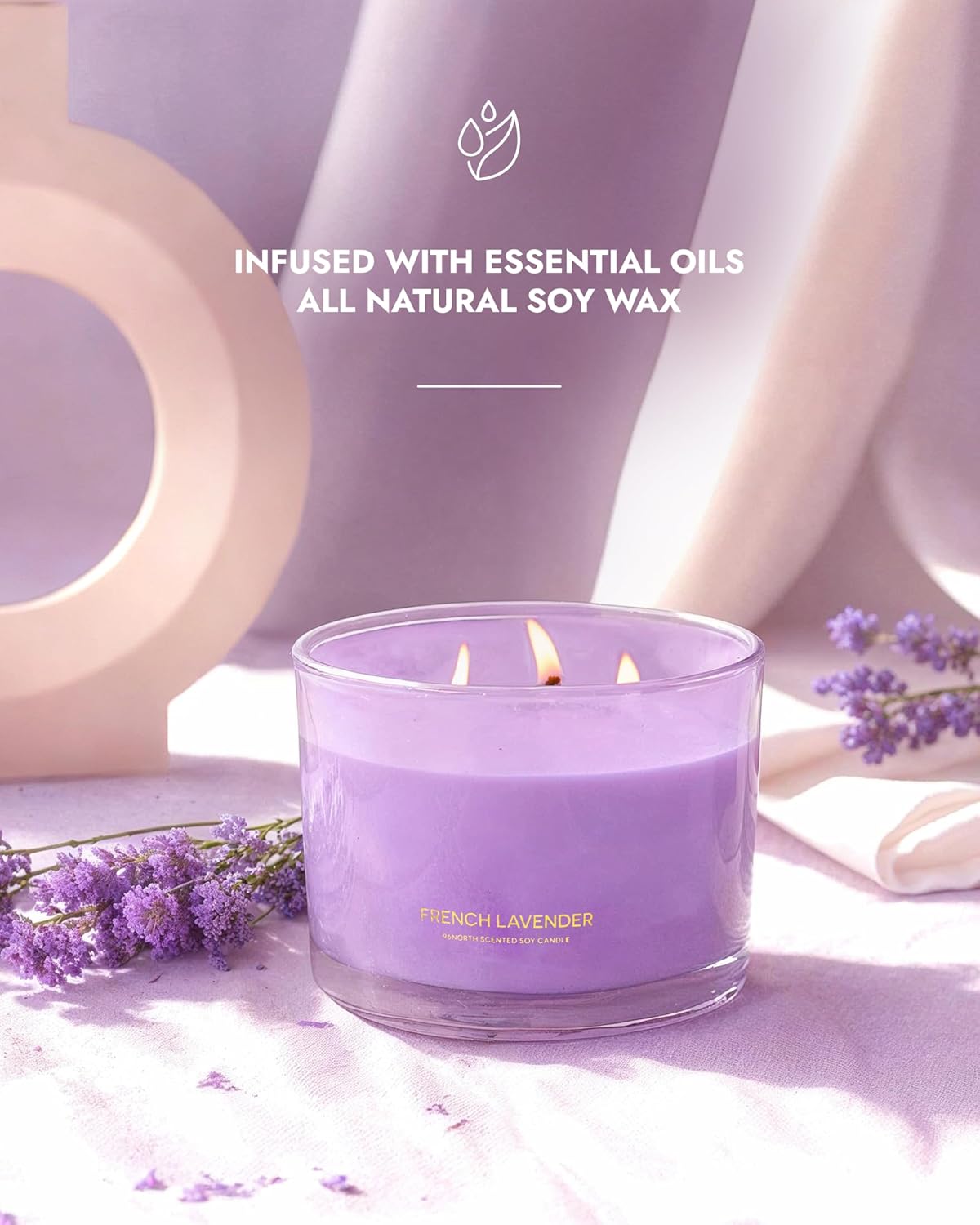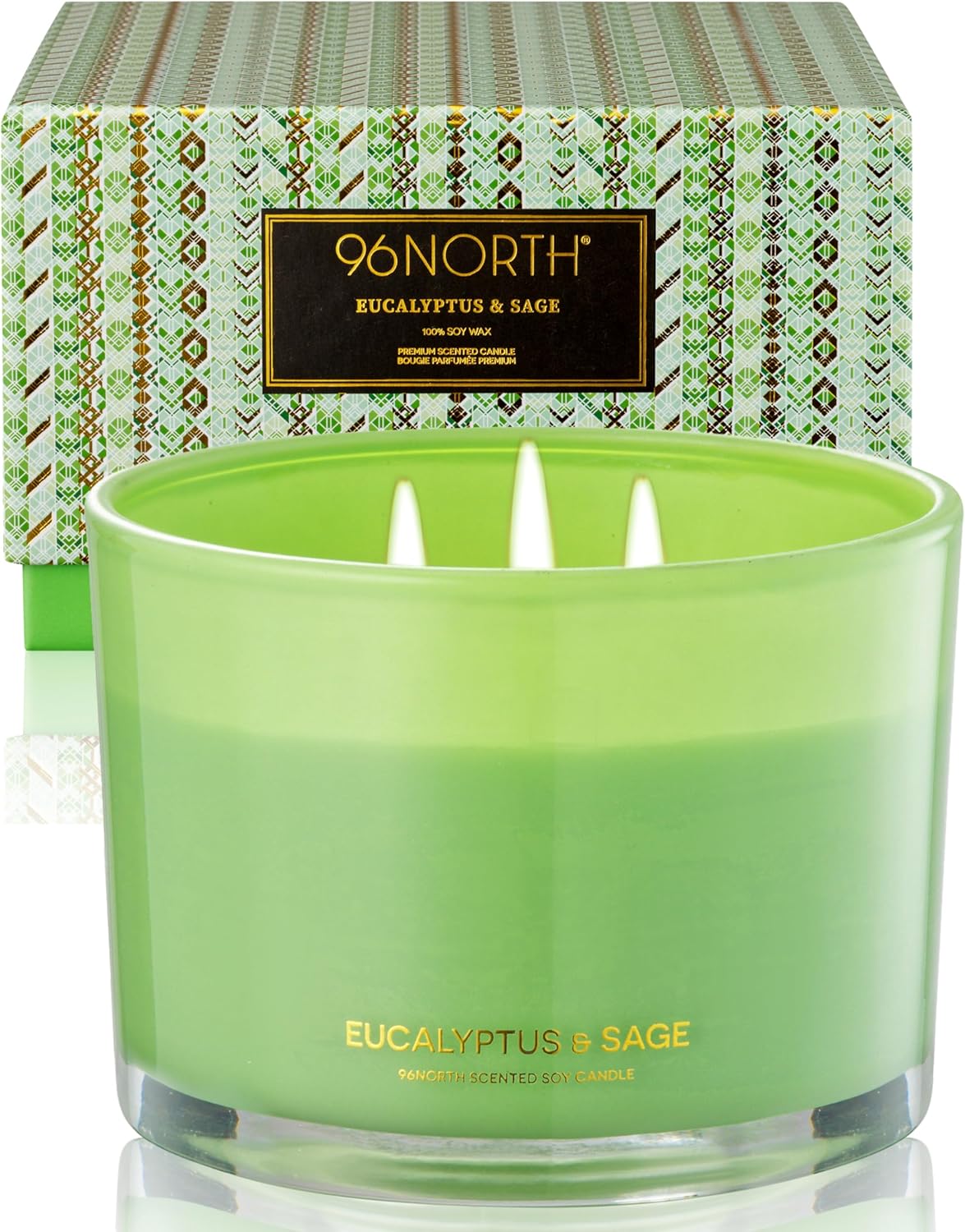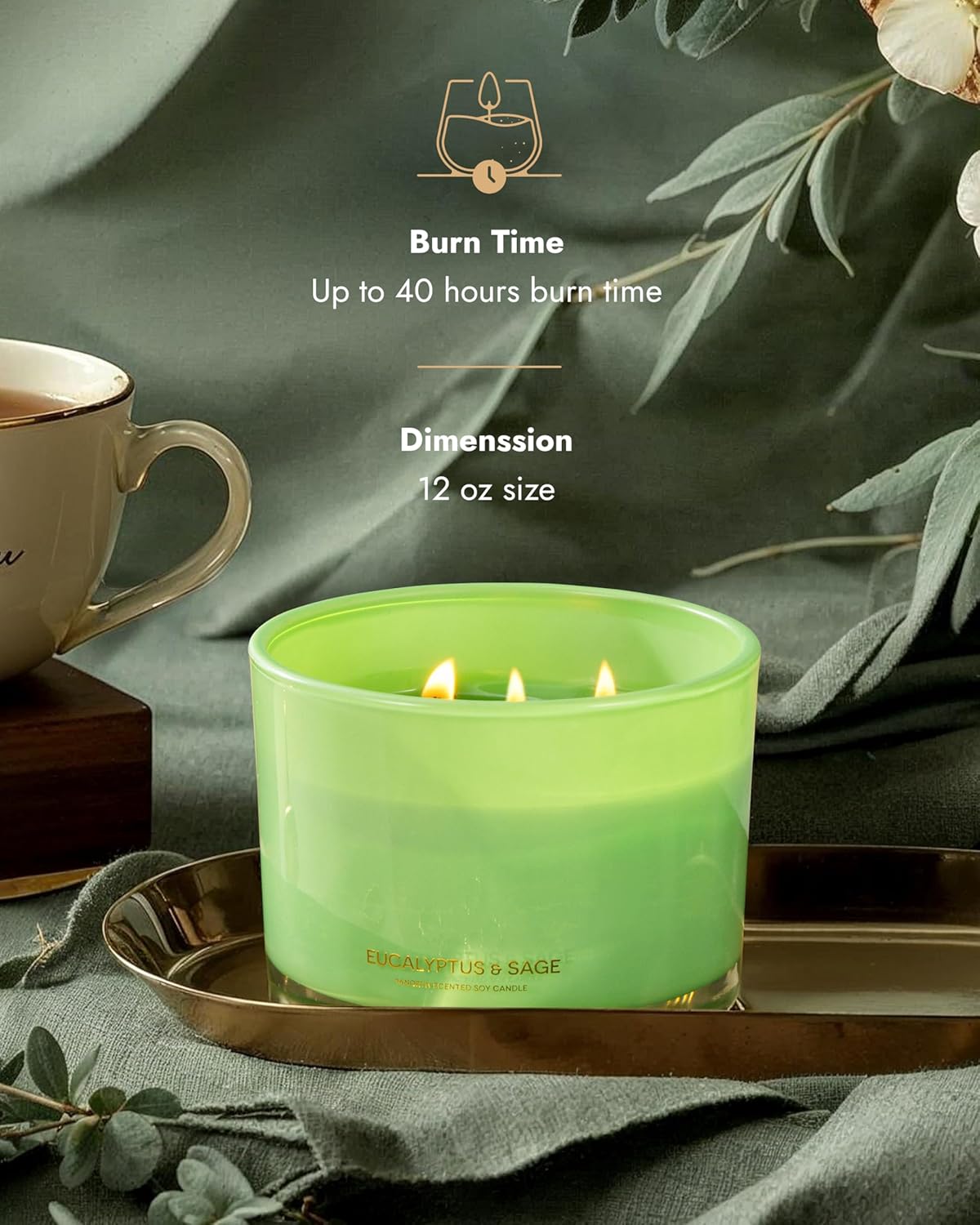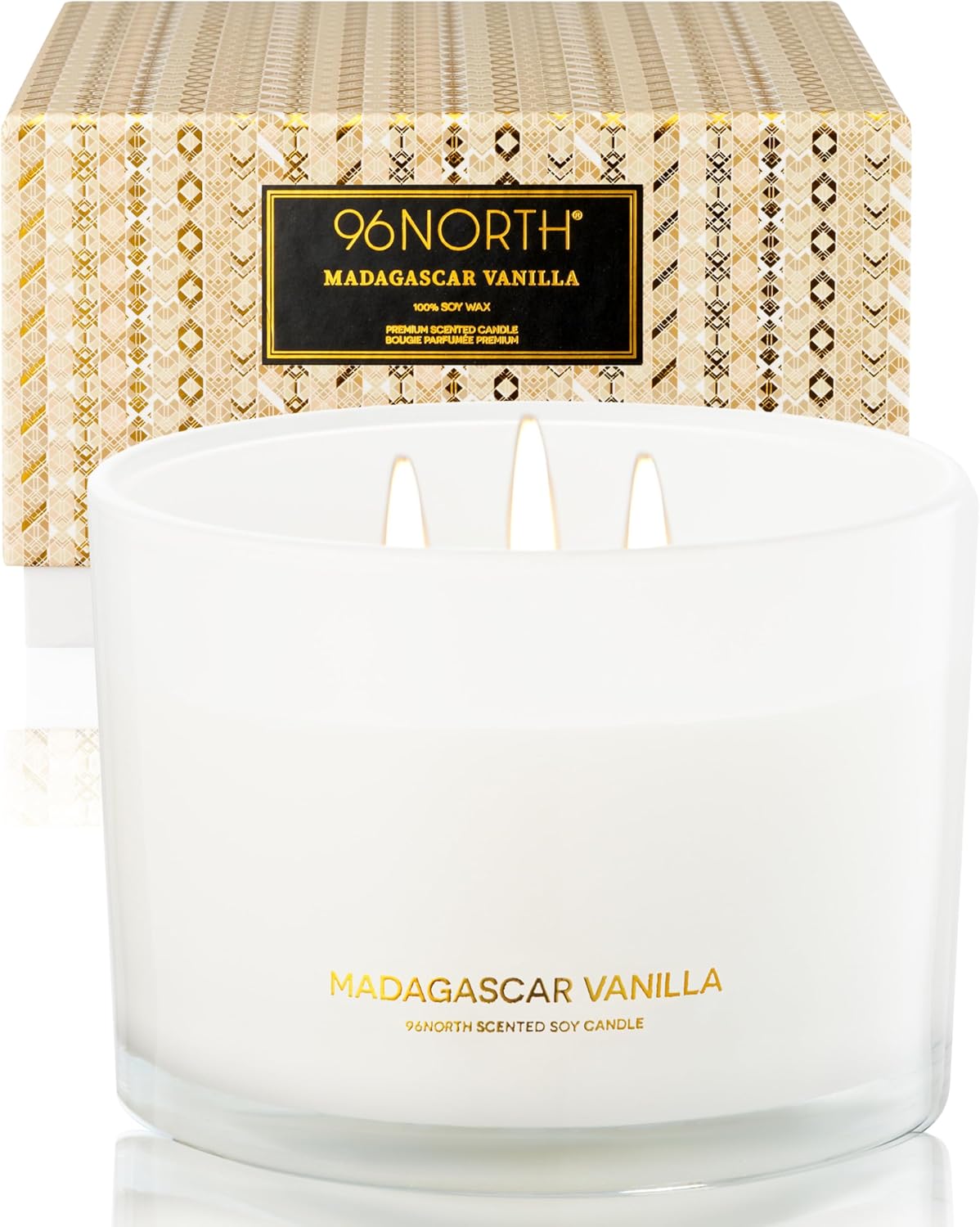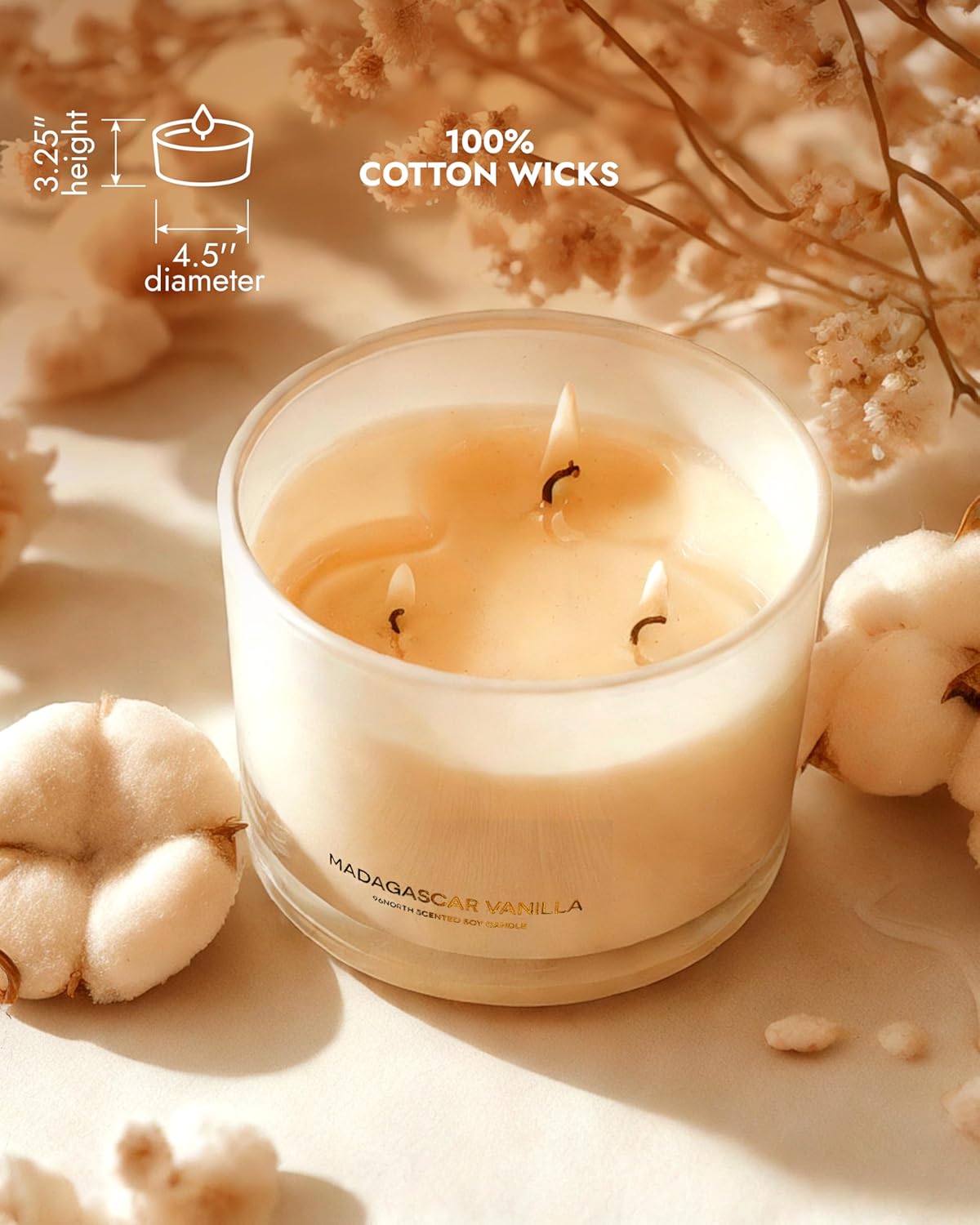

Choosing how to anchor your evening relaxation shouldn't add to your daily stress. When comparing aromatherapy candles vs diffusers, you need a practical wellness tool for a grounding, at-home reset, not a dry chemistry lecture. This guide simplifies your purchasing decision by comparing scent strength, safety, cost, upkeep, and true therapeutic benefits. By the end, you will know exactly which method fits your lifestyle. Once decided, find your perfect sensory match at 96NORTH.
1. Scent Throw and Strength: Will You Actually Smell It?
The deciding factor between aromatherapy candles vs diffusers is whether you will actually smell the scent. To find your ideal match, evaluate:
-
Room size and airflow
-
Scent delivery speed
Candles deliver a localized sensory experience. The throw is strongest near the warm burn zone, making them perfect for "zoned" aromatherapy. Use them to create intimate sensory boundaries in specific areas:
-
Bedside tables
-
Bath ledges
-
Reading corners
Diffusers act as consistent engines. They provide a steady background scent rather than an immediate, cozy impact. Output strength depends on oil purity and the device type:
-
Ultrasonic
-
Nebulizing
-
Reed diffusers
The Bottom Line: Choose candles for immediate "moment scent" in focused spaces like a studio or bath. Choose diffusers for continuous "ambient scent" across open-concept layouts. This prevents buying a candle expecting whole-house coverage, or a diffuser expecting instant coziness.
2. Safety and Air Quality: What Are the Real Risks?
When evaluating aromatherapy candles vs diffusers, households with kids, pets, or limited apartment ventilation must weigh distinct safety tradeoffs. Neither option is entirely risk-free; each presents unique environmental impacts.
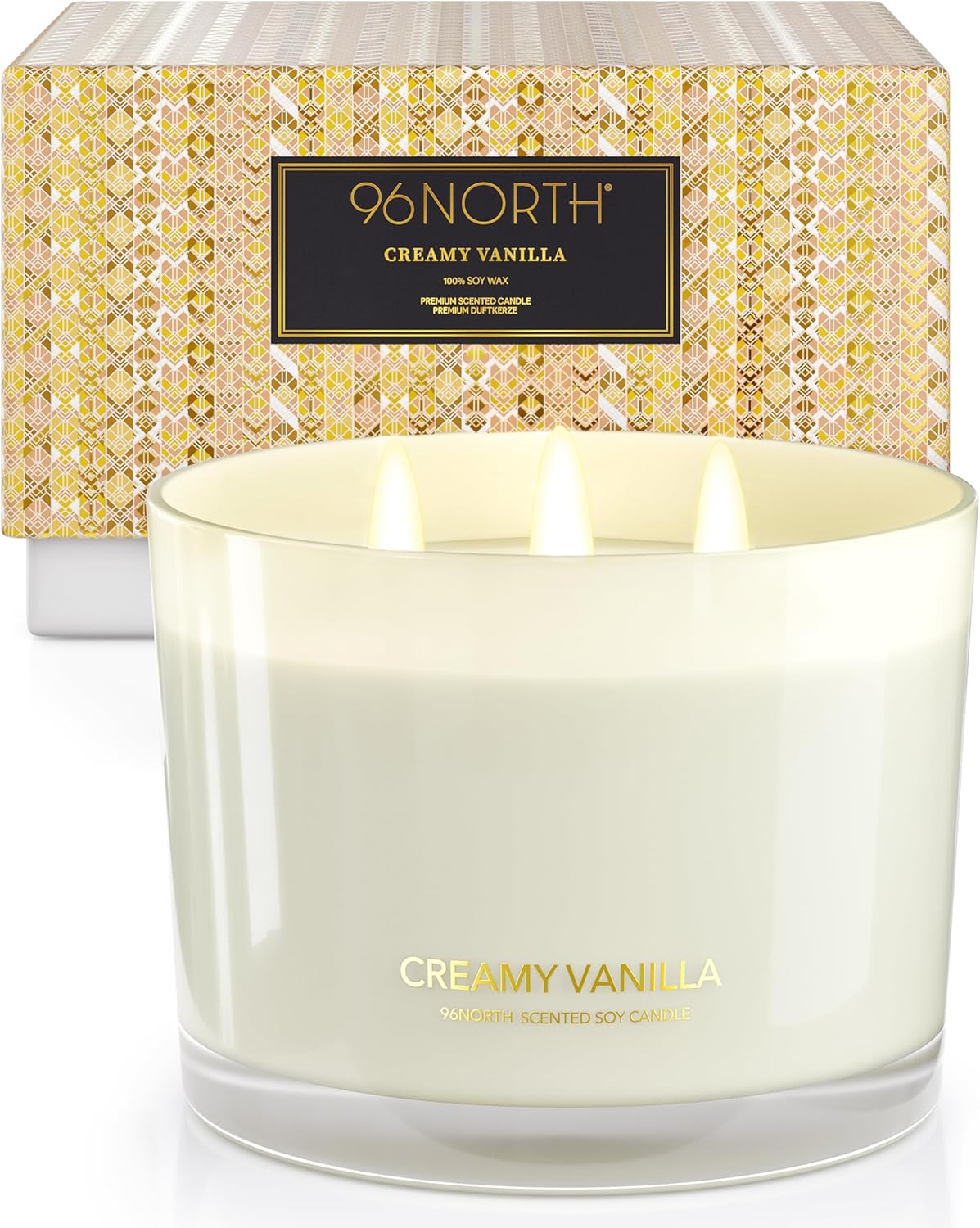
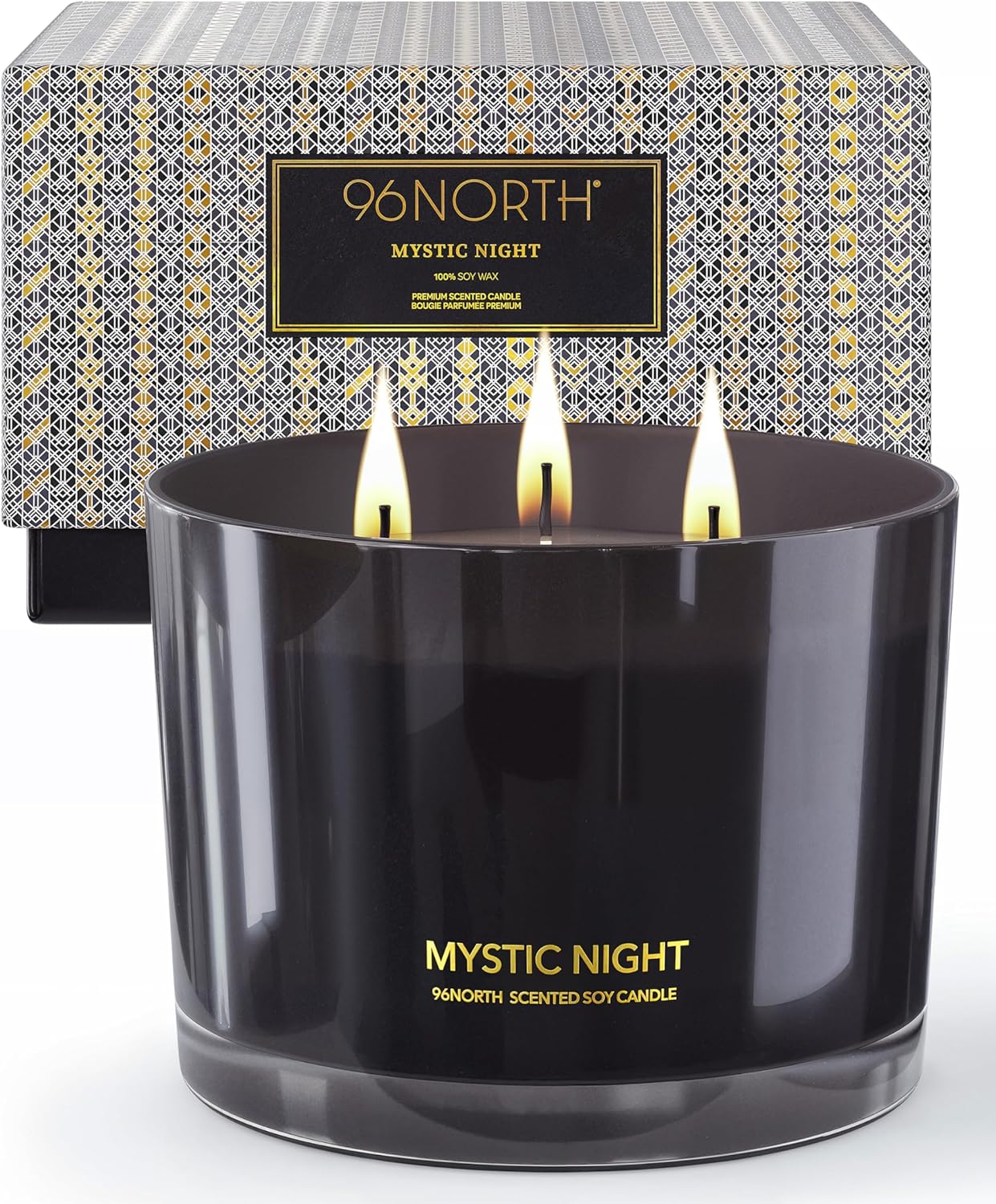
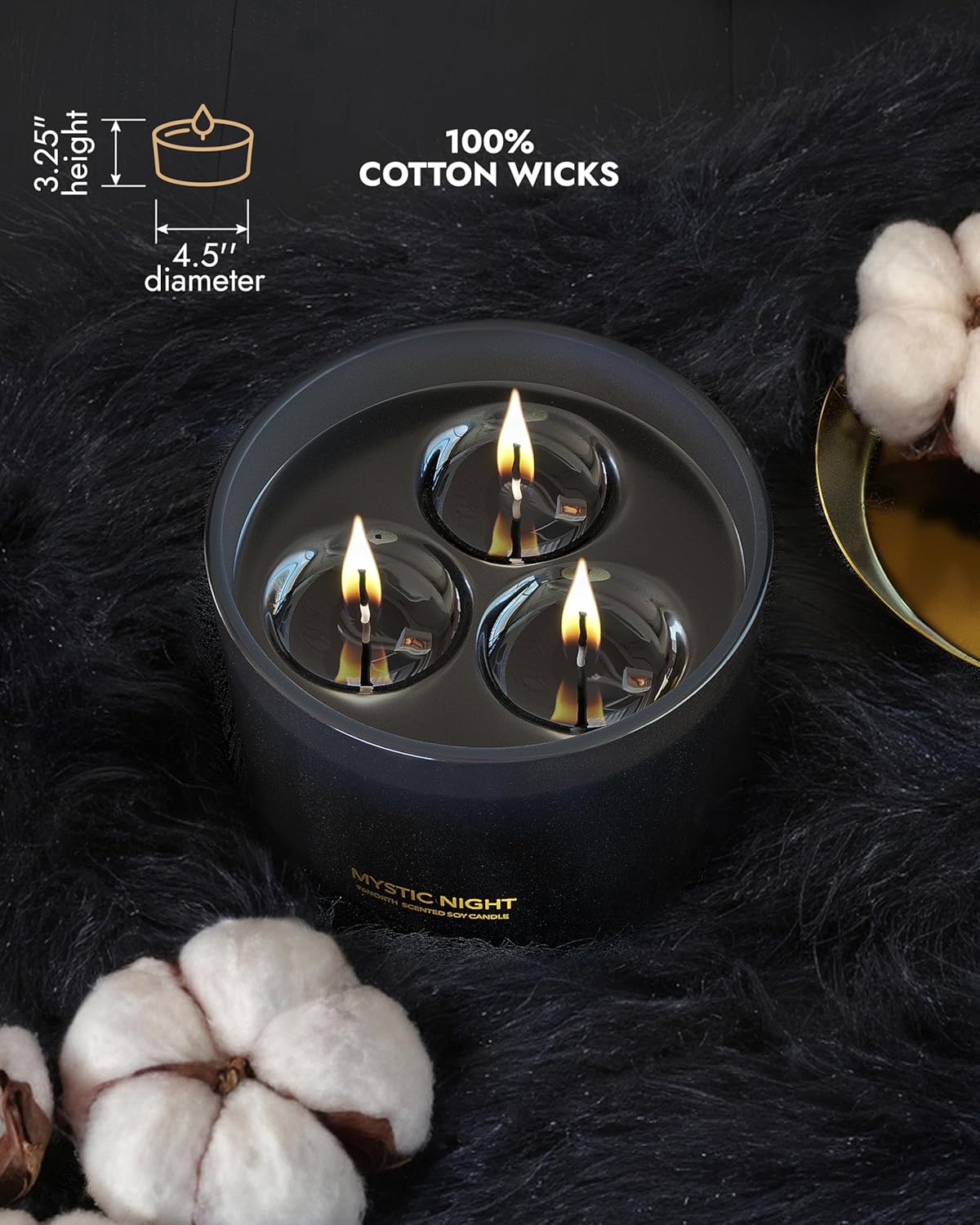
Candles introduce an open flame, demanding active supervision. Cheap paraffin waxes also release heavy soot. You can mitigate these air quality concerns by choosing low-tox options made from 100% natural soy wax with lead-free cotton wicks.
Diffusers eliminate fire hazards but increase continuous inhalation exposure. Because they disperse highly concentrated mist, certain essential oils can irritate sensitive airways or prove highly toxic to domestic pets.
Maintain a safe, serene sanctuary with these basic habits:
-
Ventilation: Keep fresh air moving through the room.
-
Time limits: Cap diffuser run times at 30 to 60 minutes.
-
Placement: Position both devices high, safely out of reach of children and pets.
-
Scent load: Start with minimal oil or short burns; less is more.
3. Cost and Lifetime Value: One-Time Ritual vs. Ongoing System
What is the hourly cost of your sensory sanctuary? Home fragrance can shift from a simple self-care habit into an unplanned subscription if you do not calculate the long-term math.
Candles are straightforward transactions. You purchase a single item, and its value depends entirely on burn time and lighting frequency. This makes candles perfect for highly controlled, scheduled rituals like weekend wind-downs or a nightly digital sunset.
Diffusers function as ongoing systems. You face an upfront cost for the device alongside recurring expenses for essential oils. Even passive formats like reed diffusers require regular refills. To budget accurately, learn how long a reed diffuser lasts before purchasing.
For predictable, continuous background scenting, diffusers work best despite recurring refill costs. If you prefer controlled, occasional moments of sensory grounding, candles offer a simpler, self-contained investment.
4. Usability and Habit Fit: Do You Want a Ritual or Automation?
The most expensive wellness tool is the one collecting dust because it clashes with your natural habits. When deciding between aromatherapy candles vs diffusers, the choice comes down to daily behavior: do you want a hands-on ritual or automated ease?
Candles provide a grounding, tactile experience:
-
Trim the wick and strike a match
-
Enjoy the natural, warm glow
-
Monitor the flame safely (never leave unattended)
They require zero equipment, making them an effortless sensory anchor to mark a clean stop to your workday.
Diffusers offer hands-off automation, perfect for busy work-from-home mornings. Ultrasonic models run safely in the background but require regular cleaning to avoid residue and funky smells. Reed diffusers are low-maintenance but less adjustable. To find your perfect setup, browse options in the 96NORTH diffuser collection.
5. Aromatherapy Reality: Why Materials Matter More Than Marketing Labels
The "aromatherapy" label often misleads buyers. True wellness benefits require pure essential oils, yet many products rely on synthetic blends. When evaluating aromatherapy candles vs diffusers, outcomes depend on materials and physical methods rather than marketing claims.
Candles prioritize mood and atmosphere. Because heat and physical combustion alter the surrounding environment, burning a candle works best as a sensory ritual for relaxation rather than a precise, calculated dose.
Diffusers are engineered specifically to disperse essential oils into your space. Still, they are not inherently better if you over-diffuse or use scents that irritate your respiratory system.
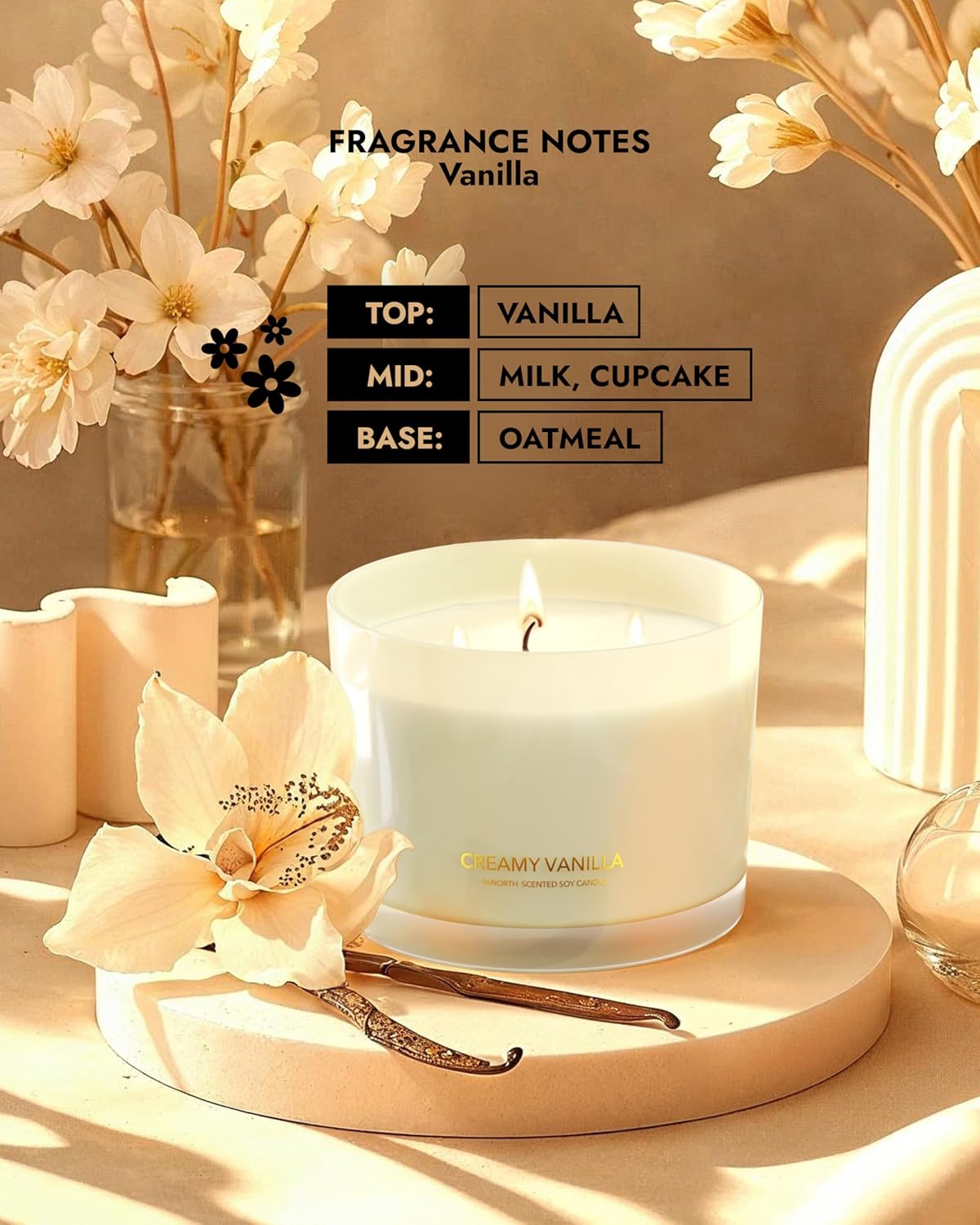
Ultimately, diffusers win for consistent, adjustable intensity. Candles win for a grounding ritual with warm, ambient light. If you prefer the ritual route, premium candles offer a gateway to sensory travel. Discover curated, clean blends designed to transport your mind by browsing the 96NORTH premium scented collection.
6. Scenario-Based Decision Guide: Which Fits Your Space?
Matching your fragrance method to your environment makes the choice effortless. Use this scenario-based guide to find your perfect fit.
-
Bedroom Wind-Down: Candles offer a tactile evening ritual. Diffusers provide safe, flame-free misting before sleep.
-
Home Office Focus: Diffusers sustain long-term focus. Candles mark the physical start and end of your workday.
-
Bathroom Reset: Candles create an intimate spa-like sanctuary. Diffusers work best if space permits and you clean them regularly.
-
Hosting Guests: Candles deliver warm, welcoming ambiance. Diffusers offer continuous fragrance without supervision.
Rules of Thumb:
-
Choose a diffuser if you cannot supervise an open flame.
-
Choose a candle or reed diffuser if you prefer low-maintenance scent without cleaning devices.
When you are ready to explore scent as a routine companion, start here: 96NORTH.

How to Choose: Your Quick Aromatherapy Selection Guide
To resolve the aromatherapy candles vs diffusers debate, pick your top priority below and follow the direct recommendation.
Step 1: Prioritize Ambiance and Sensory Ritual
Pick a candle if you want the tactile ritual of lighting a match combined with a warm, flickering glow. This choice delivers a strong, immediate cozy impact that grounds you in a single room.
Step 2: Prioritize Safe, Continuous Background Scenting
Select a diffuser if you require a flame-free space with low visual stimulation. Choose an ultrasonic or reed diffuser to enjoy a steady, safe background scent that runs continuously for hours.
Step 3: Prioritize Low Maintenance and Effortless Setup
Choose a candle for simple, scheduled sessions with zero cleanup. Alternatively, pick a passive reed diffuser if you want a true set-and-forget sensory anchor.
The Quick Tie-Breakers
-
Pets and Sensitivity: Select soy candles if you want to avoid dispersing concentrated airborne mists around sensitive pets.
-
Device Upkeep: Skip ultrasonic units if you dislike washing out water reservoirs.
Ready to curate your space? Explore the 96NORTH diffuser collection for automated peace, or select a hand-poured option from the 96NORTH premium scented collection.
Frequently Asked Questions
Are aromatherapy candles as effective as diffusers?
It depends on your wellness goals. Diffusers are more effective for consistent, adjustable scent delivery across a room. However, aromatherapy candles are highly effective for daily grounding rituals, combining soothing scents with a warm, flickering light to create an immediate sensory cue for mental relaxation.
Is it safe to use a diffuser around pets and kids?
Yes, but you must exercise caution. Run your diffuser on low intensity for short sessions of thirty to sixty minutes, and ensure the space is well ventilated. Keep all devices out of reach, and avoid forcing exposure in small, closed rooms. Always consult a veterinarian for pet-specific fragrance safety.
Is a candle or diffuser better for a bedroom at night?
A diffuser is safer for overnight use because it operates entirely without an open flame. While a soy candle is perfect for a relaxing pre-sleep wind-down ritual, you must extinguish it before falling asleep. If you need continuous scent throughout the night, opt for a flame-free diffuser.
How long do reed diffusers last?
Most quality reed diffusers last between one to six months. The exact lifespan depends on your bottle size, the number of reeds used, room airflow, and placement. To learn more about maximizing your home fragrance investment, read our comprehensive guide on how long a reed diffuser lasts.