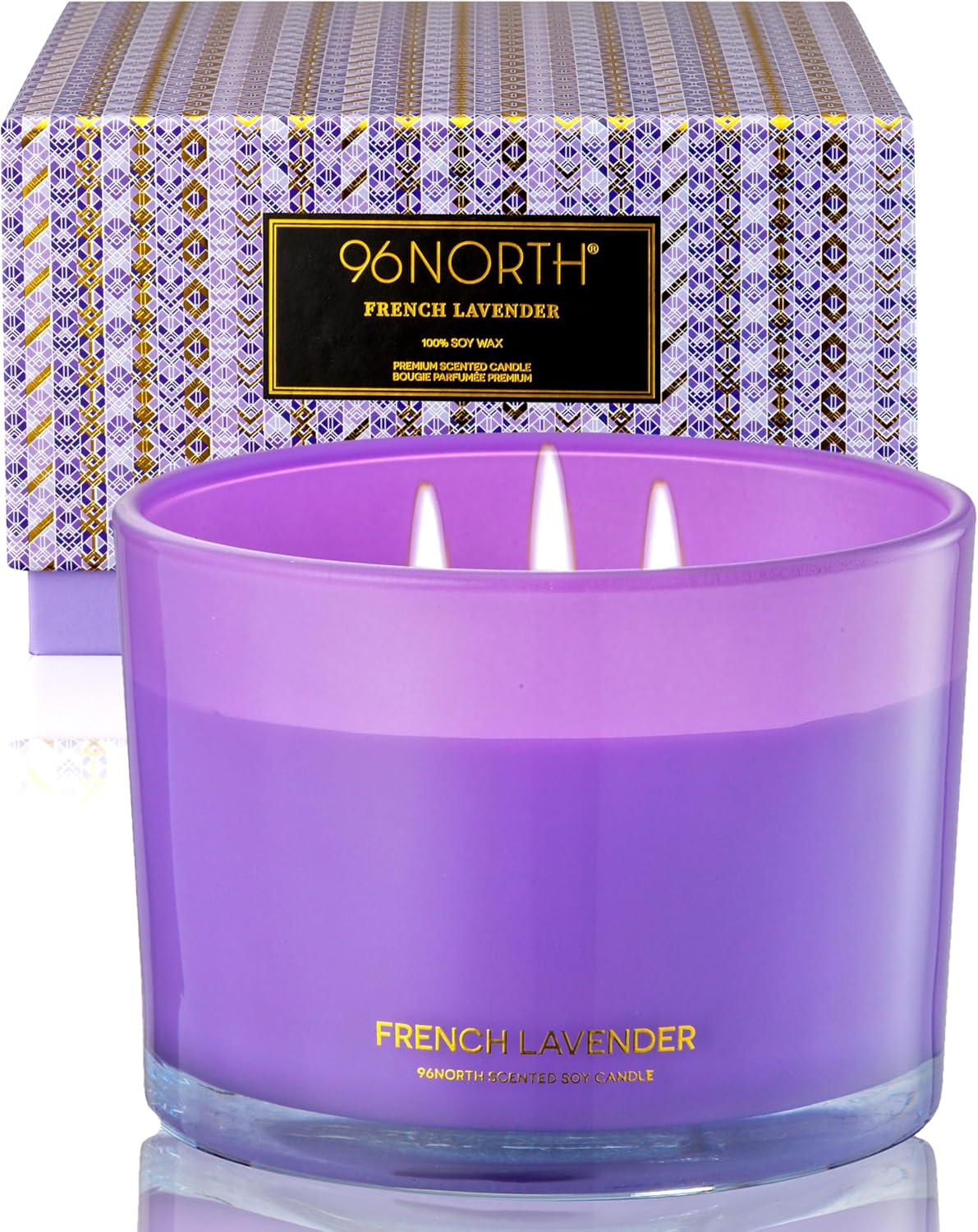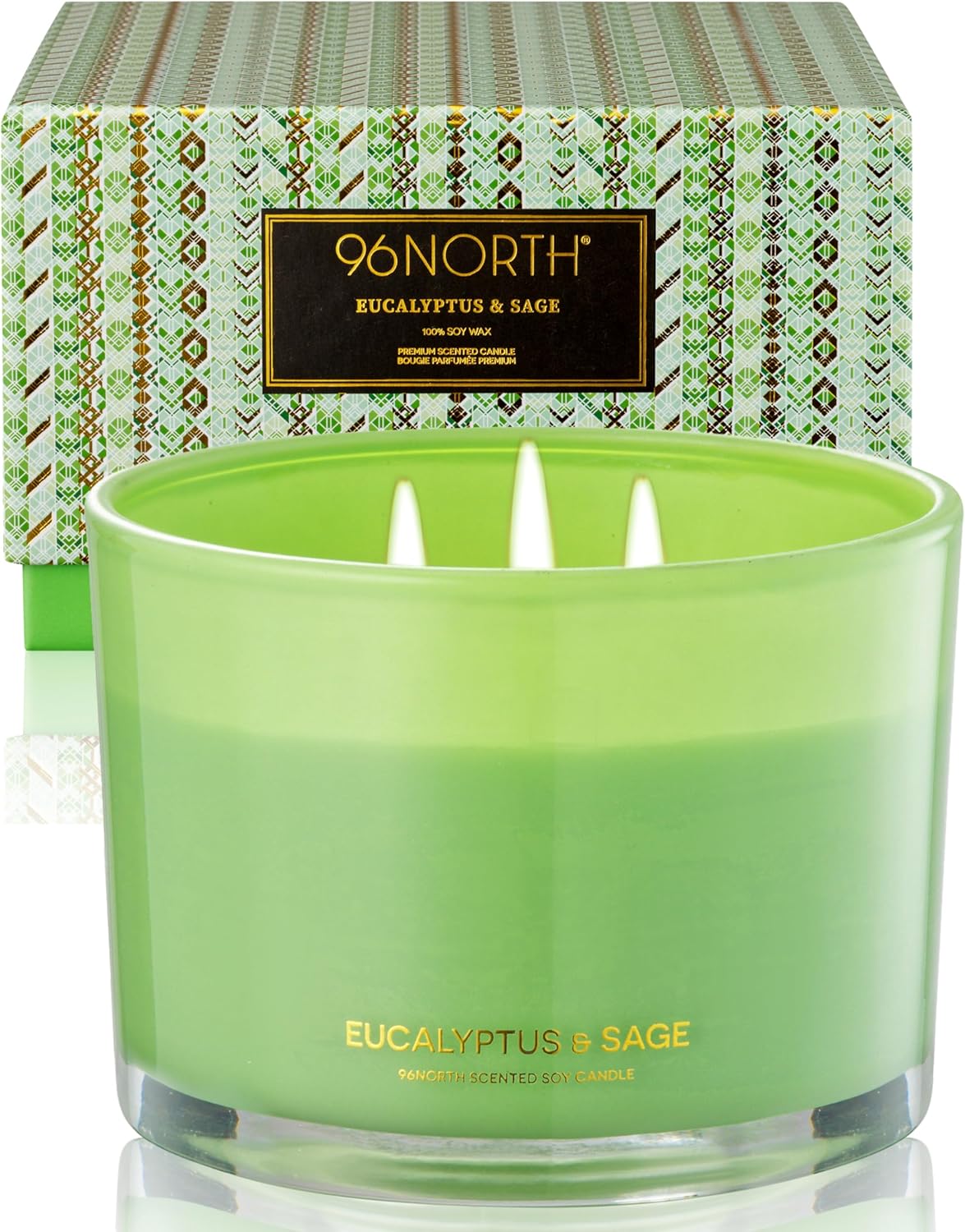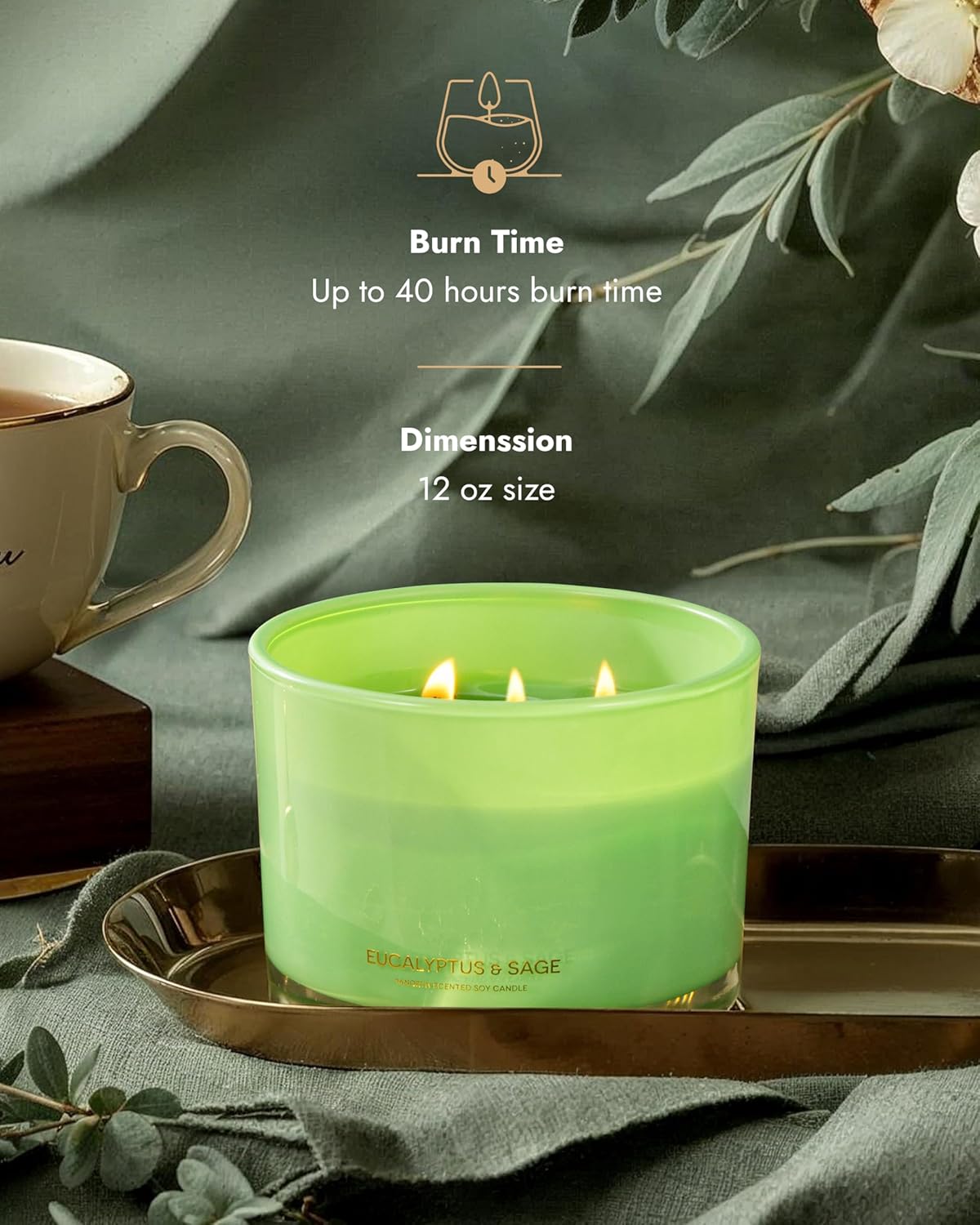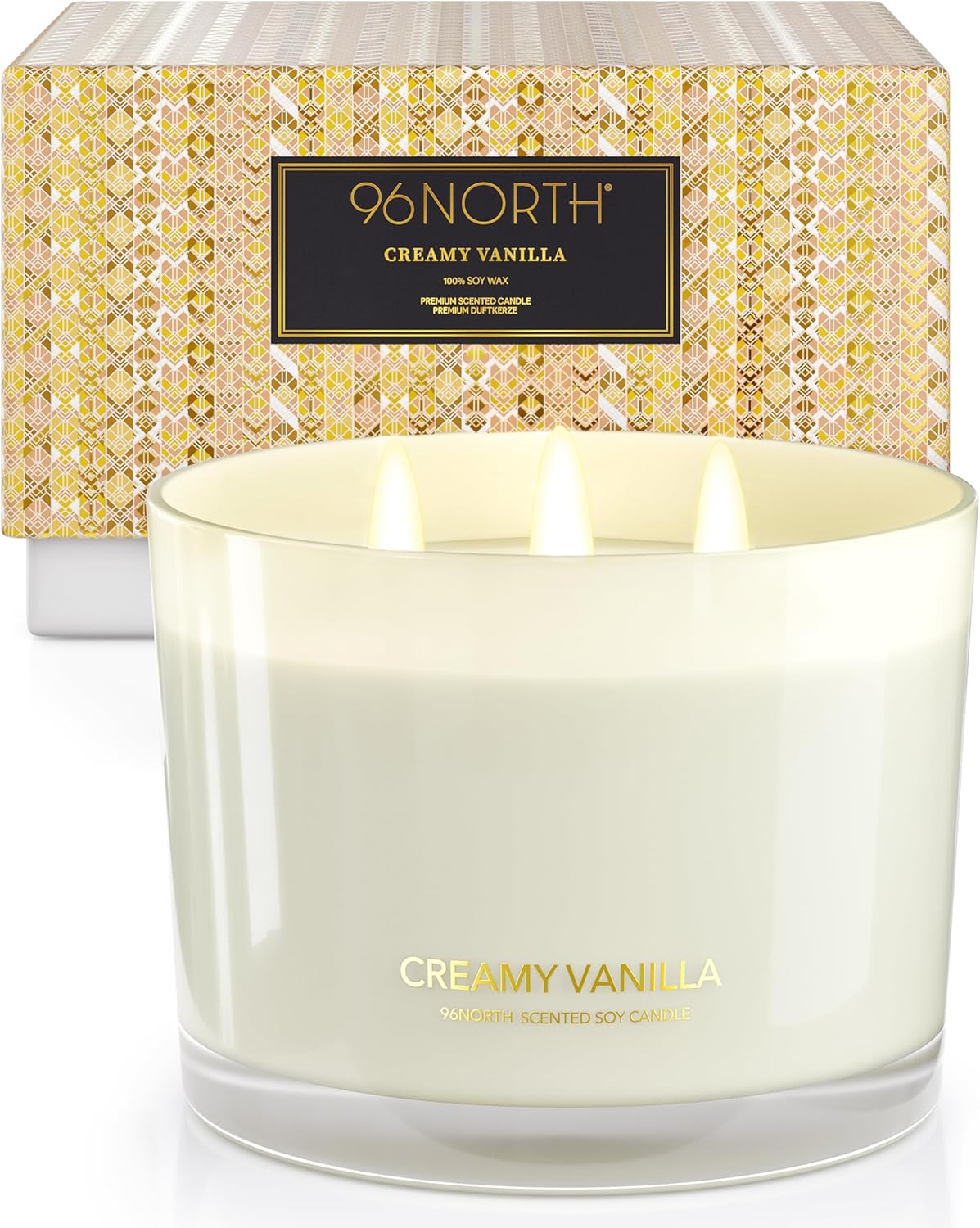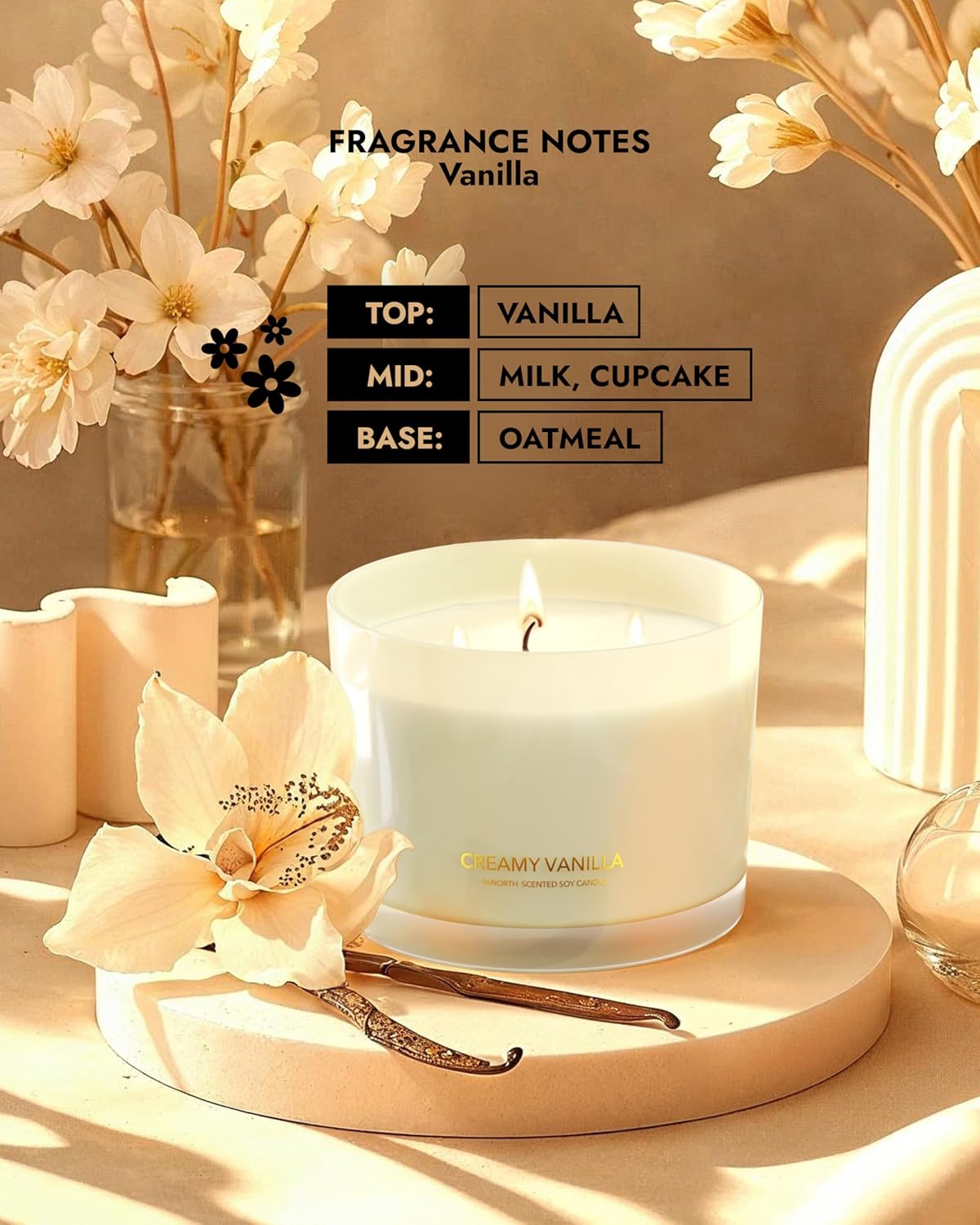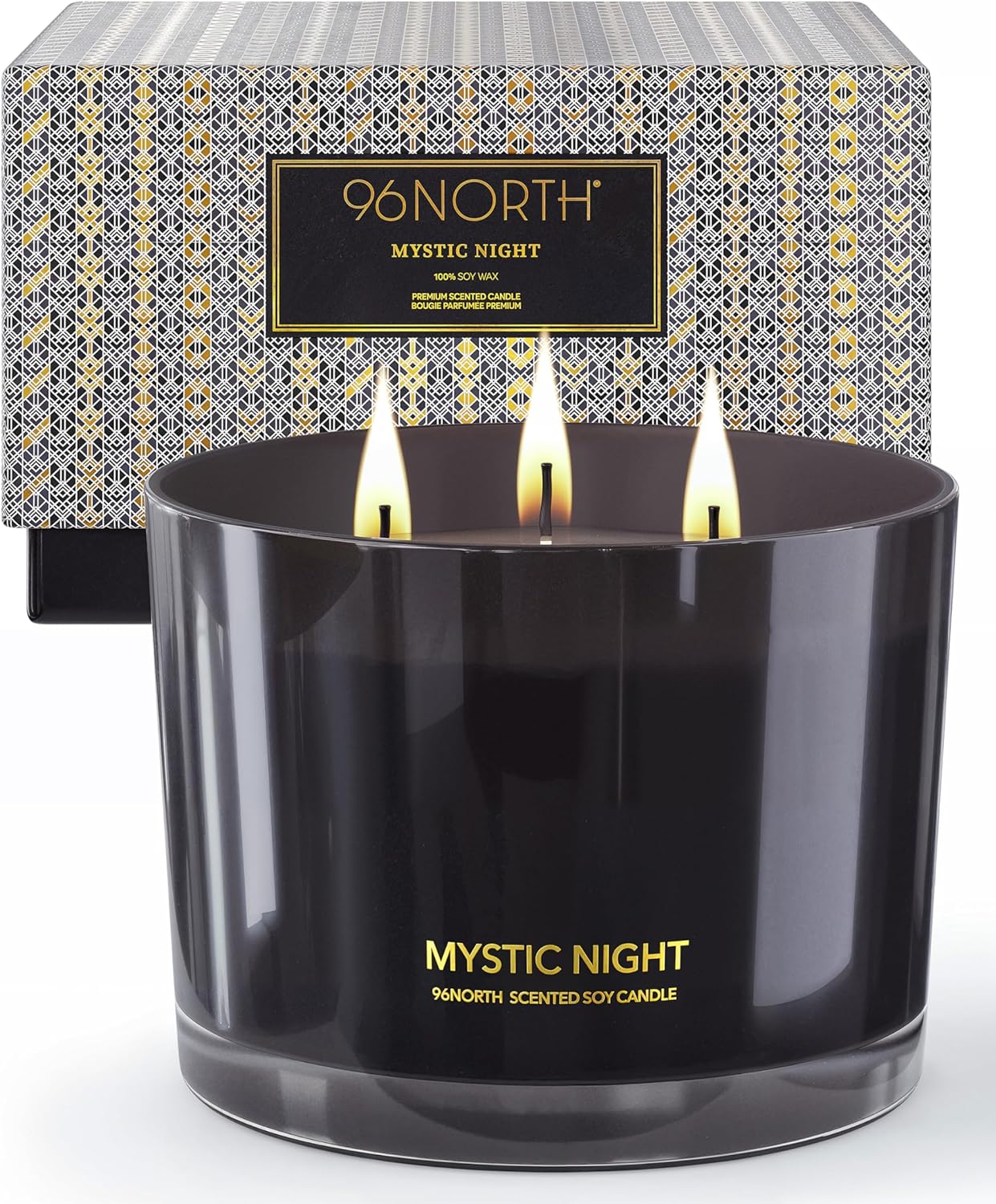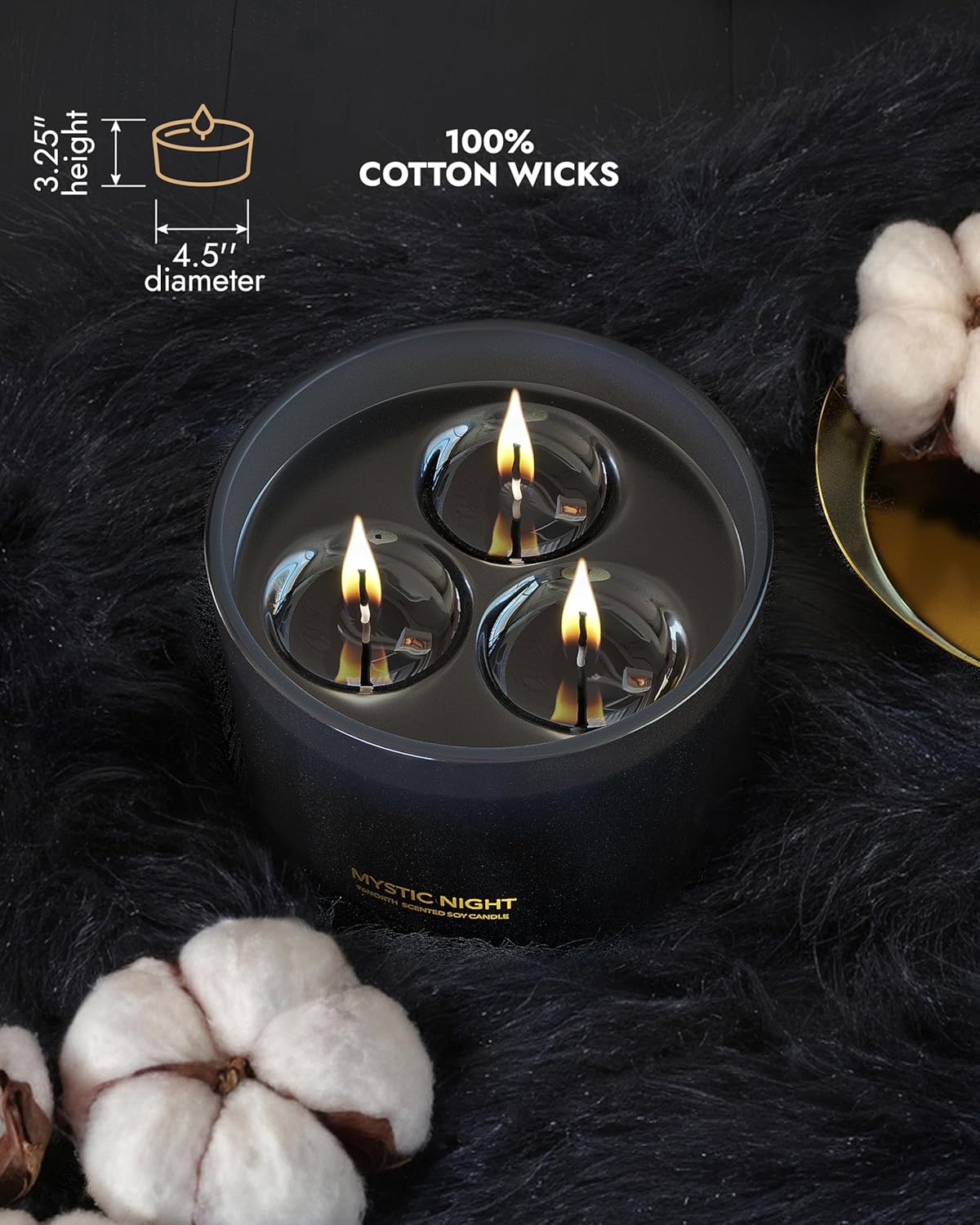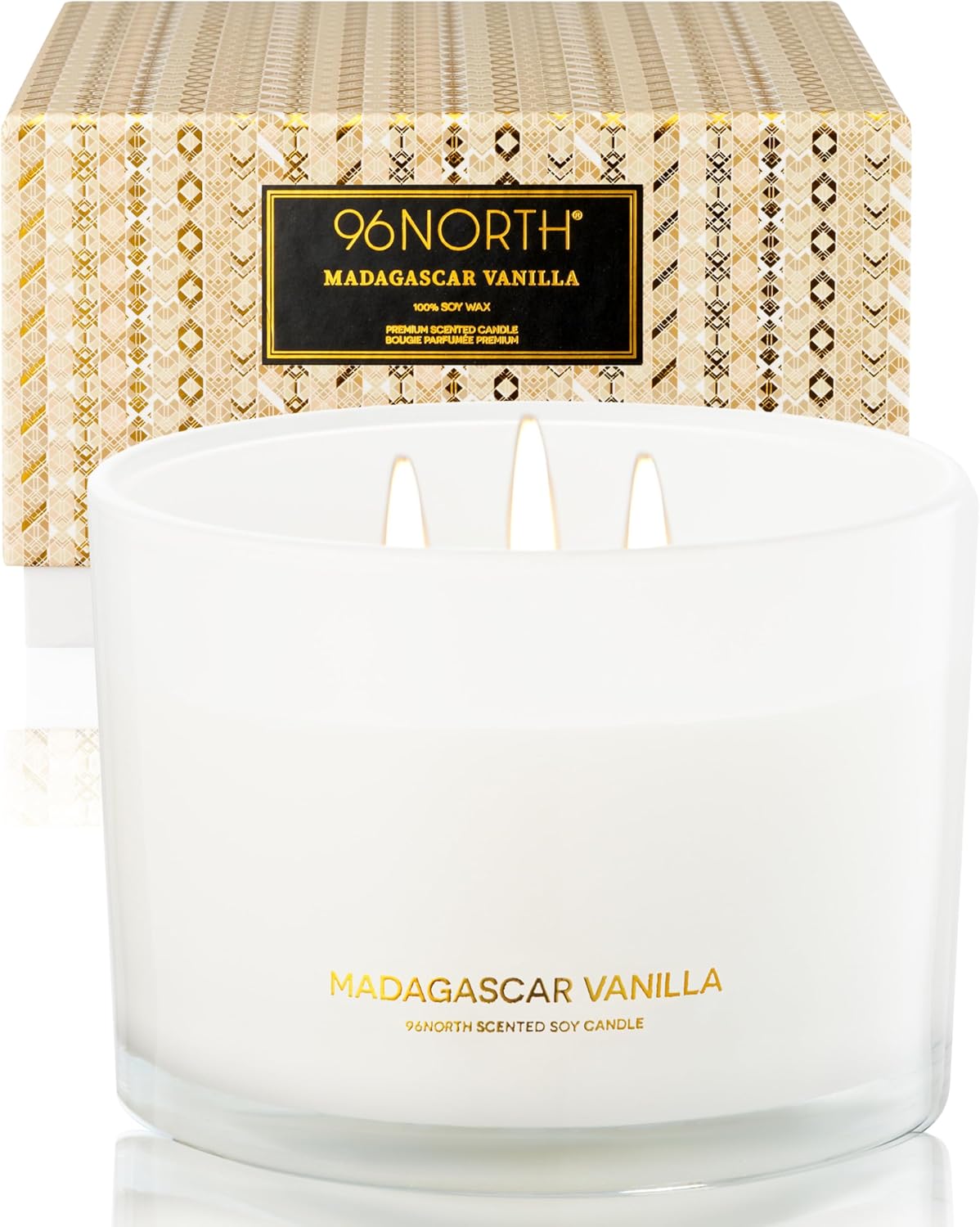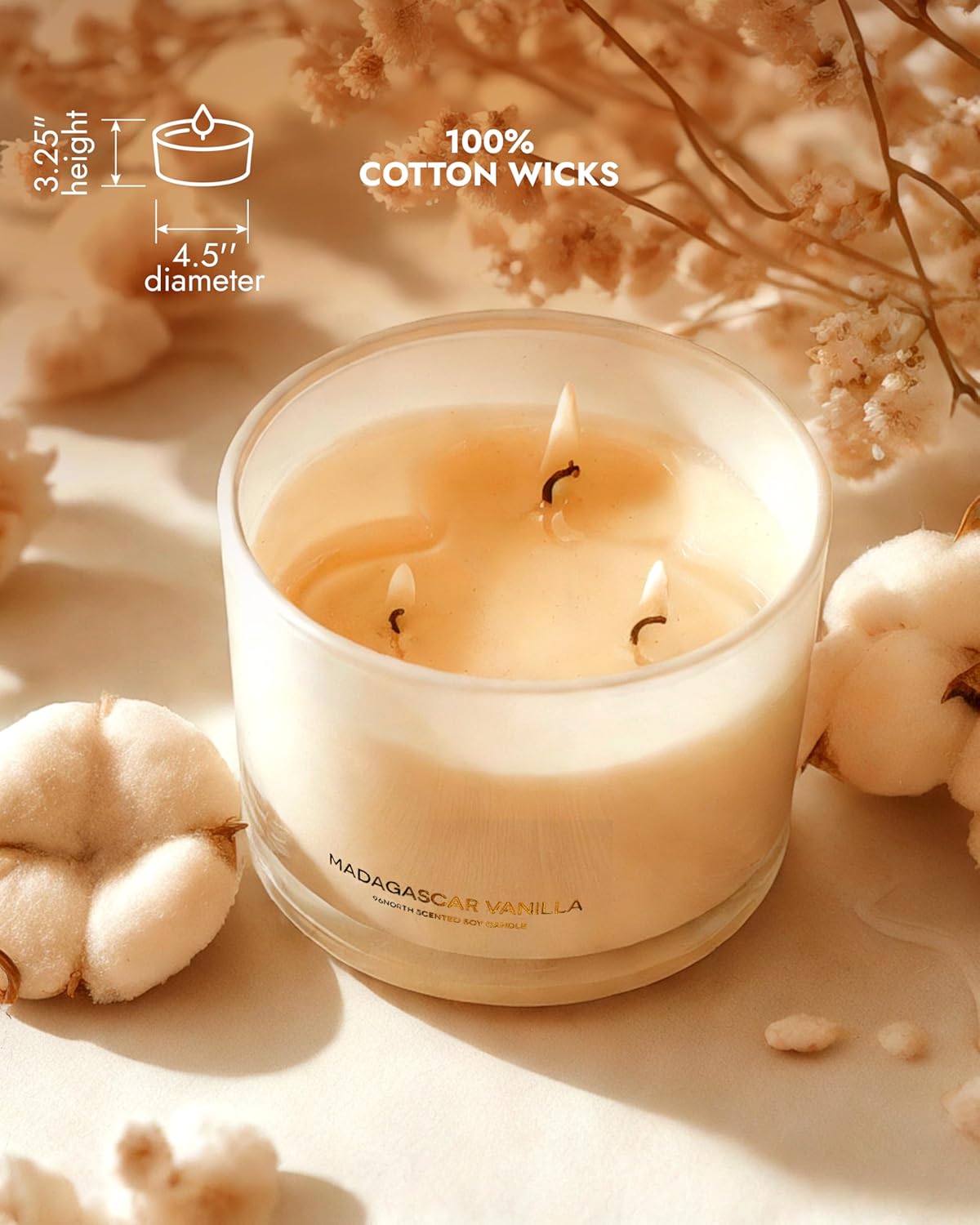

You can actually see high-quality, clean burning candles in action without relying on vague label claims. Look for a calm, steady flame, minimal drifting soot, and an even, level melt pool.
While non-toxic ingredients matter, true burn performance depends on the entire setup of wax, wick, and fragrance combined with your own burn habits. This simple checklist helps you evaluate any candle while shopping or at home, starting with what you observe the moment you strike a match.
1. Decode the Flame: The 60-Second Clean Burn Test
You want a healthy, non-toxic home, but translating complex chemical compounds on ingredient labels feels like studying for a science exam. Fortunately, you do not need a chemistry degree to identify clean burning candles. You only need sixty seconds to observe how the wax and wick behave once lit.
Watch for three physical signals:
-
The Flame: A calm, steady light that does not constantly flicker or stretch unusually tall.
-
The Melt Pool: Liquid wax that pools evenly to the glass edge without drowning the wick.
-
The Soot: Zero dark smoke, keeping the inside of the jar completely free of black rings.
If a candle fails, the culprit is usually a room draft, incorrect wick sizing, or an overloaded fragrance profile. Remember, clean ingredients can still burn dirty if poorly formulated. Use these visual checkpoints to confirm true, non-toxic performance in your home.

2. The Wax Foundation: How to Avoid the "Soy Blend" Trap
To find clean burning candles that minimize soot and respiratory irritants, start with the wax base. While mass-market brands rely on petroleum-derived paraffin, conscious buyers default to cleaner options:
-
Soy wax: Burns slowly, evenly, and cleanly at a lower temperature.
-
Coconut wax: Offers an excellent cold and hot fragrance throw.
-
Beeswax: Naturally dense, hypoallergenic, and long-burning.
However, beware of the blend trap. A label claiming "soy-based" or "soy blend" often hides a cheap paraffin shortcut. To protect your indoor air quality, look for explicit disclosures like "100% soy wax" rather than vague marketing terms.
Ultimately, a clean, predictable burn comes down to meticulous formulation and wick testing, not just one perfect ingredient. Prioritize brands that openly state their wax types and avoid those hiding behind "proprietary blends."
3. The Wick Engine: Reframing Fuel Delivery for a Soot-Free Burn
Dark carbon rings on your glass vessel and soot-induced headaches are physical signs of an unbalanced sensory experience. To enjoy truly clean burning candles, treat the wick as a precise fuel delivery system. An oversized wick draws too much wax, creating an aggressive, smoky flame. Conversely, an undersized wick starves the flame, causing tunneling and a smoldering, weak burn.
The wick material and size must perfectly calibrate to the wax pool. Protect your home's air quality by watching for these red flags:
-
Visible metal cores
-
Constant carbon mushrooming
-
Frequent smoke upon relighting
For consistent delivery, prioritize lead-free cotton for a highly predictable burn. If you choose wood wicks for their soothing crackle, ensure they are expertly matched to avoid soot. Finally, adopt one simple habit: trim your wick to one-quarter inch before every light to maintain a balanced, therapeutic flame.
4. The Fragrance Formula: Beyond the "Essential Oil Only" Myth
Many shoppers assume only 100% essential oil candles are safe. However, pure botanicals often degrade under high heat, burning dirty and triggering respiratory irritation. Finding truly clean burning candles requires moving past this marketing myth to focus on formulation chemistry and two essential levers:
-
Ingredients and Transparency: Prioritize phthalate-free claims and brands that disclose their safety standards. If a label lists "fragrance" with zero detail, treat that lack of transparency as a risk signal.
-
Fragrance Load: Excessive fragrance oil concentrations destabilize the flame, producing soot and triggering headaches.
For pet-sensitive households, extra care is vital. Animals have highly sensitive respiratory systems and process ambient compounds differently than humans. If you share your space with four-legged family members, opt for lighter fragrance profiles, maintain active ventilation, and consult your veterinarian about specific botanical sensitivities to ensure a safe, peaceful environment.
5. Skip the Aesthetic Add-Ins for a Clean Burn
Many artisanal candles adorned with botanical elements or crystals smoke and smell burnt within minutes. This occurs because decorative add-ins compromise the physical combustion process.
To ensure you are purchasing safe, clean burning candles, avoid products containing:
-
Heavy synthetic dyes
-
Plastic glitter
-
Herbs, flowers, or crystals in the wax pool
These materials disrupt the steady flow of liquid wax to the wick. This obstruction causes incomplete combustion, which generates black soot, erratic flames, and toxic smoke instead of a therapeutic aroma.
For a low-tox home, the safest buying rule is simple: prioritize pure wax, a lead-free cotton wick, and clean fragrance. If you already own a decorated candle, burn it under close supervision. Discontinue use immediately if the flame crackles, produces smoke, or if debris migrates toward the wick.

6. Look Under the Hood: Container Safety and the Hidden Wick Anchor
You select a candle with pristine wax, yet labels rarely disclose what lies beneath. Finding truly clean burning candles requires looking beyond ingredients to the vessel itself and how the wick is anchored.
Your container acts as a combustion chamber. Ensure safety by verifying these materials:
-
Glass: Look for thick, thermal-shock resistant glass to prevent cracking.
-
Metal tins: Avoid unknown industrial coatings or liners that can off-gas under heat.
-
Ceramic: Stick to reputable makers who verify their glazes meet lead-safe standards.
Equally critical is the wick base. Wicks are anchored by a metal clip. If a brand secures this clip with cheap chemical adhesives, those glues vaporize directly into your air during the candle’s final burn.
When shopping, choose brands that transparently share what their vessels are made of and how their wicks are secured.
7. The Burn Protocol: Daily Habits to Prevent Soot and Tunneling
Even premium clean burning candles will smoke, soot, or tunnel without proper care. Burn quality relies as much on daily habits as it does on raw ingredients. To protect your indoor air quality and maximize candle lifespan, follow three rules:
-
Trim the wick: Clip to one-quarter inch before every lighting to prevent a soot-producing flare-up.
-
Avoid drafts: Keep the flame away from open windows, vents, and fans to stop erratic flickering.
-
Respect the first burn: Let the liquid wax pool reach the container's edge to prevent memory rings.
Wax holds a physical memory. Skipping the initial edge-to-edge burn creates a permanent crater, but you can easily fix candle tunneling to restore a level surface.
Never blow out the flame. Use a metal snuffer or replace the jar lid to extinguish it cleanly without releasing smoke. Pairing a well-made candle with these habits creates the lowest-soot environment possible.
How to Choose Clean Burning Candles: The Ultimate Buyer’s Checklist
The Low-Tox Candle Screening Protocol
Read the product page or physical label first before you buy. If a manufacturer fails to verify basic ingredient sourcing, protect your indoor air quality and walk away.
Use this direct yes-or-no checklist to evaluate any purchase, whether you seek relaxing tea lights or elegant decorative candles:
-
Is the wax type fully disclosed? Verify the label says "100% soy wax" or "beeswax." Reject vague descriptions like "natural blend."
-
Is the wick material safe? Choose cotton or wood wicks. Confirm the brand explicitly states they are lead-free and metal-free.
-
Is the fragrance transparent? Ensure the blend is phthalate-free. Avoid mystery formulations simply labeled as "fragrance" or "parfum."
-
Is the wax free of risky decorations? Avoid heavy synthetic dyes, plastic glitters, or dried botanicals near the wick path.
-
Is the container straightforward? Select clear glass, ceramic, or metal. Avoid vessels with mystery industrial coatings.
-
Is proper burn guidance provided? Look for instructions on trimming wicks and execution of the first burn.
-
Bonus: Does the brand focus on actual performance? Look for makers who acknowledge that a steady, low-soot flame is the true proof of clean burning candles.
If you want a candle designed for stable, low-soot burning, explore 96NORTH here: 96NORTH
Frequently Asked Questions
Do clean-burning candles produce zero soot?
No, even premium clean burning candles produce trace soot during combustion. However, they emit significantly less than petroleum-derived paraffin. To ensure yours is burning safely, watch for the healthy, calm flame and soot-free glass detailed in our 60-Second Clean Burn Test above.
Is there an official certification for non-toxic candles?
No official federal certification exists for non-toxic candles in the United States. Because it is a marketing term, you must verify ingredients yourself. Look for transparent brands that openly disclose 100 percent soy wax, lead-free wicks, and phthalate-free fragrance oils.
Are essential oil candles safer than fragrance oils?
Not always. Pure essential oils can degrade under high heat, occasionally burning dirty. True safety depends on formulation chemistry. Prioritize clean burning candles that use stable, phthalate-free fragrances designed specifically for heat performance over vague botanical marketing claims.
What is the fastest fix for a smoking or tunneling candle?
For smoke, extinguish the flame, trim the wick to one-quarter inch, and clear any drafts. If the wax is tunneling, you must melt the outer rim to reset the memory pool. Read our guide to fix candle tunneling for step-by-step recovery methods.
Can I burn candles around pets or children?
Yes, but take precautions. Children and pets have sensitive respiratory systems. When burning candles, maintain active ventilation, limit your burn times to two hours, and choose lighter fragrance profiles. Consult your veterinarian regarding specific essential oil sensitivities.