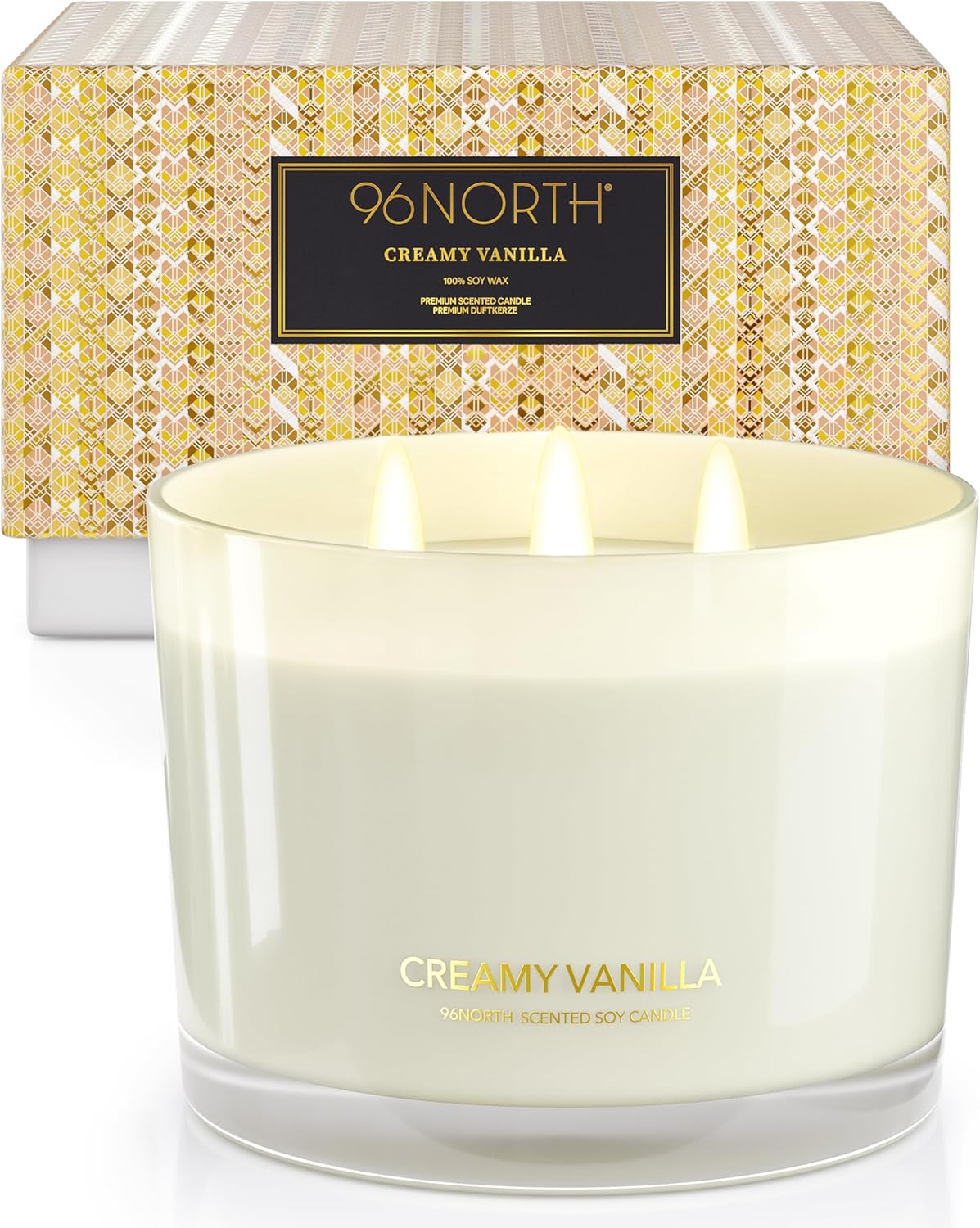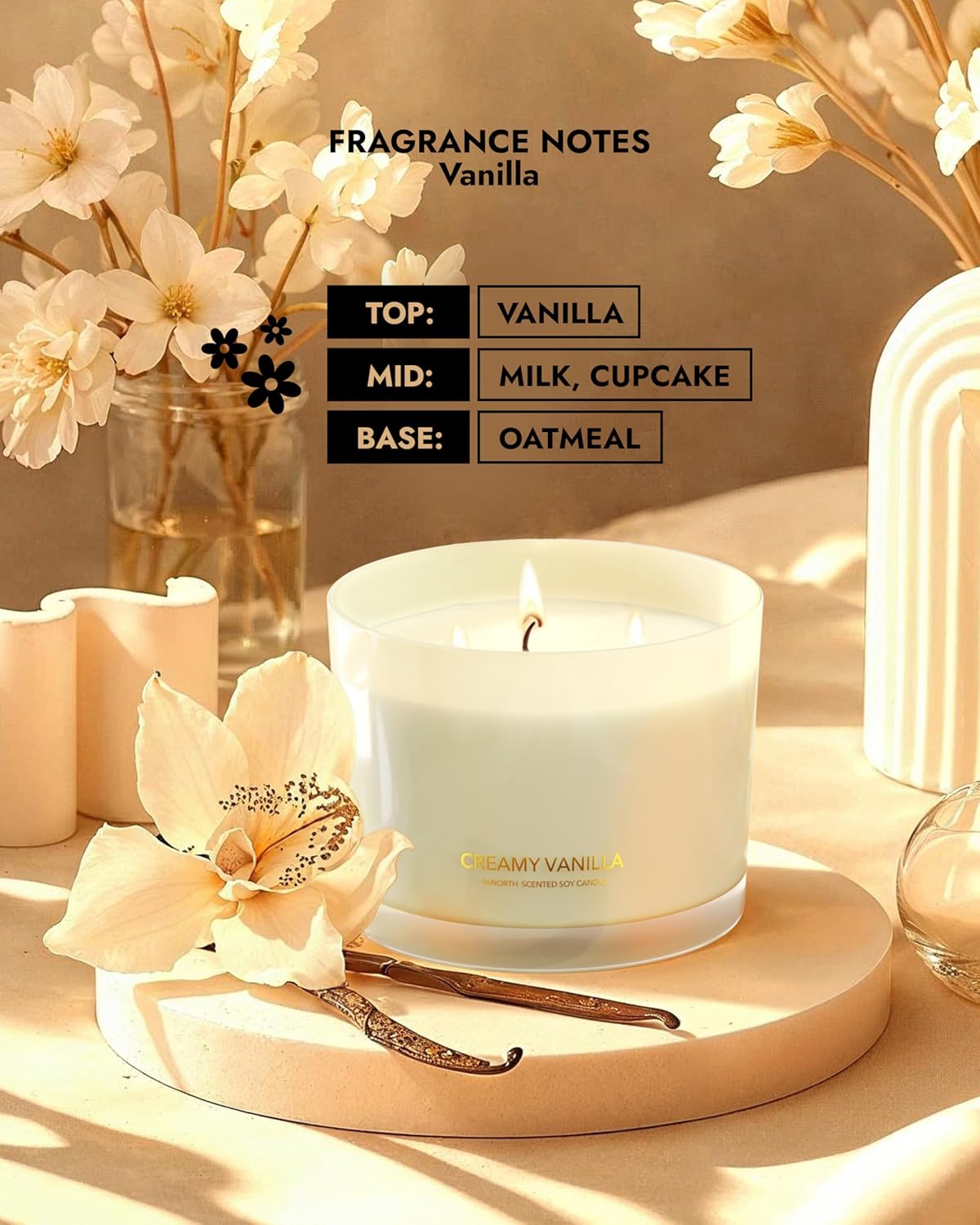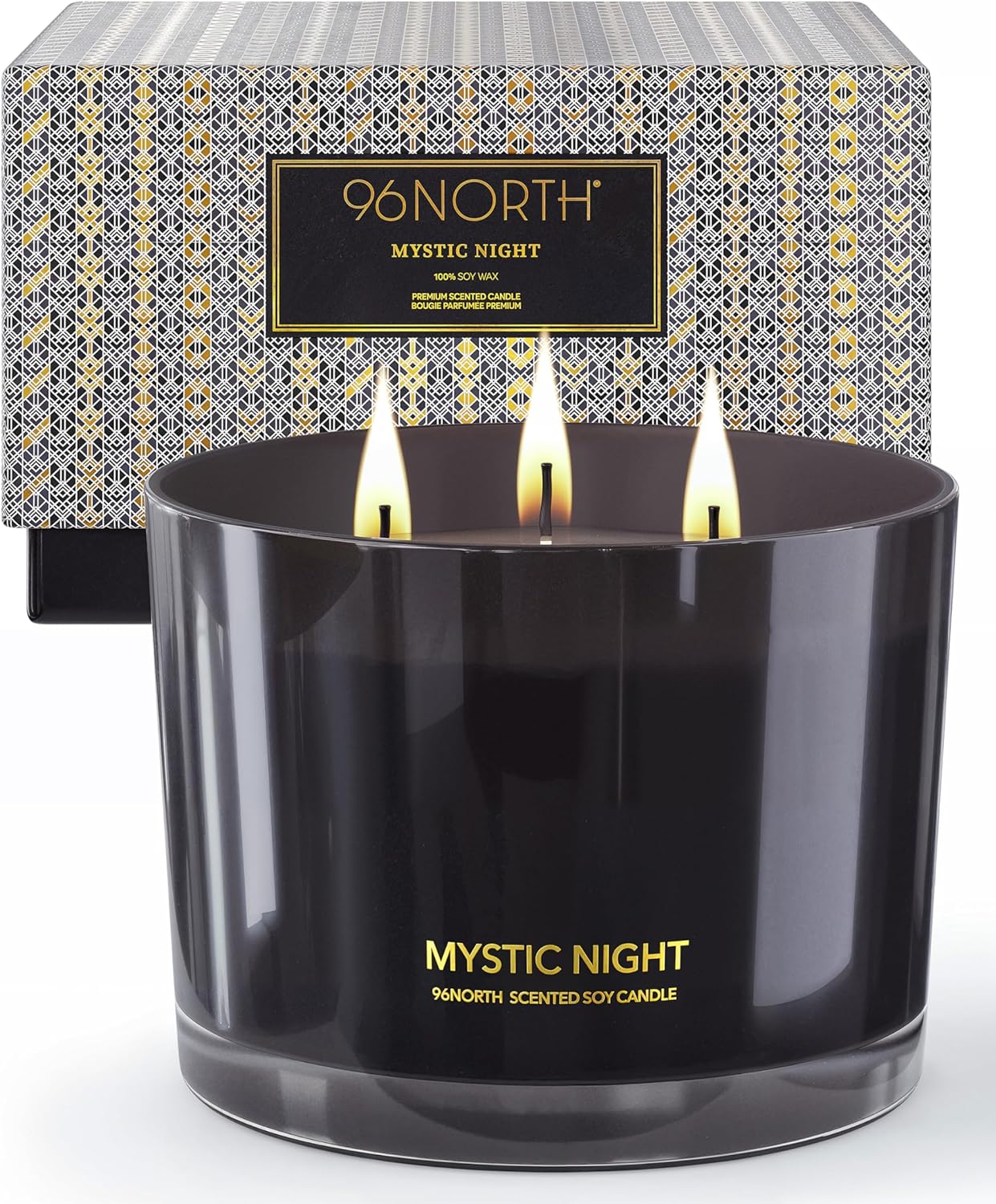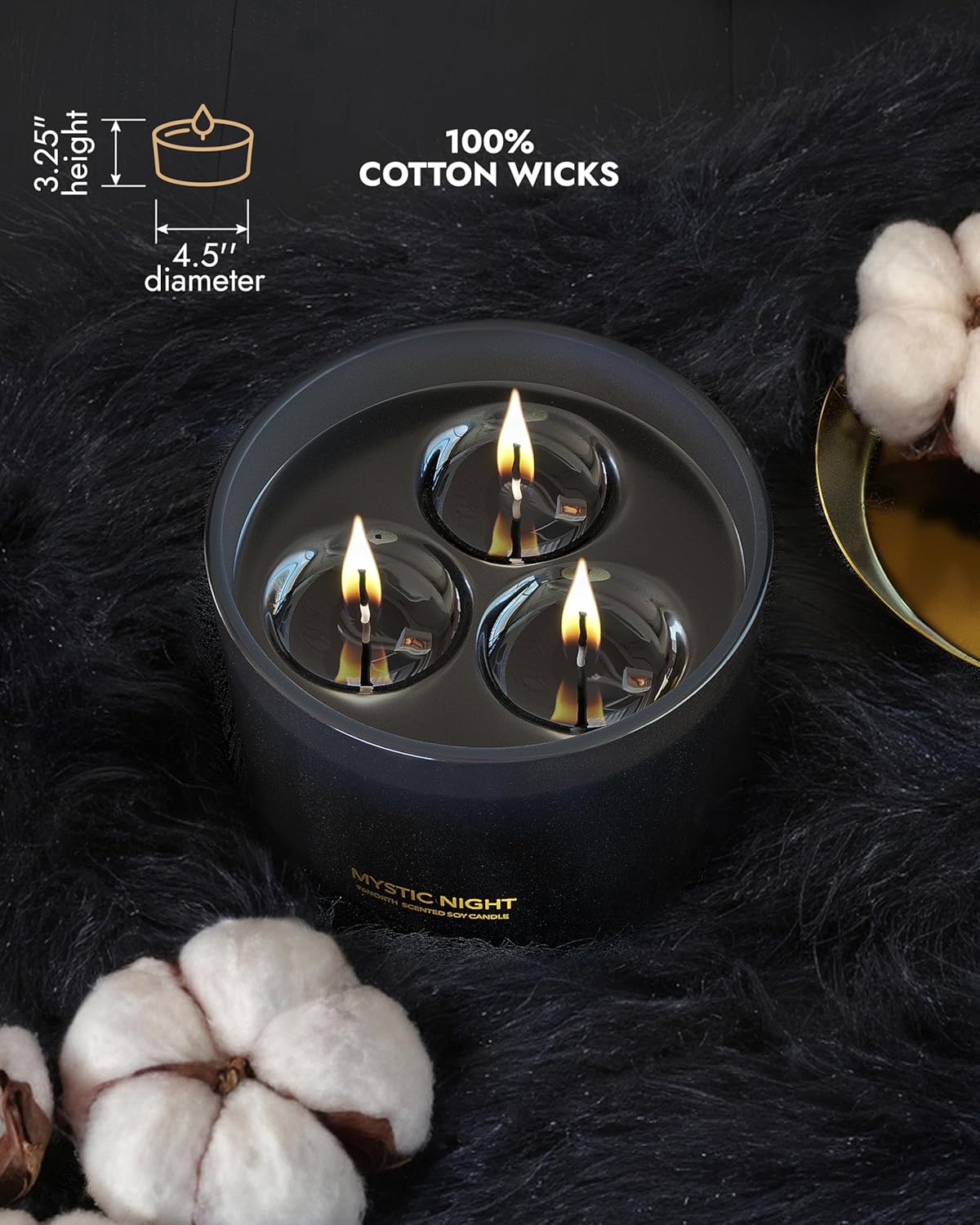

You want a clean, soot-free burn with a room-filling scent throw, but navigating the marketing behind coconut wax candles is exhausting.
While coconut wax offers a luxury-performance burn compared to standard soy, it is usually a premium blend rather than a pure, eco-friendly miracle. Our side-by-side comparison analyzes burn quality, scent throw, sustainability, and retail cost to give you a clear decision guide before you purchase.
Start with what coconut wax actually is.
1. The Blend Reality: Demystifying Coconut Wax Labels
Pure coconut wax is a clean-burning, plant-based wax derived from cold-pressed coconut oil. However, because it has an incredibly low melting point, pure coconut wax candles would liquefy at room temperature. To ensure structural stability, makers must blend it with harder structural waxes.
The specific blend directly determines your candle's performance:
-
Scent throw: How effectively fragrance oil disperses throughout your space.
-
Burn stability: Preventing tunneling and rapid, uneven melting.
-
Sweating: Restricting oil from pooling on the surface in warm climates.
Look past marketing buzzwords. While "coconut-soy" or "coconut-apricot" blends maintain clean-burning, non-toxic standards, a generic "coconut blend" often hides petroleum-derived paraffin. This addition introduces VOCs into your sanctuary. Premium coconut wax delivers an unparalleled sensory experience, but authentic luxury requires complete label transparency.
2. Burn Quality: What to Look For on Your Coffee Table
A premium price tag promises a superior burn, but true quality must be observable in your daily routine. High-performing coconut wax candles deliver distinct visual cues:
-
A steady, calm flame
-
A level melt pool that reaches the glass edges
-
Zero tunneling or wasted wax
-
Minimal visible smoke
While both soy and coconut wax candles burn cleanly, coconut wax blends excel at maintaining a pristine, luxury-clean aesthetic in glass vessels. Soy remains sensitive to temperature shifts, often developing harmless cosmetic frosting.
After three burns, inspect your candle. You should see a complete, liquid melt pool without active smoking. Dark soot ringed around the jar rim signals a failing formulation. A premium price is only justified when the burn consistently preserves your room's air quality and serene aesthetic.
3. Scent Throw: Decoding How Your Candle Fills the Room
Evaluating coconut wax candles requires understanding scent throw. Cold throw is how a candle smells unlit. Hot throw is how the fragrance fills your space when burning.
Coconut wax blends excel because they melt readily, releasing fragrance oils evenly to create a strong, room-filling experience. This consistent diffusion is ideal for sensory-zoning rituals, like a bedroom wind-down or home office focus. However, wax is only half the equation. True scent performance depends on precise formulation:
-
Fragrance load
-
Wick sizing
-
Vessel diameter
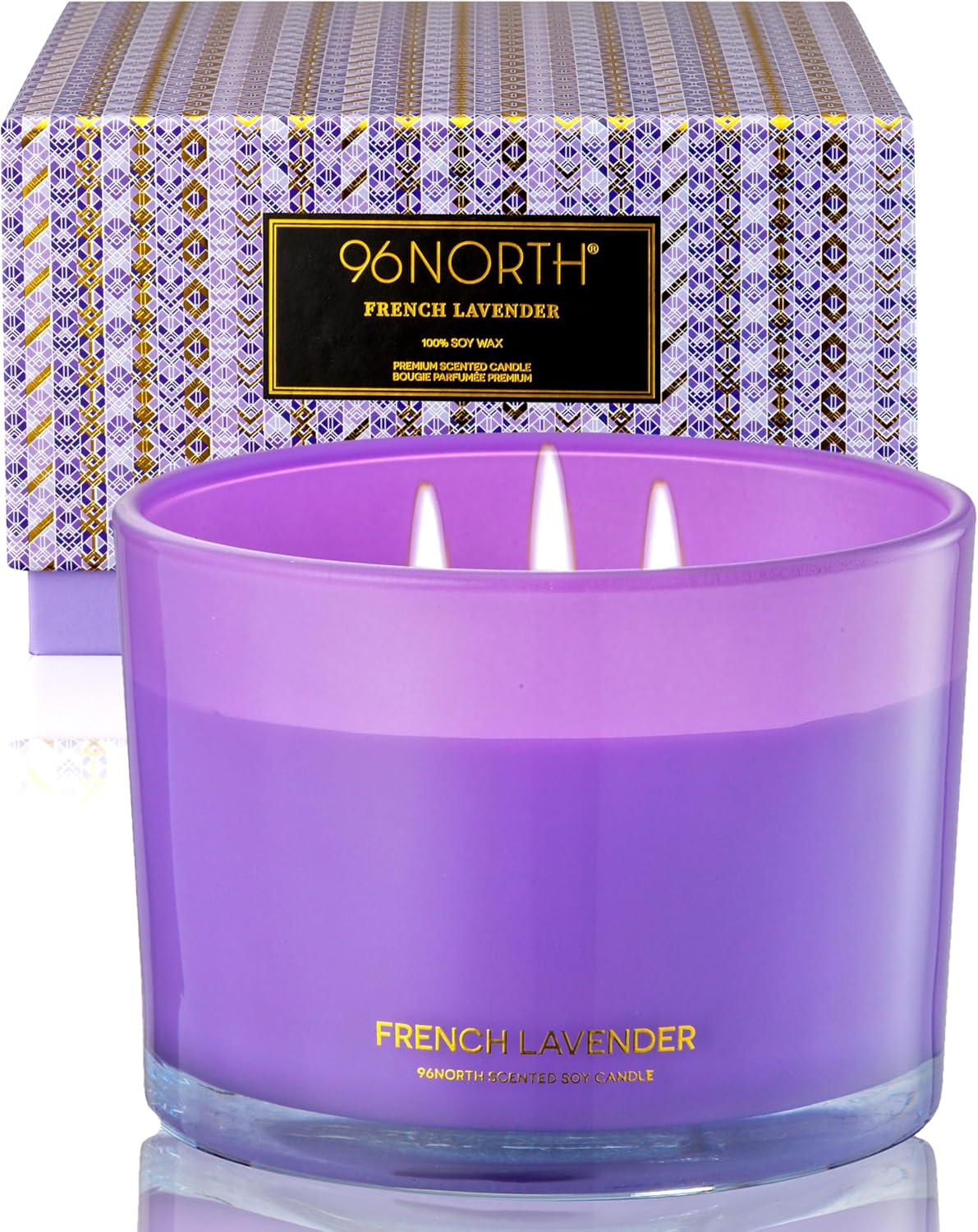
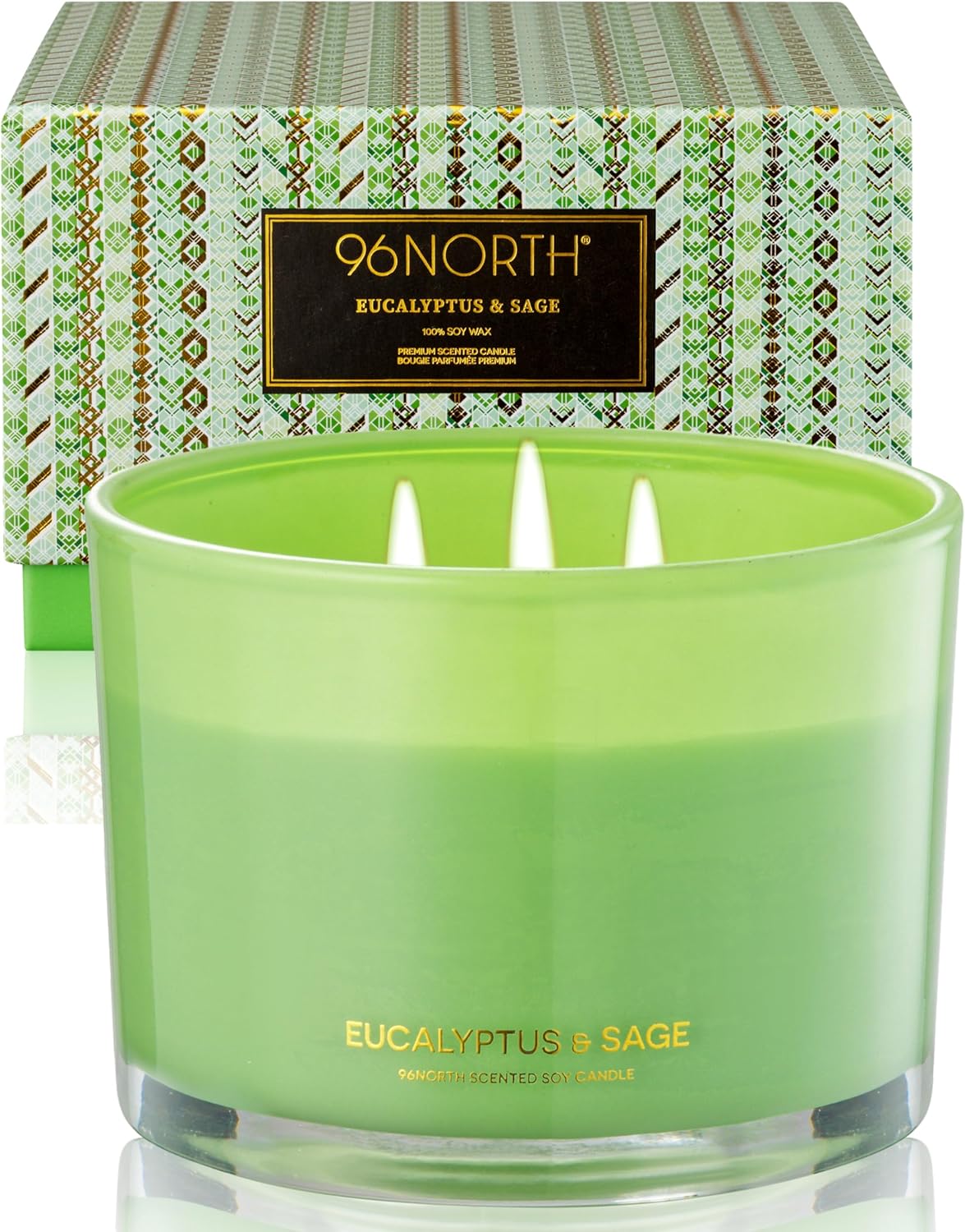
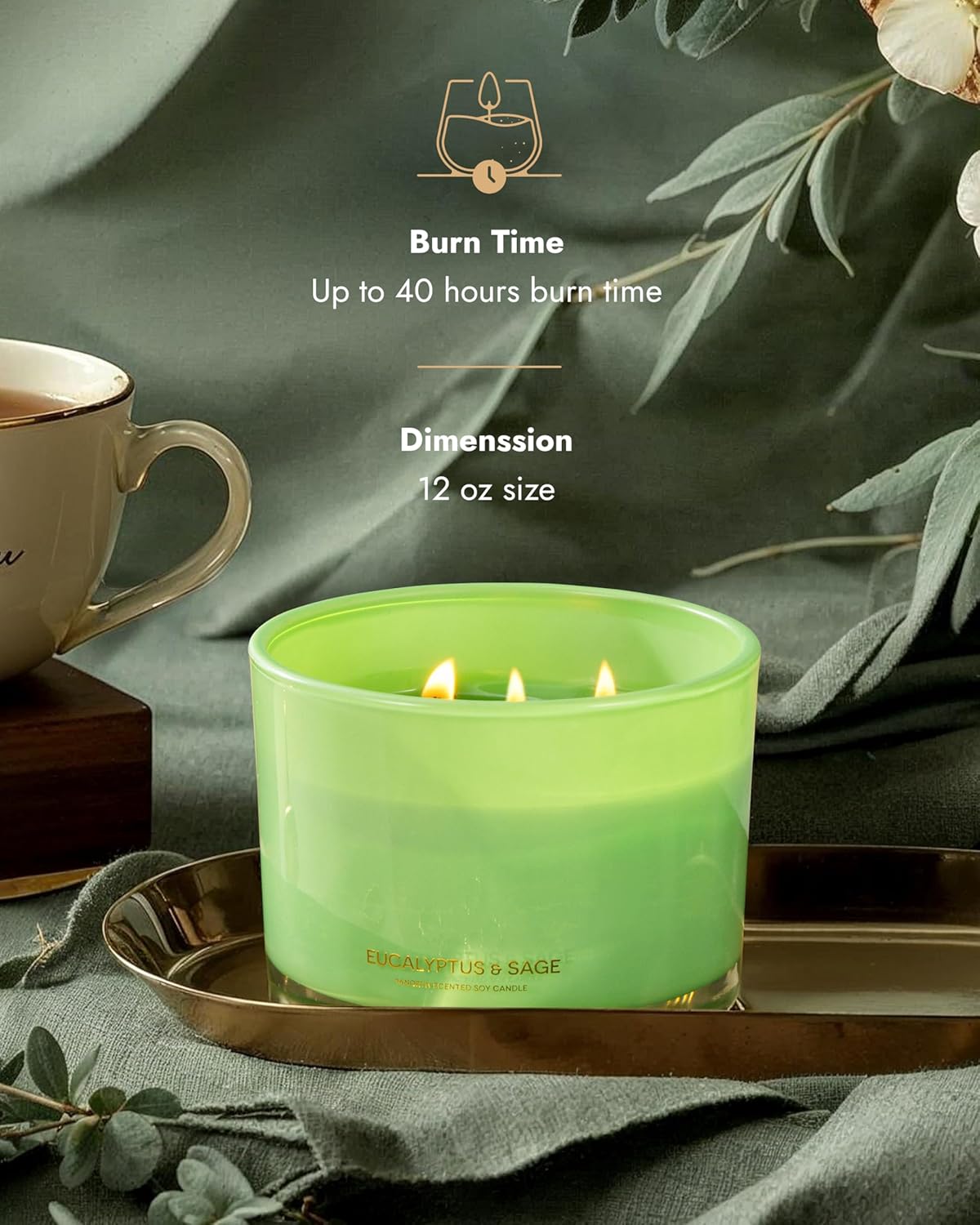
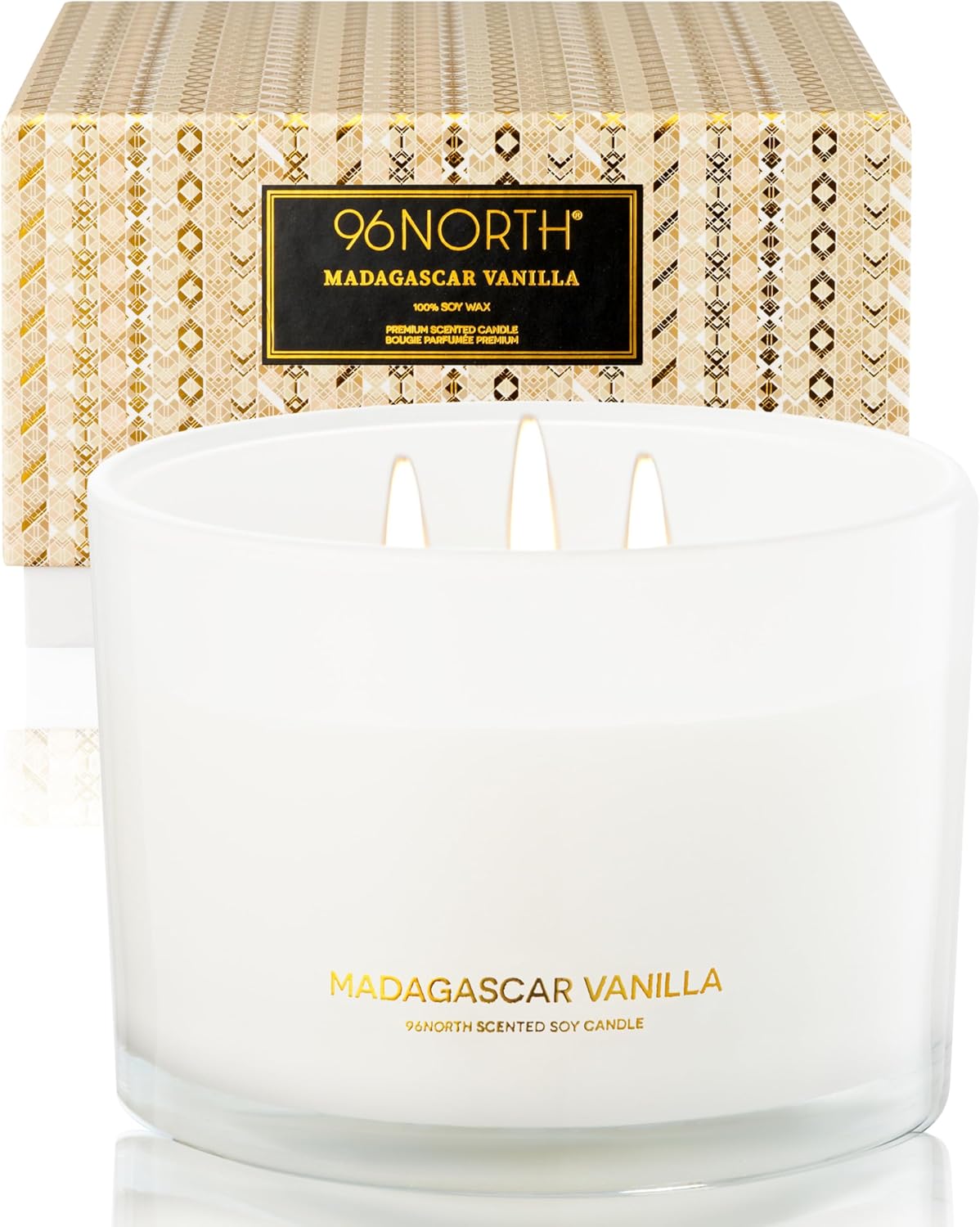
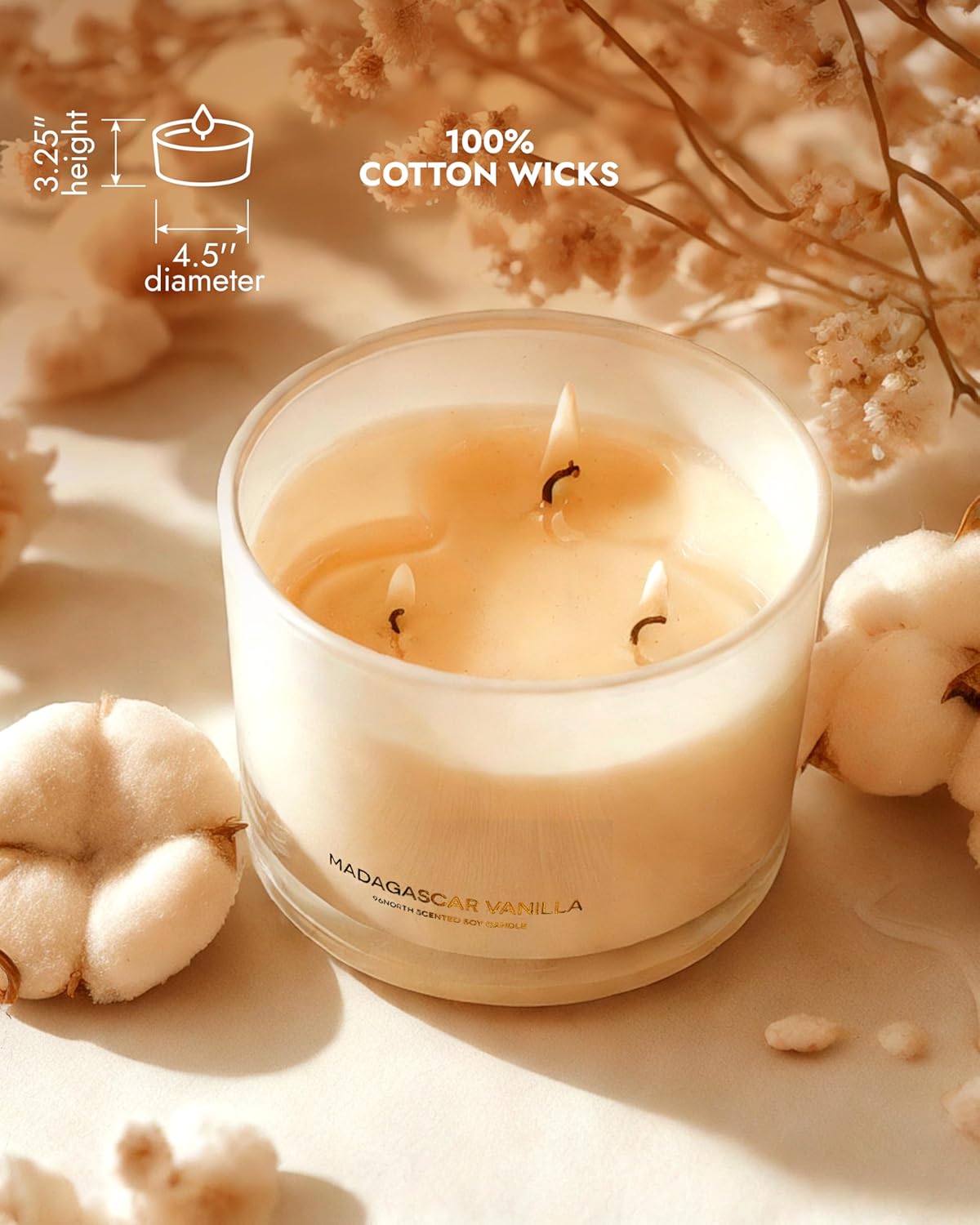
If you buy candles for daily wellness, prioritize hot throw consistency over the in-store sniff test. For clean-burning soy options with a robust, room-filling throw, 96NORTH provides premium wellness blends engineered for sensory performance.
4. Environmental Impact: Navigating the Eco-Friendly Candle Dilemma
Greenwashing makes choosing sustainable coconut wax candles difficult. Every material carries trade-offs. Coconut wax is highly renewable but requires long-distance shipping to reach US workshops. Conversely, domestic soy agriculture often relies on heavy chemical inputs and intensive land clearing.
To make a responsible choice, look past vague eco-labels and ask brands these specific questions:
-
Is the full wax blend transparently disclosed?
-
Are the wicks lead-free cotton or wood?
-
Is the fragrance formulation certified phthalate-free?
Prioritize transparent brands that publish clear ingredient standards. Consistent, clean-burning performance protects your indoor air quality, ensuring your daily wellness ritual remains truly restorative.
5. Cost vs. Performance: Is the Premium Price Tag Justified?
Premium coconut wax candles cost more due to three manufacturing drivers:
-
Imported inputs: Raw coconut wax relies on complex global supply chains.
-
Formulation complexity: Tighter blending chemistry tolerances are required for stability.
-
Elevated vessels: Luxury formulations require high-performing wicks and custom glassware.
This premium is justified by measurable performance. You get a rapid, headache-free room-fill without soot, smoke, or constant flame babying. However, if you only want a gentle background scent in a small space, a high-quality soy candle offers the best value.
6. Managing Soft Wax: Heat Sensitivity and Warm-Weather Placement
Because pure coconut wax candles have a low melting point, they are highly sensitive to ambient heat. High shipping temperatures, sunny windowsills, and hot cars can trigger sweating, surface oiling, or structural softening.
To protect your home sanctuary and shop smarter:
-
Prioritize structured coconut-soy blends housed in stable, lidded jars.
-
Avoid leaving candle deliveries in direct sunlight or unventilated spaces.
-
Distinguish minor cosmetic surface pooling from serious formulation flaws like sputtering, unstable flames.
Choosing expertly balanced blends prevents messy cleanup while preserving therapeutic scent throw.
7. Beyond the Wax: Your Non-Toxic Candle Checklist
Choosing between soy and coconut wax candles is only the first step toward true indoor air peace of mind. To protect your home sanctuary, scan labels for these three quality markers:
-
Wax Blend Transparency: Confirm the formula is 100% plant-based and free of hidden paraffin.
-
Safe Wicks: Seek lead-free cotton or wood wicks to avoid toxic metal cores.
-
Clean Fragrance: Look for strictly phthalate-free, non-toxic ingredients.
For a restorative, wellness-first ritual, explore 96NORTH or discover their clean Pure Collection.
8. Comparing Wax Types: Finding Your Ideal Match
Choosing the right candle base for your home sanctuary goes far beyond coconut wax candles. Different wax types balance wellness and performance:
-
Paraffin: Delivers strong scent throw cheaply but releases petroleum-based soot.
-
Beeswax: Burns exceptionally long, though its natural honey scent competes with added oils, and it is not vegan.
-
Rapeseed: A sustainable, clean-burning plant wax popular in Europe.
-
Apricot: Often blended with coconut in luxury lines to improve texture and throw.
Ultimately, wax selection is a trade-off. Choose based on your environmental values and scent-performance needs.
9. Coconut vs. Soy: Which Wax Belongs in Your Daily Ritual?
Choosing between soy and coconut wax candles comes down to how you structure your space and sensory routines.
Coconut is worth the investment if you:
-
Prioritize a powerful, even hot throw to fill large, open-concept rooms.
-
Want a flawless, soot-free aesthetic when styling premium decorative candles.
Soy is the smarter buy if you:
-
Need a slow-burning daily companion with maximum value per burn hour.
-
Prefer domestically sourced, clean ingredients for a comforting fall candle mood reset.
Explore our clean-burning Pure Collection to anchor your daily self-care routine.
How to Choose the Best Clean-Burning Candle for Your Space
Wax labels are notoriously inconsistent, and hidden petroleum-derived blends completely derail performance. Use this five-step workflow to choose the ideal clean option.
Step 1: Define Your Daily Ritual Goal
Identify your sensory goals. Choose between a robust, room-filling throw or a gentle, localized background scent.
Step 2: Match Wax to Room and Routine
Select your wax type based on the physical environment. For large, open-concept spaces, choose premium coconut wax candles to maximize consistent hot throw. For bedrooms or nursery spaces, prioritize clean-burning soy candles with transparent wick and fragrance standards.
Step 3: Run a Strict Label Audit
Evaluate the packaging like a checklist. Verify that the label explicitly discloses the full wax blend to rule out hidden paraffin. Confirm the wicks are lead-free cotton and fragrances are phthalate-free.
Step 4: Execute a Three-Burn Trial
Run a trial over three burns. Confirm the wax achieves a level melt pool, produces zero soot, and delivers a clear, therapeutic aroma.
Step 5: Measure the Performance Value
Assess performance value. Pay premium prices only when the candle delivers a measurable upgrade to your indoor air quality.
If you’re choosing soy for value + clean ritual, explore 96NORTH.
Frequently Asked Questions
Is coconut wax better than soy wax?
It depends on your sensory goals. Coconut wax blends typically offer a superior hot scent throw and a flawless, soot-free aesthetic. Soy wax remains the industry standard for value and a slow, steady burn. Ultimately, the wick quality and fragrance formulation affect performance just as much as the wax base.
Are coconut wax candles non-toxic?
No candle is entirely zero-emission, as combustion always produces minor particulates. However, candles made with transparent coconut blends, lead-free cotton wicks, and phthalate-free fragrance oils are highly clean-burning. To maintain excellent indoor air quality, practice proper wick trimming and burn your candles in well-ventilated spaces.
Why do some coconut candles sweat or feel oily?
Because coconut wax has an exceptionally low melting point, ambient heat or direct sunlight can cause the natural oils to separate and pool on the surface. While minor sweating is purely cosmetic, persistent oily pooling paired with a weak, sputtering flame indicates a poor formulation or excessive fragrance loading.
Do coconut wax candles smell like coconut?
No, refined coconut wax is completely odorless. The wax serves only as a clean-burning base to carry the fragrance. The actual aroma of your candle is entirely determined by the specific essential oils and premium fragrance blends added during the manufacturing process.
Is "100% coconut wax" a red flag?
It is not an immediate red flag, but it is highly uncommon. Pure coconut wax is too soft to stand alone at room temperature. When a brand claims a candle is 100% coconut, ask what natural stabilizers or harder plant waxes they use to keep the candle solid.