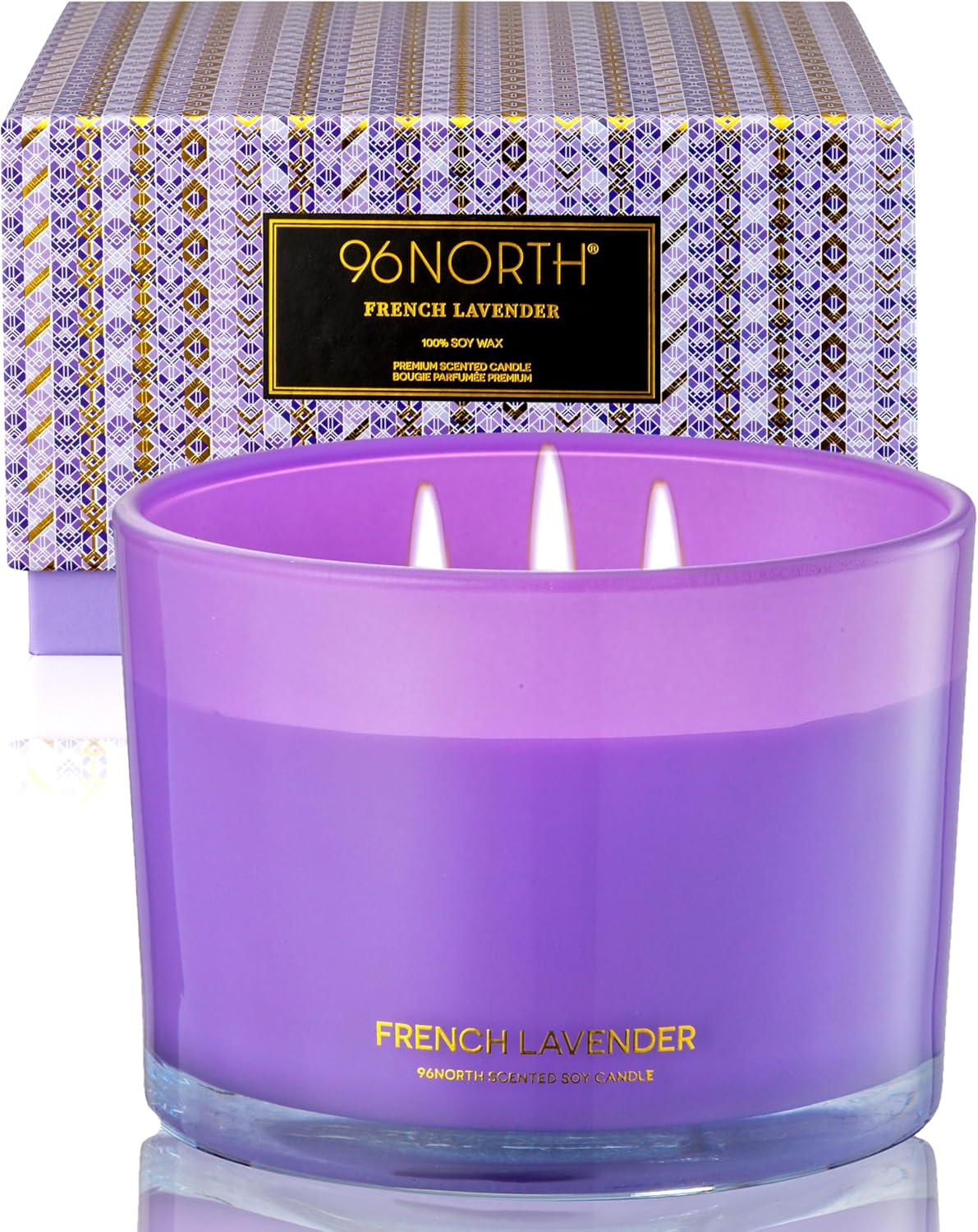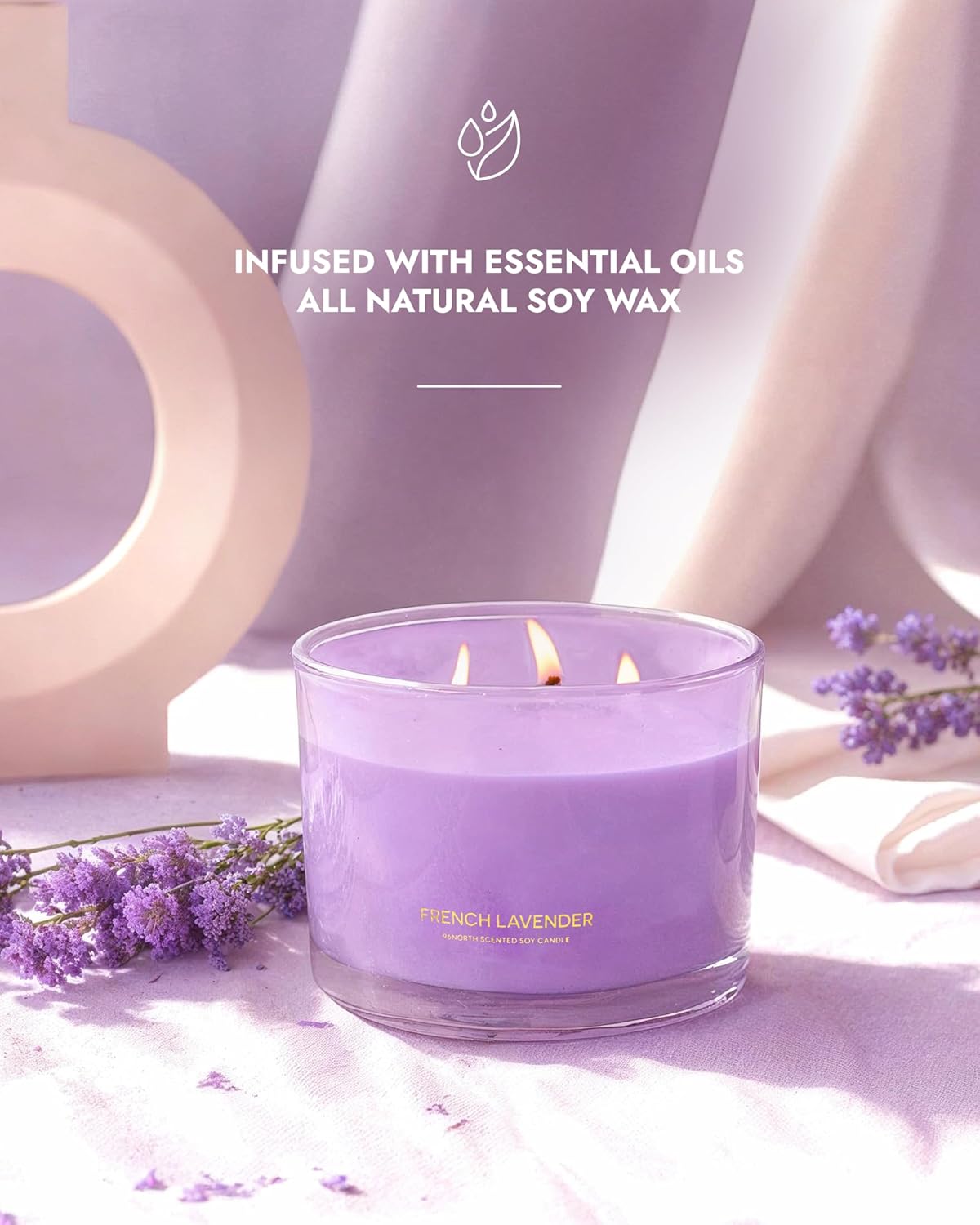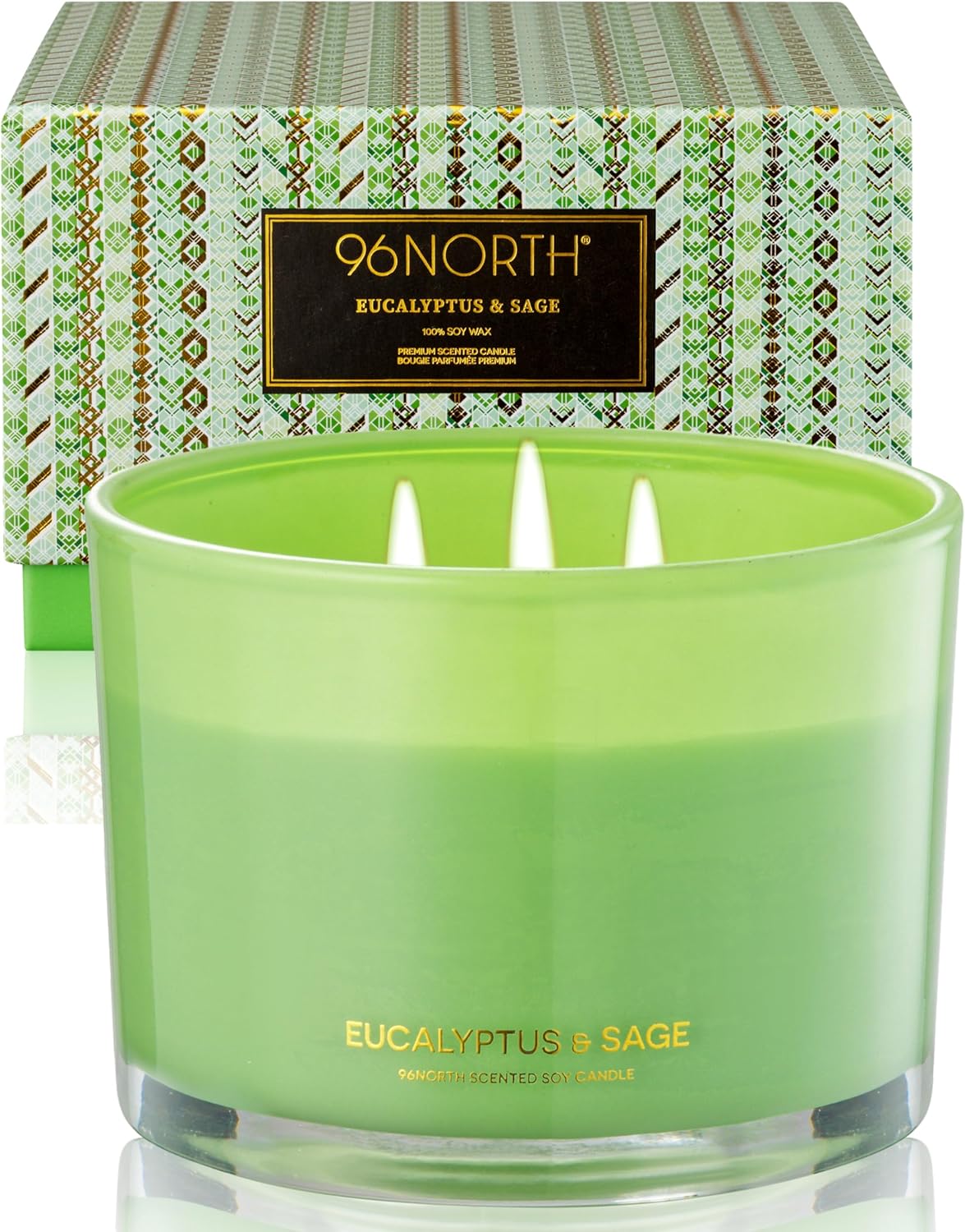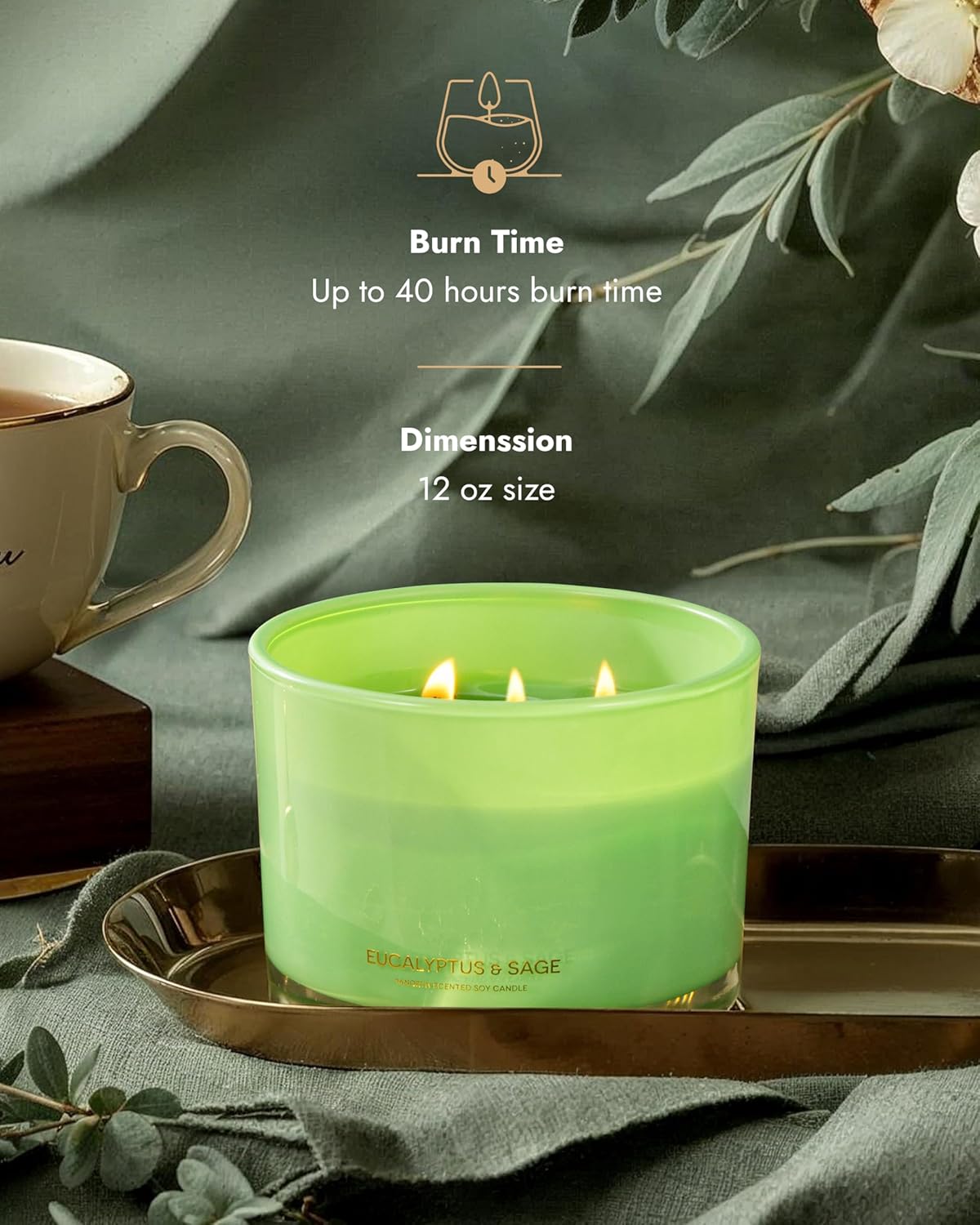

Staring at labels like "soy," "coconut," or "clean-burning" can feel dizzying. Decoding different candle wax types should not require a chemistry degree.
There is no single superior option. Your perfect match depends entirely on your room size, scent strength goals, and clean-air values. We simplified the choice with a straightforward pros and cons breakdown for each option, plus a quick-decision guide at the end.
Let’s start with the most popular wellness standard: soy.
1. Soy Wax: The Plant-Based Standard for Clean Burning
Have you ever noticed a strange, white, chalky coating on your candle? That is frosting, a natural crystal growth that proves your wax is 100% soy. While soy wax delivers a clean, low-tox burn, it does come with unique cosmetic quirks.
Derived from soybean oil, soy is a plant-based wax primarily used for container candles. It is the premier choice for wellness-conscious homes prioritizing indoor air quality.
-
Pros: Renewable resource, minimal soot, and an exceptionally long burn time.
-
Cons: Softer texture, prone to frosting or wet spots, and a slower, more subtle scent release.
Best for: Bedrooms, quiet workspaces, daily wellness rituals, and container candles.
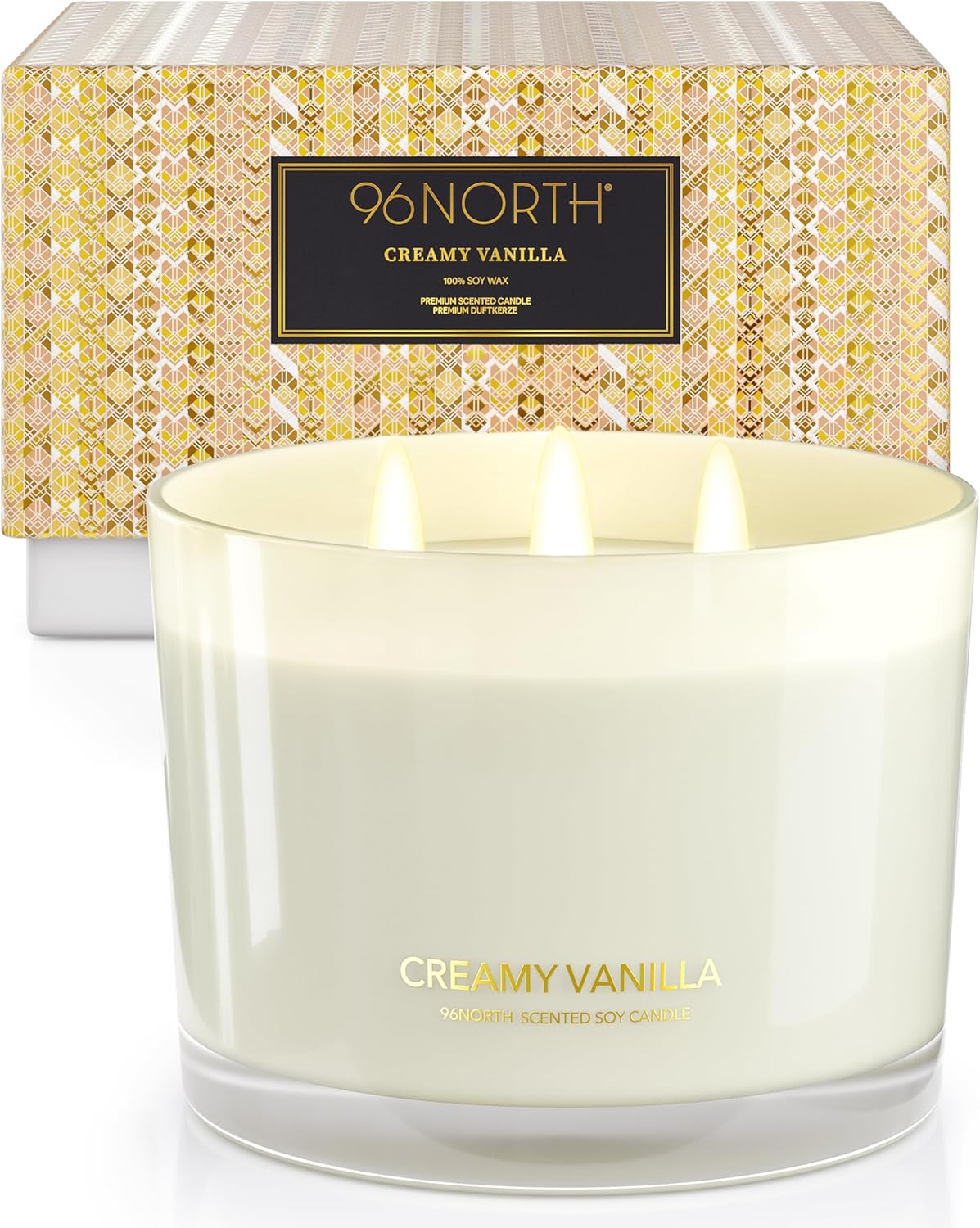
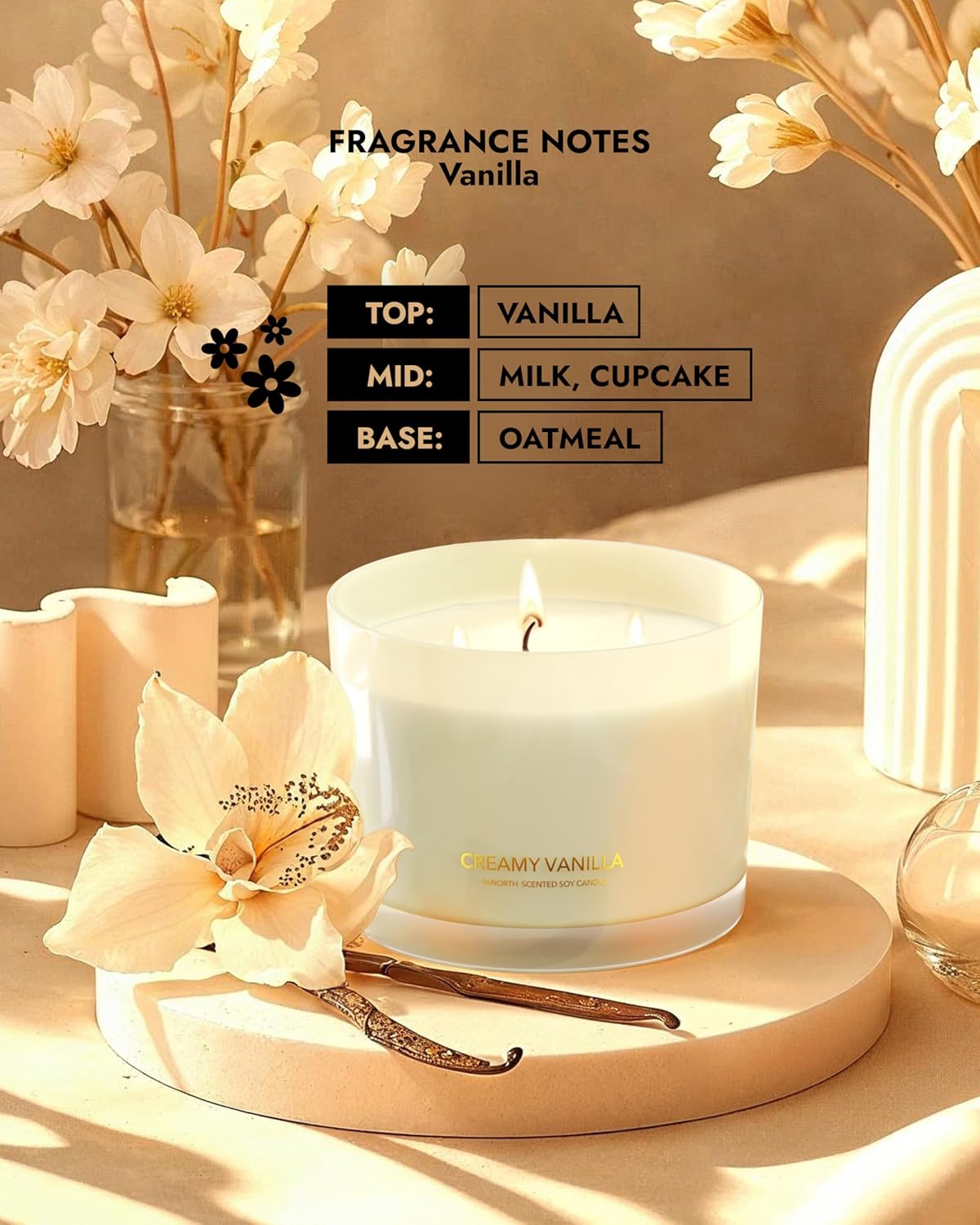
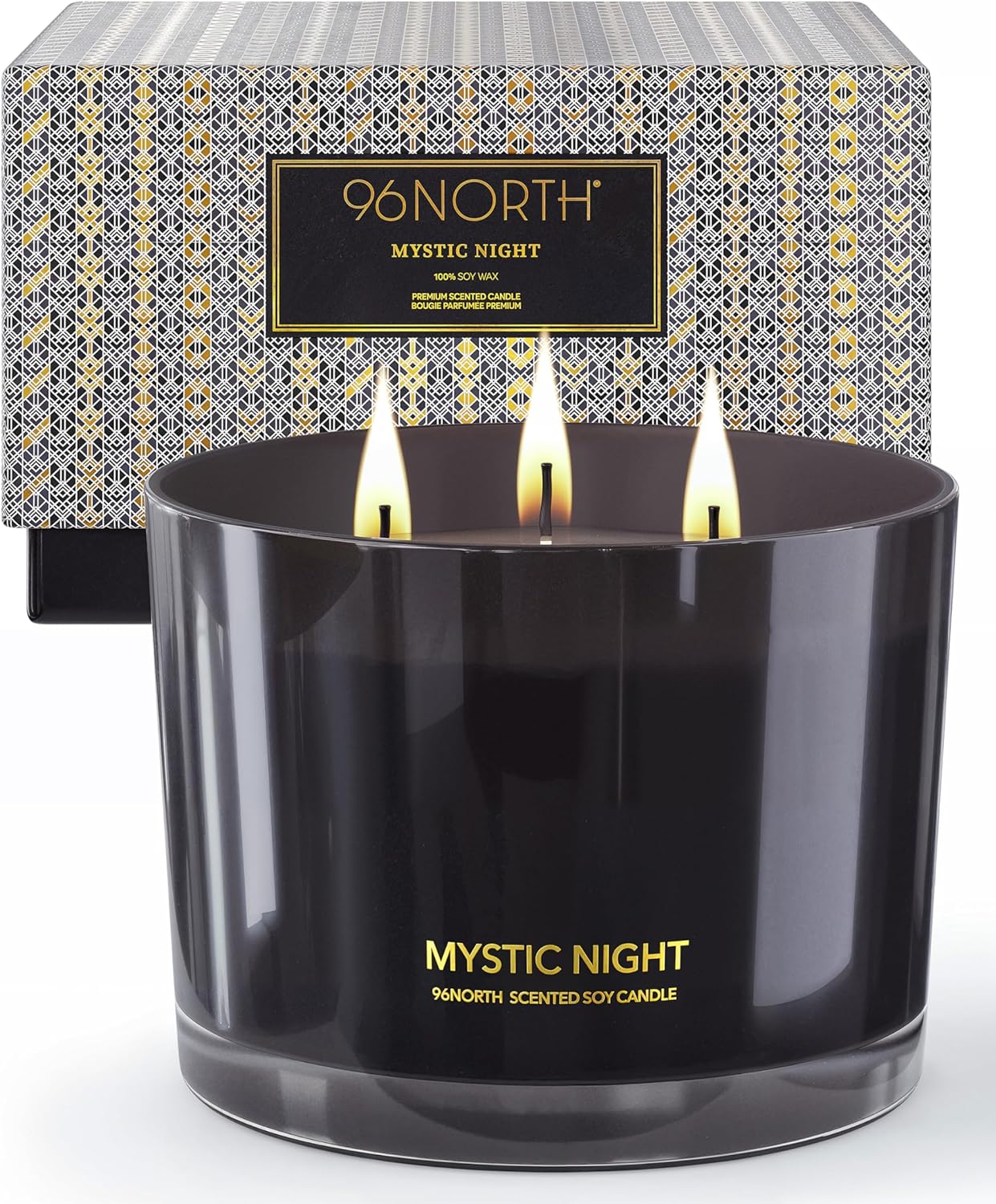
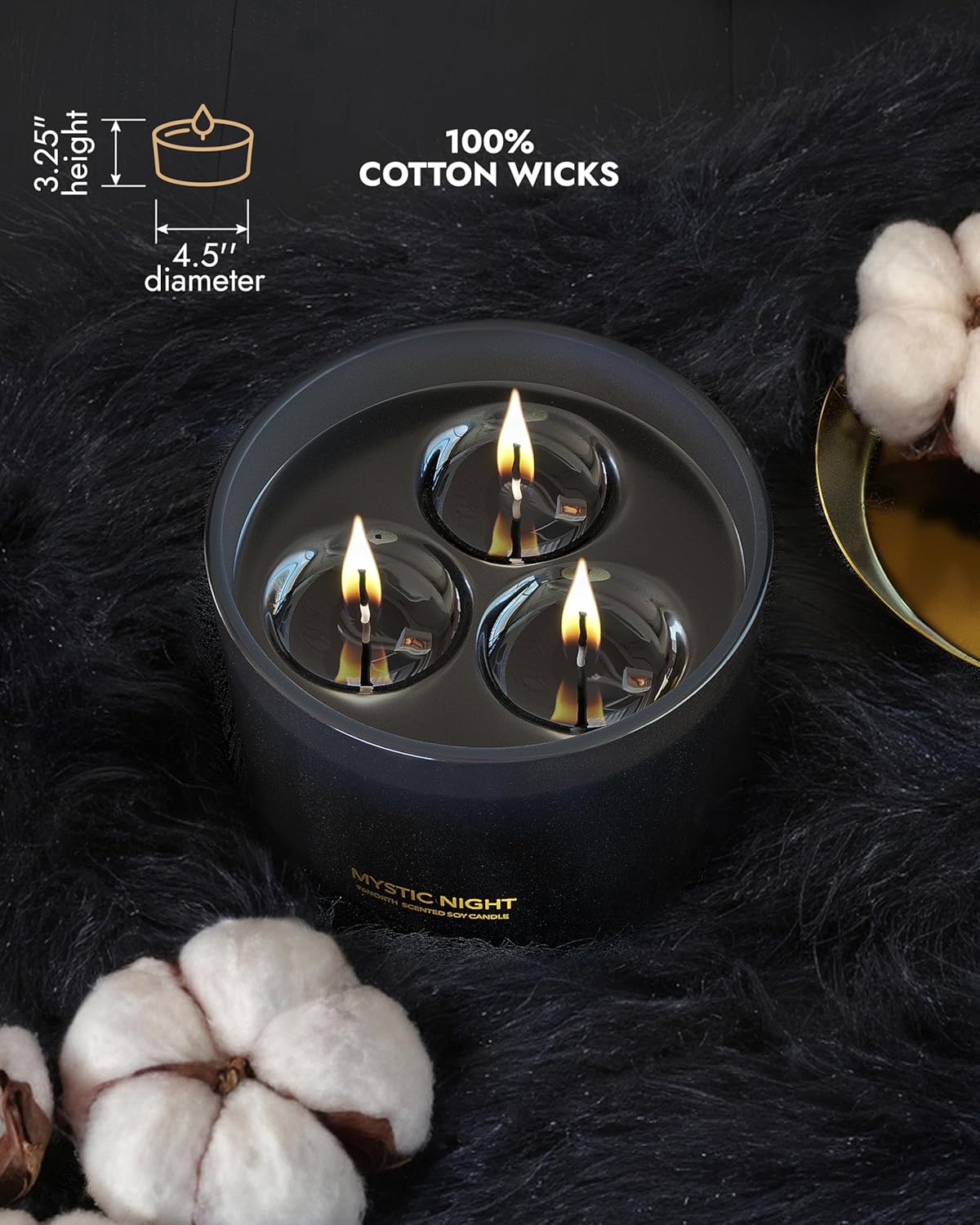
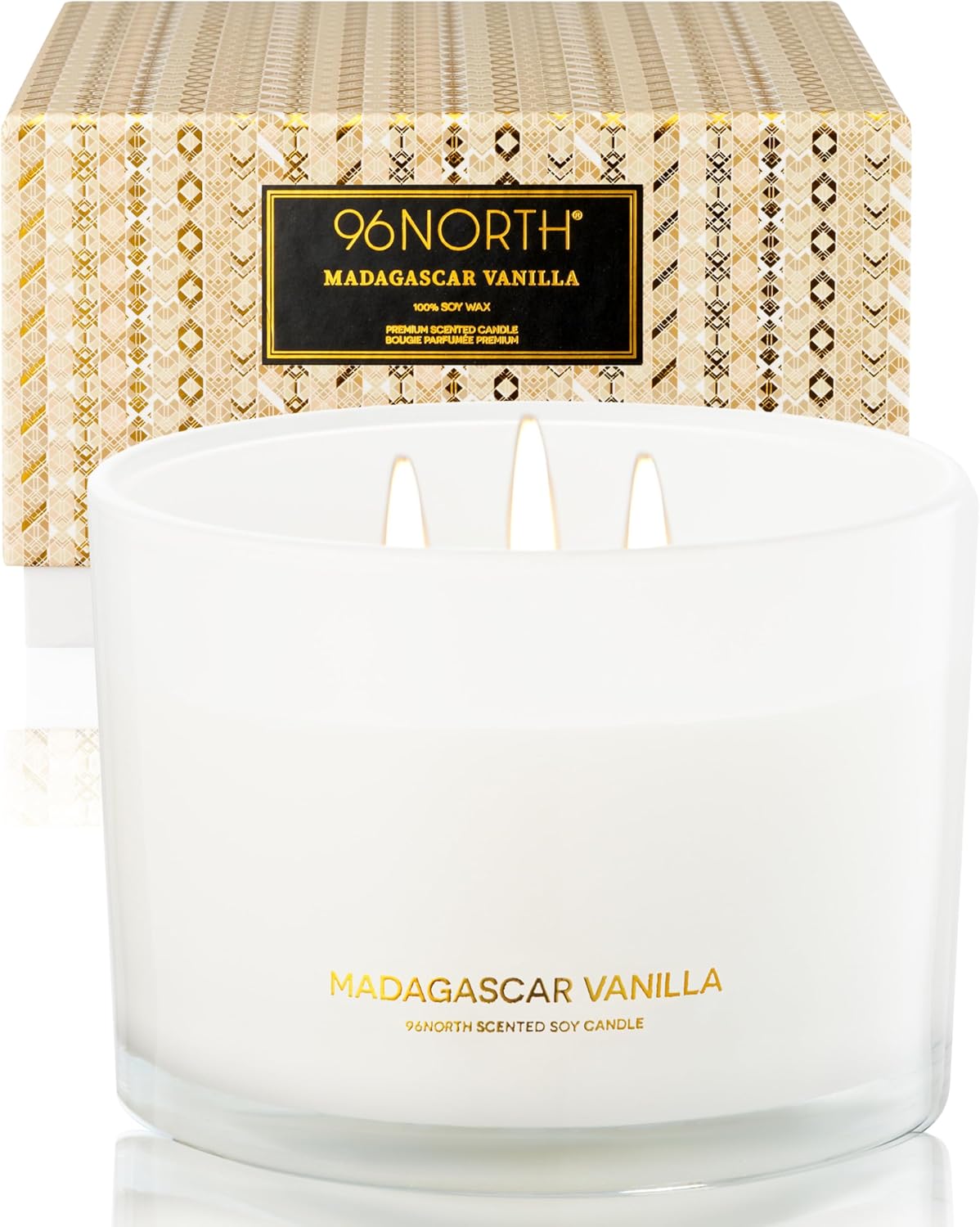
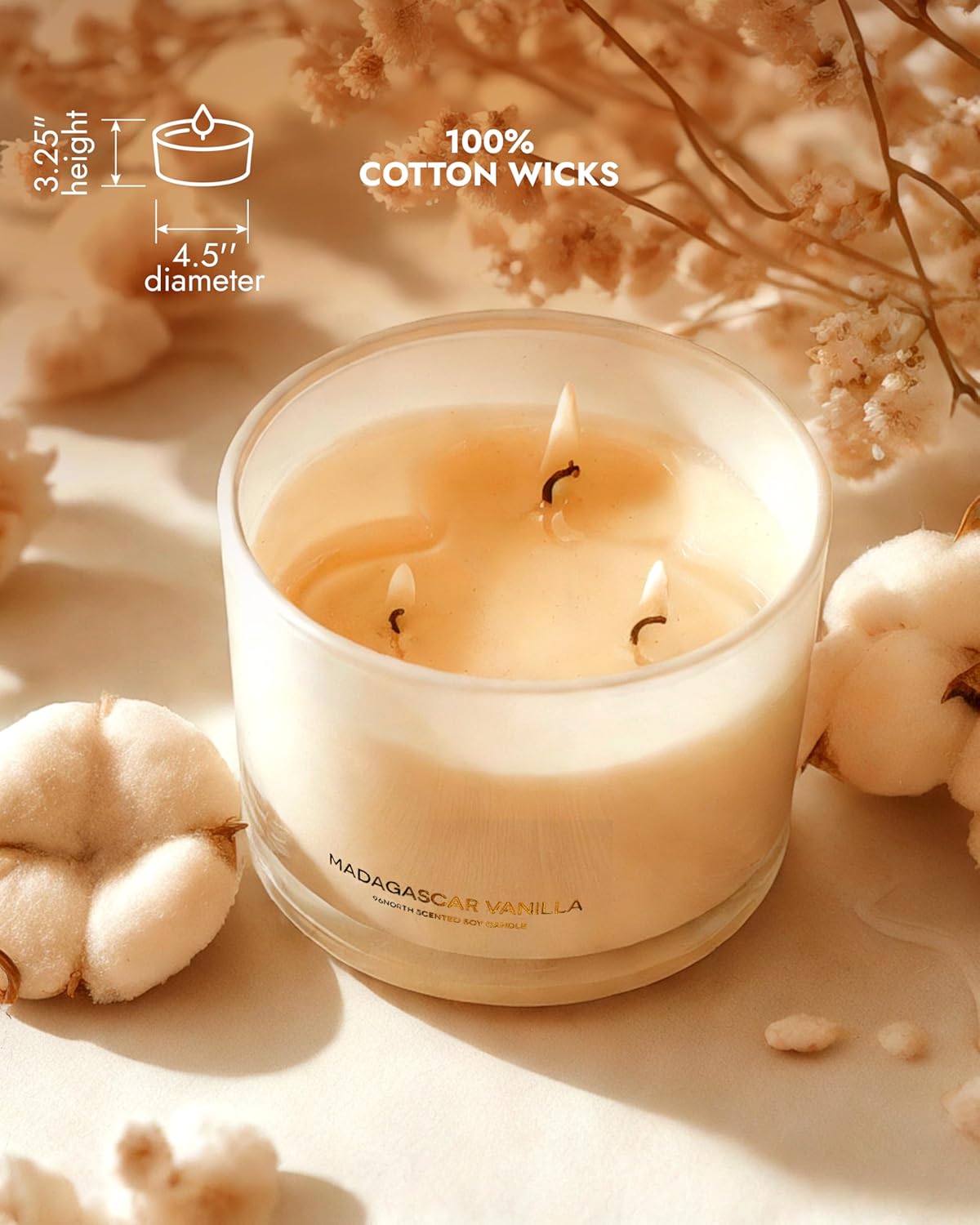
Buying Tip: Always check for clear ingredient disclosure and a lead-free cotton wick. If you prefer a rapid, room-filling fragrance throw, consider a high-performance soy-paraffin blend. For pure, clean-burning soy containers, explore the 96NORTH Luxury Scented Collection.
2. Paraffin Wax: The High-Performance Industry Classic
Paraffin is a petroleum-derived byproduct and remains one of the most common commercial candle wax types on the market today. While it frequently faces environmental scrutiny, its unmatched scent throw and affordability keep it a staple of mainstream manufacturing.
-
Pros:
-
Powerful and rapid hot throw
-
Excellent color and dye absorption
-
Consistent, predictable burn performance
-
Highly cost-effective pricing
-
Cons:
-
Sourced from non-renewable petroleum
-
Prone to producing black soot if wick-to-fragrance ratios are poorly balanced
Sooting is usually a symptom of poor candle construction and incorrect wick sizing rather than proof that the wax itself is toxic.
-
Best for:
-
Shoppers prioritizing maximum scent throw
-
Vibrant candle colors
-
Budget-friendly gifts
To reduce indoor smoke, always trim wicks to one-quarter inch and avoid drafty areas. Ultimately, choosing soy vs paraffin often comes down to a balance between your personal ecological values and your scent intensity goals.
3. Beeswax: The Premium, Naturally Fragrant Classic
Can a candle smell luxurious before you even light the wick? Secreted naturally by honeybees, beeswax is one of the most prestigious candle wax types, cherished for clean-burning heritage tapers and elegant freestanding pillars.
-
Pros:
-
100% naturally occurring, non-toxic, and completely biodegradable
-
Extremely slow, drip-resistant burn with virtually zero soot
-
Delightful, subtle natural aroma of warm, sweet honey
-
High structural firmness ideal for freestanding pillar designs
-
Cons:
-
Premium price point reflecting labor-intensive artisanal harvesting
-
Incompatible with vegan or strict plant-based lifestyles
-
Rich natural honey scent competes with added fragrance oils
Best for: Unscented or softly scented pillars, classic dinner tapers, and wellness-focused heritage gifting.
Beginner Tip: When comparing beeswax versus soy, identify your sensory goals first. If you want a strong, room-filling customized fragrance throw, choose soy. If you prefer a slow, grounding burn with a gentle, built-in honey sweetness, beeswax is your ideal choice.
4. Coconut Wax: The Luxury Choice for Velvet-Smooth Aesthetics
Most "coconut" candles on store shelves contain very little pure coconut. Because raw coconut wax has an incredibly low melting point, manufacturers blend it with harder soy or apricot waxes to keep the candle firm in warm rooms. Derived from cold-pressed coconut meat, this wax requires resource-intensive harvesting and processing, making it a pricier, premium option.
-
Pros: Superior fragrance thrown in containers, flawless creamy-white tops, and highly sustainable sourcing.
-
Cons: High cost, extreme heat sensitivity, and misleading labels where "coconut" masks cheap paraffin.
Best for: Luxury container candles, elegant home decor gifting, and buyers who prioritize rich scent throws and pristine aesthetics.
Buying Tip: When shopping for coconut wax candles, always inspect the ingredient list. Check whether the blend contains soy, beeswax, or paraffin so you can accurately evaluate the price tag.

5. Wax Blends: The High-Performance Sweet Spot
Many modern candles combine two or more candle wax types to balance scent throw, aesthetics, and burn time. These formulations offer a strategic middle ground, helping wellness-conscious shoppers find stronger scents without resorting to low-quality paraffin bases.
-
Pros:
-
Improves scent throw compared to pure soy
-
Reduces cosmetic issues like frosting or shrinking
-
Increases heat tolerance and candle firmness
-
Cons:
-
Label ambiguity; terms like "natural blend" are unregulated
-
Performance fluctuates widely by brand
-
Harder to compare quality across competitors
Best for: Shoppers prioritizing a strong, room-filling fragrance throw alongside a clean, smooth aesthetic.
Beginner Label Checklist:
-
Look for specific named waxes (like coconut-soy) rather than "proprietary blend."
-
Verify if paraffin is included if you want 100% plant-based wellness.
If pure soy struggles to fill your space, a premium blend is the next smart step before switching wax families entirely.
6. Palm Wax: Sculptural Textures and Sourcing Realities
Palm wax is a highly rigid candle wax type derived from palm oil, celebrated for creating a unique, crystal-like feathered pattern on the finished surface. This exceptional structural hardness makes it the ideal choice for pouring freestanding designs that must hold their shape without the support of a glass container.
-
Pros:
-
Exceptional structural hardness that holds complex shapes beautifully
-
Creates visually distinctive, crystalline or frosted finishes
-
High melting point prevents warping in warmer climates
-
Cons:
-
Environmental sustainability varies heavily depending on sourcing
-
Dense molecular structure limits aromatherapy fragrance throw
-
Requires precise temperature control to crystallize correctly
Best for: Decorative pillars, sculptural votives, and buyers prioritizing a textured, artistic aesthetic.
Beginner Tip: Do not assume "plant-based" automatically means low ecological impact. If you care about global forests, ask for sourcing transparency and look for Roundtable on Sustainable Palm Oil (RSPO) certifications.
7. Rapeseed Wax: The Regional Plant-Based Alternative
Rapeseed wax, also known as canola wax, is a sustainable vegetable wax sourced from the oil of rapeseed flowers. Highly popular in European markets due to local agriculture, it serves as a clean-burning alternative to traditional soy.
-
Renewable profile: Supports regional agriculture with a low carbon footprint.
-
Strong performance: Adheres well to glass containers for a smooth, even finish.
-
Soy alternative: Delivers a slow, clean, soot-free burn.
-
Limited availability: Harder to source in North America than soy or paraffin.
-
Premium pricing: Often costs more than standard candle wax types.
-
Wick sensitivity: Requires precise wick and fragrance pairing to release scent.
Best for: Shoppers who want a clean, plant-based candle but are exploring eco-friendly options beyond soy.
Beginner Tip: Treat rapeseed like soy. Evaluate the entire candle, including cotton wick quality and fragrance oils, rather than buying based on the wax label alone.
How to Choose and Burn the Right Candle Wax for Your Space
The At-a-Glance Chooser
Match your space goals directly to these candle wax types:
-
Strong, fast scent throw: Choose paraffin or performance blends.
-
Clean, plant-based container ritual: Opt for soy, coconut, or rapeseed.
-
Decorative pillars and tapers: Select pure beeswax or palm wax.
Quick Comparison Criteria
Evaluate these candle wax types on five performance factors:
-
Scent Throw: Paraffin disperses scent quickly; soy releases more slowly but lasts.
-
Soot Risk: Natural waxes burn incredibly clean; paraffin soot increases if left untrimmed.
-
Price and Vegan: Plant-based waxes are highly eco-friendly, vegan, and budget-friendly.
-
Formats: Soft soy and coconut suit containers; rigid beeswax suits freestanding pillars.
Label-Reading Checklist
Avoid synthetic fillers with this checklist:
-
Check for "100% [Wax]" rather than "blends."
-
Confirm lead-free cotton or wooden wicks.
-
Verify transparent fragrance oil disclosures.
Instant Burn Safety Steps
-
Trim the wick to one-quarter inch.
-
Burn until the melt pool reaches the edge.
-
Keep the vessel away from drafts.
To start your ritual, explore grounding options in the 96NORTH Aromatherapy Collection. For stronger, room-filling profiles, browse our 96NORTH Premium Scented Collection.
Ready to pick your "where do you want to be today?" scent anchor: start here at 96NORTH.
Frequently Asked Questions
Is soy wax always cleaner than paraffin?
Soy wax is inherently cleaner because it is plant-based and produces less soot, but clean burning depends heavily on how you care for your candle. A poorly constructed soy candle with an oversized wick or heavy fragrance load will still smoke. To keep your indoor air pristine, trim the wick to one-quarter inch before every light, avoid drafts, and extinguish the flame if it begins to smoke.
Soy vs paraffin: which has better scent throw?
Paraffin wax generally delivers a faster, stronger hot throw because its molecular structure releases fragrance oils very easily. Soy wax releases scent more gradually, creating a subtle, long-lasting aroma. If you want to fill a large room quickly, look for a premium wax blend. For smaller spaces or daily wellness rituals, pure soy is an ideal, gentle option.
Beeswax vs soy: which is better?
The choice depends on your lifestyle and scent preferences. Beeswax is ideal for long-burning, drip-resistant pillars and tapers, offering a natural honey aroma, though it is not vegan and carries a premium price. Soy wax is the superior choice for highly scented container candles and vegan-friendly home fragrance. See the comparison section above for a deeper breakdown of their unique characteristics.
Are coconut wax candles worth it?
Coconut wax candles are often worth the investment if you prioritize a flawless, creamy aesthetic and a highly efficient scent throw. However, because pure coconut wax is highly temperature-sensitive, most options on the market are actually blends. Always verify the ingredient list to ensure you are getting a premium product rather than a heavily diluted formula.
What does "wax blend" mean on a label?
A wax blend indicates that the candle combines two or more wax types, such as coconut-soy or paraffin-soy, to balance burn time and scent strength. True transparency matters for clean living. Look for brands that explicitly name the waxes in their blend instead of hiding behind vague terms like "proprietary wax blend."