
Choosing between a candle vs diffuser comes down to your daily energy transition. Do you crave the tactile, grounding ritual of lighting a physical flame, or do you need a continuous, set-and-forget stream of calm?
To help you curate a mindful home sanctuary, we look past the marketing noise to compare both options across three essential pillars: practical use cases, safety, and true cost. Here is how to find your perfect routine.
1. Scented Candles: The Art of Time-Boxed Sensory Rituals
Shutting your laptop rarely signals your brain that it is safe to slow down. To transition from a hectic workday to deep evening recovery, you need a distinct physical boundary.
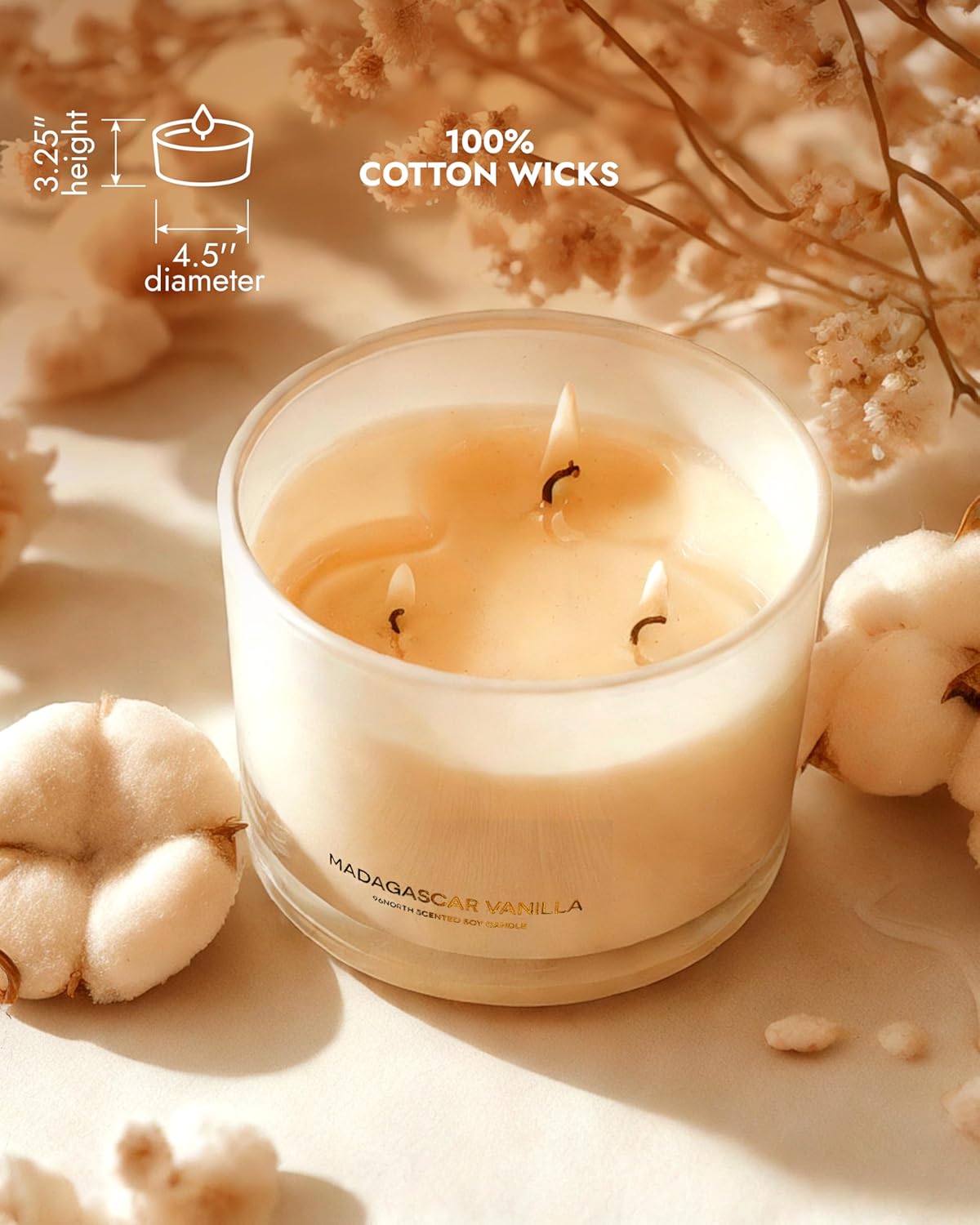
A premium candle pairs rich aroma with the comforting, amber glow of a live flame. This sensory synergy acts as a biological cue, telling your nervous system to release tension.
Best-fit moments:
-
Mindful transitions: Ideal for evening reading, bath rituals, meditation, or hosting.
-
Time-boxed aromatherapy: Best when you want high-intensity fragrance for a defined one- to three-hour window.
The trade-offs:
-
Active supervision: A live flame requires vigilance and is never a "set-and-forget" option.
-
Finite presence: The aroma dissipates relatively quickly once extinguished.
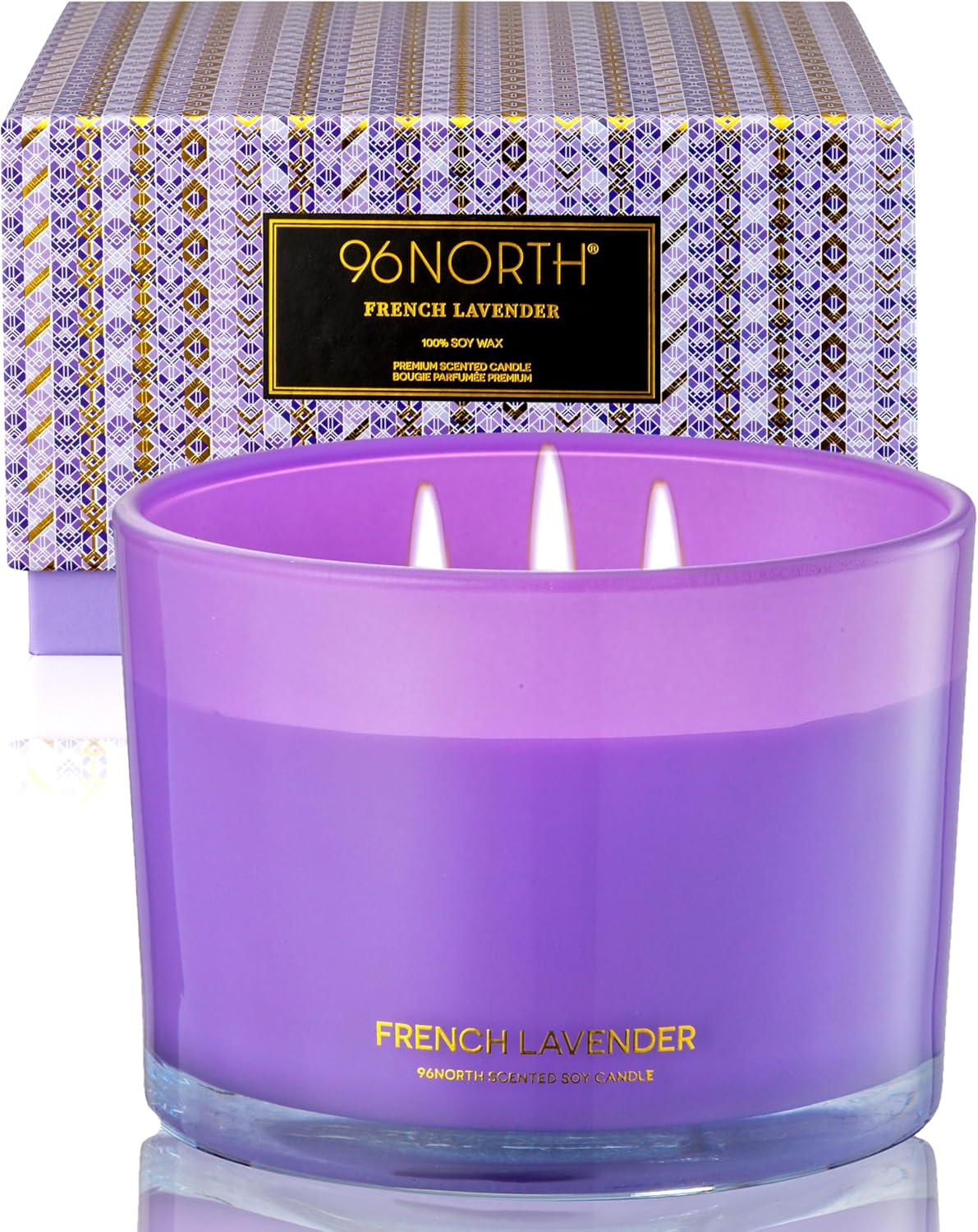
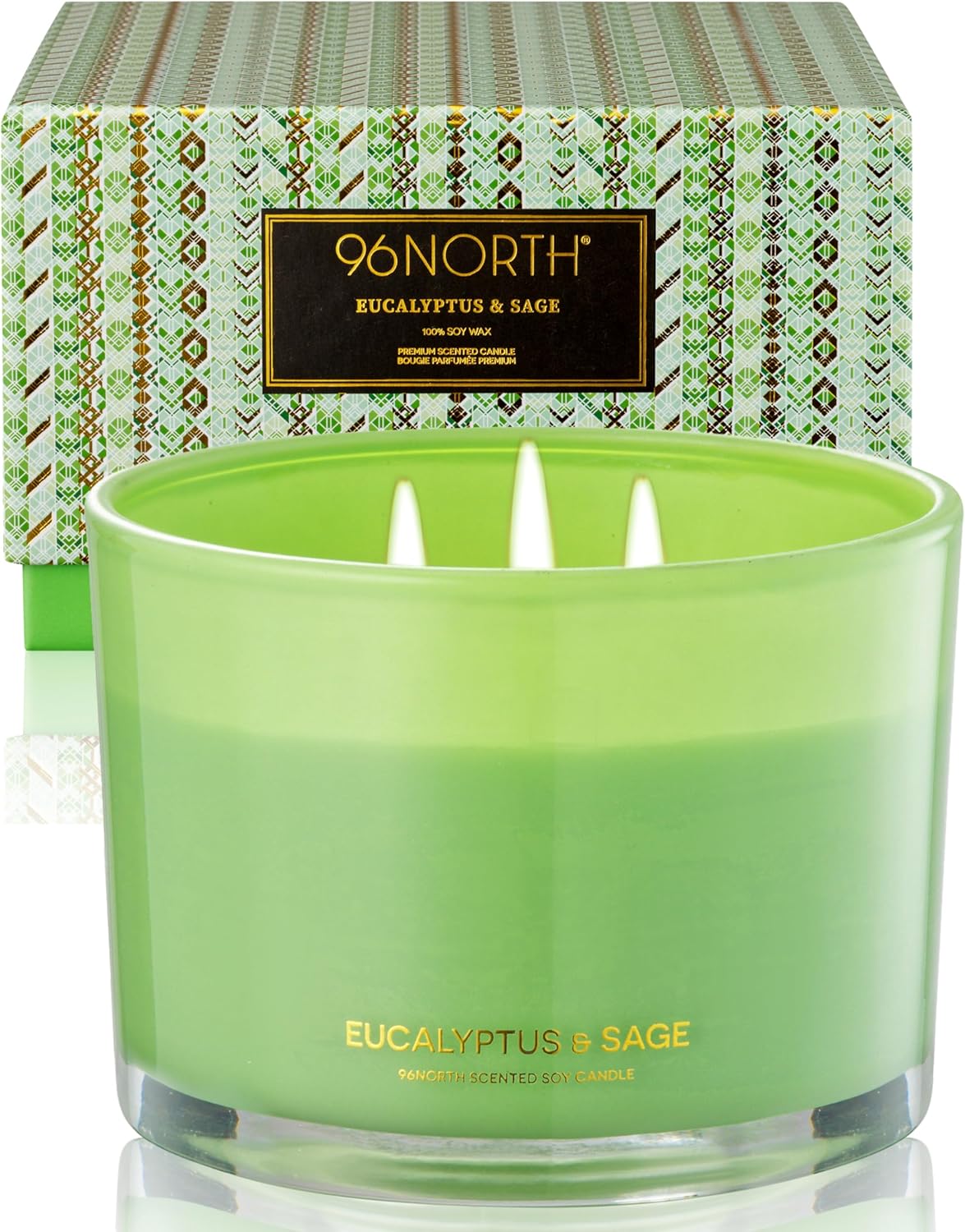
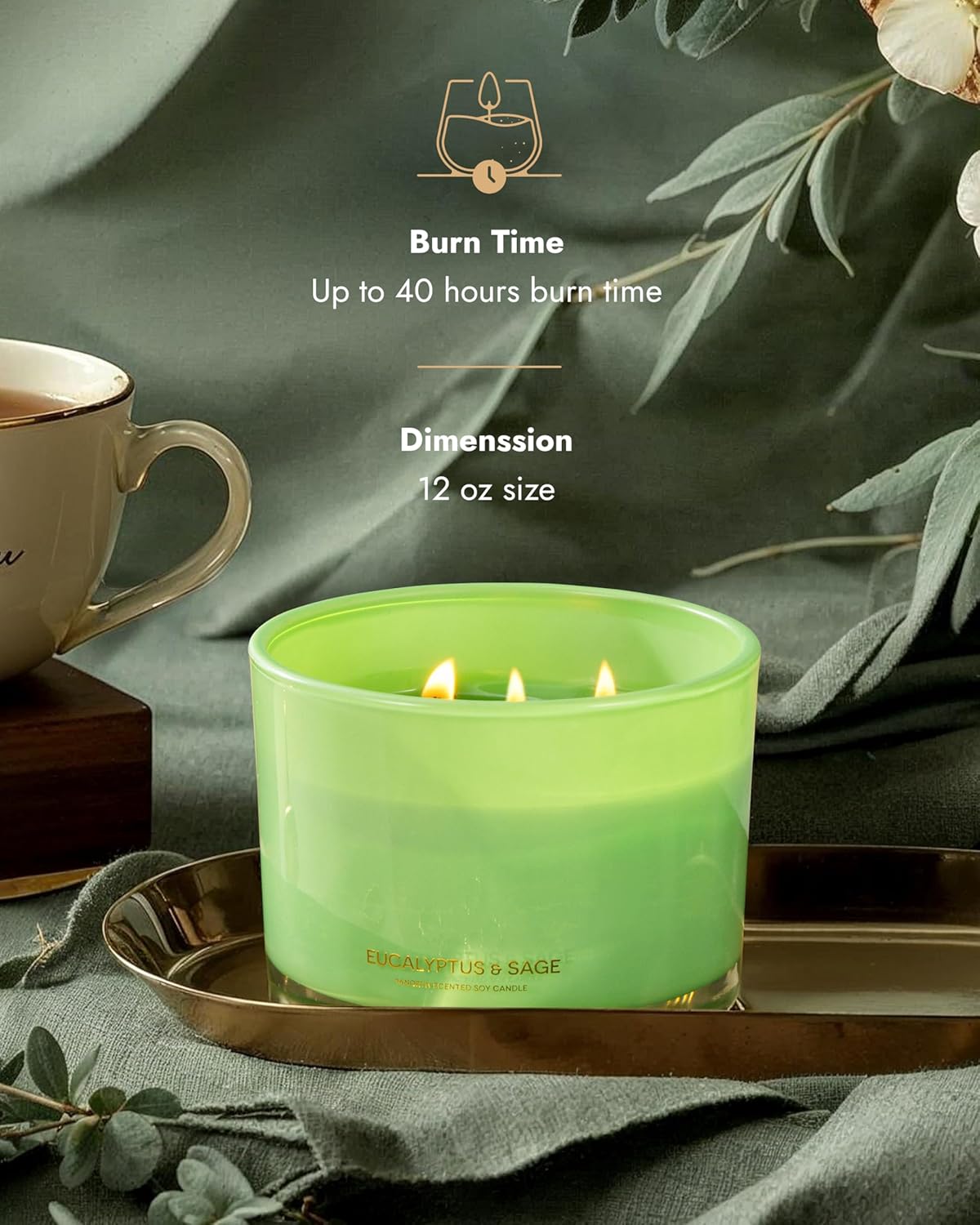
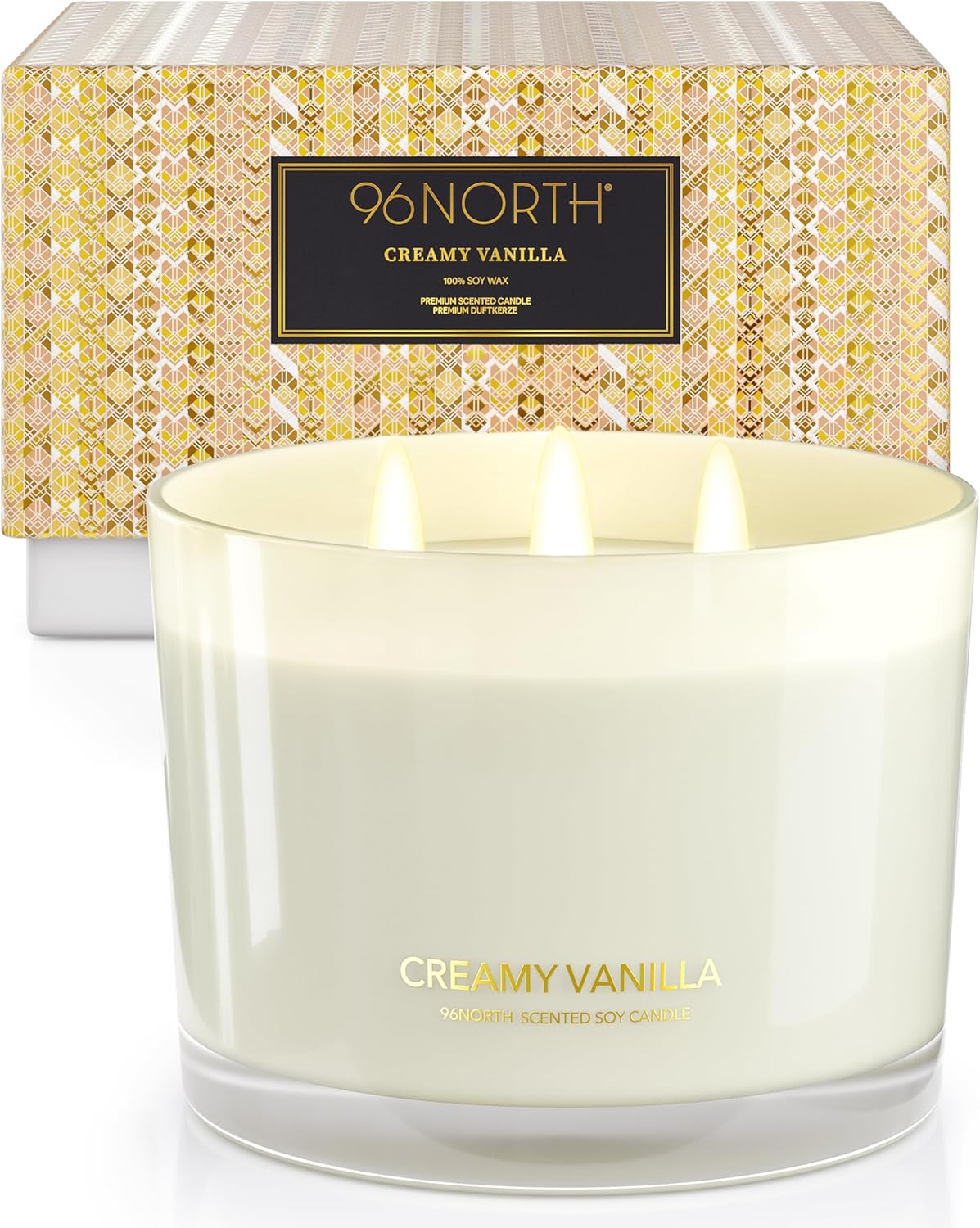
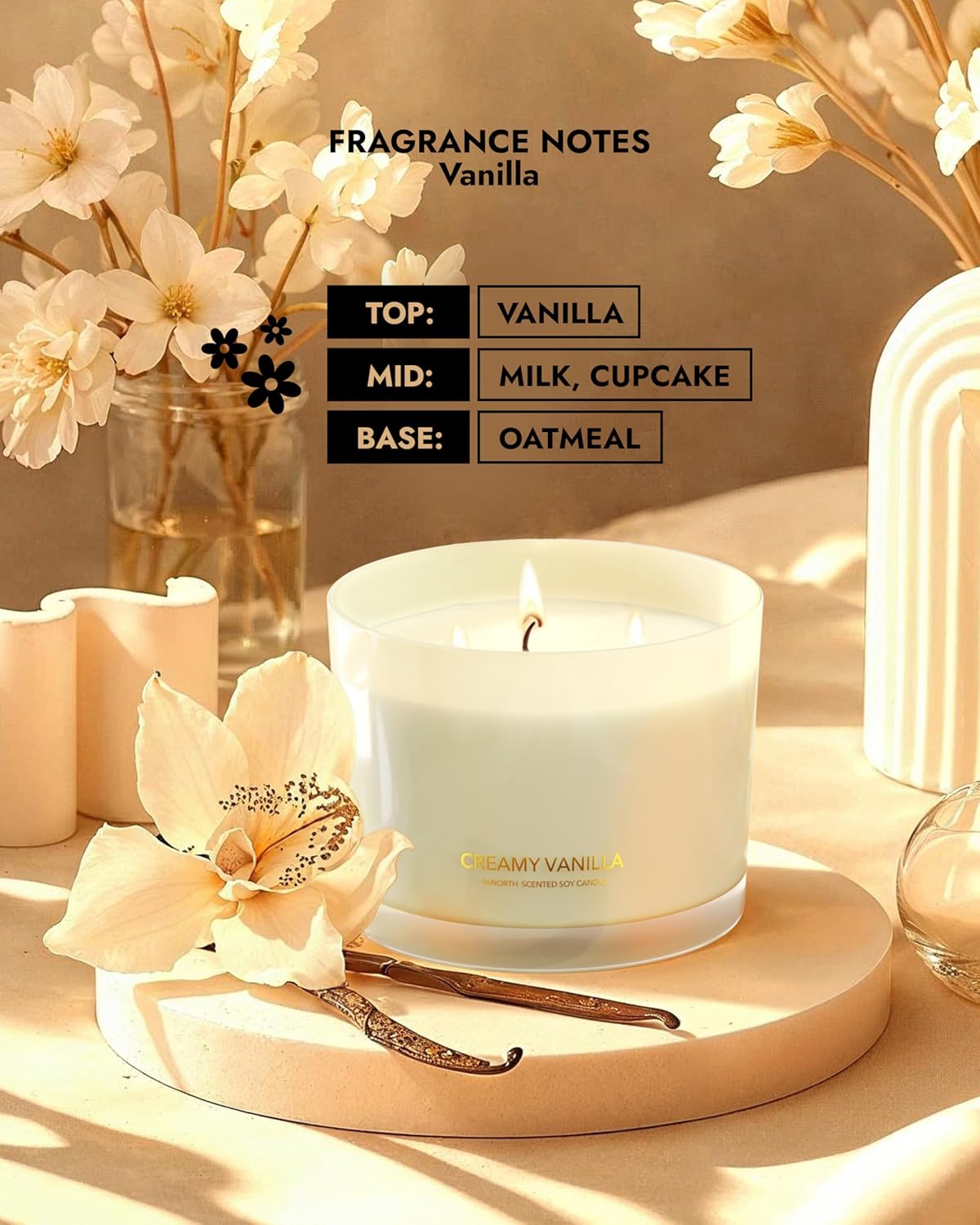
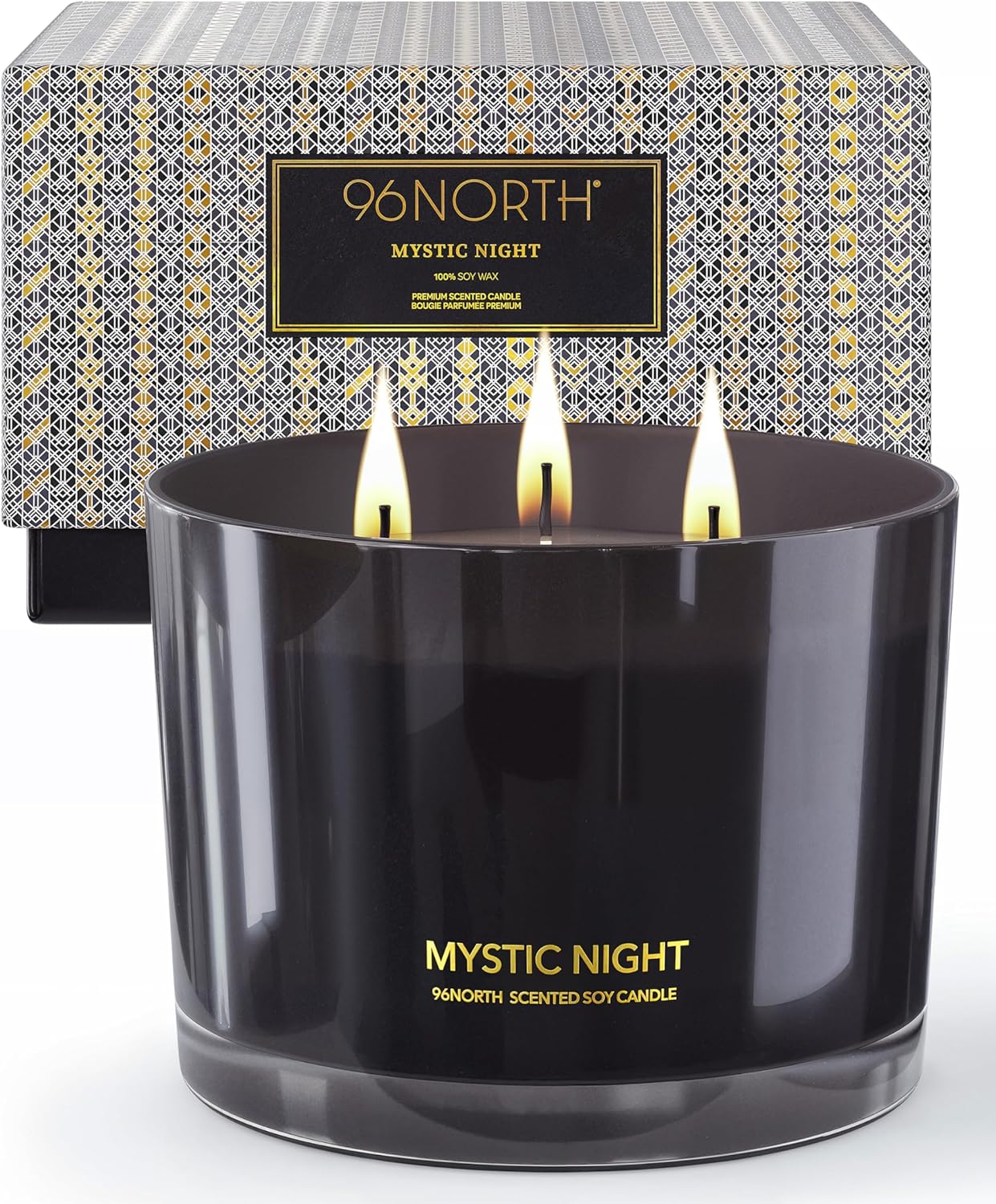
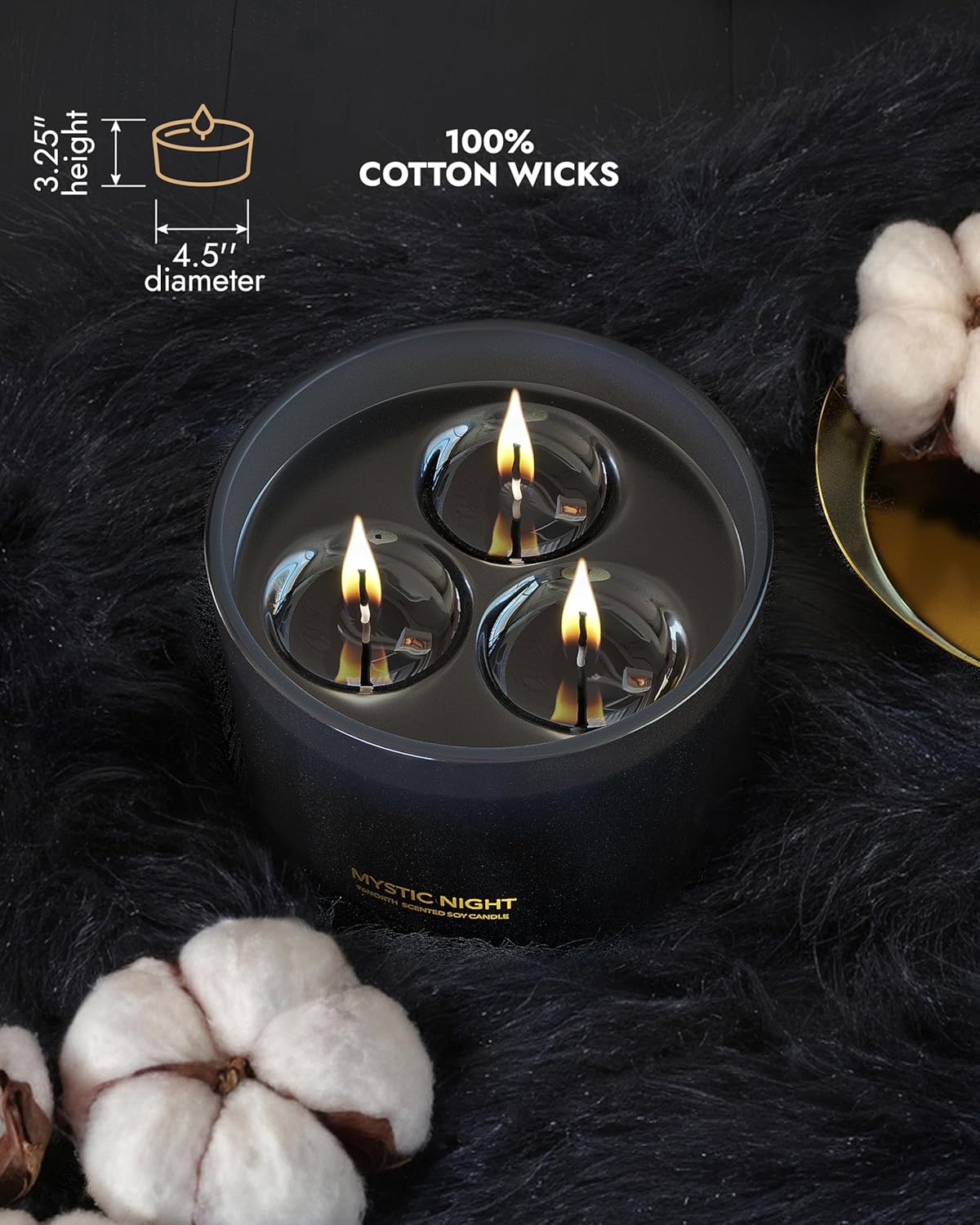
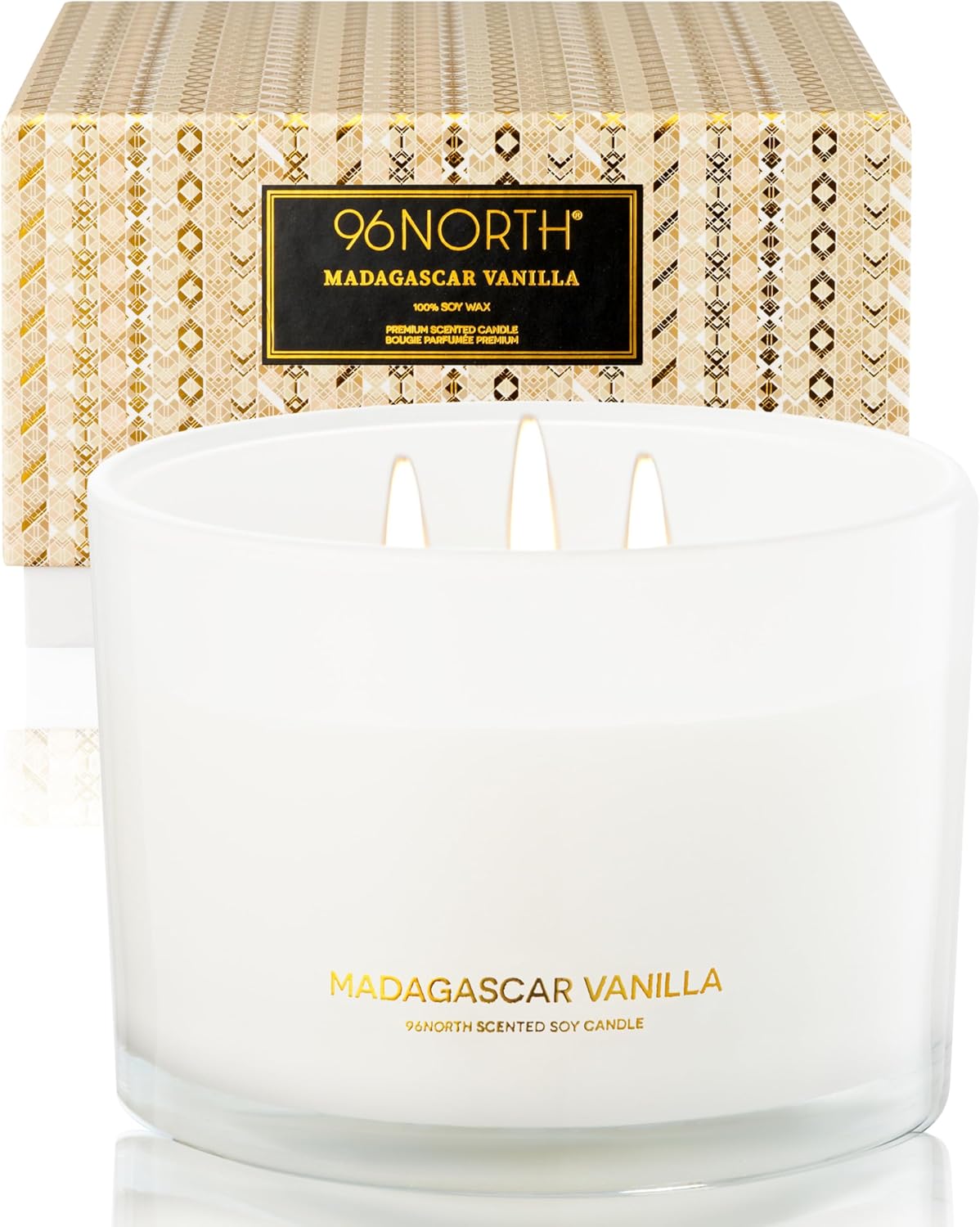
To maximize performance, choose multi-wick candles in open spaces to avoid under-sizing the scent throw, and always trim the wick for a clean, soot-free burn.
Ready to design your evening wind-down? Explore our scented candles or discover our comforting seasonal candles to find your perfect grounding anchor.
2. Scent Diffusers: The Set-and-Forget Path to Continuous Calm
When evaluating a candle vs diffuser, diffusers win on effortless consistency. They provide a steady, background scent without the "event" of lighting a flame. It is a passive sensory luxury designed to stay gently in the background.
Best-fit spaces:
-
Always-pleasant zones: Entryways, hallways, guest bathrooms, home offices, and guest rooms where you want a reliable baseline of fresh energy.
-
Busy households: Homes with pets or active kids where an open flame is a safety hazard.
To choose your device, consider how much control you want over the output:
-
Reed diffusers: The simplest, purely passive option. They offer consistent, round-the-clock fragrance with zero maintenance.
-
Ultrasonic diffusers: These use a water mist for adjustable output but require regular cleaning to prevent mold buildup.
Trade-offs to consider:
-
Nose-blindness: Constant scent can cause you to grow accustomed to the aroma, requiring an occasional fragrance rotation to reset your senses.
-
Maintenance reality: Ultrasonic tanks get dirty quickly if neglected, making routine cleaning essential.
Now let’s talk performance: how each method actually fills a room.
3. Room-Size Realities: Matching Delivery to Your Space
Will a signature fragrance actually perform in your specific layout? The choice between candle vs diffuser depends on delivery style. Candles provide a high-intensity "burst" of aroma during active burn times, whereas diffusers "drip-feed" a subtle, continuous baseline scent over several weeks.
Match your format to room scale:
-
Small Rooms (Bathrooms): Both work, but passive reed diffusers win for effortless, round-the-clock freshness.
-
Medium Rooms (Offices, Bedrooms): Candles elevate active work or wind-down rituals, while diffusers maintain a constant, welcoming background.
-
Large Concepts: Multi-wick candles are essential to throw scent across high ceilings. Diffusers require strategic zoning or multiple units to prevent dissipation.
Consider consistency versus control. Ultrasonic diffusers let you customize intensity and timing but require regular water and oil upkeep. Candles provide an immediate, deeper sensory "moment" with zero ongoing maintenance.
Optimize performance with smart placement. Set diffusers near active, high-traffic pathways to help disperse molecules, but keep candles away from open windows to ensure an even, clean burn.
If your main complaint is "I stop smelling it," prioritize strategy over switching formats through tactical placement, fragrance cycling, or sensory layering.

4. The Safety Spectrum: Navigating Pets, Purity, and Indoor Air Quality
When comparing a candle vs diffuser, choosing the "safer" option depends on your household footprint. True safety balances the active risk of an open flame against the passive reality of continuous oil exposure.
Candle Safety Checklist:
-
Never leave active flames unattended, and burn only on heat-resistant surfaces away from drafts.
-
Trim cotton wicks to 1/4 inch before lighting to minimize soot.
-
Maintain ventilation, and extinguish the flame immediately if anyone experiences headaches or respiratory irritation.
Diffuser Safety Checklist:
-
Sanitize ultrasonic tanks weekly to prevent mold and bacteria buildup from stagnant water.
-
Exercise caution around children and pets. Cats are especially vulnerable because they lack the liver enzymes to process essential oils like tea tree, pine, and citrus.
Sensory & Air Quality Guidelines:
-
If you manage asthma or migraines, select low-irritant scents like lavender or vanilla.
-
Avoid the "more is better" mindset. Use short, 30-minute diffusing sessions to prevent sensory overload.
Always consult a veterinarian regarding pet-specific safety and follow all product packaging instructions.
Once safety is addressed, cost and upkeep usually decide the winner.
5. Cost and Upkeep: Budgeting Your Daily Rituals
To find the true value of your home fragrance, evaluate candle cost per burn hour versus diffuser cost per month.
The Simple Math:
-
Candles: Purchase price ÷ estimated total burn hours = rough cost per hour.
-
Reed Diffusers: Bottle price ÷ how long a reed diffuser lasts = rough cost per month.
-
Ultrasonic Diffusers: Essential oil cost + run frequency + weekly cleaning time.
The Upkeep Reality:
-
Reed Diffusers: Flip reeds occasionally, keep safe from spills, and replace when scent dulls.
-
Ultrasonic Diffusers: Require routine cleaning to avoid oil buildup, stale odors, and microbe risks.
The Hybrid Ritual:
-
Entryway & Bathroom: Place a reed diffuser for a constant, passive baseline of freshness.
-
Living Room & Bedroom: Light a soy candle during the evening as a sensory ritual to rest.
-
Scent Harmony: Select complementary notes from the same fragrance family to avoid clashing.
Ready to curate a supportive home environment? Explore scents that match your routine to build your personal sanctuary today.
Frequently Asked Questions
Is a candle or diffuser better for aromatherapy?
It depends on your personal wellness goals. If you want a tactile relaxation cue to signal the transition from work to rest, a candle offers a comforting sensory anchor. If you prefer continuous background scent to support a calm environment, an ultrasonic diffuser is better. While diffusers let you customize natural essential oils, scent sensitivity varies. Start with short, low-intensity sessions to find the format you will use most consistently.
Are diffusers safe for pets like cats and dogs?
Some essential oils can be highly toxic to pets, and individual sensitivity varies significantly between animals. Always consult your veterinarian before introducing new aromas to your home. If you do diffuse, ensure proper room ventilation, avoid running the device in pet sleeping areas, and monitor your pet for signs of discomfort. When in doubt, choose lower-intensity settings and shorter, thirty-minute run times.
Are candles safe to burn in a bedroom?
Yes, as long as you practice active supervision and never leave them burning while you are asleep. Place your candle on a stable, heat-resistant surface far away from drafty windows, curtains, and bedding. Always extinguish the flame before drifting off. If you have respiratory sensitivities or allergies, choose clean-burning soy wax, reduce your active burn times, and ensure proper room ventilation.
How often do you need to clean an ultrasonic diffuser?
You should clean your ultrasonic diffuser regularly, ideally after every few uses or at least once a week according to the manufacturer guidelines. Never let standing water sit in the reservoir. Neglecting this simple step leads to mineral buildup, musty odors, mold, and questionable mist output. A quick rinse and wipe with white vinegar keeps the machine running safely and ensures clean indoor air.
Which is cheaper over time, candles or diffusers?
The most cost-effective choice depends on how often you scent your space. If you diffuse daily for long hours, a high-quality diffuser is typically cheaper over time due to the longevity of essential oils. If you only scent your home a few nights a week, clean-burning candles can be more budget-friendly. Use the cost-per-hour and cost-per-month formulas outlined in section five above to decide.