
Alarming headlines asking if paraffin candles are toxic can easily ruin a relaxing evening. If you worry about indoor air, black soot, or benzene warnings, you deserve clear answers instead of internet panic.
By understanding basic combustion, we can bypass the alarmism. This balanced guide unpacks what actually causes soot, how to minimize exposure, and why clean-burning soy or beeswax alternatives offer peace of mind. Let’s explore what "toxic" really means in your home.
1. Hazard vs. Exposure: How to Measure Real Risk
To understand if paraffin candles are toxic, distinguish hazard from exposure. A hazard is what a chemical can theoretically do. Exposure depends on dose, duration, and ventilation. Just as a warning label on an everyday product doesn’t mean typical use is dangerous, trace emissions in your living room are usually microscopic and far below safety thresholds.
Protect your indoor air quality by using this simple risk-management lens:
-
Frequency: Are you burning candles daily or occasionally?
-
Ventilation: Is the room small and closed, or large and open?
-
Sensitivity: Do household members experience asthma or migraines?
-
Soot: Is black residue settling on your walls or candle jars?

2. What Is Paraffin? Demystifying the Petroleum Connection
Paraffin wax is a petroleum byproduct long favored by candle makers. Manufacturers widely use this material for three main reasons:
-
Cost-efficiency: It is inexpensive to mass-produce.
-
Stability: It maintains structural integrity across varying temperatures.
-
Scent throw: It holds and releases fragrance highly effectively.
However, this origin does not automatically mean paraffin candles are toxic. While fossil fuel extraction carries a heavy environmental footprint, domestic health toxicity is a distinct issue. Indoor air safety depends on refinement levels and combustion dynamics. Fully refined, food-grade paraffin has volatile organic compounds and impurities removed. Ultimately, improper wick sizing, poor burning habits, and synthetic additives influence soot emissions far more than the raw wax base.
3. Benzene and VOCs: Assessing Real-World Emissions
Hearing that paraffin releases benzene, a known carcinogen, makes it difficult to unwind. While combustion can release volatile organic compounds (VOCs), real-world toxicity depends on how the candle burns. Rather than accepting absolute safety claims, use this checklist to assess your space:
-
Is the flame soot-producing? A flickering flame or black smoke indicates incomplete combustion, which spikes byproduct emissions.
-
What are the room dynamics? Burning a candle for hours in a small, unventilated bathroom carries higher exposure risk than a brief burn in a spacious room.
-
Are there synthetic additives? Artificial dyes and cheap fragrance oils often release more toxic VOCs than the paraffin wax itself.
4. The Physics of Soot: Why Even Clean Waxes Can Smoke
That dark ring on your candle jar is a physics problem, not a wax failure. Soot is carbon residue caused by incomplete combustion. When a flame cannot burn its fuel cleanly, it releases unburnt carbon particles that deposit on the glass. This happens with any wax type.
Eliminate soot by managing these daily triggers:
-
Overgrown Wicks: Long or mushroomed wicks draw too much fuel. Keep them trimmed to one-quarter inch.
-
Drafts: Fans, vents, or open windows disrupt the flame, causing flickering and smoke.
-
Improper Burn Times: Short burns without a full melt pool, or burning over four hours, destabilize combustion.
-
Debris: Dust, match remnants, or old wick trimmings contaminate the wax pool.
5. Wax vs. Fragrance: The Real Trigger for Candle Headaches
While many wonder if paraffin candles are toxic, the wax itself rarely triggers sudden headaches or scratchy throats. A "cleaner wax" like soy cannot guarantee clean air if irritating fragrances fill your space. Heavy synthetic fragrance loads, complex aromachemicals, and chemical dyes represent the actual culprits behind asthma flares and sensory sensitivities.
To protect your home sanctuary, use this buyer-focused lens:
-
Prioritize Transparency: Choose brands disclosing their exact wax type, lead-free cotton wicks, and fragrance sourcing.
-
Avoid Common Triggers: Bypass heavily dyed waxes and industrial-strength synthetic scents.
-
Patch-Test Your Space: Burn any new candle for thirty minutes to monitor your physical response before committing to long sessions.
6. Soy, Beeswax, or Paraffin: How to Choose the Right Wax for Your Home
Choosing the right wax comes down to personal lifestyle tradeoffs rather than fear-based marketing. Every material offers distinct benefits:
-
Soy: Renewable and soot-resistant. Perfect for daily wellness rituals in sensitive households and pet-friendly homes.
-
Beeswax: Exceptionally slow-burning with a natural, subtle aroma. It requires a premium investment but offers unmatched purity.
-
Paraffin: Widely available with powerful scent throw. High-quality, refined paraffin blends maximize throw on a budget, making them ideal for occasional burners.
Prioritize soy or beeswax for clean-burning, daily stress relief. Choose refined paraffin if your main goal is filling large spaces with intense fragrance affordably.
7. The Low-Tox Shopping Checklist: How to Read a Candle Label
Avoid toxic paraffin and soot by evaluating candle labels with this five-point safety checklist:
-
Wax: Choose 100% soy or beeswax over petroleum-based paraffin.
-
Wicks: Look for lead-free cotton; avoid vague "metal core" wording.
-
Transparency: Prioritize brands disclosing fragrance ingredients over "mystery blends."
-
Vessel: Choose stable glass jars built for safe, even heat distribution.
-
Reviews: Scan feedback for complaints about soot or sensory headaches.
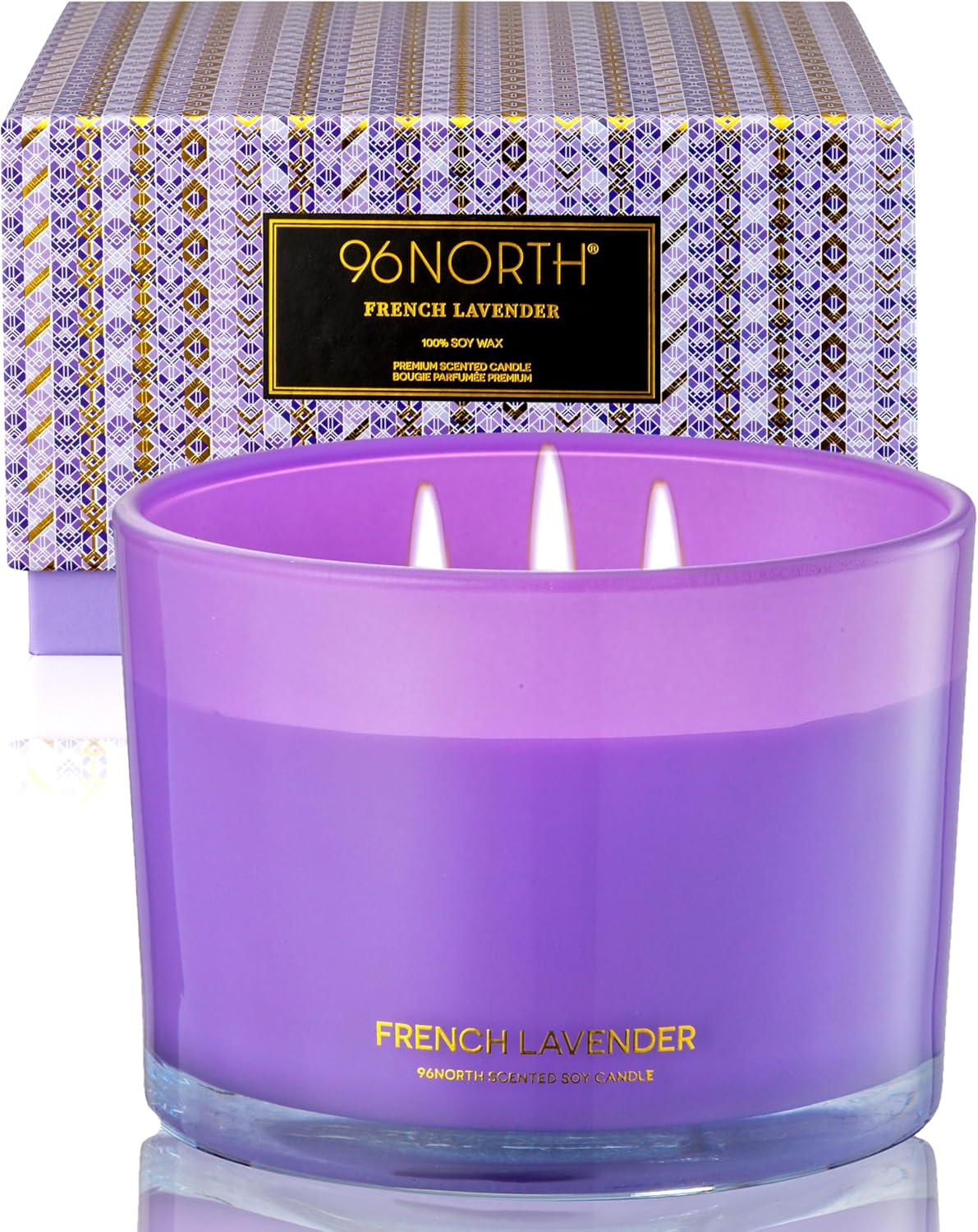
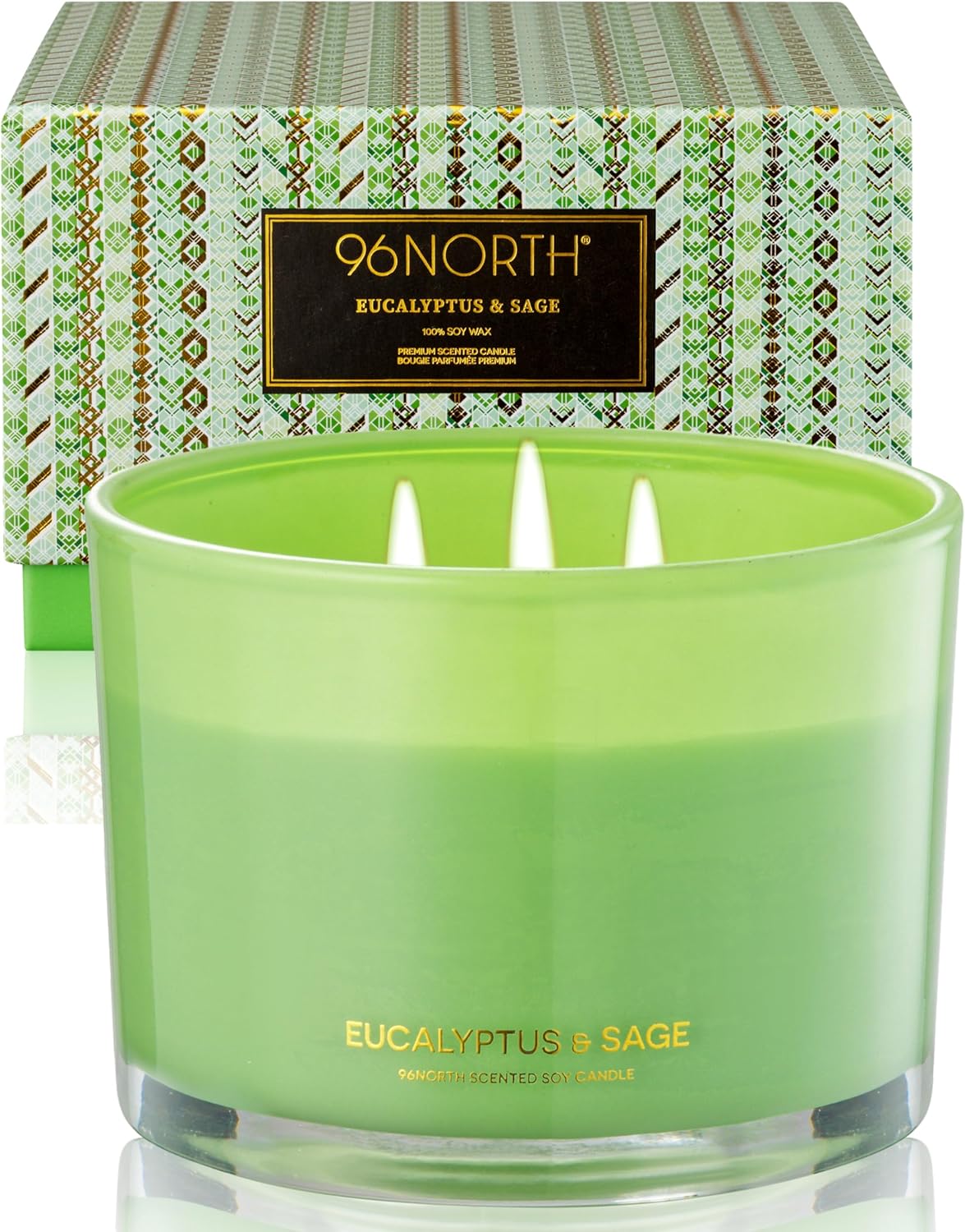
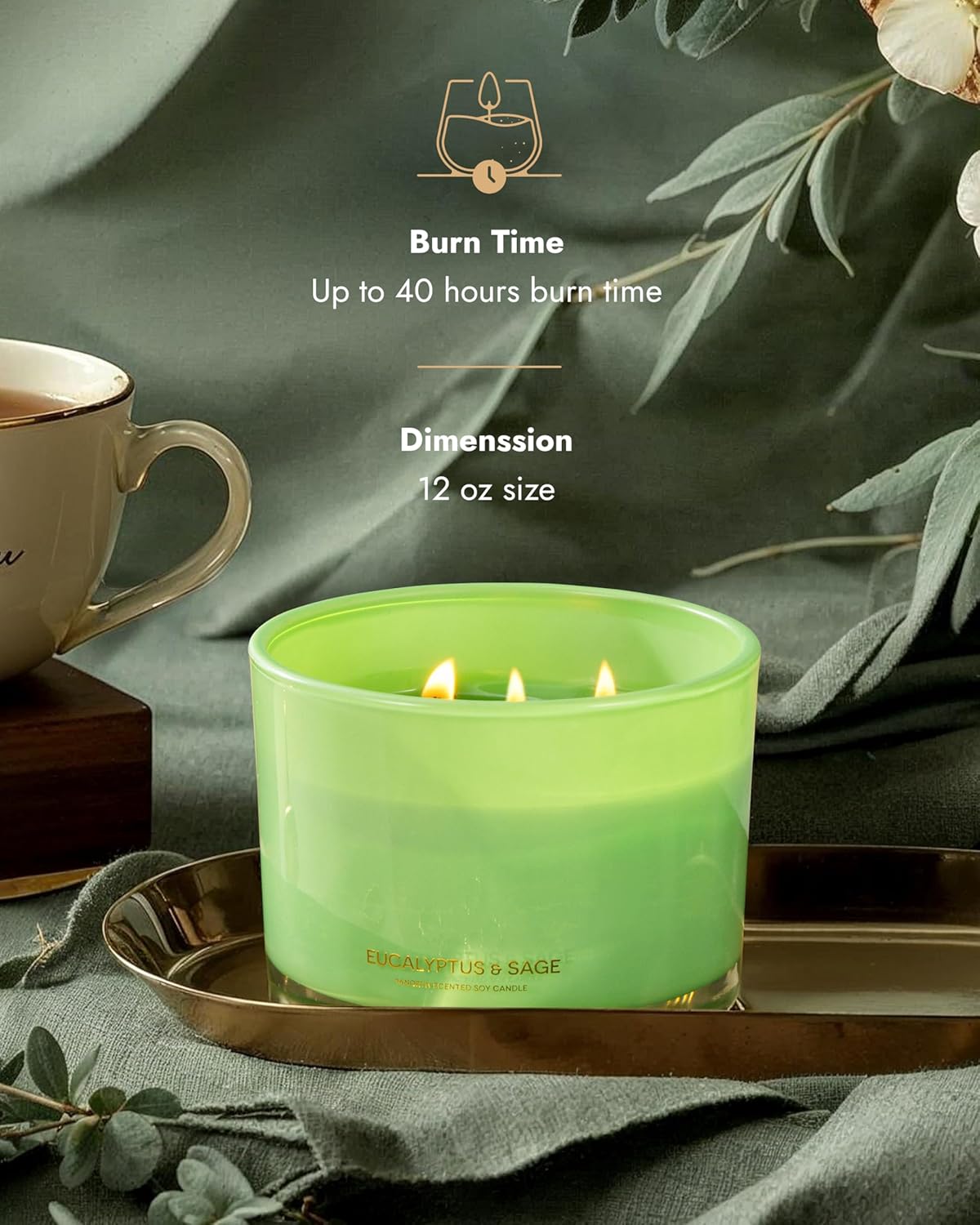
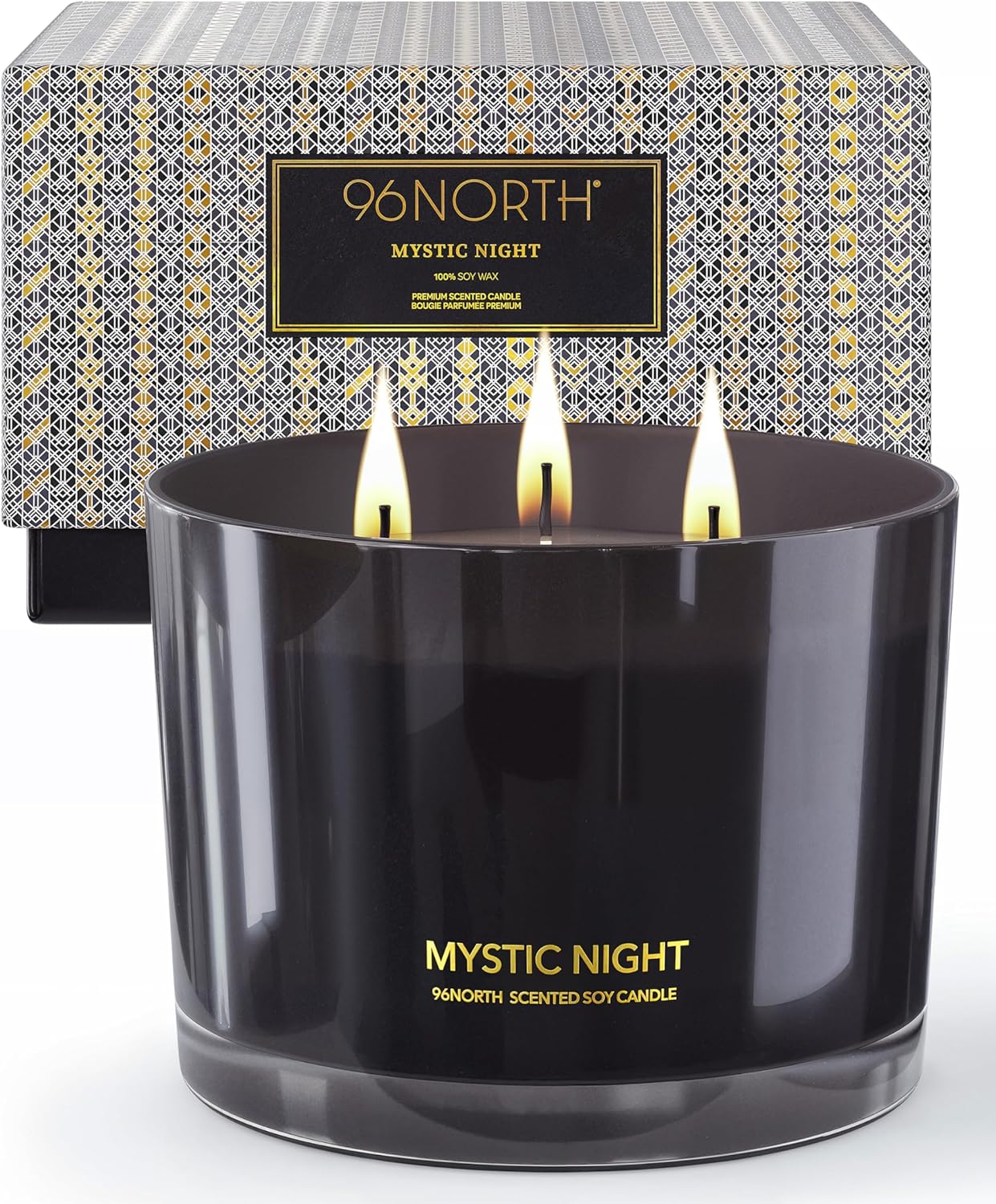
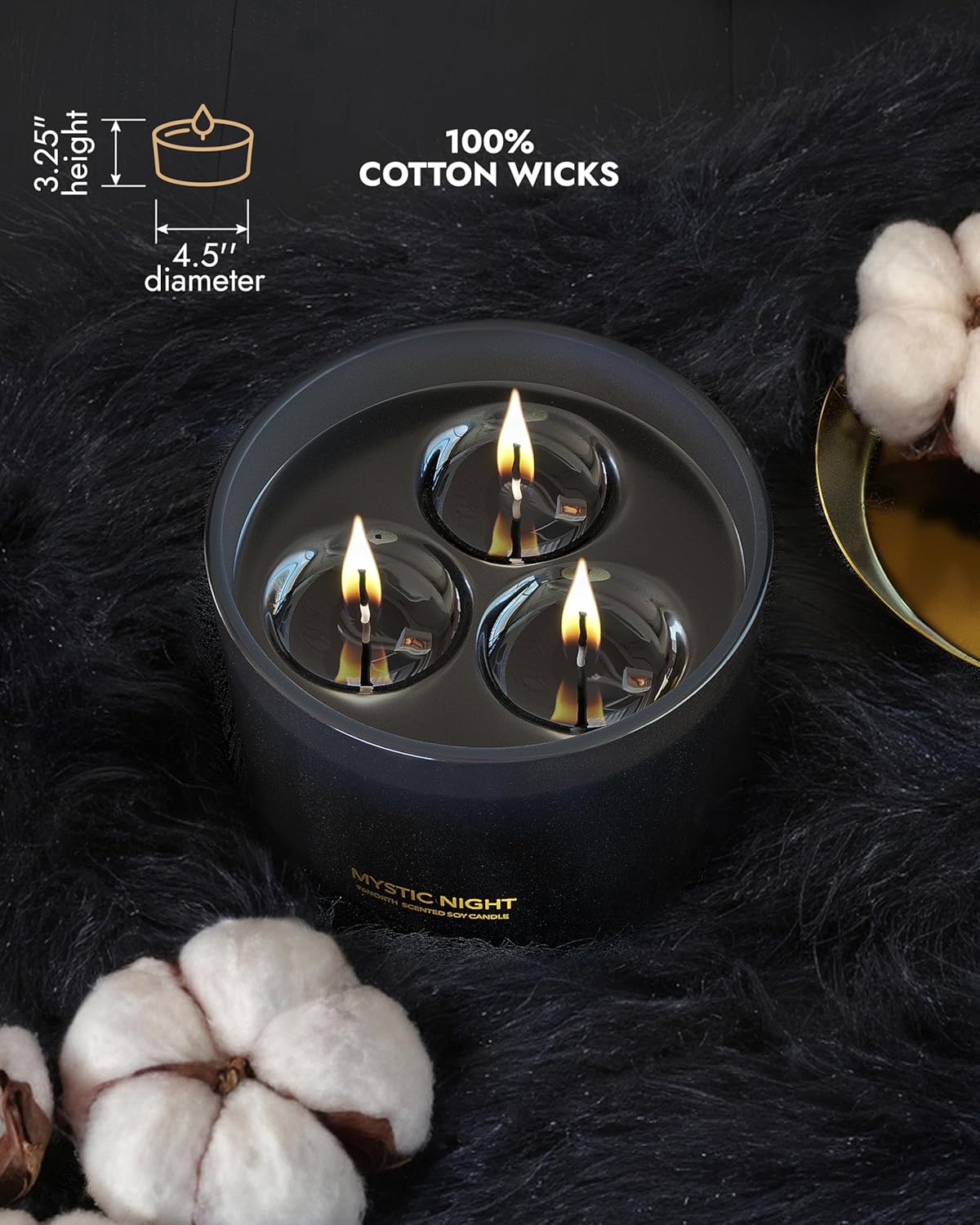
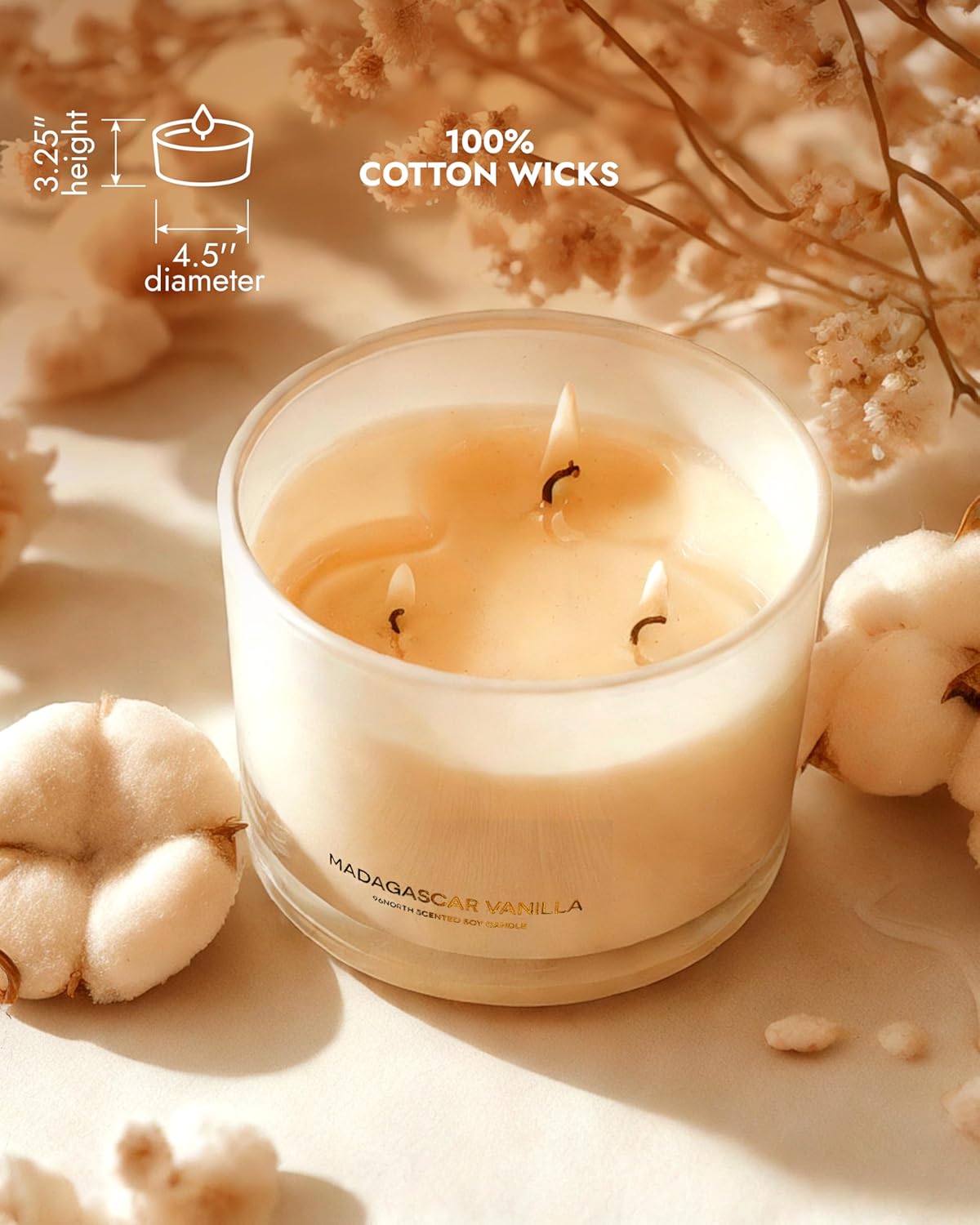
If you want a clean, soy-forward option, explore 96NORTH. Our luxury scented candles utilize lead-free cotton wicks, while our aromatherapy candles and premium scented candles offer transparent, soot-free burning.

How to Burn Candles Safely: The Clean Combustion Protocol
Many people ask, are paraffin candles toxic? While petroleum-derived paraffin can release unwanted chemicals, even clean, non-toxic soy wax produces soot if combustion is poor. Master this repeatable routine to reduce indoor smoke, minimize volatile organic compounds, and keep your air clean.
Step 1: Trim the Wick Before Lighting
Trim the candle wick to exactly one-quarter inch before every single burn. Clip off any carbon mushrooms using a specialized wick trimmer. This produces a controlled, soot-free flame.
Step 2: Establish a Complete Melt Pool
Burn the candle for two to three hours during its first ignition. Ensure the wax liquefies completely to the edges of the vessel. This prevents tunneling and guarantees even wax levels for future burns.
Step 3: Eliminate Household Drafts
Position the candle on a stable, flat surface away from open windows, ceiling fans, or air vents. This stops flame flickering, which keeps unburnt carbon from escaping into your living space.
Step 4: Restrict Burn Time to Four Hours
Set a maximum burn window of four hours per session. Do not burn the candle for fewer than two hours. This prevents the glass from overheating while maintaining structural wax integrity.
Step 5: Extinguish with a Metal Snuffer
Press a metal candle snuffer over the flame to extinguish it. Avoid blowing out the candle. This eliminates a sudden, smoky burst of soot and keeps the wax pool free of debris.
When to Pause Your Ritual
If you notice persistent dark smoke, smell a sharp odor, or experience a mild headache, extinguish the flame immediately. Open a window to ventilate your space. Reassess the wick length and room airflow before lighting the candle again.
Frequently Asked Questions
Are paraffin candles toxic if burned occasionally?
No, occasional burning in a well-ventilated room carries minimal risk. Environmental safety depends on exposure rather than the mere presence of a hazard. If you do not see visible soot and keep air moving through your home, occasional paraffin use is generally safe. However, if you are highly sensitive or experience asthma, treat occasional burns as a trial. Monitor your physical response, or simply switch to a safer default like clean-burning soy or beeswax.
What causes black soot on walls or candle jars?
Black soot is carbon residue caused by incomplete combustion. It happens when a candle flame cannot burn its fuel cleanly, primarily driven by overgrown wicks, household drafts, or long burn times. Soot is not exclusive to paraffin; even soy candles will soot if wicked poorly or burned in drafty areas. You can stop soot by trimming wicks to one-quarter inch before lighting, eliminating drafts, and using a metal snuffer to extinguish the flame.
Do soy candles automatically mean "non-toxic"?
Not automatically. While soy wax is renewable and burns cleaner than petroleum-based paraffin, the final formula matters. Cheap synthetic fragrances, chemical dyes, and metal-core wicks can still release irritating compounds during combustion. Look for brands that offer full wax transparency, use lead-free cotton wicks, and share clear fragrance practices. Choosing clean aromatherapy candles ensures your daily wellness rituals remain genuinely restorative and supportive of your respiratory health.
What is the safest way to use candles around kids, pets, or in bedrooms?
Always burn candles on stable, heat-resistant surfaces out of reach of children and pets, and never leave them unattended. For indoor air quality, limit bedroom burns to two hours, ventilate the space afterward, and avoid heavily soot-producing options. For highly sensitive areas like a daytime nursery, consider non-flame alternatives. For personal evening wind-down rituals, choose soot-free premium scented candles crafted with clean soy wax and lead-free cotton wicks to keep your space safe.