
Choosing a candle means designing a sensory experience of sound, flame behavior, scent delivery, and daily upkeep. As curators of clean, low-fuss, wellness-focused home rituals, we analyzed how a wood wick vs cotton wick performs.
We compare them across crackle sound, burn melt pool, scent throw, maintenance, and practical downsides. Here is your dimension-by-dimension guide to finding your perfect wellness ritual, starting with the most noticeable difference: the ambient sound.
1. Sound Landscape: Crackling Ambience vs. Silent Serenity
The soothing crackling candle effect is an ambient design feature, not a performance guarantee. When choosing between a wood wick vs cotton wick, the biggest differentiator is your desired sensory environment.
Wood wicks produce a soft, hearth-like crackle that mimics a miniature fireplace. This gentle auditory element is ideal for cozy, grounding ASMR rituals, though environmental factors like humidity can cause the volume to vary.
Conversely, cotton wicks burn in virtual silence, providing predictable performance with zero sensory noise. Choose a cotton wick if you require quiet for:
-
Focus-heavy work sessions
-
Restorative sleep routines
-
Sensory-sensitive pets
Select wood wicks for an intentional, comforting soundscape. Choose cotton when your mind craves pure, distraction-free stillness.
2. Fragrance Power: Does Wick Type Affect Scent Strength?
Cold throw is the aroma a candle emits while sitting unlit on your table. Hot throw is the fragrance released into your space once the wax warms and burns.
Neither wick type is inherently stronger. Instead, what actually drives scent is how the wick's heat distribution interacts with three core elements:
-
Wax Formula: Natural soy blends hold and release fragrance oils more cleanly than paraffin.
-
Fragrance Load: The exact percentage of pure scent oil blended into the wax.
-
Melt Pool: How evenly the liquid wax pools across the surface to release aromatics.
Wood wicks feature a broad, sheet-like flame that heats wax rapidly, delivering a fast burst of fragrance. Cotton wicks offer a highly consistent flame that produces a steady, reliable hot throw, particularly in multi-wick designs.
3. Burn Reliability: Effortless Utility vs. Mindful Attention
Nothing disrupts a sensory ritual like a sputtering flame. Reliability is where the wood wick vs cotton wick comparison impacts your daily routine.
Wood wicks demand active maintenance. They can struggle to stay lit during short burns, in drafty rooms, or when paired with heavy fragrance oils. Cotton wicks are highly forgiving, drawing wax consistently for a dependable, self-trimming burn.
-
Wood wicks: Offer a distinct horizontal flame but risk drowning without regular trimming.
-
Cotton wicks: Deliver a reliable, low-maintenance burn with zero babysitting.
For predictable routines like a focused workday or a bedtime wind-down, cotton wicks provide effortless utility. Reserve wood wicks for slow, dedicated evenings when you can intentionally savor the process.
4. Melt Pool Dynamics: Preventing Wasted Wax
Watching premium wax tunnel down the center leaves expensive residue clinging to the glass like wasted money. This liquid layer, the melt pool, is what fuels fragrance release and ensures a clean, even burn.
Your choice in the wood wick vs cotton wick debate directly shapes this dynamic. Wood wicks offer a wide, horizontal flame that heats wax quickly, though they can tunnel if underpowered. Meanwhile, cotton wicks deliver highly consistent heat, and multi-wick cotton configurations excel at reaching the glass edge in wider jars.
For the best performance, make the first burn count. Keep your candle lit until the liquid wax fully spans the jar. This simple habit prevents tunneling, extends your burn time, and maximizes scent throw.
5. Wick Maintenance: Caring for Cotton vs. Wood Wicks
Soot and sputtering ruin a calming sensory ritual. Proper maintenance keeps your candle burning cleanly, but the rules differ for a wood wick vs cotton wick.
For cotton wicks, trim the wick to one-quarter inch before every burn. Always snip off bulbous, mushroomed tips to prevent soot and maintain a steady, even flame.
For wood wicks, gently pinch off the brittle, charred wood before relighting. Avoid leaving tall char towers because the flame needs direct contact with fresh wood to draw up the wax.
If you want a low-fuss routine, cotton is easier to maintain, while wood rewards mindful attention. For safety, always extinguish the flame before trimming and clear all debris from the wax pool.

6. The Clean Burn Myth: What Actually Prevents Soot?
Black soot on a glass jar disrupts domestic serenity. While brands often blame wick material, soot actually results from a mix of drafts, excess fragrance, jar diameter, and trimming habits.
Both materials burn cleanly with proper care. Wood wicks smoke if charred debris builds up on the tip, while cotton wicks soot when they grow too long or mushroom. Cotton wicks are typically easier to keep in their sweet spot with regular trimming.
To maintain a pristine, low-tox home environment, use this quick maintenance ritual:
-
Trim the wick before lighting.
-
Keep the candle away from drafts.
-
Keep the wax surface free of debris.
-
Stop burning when 1/2” of wax remains.
7. Label Guide: How to Choose a Safe, Clean-Burning Wick
When choosing between a wood wick vs cotton wick, finding a clean burn starts with knowing what to look for on product pages.
Always check labels for these key safety indicators:
-
"Lead-free" certification: Treat this as your non-negotiable baseline.
-
Wick material disclosures: Look for 100% natural cotton or organic wood.
-
Core details: Ensure cotton wicks are coreless or use paper/thread cores.
For cotton, prioritize braided or coreless designs over older styles that used metal cores for rigidity. For wood, verify a flat, even construction and look for clear manufacturer safety guidelines.
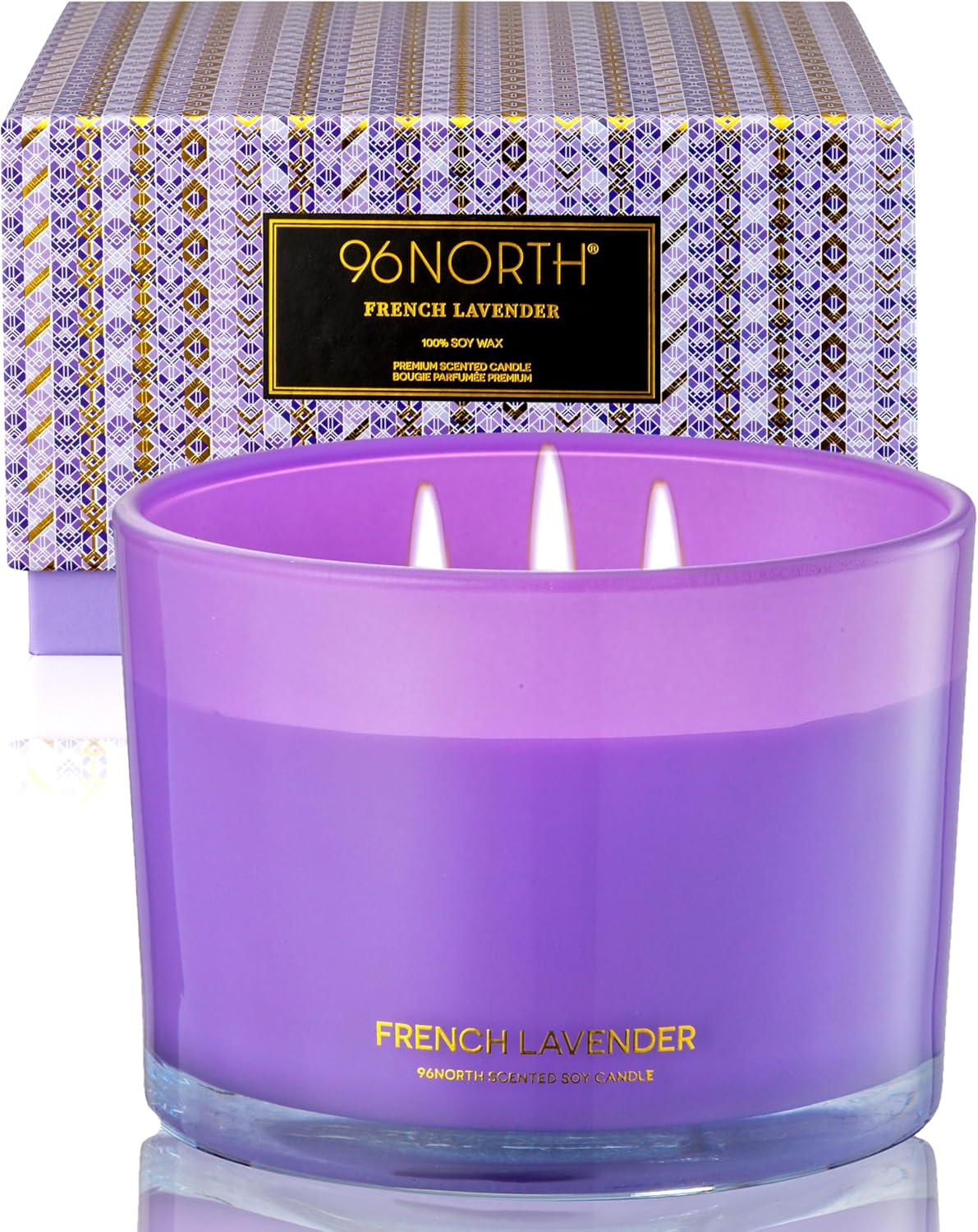
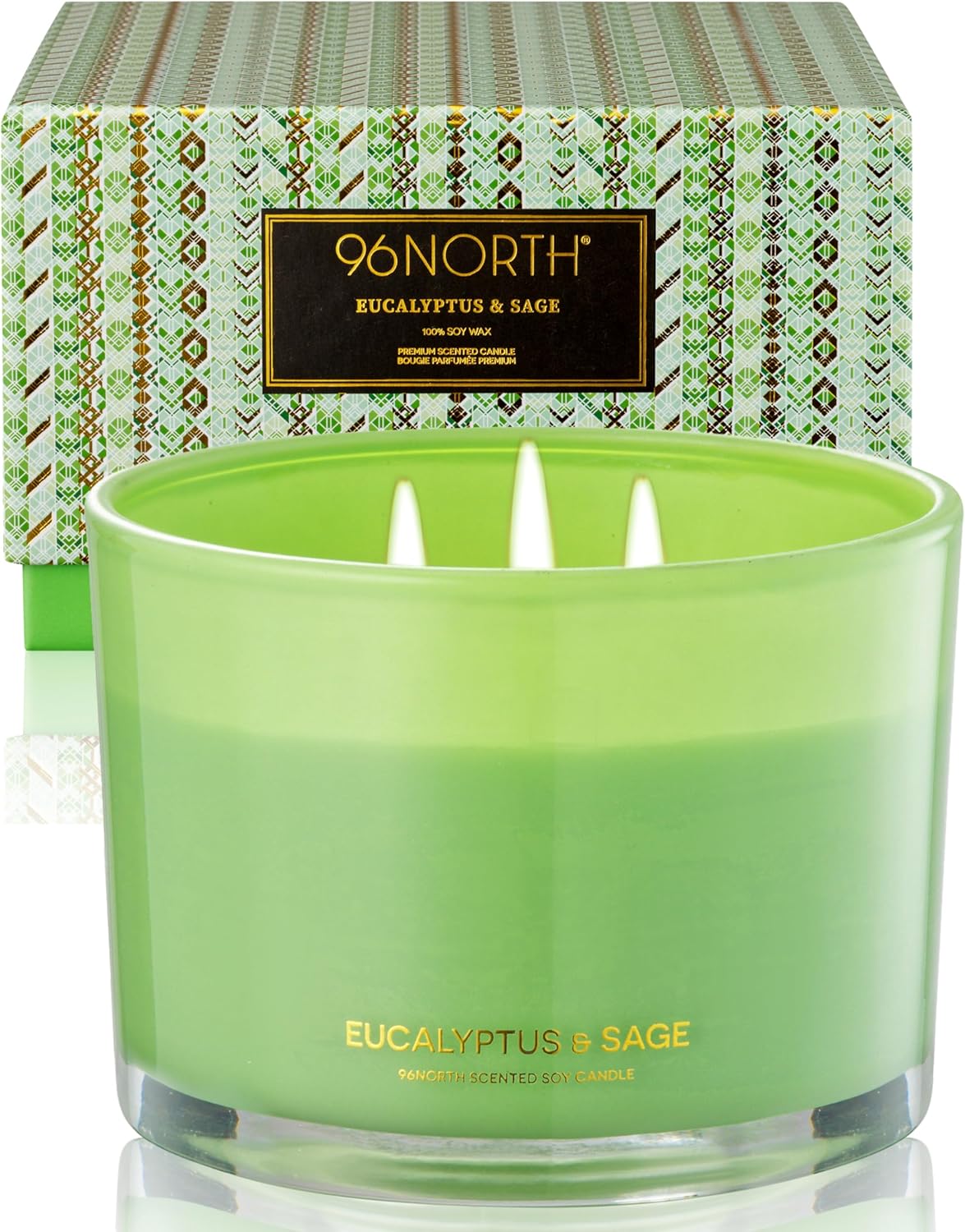
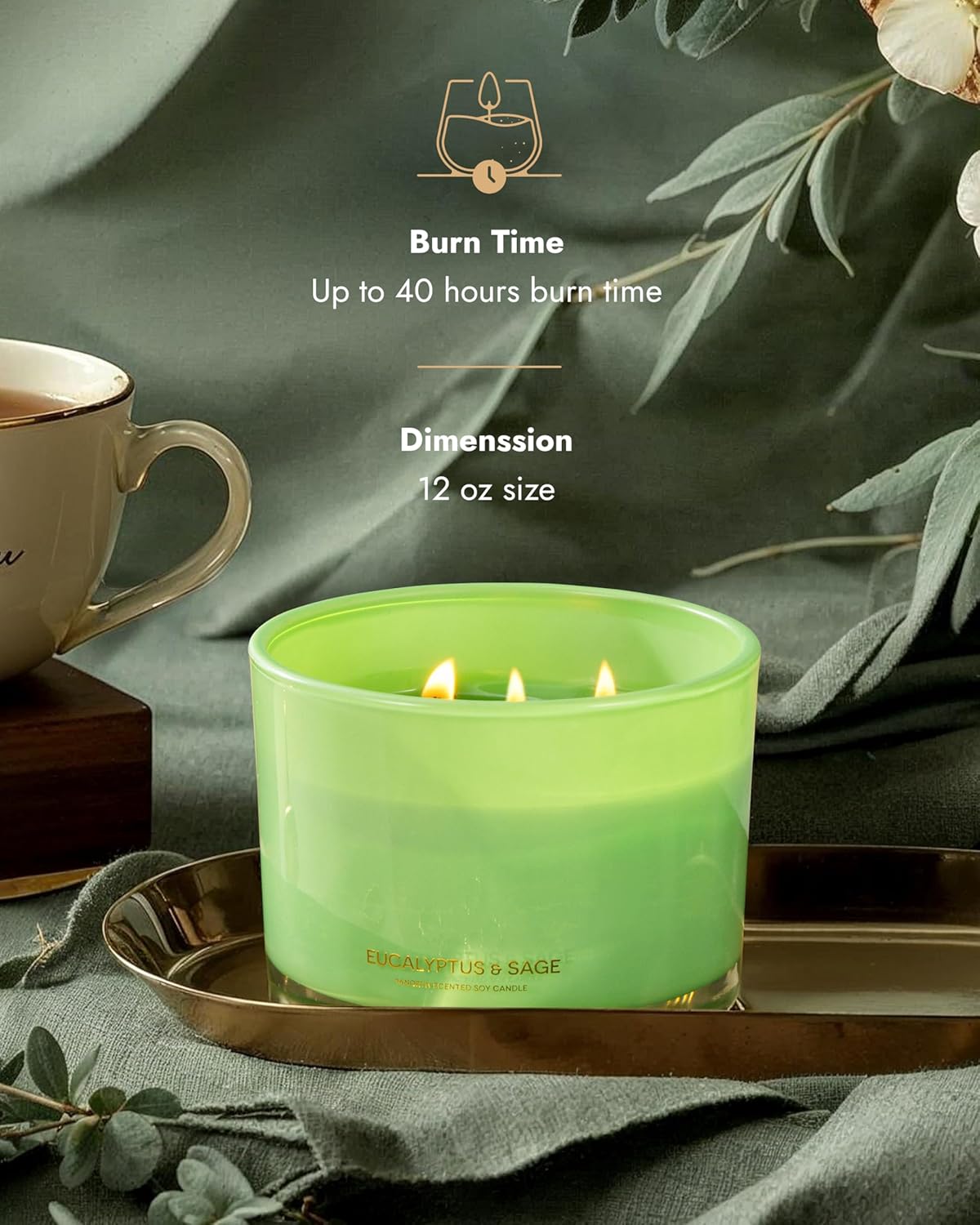
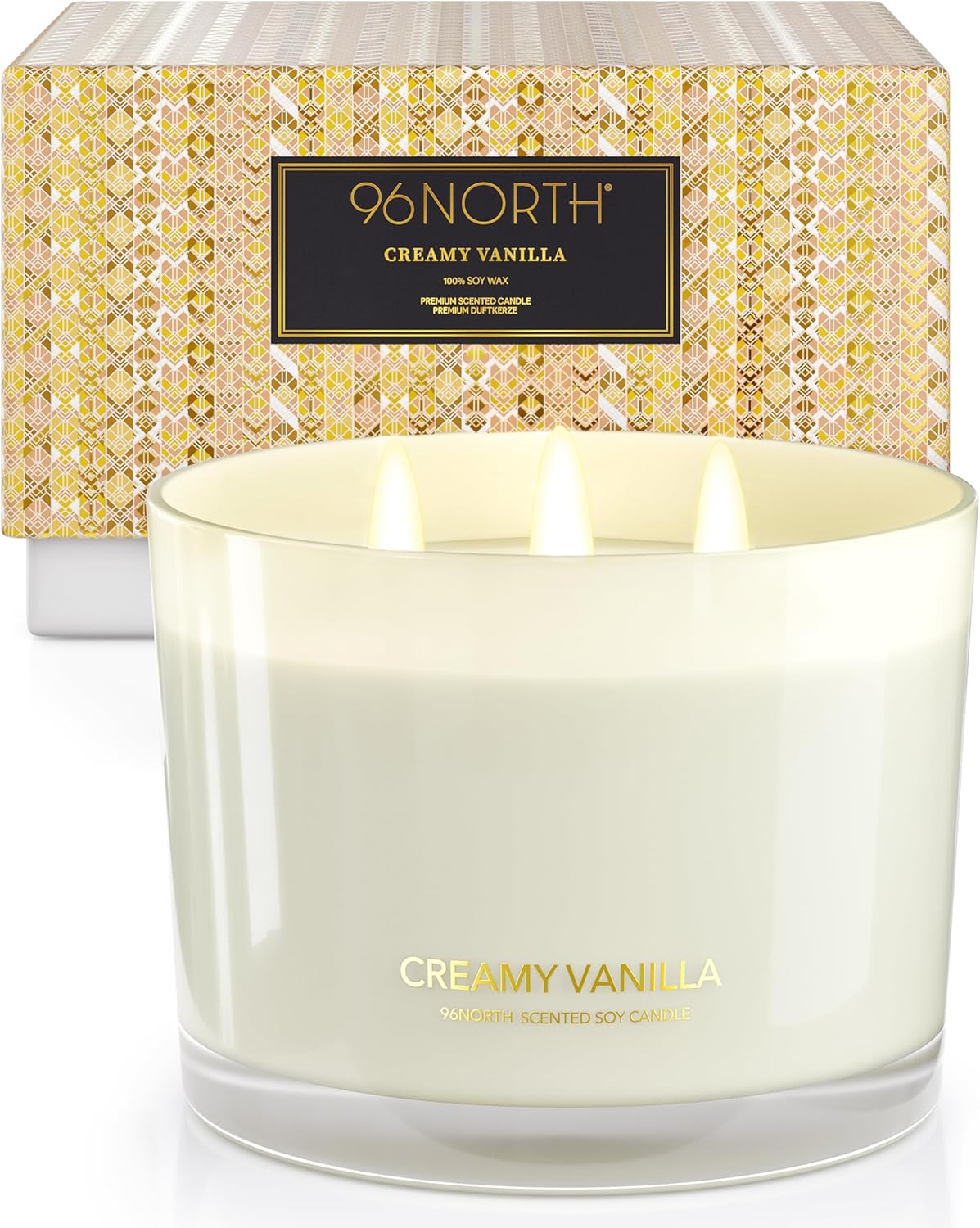
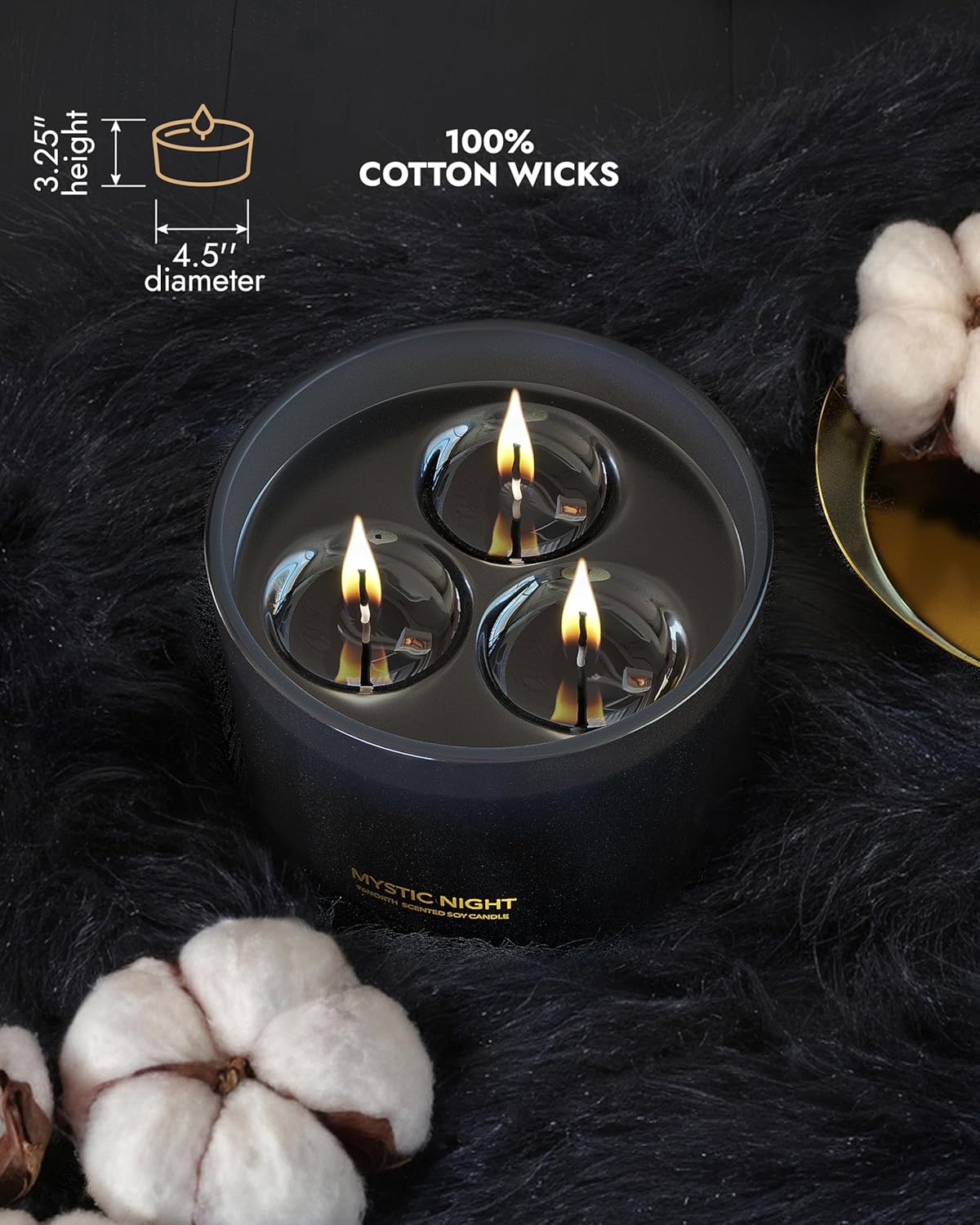
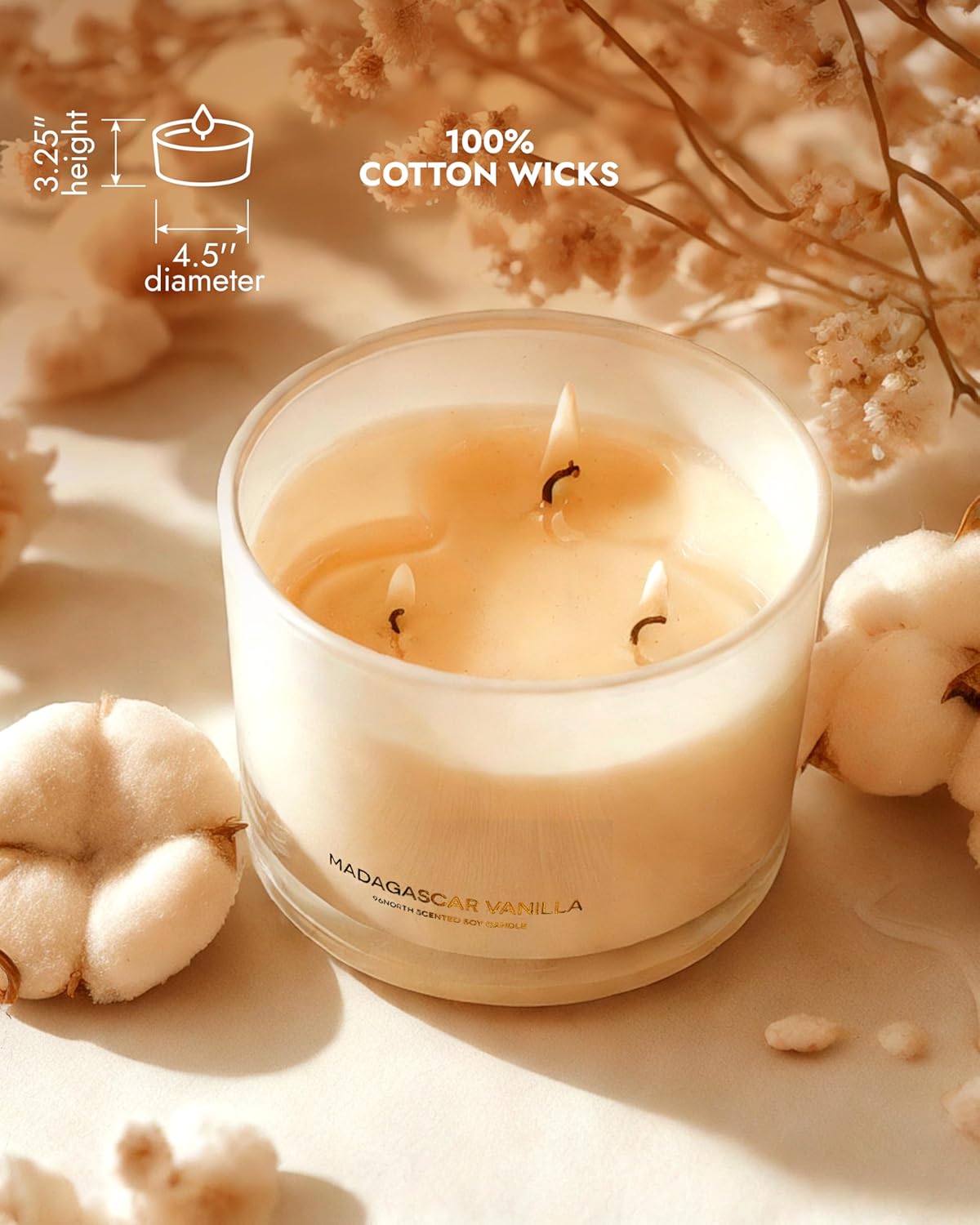
If you have children or pets, a predictable, low-smoke cotton wick is often the easiest to manage safely. To support a clean, worry-free home environment, 96NORTH uses 100% lead-free cotton wicks across our entire collection.
8. Practical Purchasing: Price, Availability, and Gifting
When deciding between a wood wick vs cotton wick, daily usability and practical trade-offs should guide the investment in your home wellness budget.
-
Price and Availability: Wood wicks carry premium pricing and narrower scent libraries due to specialized sourcing. Cotton wicks remain the affordable, widely accessible industry standard with expansive fragrance profiles.
-
Gifting and Usability: Choose wood wicks for recipients who appreciate cozy acoustic novelty and crackling campfire vibes. Select cotton wicks for a reliable, safe, and clean-burning crowd-pleaser.
Ready to elevate your daily self-care routine? Explore the clean, lead-free cotton-wick collection at 96NORTH to find your perfect grounding fragrance today.
How to Match Your Wick Choice to Your Daily Ritual
When settling the wood wick vs cotton wick debate, choose the option that fits your daily wellness routine.
The Quick Wick Decision Matrix
-
Choose a wood wick if you want: an audible crackle, cozy fireplace ambience, a slower "sit and savor" ritual, and light upkeep.
-
Choose a cotton wick if you want: reliable lighting, a consistent hot throw, easier trimming, and a low-fuss daily routine.
Match by Lifestyle
-
Cotton Wicks: Best for low-stimulation environments, focused remote work, or quiet bedtime wind-downs.
-
Wood Wicks: Best for weekend bath rituals, cozy hosting, and intentional moments when you enjoy ambient sound.
The Universal Micro-Care Protocol
Maximize your clean burn with three key rules:
-
Establish the Melt Pool: Burn the candle for two to three hours on your first light until the wax melts to the glass edge.
-
Trim the Wick: Trim cotton wicks to one-quarter inch or pinch off charred wood before every light.
-
Select Safe Placement: Burn your candle away from active drafts to maintain a steady flame.
Next Steps
Learn how to choose a candle scent you will actually use daily. If you need a flame-free alternative for a nursery or office, find out how long a reed diffuser lasts. Ready to build your sensory routine? Explore our premium collections at 96NORTH.
Frequently Asked Questions
Are wood wick candles better than cotton wick candles?
"Better" depends on your sensory goals. Wood wicks excel at ambience, offering a crackling sound perfect for slow rituals. Cotton wicks are ideal for low-maintenance, quiet reliability. Refer to our decision matrix above to match your lifestyle.
Why does my wood wick candle keep going out?
Wood wicks usually fail due to excess char, short burn sessions, or drafts that drown the flame. To fix this, extinguish the candle, pinch off the burnt black tip, clear the wax surface, and let the melt pool reach the jar edge upon relighting.
Do wood wicks produce more soot than cotton wicks?
No. Soot is caused by poor candle maintenance, drafts, or heavy fragrance loads rather than the wick material itself. Keeping either wick trimmed and burning your candle in still air prevents black residue.
Is crackling a sign of quality?
Not necessarily. The crackle is a designed acoustic effect created by natural moisture pockets in the wood. It varies by wick type and candle formulation, meaning silent cotton-wick candles still offer exceptional quality.
If I want a strong scent without babysitting the candle, what should I buy?
Choose cotton-wick candles for a reliable, strong throw with minimal upkeep. You can learn how scented candles work to maximize your aroma. For a flame-free alternative, discover how long reed diffusers last for continuous, worry-free fragrance.