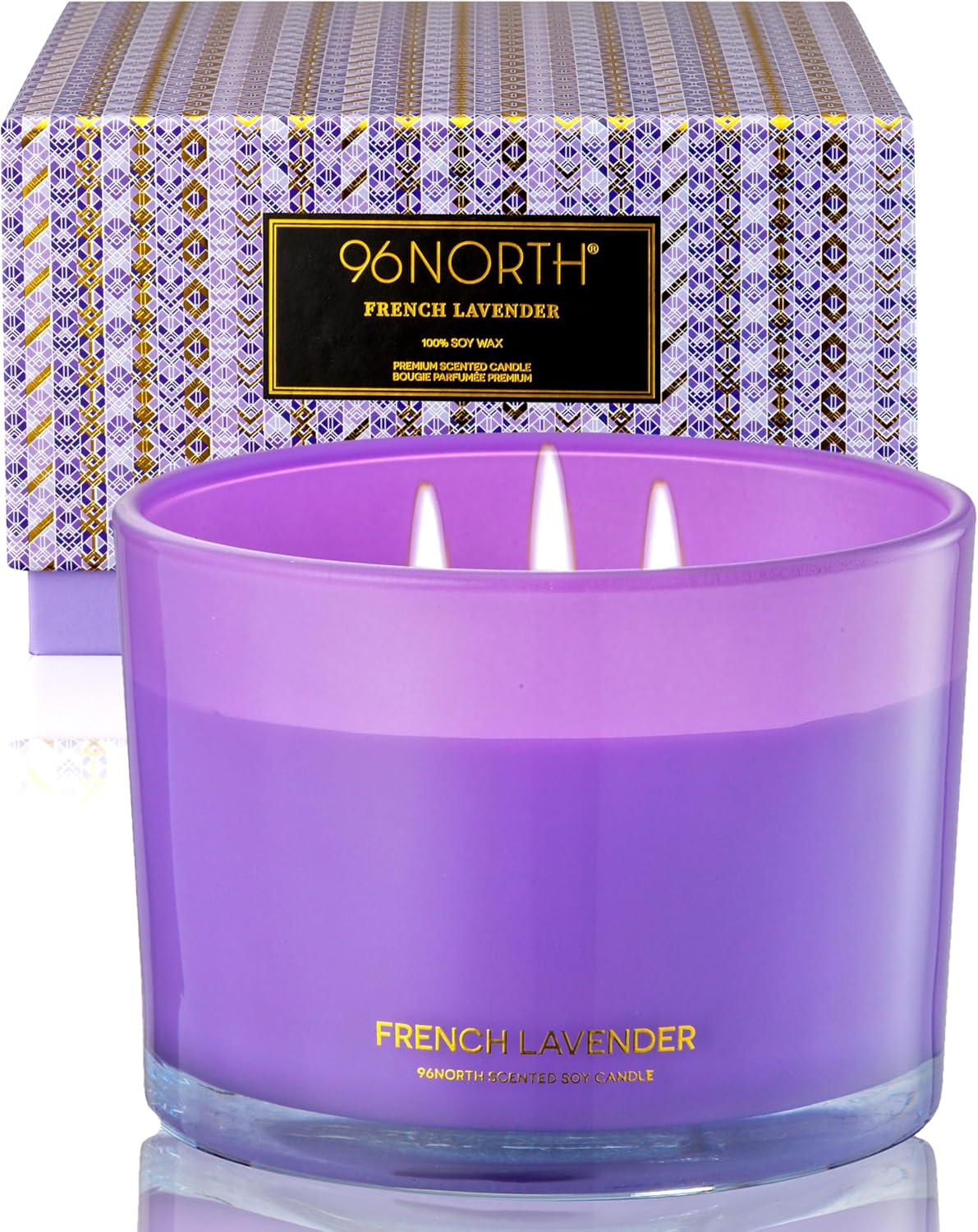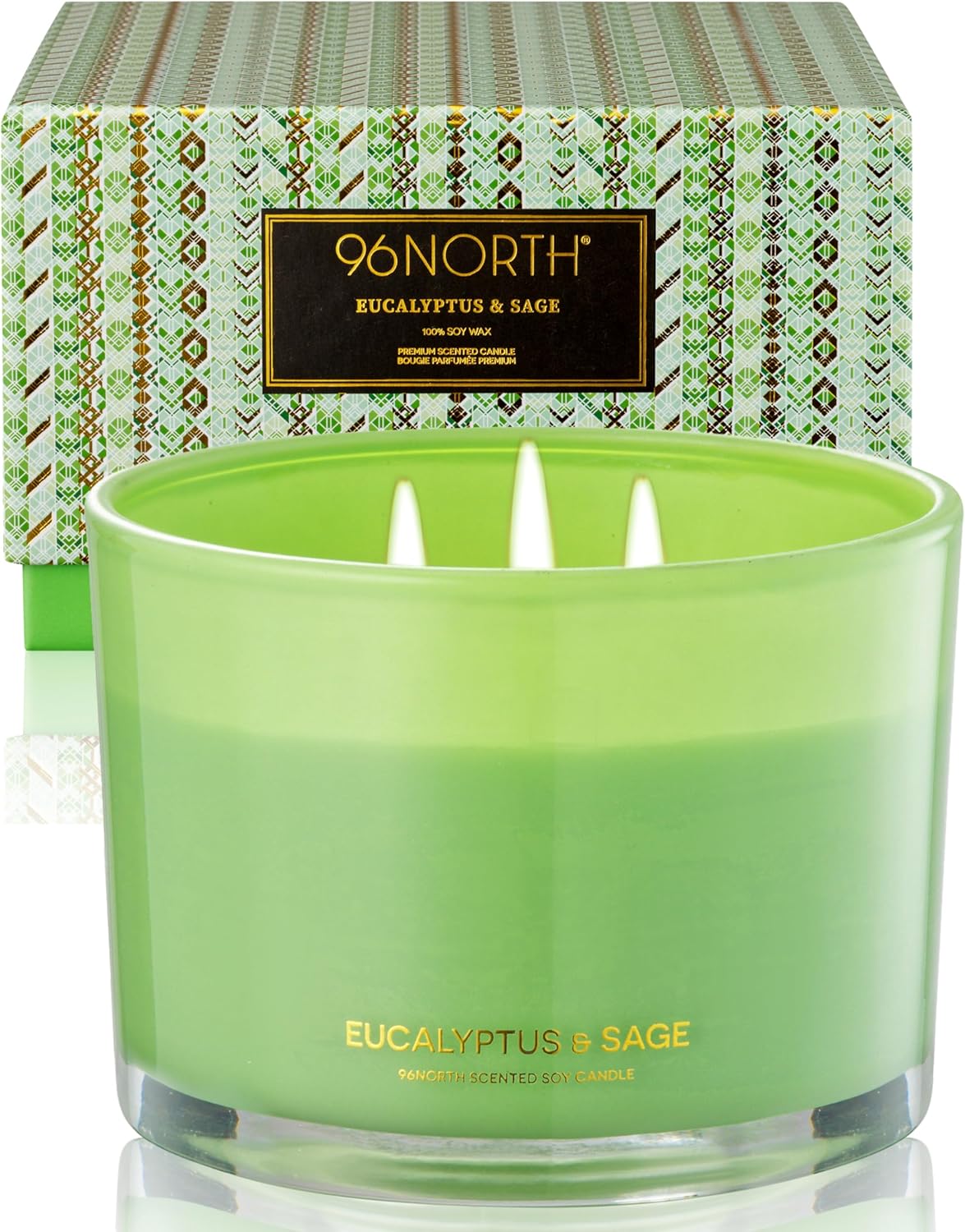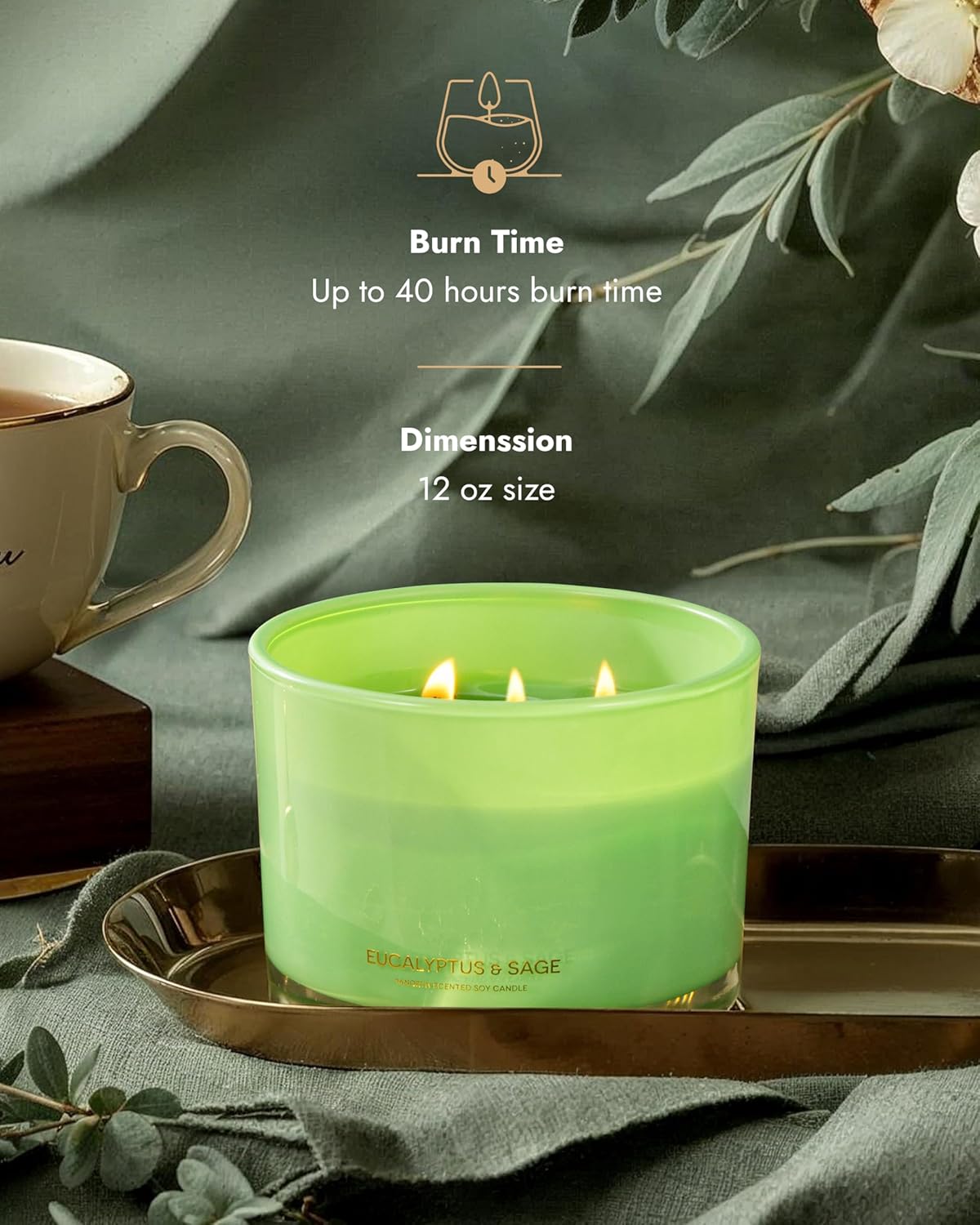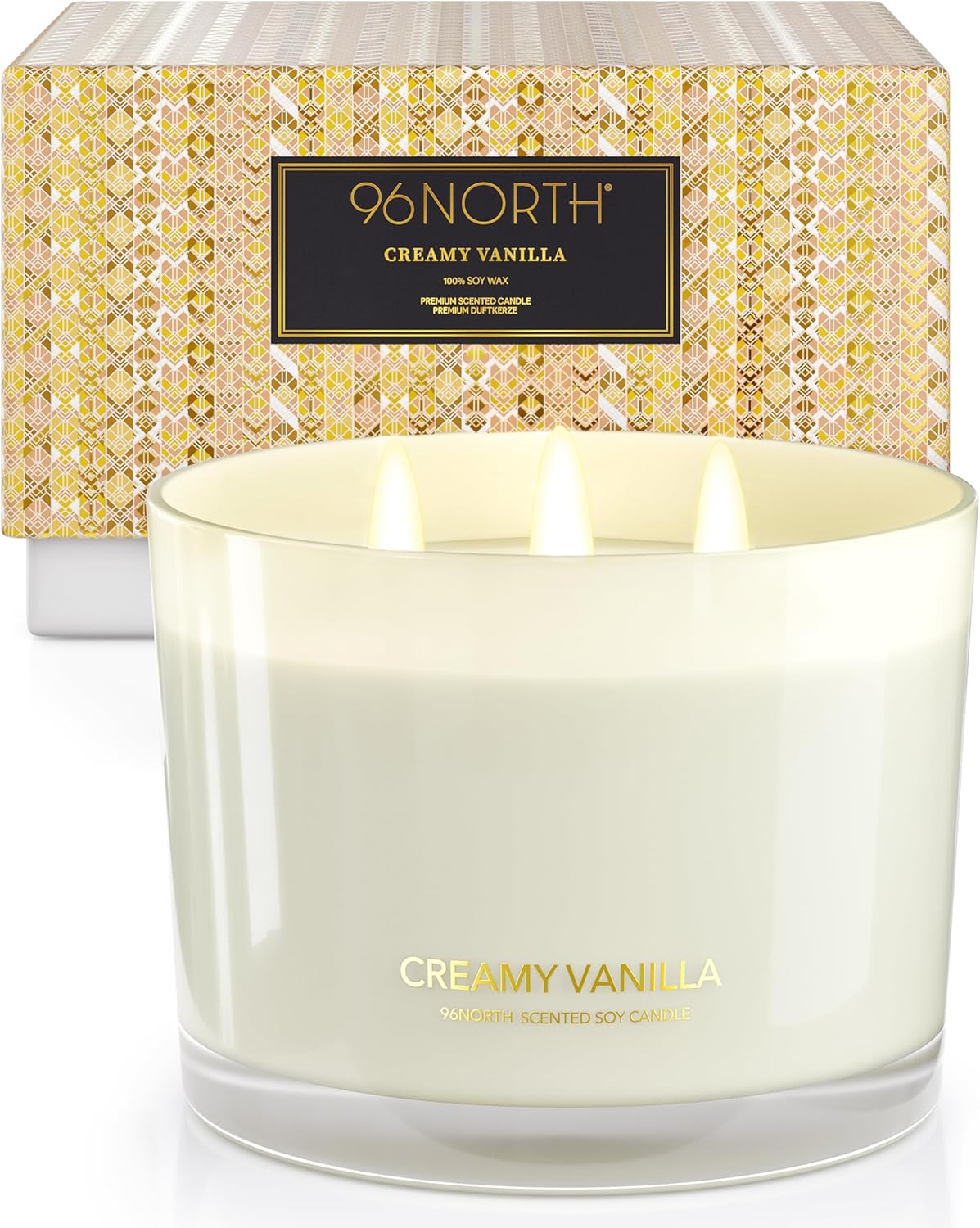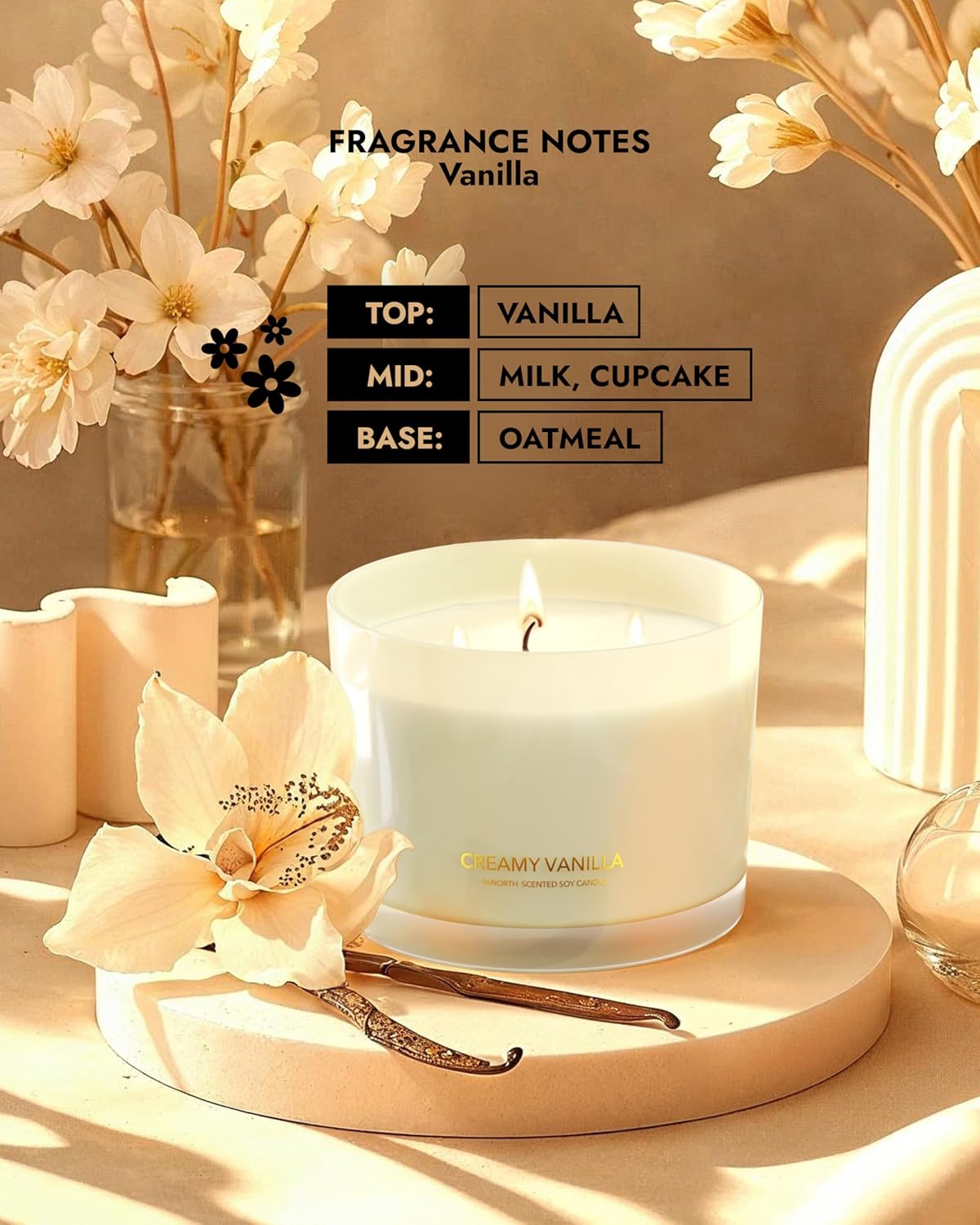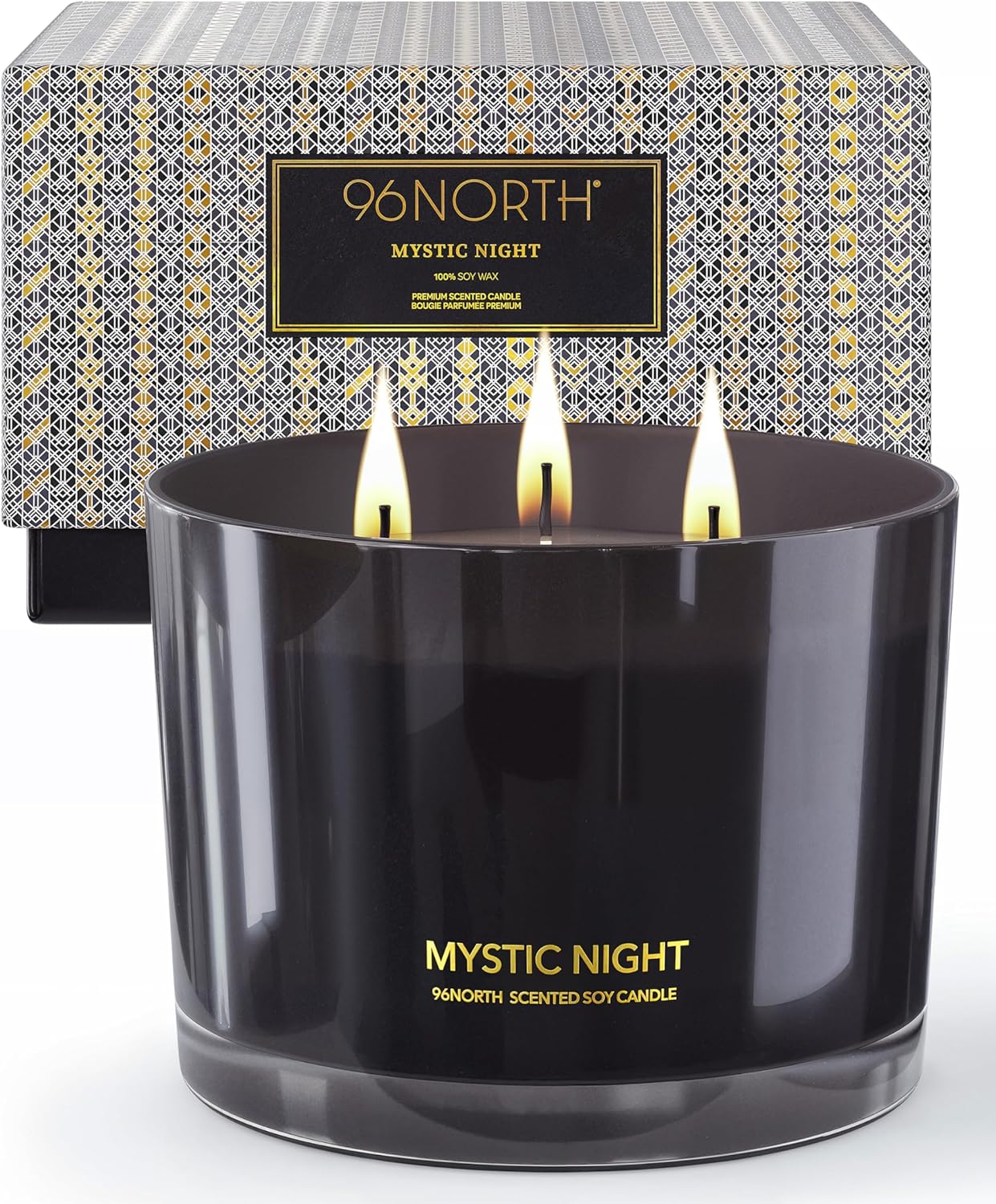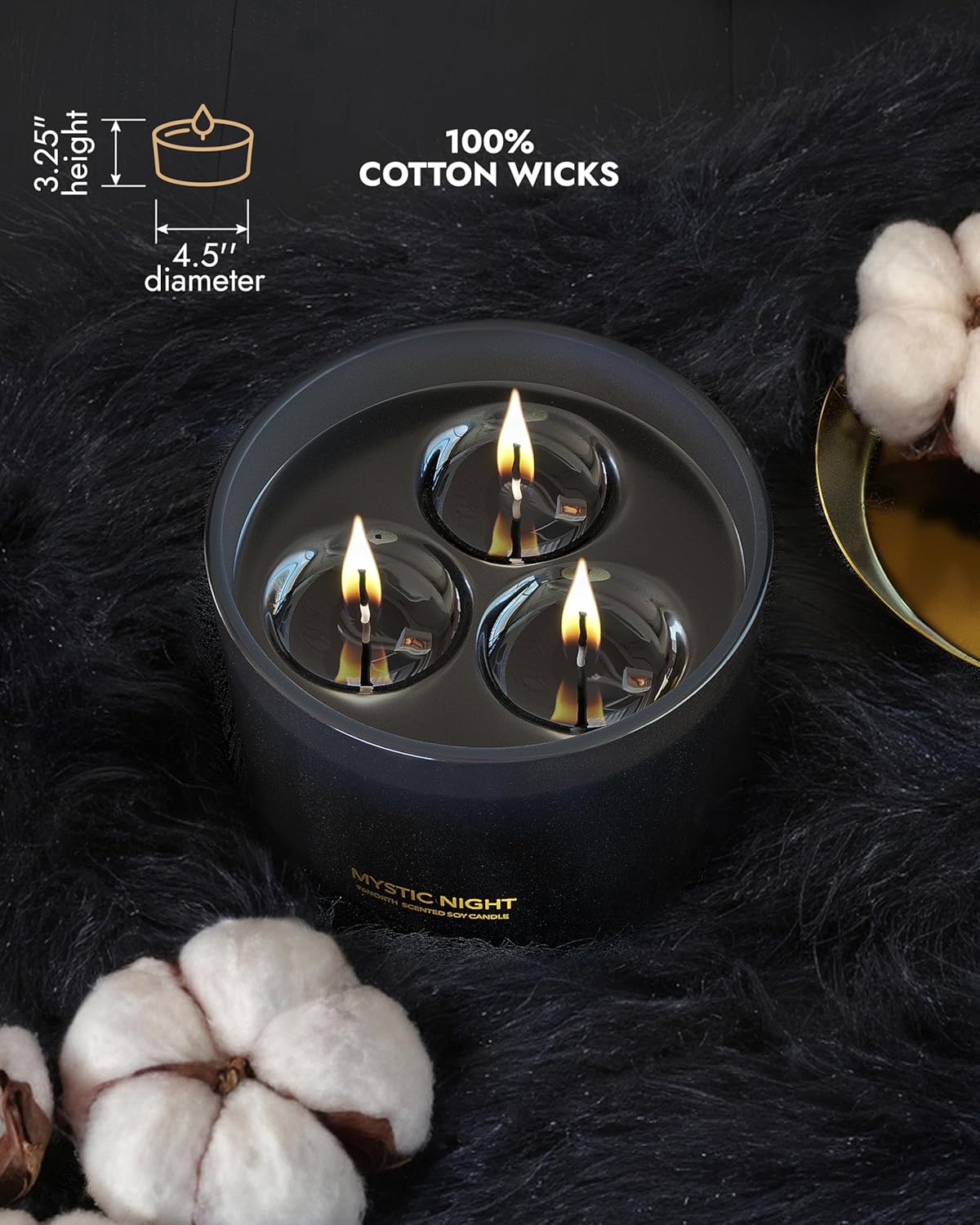

You want a calmer, cleaner home, not a chemistry lecture. When weighing soy candles vs paraffin to keep your indoor air safe, the choice should be simple. While wax type matters, soot, fragrance purity, wicks, and burn habits affect your air quality far more.
Here are six quick checkpoints and an FAQ to help you choose confidently for nurseries, bedrooms, or pets. If you are sensitive, prioritize low-soot and transparent ingredients.
1. The Quick Decision Ladder: Soy vs Paraffin
Choosing between soy and paraffin is not a simple choice of purity versus poison. Your choice depends entirely on your household's specific wellness priorities.
If you optimize for low soot and renewable sourcing, lean toward soy. If you prioritize maximum scent throw at a lower cost, paraffin performs well, provided you monitor soot control and demand fragrance transparency.
Use this simple if/then decision ladder to find your home’s match:
-
Sensitive household (asthma, allergies, pets, or kids): Prioritize low-soot behavior, burn candles in well-ventilated spaces, and verify that fragrances are strictly phthalate-free.
-
You hate black soot on walls or glass jars: Choose soy or well-engineered botanical blends, and always trim cotton wicks to one-quarter inch to prevent soot.
-
You want maximum scent in large living spaces: Paraffin or performance blends throw aroma further, but keep burns under four hours and maintain gentle airflow.
Next, what actually drives “candle safety.”

2. Beyond Wax: The Real Drivers of Clean Air
If a candle gives you a headache or leaves black soot on your walls, wax is rarely the sole culprit. Most respiratory reactions stem from microscopic soot particles and Volatile Organic Compounds (VOCs) released during incomplete combustion. Don't rely on a "soy" label as a safety shortcut. To protect your home's air quality, evaluate these three engineering factors:
-
Fragrance Integrity: Look for explicit transparency signals like phthalate-free claims and safety standards. Avoid vague, proprietary "mystery fragrances" if you are sensitive to headaches.
-
Wick Engineering: A mismatched wick size causes tunneling, heavy smoke, and carbon mushrooming. Properly sized cotton wicks prevent these toxic soot deposits.
-
Ventilation and Timing: Enclosed rooms and burns exceeding four hours rapidly spike indoor exposure levels.
While the soy vs paraffin choice matters, these design details ultimately decide how clean the air feels in your sanctuary.
3. Demystifying Paraffin: Balancing Scent Throw and Clean Air
Paraffin is a petroleum byproduct, leading to common worries about benzene, toluene, and volatile organic compounds (VOCs). When weighing soy candles vs paraffin, separating sensationalism from science helps protect your household's air quality.
Visible soot is primarily a burn-quality signal rather than a toxicity warning. Black smoke indicates a setup issue like an untrimmed wick, drafts, or an excessive burn duration. Furthermore, "food-grade" paraffin labels only guarantee safety for physical food contact, not indoor inhalation. This gap highlights the need for brand transparency and active room ventilation.
If you prefer paraffin for its strong fragrance throw, minimize inhalation risks with these practices:
-
Limit burn sessions to under three hours.
-
Trim cotton wicks to one-quarter inch before lighting.
-
Place candles away from open windows and drafts.
-
Ensure the room is well-ventilated, and never burn candles overnight.
4. The Soy Wax Reality: Clean Performance Over "Natural" Marketing
Many buyers choose soy thinking "natural" means zero emissions. When comparing soy candles vs paraffin, it helps to know that plant-based soy wax still undergoes industrial processing to turn liquid oil into solid wax. It is not a raw, straight-from-the-farm ingredient.
Still, soy excels in two key areas:
-
Longer, cooler burn: Its lower melting point creates less aggressive combustion, reducing soot when paired with a properly sized cotton wick.
-
Renewable feedstock: Sourced from agricultural crops, soy appeals to eco-conscious shoppers looking to avoid petroleum.
Yet, soy has distinct limitations. Its natural scent throw is softer, which often drives sensitive buyers to over-burn or purchase heavily fragranced alternatives, accidentally triggering respiratory irritation. Furthermore, labeling is often ambiguous, as "soy" labels frequently hide paraffin-blend formulations.
If you are sensitive, prioritize performance over marketing. Choose the candle that burns cleanly in your space rather than the one with the most comforting "100% natural" story.
5. The Spotter's Guide: How to Decode Greenwashing on the Label
When navigating the soy candles vs paraffin debate, marketing buzzwords often mask synthetic ingredients. To find truly clean scented candles, look past vague labels. Use this checklist in-store or online:
-
Ingredient Transparency: Reject "natural wax blend." Look for "100% soy wax" and specific fragrance safety disclosures like "phthalate-free" rather than just "clean."
-
Wick Details: Seek "lead-free cotton" or "wood." Avoid vague "premium wick" descriptions.
-
Soot Cues: Search reviews for mentions of black soot, jar staining, or heavy smoke.
-
Unsubstantiated Claims: Avoid brands claiming "chemical-free" or "non-toxic" without physical proof.
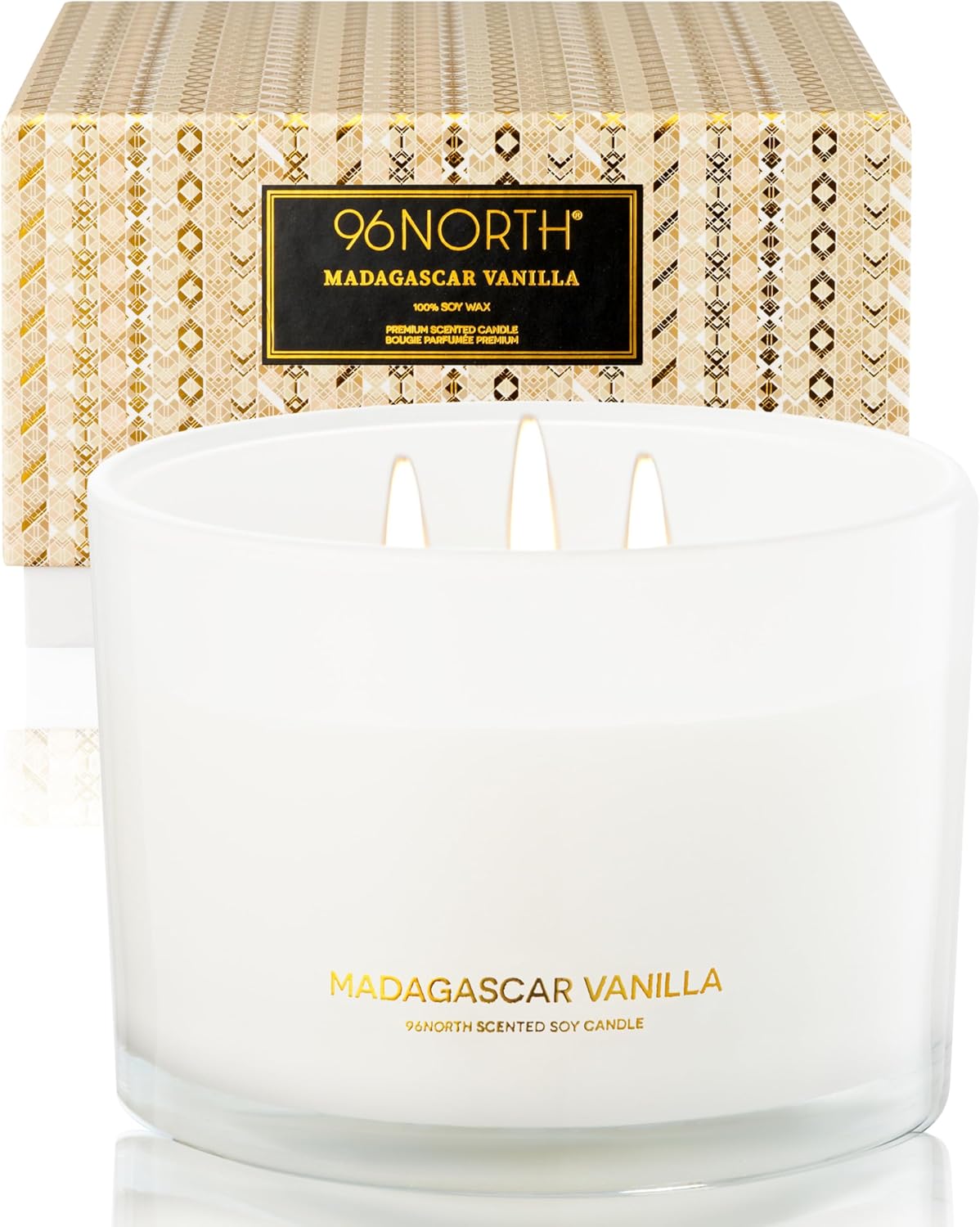
Demanding true transparency keeps your home air pure, whether you are shopping for cozy seasonal candles or calming winter candles. Discover clean, restorative sensory experiences at 96NORTH.
Even a great candle can smoke if it’s burned wrong.

6. The Clean Burn Protocol: Five Habits for Pristine Air
Whether burning soy candles vs paraffin, maximizing air purity in your home office or bedroom requires mindful habits. Adopt this simple, grounding ritual to keep your daily wind-down pristine and soot-free:
-
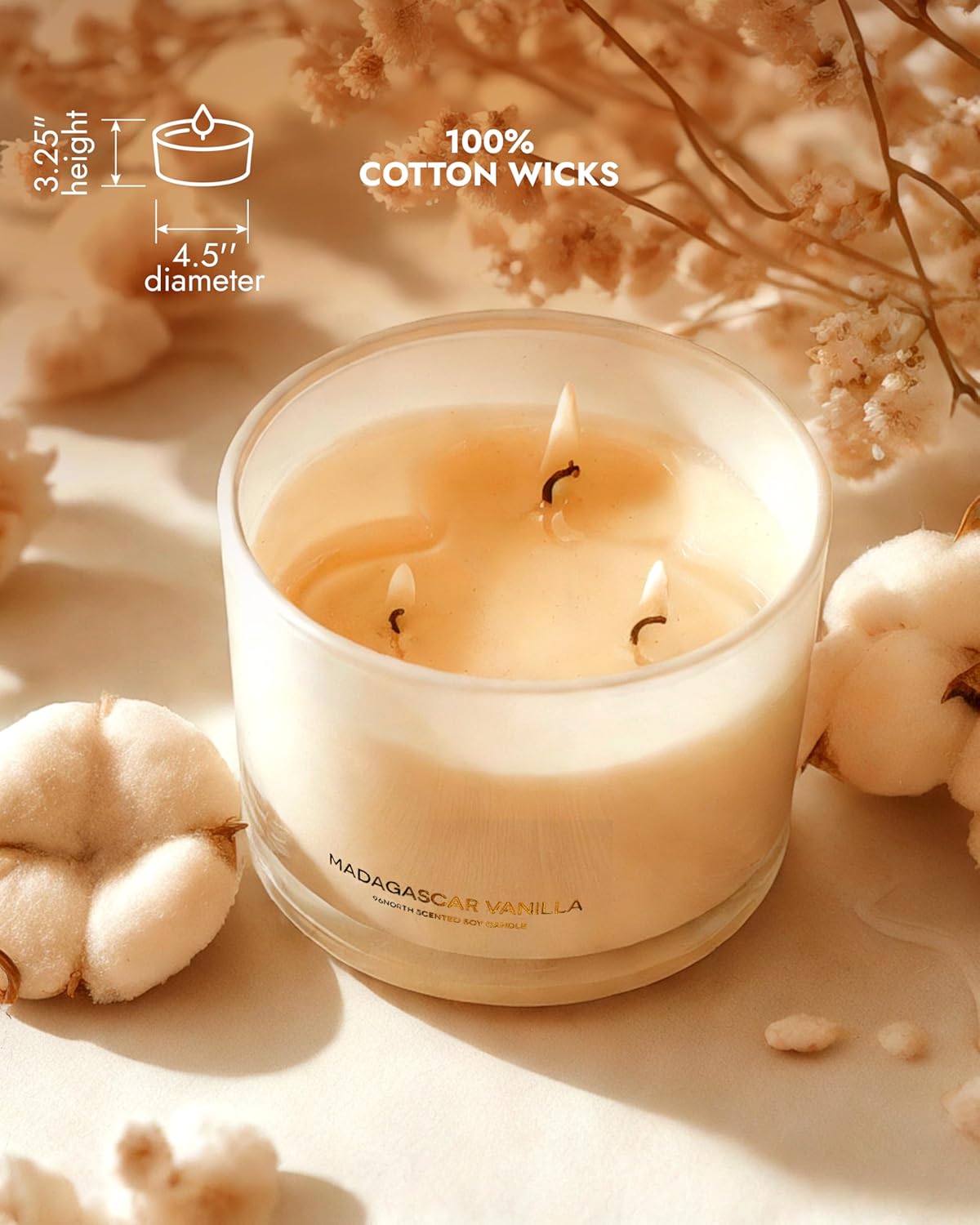
Trim the wick: Snip cotton to one-quarter inch before lighting to prevent smoky mushrooming.
-
Establish the pool: Melt wax completely to the glass edge on the first burn to prevent tunneling.
-
Limit the session: Avoid marathon burns by capping your sessions at three to four hours.
-
Block drafts: Keep candles away from open windows and vents to eliminate soot-producing flickers.
-
Ventilate mindfully: Maintain subtle airflow, particularly in cozy bedrooms or enclosed home offices.
If you experience a tight chest or headache, extinguish the flame and ventilate. These sensory reactions are typically triggered by high fragrance intensity rather than the wax itself. If candles anchor your evening transition, choose a consistent, clean-performing companion to keep your space therapeutic.
Frequently Asked Questions
Are paraffin candles toxic to breathe?
The primary risks most people notice are soot, smoke, and fragrance-related irritation rather than instant toxicity. Your exposure level depends heavily on burn quality and room ventilation rather than just the wax type. If you are sensitive, treat paraffin candles as requiring stricter burn discipline. Keep wicks trimmed and limit burn times to avoid heavy smoke instead of treating them as an automatic no.
Are soy candles safer than paraffin?
Soy is an excellent, cleaner-burning choice, but it is not automatically risk-free. Scent ingredients and wick engineering still play a major role in overall air safety. Because soy has a milder scent, some people over-burn them to make the fragrance stronger. This practice actually increases soot production and respiratory irritation, canceling out the benefits of the plant-based wax.
What is the difference between 100% soy, soy blend, and parasoy?
The differences lie in how much petroleum-based wax is mixed into the plant-based base:
- 100% Soy: Made entirely from soybean oil with zero paraffin additives.
- Soy Blend: Soy wax mixed with other waxes, often paraffin, to improve scent throw.
- Parasoy: A specific blend of paraffin and soy wax designed for high performance.
If a label is vague, always assume it is a petroleum blend.
Should you avoid scented candles if you have asthma, allergies, or pets?
You do not necessarily have to avoid them completely, but you must prioritize caution. Focus on shorter burn sessions, active room ventilation, and lower-intensity fragrances. Always stop burning immediately if respiratory symptoms or headaches appear. Keep candles in larger, open rooms rather than cramped spaces, and never burn candles overnight or close to pets.
What is the simplest standard for finding a safer candle?
Since wax type is only part of the story, look for a balance of transparency and performance. A safer candle standard relies on transparent ingredients, a lead-free cotton or wood wick, low-soot burning, and sensible habits like regular wick trimming. Focus on how a candle actually performs in your home rather than comforting marketing buzzwords.
Explore 96NORTH and Start with our scented candles.