
One whiff of sunscreen or warm laundry can instantly transport you back in time. This is the Proust effect, a fascinating link between fragrance and memory where a unique neural shortcut connects scent directly to emotion.
By understanding this sensory bypass, you can intentionally use daily aromas to cue focus, find calm, or anchor yourself in deep comfort. Here is how this biological pathway works.

1. The Science of Scent Memory: Understanding the Proust Effect
A sudden whiff of chlorine can instantly transport you to a childhood summer pool. This sensory time travel is the Proust effect, a phenomenon illustrating the deep connection between fragrance and memory. Named after French author Marcel Proust, who wrote of childhood memories unlocked by a tea-dipped cake, it explains why scents trigger intense, emotional nostalgia.
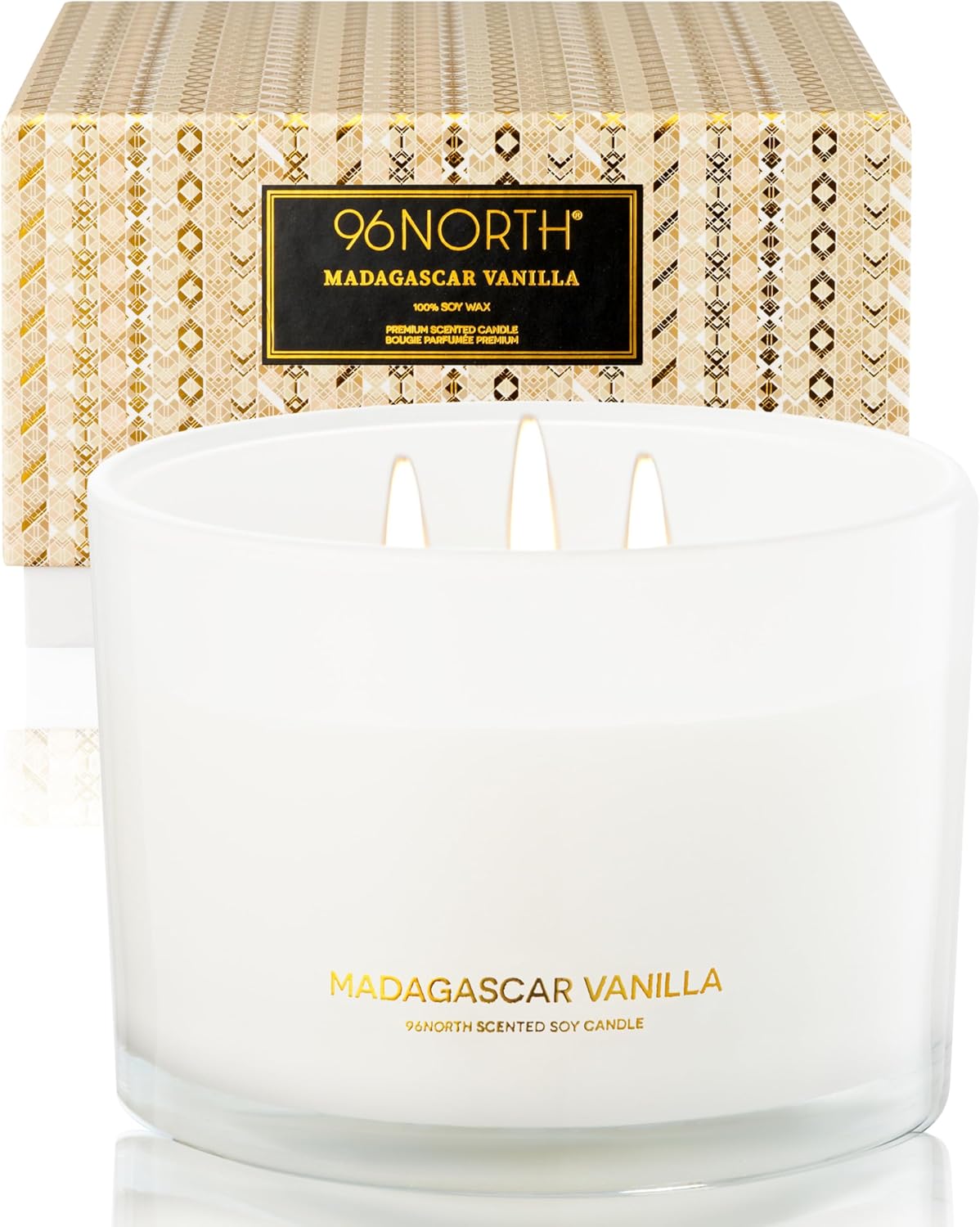
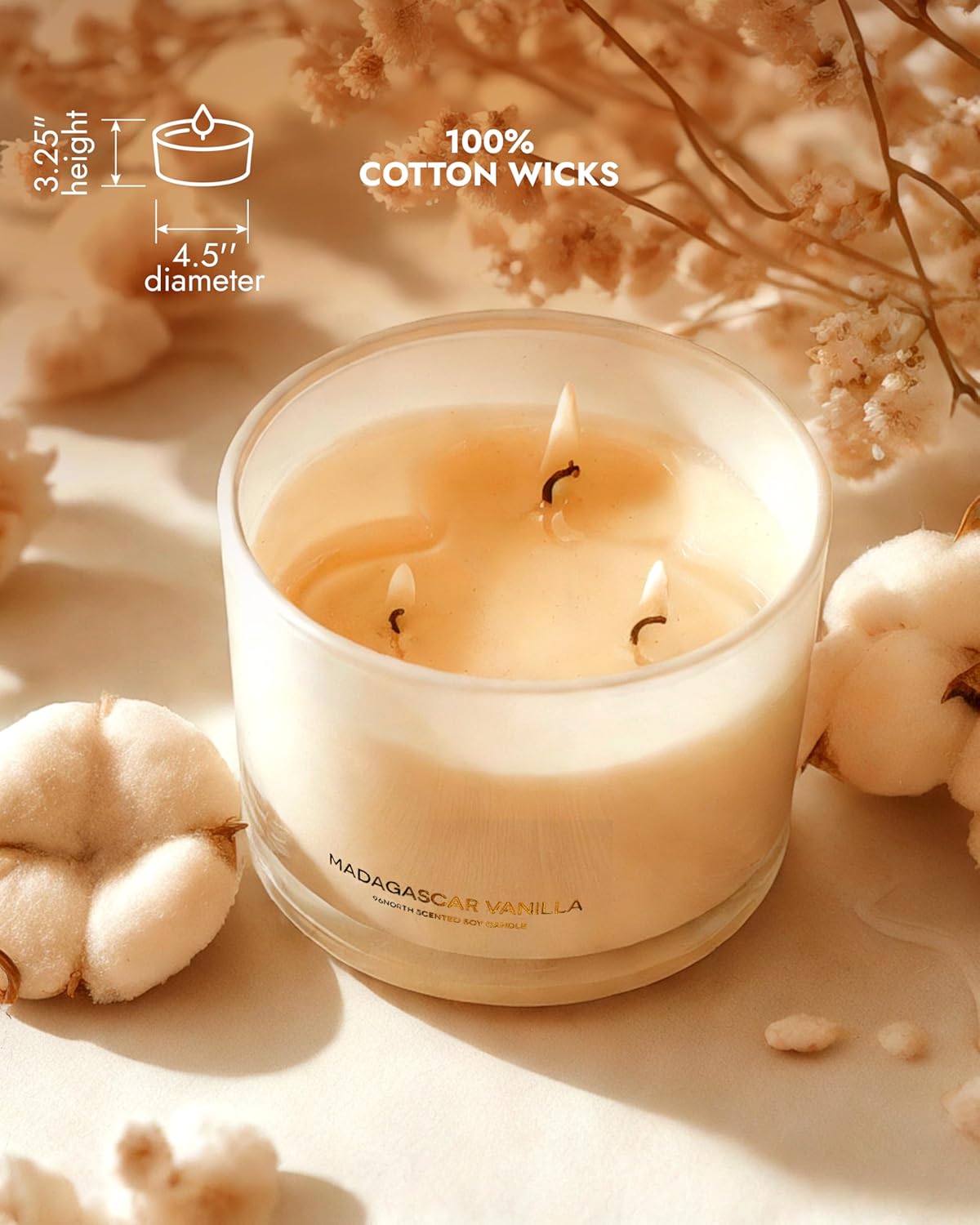
Because olfactory cues bypass our logical brain and head straight to emotional centers, they act as a direct shortcut to past experiences. To make a peaceful moment stick, pair it with a specific candle scent to easily recall that calm later.
2. The Neurological Shortcut: How Odors Bypass the Logical Brain
Why do you feel a scent before you can even name it? Unlike sight or sound, olfactory signals bypass your brain’s logical filtering center. Instead, smell goes straight to the parts of your brain that tag experiences as emotional and store them.
This neurological shortcut is the science behind fragrance and memory. A scent memory is never just a flat mental picture. When you catch a familiar aroma, you relive the exact mood of the original moment. By pairing targeted scents with your routines, you can intentionally trigger states of grounding calm or sharp focus on demand.
3. Fragrance and Memory: Why Your Brain Labels Every Aroma
Why does a universally praised calming scent make one person feel anxious and another completely serene? Your brain weaves fragrance and memory together, using aroma as a sensory label for your unique environment. Through repetition and context, smells hook onto specific personal moments.
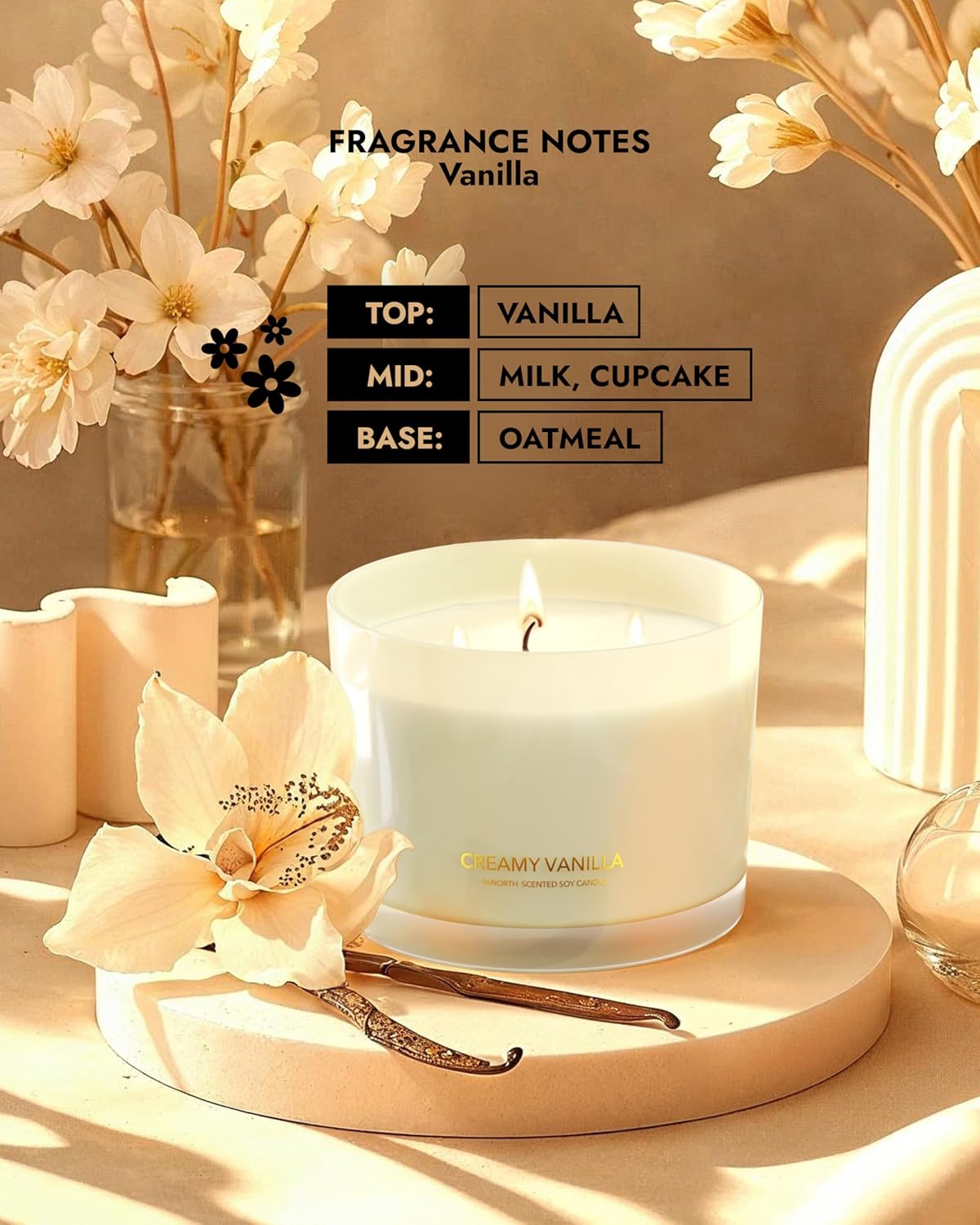
For instance, a sweet vanilla note might recall comforting childhood baking. Conversely, a sharp cologne could trigger stress if it was worn by a demanding former boss.
The magic lies in the pairing of the scent and your history. Consider one aroma you love and one you avoid. What stories do they carry?
4. How to Build Your Own Scent Cue in Three Steps
You can program your brain to shift moods on command by pairing fragrance and memory. Build your sensory anchor with this three-step protocol:
-
Define your goal: Pair one state, like focus, with a consistent aroma. If you are unsure, learn how to choose a candle scent that fits.
-
Anchor the ritual: Burn it only during a daily 2 to 5 minute habit, like stretching or journaling.
-
Protect the association: Limit this scent to your chosen routine for one week to lock in the sensory link.
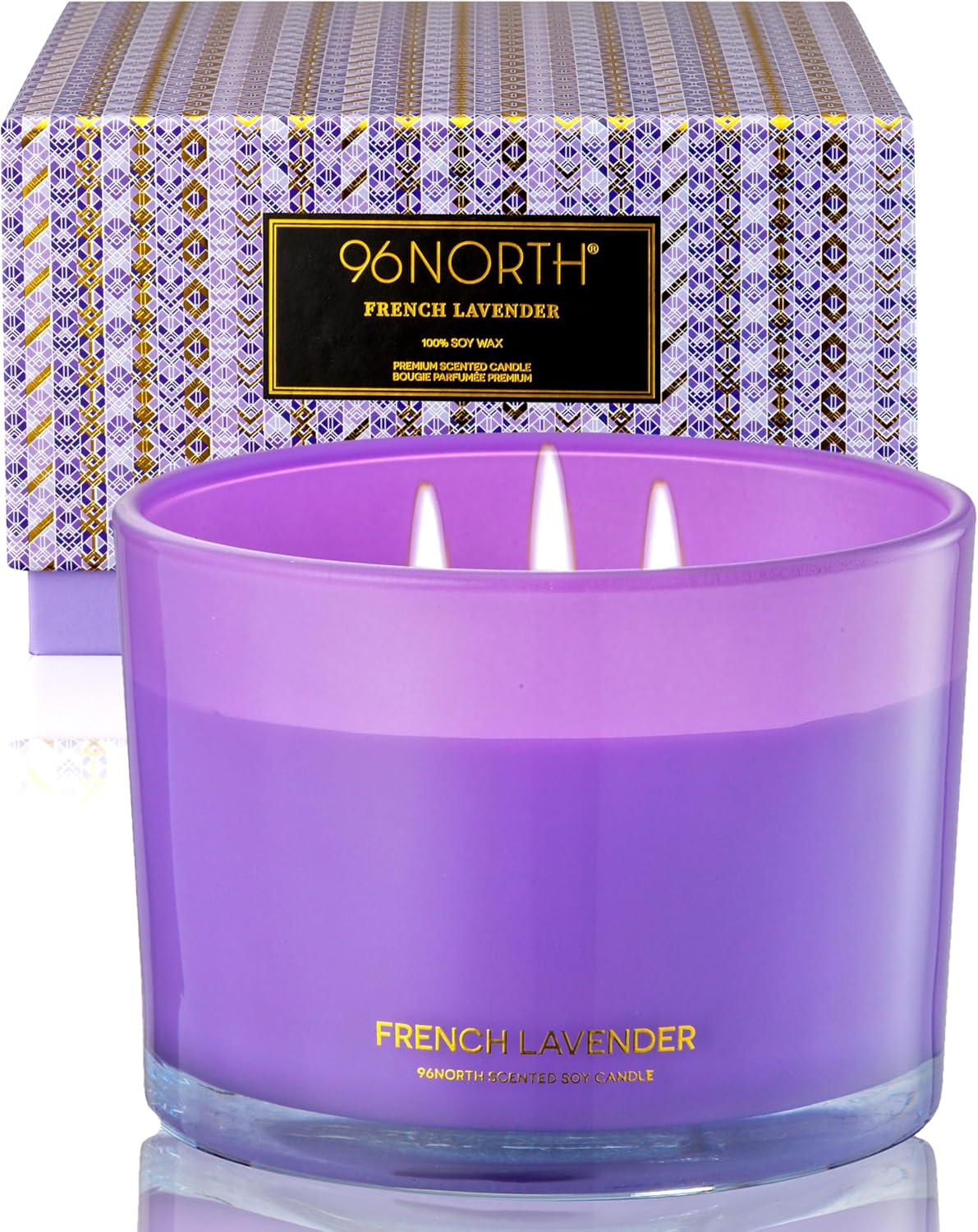
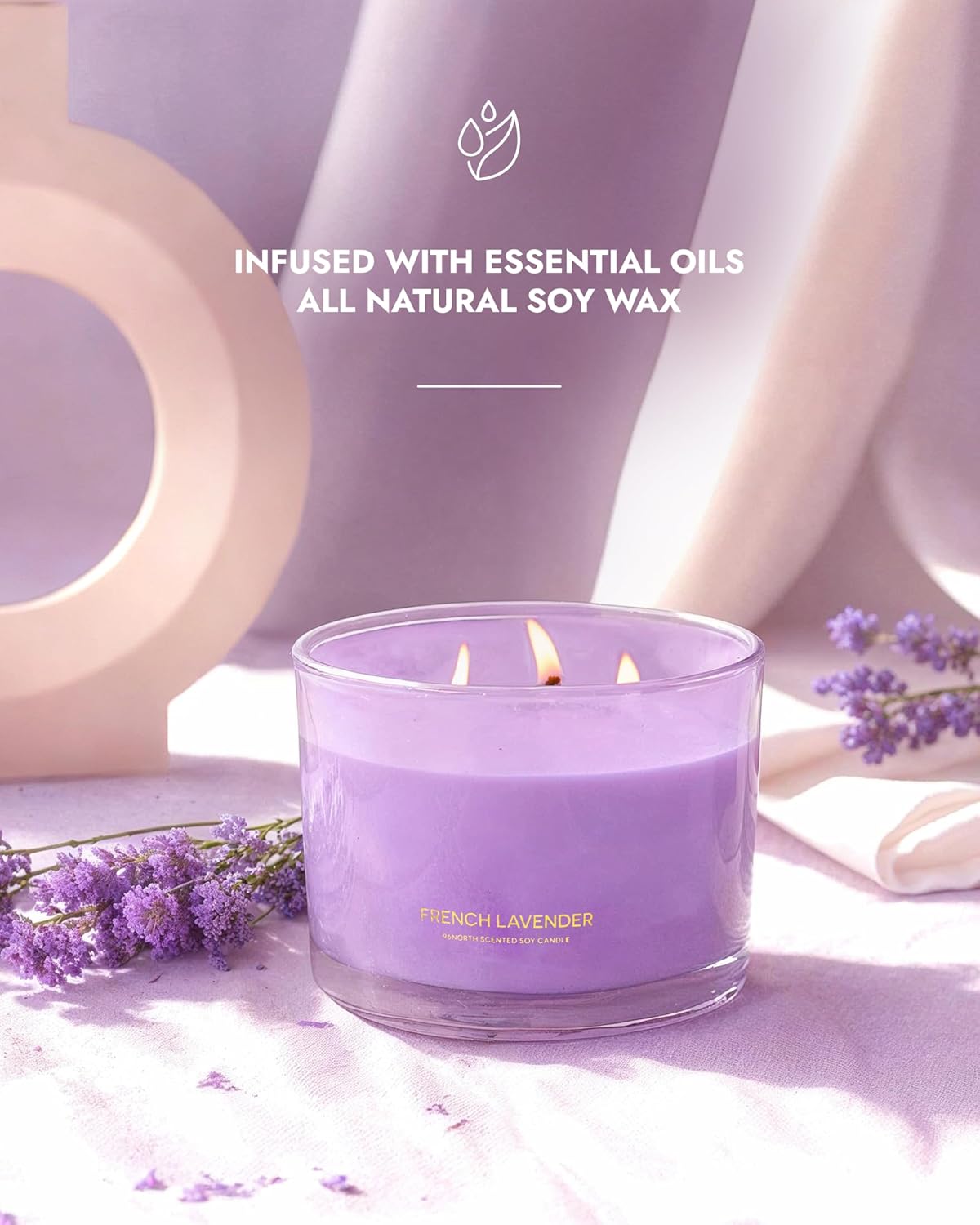
To start, explore aromatherapy candles formulated to support your daily wellness habits.
5. Context-Dependent Memory: Using Scent to Learn and Recall Faster
Recalling information is easier when your brain receives the same sensory context cue it had while learning. This biological link between fragrance and memory allows you to anchor focus and trigger faster recall during exams, presentations, language learning, or professional onboarding.
The Scent-Cue Protocol:
-
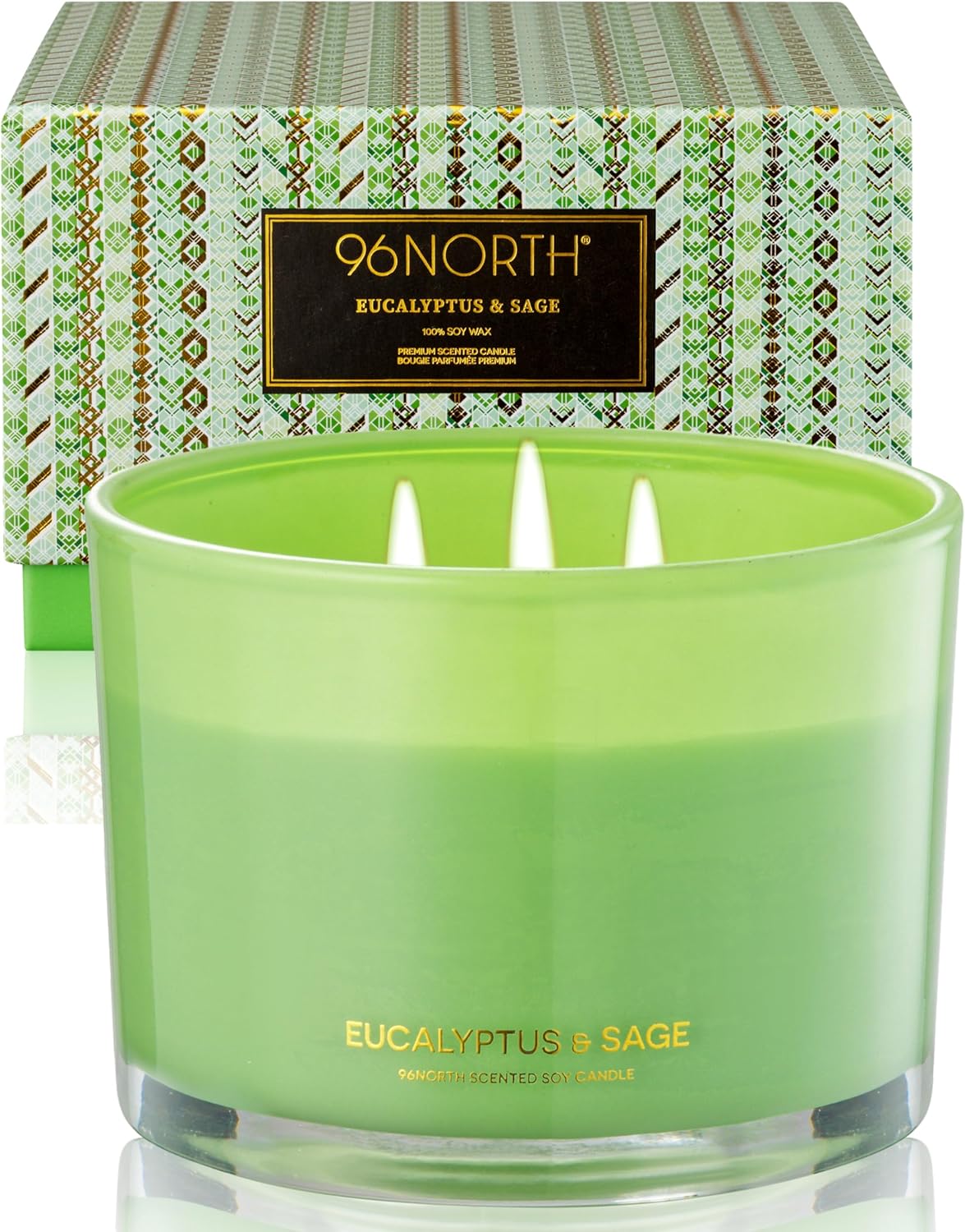
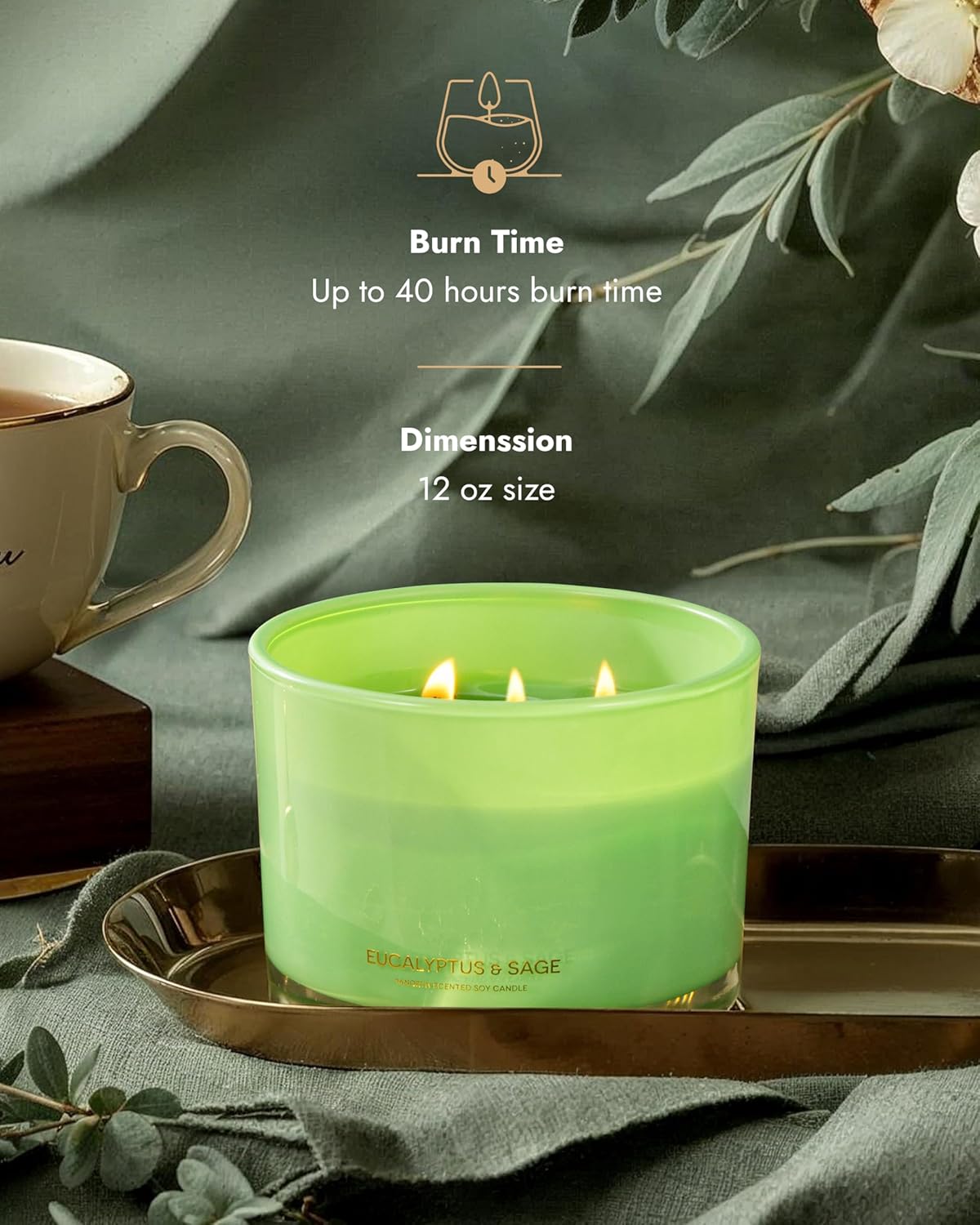
Select: Choose one subtle, consistent fragrance like eucalyptus.
-
Associate: Diffuse this scent strictly during active study or preparation sessions.
-
Retrieve: Inhale the same aroma briefly before or during your performance evaluation.
Keep the scent mild and never switch fragrances mid-topic. Quiet consistency always beats intensity.
6. Emotional Layering: Navigating Bittersweet Scent Nostalgia
Fragrance and memory share a deep neurological connection called emotional layering, where a scent recalls an intense feeling rather than just a visual scene. For example, fresh-cut grass evokes the carefree comfort of childhood summers, while hospital antiseptic triggers instant unease.
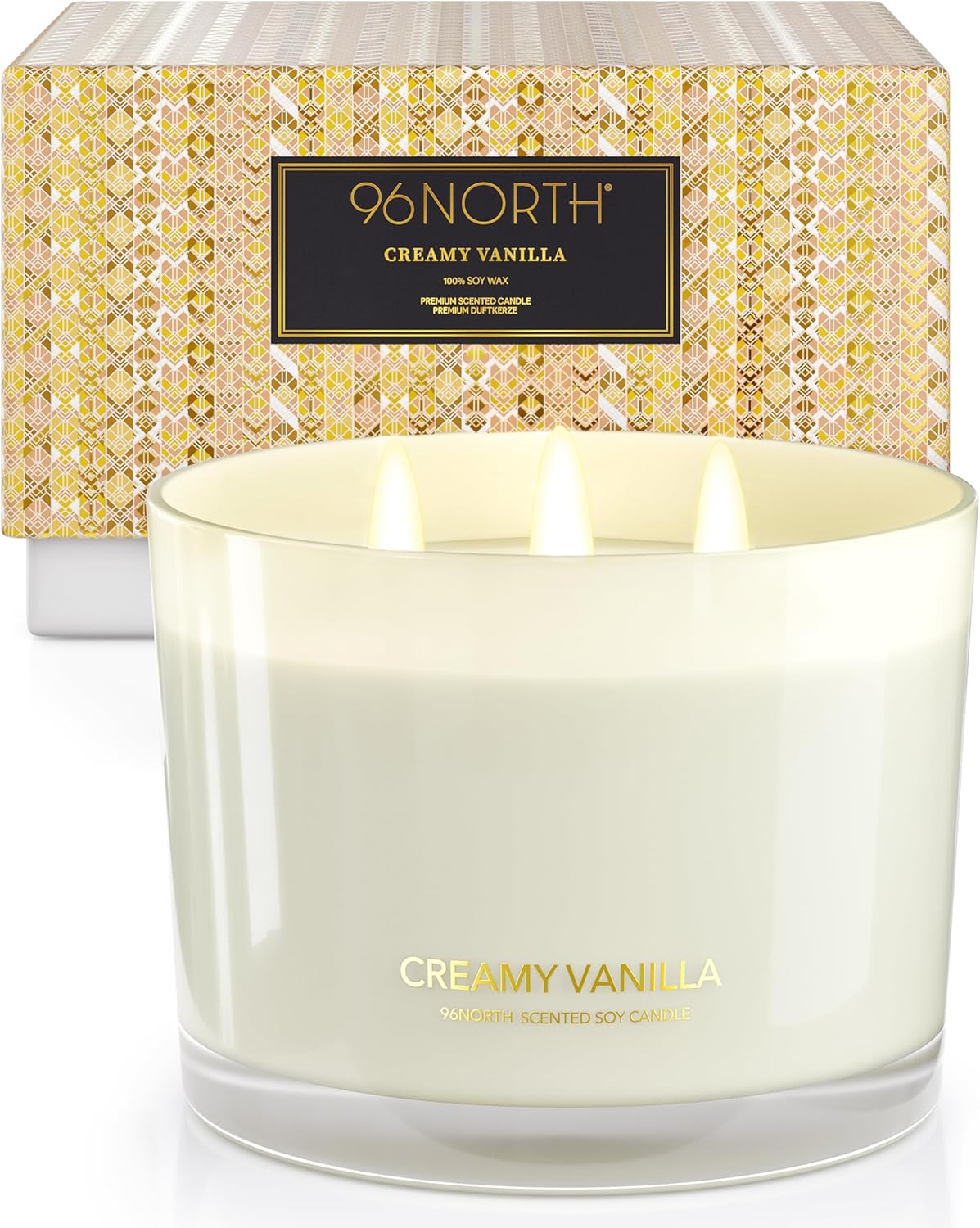
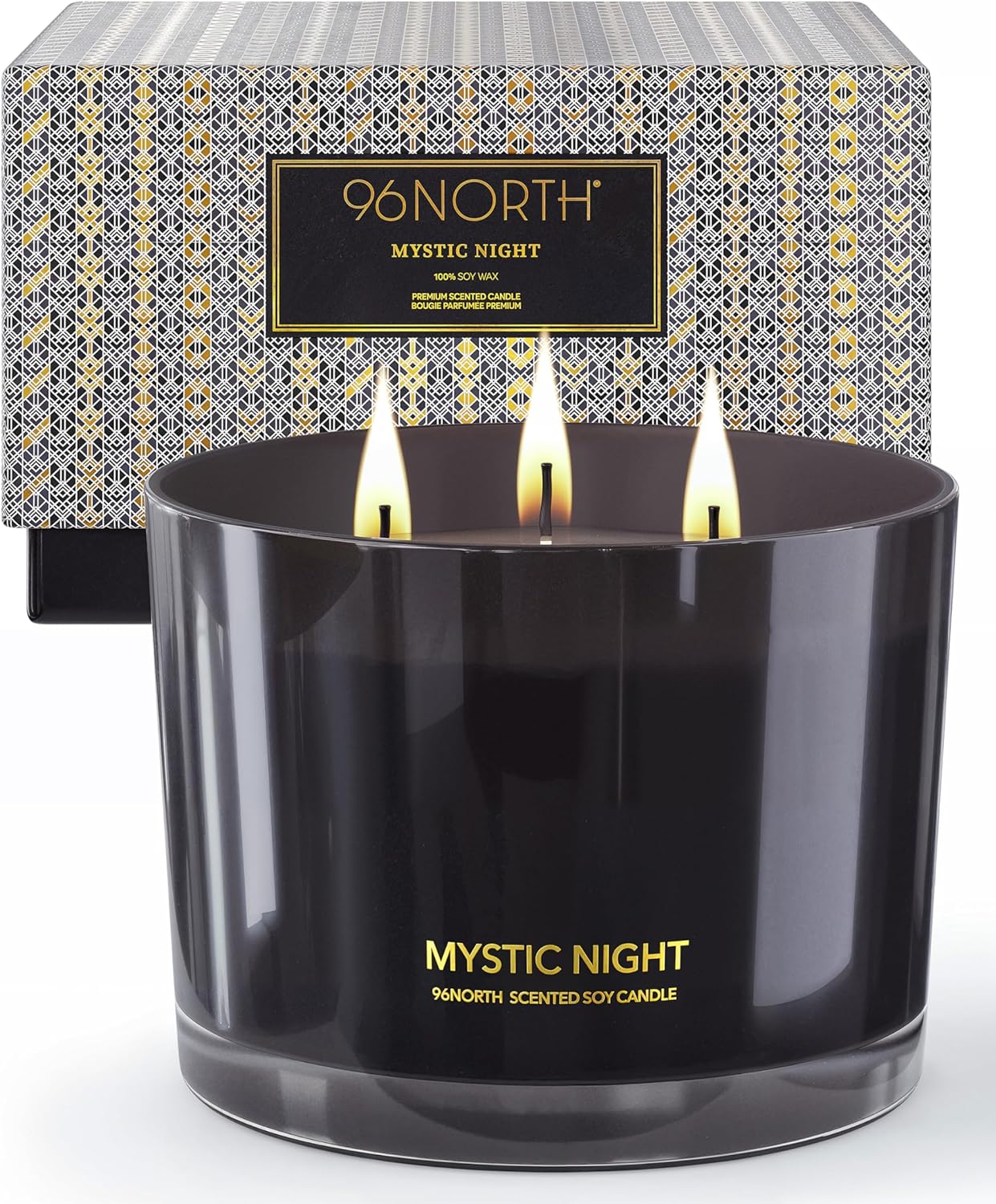
Because scent nostalgia is incredibly powerful, you can navigate it intentionally. On stressful days, bypass emotional clutter by introducing dedicated comfort scents to soothe your mind. If you are building a calming nightly reset ritual, find your grounding anchor at 96NORTH.
7. Managing Scent Triggers: Neutralizing Stress-Inducing Aromas
Sometimes a sudden whiff does not bring comforting nostalgia; instead, it triggers instant anxiety. Because of the deep link between fragrance and memory, your brain can label a scent present during a difficult event as an active danger cue.
If an aroma activates your stress response, use these grounding steps to reset:
-
Seek fresh air: Step outside or open a window immediately.
-
Use the 5-4-3-2-1 check: Focus on physical surroundings to calm your mind.
-
Pivot: Inhale a neutral safe scent you have trained to soothe you.
If triggers are intense or tied to trauma, partner with a qualified clinician.
8. Sensory Substitutes: How to Use Context Cues When Smell Is Reduced
When your sense of smell is reduced, the profound link between fragrance and memory can feel temporarily blocked. While losing these emotional triggers is challenging, you can rebuild comfort routines by anchoring your mind with other sensory context cues:
-
Sound: Play a dedicated playlist exclusively during your evening wind-down.
-
Touch: Hold a warm ceramic mug or apply textured hand cream.
-
Sight: Use a specific workspace lamp to signal focus.
If your smell is partially intact, keep aromatic cues gentle instead of chasing intense scents. Consult a medical professional if sensory changes are sudden.
9. Mapping Your Scent Library: Why Comfort is Culturally Shaped
Comforting aromas are culturally shaped, rooted in your unique history rather than generic trends. True relaxation is deeply personal, built from childhood rituals and environments. Your peace might smell like:
-
Cardamom tea or wood smoke
-
Incense or laundry soap
-
Coastal breeze
To map your personal fragrance and memory library, list three scents from your childhood kitchen, yard, or school, and the exact emotion each signals. This exercise shows why custom scent anchors succeed. They align with your genuine history, not a marketing formula.
Frequently Asked Questions
Can fragrance really improve memory, or is it placebo?
Scent is a powerful context cue that genuinely supports memory recall through a direct neurological pathway. By pairing a consistent aroma with your learning sessions, your brain creates a reliable mental shortcut. However, scent is a supportive helper rather than a replacement for active studying and healthy sleep habits.
How long does it take to create a scent anchor?
It typically takes about one week of consistent daily pairing to build a basic scent anchor. For stronger, more resilient emotional associations, continue the routine for several weeks. Make sure to keep your timing, location, and fragrance exactly the same during this initial conditioning phase.
What’s the best way to pick a candle scent for mood?
Choose a fragrance based on its physiological effect on your nervous system. Bright herbs and rich woods promote focus, while lavender and soft gourmands encourage rest. To find your ideal match, explore our guide on how to choose a candle scent for your home.
Are tea lights good for scent rituals, or do I need a big candle?
Yes, tea light candles are excellent for short, focused rituals. Their shorter burn times make them perfect for marking brief, repeatable habits like a ten-minute morning meditation or a quick journaling session without needing to light a larger luxury candle.
Where can I browse aromatherapy-style candles to start a scent routine?
You can browse our curated collection of aromatherapy candles to find the perfect sensory anchor for your wellness rituals. Explore the full range of natural soy blends at 96NORTH to begin designing your mindful space today.