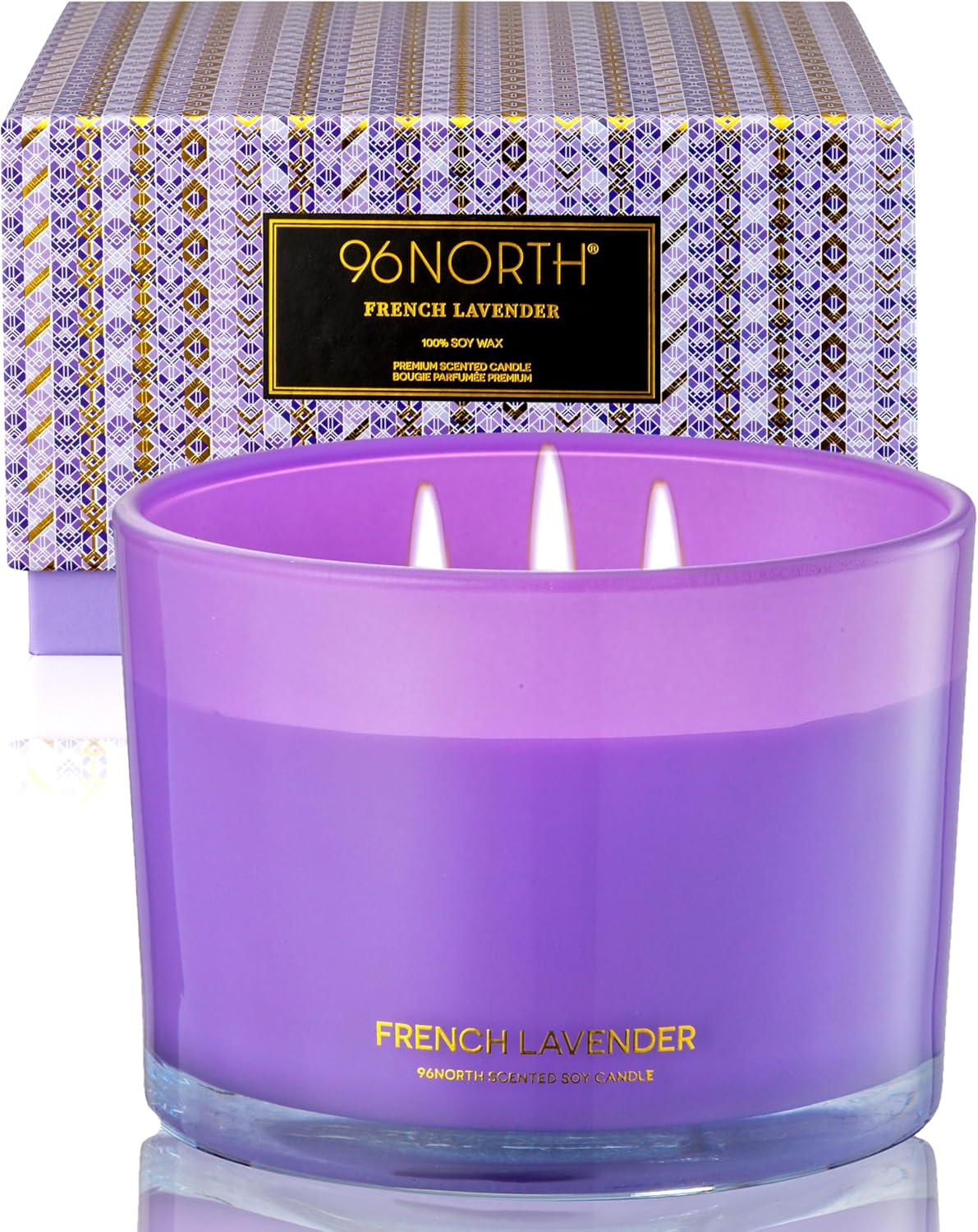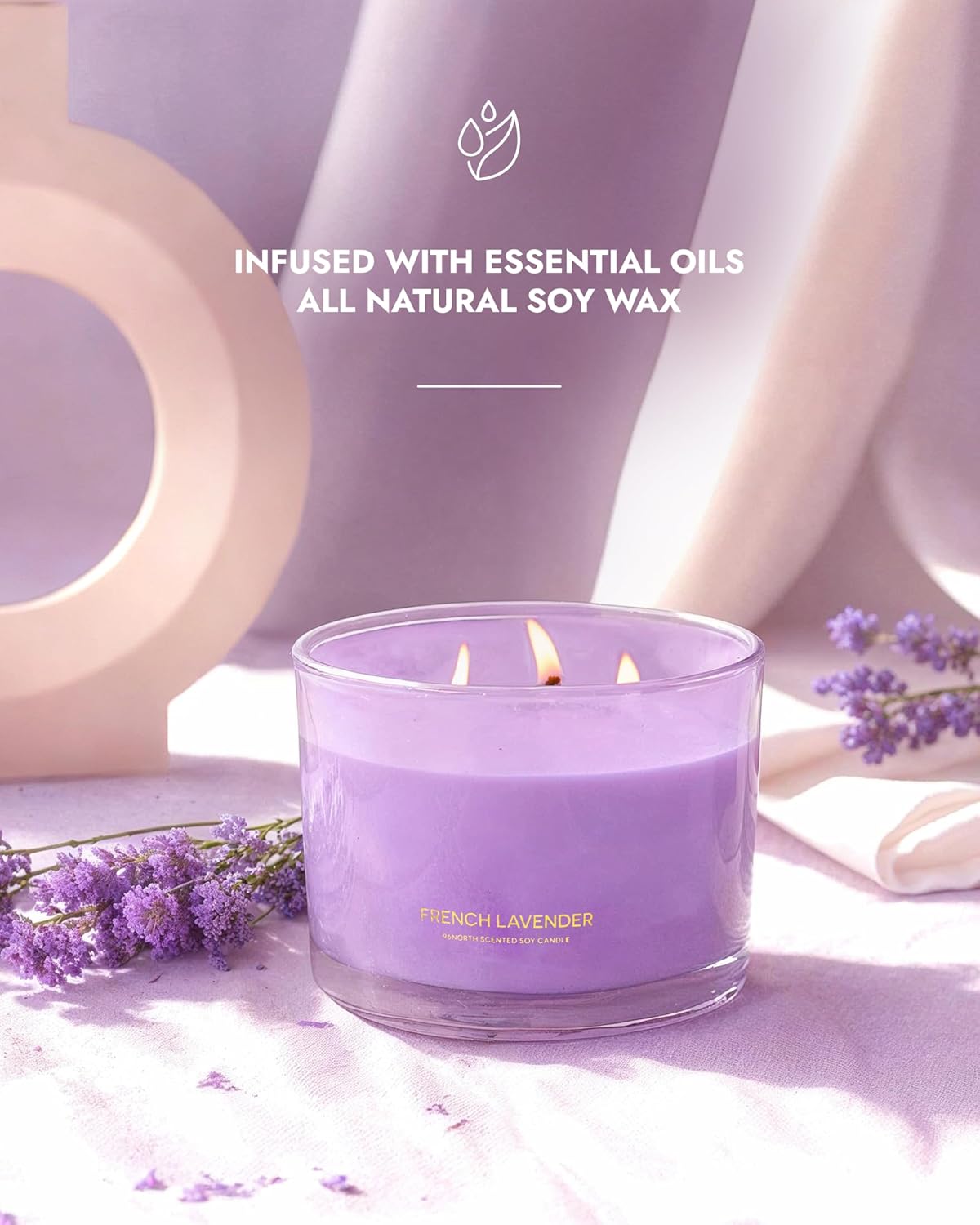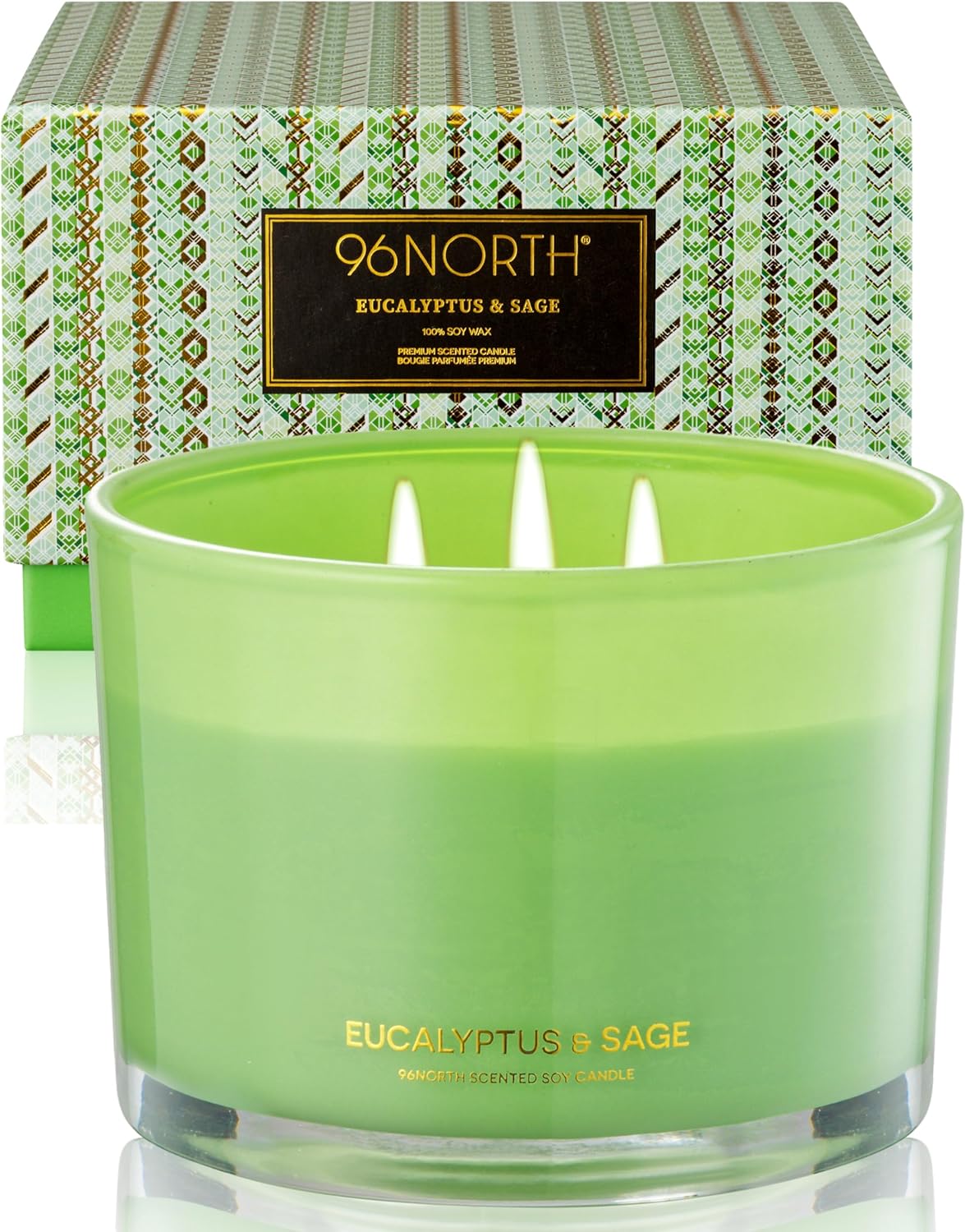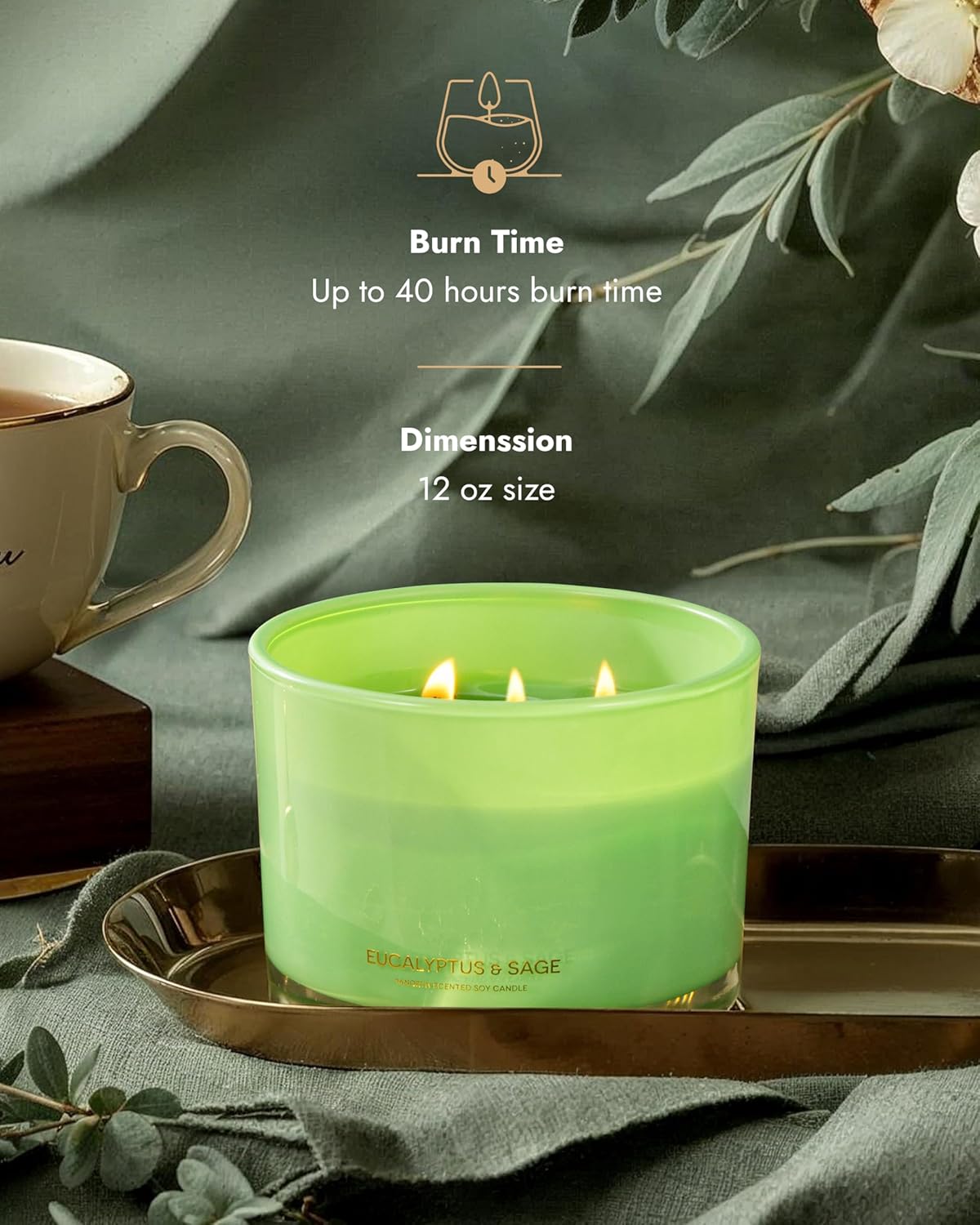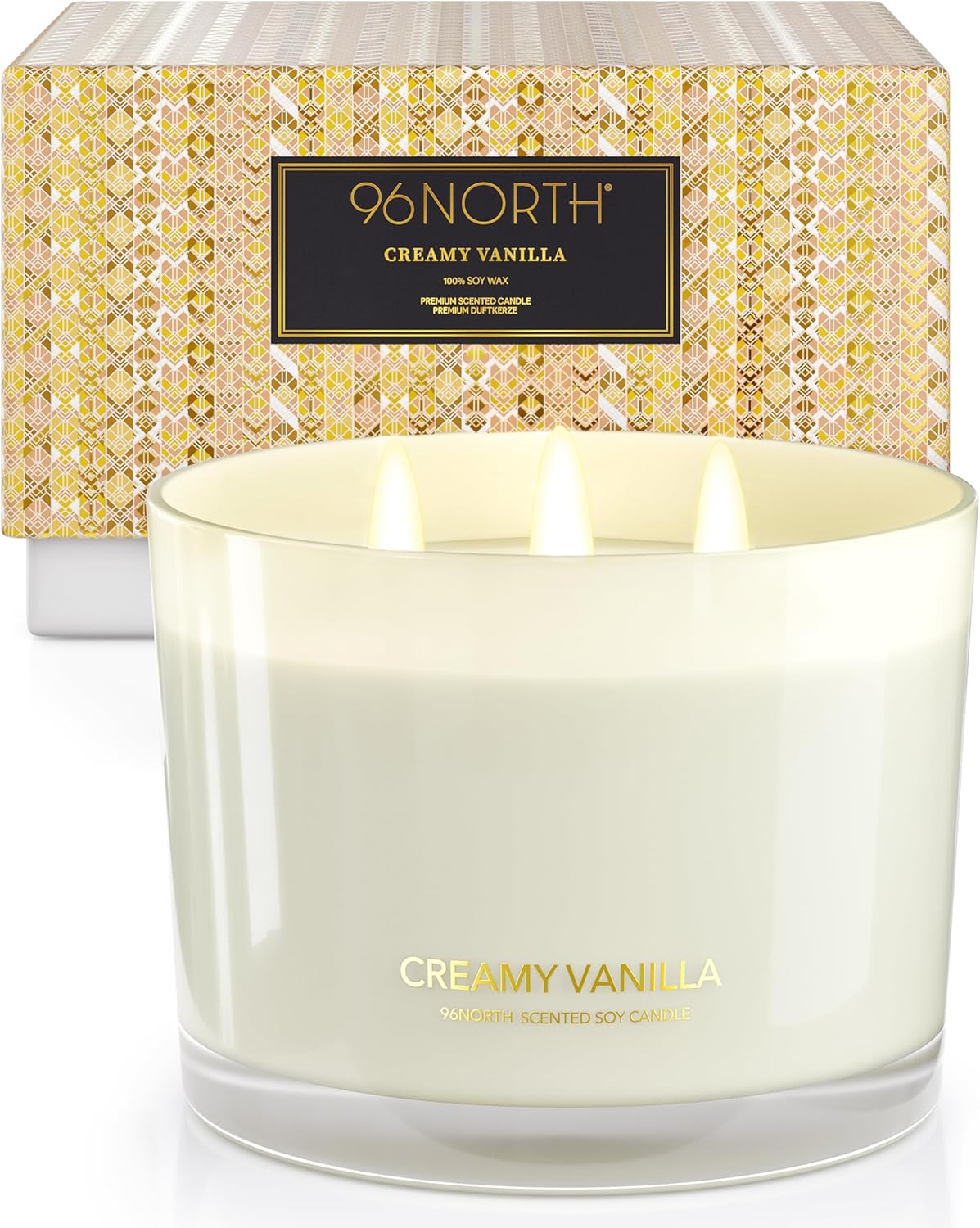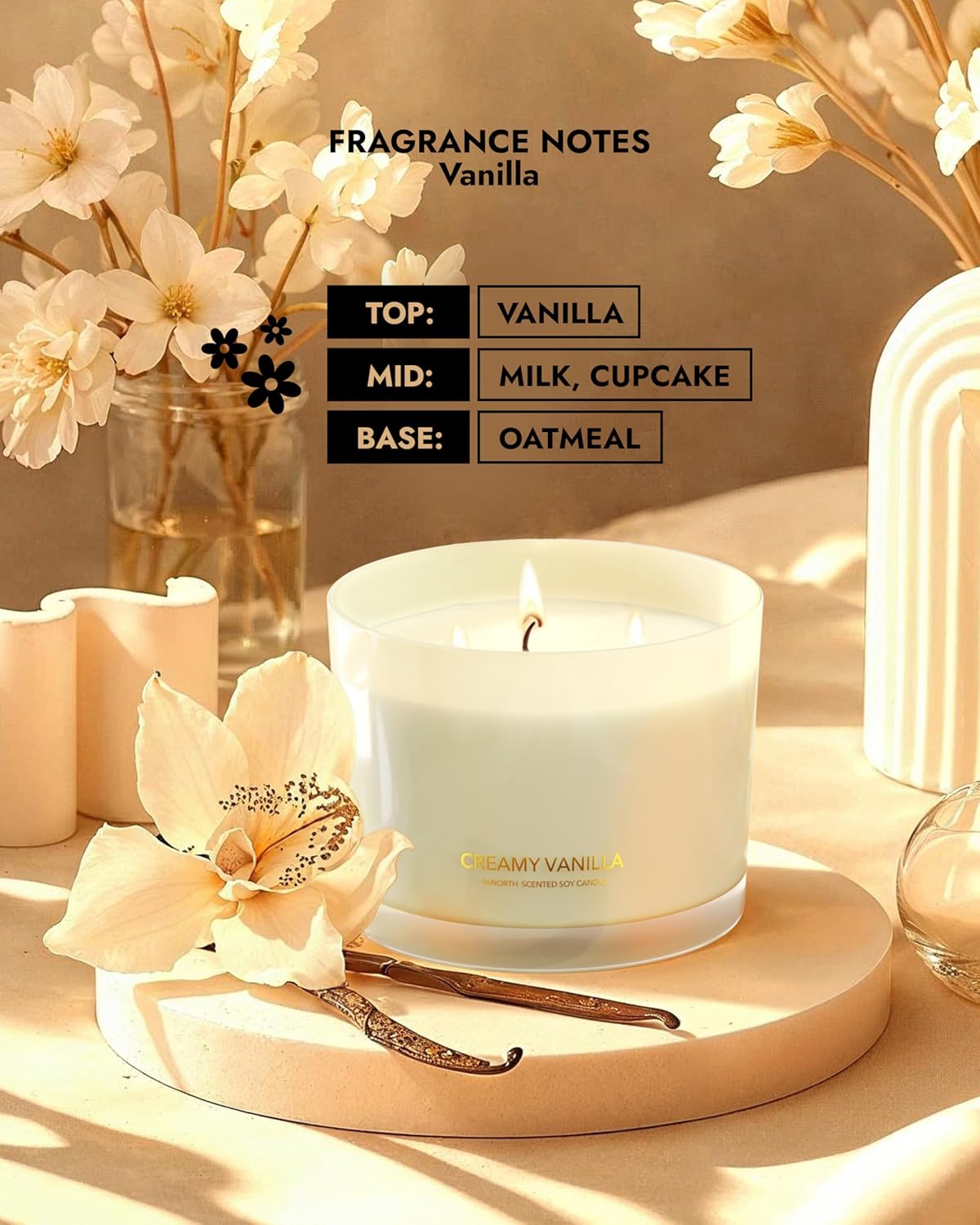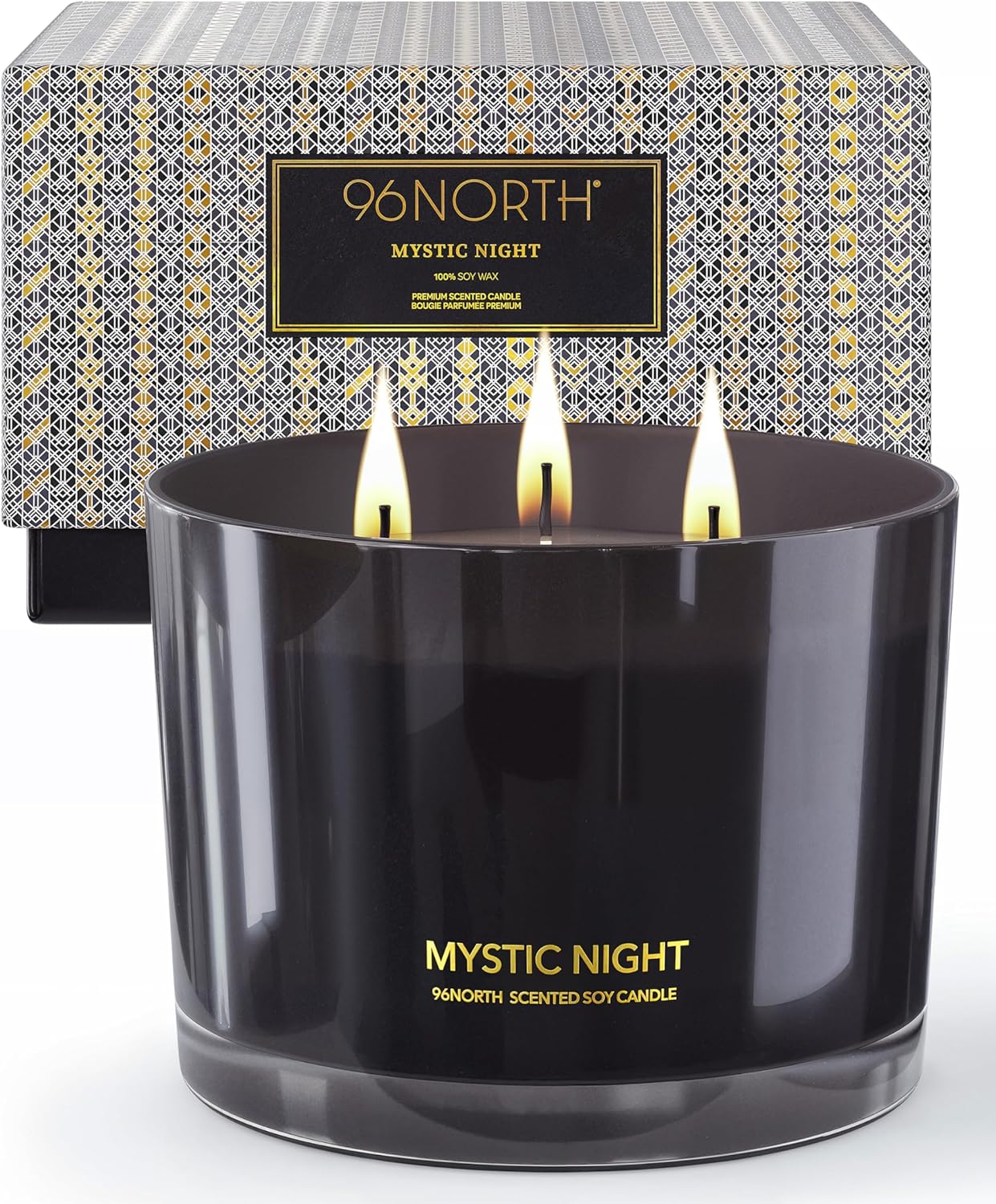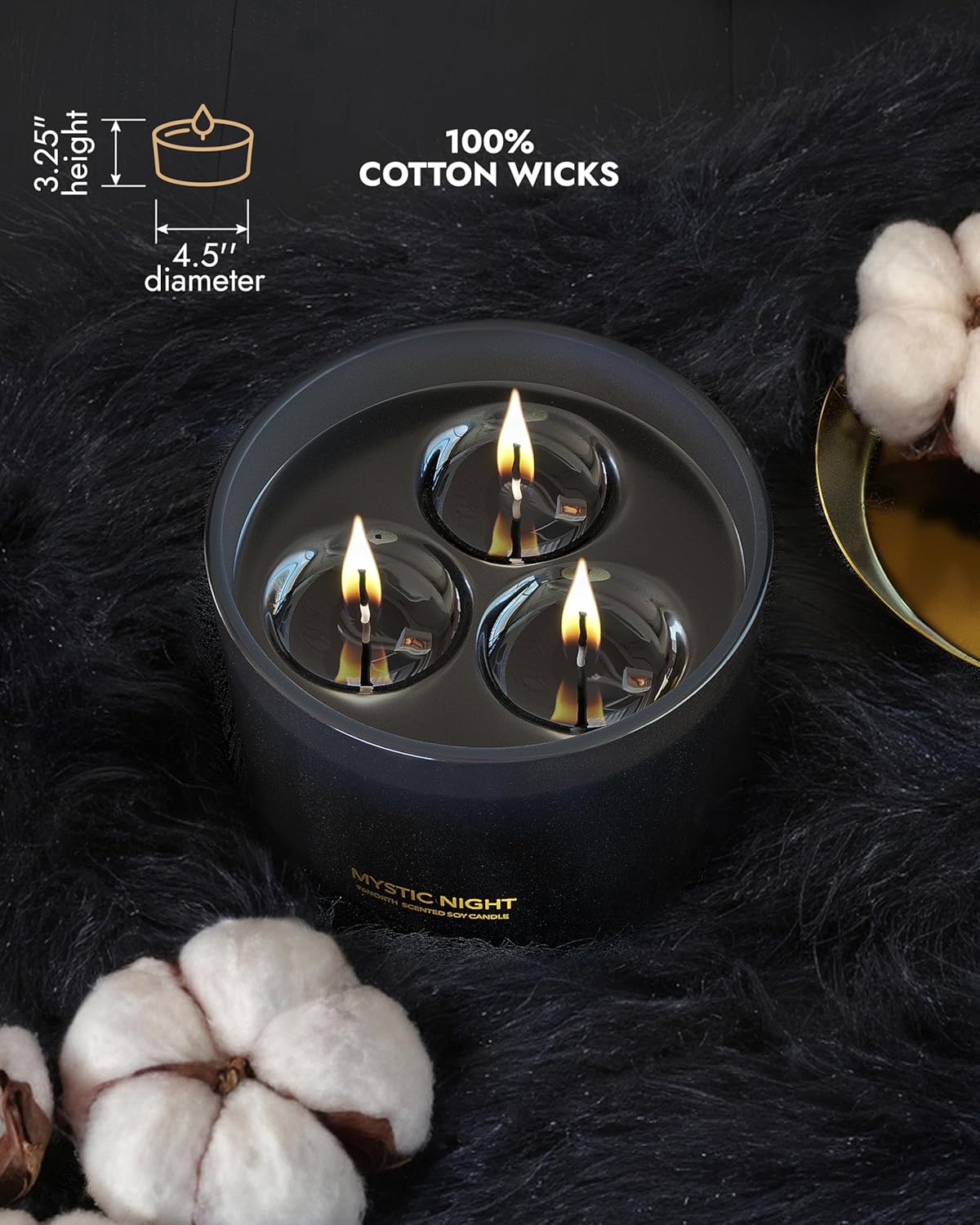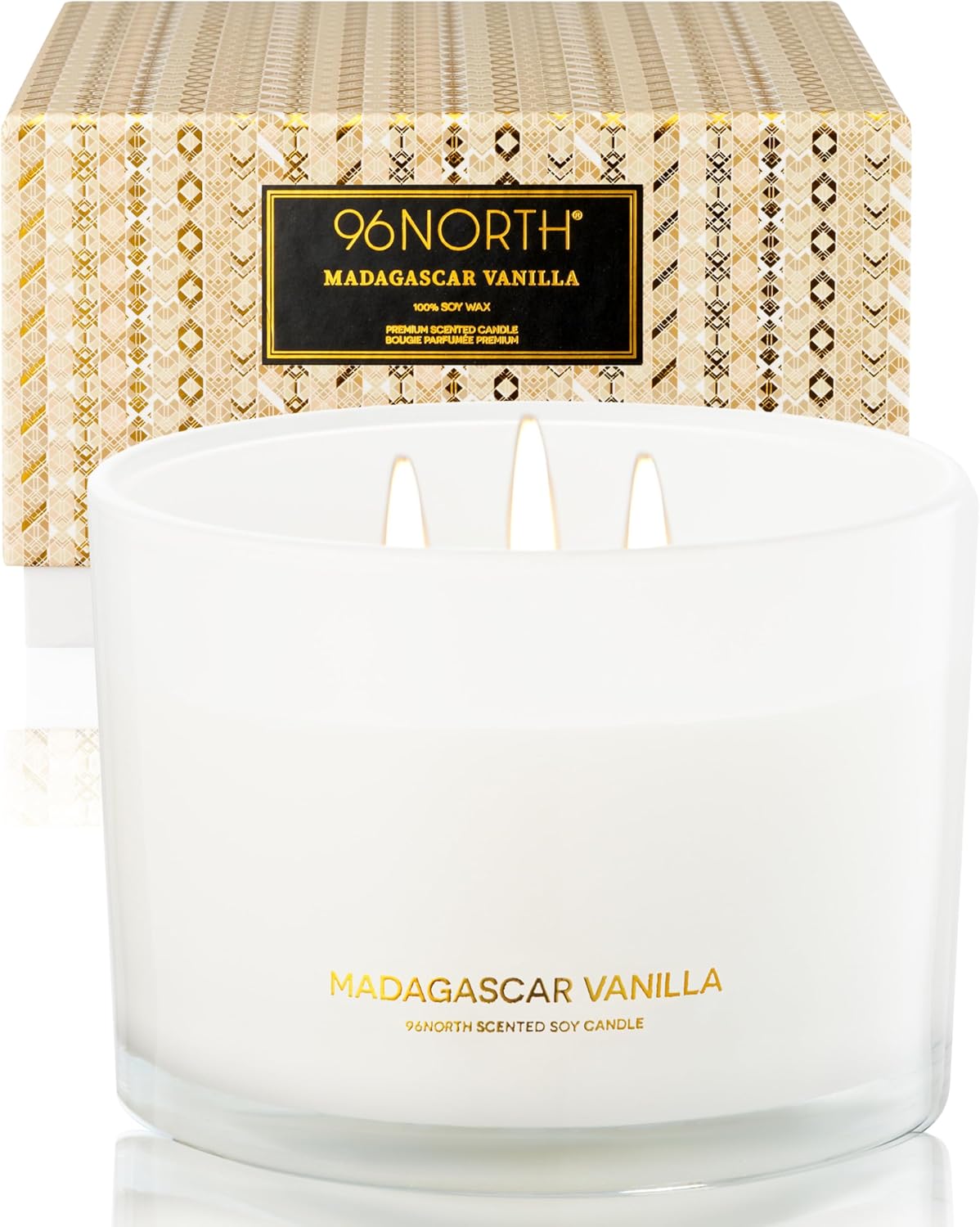

You want a beautifully scented home, not a lingering tension headache or soot-stained walls. Navigating the debate of natural candles vs synthetic alternatives means looking past greenwashed labels to focus on what actually impacts your air quality: wax, wick, and fragrance. We compare these practical trade-offs objectively, helping you match the right clean-burning blend to your bedroom, nursery, or home office.
Here is what actually drives your indoor burn risk.
1. Flame Behavior Matters More Than Marketing Labels
In the debate of natural candles vs synthetic, the most practical lever for indoor air quality is flame behavior, not marketing labels. Even a pure, non-toxic candle will release soot if the flame is left unmanaged. Any wax will smoke if it is placed in a draft or paired with an improper wick.
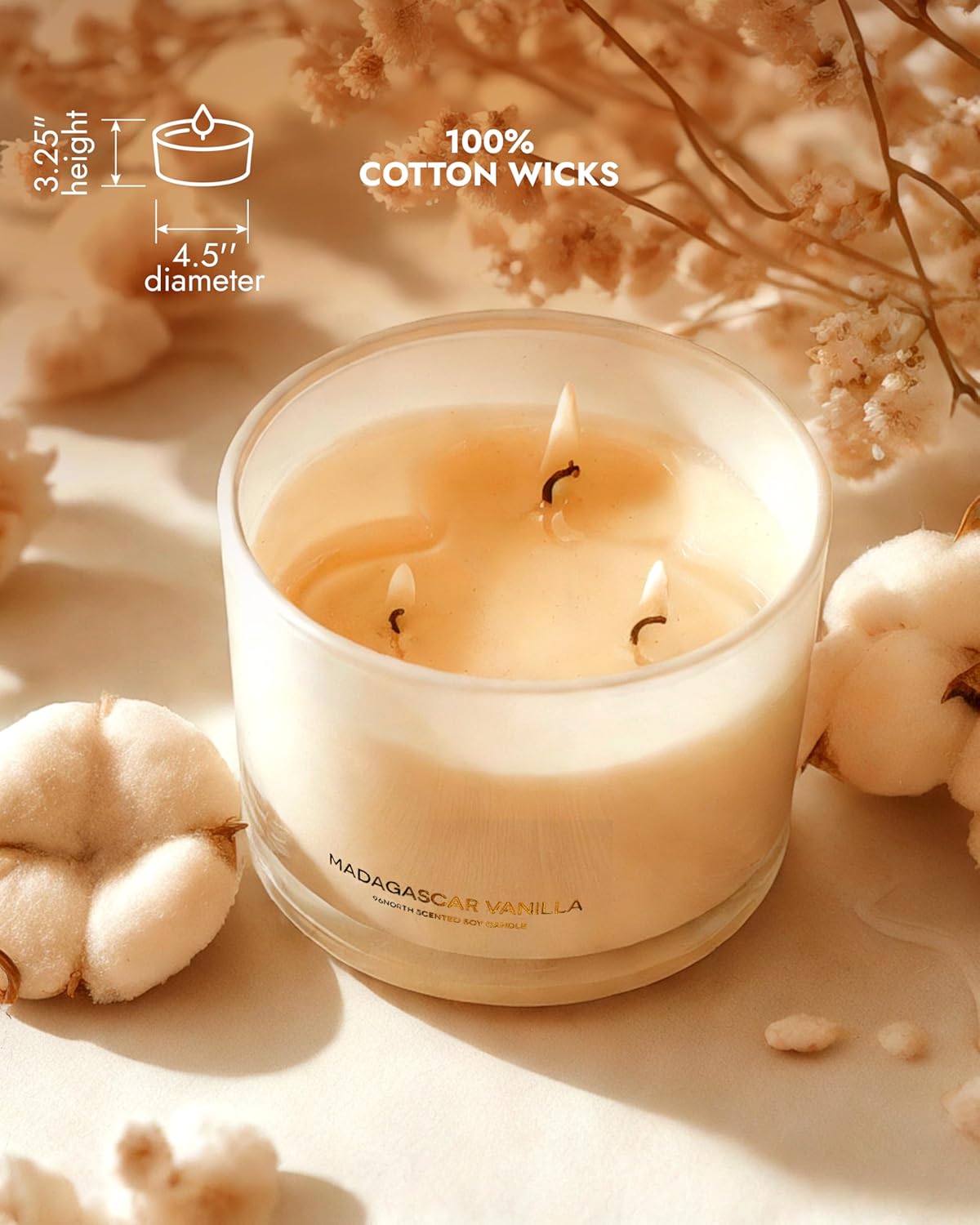
Reducing indoor irritation starts with simple physics. For a clean, soot-free burn, trim your cotton wick to one-quarter of an inch and place the vessel away from open vents. A cracked window provides safe ventilation without disrupting the flame. Once you master burn mechanics, you can accurately evaluate the underlying wax bases.
2. Natural vs. Paraffin Waxes: The Performance Trade-Offs
Your choice of wax directly predicts how a candle behaves. In the debate of natural candles vs synthetic options, the base determines soot potential, burn time, and fragrance performance.
-
Natural Waxes (Soy, coconut, beeswax): Sourced renewably, offering a slower, cleaner-feeling burn with minimal soot.
-
Synthetic/Petroleum Waxes (Paraffin): Deliver a stronger scent throw and consistent performance across diverse candle shapes.
Watch out for marketing: "soy blend" labels often hide a formula that is mostly paraffin. Choose based on your priorities: natural waxes suit air sensitivities, while paraffin offers maximum throw on a budget.
Yet, wax is only half the story. The scent source itself dictates the final experience.
3. Scent Chemistry: Why "Natural" Isn't Always Safer
Choosing natural candles vs synthetic alternatives isn't a simple safety debate. Essential oils are botanical extracts, while synthetics are lab-made molecules; many clean candles blend both.
Each offers distinct benefits:
-
Naturals: Deliver authentic botanical character to ground wellness rituals.
-
Synthetics: Provide stability, consistency, a wider scent palette, and better hot throw.
Crucially, "natural" does not equal "gentle." Plant extracts contain volatile allergens that trigger headaches and sensitivities as easily as lab-made compounds. Prioritize brands sharing complete ingredient transparency over those relying on "no synthetics" marketing.
Next, we anchor these performance claims in what emissions research and medical guidance actually say.

4. Realistic Risk: What Science Says About Candle Emissions
Viral headlines often equate candles to diesel exhaust, but actual toxicology paints a calmer picture. Burning any organic material releases trace particulate matter and volatile organic compounds (VOCs). However, reputable health guidance confirms that typical candle use in ventilated spaces poses no imminent hazard. Most alarmist claims rely on non-peer-reviewed or contested studies that burned candles in sealed, unventilated test chambers.
To keep your home air clean, follow this simple risk-reduction framework:
-
Keep spaces ventilated with gentle airflow.
-
Trim wicks to eliminate heavy soot.
-
Choose dye-free formulas if you have respiratory sensitivities.
Whether evaluating natural candles vs synthetic options, managing soot production is your primary day-to-day differentiator for indoor air quality.
5. Reading the Smoke: Troubleshooting Soot and Flame Signals
Your candle signals an improper burn through clear physical signs. Watch for:
-
A flickering flame or visible smoke
-
Black soot coating the jar
-
A mushroomed wick or burnt odor
These issues rarely stem from the wax itself. They occur when the wick is too long, drafts agitate the flame, debris clutters the pool, or the candle is sized incorrectly for the vessel.
To fix this:
-
Trim the wick to one-quarter inch.
-
Keep the vessel away from vents.
-
Melt the wax edge-to-edge.
These habits protect your indoor air quality regardless of the wax label. Yet, for some, the issue is not soot, it is sensory sensitivity.
6. Managing Sensitivities: Practical Guardrails for Reactive Homes
If you manage asthma, allergies, migraines, or share a space with infants and pets, absolute claims about "toxicity" matter less than your immediate physical response. Reactions to natural candles vs synthetic blends are real, but you can safely preserve your home rituals with practical guardrails.
Optimize your environment with these targeted habits:
-
Selection: Prioritize subtle scent profiles, dye-free formulas, lead-free cotton wicks, and brands with fully transparent ingredient lists.
-
Usage: Limit burn sessions to under two hours, keep rooms well-ventilated, and avoid scenting active sleeping quarters.
Immediate physical comfort is only the first step. Beyond personal wellness, the environmental footprint of these sourcing options is where the clean-living debate gets complicated.
7. Sourcing and Sustainability: Navigating the Complex Wax Footprint
The environmental footprint of natural candles vs synthetic options is rarely black and white. True sustainability depends on sourcing, farming, transport, and how long the candle lasts.
Natural waxes carry distinct tradeoffs:
-
Soy: Often tied to resource-intensive monoculture and pesticides.
-
Beeswax: Constrained by a strictly limited global supply.
-
Coconut: Requires long-distance shipping that inflates carbon costs.
Conversely, while paraffin is non-renewable, it utilizes a petroleum byproduct that would otherwise be discarded, making it a nuanced value choice.
If sustainability is your priority, look for these markers:
-
Supply chain transparency
-
Slower, cleaner burn times
-
Reusable or recyclable packaging
Once you align these environmental values, the next step is performance: how your candle smells and how long it lasts.
8. Scent Throw and Longevity: The Practical Performance Trade-Offs
Synthetic fragrances project further and remain stable batch-to-batch. Natural essential oils offer a subtler, intimate throw that varies by crop harvest. Because botanical yields are low, natural ingredients drive up retail costs, while synthetic alternatives provide budget-friendly consistency.
To maximize performance, match the candle type to your space and goal:
-
Synthetics: Use these high-throw scents in large rooms when hosting.
-
Naturals: Reserve these delicate aromas for close-range focus or evening wind-down rituals.
Choosing your candle requires navigating clever marketing. Next, learn to spot greenwashing with a quick label-reading checklist.
9. Spotting Greenwashing: A Clean-Living Buyer's Checklist
When navigating the natural candles vs synthetic debate, marketing claims can mislead. Use this retail-ready checklist to audit any candle instantly:
-
Wax: Demand "100% soy" or "100% beeswax." Avoid vague "soy blends" which often hide paraffin.
-
Wicks: Choose untreated cotton or wood. Reject metal or mystery cores.
-
Fragrance: Prioritize transparent ingredient lists. Avoid generic "parfum" if you suffer from scent-triggered headaches.
-
Additives: Select dye-free, phthalate-free formulas to minimize indoor toxins.
-
Brand: Buy from makers who publish safety standards, clear FAQs, and source origins.
Align your choice with your wellness priority: choose synthetic blends for maximum scent throw, 100% natural wax for low irritation, or beeswax for eco-sustainability.
Next, let's translate these selection rules into a daily burning protocol for your home sanctuary.

How to Build a Clean Daily Routine: Natural Candles vs Synthetic Options
Comparing natural candles vs synthetic options only matters if it changes your habits. Use this routine to turn your fragrance choices into a clean ritual.
Step 1: Define Your Daily Routine Goal
-
Focus: Burn crisp herbs during morning work.
-
Decompression: Light woody notes to end the workday.
-
Sleep wind-down: Use calming florals during evening wind-down.
Step 2: Choose Your Wax Foundation
-
Select 100% plant-based soy wax if you prioritize eco-friendly values or have indoor sensitivities.
Step 3: Match Room Scent Intensity
-
Begin with subtle scents in smaller rooms. Scale up for large, open-concept spaces.
Step 4: Master Safe Burn Habits
-
Trim cotton wicks to one-quarter inch before lighting.
-
Keep vessels away from drafts.
-
Extinguish the flame if visible smoke persists.
Step 5: Practice True Scent Literacy
Understand how scented candles work to optimize room throw. On low-flame days, use how long reed diffusers last to choose a lower-soot home fragrance option.
Explore our floral candle collection for calmer routines, or build your sensory wellness ritual at 96NORTH.
Frequently Asked Questions
Are paraffin candles toxic?
Paraffin candles are not inherently toxic when burned occasionally, but they do release more volatile organic compounds and fine soot than plant-based waxes. The actual respiratory risk depends on your room ventilation, burn frequency, and flame management. If you have respiratory sensitivities, choose a 100% plant-based wax like soy. Regardless of the wax type, prioritize proper ventilation and avoid visible smoke.
Are essential oil candles always safer than synthetic fragrance candles?
No, essential oil candles are not automatically safer than synthetic options. Natural botanical extracts contain active allergens that can trigger respiratory irritation or skin sensitivities just like lab-made fragrance molecules. When comparing natural candles vs synthetic options, safety is about formulation quality and personal tolerance. If you have high sensitivities, look for lighter fragrance profiles and complete brand transparency.
What does "phthalate-free" actually mean for candles?
A "phthalate-free" label means the fragrance does not contain a specific class of chemical plasticizers often used to extend scent throw. However, this claim is not a full ingredient disclosure. While it represents a positive step toward cleaner burning, you should still evaluate the entire product. Check the wax type, wick material, and the brand's overall safety standards before purchasing.
Why do I get headaches from some candles?
Candle-induced headaches are usually caused by intense fragrance concentration, heavy soot emissions, or burning candles in poorly ventilated spaces. High scent throws can overwhelm the olfactory system, while incomplete combustion releases irritating particulates. To prevent headaches, limit your burn times to under two hours, keep your space well-ventilated, and choose lighter scent profiles. See Managing Sensitivities above for more guardrails.
What is the simplest clean candle swap for daily home fragrance?
If you want continuous, soot-free aroma, rotate flame-free options like high-quality reed diffusers into your home. Understanding how long reed diffusers last helps you design a low-maintenance, clean scent routine that complements your candle burning. For a gentle, soothing daily ritual, explore our collection of floral scents or find your next clean sensory anchor at 96NORTH.