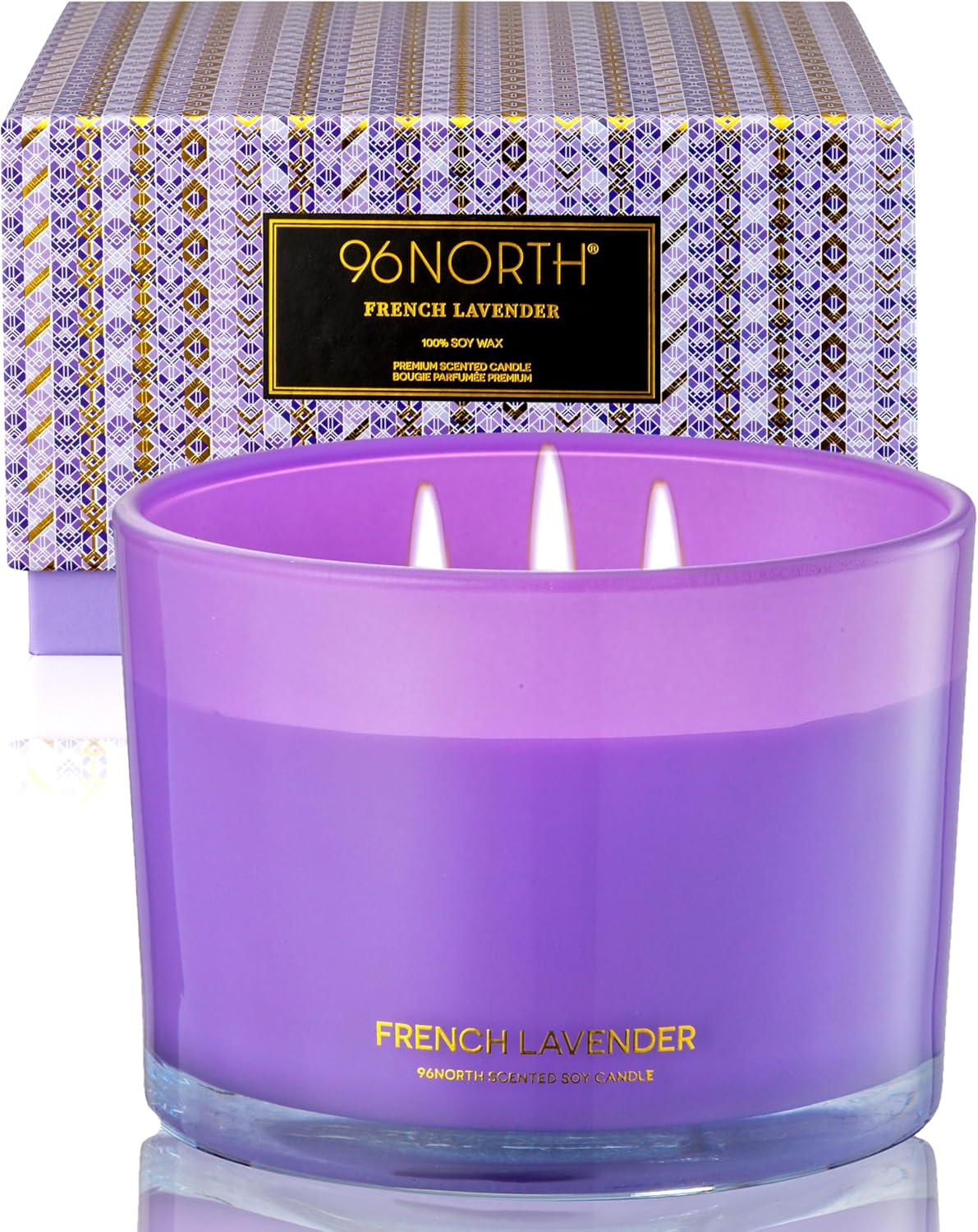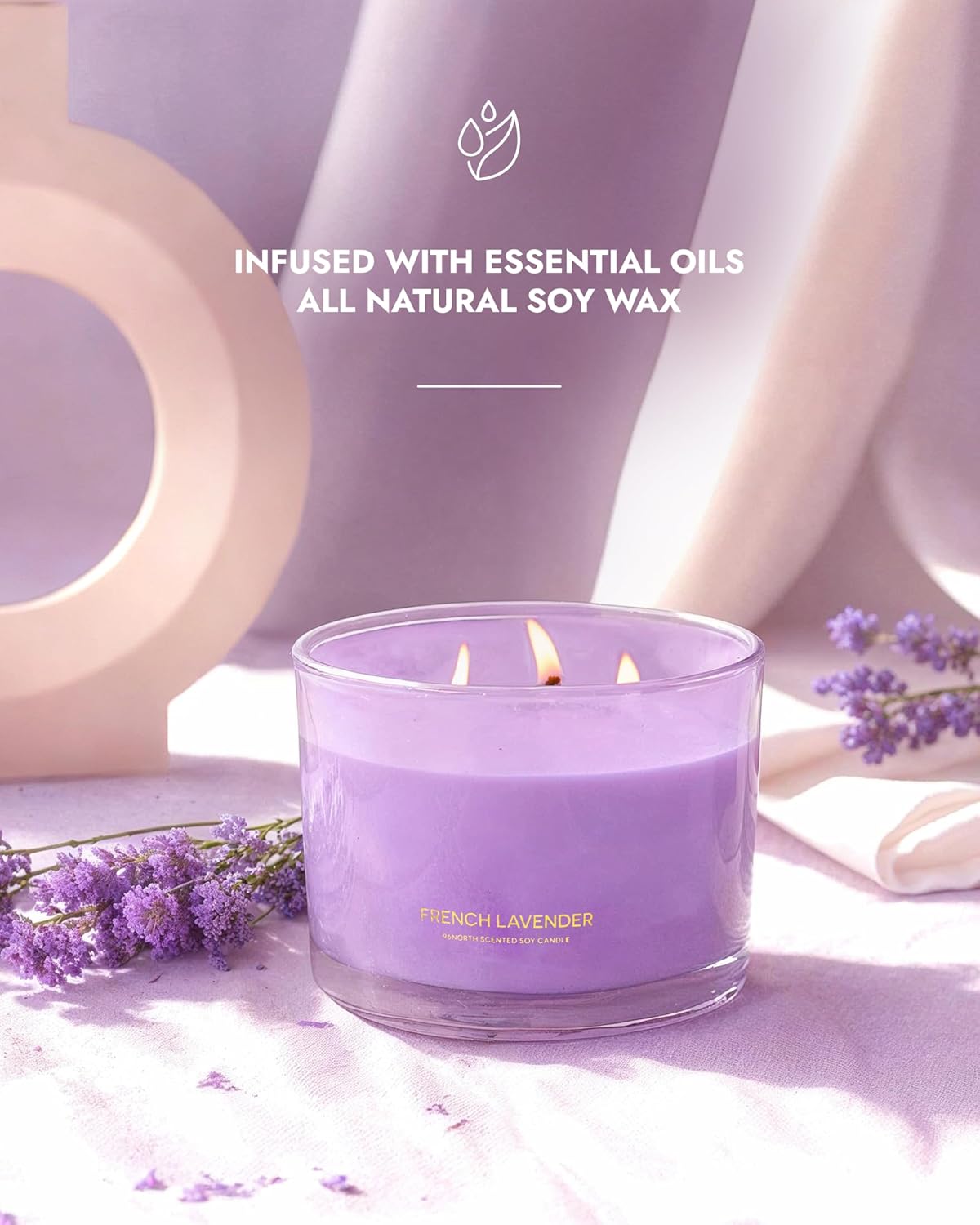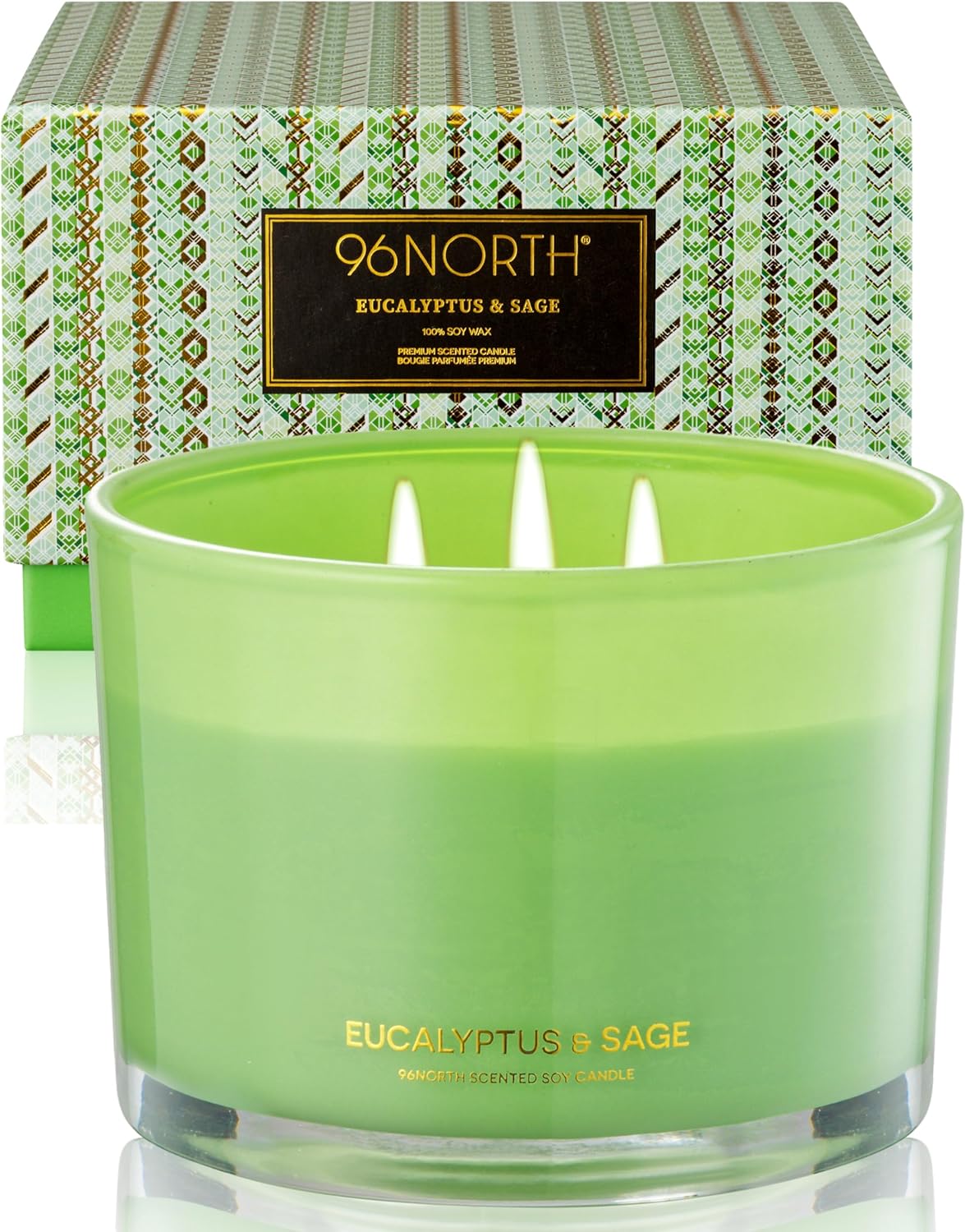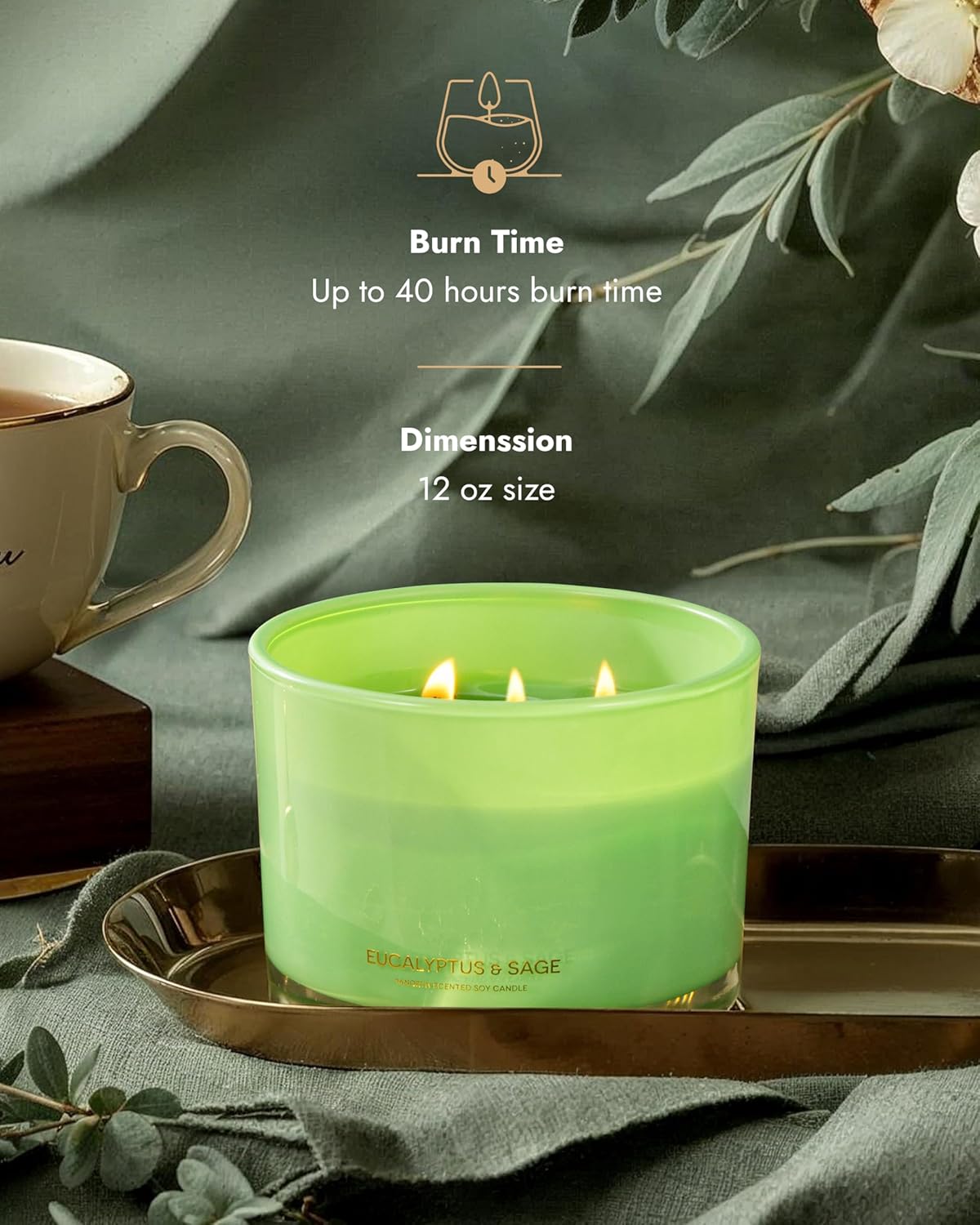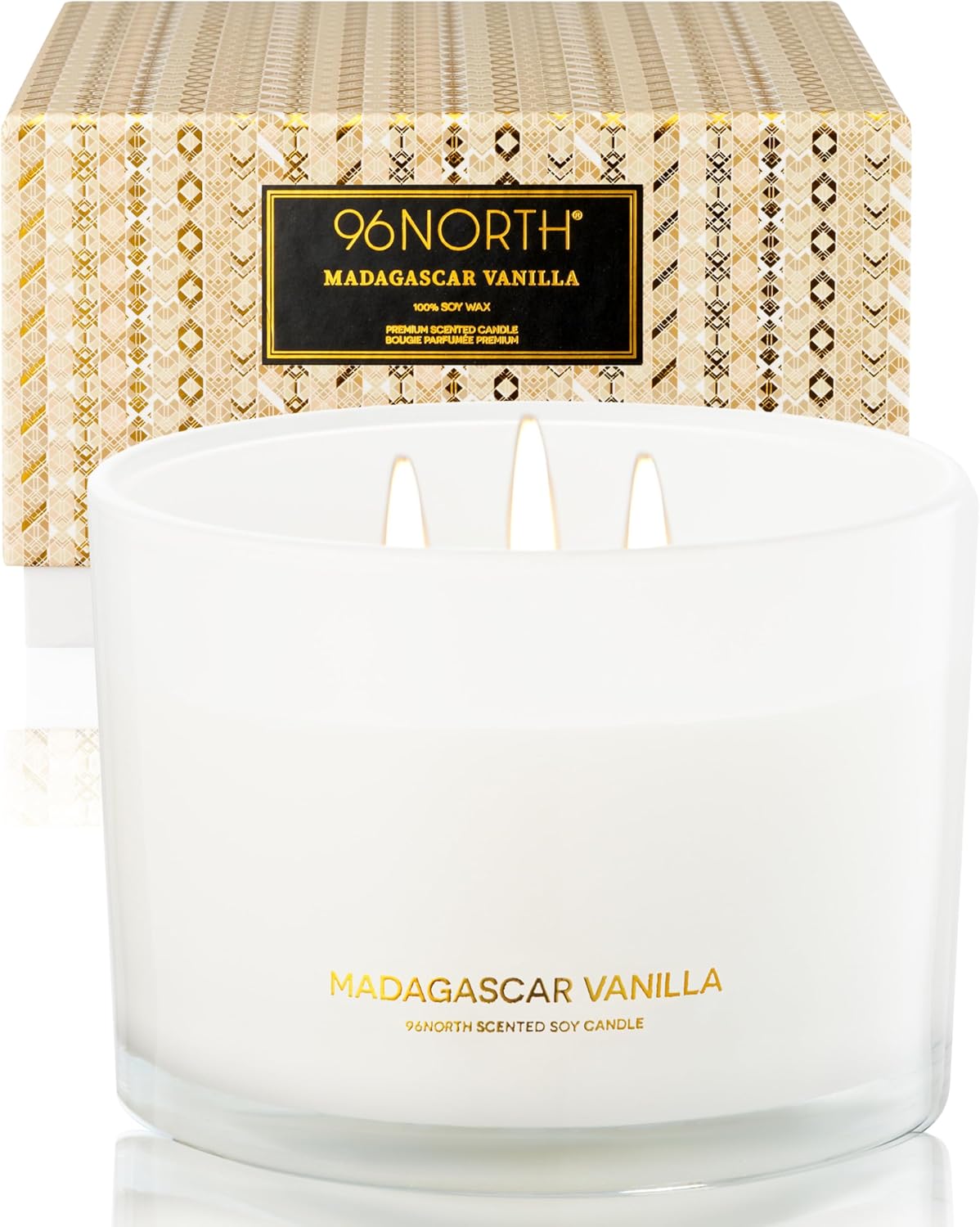

You buy a candle that smells incredible in the jar, only for the fragrance to vanish when lit. This frustrating mismatch comes down to candle scent throw, or how far and strongly a fragrance travels through the air.
To master your home fragrance, you must understand cold throw (unlit) versus hot throw (burning). Here is how to quickly judge performance and choose clean candles designed to effortlessly fill a room with restorative aromas.

1. Demystifying Scent Throw: Cold vs. Hot Performance
Scent throw is not a mystical quality. It is the combination of molecular diffusion and spatial perception. True throw measures both the reach and strength of a scent throughout a room, not just how it smells up close.
To evaluate candle scent throw, understand its two stages:
-
Cold throw: The unlit aroma detected directly from the jar.
-
Hot throw: The active fragrance released into the air while burning.
To test performance, light your candle and stand three to six feet away after 30 minutes. If you notice the aroma without leaning in, the throw is excellent. However, space dictates perception, meaning the same candle will grade differently in a snug bathroom versus an open-concept living room. Cold throw is the preview, but hot throw is the actual performance.
2. The Cold Throw Trap: Why the "Jar Sniff" Deceives
Many shoppers buy candles based solely on the lid-off sniff, only to find the lit candle produces zero aroma. This disappointment happens when you mistake cold throw for a performance guarantee. Cold throw is simply the scent a candle releases at room temperature while unlit.
This room-temperature aroma is useful for previewing the fragrance profile and spotting obvious flaws, such as a completely scentless jar. However, it does not guarantee a strong burn. For example, a candle can smell incredibly intense when cold but turn whisper-quiet if the wax fails to melt hot or wide enough to release the oils.
To predict how your candle scent throw will perform, you must understand how hot throw operates.
3. Understanding Hot Throw: The Science of a Slow Burn
Hot throw is the therapeutic fragrance a candle releases as pooling wax warms the botanical oils. Achieving a strong candle scent throw requires patience and follows a predictable sensory timeline:
-
The First Minutes: Heat coaxes out only the light, fleeting top notes.
-
Once the Melt Pool Forms: The scent body deepens, travels, and begins transforming your physical space.
A successful hot throw is noticed across the room, not just when hovering directly over the flame. If you extinguish your candle after only 20 minutes, you abort this process before the fragrance can fully perform.
To maximize your sensory experience, ensure these three conditions are met:
-
Consistent heat
-
A complete, edge-to-edge melt pool
-
Clean, draft-free airflow
4. Fragrance Families: Why Some Scents Naturally Project Better
Why do some candles effortlessly fill your home while others vanish? The secret lies in the physical weight of the scent molecules. Some botanical elements lift at room temperature, while heavier compounds require heat to bloom.
To maximize your candle scent throw, understand how these layers project:
-
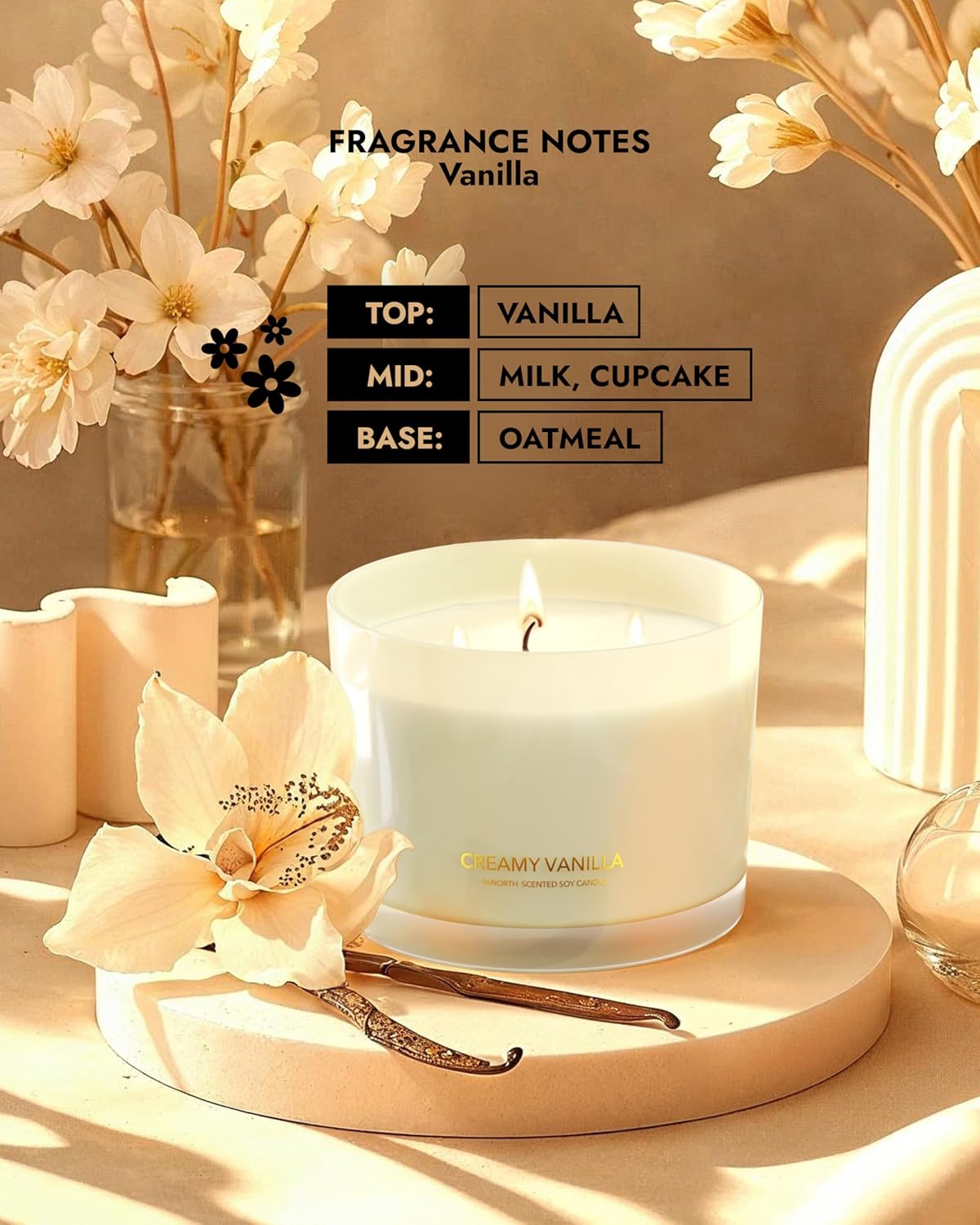
Top Notes: Light elements like citrus, green tea, or eucalyptus dominate the cold throw. They offer a sparkling first impression but dissipate quickly under a flame.
-
Base Notes: Denser ingredients like vanilla, amber, spice, and rich woods anchor the blend. These heavy lifters slowly project as the wax melts to create a lasting hot throw.
For a room-filling, therapeutic experience, choose base-heavy scent profiles engineered to linger.
5. The Hot Throw Formula: How Wax, Wicks, and Size Align
An exceptional candle scent throw is never the result of a single ingredient. It is a carefully calibrated system.
The wax sets the foundation. While paraffin releases fragrance easily due to its loose molecular structure, it compromises indoor air quality. Natural soy and coconut-soy waxes burn cleaner, releasing a slightly softer, therapeutic aroma.
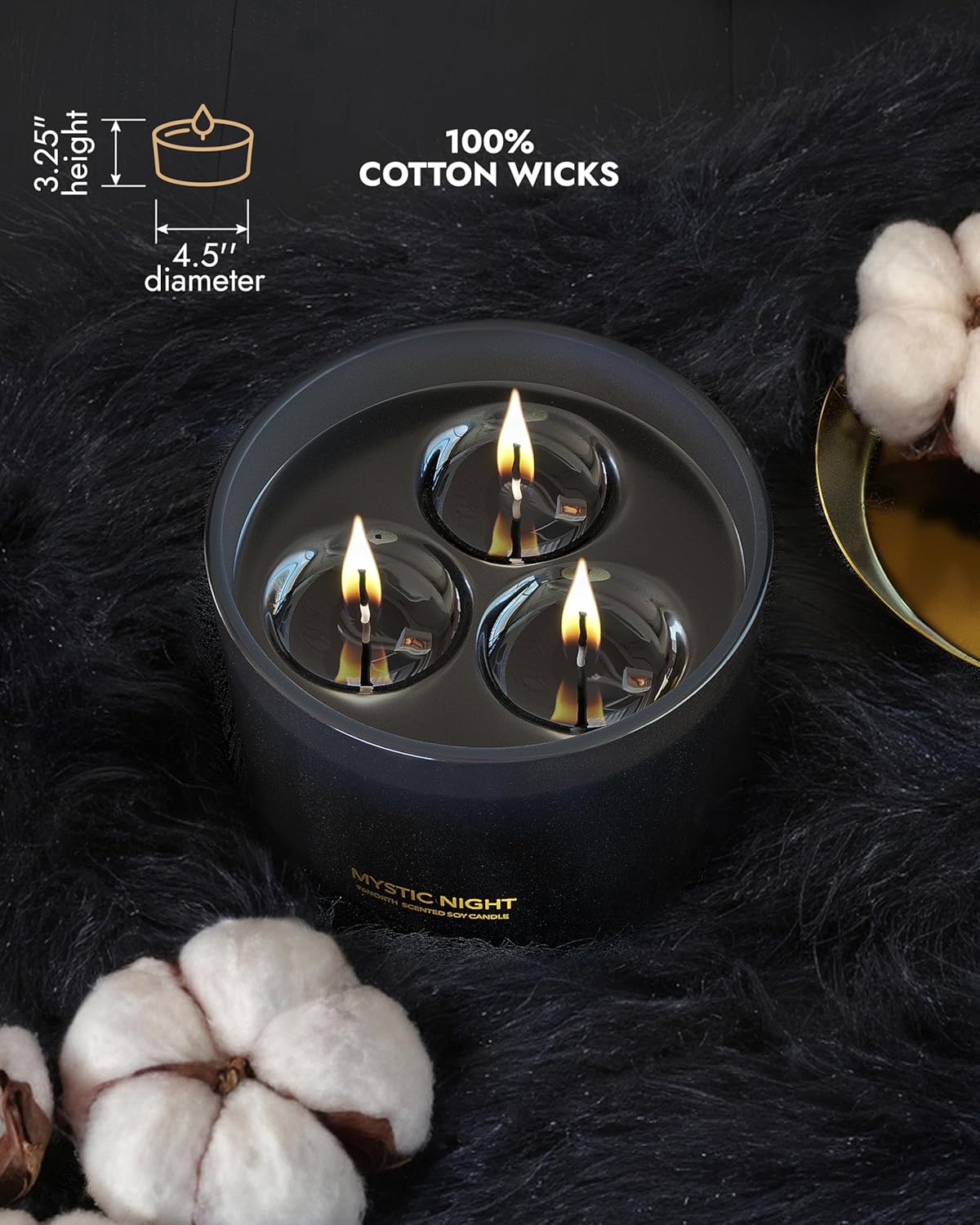
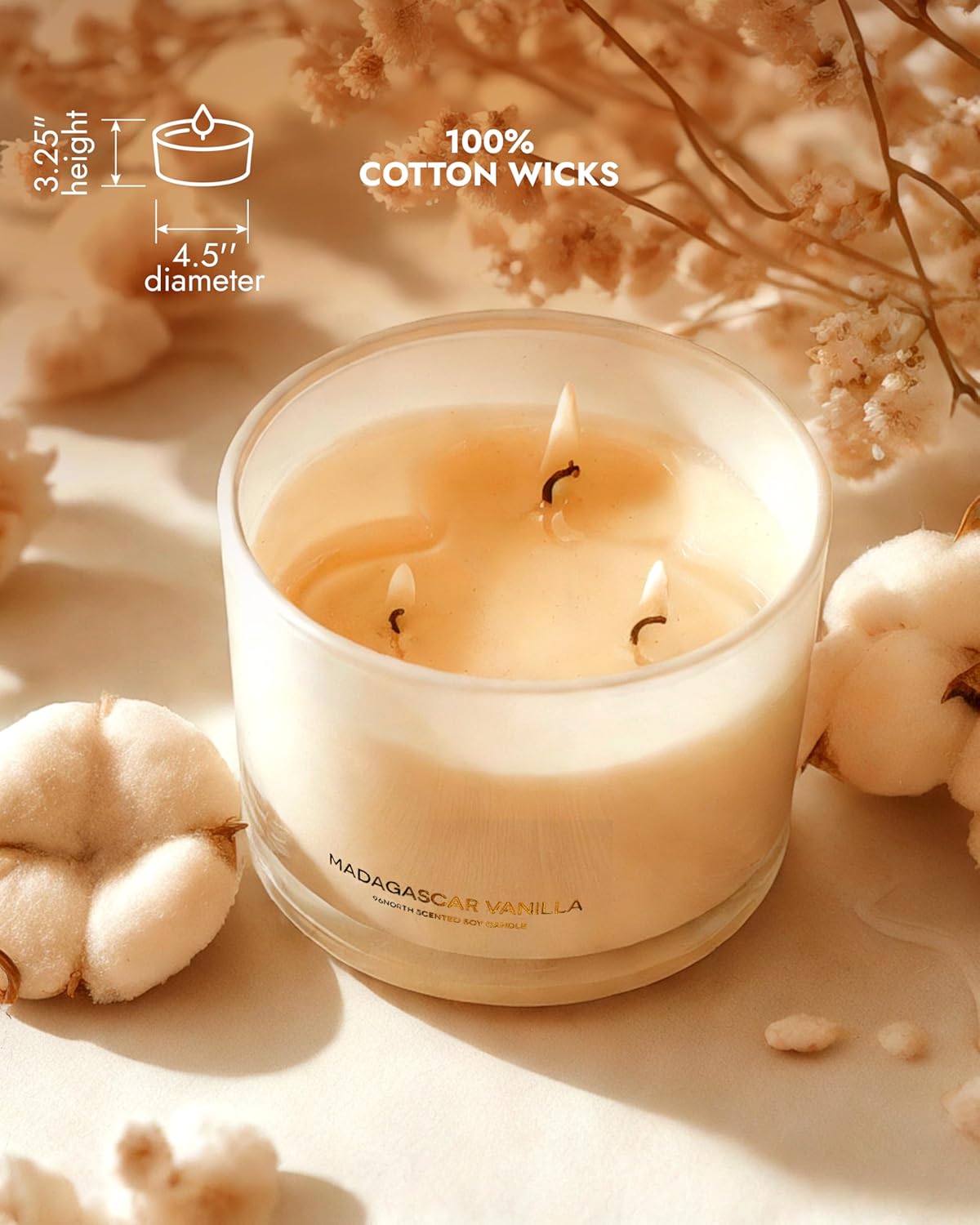
The wick dictates the heat output. Cotton wicks offer a reliable, even draw, while wood wicks burn hotter but require strict formulation to prevent soot. A properly sized wick creates a complete melt pool. Wider, multi-wick candles expand this pool, exposing more surface area to vaporize more fragrance.
Ultimately, a powerful candle scent throw is engineered by perfectly matching wax, wick, and vessel size.

6. How to Maximize Scent Throw: The Clean Burn Checklist
You can instantly maximize your candle scent throw by shifting how and where you burn it. Transform your space into a sensory sanctuary with this simple daily checklist.
-
Liquefy the entire top: Always let the wax melt completely to the glass edges. This prevents tunneling and ensures the fragrance oils fully warm and diffuse.
-
Trim the wick: Clip the cotton wick to one-quarter inch before every burn. A trimmed wick keeps the flame stable and prevents soot from spoiling the clean aroma.
-
Control the airflow: Avoid placing candles near drafts that sweep scent away, or dead-air corners that trap it.
-
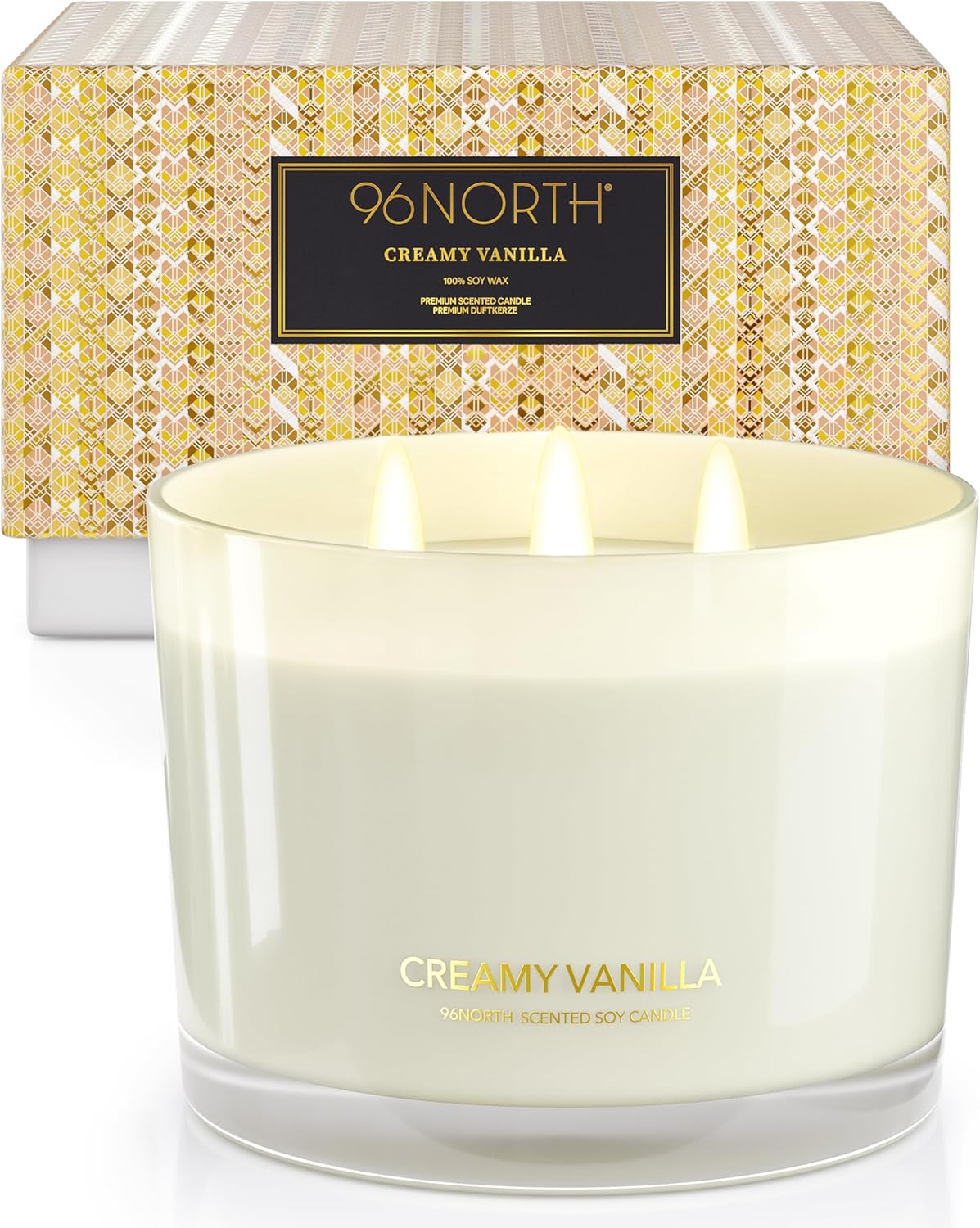
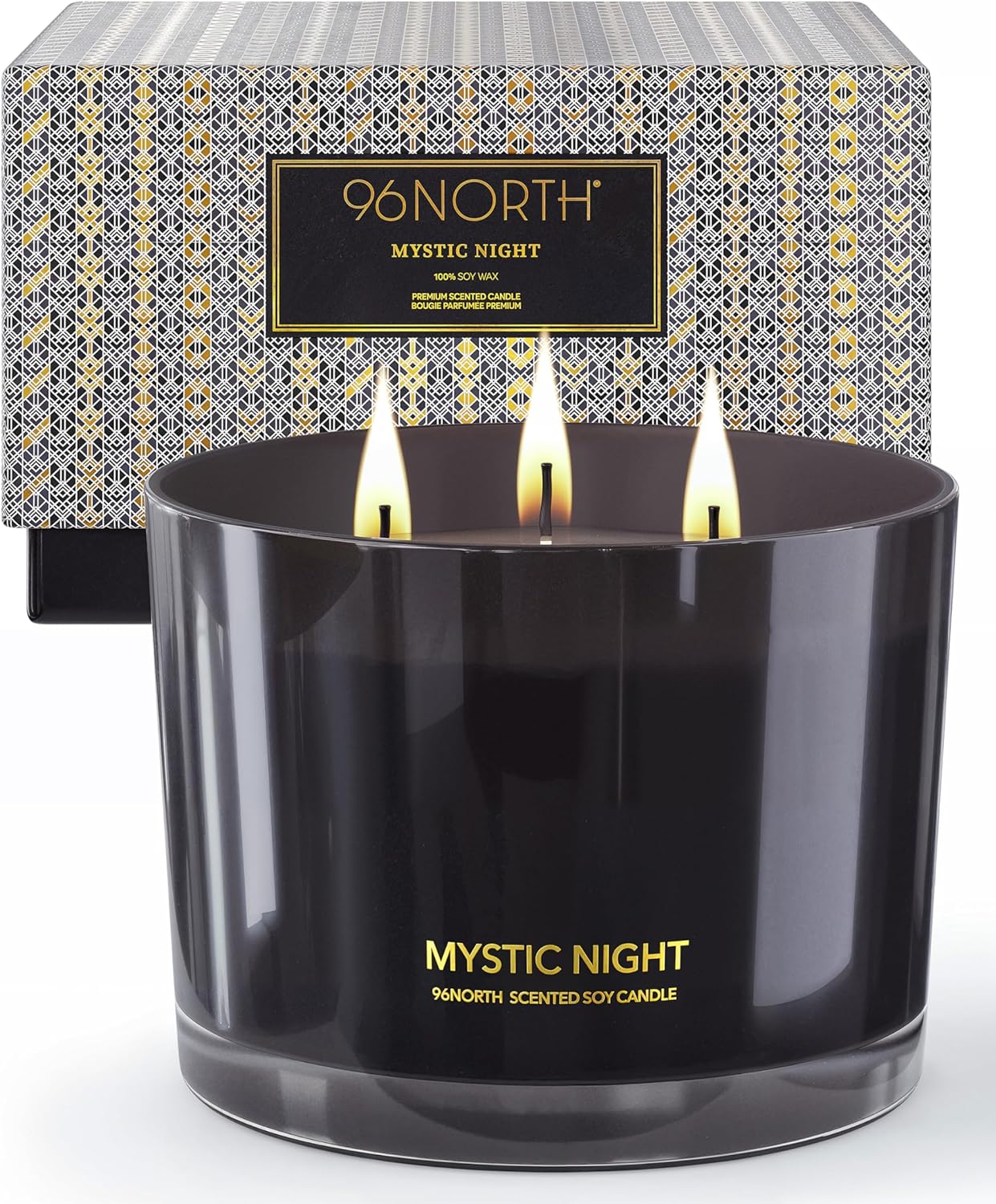
Double your coverage: For large spaces, position two 96NORTH decorative candles on opposite sides of the room to achieve seamless fragrance distribution.
7. Troubleshooting Weak Hot Throw: Quick Fixes and Safe Boosts
Frustrated by a faint candle scent throw? Ask two diagnostic questions before giving up. First, is there a full melt pool? If not, a cold draft is likely choking performance, not fragrance quality. Second, is it natural soy? Soy wax requires curing, meaning a newly purchased candle rested in a dark drawer for a week can drastically amplify the aroma.
To safely boost fragrance, try a warming plate to melt the wax without an open flame. For stubborn tunneling, wrap foil around the jar rim as a temporary, supervised chimney to quickly reach an edge-to-edge melt pool.
For reliably rich aromas, explore 96NORTH for intentionally strong-throw profiles. Discover seasonal comfort in our fall candles collection, or find botanical clarity in our minimalist pure collection.
Frequently Asked Questions
Does a strong cold throw mean a strong hot throw?
No. A strong cold throw is simply a room-temperature preview. While it helps you evaluate the fragrance profile, hot throw depends on the wax melting evenly and reaching the correct temperature to vaporize the aromatic oils.
Why does my candle smell great in the jar but not when lit?
This mismatch usually happens if you extinguish the flame before a full melt pool forms. Drafty rooms can also disperse the fragrance too quickly, while lighter botanical profiles like citrus inherently project less than heavy woods or vanilla.
How long should I burn a candle for the best hot throw?
Burn your candle for two to three hours, or until the liquid wax pool reaches the glass edges. This is especially vital during the first burn. Avoid marathon burns exceeding four hours to prevent overheating.
Are soy candles weaker than paraffin for scent throw?
Paraffin wax has a looser molecular structure that throws scent easily, but it releases soot. Natural soy candles offer a cleaner, toxin-free burn with a gentler, more therapeutic aroma. Look for high-quality soy blends engineered specifically for room-filling performance.
Do candle warmers increase scent throw?
Yes. Electric warmers melt the wax evenly from the top down without a flame, releasing a highly consistent fragrance. This gentle heating method is excellent for maximizing your candle scent in medium-sized spaces.