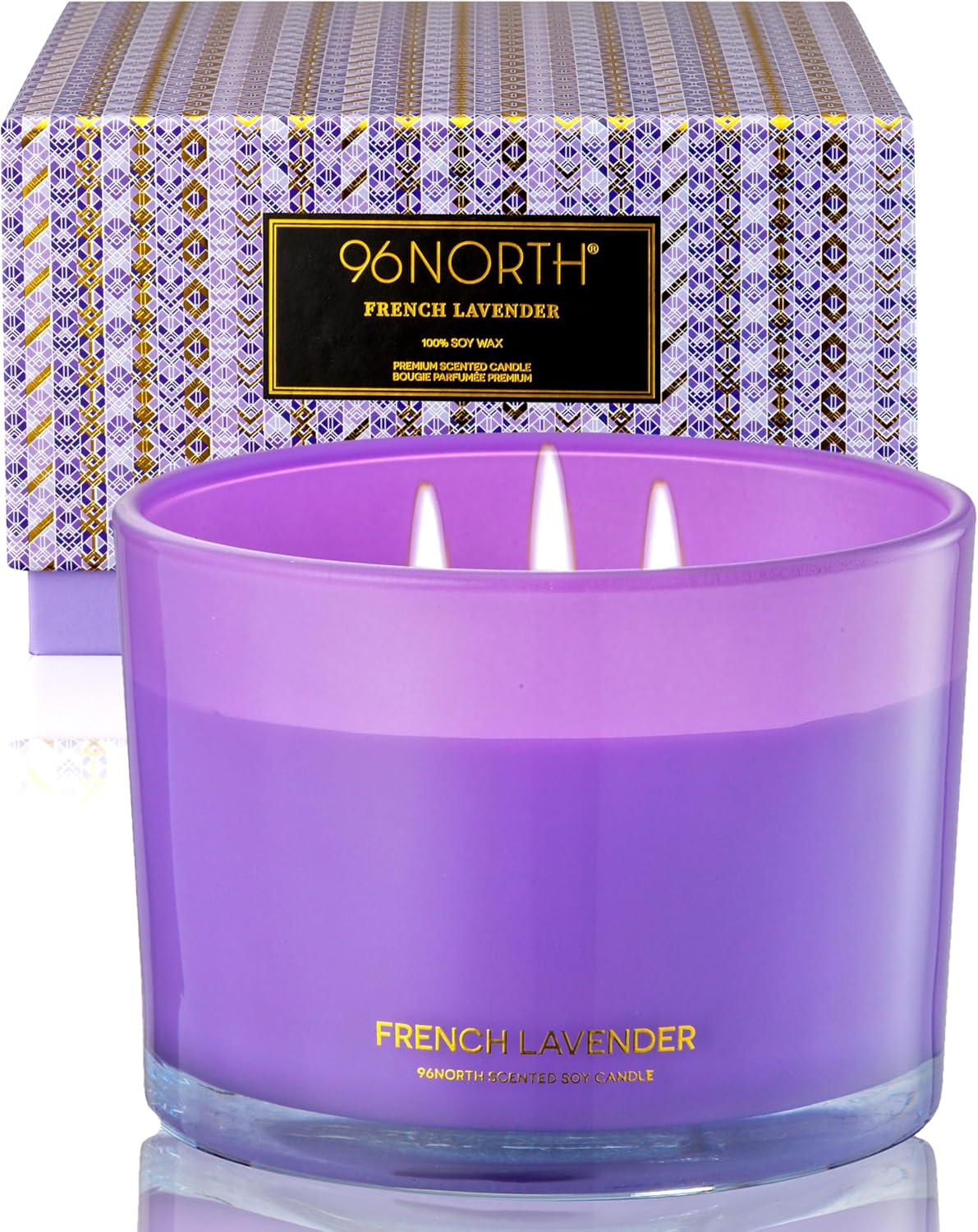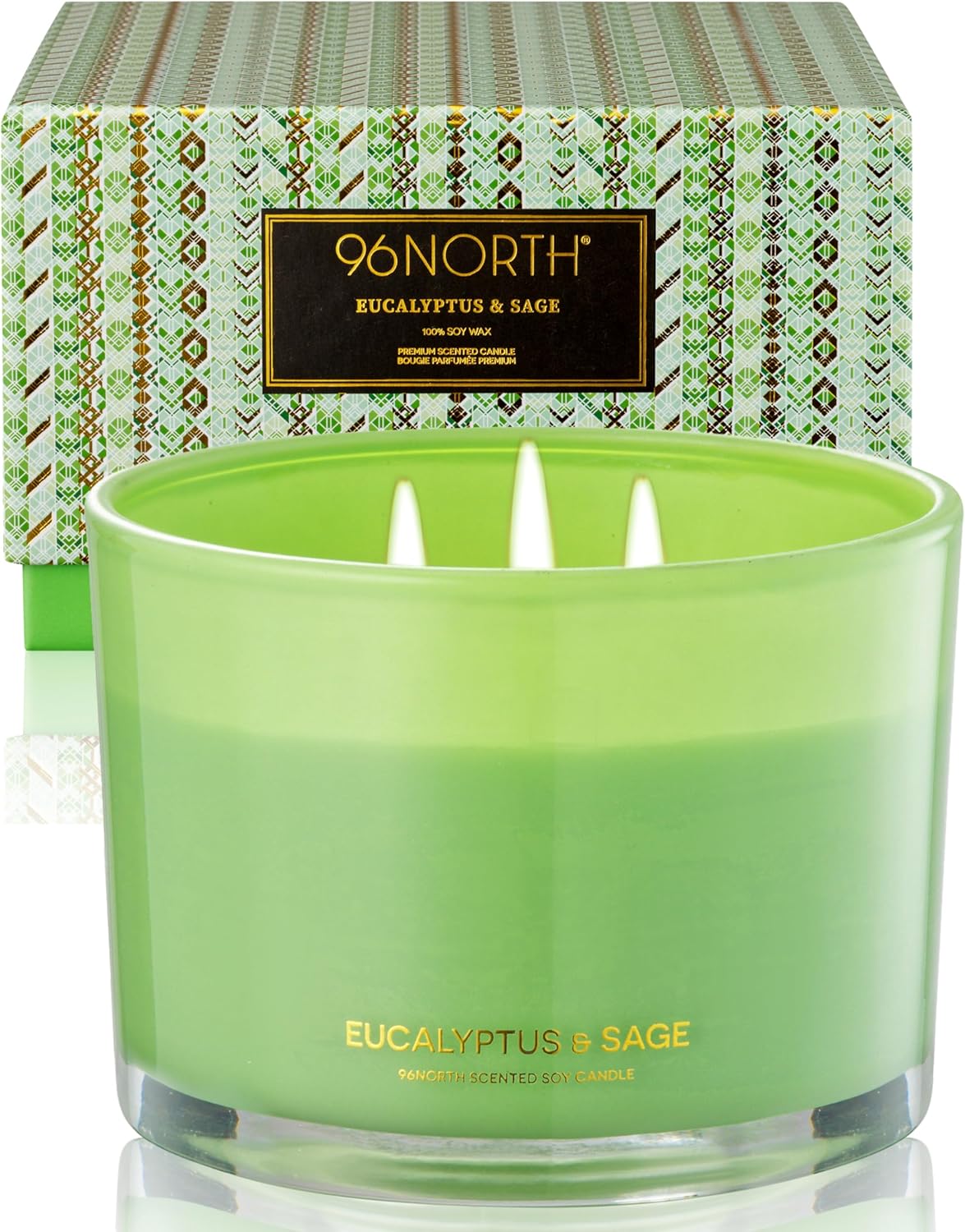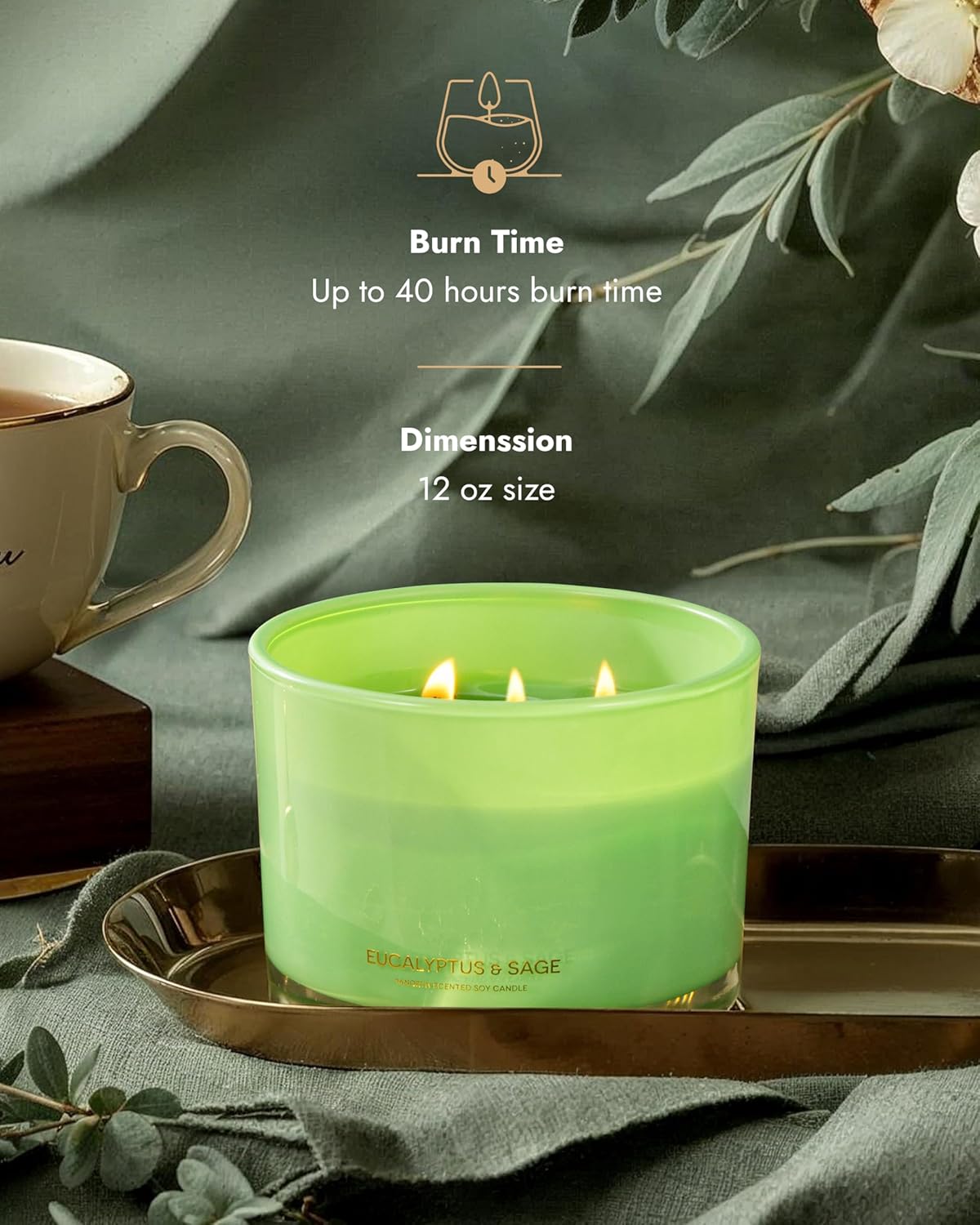

In the modern world, our homes have become more than just living spaces. After a busy day filled with digital notifications and professional demands, a calm home environment can make it easier to unwind. Candles are one of the simplest ways to add warmth and fragrance, but not all candles are made with the same waxes, wicks, or fragrance formulas. Finding the best non toxic candles starts with understanding those materials and deciding which features matter most for your home.
For many, a scented candle can bring to mind a pine-filled forest or a sun-drenched coastline without leaving the living room. Traditional mass-market candles often rely on paraffin wax and synthetic fragrance blends, while other brands use soy, beeswax, coconut wax, essential oils, or disclosed fragrance formulas. The label alone does not tell the full story, so it helps to look at the complete product.
Choosing a non-toxic alternative usually means prioritizing clearer ingredient information, preferred wax materials, lead-free wicks, and a fragrance strength that suits the room.
In this guide, we evaluate leading options in the clean fragrance market. We look beyond the marketing label to examine the wax source, wick material, fragrance information, packaging, scent strength, and price.
Quick Comparison: Top Non-Toxic Candles
|
Brand/Product |
Wax Type |
Wick Material |
Price Point |
|
96NORTH Pure Champagne |
100% Natural Soy |
Lead-Free Cotton |
$20 to $26 |
|
Fontana Candle Co. |
Beeswax and Coconut |
FSC Wood Wick |
$15 to $30 |
|
Bluecorn Beeswax |
100% Raw Beeswax |
Cotton |
$10 to $45 |
|
Terralite Biophilic |
Coconut and Hemp |
Cotton |
$28 to $36 |
|
Henry Rose Highline |
Coconut and Soy |
Cotton |
$65+ |
1. Pure Champagne Candle by 96NORTH

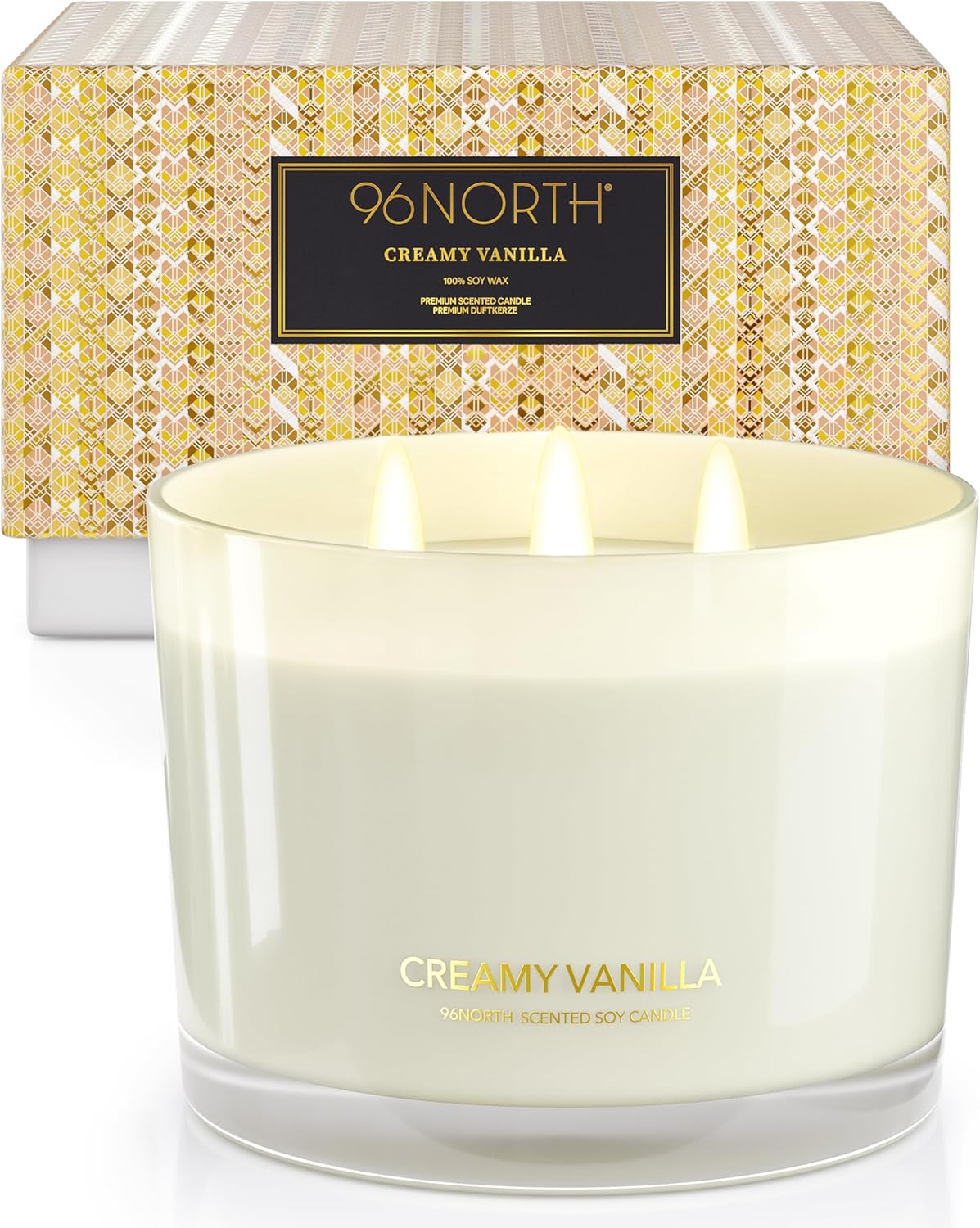
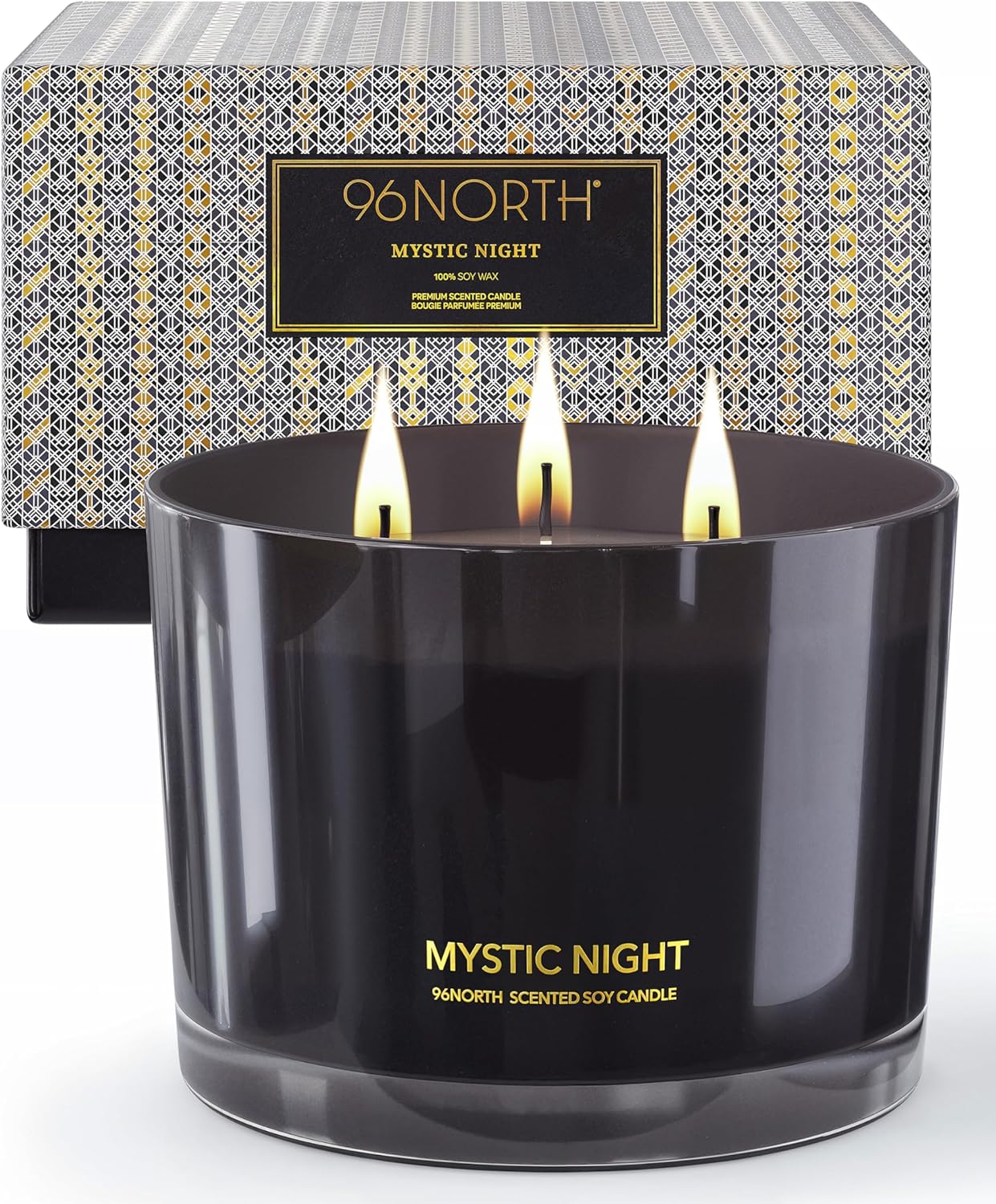
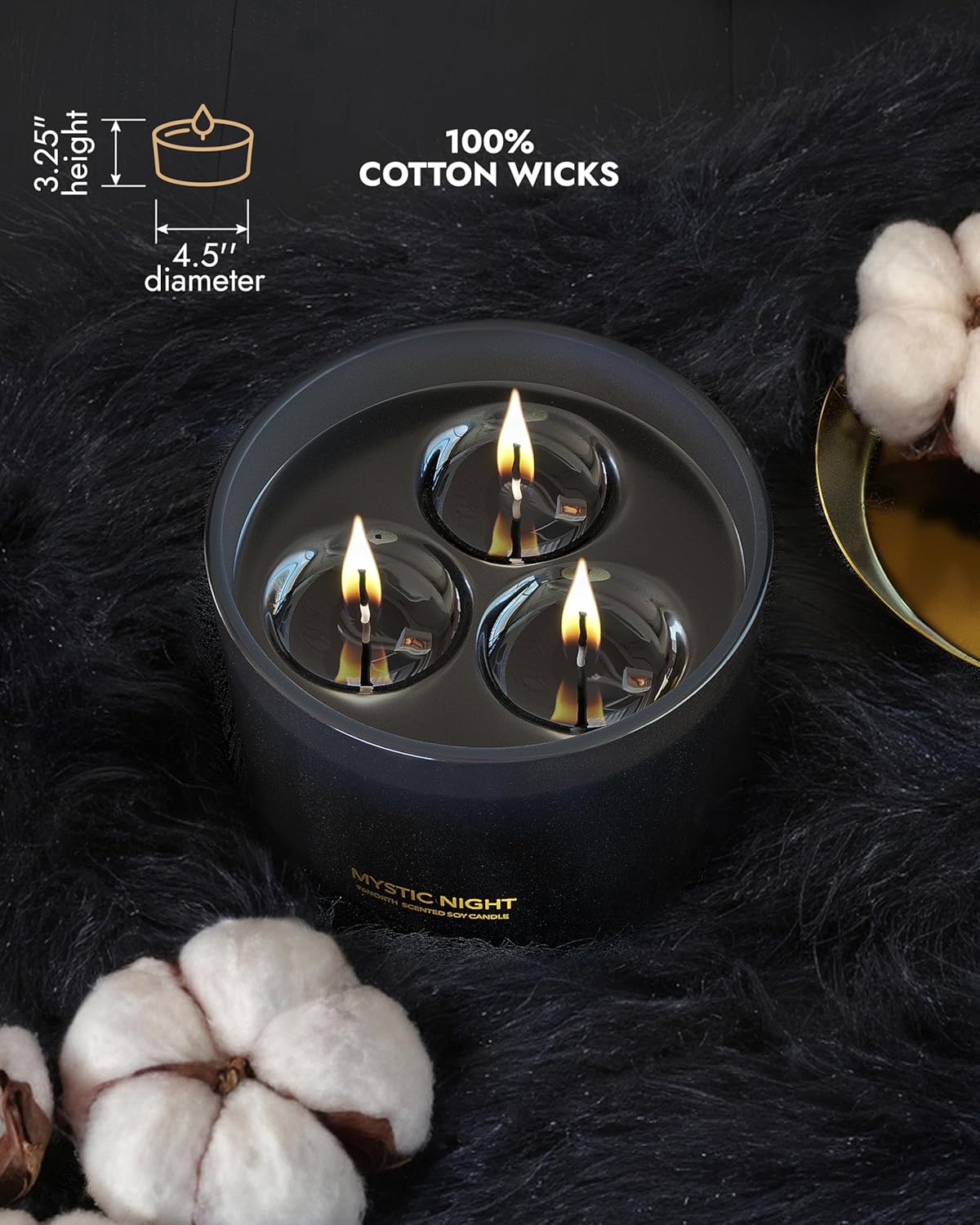
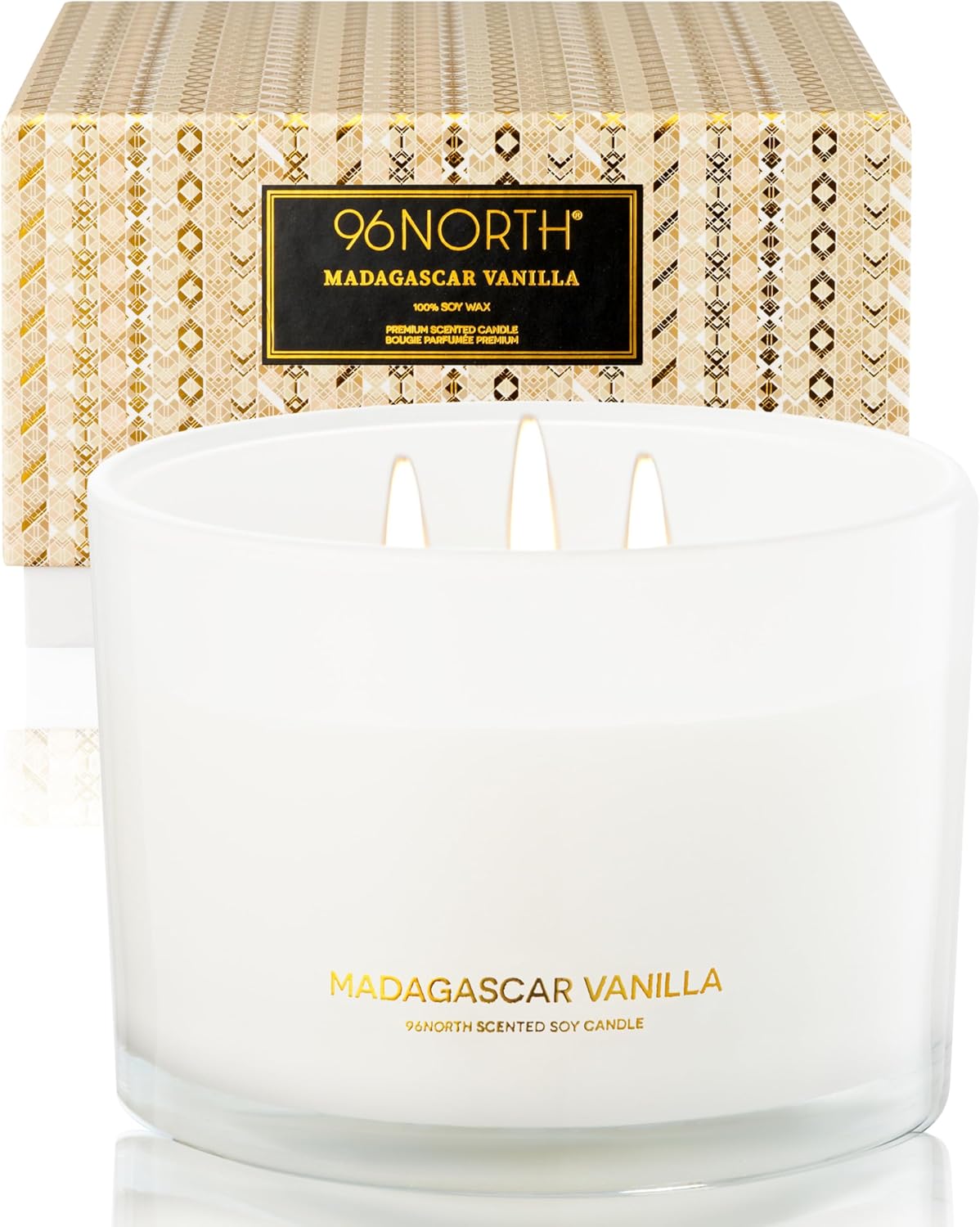
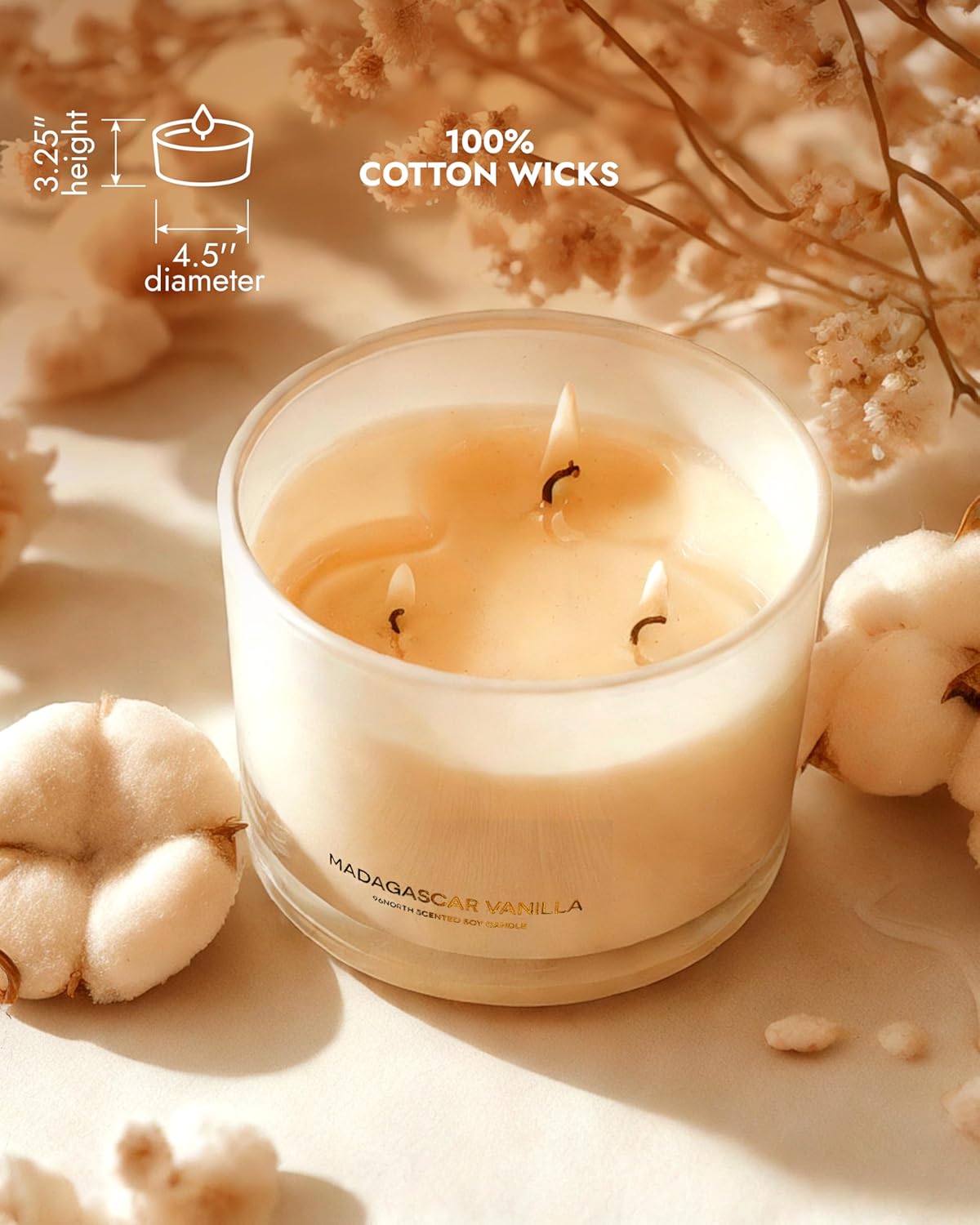
A cornerstone of the 3-Wick Luxury Collection, this candle is designed for both performance and presentation. It uses 100% natural soy wax and lead-free cotton wicks, with a Pure Champagne fragrance that offers a crisp, celebratory alternative to floral and woody scents. Its three-wick design is intended to create an even melt pool and a room-filling fragrance, while the gold-accented vessel gives it a polished look.
Key Features:
• 100% natural soy wax.
• Lead-free cotton wicks.
• Phthalate-free fragrance oils.
• Three-wick design.
• 50+ hour stated burn time.
Pros:
• Crisp champagne-inspired fragrance.
• Three wicks provide broad fragrance coverage.
• Polished vessel is suitable for gifting or display.
Cons:
• The glass vessel becomes hot during use.
• Higher price than many paraffin alternatives.
• The fragrance may feel strong in a small room.
Best For: Shoppers who want a celebratory three-wick candle with polished packaging.
2. Essential Oil Series by Fontana Candle Co.
Fontana Candle Co. is described as the first candle brand to receive MADE SAFE certification. Its candles use a blend of beeswax and coconut oil with wooden wicks, and they are scented with essential oils rather than synthetic fragrance. The scent throw is usually softer, making the range better suited to smaller rooms or buyers who prefer lighter fragrance.
Key Features:
• MADE SAFE certified.
• Beeswax and coconut oil blend.
• FSC-certified wood wick.
• Essential-oil fragrance blends.
Pros:
• Clear ingredient positioning.
• Wood wick adds a subtle crackling sound.
• Lighter fragrance works well in small spaces.
Cons:
• The scent may be too faint in large rooms.
• Wood wicks require regular trimming.
• The wax can tunnel when the first burn is too short.
Best For: Buyers who prefer essential-oil fragrance, ingredient transparency, and a lighter scent.
3. Raw Beeswax Pillars by Bluecorn Beeswax
Bluecorn Beeswax focuses on 100% pure beeswax candles with a natural honey aroma and no added fragrance or color. Beeswax has a high melting point, which can support a long burn when the wick is maintained correctly. The simple pillar design produces a warm amber glow and works well in dining rooms, bedrooms, or living spaces.
Key Features:
• 100% US-sourced beeswax.
• Cotton wick.
• Natural honey aroma.
• No added fragrance or color.
Pros:
• Long burn time when cared for correctly.
• Simple material profile.
• Warm amber glow.
Cons:
• Limited fragrance variety.
• Higher price per candle.
• Pillars need a stable, heat-resistant plate.
Best For: Buyers who want an unscented or lightly honey-scented beeswax candle.
4. Biophilic Collection by Terralite

Terralite candles follow a biophilic design approach, using coconut wax, hemp seed oil, and nature-inspired fragrance notes. The brand emphasizes zero-waste packaging and sustainable sourcing, while its earthy profiles often include damp earth, moss, and resin. The ceramic vessels can be repurposed as planters once the candle is finished.
Key Features:
• Coconut wax and hemp seed oil blend.
• Wildcrafted botanical and essential-oil fragrance materials.
• Zero-waste packaging approach.
• Reusable ceramic vessel.
Pros:
• Distinctive nature-inspired scent profiles.
• Reusable vessel adds value after the candle is finished.
• Artisanal presentation.
Cons:
• Premium pricing.
• Earthy fragrances may not appeal to fans of traditional florals.
• The ceramic vessel is heavier than a standard glass jar.
Best For: Shoppers who enjoy earthy fragrances and reusable ceramic containers.
5. Soy Candle Tins by Natural Sloth
Natural Sloth specializes in small-batch, hand-poured soy candles made with organic soy wax and essential oils. The travel-friendly tins are easy to pack, and the labels focus on straightforward ingredient disclosure. The compact format is a practical option for buyers who prefer lighter fragrance and a candle that is easy to store.
Key Features:
• Organic soy wax.
• Essential-oil fragrance blends.
• Small-batch production.
• Travel-friendly tin containers.
Pros:
• Compact format is convenient for travel.
• Straightforward ingredient labeling.
• Affordable entry point.
Cons:
• Smaller size means a shorter total burn time.
• Limited scent variety.
• Essential-oil scents are often lighter than fragrance-oil blends.
Best For: Buyers seeking a compact soy candle with a clearly described ingredient list.
6. Terra Collection by P.F. Candle Co.
P.F. Candle Co. is known for its California-inspired aesthetic. The Terra Collection features 100% soy wax poured into terracotta vessels. It uses a mix of essential oils and fine fragrance oils described as phthalate-free and paraben-free, with scents ranging from woody teak to bright citrus. The candles are designed for daily use and work best in medium-sized living spaces.
Key Features:
• 100% US-grown soy wax.
• Phthalate-free fragrance oils.
• Terracotta vessels.
• Wide fragrance selection.
Pros:
• Affordable for the presentation.
• Broad range of sophisticated scents.
• Stronger scent throw than many essential-oil-only candles.
Cons:
• Some scents may feel light in very large rooms.
• Not an essential-oil-only range.
• Terracotta may retain wax or fragrance residue after use.
Best For: Everyday use by shoppers who want varied scents and a decorative terracotta vessel.
7. Essential Oil Tumblers by Slow North
Slow North combines soy wax with essential-oil fragrance blends in minimalist frosted glass tumblers with cork lids. The brand avoids synthetic dyes and stabilizers, resulting in a creamy, natural wax appearance. Fragrance combinations such as Eucalyptus and Lavender are designed for buyers who enjoy fresh herbal scents in bedrooms, bathrooms, or small offices.
Key Features:
• Soy wax base.
• Essential-oil fragrance blends.
• Frosted glass tumbler.
• Cork lid for storage.
Pros:
• Gift-ready packaging.
• Subtle scent works well in small rooms.
• Cork lid helps protect the wax surface between uses.
Cons:
• Moderate scent throw may not suit large rooms.
• Essential-oil blends can change in appearance when exposed to heat.
• The fragrance range may feel limited to buyers who prefer complex perfume-style scents.
Best For: Small spaces and gift buyers who prefer minimalist packaging and lighter fragrance.
8. Minimalist Collection by Brooklyn Candle Studio
Brooklyn Candle Studio offers a design-led approach to home fragrance. The Minimalist Collection uses 100% soy wax derived from American-grown soybeans and lead-free cotton wicks. The candles are presented in apothecary-inspired jars with simple labels and nature-inspired fragrances that offer a polished look at a more accessible price than many heritage fragrance houses.
Key Features:
• 100% American-grown soy wax.
• Lead-free cotton wicks.
• Phthalate-free fragrance positioning.
• Apothecary-style glass jars.
Pros:
• Minimalist design works with many interior styles.
• Accessible alternative to higher-priced fragrance houses.
• Consistent jar format is easy to gift.
Cons:
• Standard size is smaller than many three-wick candles.
• Some fragrances may feel subtle in large rooms.
• The restrained packaging may feel too plain for buyers who prefer decorative vessels.
Best For: Shoppers who prioritize minimalist design and soy-wax construction.
9. Highline Candle by Henry Rose
Henry Rose, founded by Michelle Pfeiffer, places a strong emphasis on ingredient transparency. The Highline candle is described as EWG Verified and Cradle to Cradle Certified, and it uses a coconut and soy wax blend. The fragrance is developed in a fine-fragrance style, giving the candle a more perfume-like profile than many basic natural-wax options.
Key Features:
• EWG Verified.
• Cradle to Cradle Certified.
• Coconut and soy wax blend.
• Detailed fragrance ingredient disclosure.
• Heavy glass vessel.
Pros:
• Recognized certifications.
• Luxury fragrance complexity.
• Premium presentation.
Cons:
• High price point.
• Limited availability.
• The fine-fragrance profile may be stronger than some buyers prefer.
Best For: Buyers who prioritize third-party certifications, detailed disclosure, and luxury fragrance development.
10. National Park Collection by Abbott
Abbott creates candles inspired by American landscapes, with profiles based on places such as Sequoia, Mojave, and Big Sky. The National Park Collection uses a soy wax blend and fragrances described as free from parabens and phthalates. A mix of natural and synthetic fragrance materials gives the range a stronger scent throw that can work well in larger rooms.
Key Features:
• Soy wax blend.
• Paraben-free and phthalate-free fragrance positioning.
• Travel-inspired scent profiles.
• Brand contribution to environmental conservation.
Pros:
• Strong, evocative fragrances.
• Suitable for larger rooms.
• Mission-led brand positioning.
Cons:
• Not a 100% natural fragrance formula.
• Simple vessel design.
• Seasonal availability may vary.
Best For: Shoppers who enjoy travel-inspired scents and stronger room fragrance.
The Non-Toxic Candle Buying Guide
Navigating the home-fragrance market requires looking beyond broad labels. Wax type, wick material, fragrance disclosure, vessel quality, and care instructions all help determine whether a candle suits your preferences and space.
1. Understand the Wax Base
Soy Wax:
Soy wax is derived from soybeans and is commonly used alone or in blends. It burns at a lower temperature than many paraffin formulas, although performance still depends on the wick, fragrance load, vessel, and burn care.
Beeswax:
Beeswax has a naturally honey-like aroma and a high melting point. It is a popular choice for unscented pillars and simple formulations with few added ingredients.
Coconut Wax:
Coconut wax is often blended with soy, beeswax, or another wax to improve structure and fragrance performance. It is known for a smooth appearance and good scent distribution.
Paraffin Wax:
Paraffin is petroleum-derived and is widely used because it holds fragrance well. Buyers who prefer plant-based materials may choose soy, beeswax, or coconut blends instead, but wax type alone does not determine the quality of the complete candle.
2. Inspect the Wick
The wick affects flame size, soot, and how evenly the wax melts. Lead-core wicks were banned in the United States in 2003, but it is still useful to look for cotton or FSC-certified wood wicks. Follow the manufacturer’s trimming and burn-time instructions.
3. Essential Oils vs. Fragrance Oils
Essential-oil-only candles often have a lighter scent throw. Fragrance oils can provide stronger, more complex aromas. Look for clear disclosure, including phthalate-free or paraben-free positioning when those details matter to you.
Simple Checklist for Your Next Purchase
• Check the exact wax type or wax blend.
• Confirm the wick material.
• Review the fragrance description, ingredient disclosures, and current certifications.
• Match the candle size and scent strength to the room.
• Follow the manufacturer’s trimming, burn-time, and ventilation guidance.
Final Thoughts on Non-Toxic Candles
Wax type, wick material, fragrance disclosure, room size, and burn care all influence the experience. The products in this guide range from lightly scented beeswax pillars to stronger soy and coconut blends, giving shoppers several ways to match a candle to their home.
Explore the 96NORTH Luxury Collection
Frequently Asked Questions
What does non-toxic mean on a candle label?
There is no single universal definition behind the term. Check the wax, wick, fragrance disclosure, certifications, care instructions, and manufacturer transparency instead of relying on the label alone.
Why do some non-toxic candles have a weaker scent?
Essential-oil-only candles and lightly fragranced formulas often smell softer. Room size, wick count, fragrance load, ventilation, and burn time also affect scent strength.
What should I check before buying a candle?
Check the wax, wick, fragrance disclosure, certifications, vessel, burn instructions, room size, and expected scent strength. Then follow the manufacturer’s care guidance.