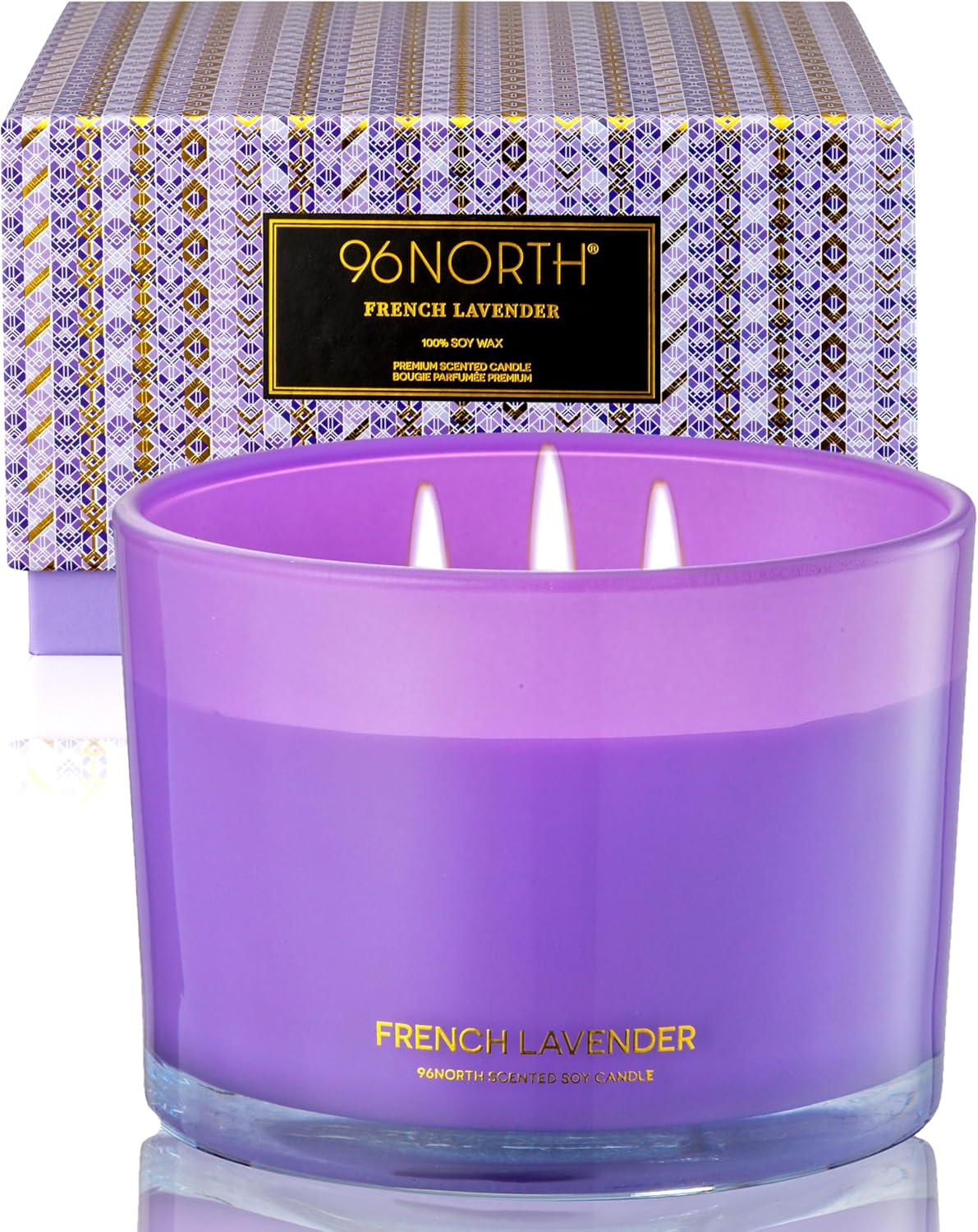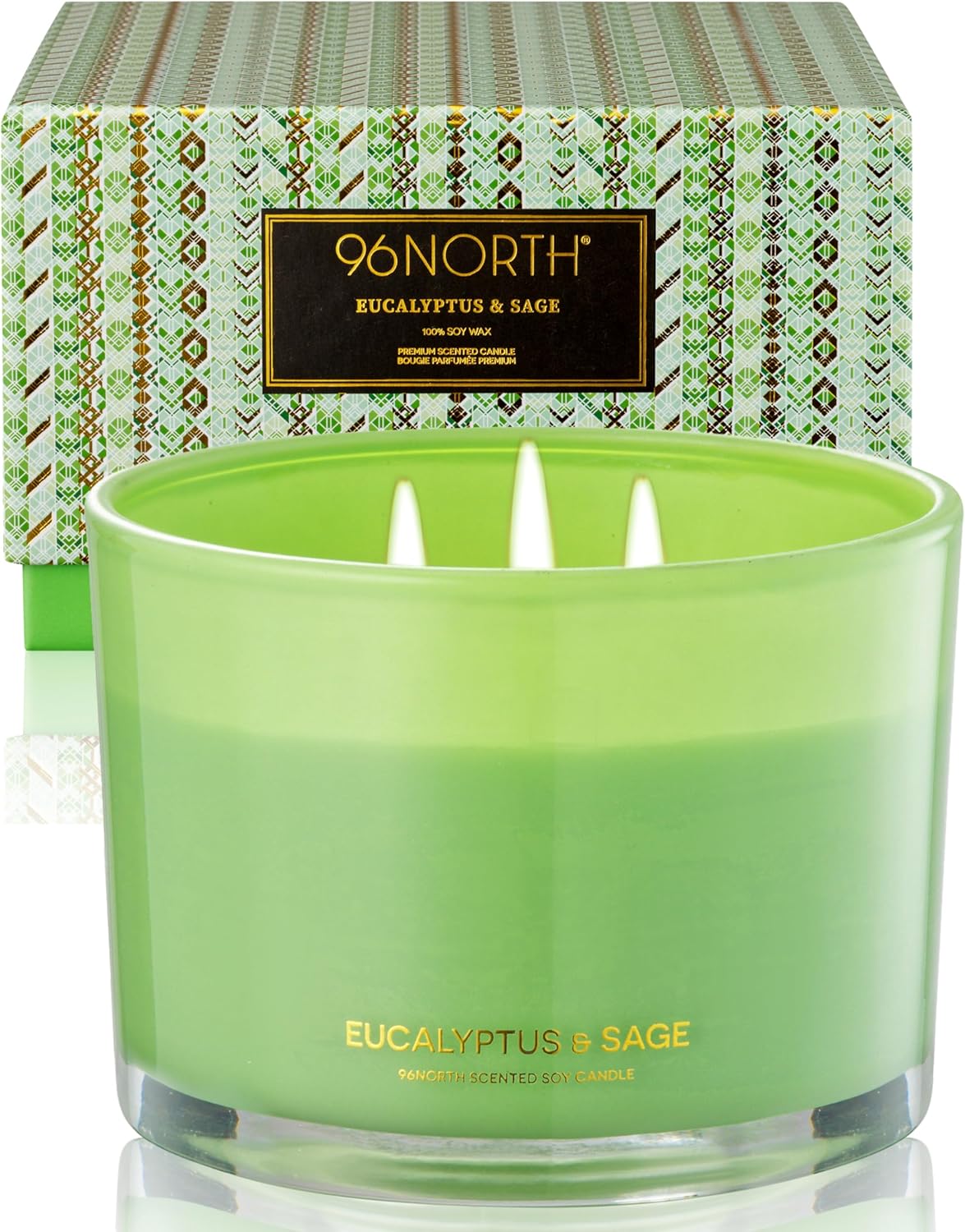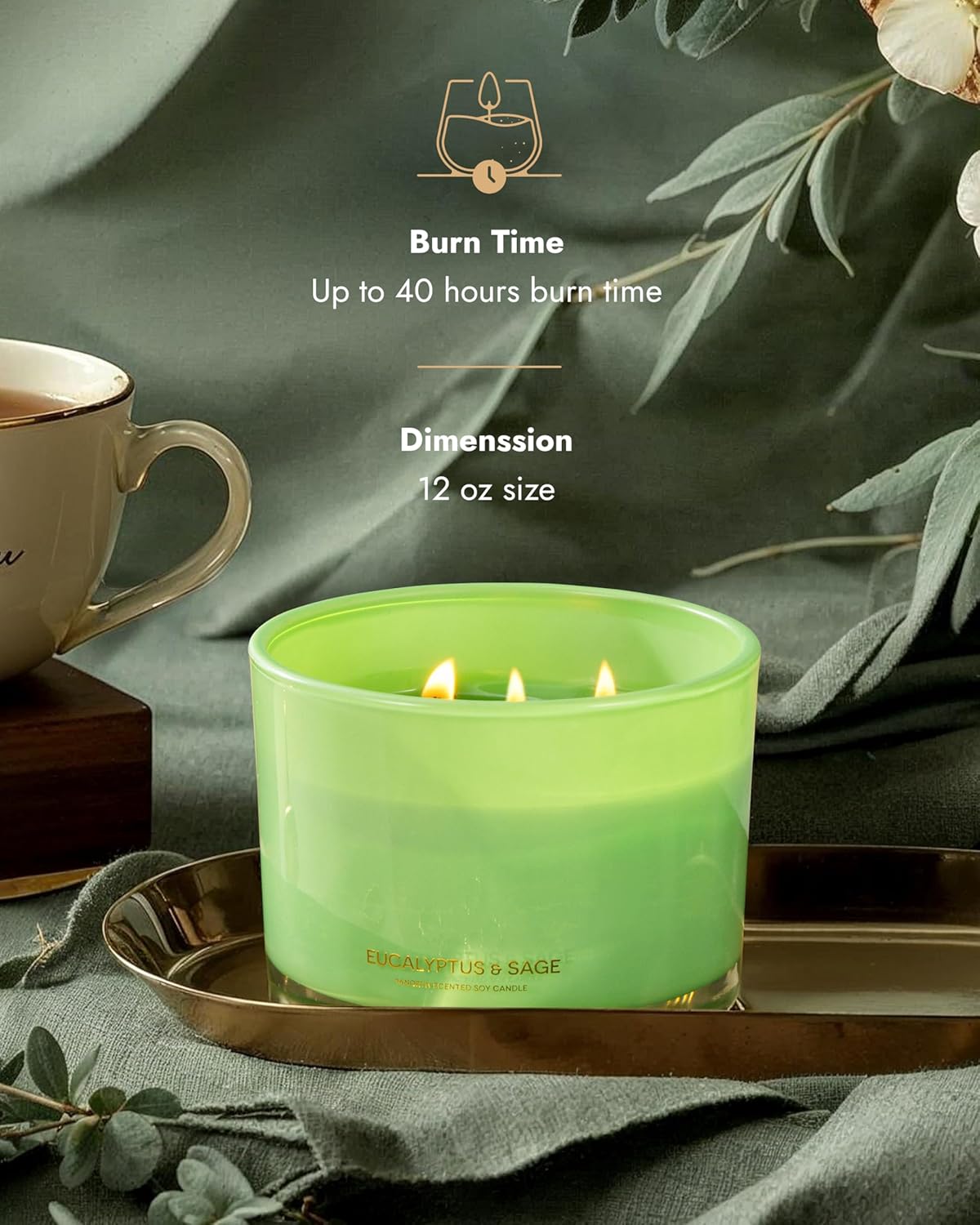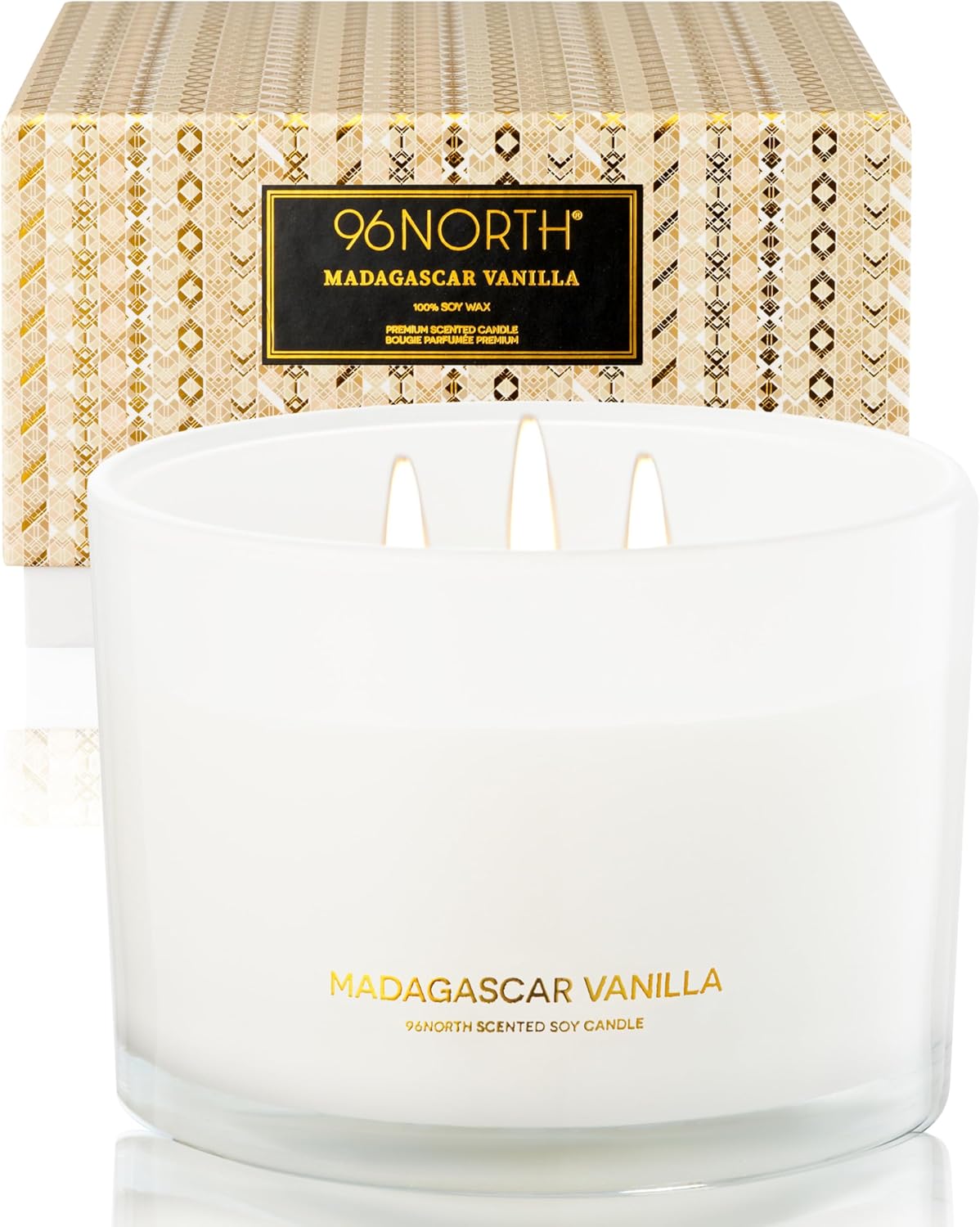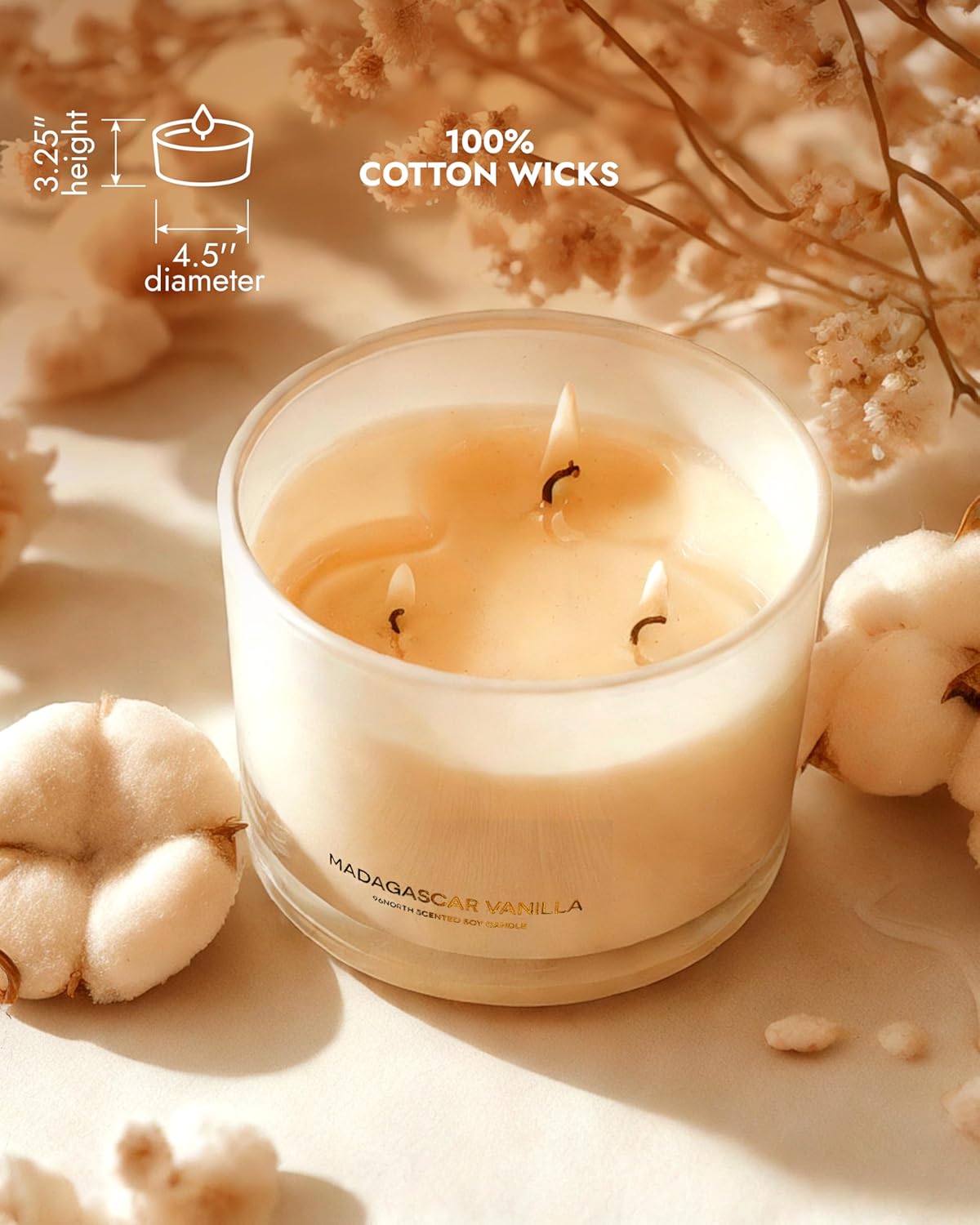

Eco-friendly candles can combine home fragrance with plant-based waxes, reusable vessels, and lower-waste packaging. The label alone is not enough, however. Sustainability claims are most useful when a brand explains its wax source, wick material, fragrance ingredients, packaging, and manufacturing practices.
Paraffin is petroleum-based, while soy, beeswax, and coconut wax come from renewable sources. Each option has trade-offs, and no candle is completely impact-free. The products below are compared by material choices, ingredient disclosure, packaging, scent strength, and overall value.
The Guide to Truly Sustainable Candles
The word natural is used loosely in home fragrance. Look beyond the front label and check the wax composition, wick material, fragrance disclosure, vessel design, and packaging. Certifications can be useful, but they should support, rather than replace, clear product information.
Understanding Wax Types
• Soy Wax: A renewable wax made from soybean oil. Look for 100% soy if you want to avoid paraffin blends.
• Beeswax: A high-melting-point wax with a naturally mild honey aroma. Sourcing practices vary by producer.
• Coconut Wax: Usually blended with another wax and valued for a smooth texture and strong fragrance performance.
Spotting Greenwashing and Checking Sustainability Claims
Greenwashing occurs when a brand relies on earthy packaging or vague terms without explaining the product. Look for specific information about wax composition, wick material, fragrance standards, vessel reuse, packaging, and manufacturing. Lead-core wicks are banned in the United States, and reputable brands should clearly identify their wick material.
Certifications such as MADE SAFE or B Corp can provide additional context, but they cover different parts of a product or company. Clear sourcing and manufacturing information is still important when comparing options.
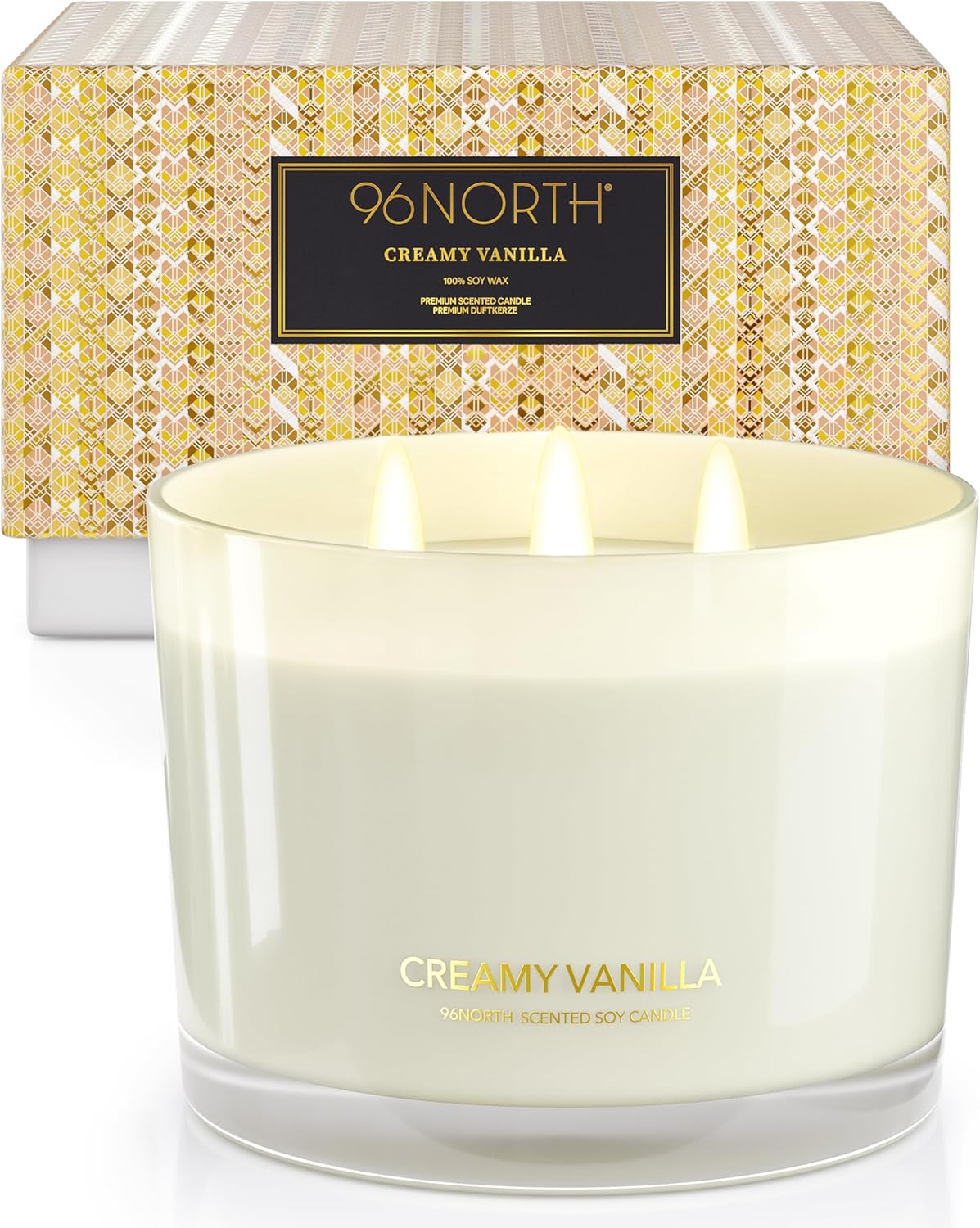
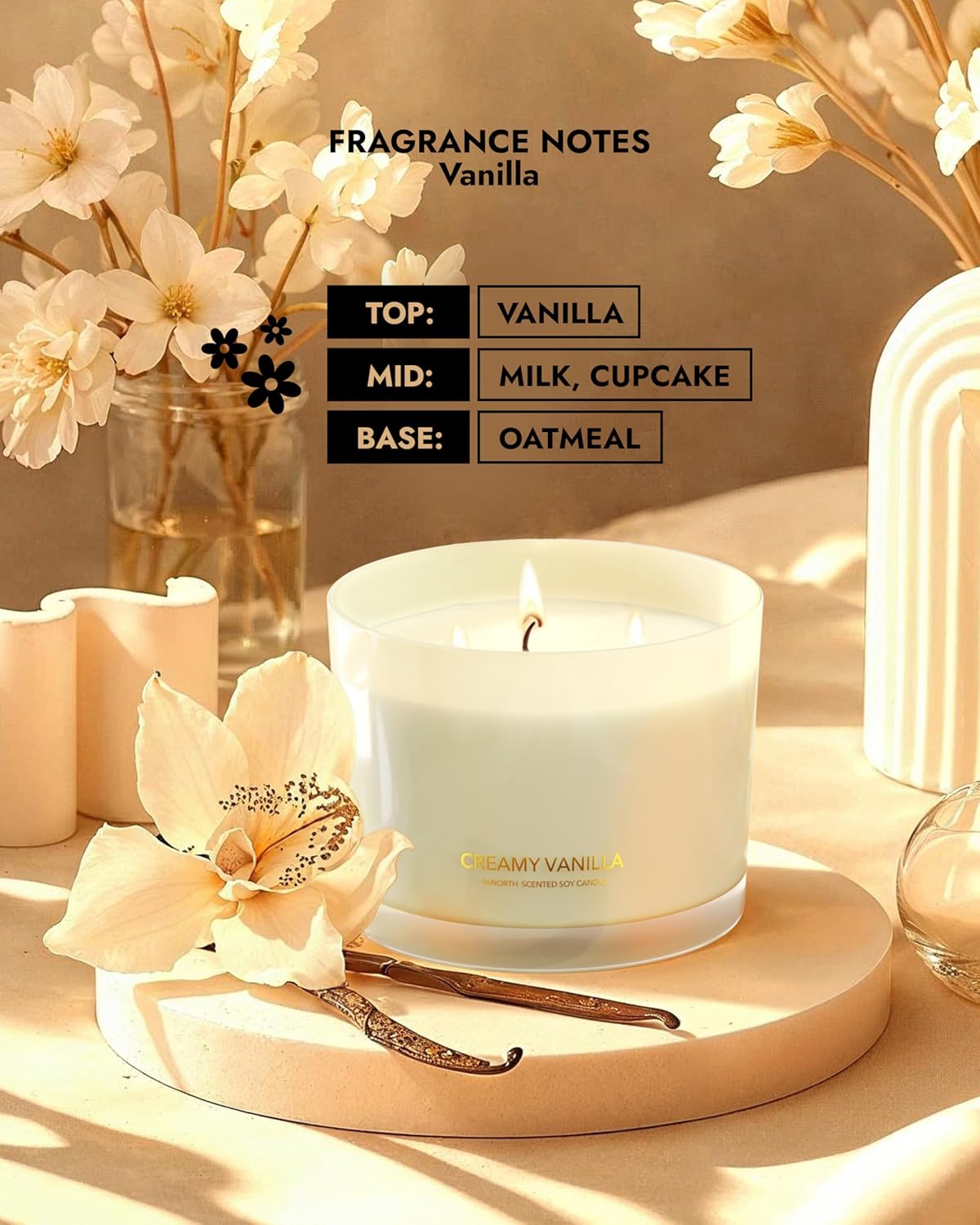
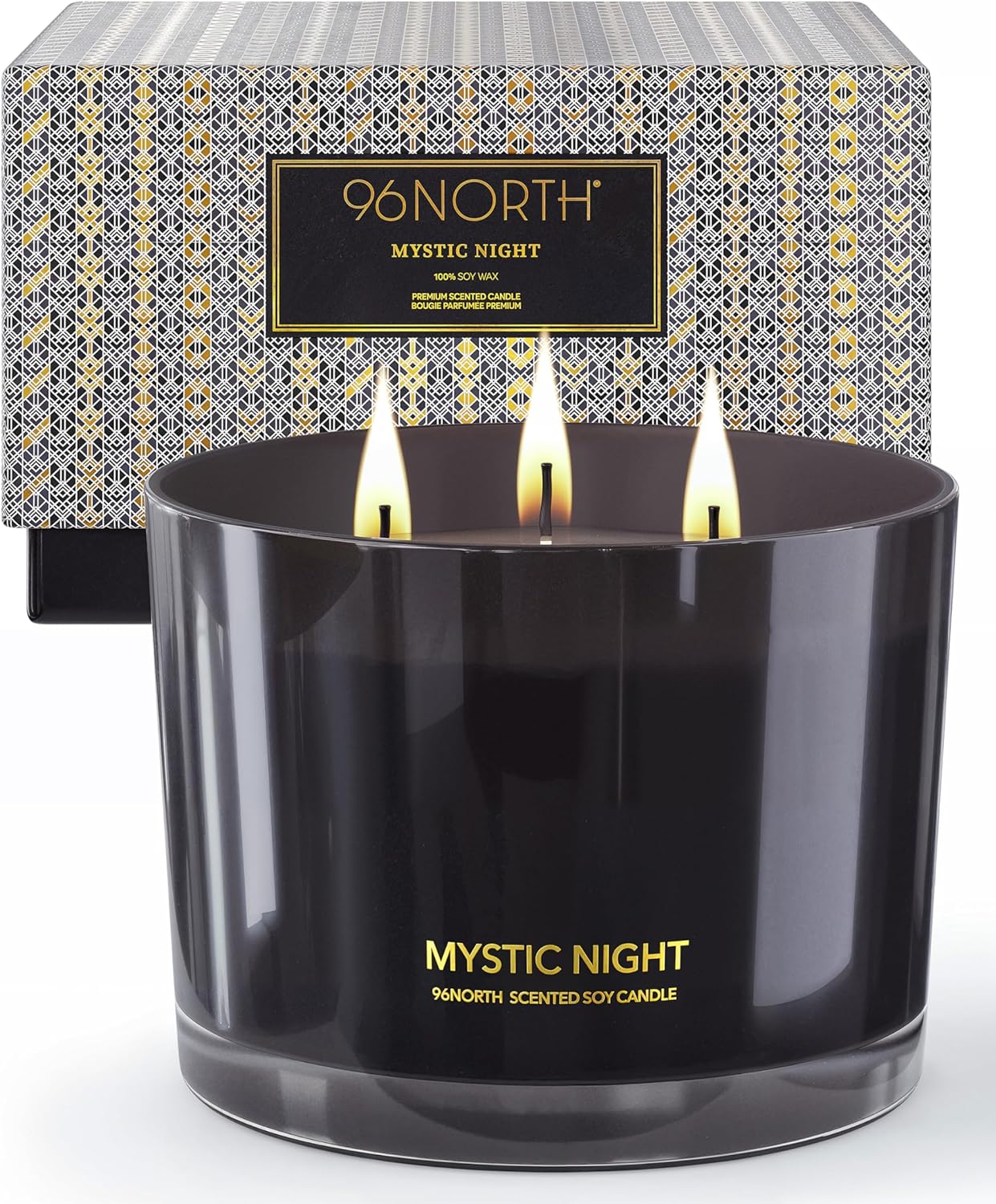
1. Pure Candle Balsam & Cedar by 96NORTH

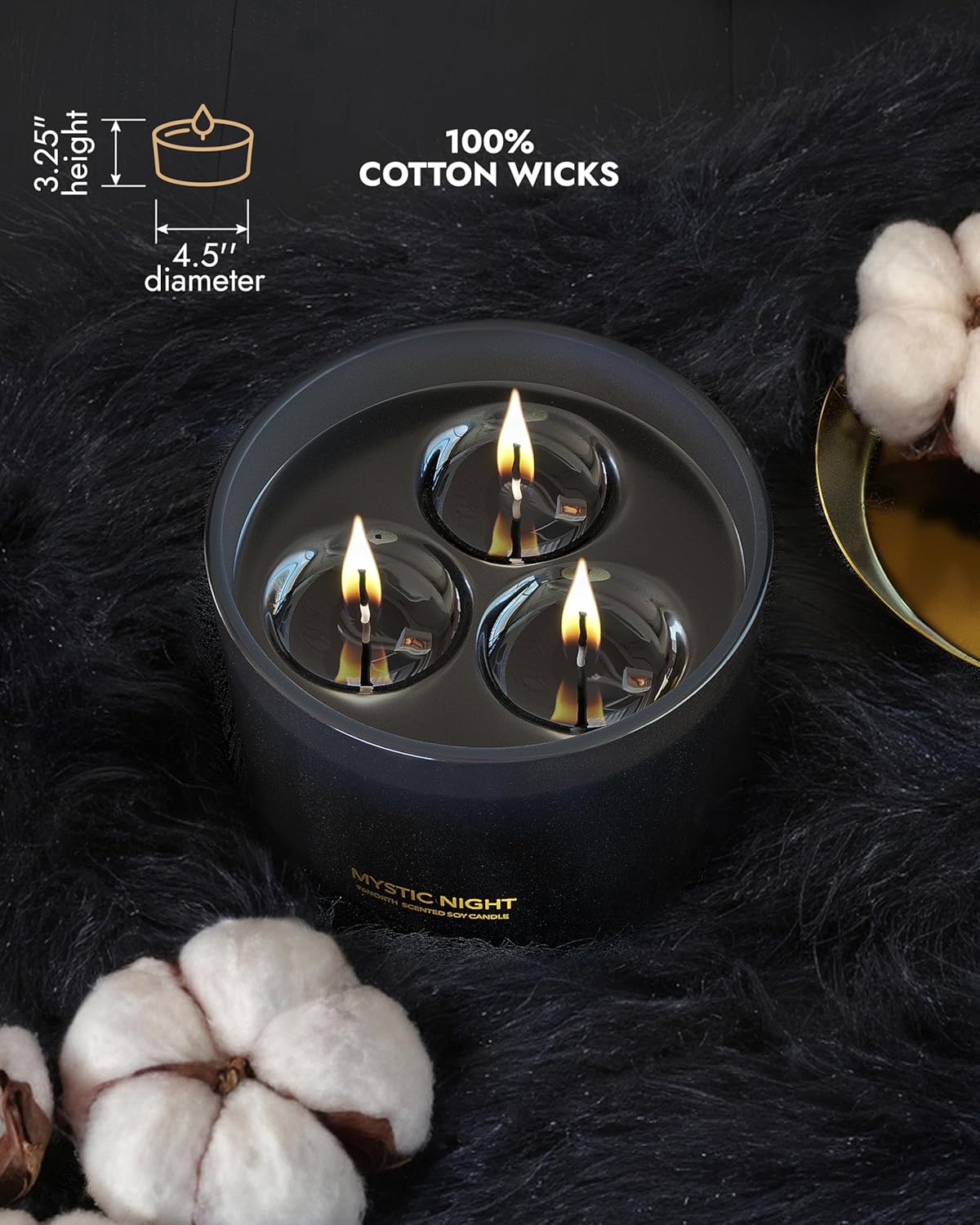
The 96NORTH Balsam & Cedar candle uses 100% natural soy wax, three lead-free cotton wicks, and phthalate-free fragrance oils. Its forest-inspired scent and wide melt pool suit medium and large rooms, while the glass vessel can be reused after the candle is finished.
Key Features:
• 100% Natural Soy Wax, Lead-Free Cotton Wicks, Phthalate-Free Fragrance Oils, 3-Wick Design for Even Burn, Recyclable Glass Vessel with Gold Foil.
Pros:
• Strong scent throw that fills large rooms.
• Clean burn with minimal visible soot when maintained correctly.
• Eco-conscious ingredients at an accessible price point.
Cons:
• Glass vessel requires careful upcycling.
• Limited to specific seasonal availability.
Best For: Shoppers who prefer strong balsam and cedar fragrances in medium or large rooms.
2. Fontana Candle Co. Spiced Chai

Fontana Candle Co. makes its Spiced Chai candle with a beeswax and coconut oil blend, a wood wick, and essential oil-based fragrance. The brand is MADE SAFE certified and provides clear ingredient information. Its scent throw is generally lighter than candles made with conventional fragrance oils.
Key Features:
• MADE SAFE Certified, Beeswax and Coconut Oil Blend, Pure Essential Oil Scents, Wooden Wicks.
Pros:
• Highest standard of ingredient transparency.
• No synthetic fragrances or petroleum byproducts.
• Unique crackling wooden wick.
Cons:
• Subtle scent throw compared to soy/paraffin blends.
• Best suited for small spaces like bathrooms or offices.
Best For: Shoppers who prefer essential oil fragrances and detailed ingredient disclosure.
3. Keap Candles Wood Cabin
Keap uses a coconut wax blend, plastic-free packaging, and a return program for its glass vessels. Wood Cabin has an earthy pine and cedar profile, while the subscription model suits people who burn candles regularly. The company is B Corp certified.
Key Features:
• Zero-waste refillable glass program, Sustainable Coconut Wax, B-Corp Certified, Plastic-free shipping.
Pros:
• Sophisticated, master-perfumer level scents.
• Excellent commitment to zero-waste packaging.
• Long-lasting burn time.
Cons:
• Higher price point per ounce.
• Subscription model may not suit occasional buyers.
Best For: Regular candle users who value reusable vessels and low-waste packaging.
4. P. F. Candle Co. Teakwood & Tobacco

P. F. Candle Co. makes Teakwood & Tobacco with domestically grown soy wax, cotton core wicks, and phthalate-free fragrance oils. The warm woody scent comes in the brand's reusable amber apothecary jar and works best in small and medium rooms.
Key Features:
• 100% US-Grown Soy Wax, Cotton Core Wicks, Vegan and Cruelty-Free, Signature Amber Glass Packaging.
Pros:
• Very affordable entry-level luxury.
• Consistent quality and widely available.
• The aesthetic fits well with minimalist decor.
Cons:
• Scent throw can be weak in very large, open-concept rooms.
• Soy wax is prone to minor tunneling if not burned correctly.
Best For: Shoppers who want an affordable soy candle with a warm woody scent.
5. Slow North Eucalyptus + Lavender

Slow North uses soy wax, essential oil-based fragrance, and cotton-and-paper wicks. Its Eucalyptus + Lavender candle has a lighter herbal scent and recyclable packaging, making it suitable for smaller rooms and shoppers who prefer essential oil fragrances.
Key Features:
• 100% Essential Oil Fragrance, Soy Wax Base, Recyclable Tin or Glass Options, Small-batch production.
Pros:
• Essential oil-based herbal fragrance.
• Made without conventional synthetic fragrance oils.
• Beautiful, botanical-inspired packaging.
Cons:
• Essential oils evaporate faster, leading to a shorter shelf life.
• Scent profile is limited to natural botanicals.
Best For: Small rooms and shoppers who prefer lighter eucalyptus and lavender scents.
6. Brooklyn Candle Studio Fern + Moss

Brooklyn Candle Studio makes Fern + Moss with soy wax from American-grown soybeans, cotton wicks, and phthalate-free fragrance oils. The green, earthy scent comes in a minimalist glass vessel, and the brand states that its production facility uses renewable energy.
Key Features:
• Eco-friendly Soy Wax, Lead-free Cotton Wicks, Petroleum-free and Phthalate-free, Renewable energy-powered production.
Pros:
• Elegant, minimalist design.
• Stronger throw than many essential-oil-only brands.
• Ethical labor and production practices.
Cons:
• Premium pricing for the size.
• Fragrance can be quite potent for sensitive individuals.
Best For: Home offices and shoppers who prefer green, earthy fragrances.
7. Public Goods Cedar & Suede
Public Goods Cedar & Suede uses a soy wax blend, a lead-free cotton wick, and simple glass packaging. Its restrained design and moderate price make it a practical everyday option, although the best pricing may require a membership.
Key Features:
• Soy Wax Blend, Lead-free Cotton Wick, Minimalist, low-waste packaging, Vegan-friendly.
Pros:
• Excellent value for the price.
• Clean, simple aesthetic that fits any room.
• Reliable, even burn.
Cons:
• Scent complexity is lower than luxury competitors.
• Requires a membership for the best pricing.
8. United by Blue Sea Holly
United by Blue is a B-Corp that ties every purchase to ocean conservation. Their Sea Holly candle is made with a hand-poured soy wax blend in a reusable ceramic vessel. The brand's mission is to remove trash from the world's oceans, making this a purchase that supports global environmental health beyond just the ingredients in the jar.
Key Features:
• B-Corp Certified, Reusable Ceramic Vessel, Soy Wax Blend, Ocean conservation mission.
Pros:
• Direct environmental impact with every purchase.
• High-quality, artisan-style vessel.
• Unique, coastal-inspired scents.
Cons:
• Ceramic vessels can get very hot during use.
• Limited scent variety.
Best For: Shoppers who want a reusable ceramic vessel and a conservation-focused brand.
9. Paddywax Apothecary Chamomile & Fig
Paddywax Apothecary Chamomile & Fig uses a soy wax blend and comes in an amber glass vessel designed for reuse. The soft fruity and herbal fragrance suits bedrooms and living areas, while the vintage-style jar works well as storage after use.
Key Features:
• Soy-blend wax, reusable glass vessels, cotton wicks, and a wide range of fragrance options.
Pros:
• Beautiful vintage aesthetic.
• Vessels are specifically designed for second lives.
• Good scent throw for the price.
Cons:
• Uses a soy-blend (may contain some paraffin).
• Wicks can sometimes 'mushroom' if not trimmed.
Best For: Shoppers who like vintage-style jars and reusable packaging.
10. Mrs. Meyer's Clean Day Lavender
Mrs. Meyer's Lavender candle uses a vegetable wax blend, including soy and palm, with a lead-free wick. It is widely available, moderately priced, and packaged in a recyclable glass jar. Shoppers concerned about palm sourcing should review the brand's current sourcing information.
Key Features:
• Vegetable Wax Base, Lead-free Cotton Wick, Recyclable Glass Jar, Cruelty-free.
Pros:
• Extremely accessible and affordable.
• Consistent, familiar scents.
• Long burn time for the size.
Cons:
• Contains some palm oil (sourcing can be controversial).
• Packaging is functional rather than decorative.
How to Get More From a Sustainable Candle
Plant-based waxes can behave differently from paraffin blends, so wick care and the first burn are important. Trim the wick before use and allow the first melt pool to reach close to the vessel edges to reduce tunneling.
Why the First Burn Matters
Tunneling occurs when the wax burns down the center and leaves a ring around the vessel. During the first use, follow the manufacturer's guidance and allow the melt pool to reach close to the edges before extinguishing the flame. Do not exceed the stated maximum burn time.
Matching Scents to Daily Use
Different fragrances can suit different rooms and times of day. Coffee and citrus scents work well in offices and kitchens, while lavender, pine, and woody scents are common choices for bedrooms and living areas. Choose based on personal preference rather than expecting a medical effect.
Conclusion
Choosing an eco-friendly candle involves more than picking a pleasant scent. Compare the wax source, wick material, fragrance disclosure, packaging, vessel reuse, and burn performance. The strongest option is the one that matches your priorities and provides clear information rather than relying on vague sustainability language.
Frequently Asked Questions
Are eco-friendly candles worth the higher price?
Eco-friendly candles often cost more because of the wax, fragrance materials, packaging, or small-batch production. Compare burn time, vessel size, ingredient disclosure, and packaging reuse rather than assuming every higher-priced candle is automatically more sustainable.
How do I prevent tunneling in my soy candles?
During the first use, allow the melt pool to reach close to the vessel edges, following the manufacturer's recommended burn time. Trim the wick to about 1/4 inch before each use and keep the candle away from drafts.
What is the difference between essential oils and phthalate-free fragrance oils?
Essential oils are plant extracts and often produce a lighter scent in candles. Phthalate-free fragrance oils can create stronger and more complex aromas. Neither category is automatically better for every household, so review the brand's disclosure and follow the product instructions.